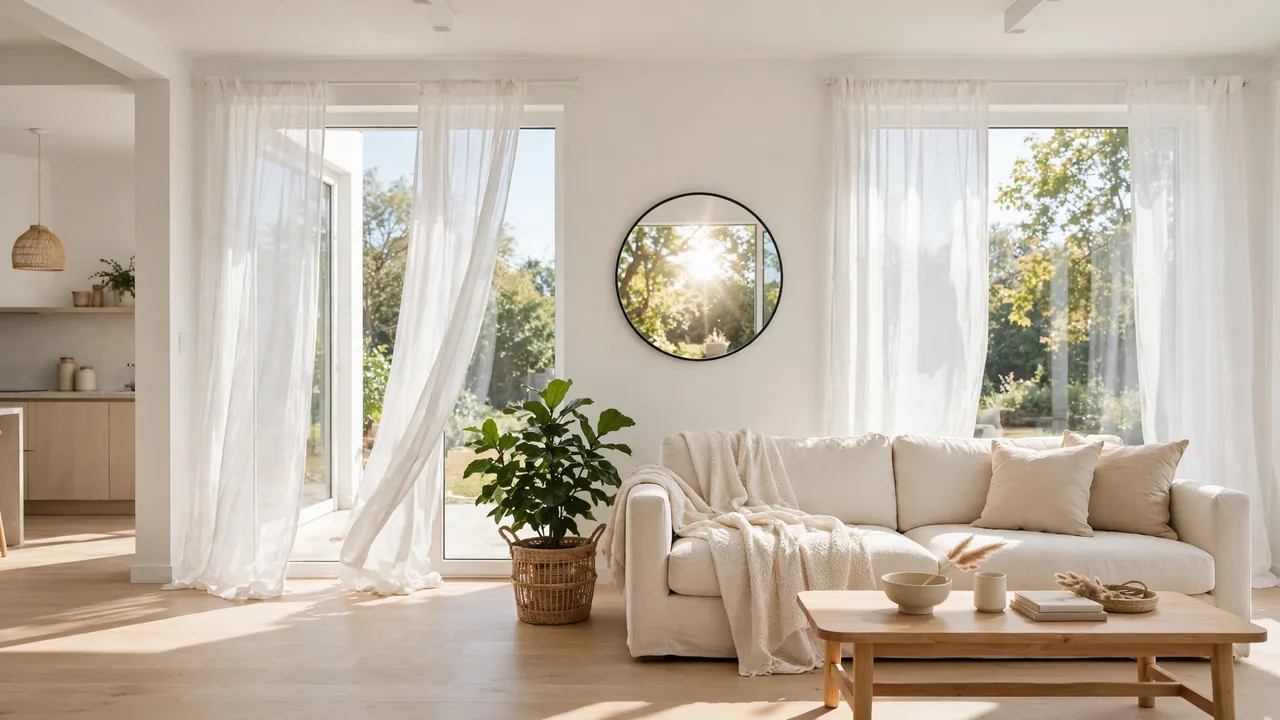
How to Make Dark Rooms Look Brighter
If your living room feels gloomy even at noon, learning how to make dark rooms look brighter can change how the space feels. Dark corners make a room feel smaller, colder, and less welcoming, no matter how nicely you decorate it. The good news is that most darkness problems come from a handful of fixable causes, not from the room itself.
In my experience, most people assume they are stuck with a dark room, but small changes to lighting, color, and layout can lift even the gloomiest space. This guide walks you through ten practical steps, from assessing your light sources to simple decor swaps that bounce brightness around. If your dark room is also tiny, you may like how to maximize space in small kitchens as a companion read.
Why Some Rooms Stay Dark
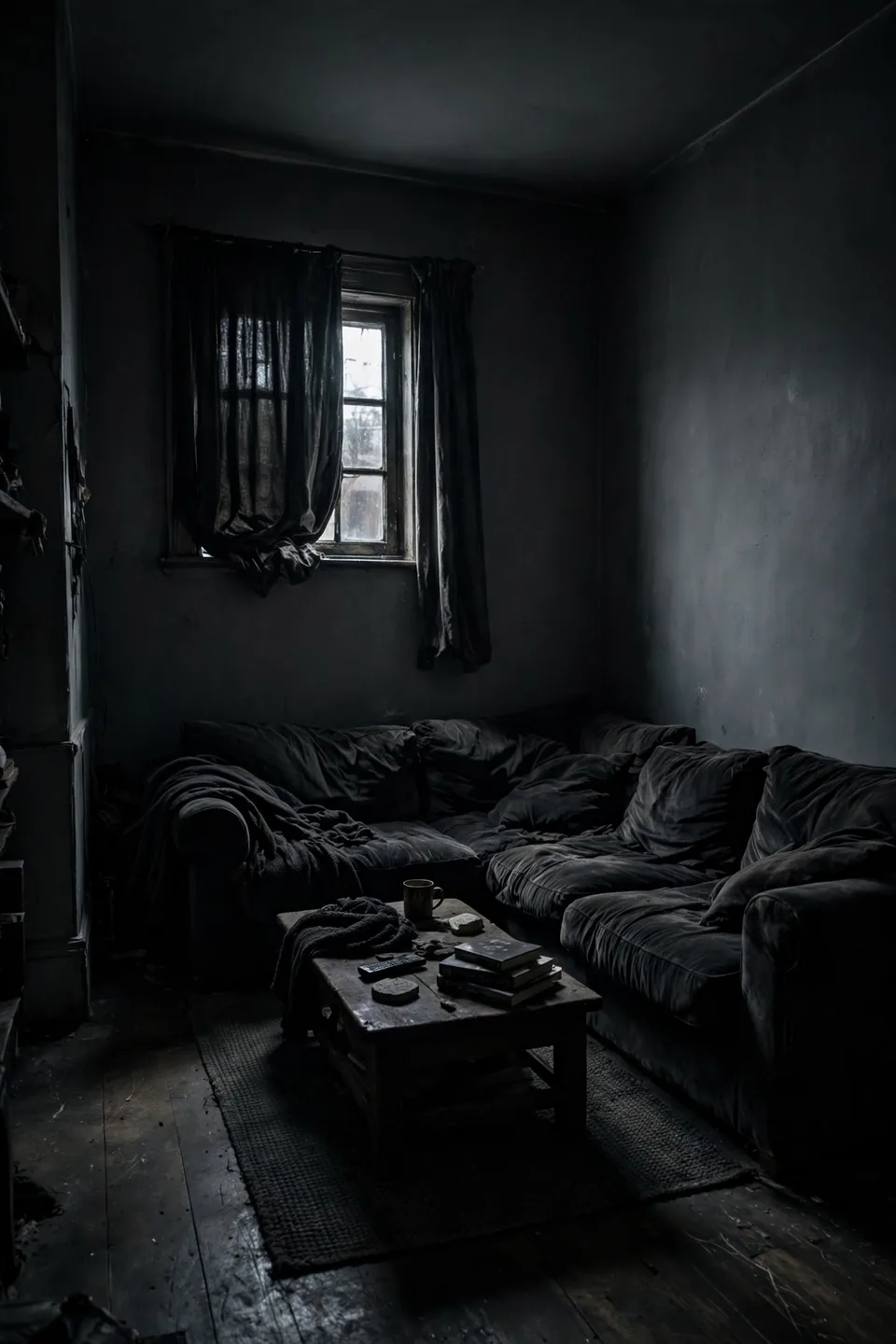
Some rooms fight brightness no matter the season. North-facing windows get soft, indirect light all day, while small or shaded windows limit how much sun reaches inside. Dark wall colors absorb light instead of reflecting it, and heavy furniture crowds the floor so the room feels closed in.
Low ceilings and deep floor plans make the problem worse by trapping shadows in corners where lamps rarely reach. Once you understand which of these causes apply to your room, you can pick the fixes that will actually move the needle instead of guessing.
Assess Your Light Sources
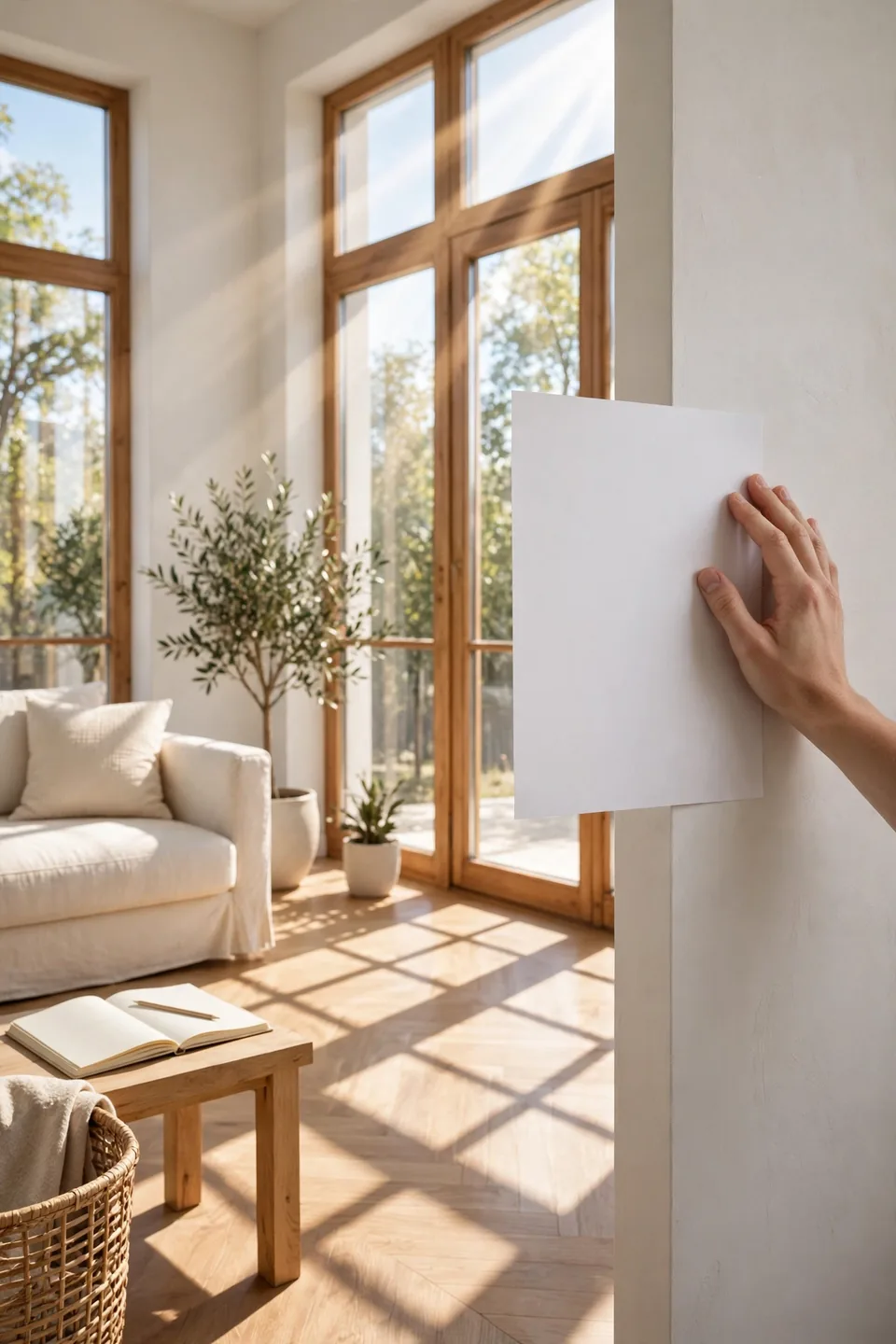
Before buying a single lamp, spend one day watching how light moves through your room. Note which windows get direct sun and when, where shadows pool in the afternoon, and which corners stay dim even at midday, so you know exactly what you are working with.
- Walk through the room at morning, noon, and evening, and jot down where light falls and where it fades.
- Hold a white sheet of paper in each corner at midday; dull gray paper means that corner gets almost no useful light.
- List every existing light source, including windows, ceiling lights, and lamps, and mark which areas they fail to reach.
- Check for blockers like tall hedges, neighboring buildings, or heavy curtains that steal daylight before it enters.
Maximize Natural Daylight
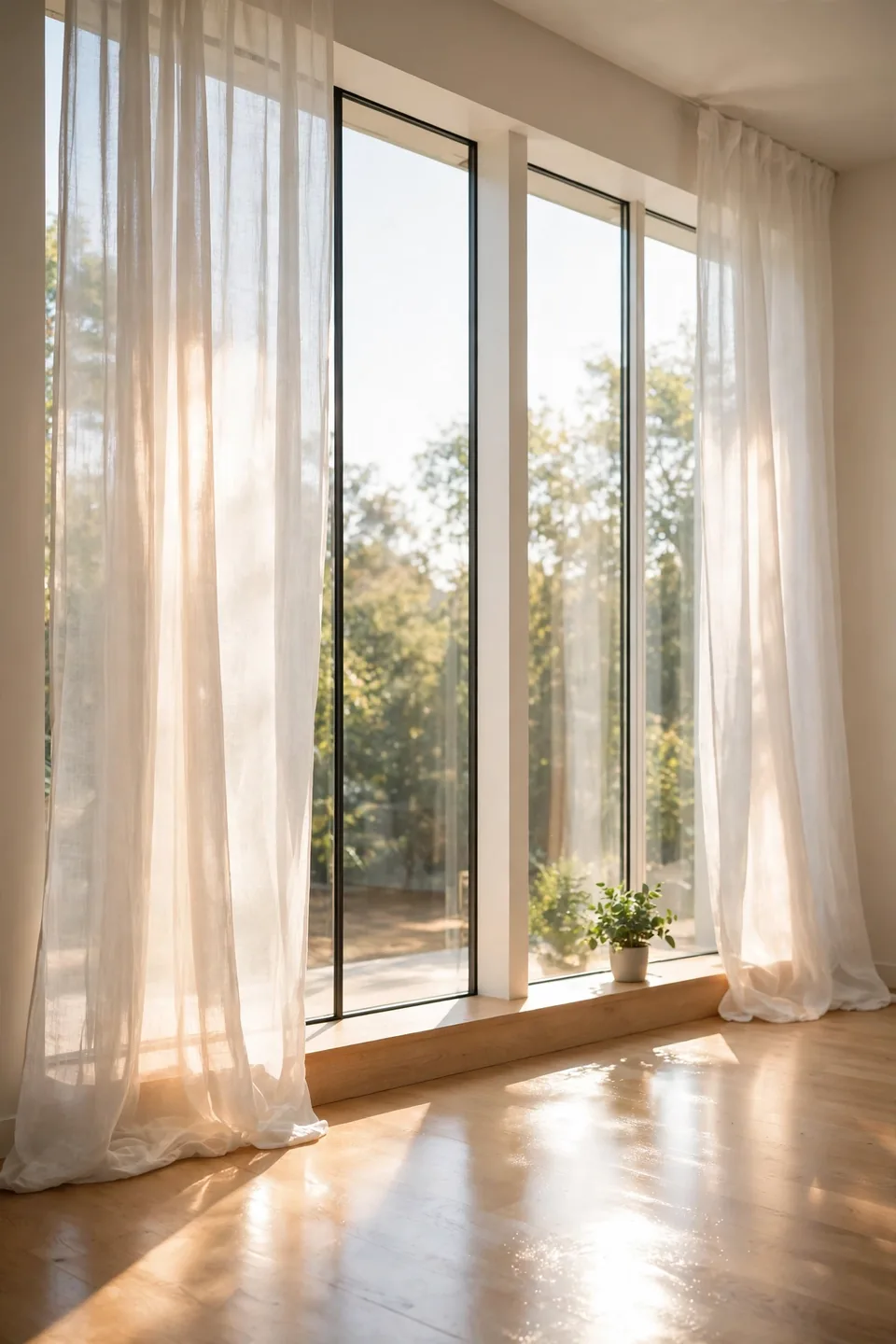
Quick Tip: Wash your windows inside and out, then trim anything blocking them. Dirty glass can cut incoming daylight by a surprising amount, and this free fix takes under an hour. It is the fastest brightness win in this entire guide.
Keep window sills clear and pull furniture a few inches away from glass so light spills deeper into the room. Swap heavy drapes for sheers during the day, and keep blinds tilted to bounce light toward the ceiling. Every extra ray you invite in means less work for your lamps later.
Layer Your Artificial Lighting
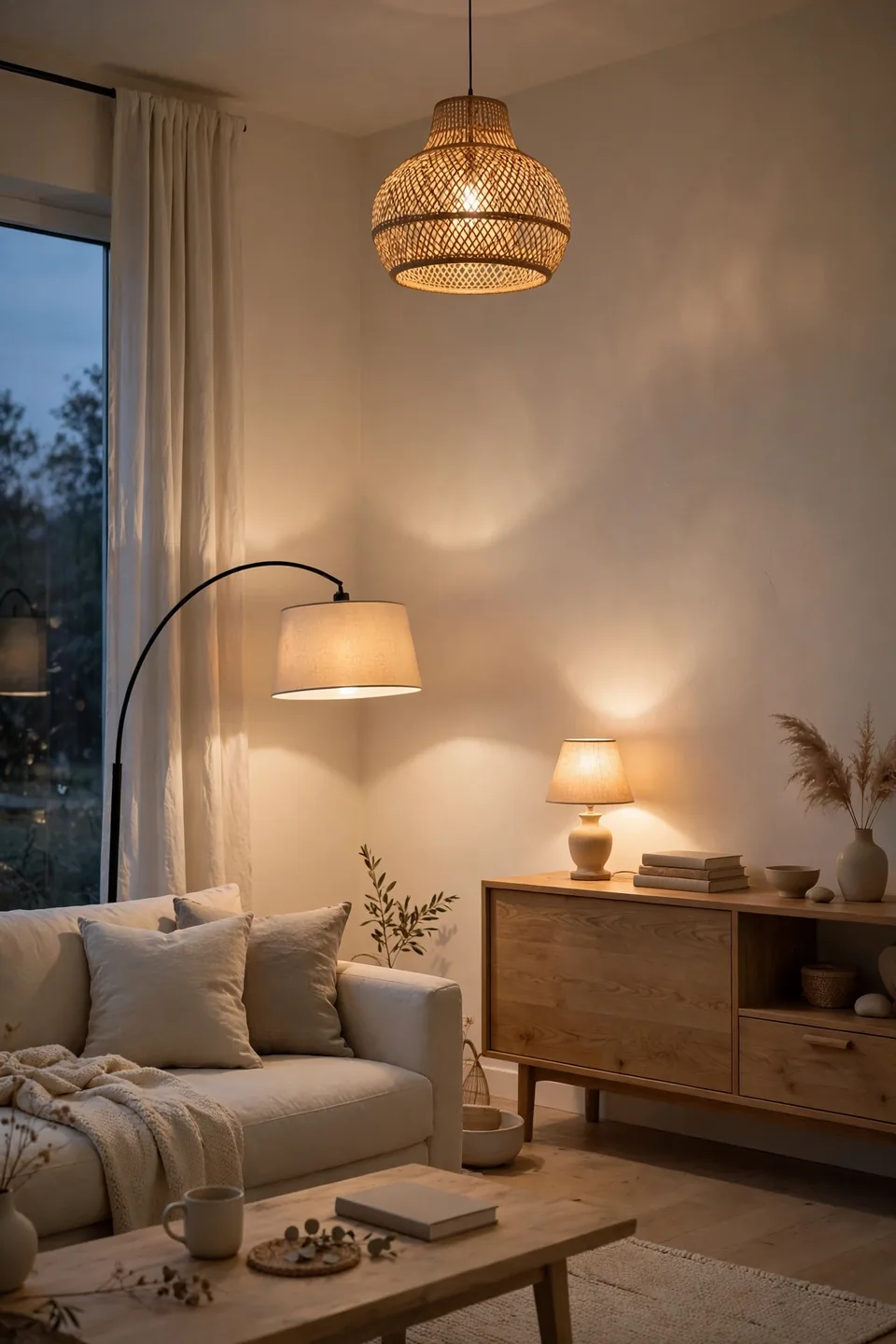
Common Mistake: Most people rely on a single harsh ceiling light and wonder why the room still feels gloomy. One overhead source creates deep shadows in every corner and flattens the whole space. It is the fastest way to make a dark room feel even darker at night.
The Fix: Layer three types of light instead: ambient light from the ceiling, task light where you read or work, and accent light to wash walls and corners. This combination fills shadows from several directions at once. The room will feel brighter and more welcoming instantly.
Choose warm white bulbs around 2700 to 3000 Kelvin for a cozy glow that still feels bright. Place floor lamps in the darkest corners and add small table lamps on sideboards. In my experience, three modest light sources beat one powerful fixture easily every time.
Choose Light, Reflective Colors
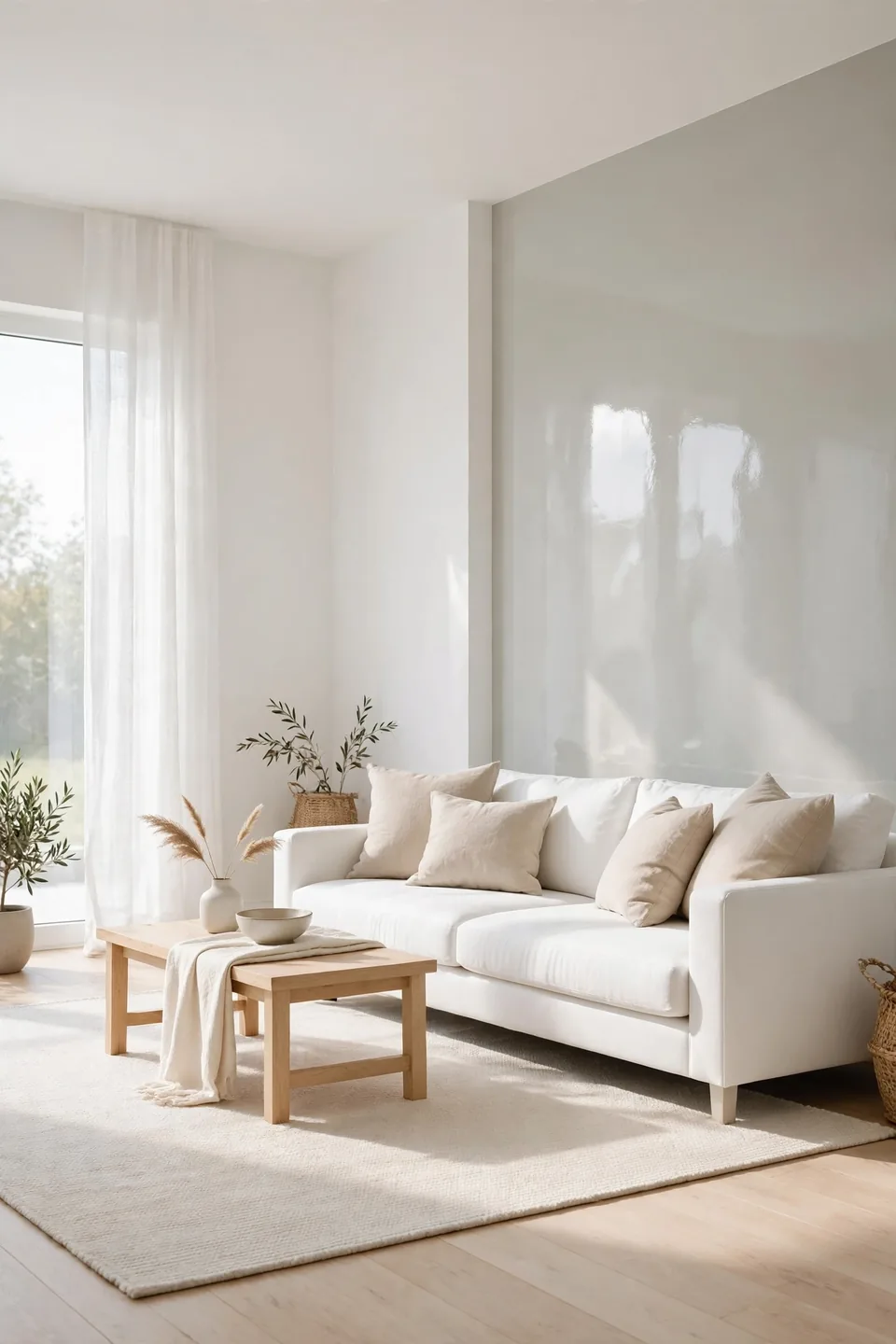
What You Need:
- Light wall paint in white, cream, or pale gray: these shades reflect up to 80 percent of light back into the room.
- A light-colored ceiling, ideally flat white: ceilings bounce the most light, so keep yours bright.
- Pale area rugs: they lift dark floors and keep the room feeling open underfoot.
- Glossy or satin paint finishes: a slight sheen reflects more light than flat matte paint.
- Light wood or white furniture pieces: they keep sight lines airy instead of heavy.
When you are learning how to make dark rooms look brighter, paint is your biggest lever because walls cover the most surface. A single weekend of repainting can transform a cave-like space, and lighter trim around windows frames the daylight beautifully while keeping edges crisp and clean.
Use Mirrors Strategically
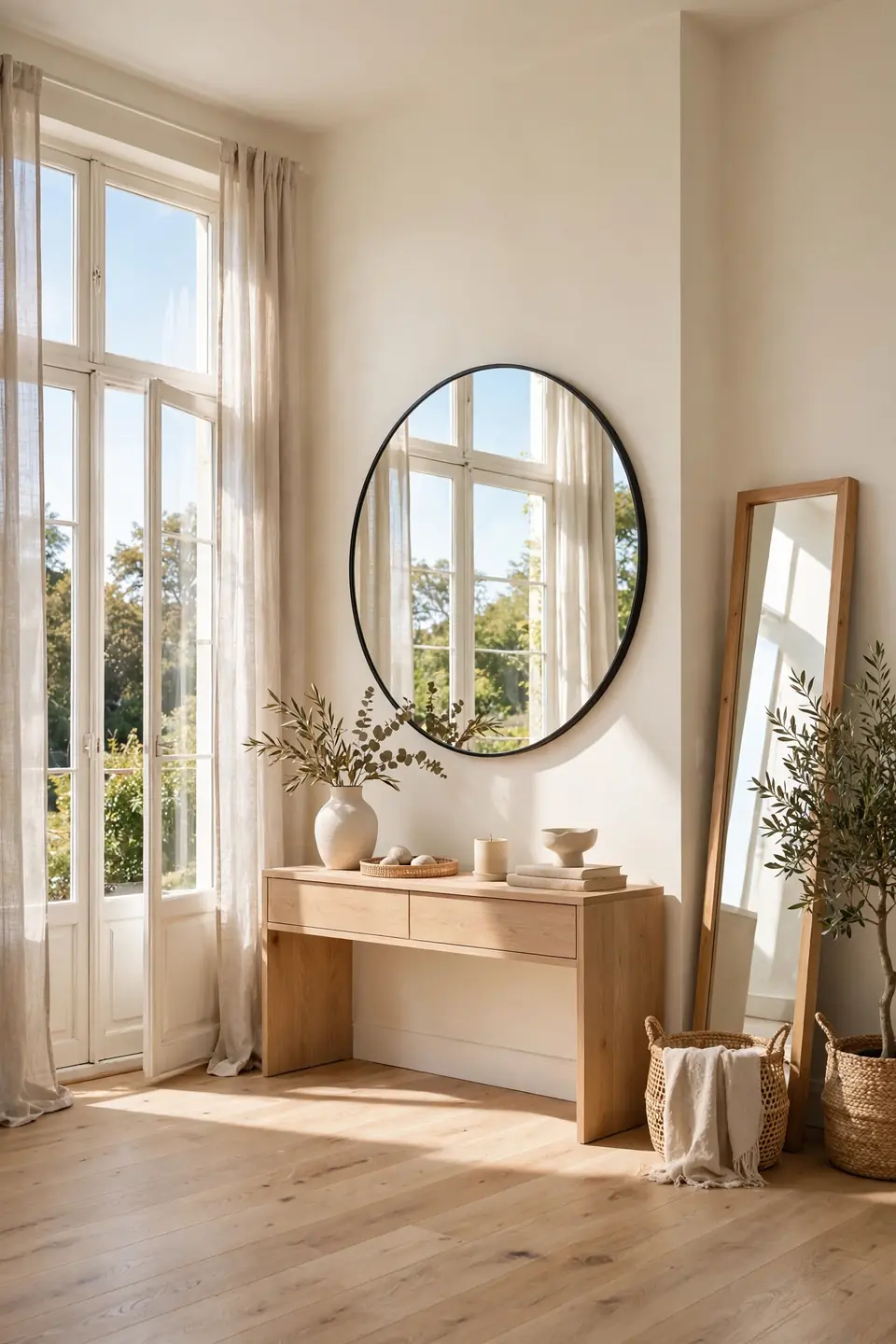
Before: A dark room with bare walls swallows every bit of light that enters. Lamps glow in isolated pools while corners stay murky, and the space feels half its actual size.
After: With mirrors placed well, daylight bounces across the room instead of dying at the window. The same lamps suddenly seem twice as bright, and the room feels open, lively, and full of depth.
Hang a large mirror directly across from your brightest window to double its effect. Lean a tall mirror in a dark corner to push light where lamps cannot reach. Keep mirror frames slim and light so they add brightness without visual weight to the wall.
Pick Light-Filtering Window Treatments
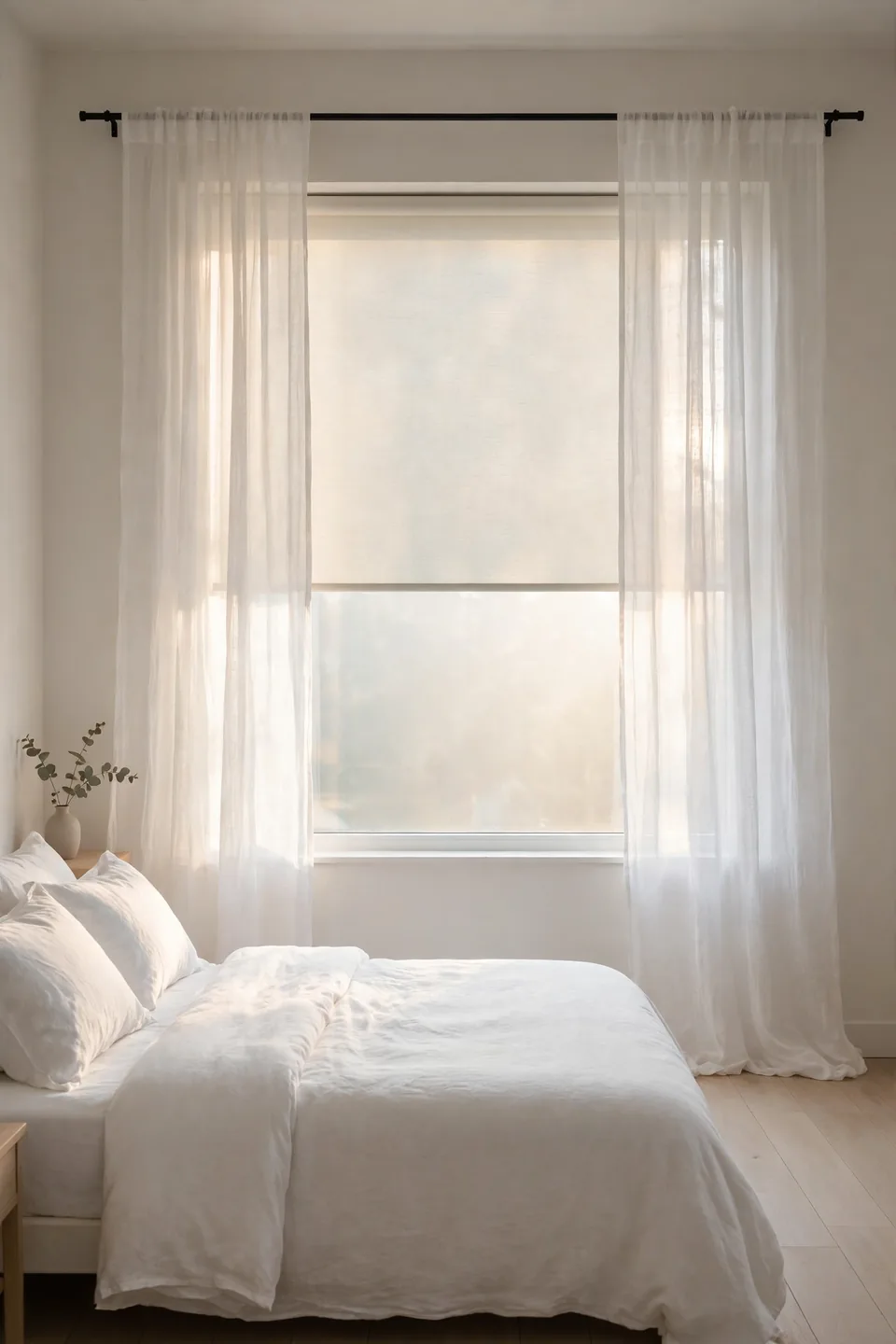
Do This:
- Hang sheer linen curtains that glow when daylight passes through them.
- Mount curtain rods wider than the window so panels stack clear of the glass.
- Choose white or ivory blinds that reflect light even when partly closed.
- Layer sheers under heavier drapes so you can go bright by day and cozy by night.
Avoid This:
- Do not hang dark, heavy curtains that swallow daylight before it enters.
- Avoid valances or pelmets that cover the top third of your window.
- Do not place tall furniture directly in front of windows.
- Skip frosted films on already dim windows unless privacy truly demands it.
The goal is simple: let maximum daylight in while keeping privacy exactly where you need it. Sheers strike that balance beautifully, softening harsh sun without dimming the room. Adjust your treatments through the day as the light shifts, opening everything wide during the brightest hours.
Keep It Bright With Decor Choices
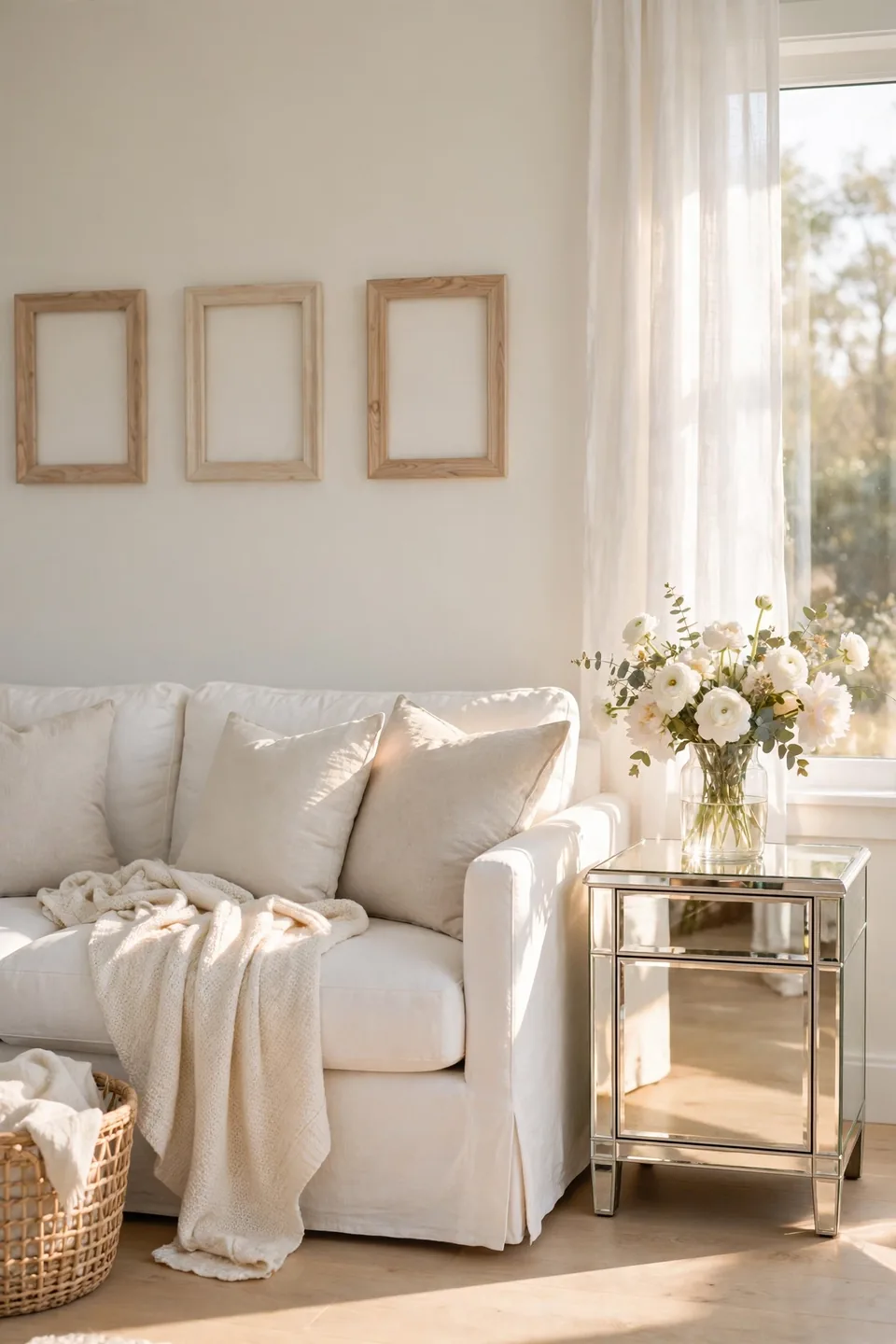
Best For: Living rooms, bedrooms, and home offices that feel dim by day | Cost: Low to medium | Difficulty: Easy | Biggest Win: Light walls plus mirrors | Pro Tip: Repeat light tones in at least three spots per room
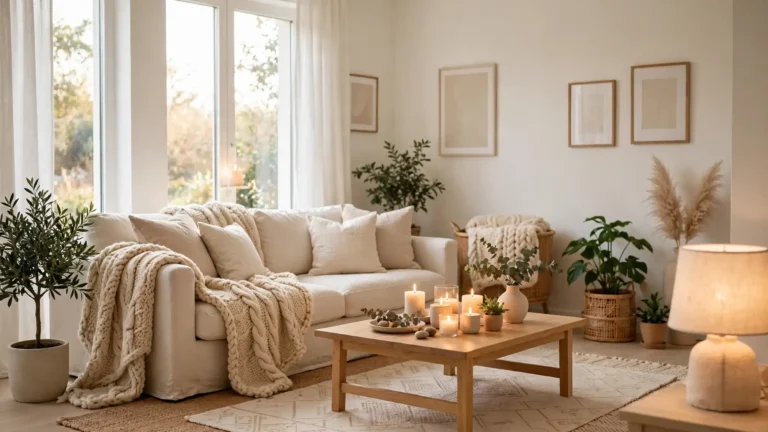
Choose pale textiles, glass accents, and light wood finishes to keep brightness bouncing around the space. A cream throw, a glass vase, and bleached oak frames carry light from corner to corner. I’ve noticed that repeating one light tone in at least three places ties the whole scheme together.
If the room you are brightening is the kitchen, how to organize kitchen cabinets efficiently pairs perfectly with these lighting ideas.
Common Mistakes That Darken Rooms
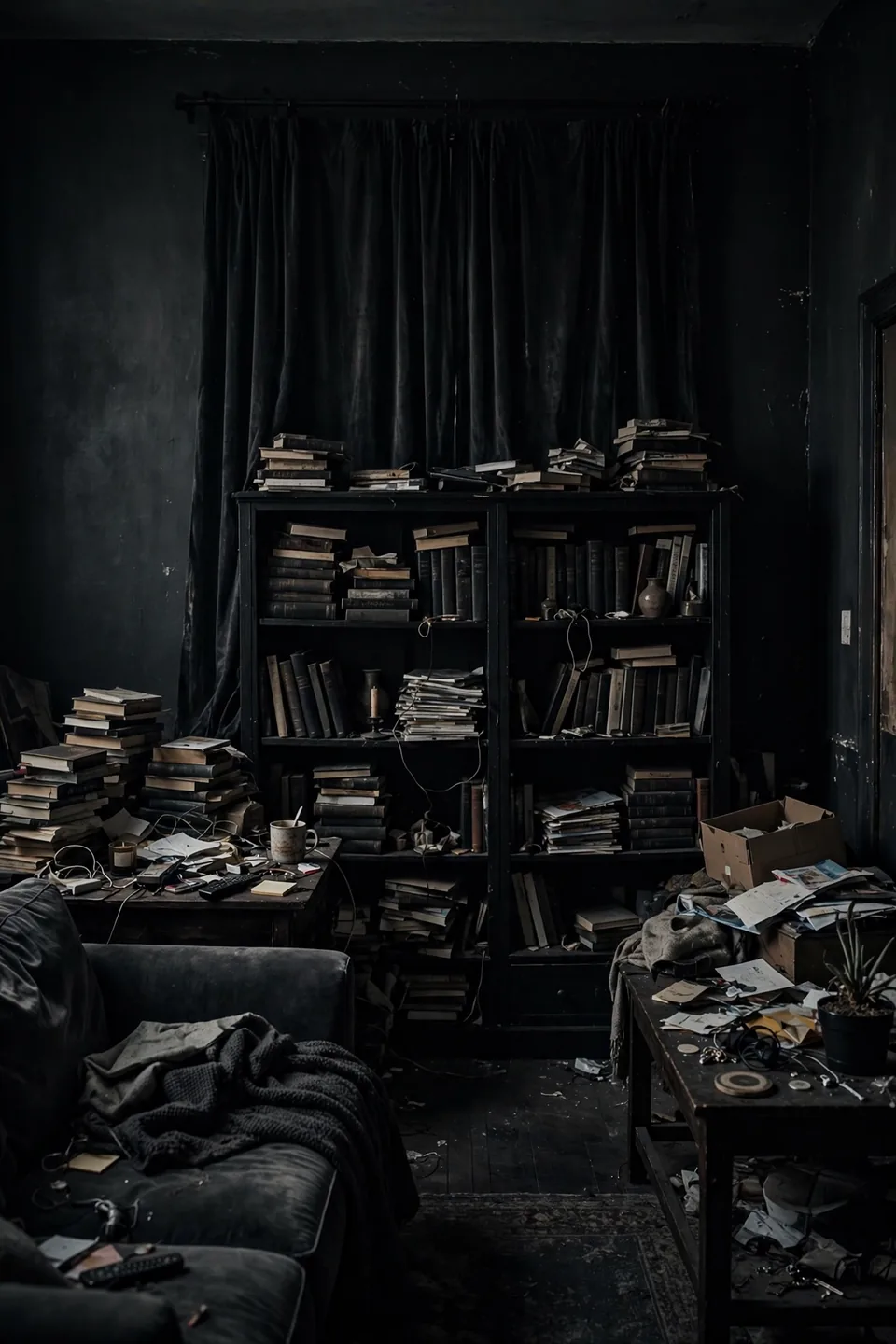
The biggest mistake is painting a dark room a dark color to make it feel cozy and intimate. Instead of cozy, you get a cave, because deep tones absorb the little light available. Another common error is blocking windows with tall bookcases or bulky entertainment units that steal daylight.
People also forget that clutter casts hundreds of tiny shadows that dull a room. Keep surfaces clear, choose furniture with visible legs, and let light travel under and around pieces. Small habits like these protect every bit of brightness you have gained.
Pro Tips for Lasting Brightness
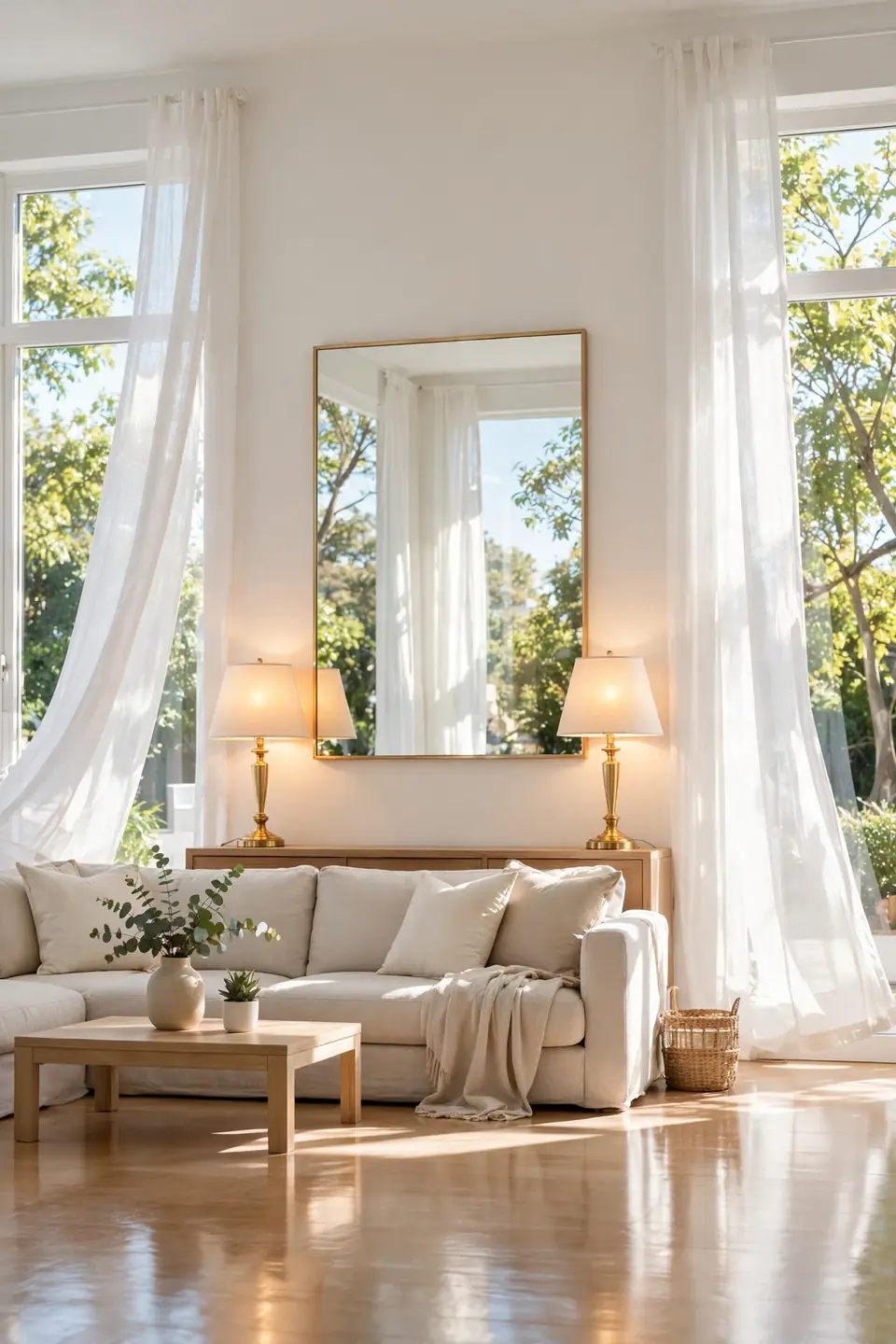
Brightness fades when dust builds up and bulbs age, so a little routine maintenance keeps your room glowing year round. These final habits take only minutes each month and protect all the brightening work you have done.
- Dust bulbs, shades, and mirrors monthly, since a thin film of dust can dim light noticeably.
- Replace aging bulbs promptly; LEDs slowly lose brightness long before they burn out.
- Reassess each season, because the sun’s angle changes which corners need help.
- Keep one spare sheer panel and a daylight bulb on hand for quick fixes.
Conclusion
A brighter room is now within reach, and you understand exactly how to make dark rooms look brighter from the windows inward. Start with the free fixes like washing windows and rearranging furniture, then layer in lighting and color. Save this guide on Pinterest so you can work through it one weekend at a time. Try the steps in your own space and share it with someone living in the gloom. I’ve seen how making this one change can completely shift the result, turning the darkest corner into everyone’s favorite spot.




2 Comments