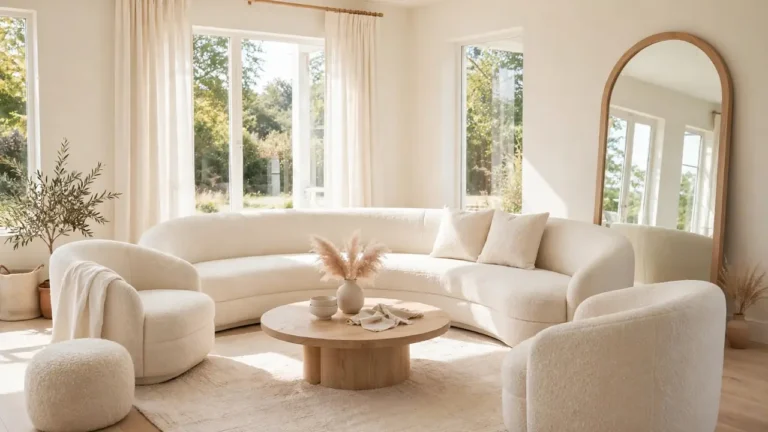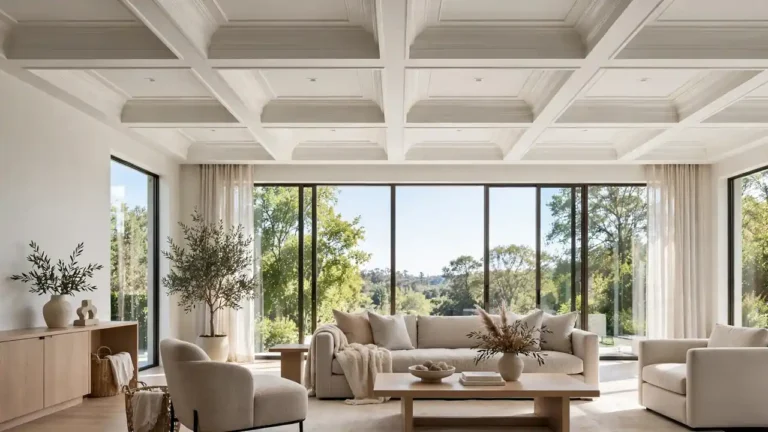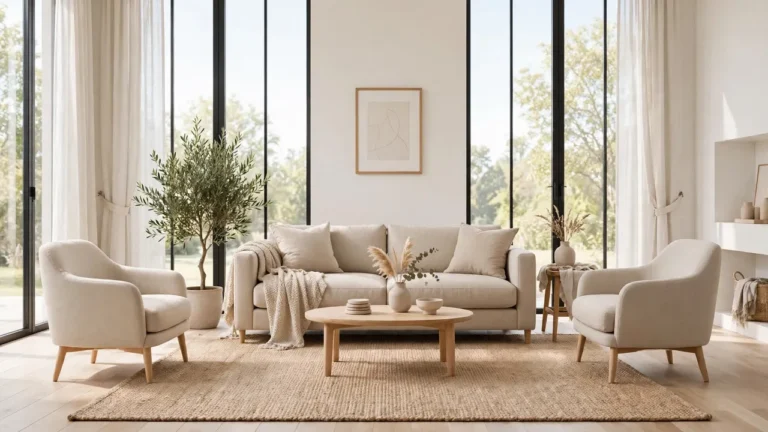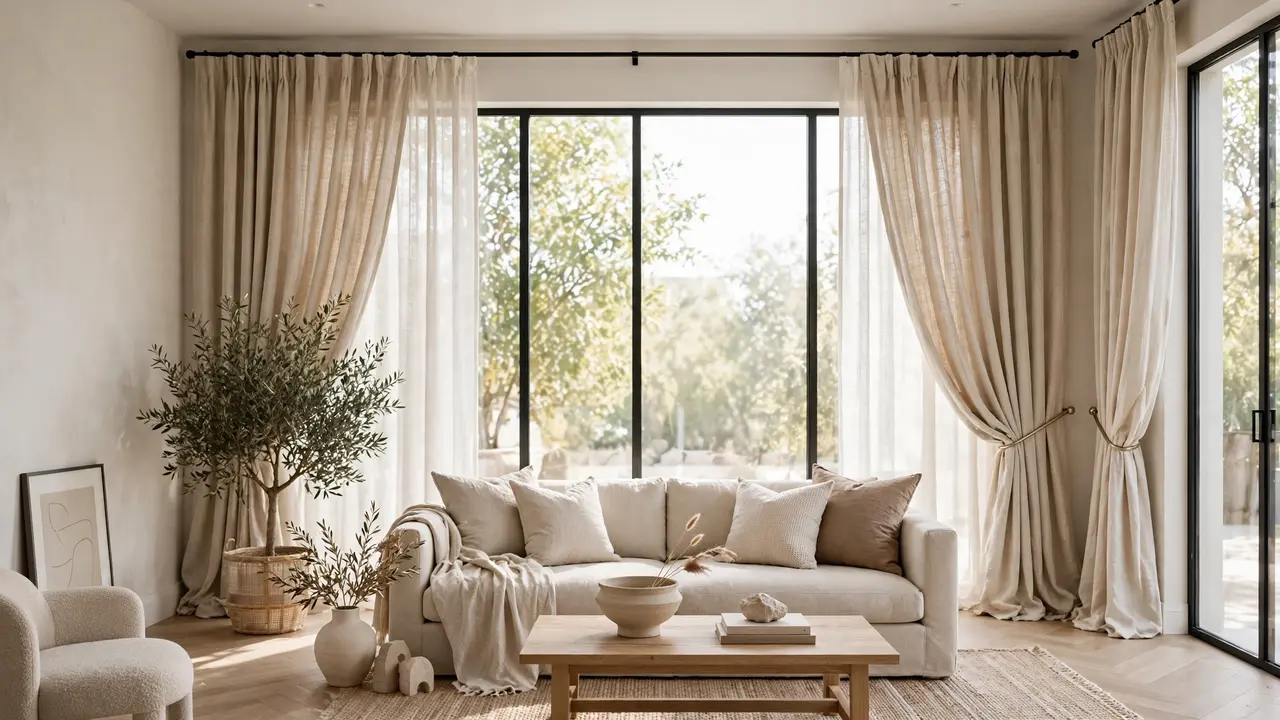
How to Hang Curtains to Make Windows Look Taller
Short windows can drag a whole room down and make the ceiling feel lower than it is, but how to hang curtains to make windows look taller is a trick anyone can learn in one afternoon. The right rod height, panel length, and styling choices pull the eye upward and stretch the wall in a way paint never will.
Most people mount the rod right at the top of the frame, which shrinks the window visually. A few small adjustments fix this fast, with no new windows or major work needed. This guide walks through each step, from measuring to final styling. For a grounded, balanced room, pair these ideas with how to choose the right rug size for a living room once the windows are done.
Mount the Rod Near the Ceiling Line
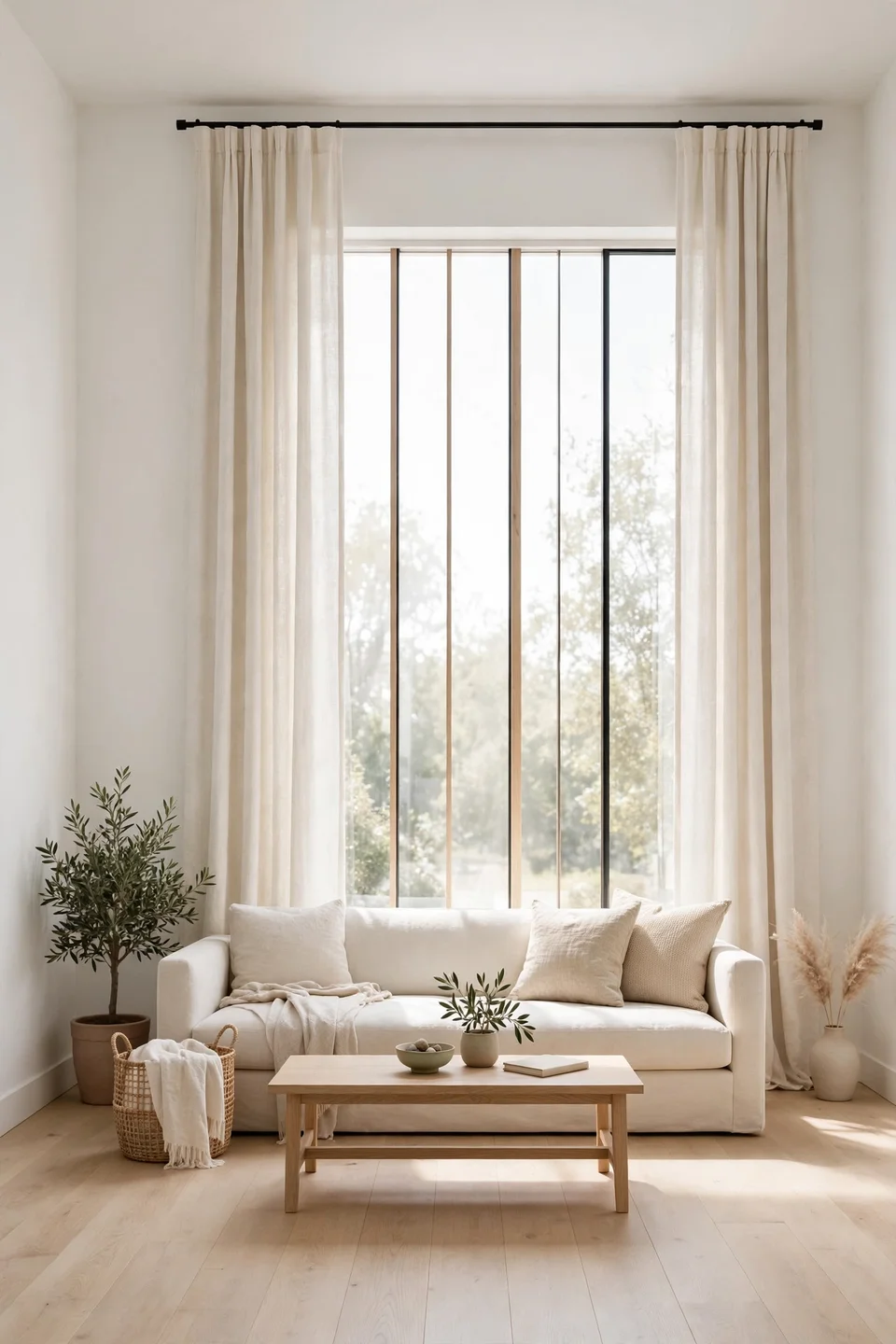
The single biggest change comes from rod placement. Mounting the rod four to six inches below the ceiling, or at least halfway between the frame top and the ceiling, adds instant visual height. The wall above the window becomes part of the window itself, so the whole opening reads taller.
Mark the spot with painter’s tape before drilling, then step back and check the line from the doorway, since that is the view guests see first. Small rooms benefit most here, because a high rod line makes low ceilings feel a full foot taller without touching a thing.
Extend the Rod Beyond the Window Frame
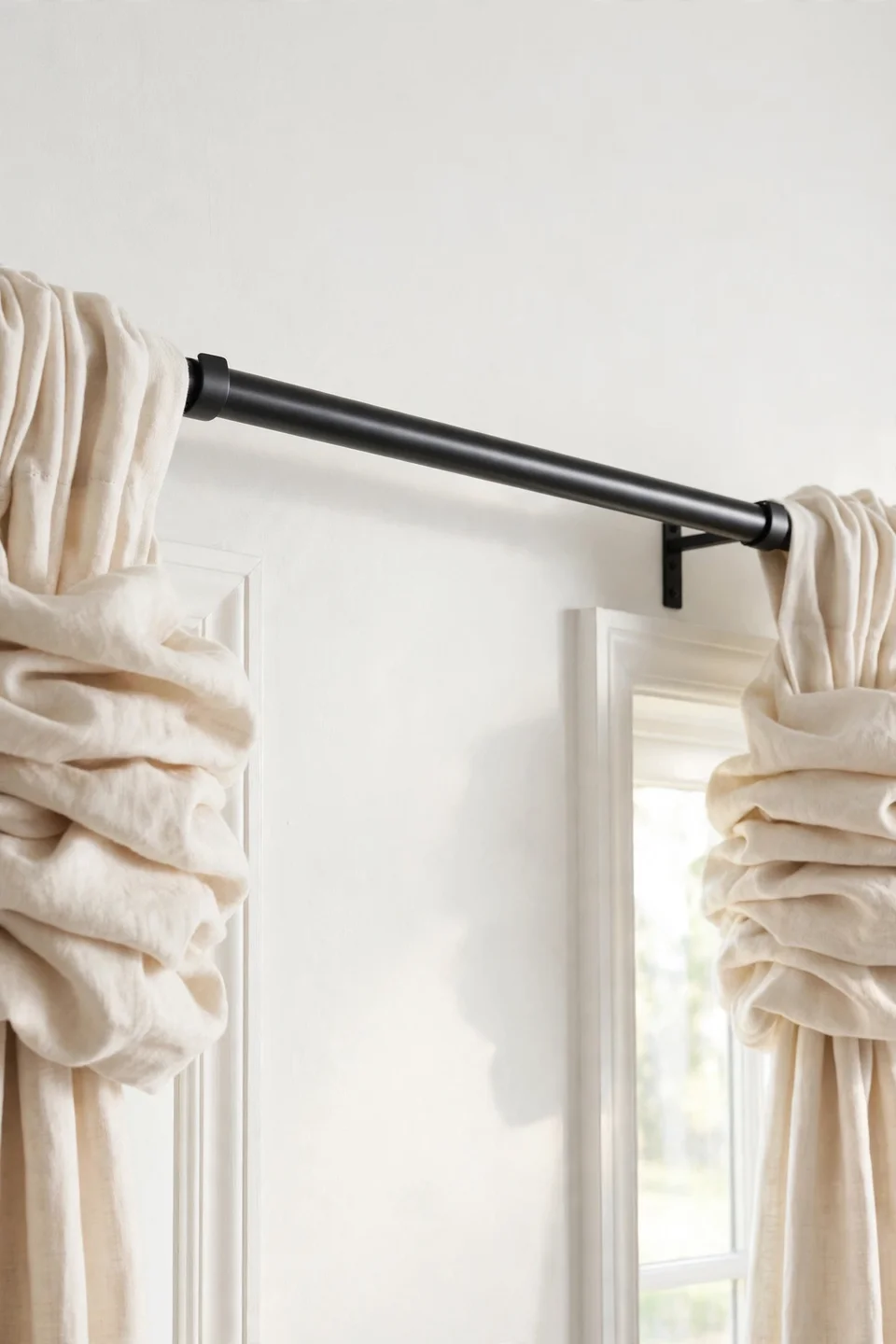
A rod that stops at the frame edges pinches the window inward. Extending it eight to twelve inches past each side lets the panels stack on the wall instead of covering the glass, which widens and lengthens the whole look.
- Measure the window width, then add sixteen to twenty four inches for the total rod length.
- Center the rod over the window and mark the bracket spots with a pencil.
- Check the marks with a level so the rod sits perfectly straight.
- Install the brackets, hang the rod, and slide the panels to the outer thirds.
Choose Floor Length Panels
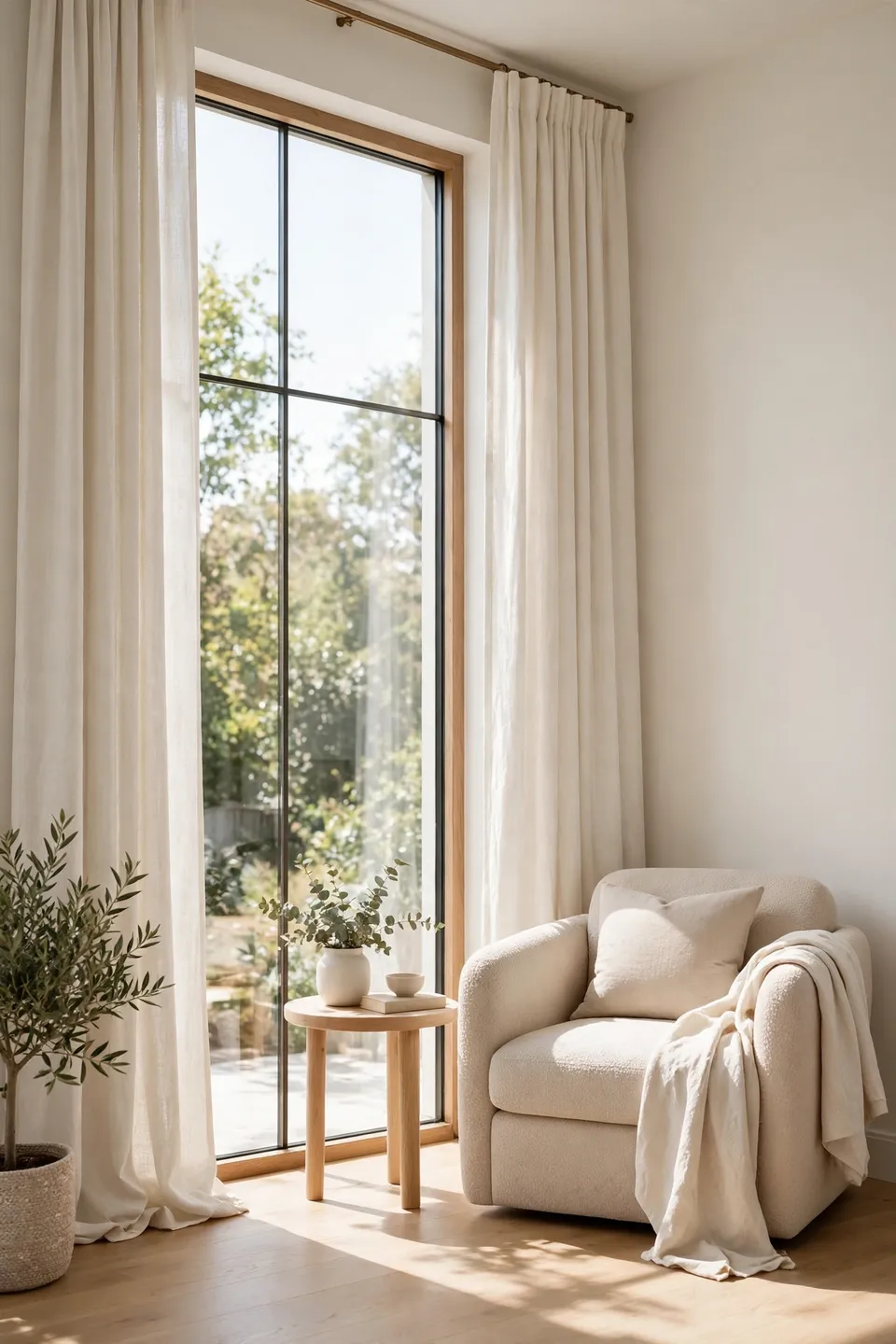
Quick Tip: Panels that end at the sill or float above the floor chop the wall into pieces. Panels that just kiss the floor or break slightly on it create one long unbroken line from rod to floor, and that line is what makes the window feel taller.
Measure from the rod down to the floor and buy panels at least that long, then hem if needed. In my experience, a half inch break on the floor looks relaxed and hides uneven floors better than a precise kiss. Keep the fabric light and simple so the long line stays clean instead of heavy.
Skipping the High Mount
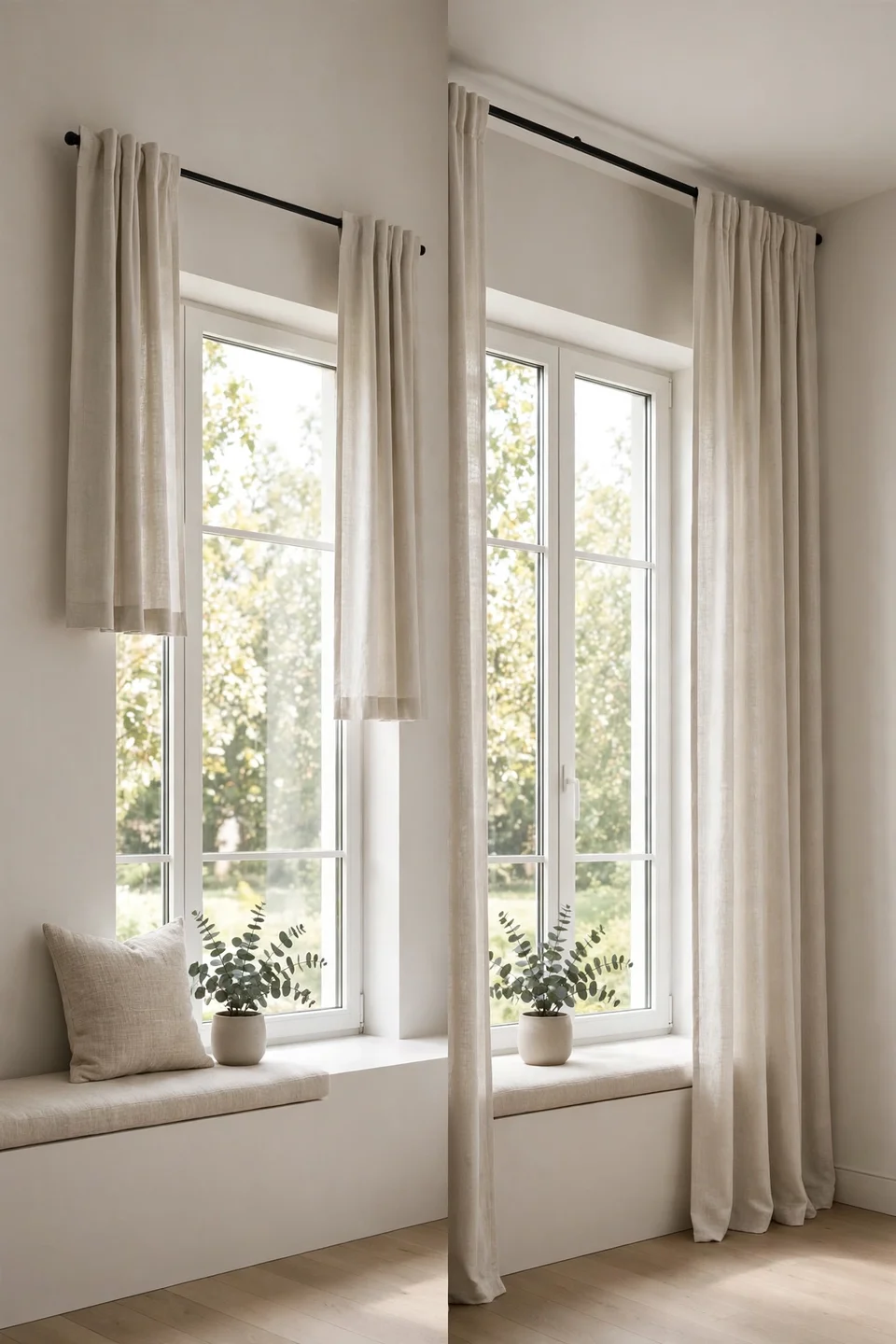
Common Mistake: Mounting the rod directly on the frame or just an inch above it. This frames the window exactly as it is, so a short window stays looking short, and the wall above becomes dead space that drags the eye down.
The Fix: Move the rod up to that four to six inch zone below the ceiling and watch the proportions change. The extra wall between frame and rod reads as window, not wall, so the opening gains height for the cost of two bracket holes. I have seen this lift an entire rental living room.
Gather Your Hanging Tools
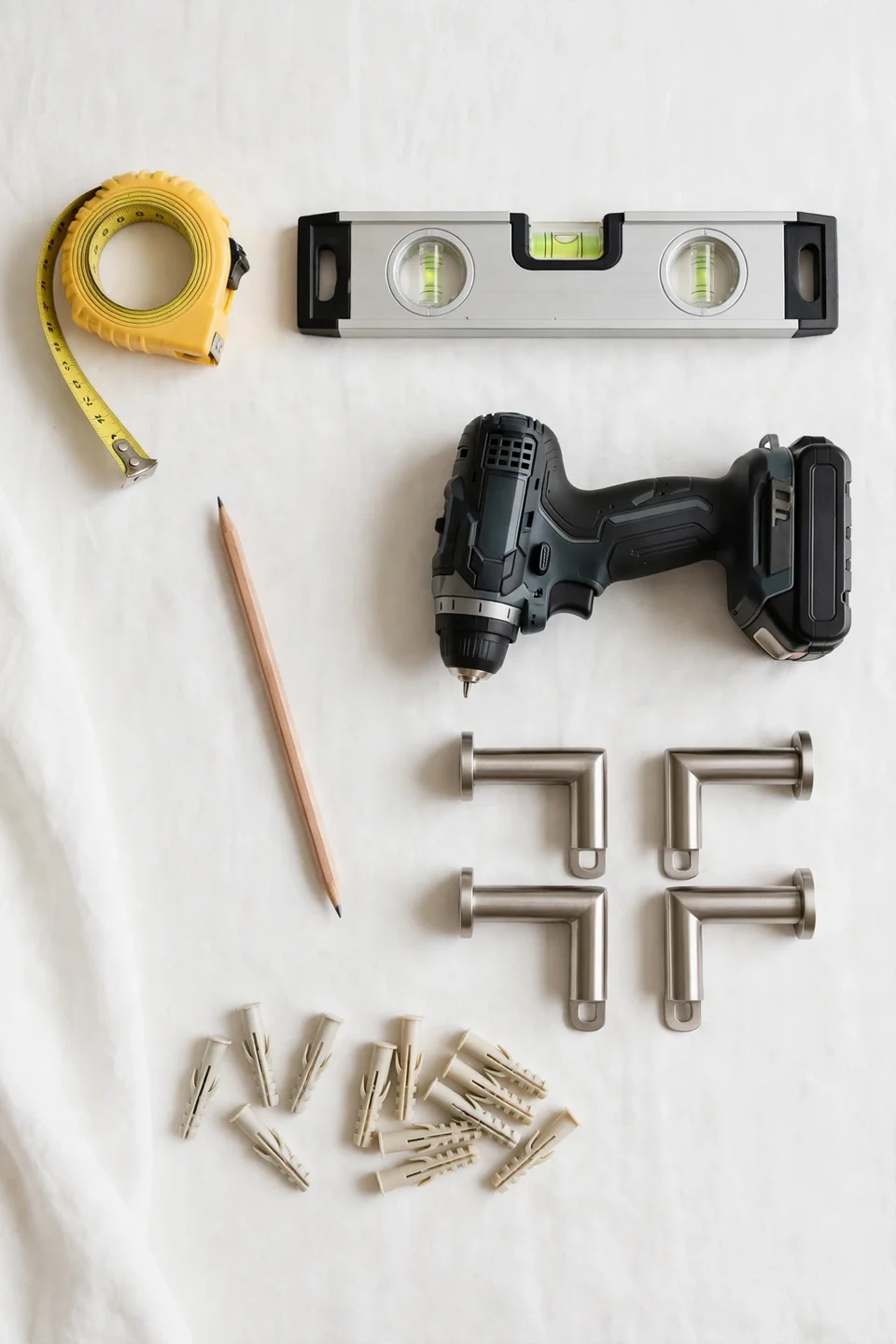
What You Need:
- Sturdy curtain rod, sixteen to twenty four inches wider than the window
- Two or three brackets with wall anchors rated for the rod weight
- Tape measure, pencil, and a small level
- Drill with the right bit for your wall type
- Floor length panels, plus a steamer to release wrinkles
Having everything within reach keeps the job to under an hour. Test each anchor in the wall before hanging the full rod, since a sagging middle bracket ruins the straight line you are building. Steam the panels while they hang so gravity pulls the fabric into a crisp vertical fall.
Short Panels vs Pooled Panels
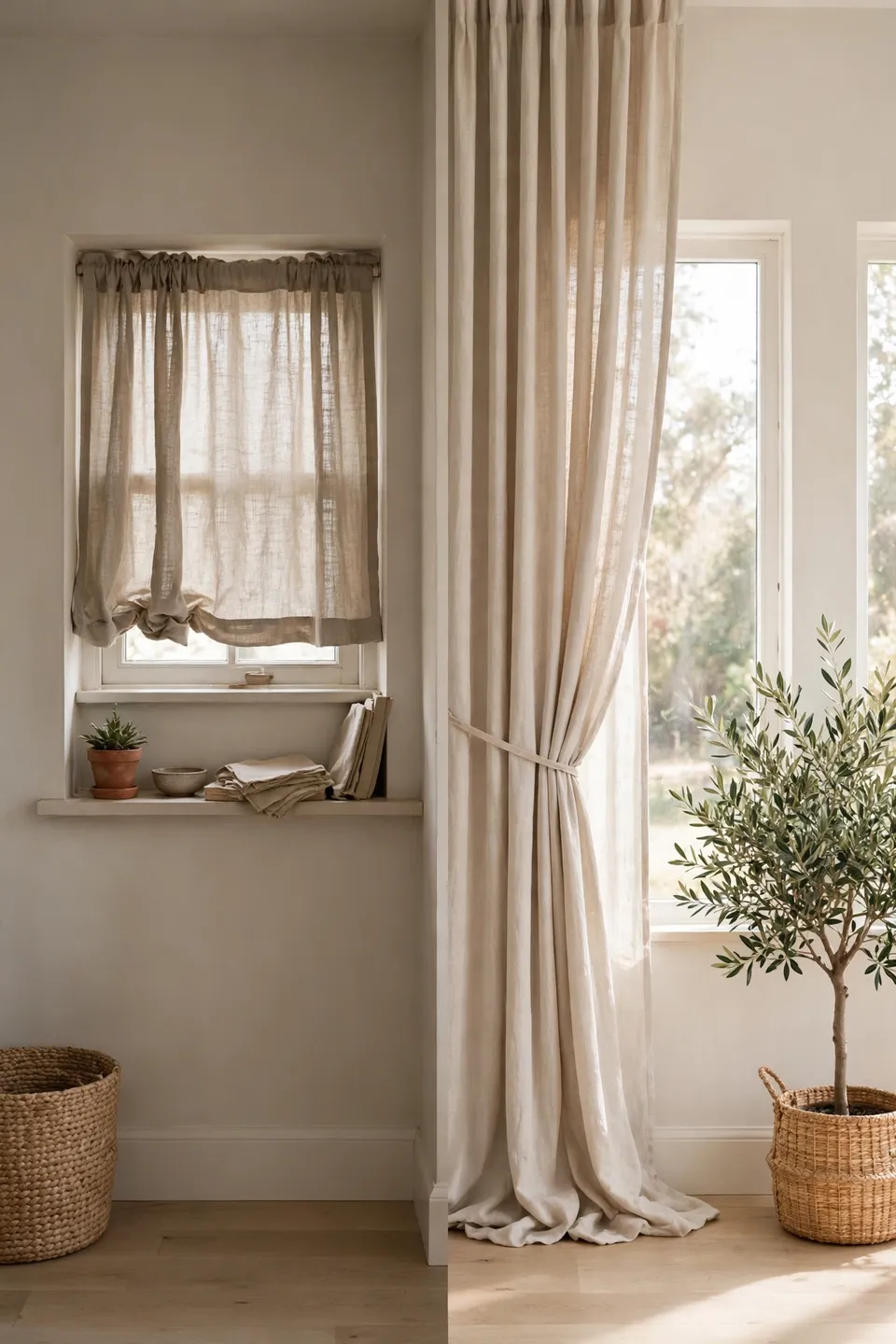
BEFORE: Sill length curtains stop halfway down the wall. The eye stops with them, the window looks boxy, and the lower wall feels disconnected from the upper half. Everything reads shorter than it really is.
AFTER: Floor length panels run the full height of the wall. The eye travels from rod to floor in one smooth line, the window borrows height from the wall, and the room feels calmer and more finished.
That single swap from short to long panels does more than any other styling choice. Keep the color close to the wall tone so the panels blend into one tall column rather than standing out as separate blocks. In small rooms this trick also pushes the walls outward visually.
Do This, Avoid That
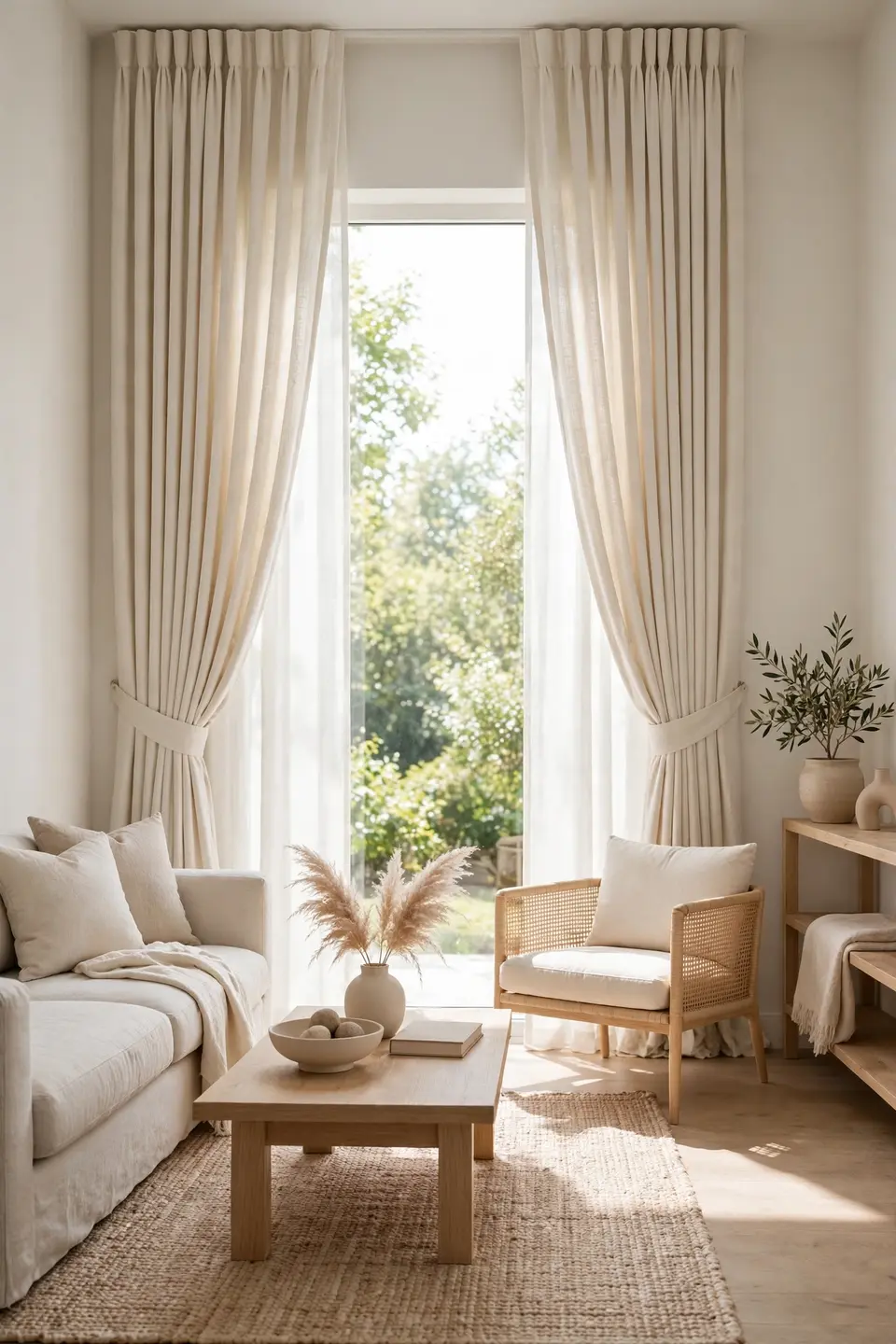
Do This:
- Mount the rod high, four to six inches below the ceiling.
- Extend the rod well past the frame on both sides.
- Let panels fall to the floor with a slight break.
- Stack panels on the wall so the glass stays fully clear.
Avoid This:
- Mounting the rod on the frame or just above it.
- Choosing panels that end at the sill or apron.
- Letting heavy patterns chop the vertical line.
- Pulling panels closed across the whole window by day.
These pairs work because every do lengthens the vertical line and every avoid shortens it. Light fabrics in one calm color keep the tall line clean, while stacking panels wide protects your daylight. Many experts recommend living with the high mount for a week, since the eye needs a few days to adjust.
Key Measurements at a Glance
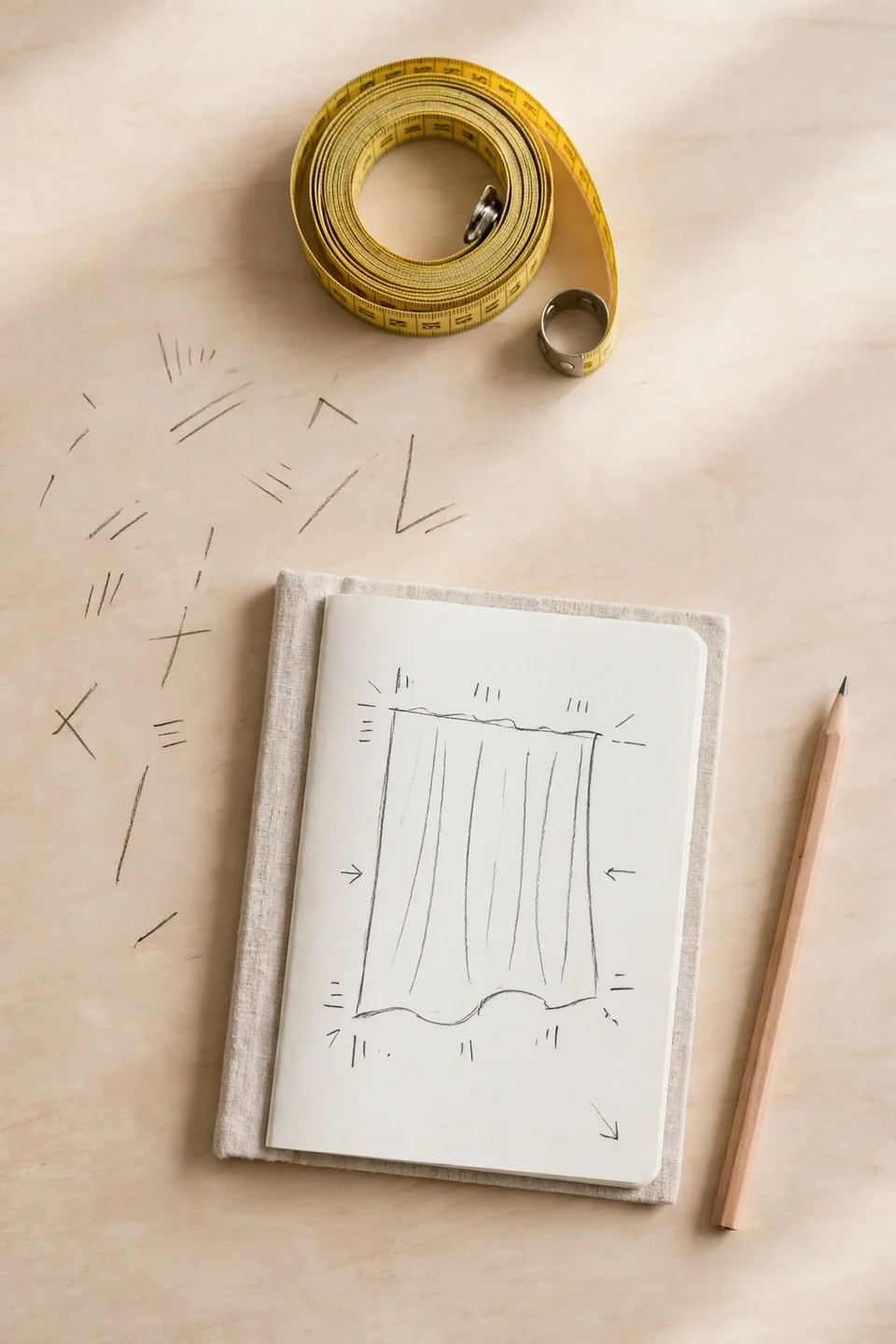
Rod height: four to six inches below the ceiling, or halfway between frame top and ceiling, whichever is higher. Rod width: window width plus sixteen to twenty four inches. Panel length: rod to floor, plus one inch for a soft break. Stack space: eight to twelve inches of bare wall on each side for panels to rest on.
Write these four numbers on one card and carry it to the store. Buying the rod and panels from the same trip avoids the common trap of a perfect rod with panels that fall six inches short. I have seen this work well in many rentals where every inch of perceived height counts.
Layer Sheers With Drapes
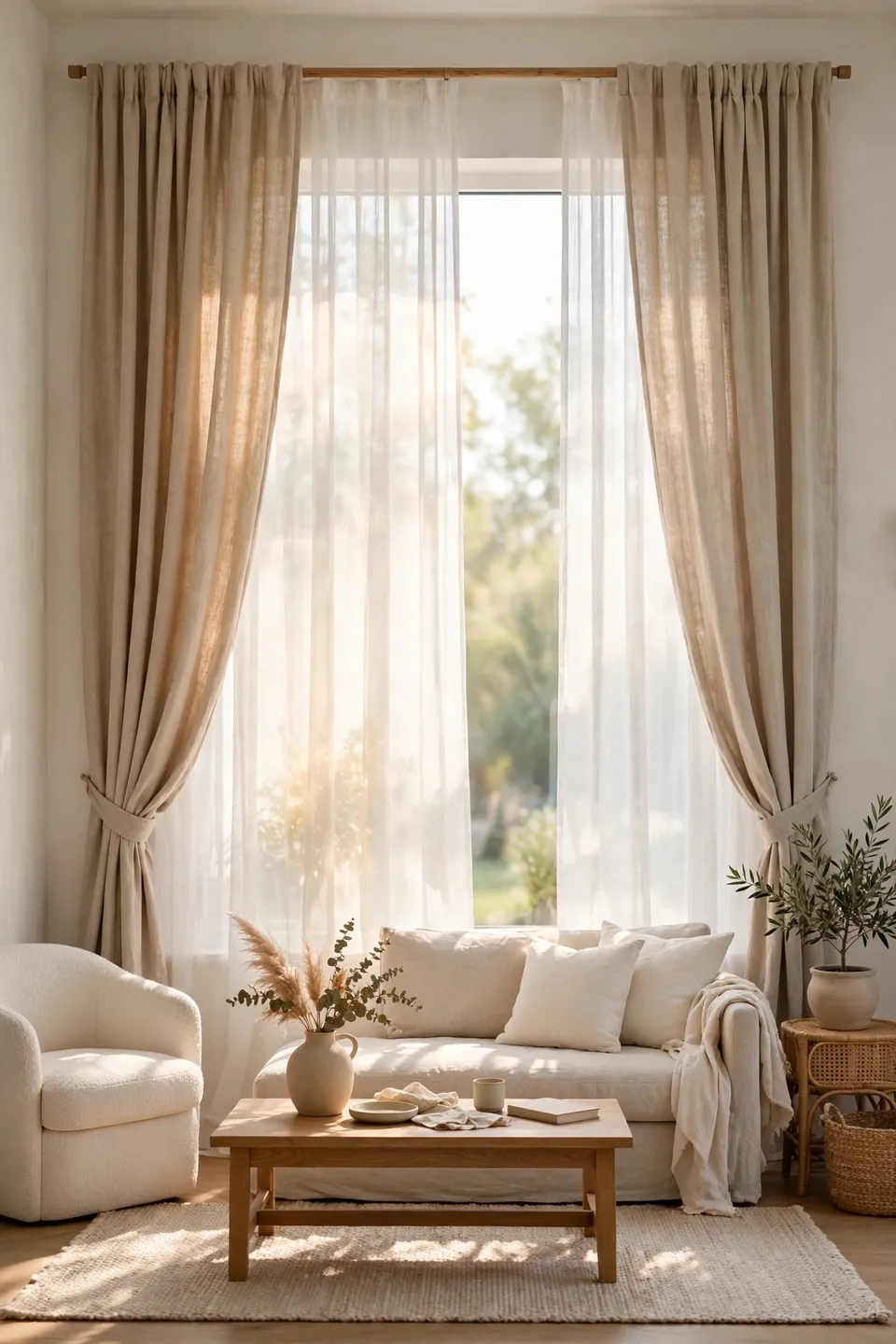
Layering adds depth without stealing height. Hang a sheer on a slim inner rod at the same high line, then place your main drapes on the outer rod. The sheer softens harsh light by day while the drapes frame the window like tall columns.
Keep the sheer close to the glass and the drapes stacked wide on the wall. This keeps the center open and bright while the layered edges build a rich, tall border. In bedrooms the same setup gives privacy at night and a lofty feel by day.
Style Panels for the Finished Look
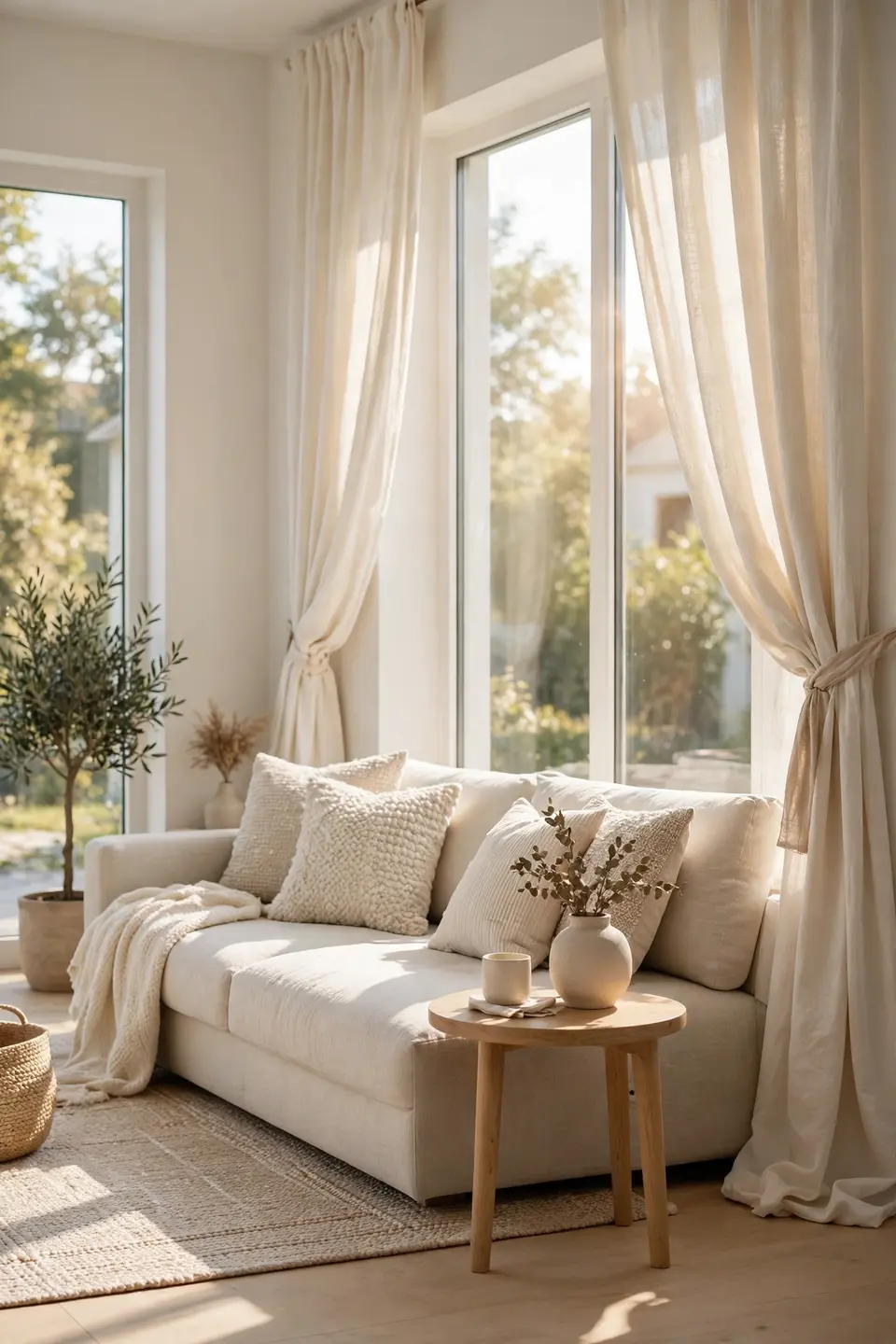
The last details decide whether the height trick looks intentional and polished. A quick steam, an even stack on each side, and a gentle tieback at mid height give the panels a tailored finish that holds the tall line all day.
- Steam panels top to bottom while they hang.
- Pull each panel to the outer third of the rod.
- Set folds with your hands so they fall in even pleats.
- Add a loose tieback at waist height for a soft shape.
- Step back and adjust until both sides mirror each other.
Once the windows stand tall, the rest of the room falls into place faster. If the space still feels unfinished, how to make a room look finished without buying more furniture covers the no cost tweaks that pull everything together.
Conclusion
Windows look taller when the eye has one long line to follow, and learning how to hang curtains to make windows look taller gives you that line for the price of a rod and panels. Mount high, extend wide, choose floor length fabric, and style with a light hand. The room will feel airier the same evening you finish.
Save this guide to your Pinterest home board before your next curtain run so the measurements are handy in the store. Small windows stop feeling like a flaw once the curtains do the lifting, and most guests will never guess the glass did not change at all.