How to Decorate a Room With Uneven Wall Heights
Some rooms have walls that refuse to match. Learning how to decorate a room with uneven wall heights starts with accepting the lines you have and working with them instead of against them. A wall that steps down near a staircase or a ceiling that slopes on one side can feel like a flaw until you give it a purpose.
Here is the good news: uneven walls add character, and a few tricks can make them look intentional. The zoning ideas in how to make a small dining space feel less cramped prove that odd bones can become a room’s best feature.
Below are ten practical ways to balance tall and short walls so the whole room feels finished. Read them in order before you pick up a hammer.
Map the High and Low Points of Every Wall

Start by measuring each wall from floor to ceiling and writing the numbers on a sketch. Mark the tallest point, the shortest point, and every spot where the height changes, such as above a door, beside a staircase, or along a sloped beam. This map becomes your guide for your choices, from curtain length to art placement.
Keep that sketch taped inside a closet door while you shop and style. When you know exactly where a wall drops by six inches, you stop guessing and start placing things with confidence, which is half the battle with uneven walls.
Pick One Line to Hang Everything From
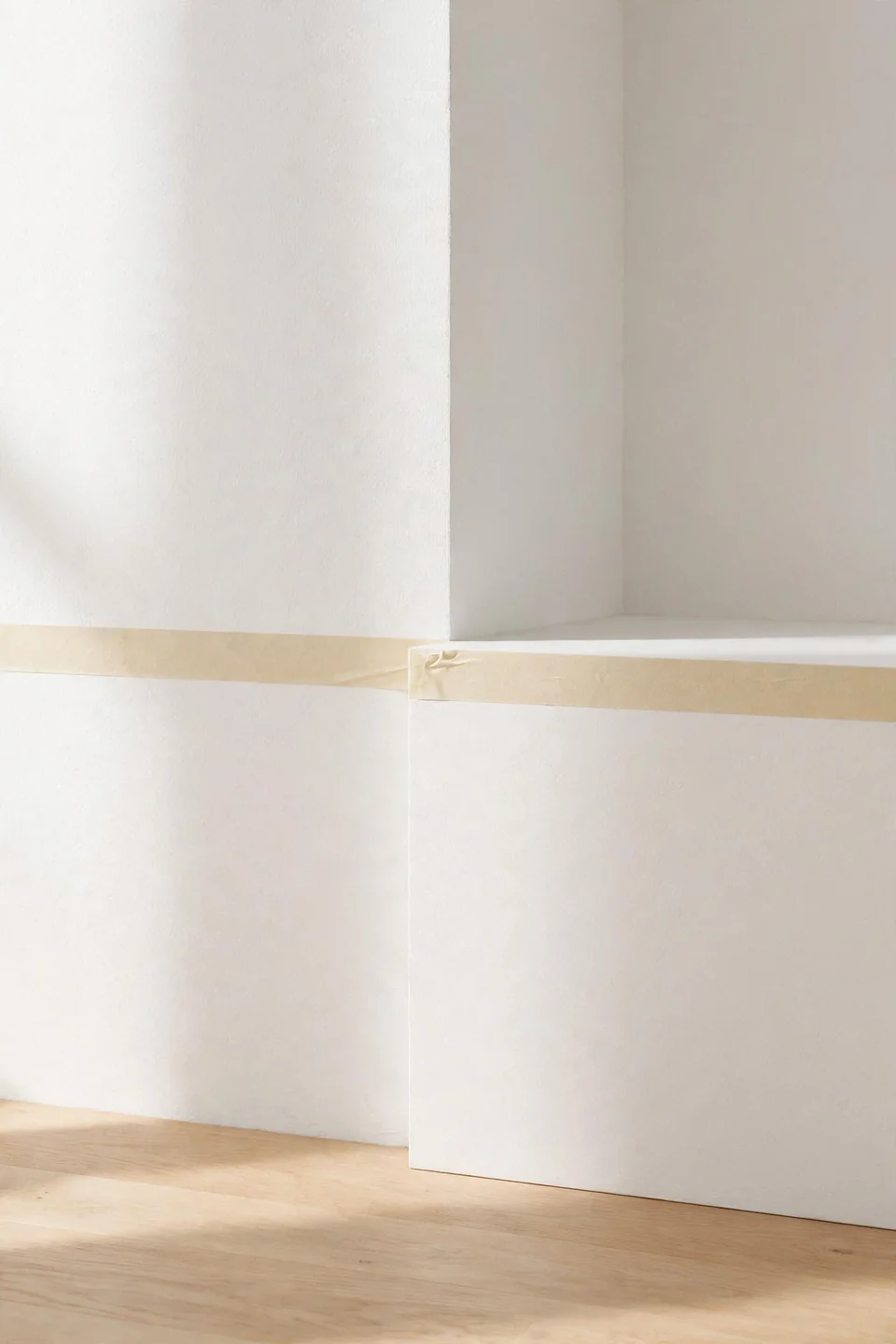
Uneven walls look messy when every picture and shelf follows a different height. Choose a single horizontal line, like the top of the tallest door frame, and let it guide every hanging decision in the room. This creates a calm rhythm that makes the height changes fade into the background.
- Stand in the doorway and find a line that feels natural to your eye, such as the top of a tall bookshelf.
- Use painter’s tape to mark that line around the room so you can see it before you drill a single hole.
- Hang art and shelves with their tops or centers aligned to that line, even when the wall behind them is shorter.
- Fill the gaps below the line with low furniture, plants, or baskets to keep the eye moving smoothly.
Paint the Ceiling Line to Erase the Difference

Quick Tip: Run the wall color a few inches onto the ceiling along the shortest wall.
This old decorator trick blurs the line where wall meets ceiling, so a short wall reads taller than it really is. Use the same shade for the ceiling strip and the wall, keeping the finish flat so no shine draws attention. The eye glides over the soft edge instead of stopping at a hard line.
Why Matching Picture Heights Makes Uneven Walls Look Worse
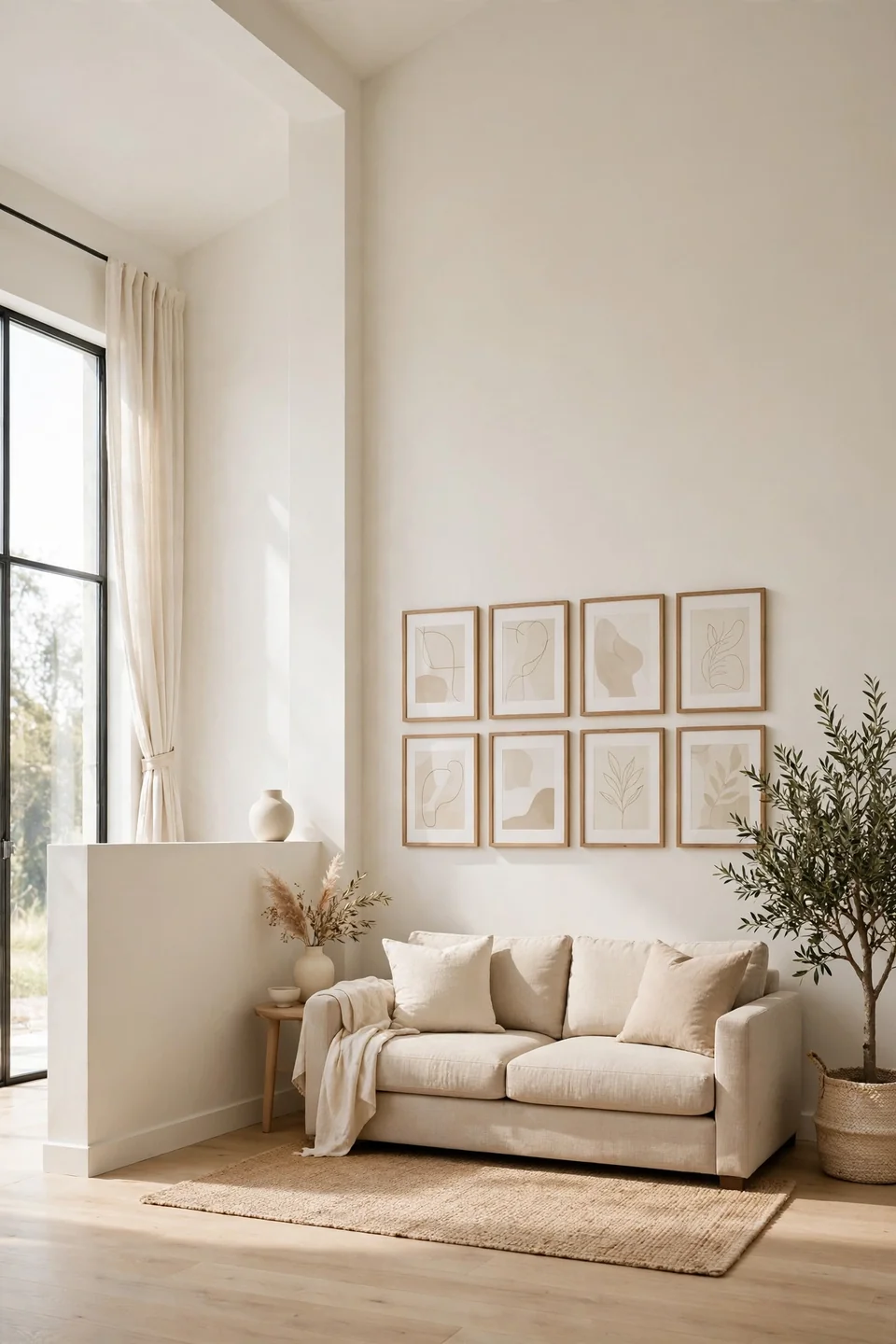
Common Mistake: Hanging every frame at the same height from the floor on walls of different heights, which highlights the mismatch instead of hiding it.
The Fix: Align frames to furniture or to a shared horizontal line, not to the floor.
When the floor is your only reference, a tall wall and a short wall will never agree, and the art looks scattered. Anchor each piece to something nearby, like the top of a sofa, so the grouping feels settled. Shared lines calm visual variety, as how to decorate a home with different furniture styles shows.
What You Need to Decorate Uneven Walls With Confidence

What You Need:
- Painter’s tape for marking lines
- A tape measure and a simple wall sketch
- Picture hanging hardware with adjustable hooks
- Low bookcases or storage benches for short walls
- Tall plants or floor lamps for tall walls
Gather these basics before you hang a single frame, because adjusting on the fly wastes an afternoon. Painter’s tape lets you preview every line without marking the wall, while low and tall pieces give each wall the furniture it needs. With the right tools in hand, uneven heights stop feeling like a problem.
Before and After: A Room With a Stepped Ceiling
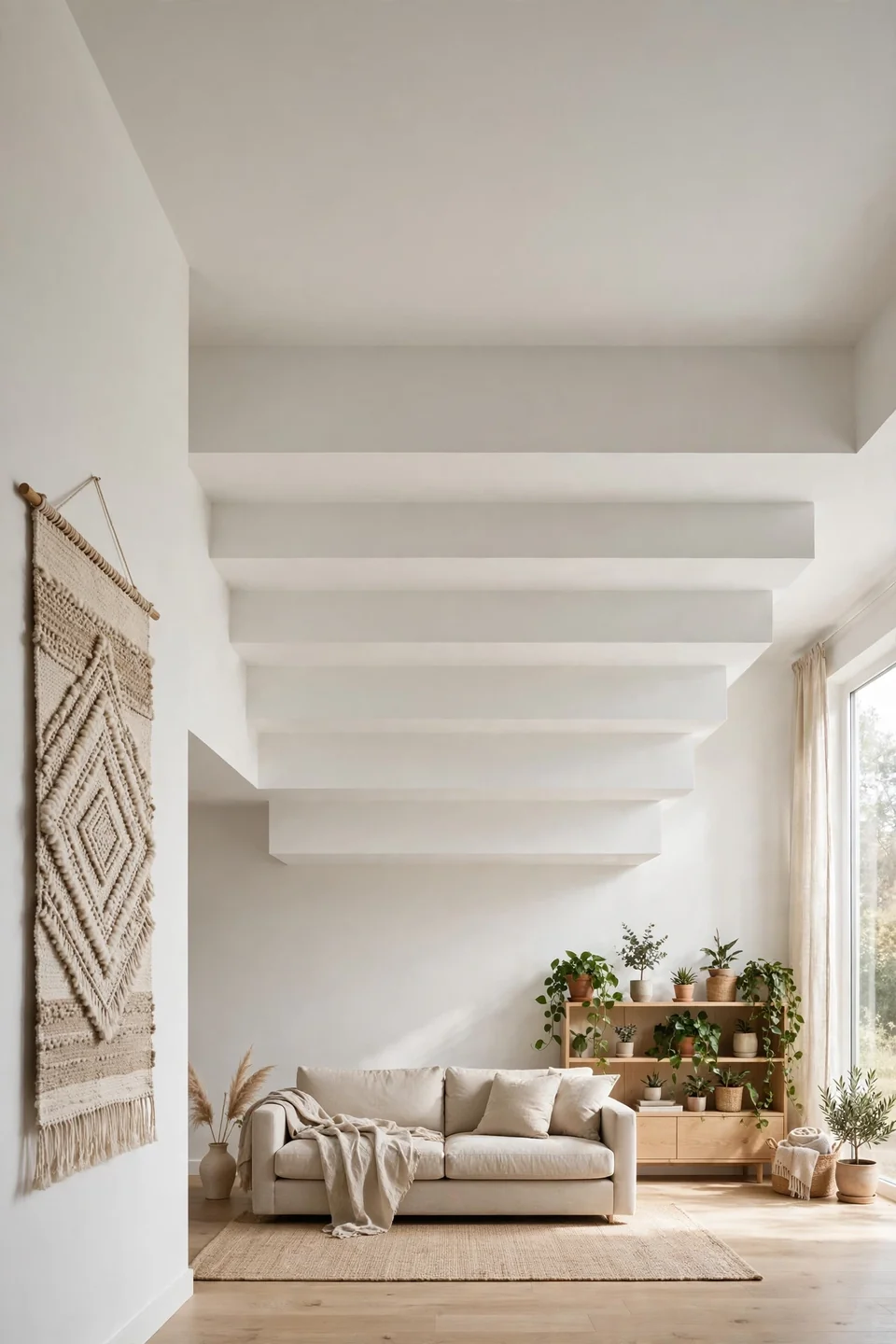
BEFORE: The living room had a ceiling that stepped down two feet over the seating area, and the owners had pushed all the furniture against the tallest wall. The low side sat bare and gloomy, and the height change looked like a construction flaw everyone tried to ignore.
AFTER: They floated the sofa under the step, hung a large textile on the tall wall, and added a low bookcase with plants on the short side. The ceiling change now reads as a natural zone divider, and guests ask about the design instead of noticing the flaw.
The difference came from treating the step as a feature rather than a fault. Once the furniture followed the ceiling’s lead, the room gained two distinct zones that feel purposeful. You can do the same by letting the height change define where one area ends and the next begins.
Do This and Avoid That on Uneven Walls
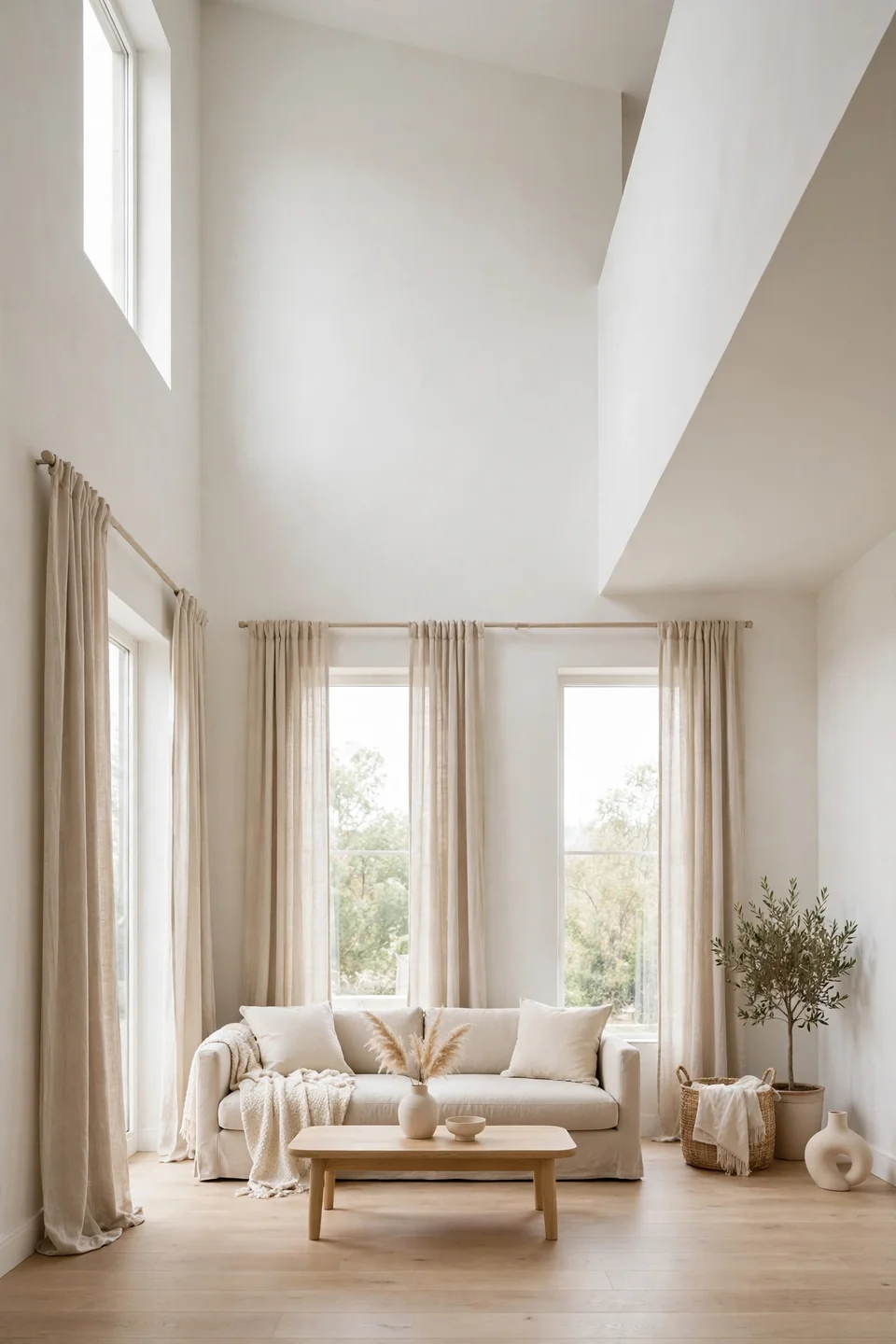
Do This:
- Hang curtains at the same height on every window
- Repeat one wood tone across both tall and short walls
- Use tall mirrors to bounce light on the low side
Avoid This:
- Crowning only the tall wall with decor while leaving the short one bare
- Stacking small frames up a tall wall in a scattered pattern
- Painting the short wall a dark color that shrinks it further
Consistency is what ties mismatched walls together. When curtains, finishes, and art follow the same rules on every wall, the height differences register as variety rather than error. Keep the repeats obvious enough that the eye trusts the pattern, and even two or three repeated elements can pull the whole room into agreement.
Quick Facts About Uneven Wall Heights

Quick Facts:
- Best first step: Measure every wall and sketch the height changes.
- Ideal art line: Align to furniture tops, not to the floor.
- Ceiling trick: Carry wall paint a few inches onto a low ceiling.
- Common cause: Staircases, additions, and sloped rooflines.
Most uneven walls come from the way a house was built, not from anything you did wrong. Additions step down, staircases carve space, and rooflines slope, so the quirks were there from day one. Knowing the cause helps you stop fighting it and start styling around it.
Anchor the Tallest Wall With Something Bold
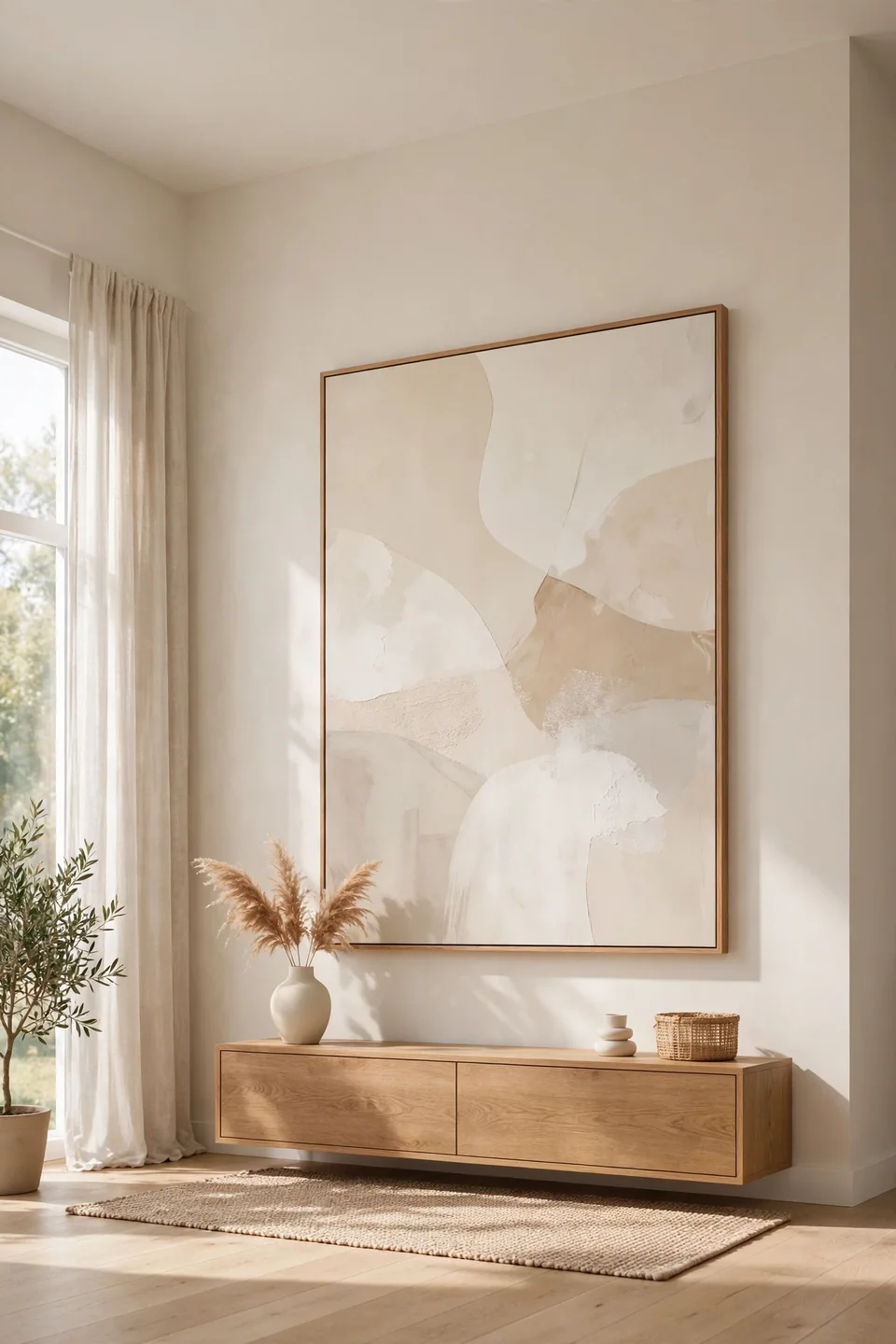
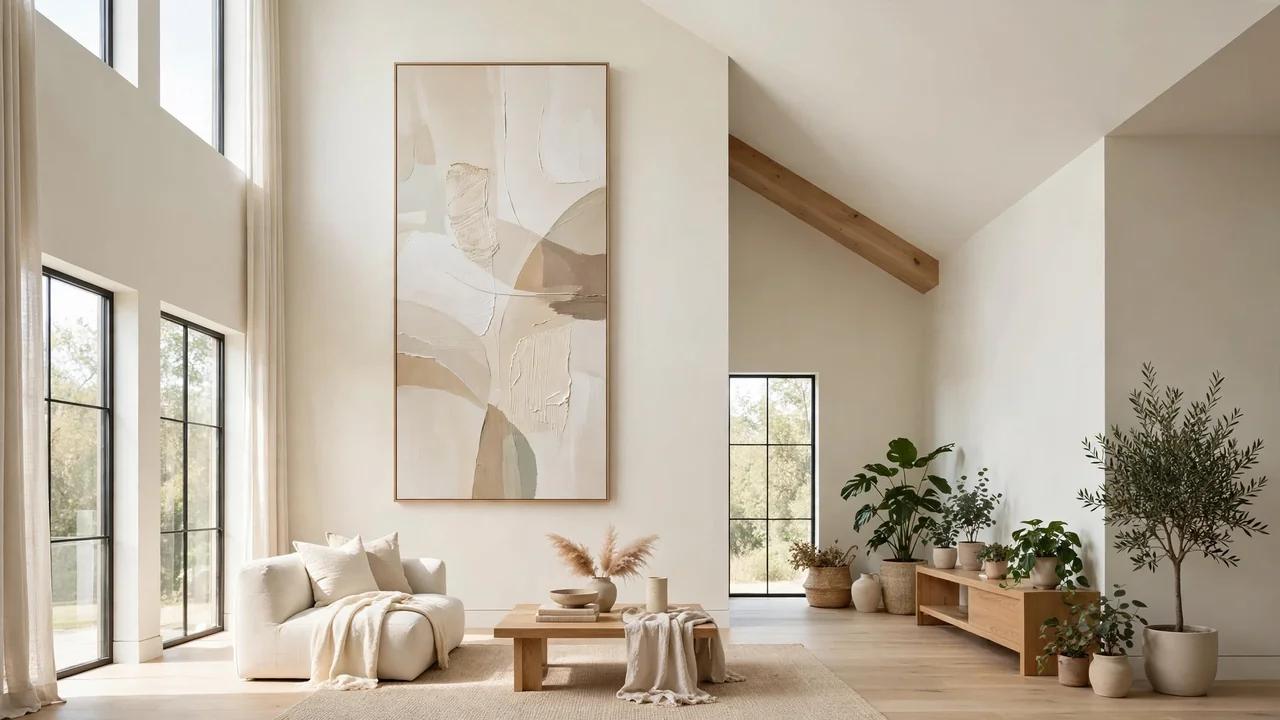
A tall wall with nothing on it only emphasizes how uneven the room feels. Give it a job: a large-scale art piece, a floor-to-ceiling bookcase, or a dramatic textile that fills the vertical space. The bolder the anchor, the less anyone notices that the next wall over is shorter.
Balance that boldness with breathing room on the shorter walls. A tall wall can carry weight, but the short walls need lighter touches, like a slim console or a row of small plants. This contrast keeps the room from tipping visually toward one side.
Dress the Shortest Wall to Match the Room
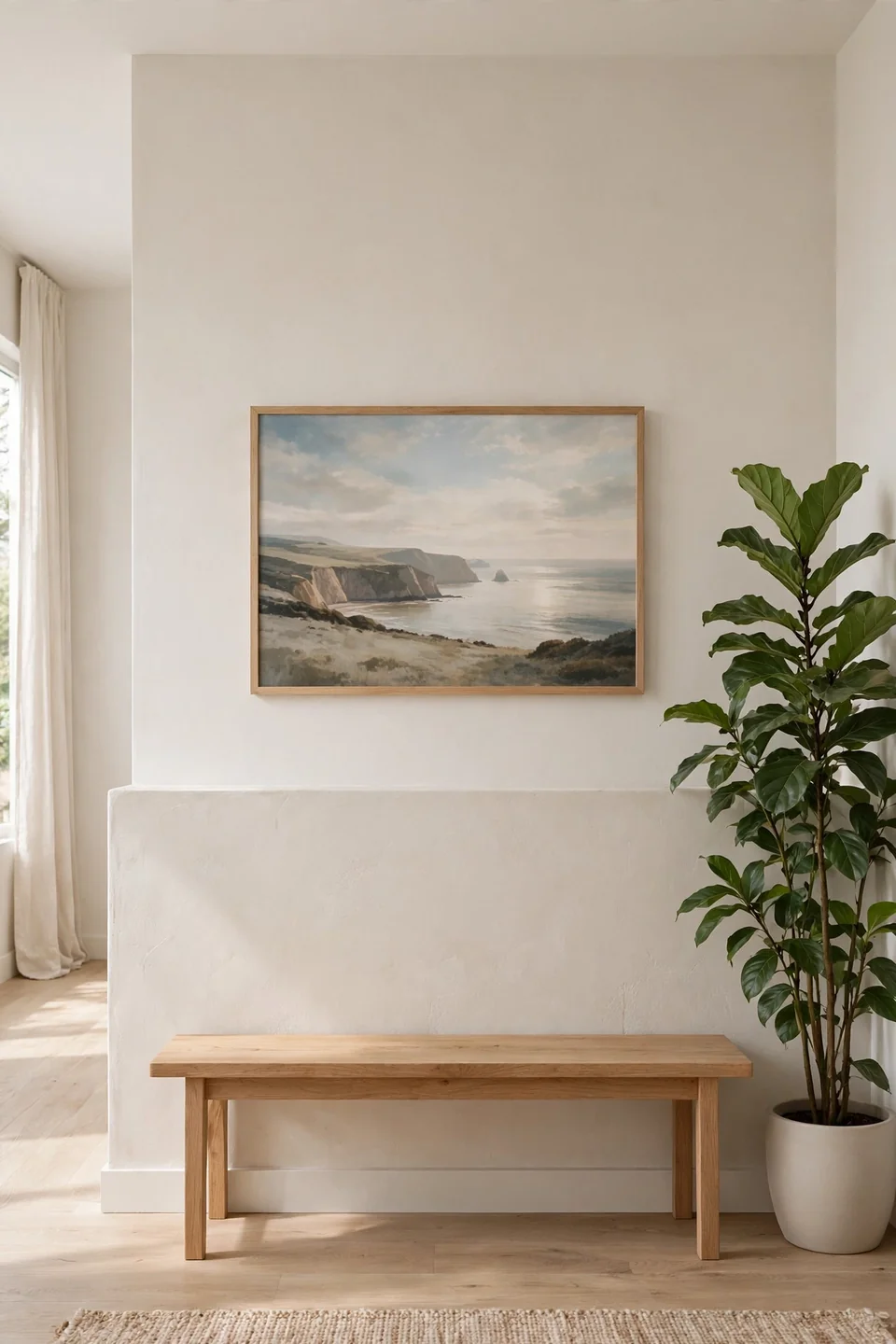
The shortest wall often gets ignored, which only makes the imbalance worse. Treat it as a feature wall with deliberate styling, and it will hold its own against the taller walls. A little attention here pays off across the whole room.
- Hang one wide piece of art centered on the short wall to give it presence.
- Place a low bench or trunk beneath it so the wall reads as styled, not forgotten.
- Add a pair of sconces or a tall plant beside it to lift the eye upward.
- Keep the color palette consistent with the rest of the room so it belongs.
Conclusion
Uneven walls stop being a problem the moment you style them with intention, and now you know exactly how to decorate a room with uneven wall heights without a renovation. Measure every wall first, pick one hanging line to guide your art and shelves, and let each wall play to its strengths. Small moves, like carrying paint onto the ceiling or repeating one wood tone, quietly pull the room together. Save this guide to your home decor board on Pinterest so the steps are handy when you start styling, and enjoy a room that finally feels balanced and complete.