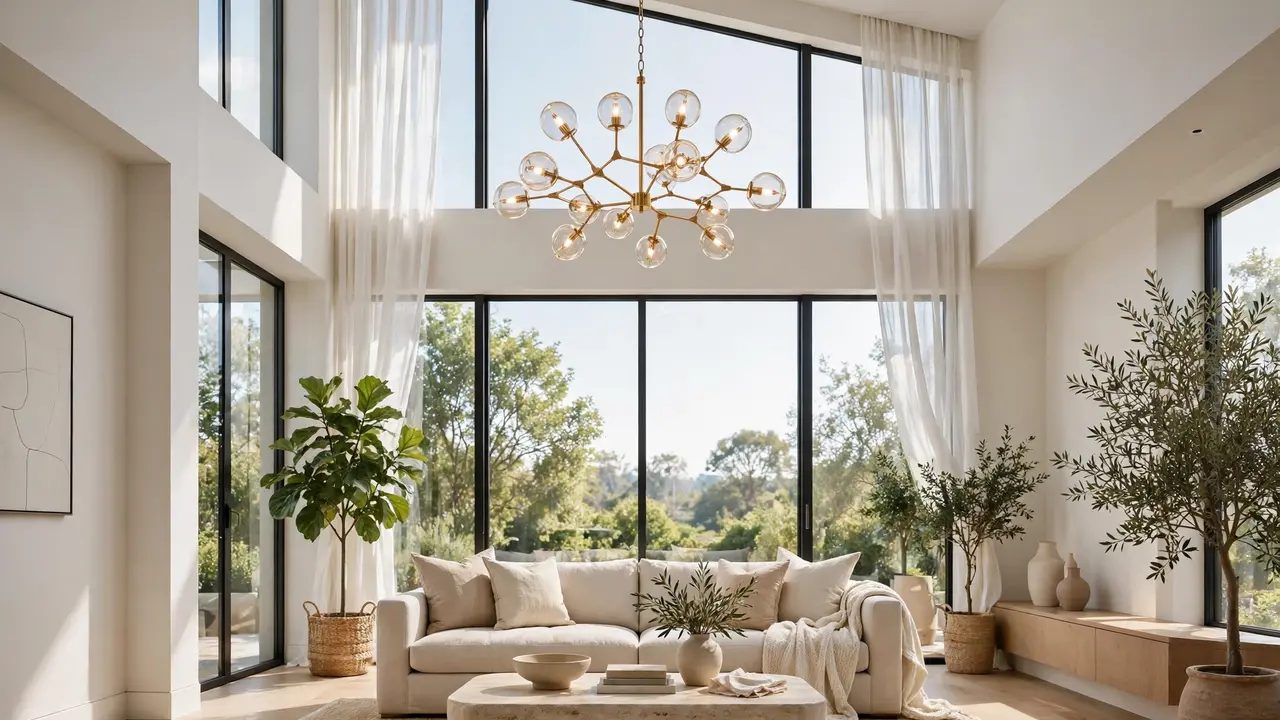
How to Decorate a Living Room With High Ceilings
High ceilings give a living room instant drama, yet they can leave you unsure where to begin. Learning how to decorate a living room with high ceilings means solving a simple puzzle: how to fill vertical space without losing warmth. Many homeowners love the airy feel but find the room echoes or feels unfinished.
The fix is easier than you think. With the right furniture scale, lighting, and wall treatments, tall walls become your best feature. This guide shares ten practical steps you can start this weekend. For more ideas on tricky spaces, see how to decorate an awkward living room layout.
Why High Ceilings Feel Hard to Decorate
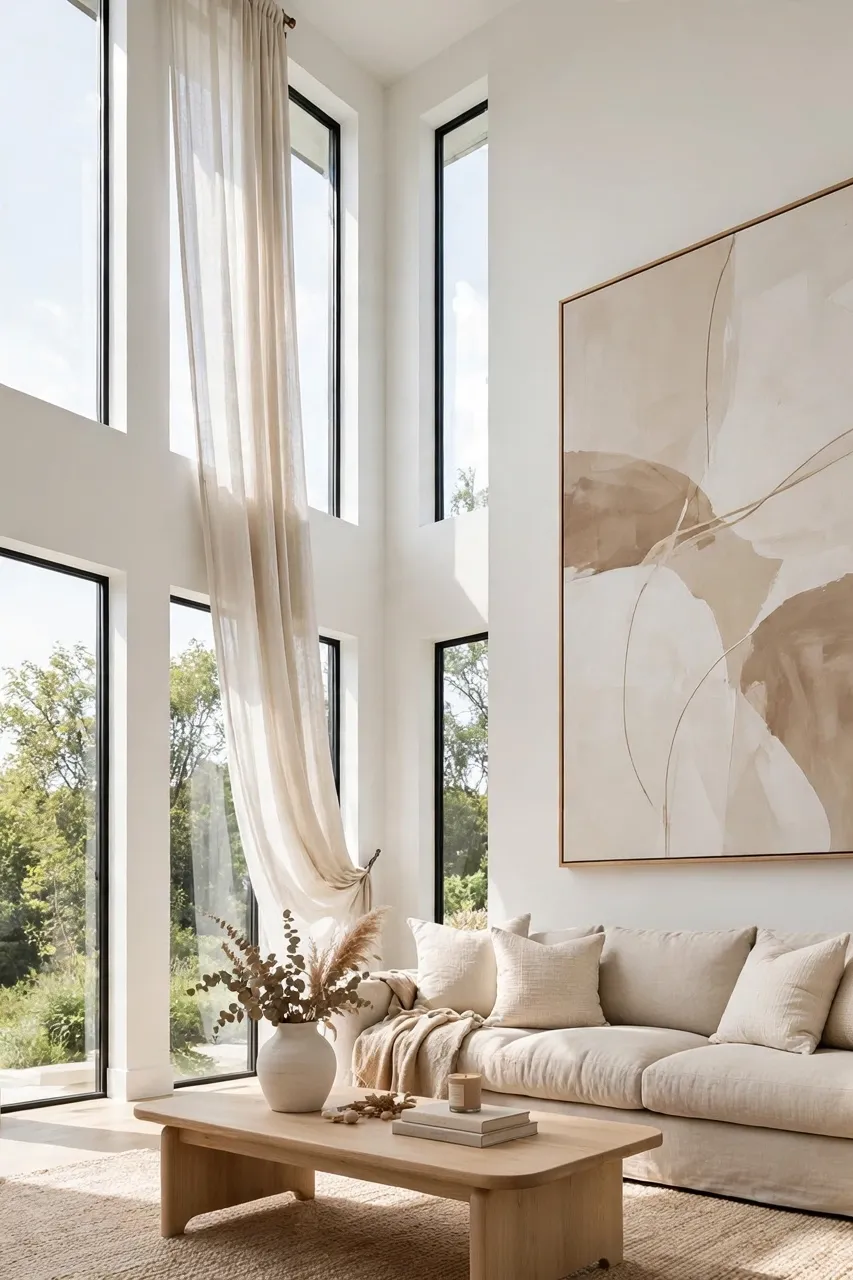
Most living rooms are designed around an eight foot ceiling, so standard furniture can look lost when walls stretch to twelve feet or more. The eye has nowhere to rest, and the room can feel more like a lobby than a place to relax.
The challenge is really about proportion. In my experience, homeowners either leave the upper walls bare or hang tiny art that disappears. Both choices make the height feel like a problem instead of an asset. Once you learn to decorate in vertical layers, the whole room starts to feel intentional and welcoming.
Choose Furniture That Matches the Scale
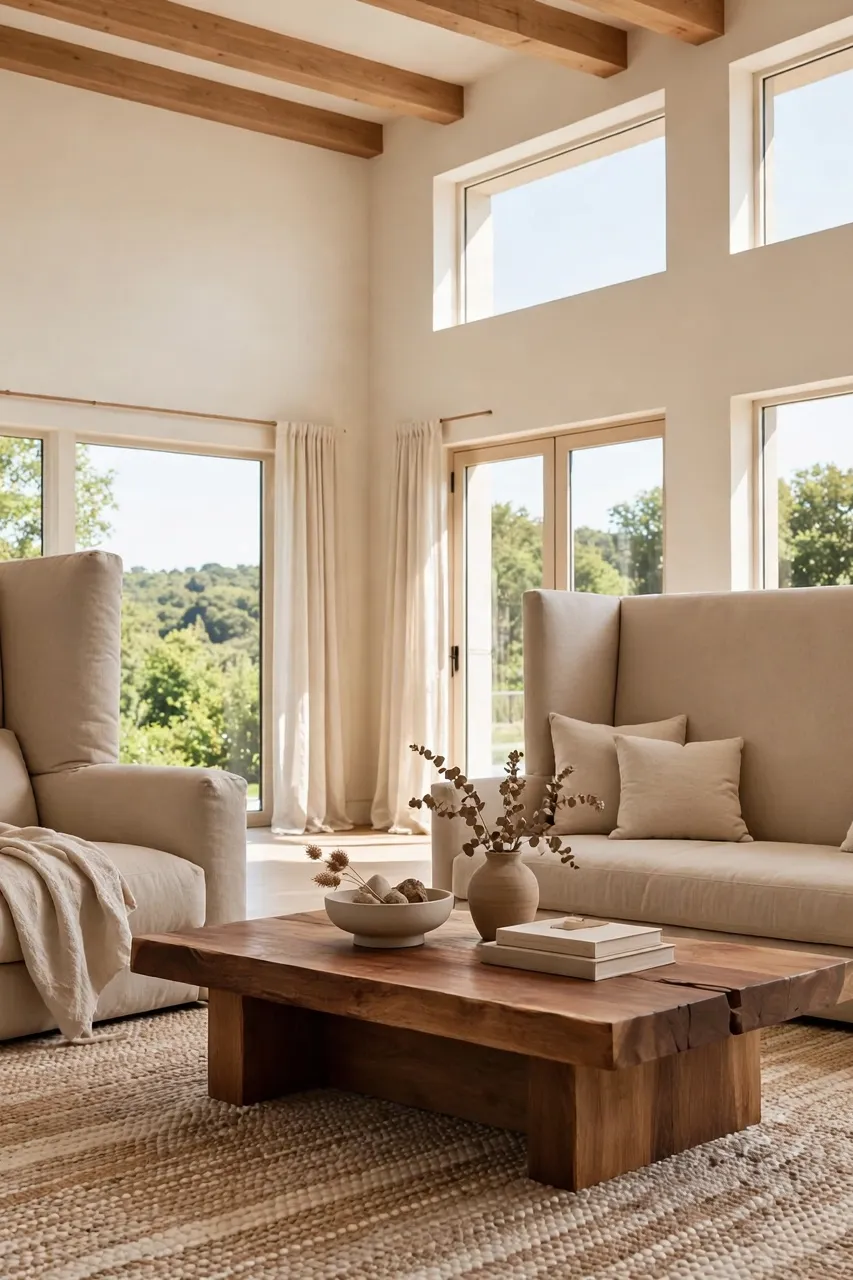
Oversized rooms need furniture with presence. Small, low pieces get swallowed by tall walls, while larger silhouettes anchor the space and make it feel grounded. Start here before buying anything new, because scale sets the foundation for every other choice.
- Pick a sofa with a high back or tall arms to match the wall height.
- Choose a coffee table and side tables with visual weight, not spindly legs.
- Add one oversized accent chair instead of two small ones.
- Use a large area rug to define the seating zone and ground the furniture.
Draw the Eye Up With Vertical Lines
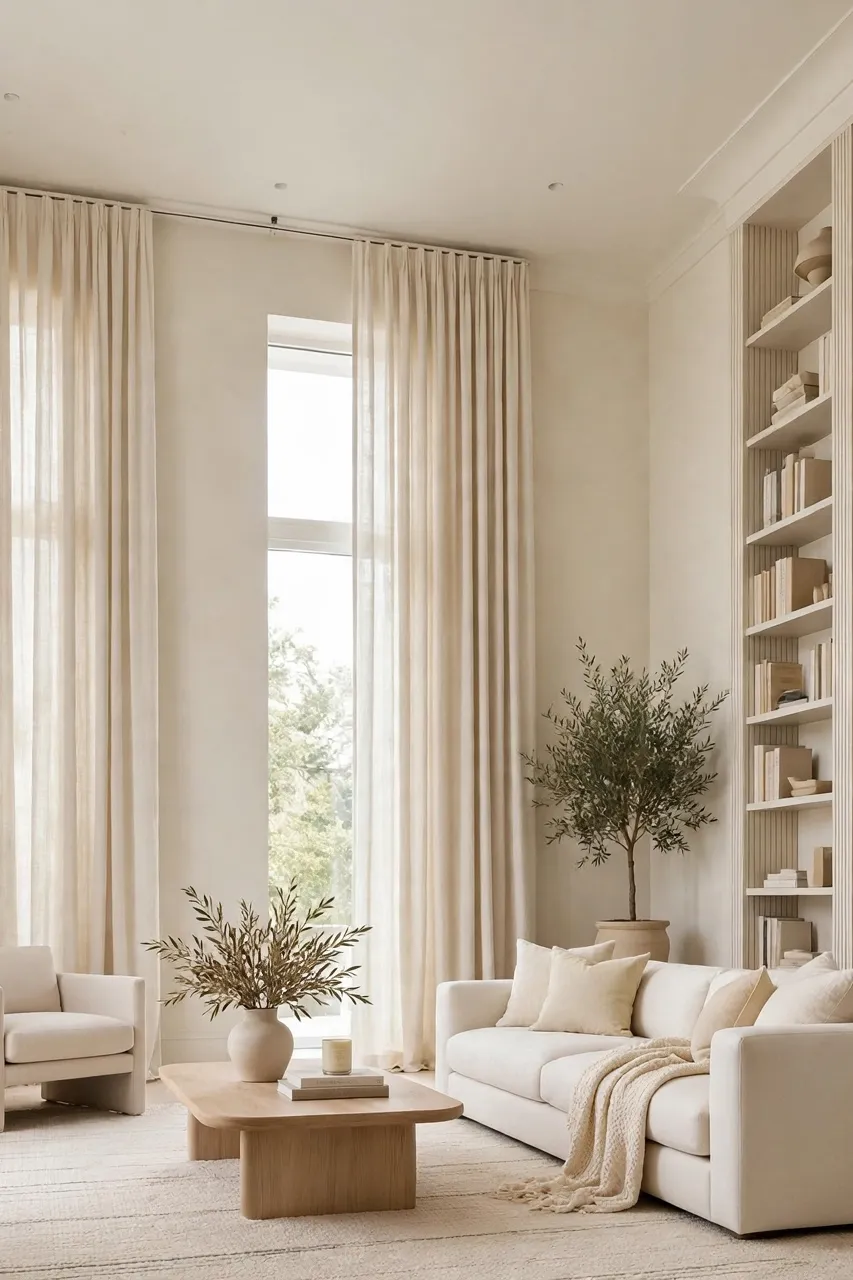
Quick Tip: Floor to ceiling curtains are the fastest way to celebrate height. Hang the rod close to the ceiling and let panels fall straight to the floor. This single change makes walls look taller and more elegant at once.
Vertical lines guide the eye upward in a natural way. Tall bookcases, striped wallpaper, or a series of stacked frames all create rhythm on a tall wall. I’ve noticed that even a single tall plant in the corner can make the height feel intentional rather than overwhelming.
The Bare Wall Problem Above Eye Level
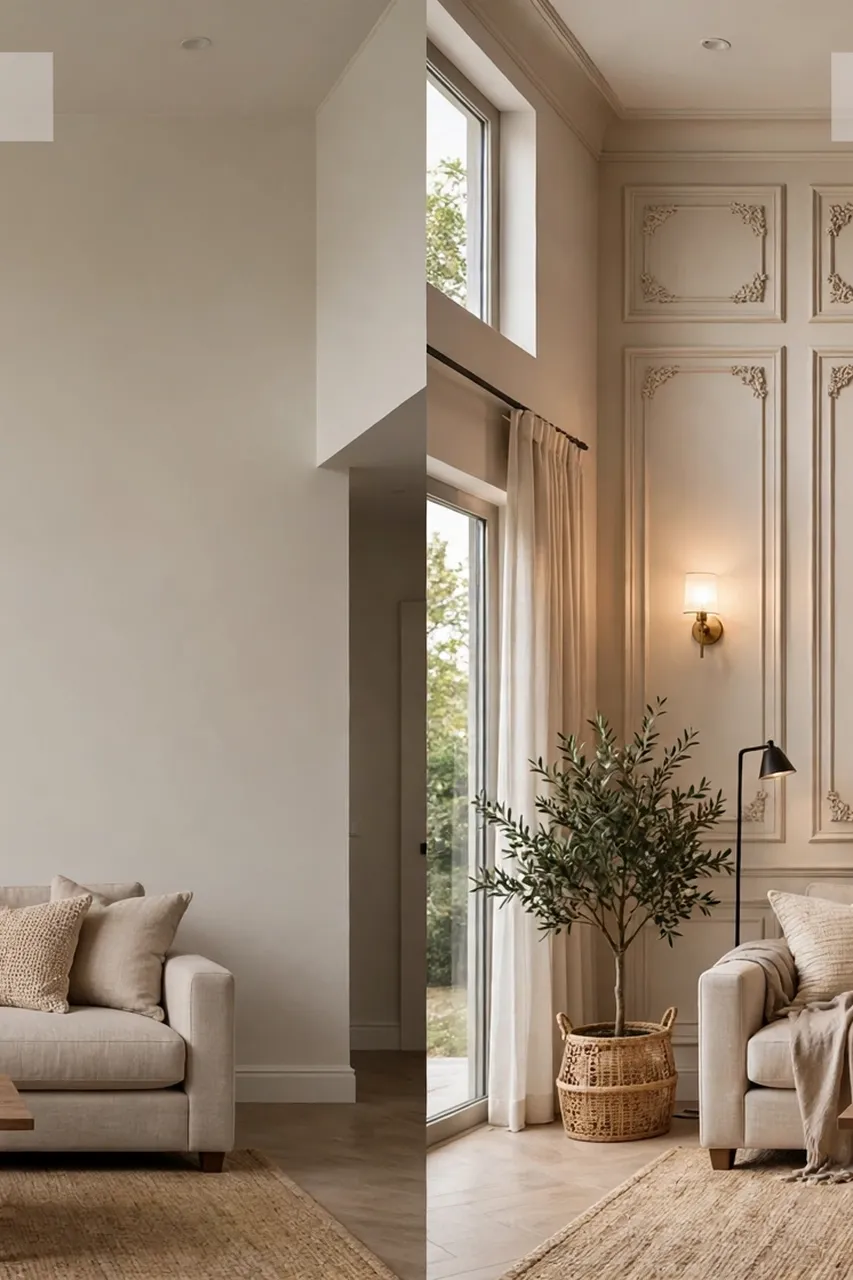
Common Mistake: Most people decorate only the bottom eight feet and leave everything above bare. This creates a visual split where the top half feels abandoned. The room looks unfinished, no matter how nice the furniture is.
The Fix: Treat the wall as one tall canvas. Extend gallery walls higher, add architectural molding, or hang a large statement piece that bridges the gap. Aim to have something interesting at every height.
When the upper wall gets attention, the whole room feels complete. You do not need to fill every inch, just give the eye a path to travel. A good rule is to decorate the top third as thoughtfully as the bottom, and the space will feel balanced.
Statement Lighting That Fills the Height
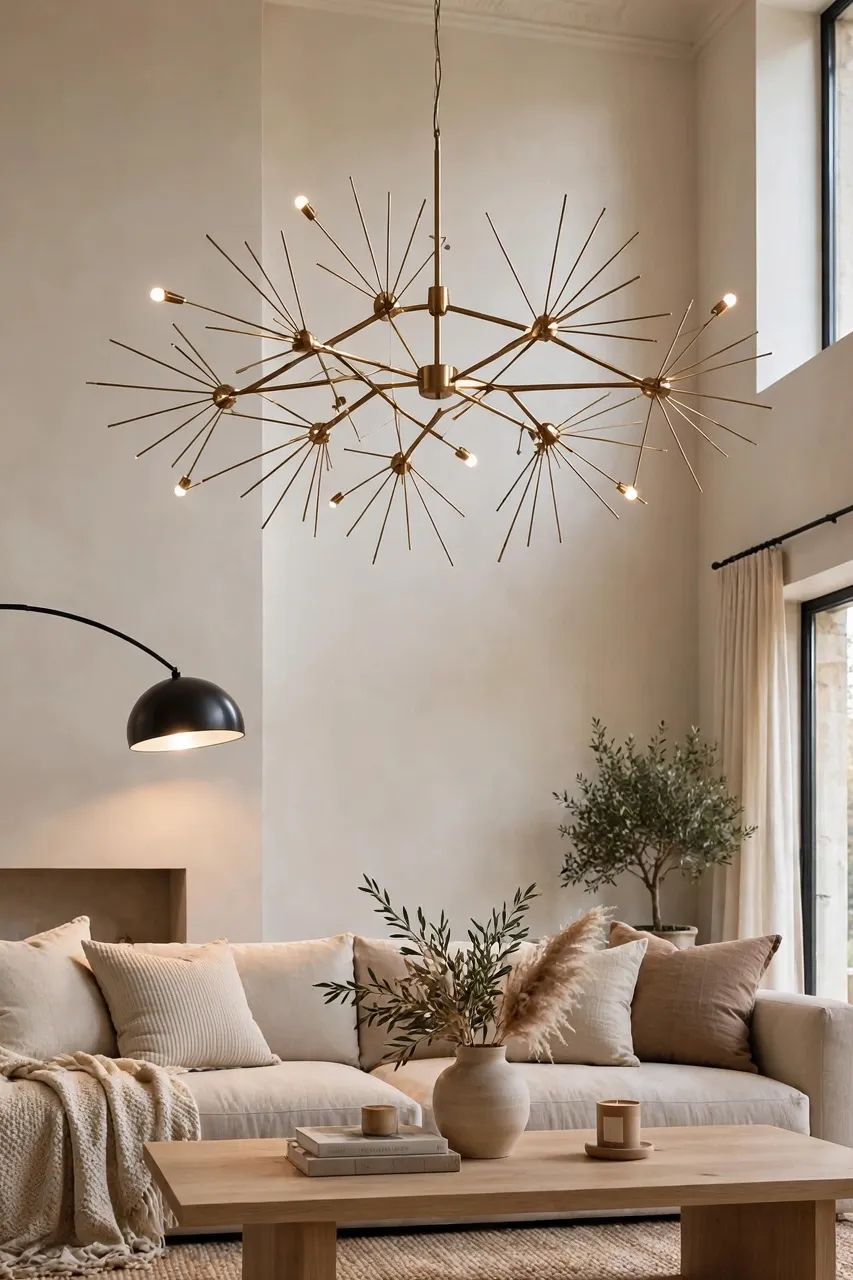
What You Need:
- A large chandelier or pendant: Choose one that hangs low enough to feel connected to the seating area.
- Floor lamps with height: Arc lamps or torchiere styles draw light upward and fill vertical space.
- Wall sconces: Mount them higher than usual to wash tall walls with warm light.
- Dimmer switches: Control the mood so bright overhead light does not feel harsh.
- Warm bulbs: Soft white light (2700K) keeps tall rooms feeling cozy, not stark.
Lighting is what makes high ceilings feel magical instead of cavernous. A statement fixture becomes the jewelry of the room, while layered light sources remove shadows. I’ve seen this work well in many homes: once the lighting is right, the height feels like a luxury.
From Empty Cavern to Cozy Gathering Space
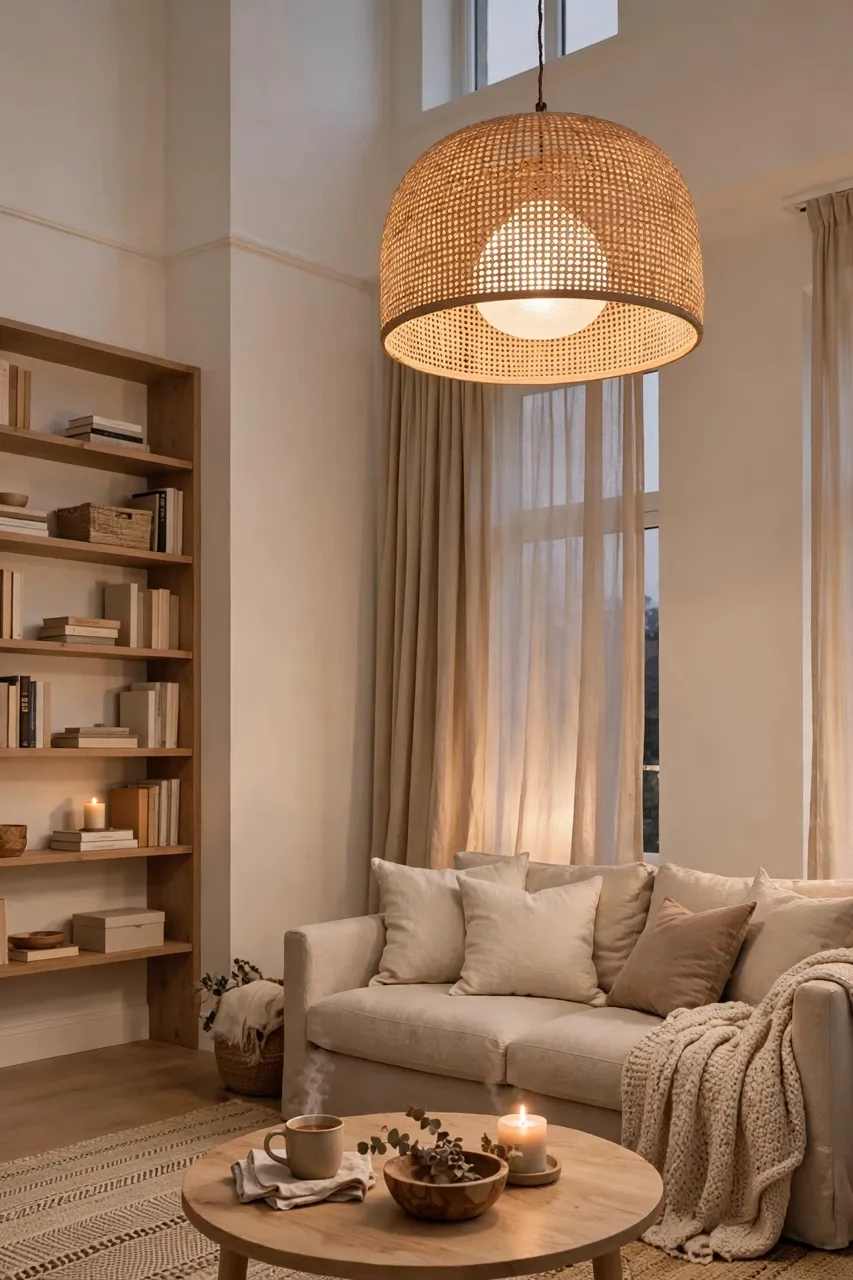
Before: The room had a small sofa floating in the middle, bare walls rising twelve feet, and a single flush mount light. Voices echoed, and guests clustered near the door instead of settling in. The space felt impressive but not inviting.
After: A tall bookcase anchors one wall, floor to ceiling drapes soften the windows, and a large pendant hangs over the seating area. The same room now feels warm and layered. People linger because every corner feels considered.
The difference comes down to filling the volume, not just the floor. When furniture, art, and light all work together at different heights, the room feels complete and welcoming. For help hiding functional eyesores, see how to hide a wall-mounted air conditioner without losing style.
Balancing Height Without Overdoing It
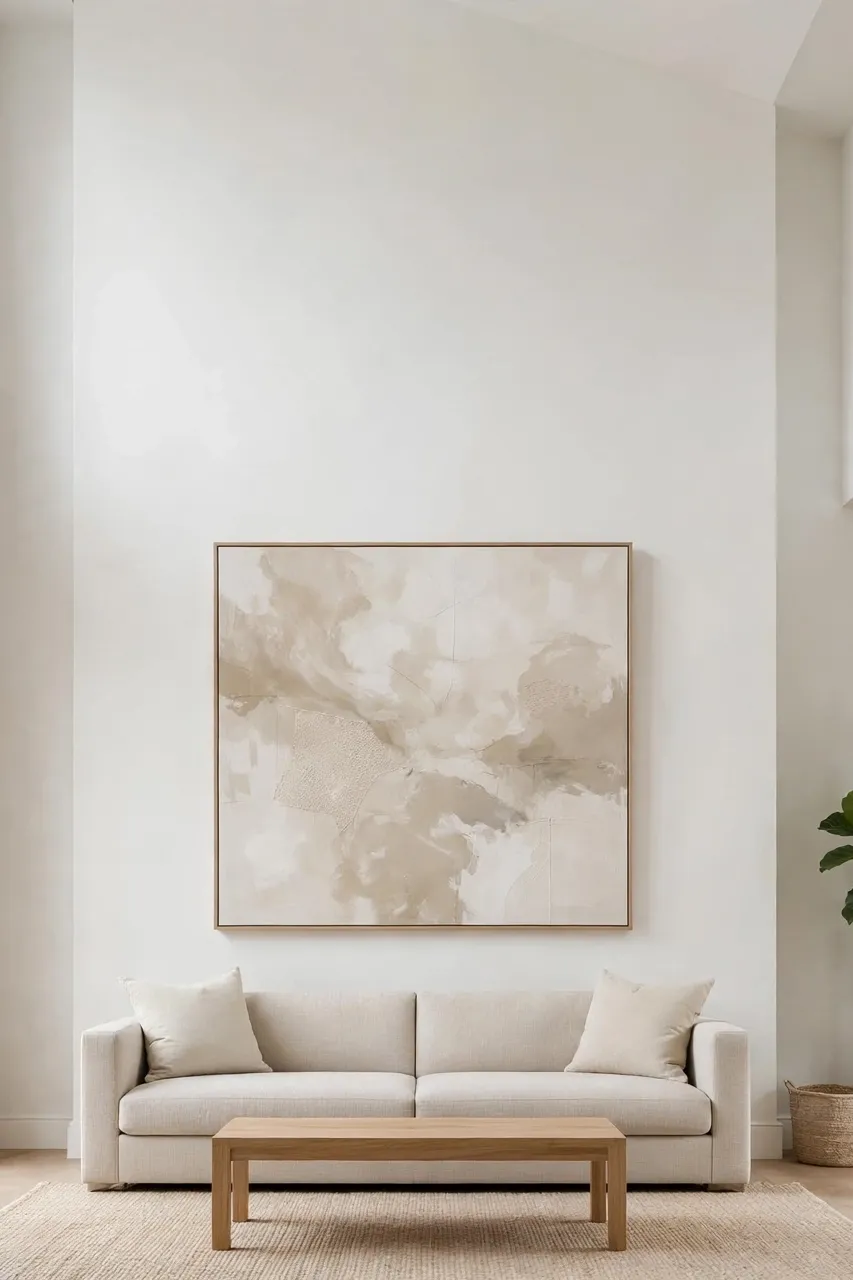
Do This:
- Hang curtains high and wide to frame windows with drama.
- Use one large art piece instead of many small ones.
- Add tall plants or floor lamps to fill empty corners.
- Paint the ceiling a soft shade to add warmth overhead.
Avoid This:
- Do not hang art at standard height and leave a gap above.
- Avoid tiny rugs that make furniture look like islands.
- Skip short bookcases that emphasize the empty wall above.
- Do not use only recessed lights, which can feel cold and flat.
Balance is about editing, not filling every surface. Choose a few strong vertical moments and let the rest breathe. That’s why many experts recommend stepping back often to check the overall feel. The goal is a room that feels grand yet comfortable to live in.
Hanging Artwork in Rooms With Tall Walls
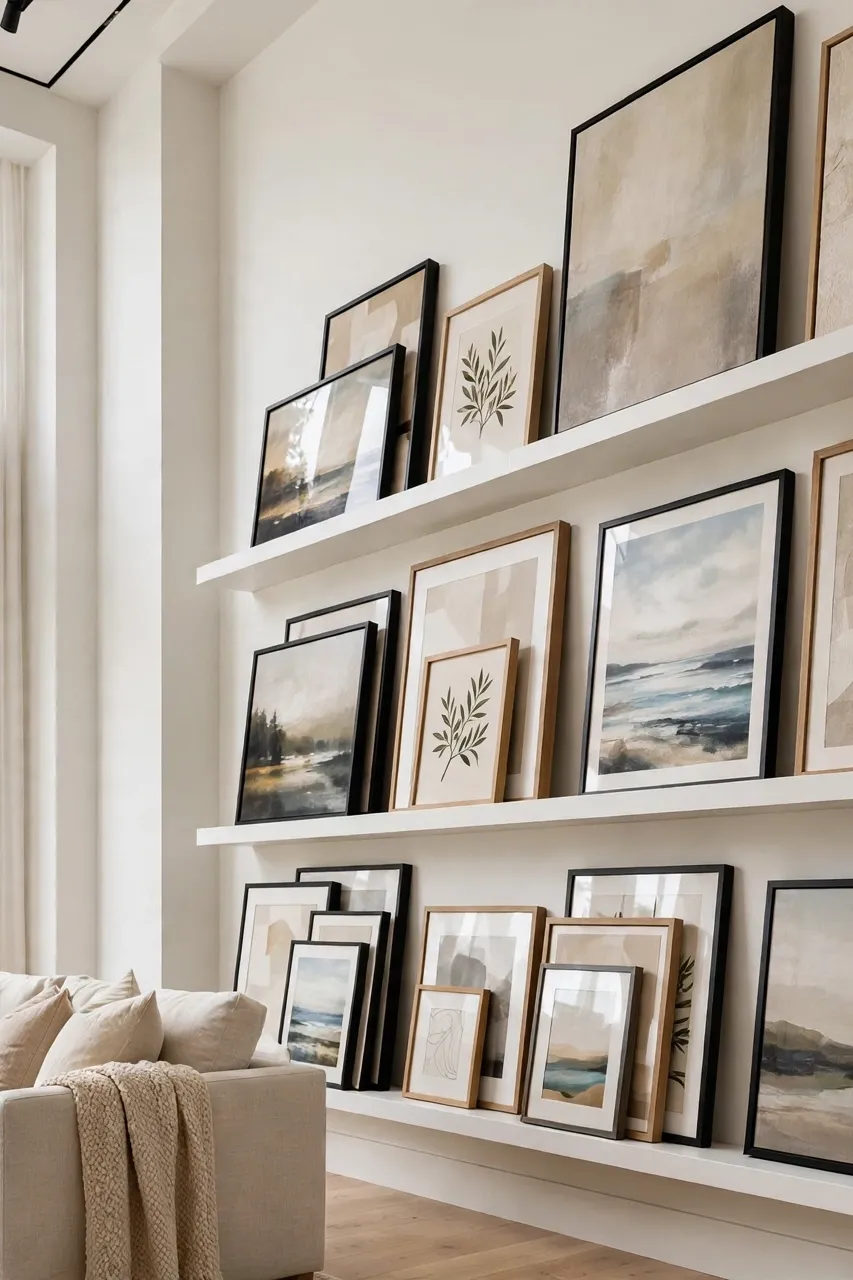
Time Needed: 1-2 hours | Difficulty: Easy | Cost: Low | Best For: Filling tall blank walls
Art placement makes or breaks a tall wall. When pieces sit too low, the upper wall feels forgotten and empty above. By stacking or oversizing, you create a gallery effect that honors the height. Take your time with placement, since large walls forgive small adjustments easily.
Layer Texture From Floor to Ceiling
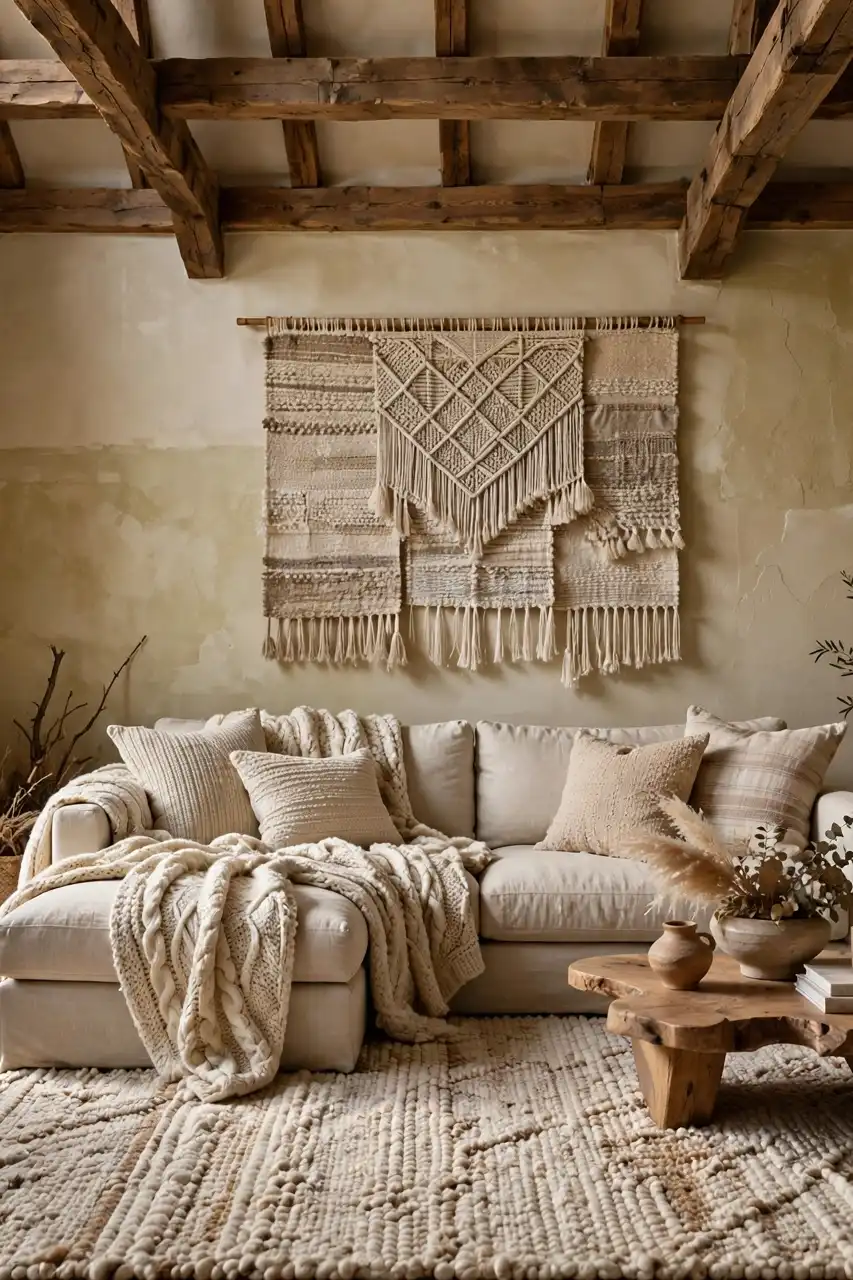
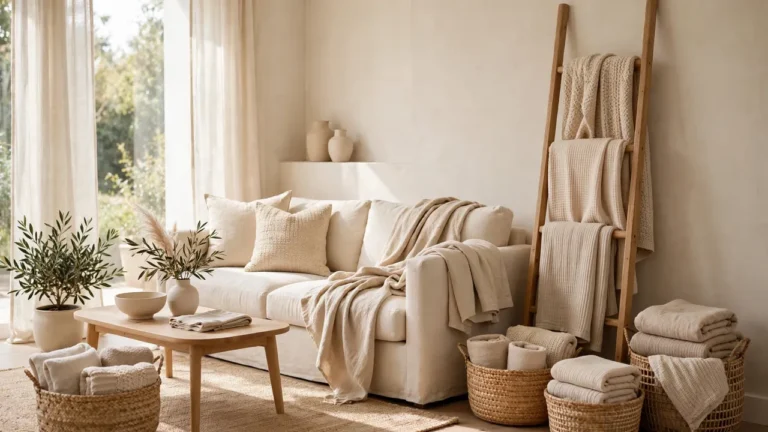
Texture keeps tall rooms from feeling flat or echoey. A nubby rug underfoot, linen drapes at the windows, and a chunky knit throw on the sofa all absorb sound and add softness. These layers make the volume feel intimate, even when the ceiling is far above.
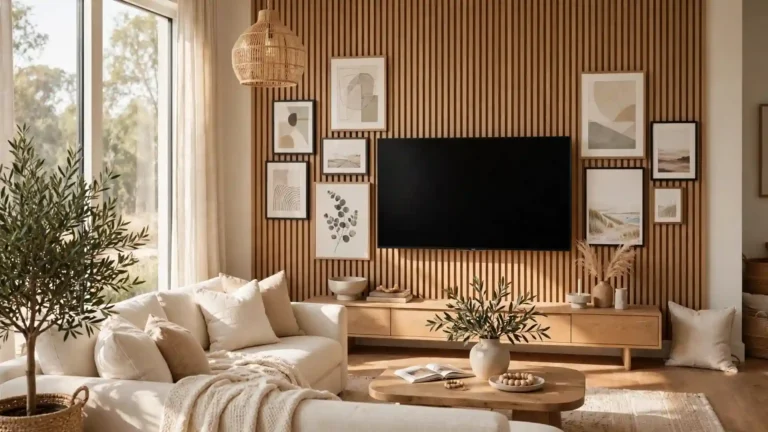
Do not forget the upper walls when layering. Woven wall hangings, wood paneling, or even exposed beams add tactile interest where the eye travels. Mixing materials at different heights creates depth. The result is a space that feels collected and warm from every angle.
Pro Tips for a Polished Final Look
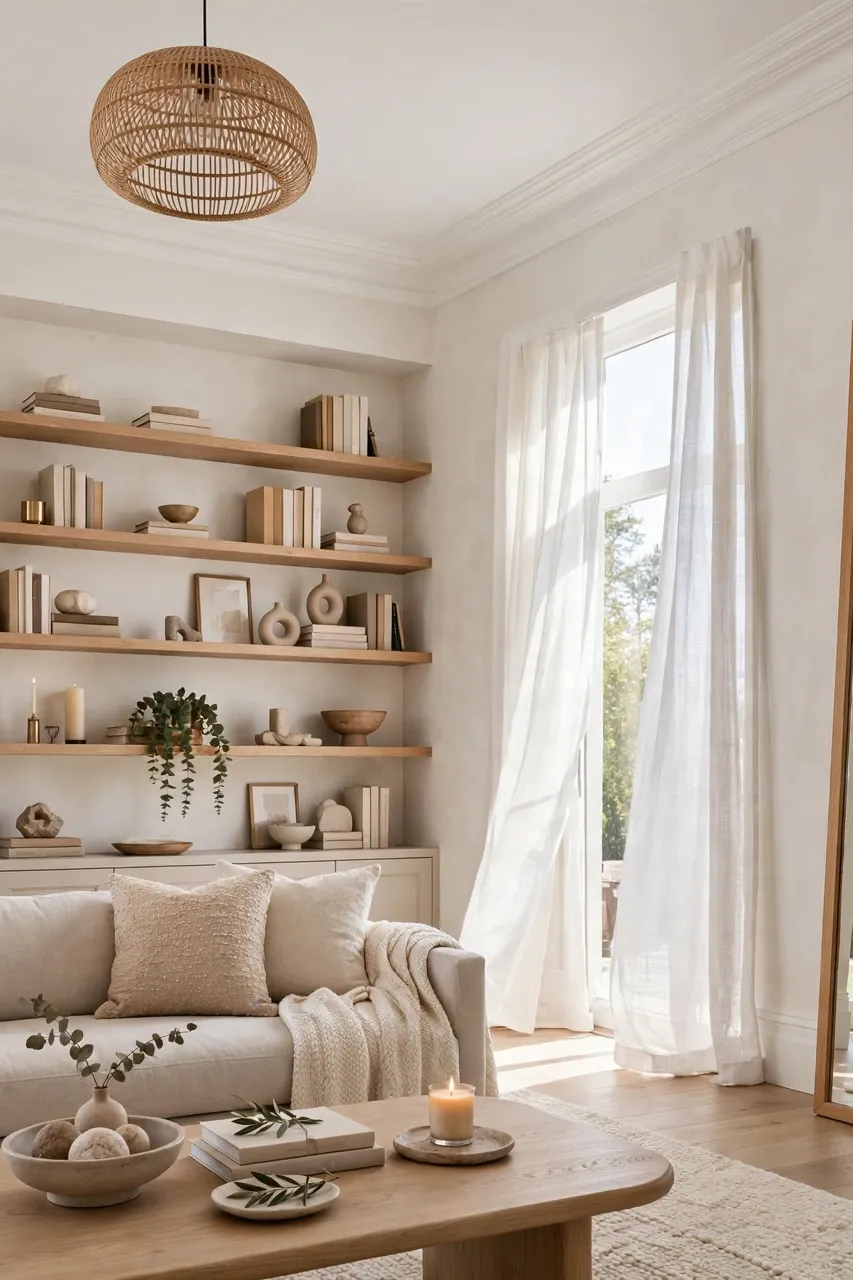
Small finishing moves pull everything together in a tall space. These are the details designers use to make high ceiling living rooms look effortless and complete. Work through them after the big pieces are in place, and the room will feel truly finished.
- Add crown molding or ceiling beams to define where wall meets ceiling.
- Place a tall mirror to bounce light and double the sense of height.
- Style shelves with books and objects at varying heights for rhythm.
- Finish with scent and soft textiles so the room feels lived in, not staged.
Conclusion
High ceilings are a gift once you know how to work with them. By choosing scaled furniture, layering light, and dressing walls from floor to ceiling, learning how to decorate a living room with high ceilings feels simple instead of stressful. I’ve seen how shifting this approach can turn a cold, echoey room into the coziest spot in the entire house. Save this guide on Pinterest so you can return to it while you shop, and share it with a friend who is staring at tall blank walls right now.
One Comment