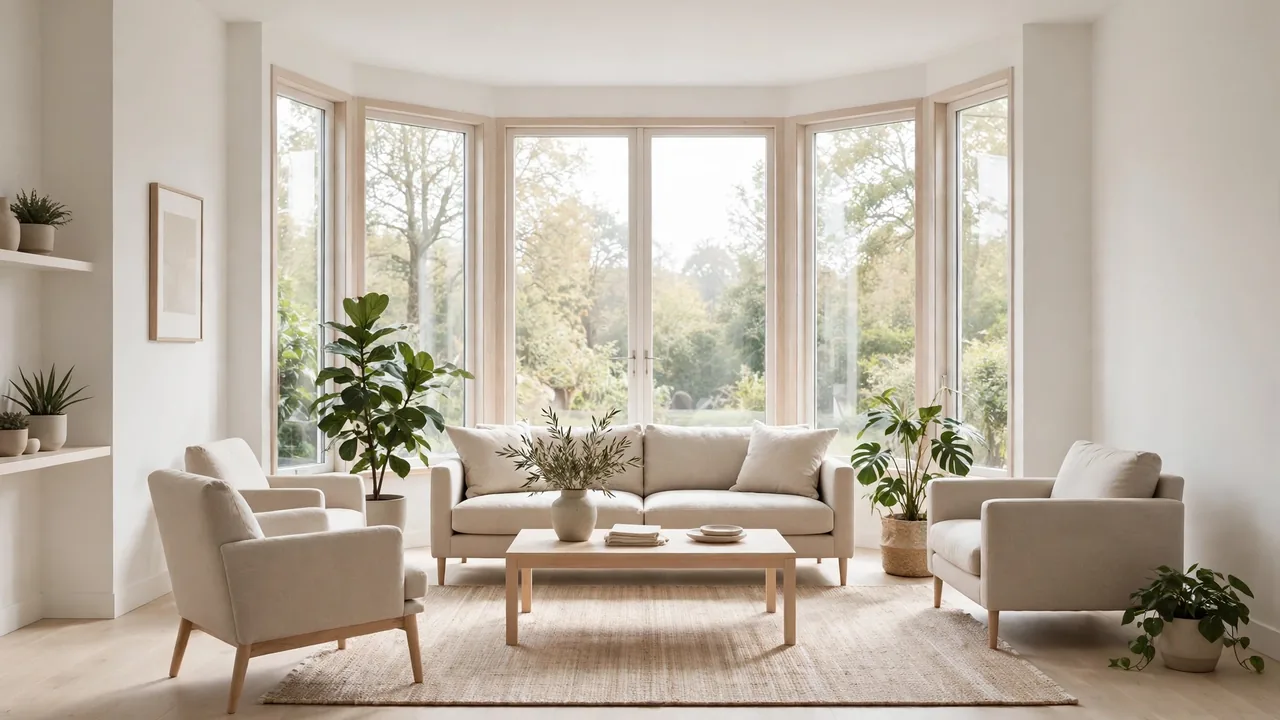
How to Arrange Furniture in a Living Room With a Bay Window
Learning how to arrange furniture in a living room with a bay window starts with seeing the window as an asset rather than an obstacle. Those angled walls and extra glass give you more light and more floor space than a flat wall ever could.
The trick is letting the bay shape guide your choices instead of fighting it. Just like planning how to make a small guest room comfortable for visitors starts with the room’s quirks, this layout starts with the angles.
Measure first, place seating second, and keep the light path open, and the result feels calm and welcoming. What follows are ten practical ideas that work in real rooms with real door swings and real furniture.
Let the Bay Window Lead the Layout
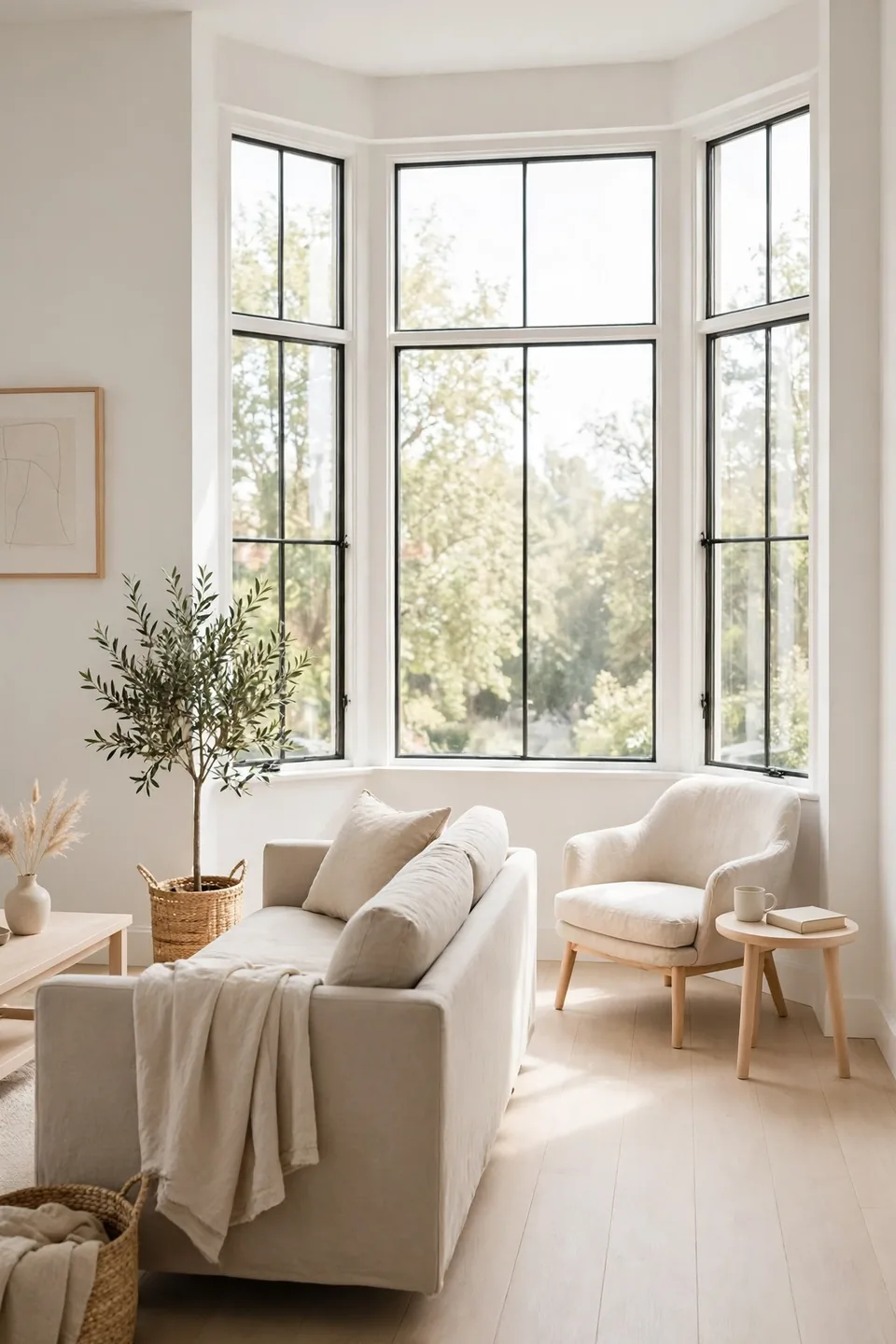
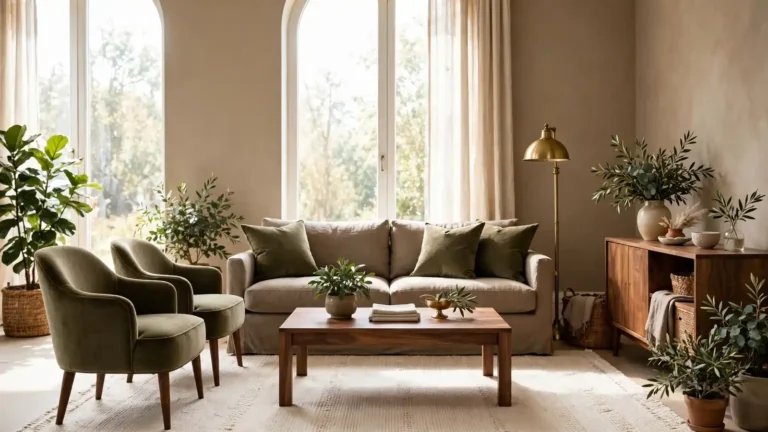
A bay window is the room’s best feature, so treat it like one. When the layout honors the window first, every other piece falls into place without a fight. Start by picturing the room with the window as the main event rather than a side note.
Once you commit to that view, choose where the primary seating looks. Sofas angled toward the window and a reading chair tucked into the alcove make the shape feel intentional instead of awkward. Every path stays open, light floods the room, and the bay becomes the spot everyone gravitates toward.
Measure the Alcove Before You Move a Thing
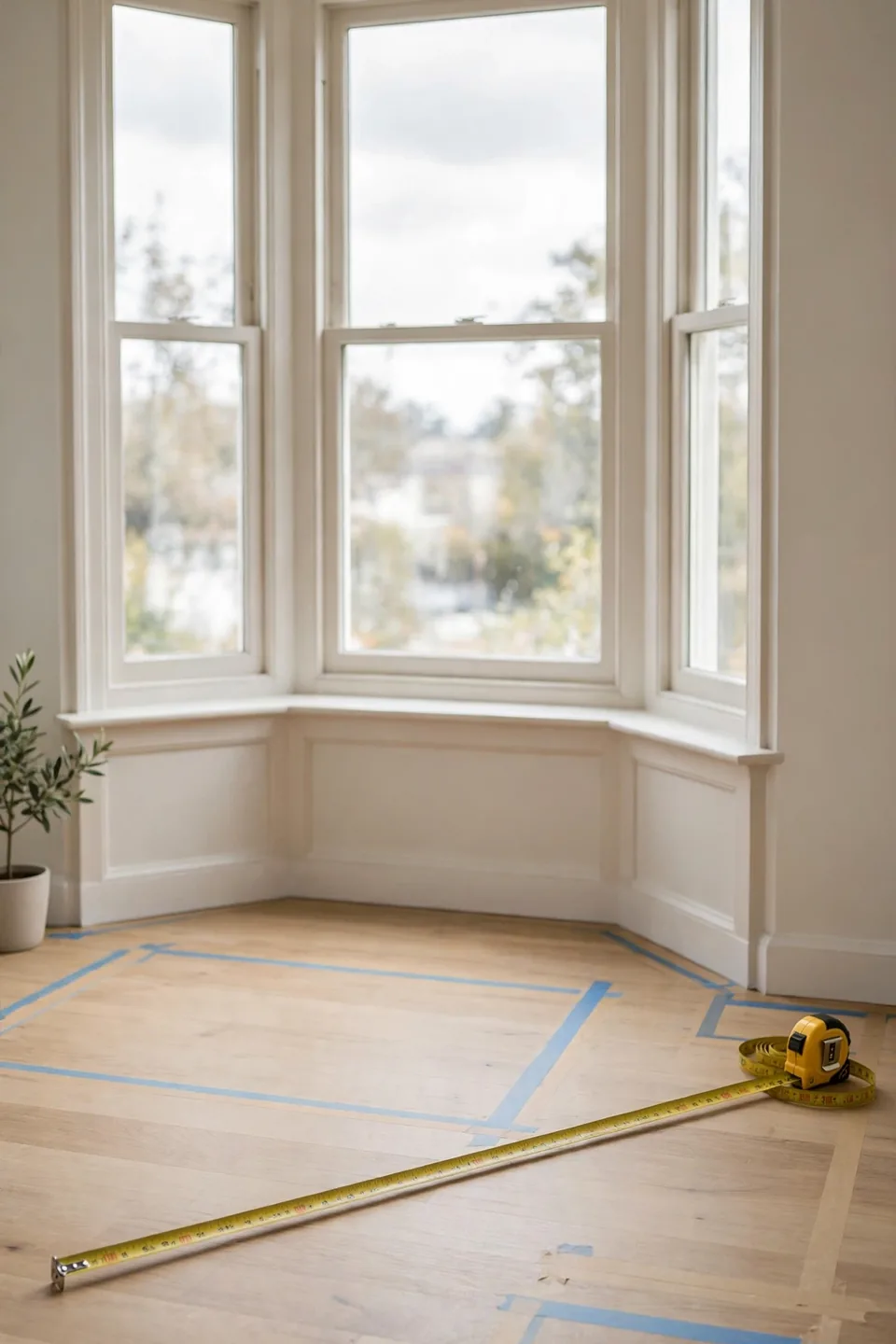
Bay windows vary more than they look like they should, and guessing the size leads to pieces that crowd the glass or swallow the walkway. A few quick measurements tell you exactly what fits in the alcove and how much room stays open in front.
- Measure the width of the bay at its widest point, then the depth from the back wall to the glass.
- Note how far the side walls angle in, since that slope decides whether a chair can tuck in.
- Mark the walking path on the floor with tape before any heavy piece comes into the room.
- Record the sill height, which sets how low any piece under the window can safely sit.
Keep these numbers on your phone so you can check them in a store or while shopping online. Ten minutes of measuring saves a full afternoon of dragging heavy furniture back and forth.
Choose the Right Focal Point
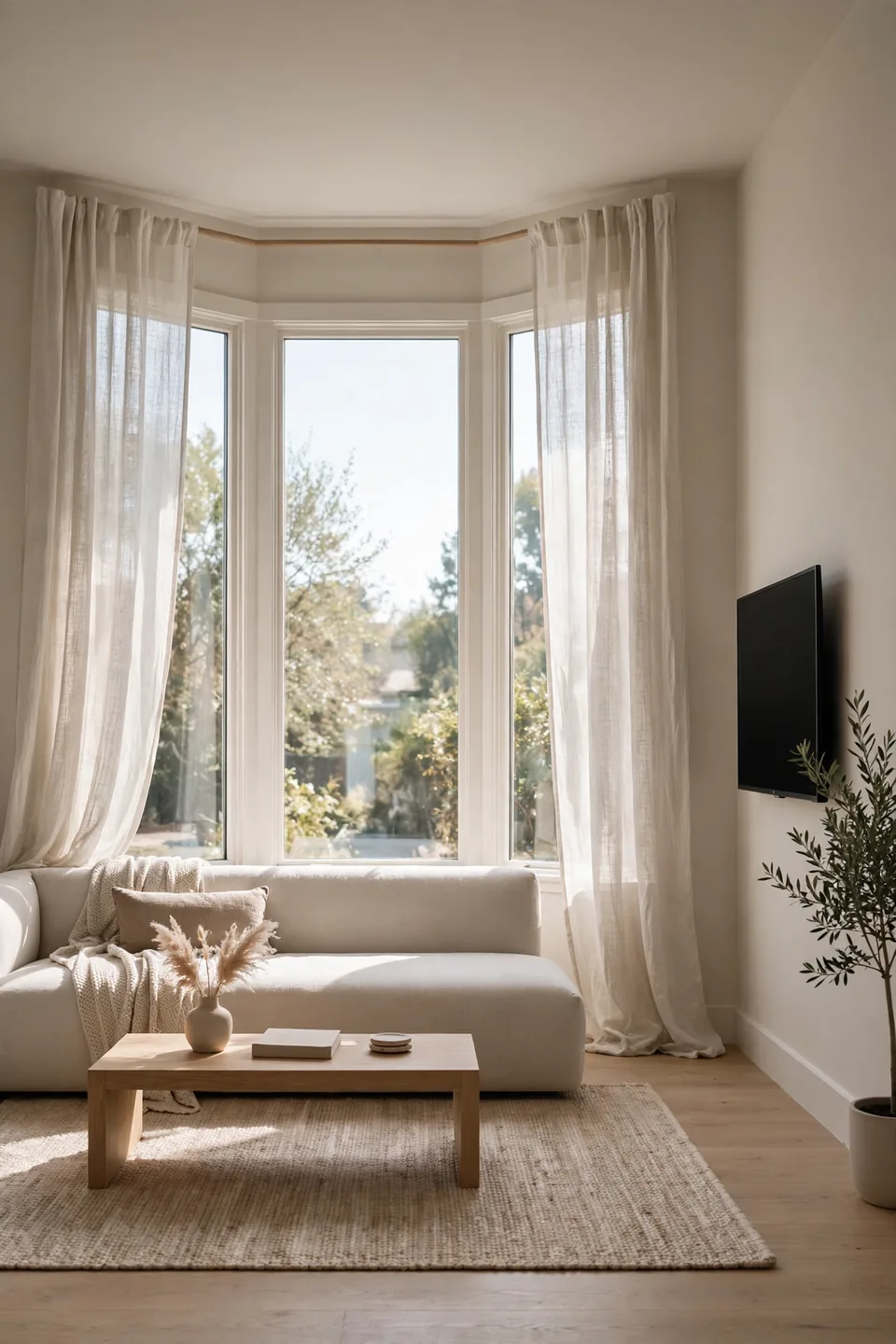
Quick Tip: Decide before moving furniture whether the bay window or the TV owns the room, because both cannot win.
When the window wins, the sofa faces it and the TV shifts to a side wall where it reads easily. When the TV wins, seating angles inward and the bay gets a reading chair instead of a crowd. Either way, one star keeps the room calm and the layout from feeling pulled in two directions.
Respect the Light Path
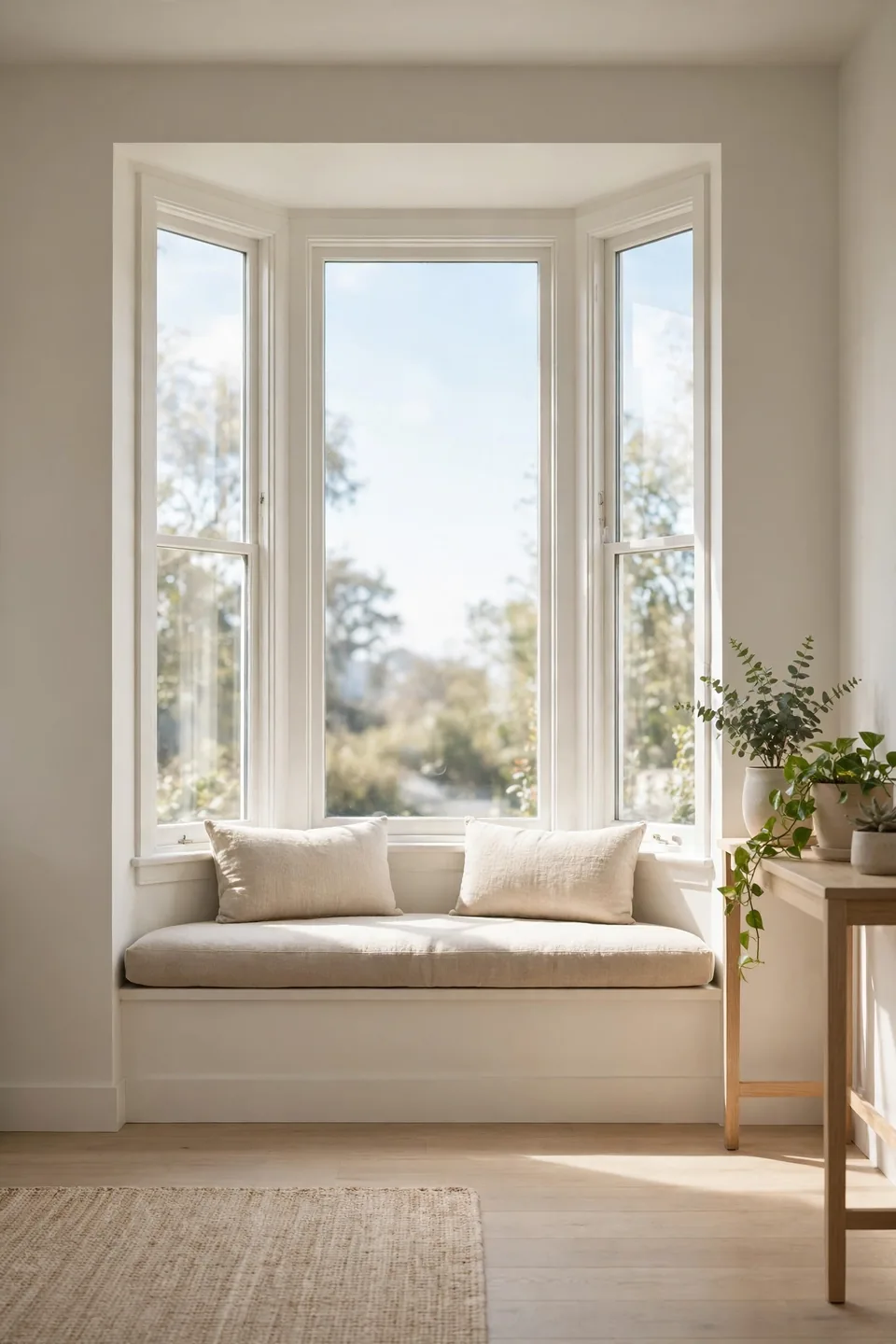
Common Mistake: Pushing tall bookcases or bulky chairs into the bay, where they eat the light and make the window feel smaller.
The Fix: Keep pieces in the alcove low and light, so daylight flows past them into the room.
The bay works hardest when sunlight reaches deep into the room, so give the light an open runway. A low bench, a slim console, or plants in pots keep the sill clear while the glass does its job. Save the tall storage for a solid wall, where it earns its footprint without stealing the sunshine.
Frame the Window With Seating
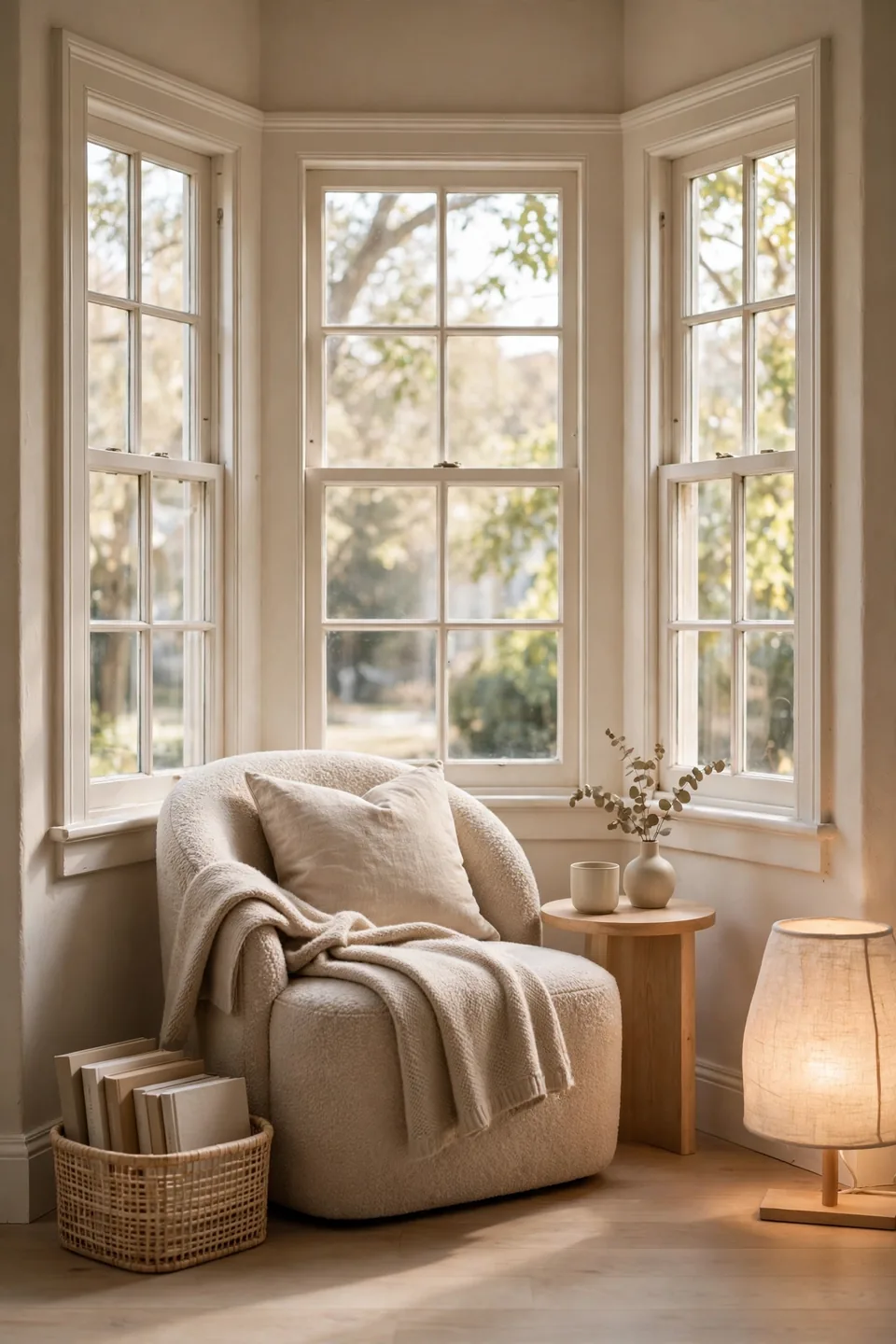
What You Need:
- A reading chair that fits the alcove angle
- A small side table within arm’s reach
- A floor lamp or battery lantern for evenings
- A throw blanket and one cushion
- A slim basket for books nearby
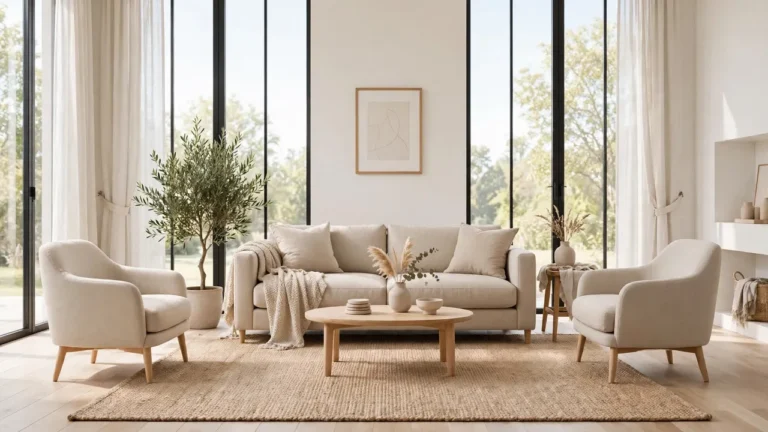
A chair in the bay turns a tricky corner into the room’s favorite seat. The table holds coffee, the lamp carries the evening, and the basket keeps books close at hand. Nothing here needs to match the sofa; it only needs to fit the space and feel good to sit in for an hour.
Balance the Sides Without Matching

BEFORE: Two identical chairs squeezed into the bay while the opposite corner sat bare and lonely.
AFTER: One chair in the bay, one across the room, and the space suddenly feels balanced and airy.
Symmetry sounds tidy, but matching pairs often crowd a bay window instead of helping it. Split pieces up and the room breathes better, with weight spread across the space. One floor lamp and one plant can balance each other from opposite corners, as shown in how to decorate a dining room with no overhead lighting.
Anchor With a Rug
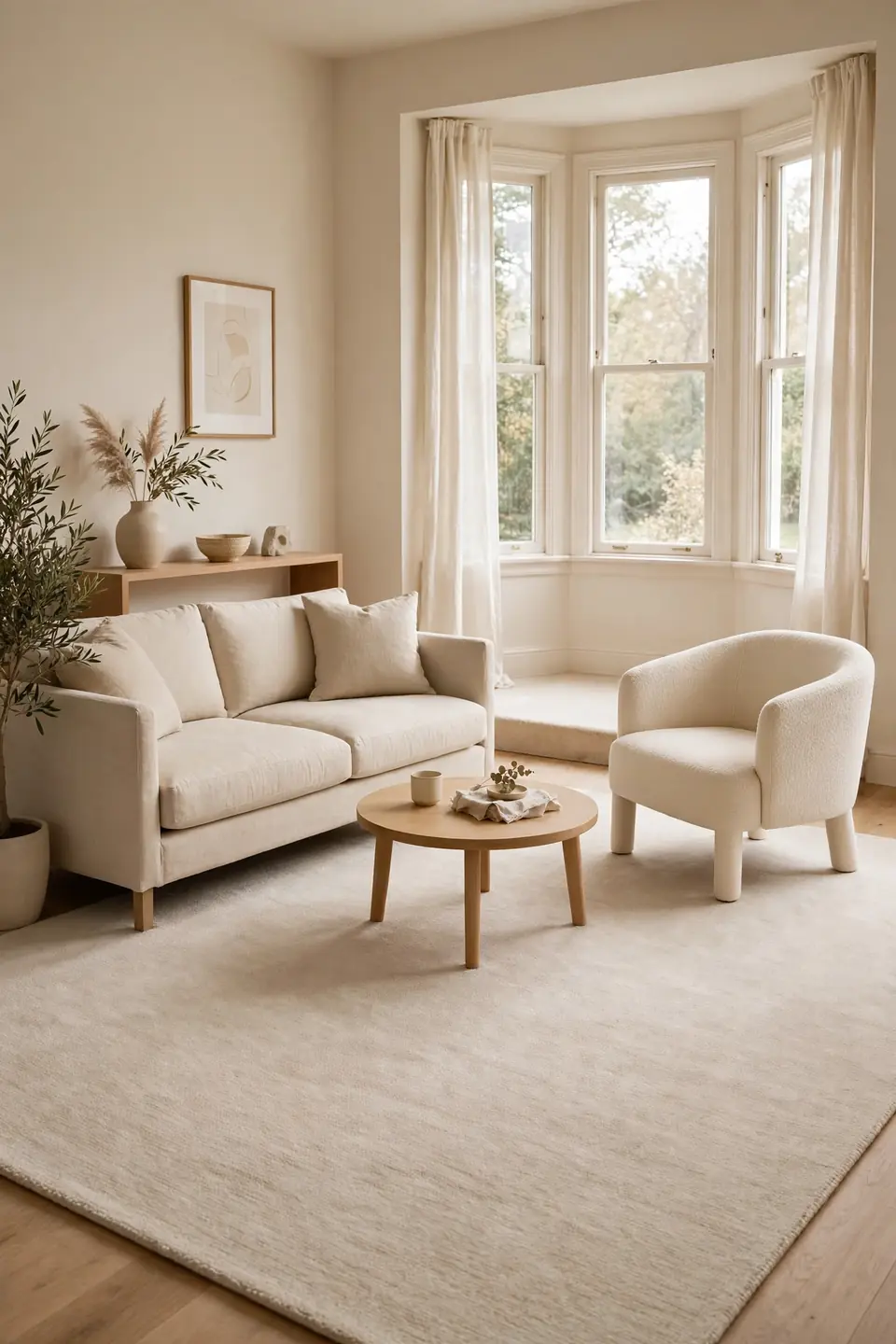
Do This:
- Size the rug so the front legs of every seat rest on it
- Let the rug extend partway into the bay alcove
- Choose a low pile that doors and chairs clear easily
Avoid This:
- A small rug that floats alone in the center
- Rug edges that bunch up against the bay walls
- Busy patterns that fight with the window view
A rug pulls the bay window and the rest of the room into one layout instead of two zones. When seating touches the rug, the arrangement reads as a single conversation area with a bright bonus corner. Keep the pattern calm and the texture low, and the window light gets the spotlight it deserves.
Quick Facts: Bay Window Layout Basics

Best For: Reading nooks and plant displays
Biggest Win: Daylight reaches deeper into the room
Watch Out For: Drapes that block the side angles
Budget Range: Mostly free with what you own
Bay windows reward simple choices more than expensive ones. Low pieces, clear glass, and a rug that ties the alcove to the room solve most of the puzzle. The one thing money cannot fix is a curtain that swallows the angles, so hang panels at the outer edge and let the bay stay bright.
Work Around Doors and Traffic
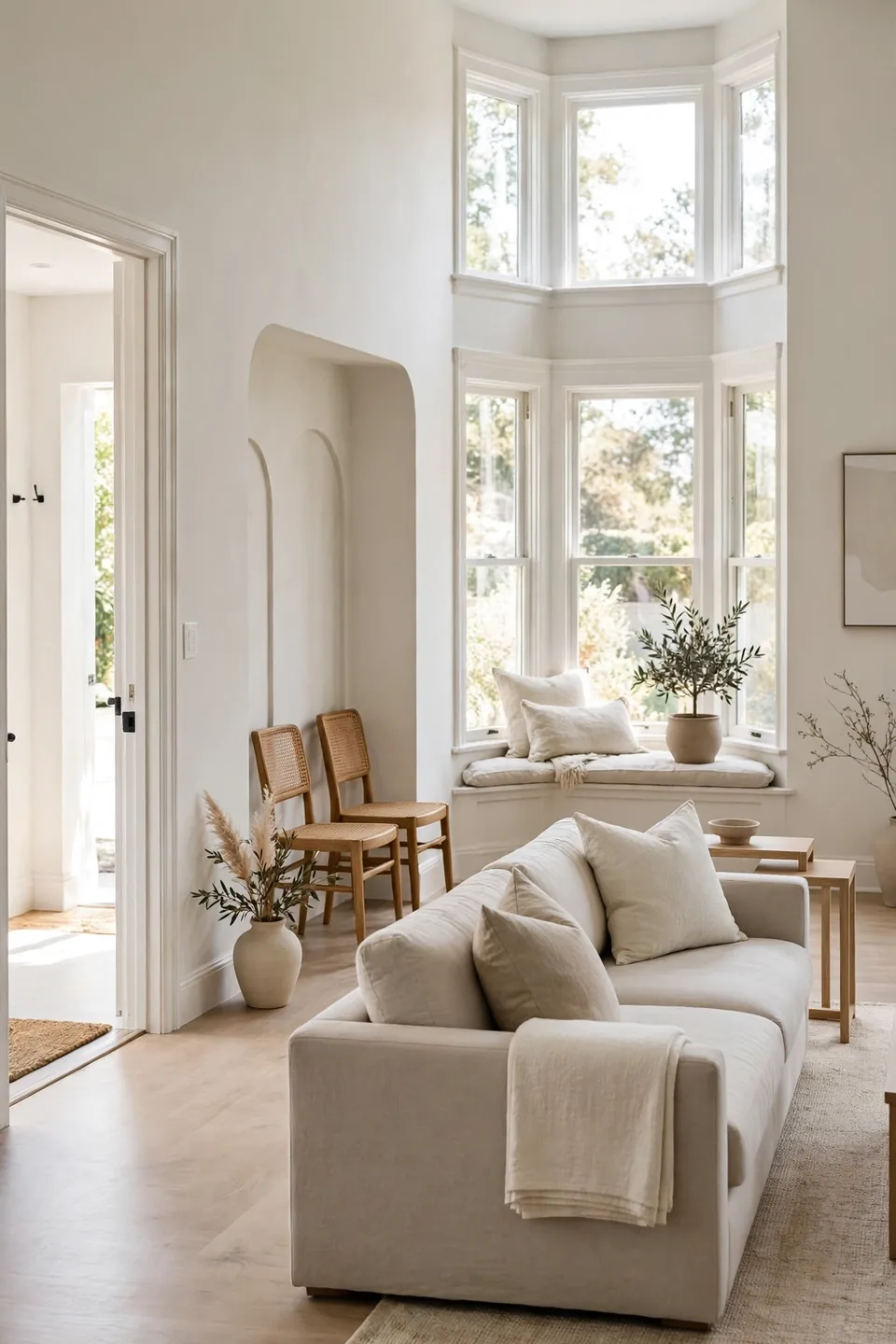
Doors and hallways compete with the bay window for your attention, so map the walking paths before placing anything. A room that looks fine in your head can feel blocked the moment a door swings open.
Keep the main path clear from the entrance to the bay, even if it means the sofa shifts off center. Chairs can tuck beside the alcove instead of inside it, and side tables stay slim. When traffic flows straight through, the layout stops feeling like a puzzle and starts feeling like home. Every seat still gets a share of the view.
Leave Breathing Room Behind Pieces

Every piece needs a little space around it, especially near glass. Breathing room keeps the bay window feeling bright instead of cramped, and it makes cleaning far easier too. Crowded corners collect dust and block the daylight you wanted the window for in the first place.
- Leave at least a hand’s width between furniture backs and the glass.
- Pull seating forward a few inches so drapes can hang freely behind it.
- Vacuum behind pieces monthly, since the alcove corners gather dust fast.
- Check once a season that plants have not crept into the walking path.
These small gaps make the whole arrangement look lighter and more deliberate. You will notice the difference most on bright mornings, when the light reaches every corner.
Conclusion
A bay window stops being a layout problem the moment you plan around it. Low pieces in the alcove, a rug that ties everything together, and clear walking paths turn those angled walls into the brightest spot in your home. Keep practicing how to arrange furniture in a living room with a bay window until the room feels right, because small tweaks often fix big annoyances.
Save this guide to Pinterest so the next time you move a chair, the ideas are waiting for you. Pin the images you love so your board stays full of fresh inspiration.