23 Bedroom Accent Wall Ideas for a Stunning Makeover
A plain wall behind the bed can leave even a pretty room feeling unfinished, and bedroom accent wall ideas turn that blank stretch into the room’s natural focal point. Paint, wood, wallpaper, and molding each change the mood in a different way, so the right choice depends on the light, the bedding, and the feeling you want at night. A soft color calms the room, a bold color adds drama, and texture adds depth without shouting for attention.
Before paint or panels go up, it helps to test the idea against the room you already live in, much like living room fireplace decor ideas start with the hearth and build outward. The sections below walk through paint, wood, wallpaper, molding, and renter friendly fixes, each with a clear way to style the bed, the lamps, and the art around the wall. Pick the look that fits your budget, your light, and your patience for weekend work.
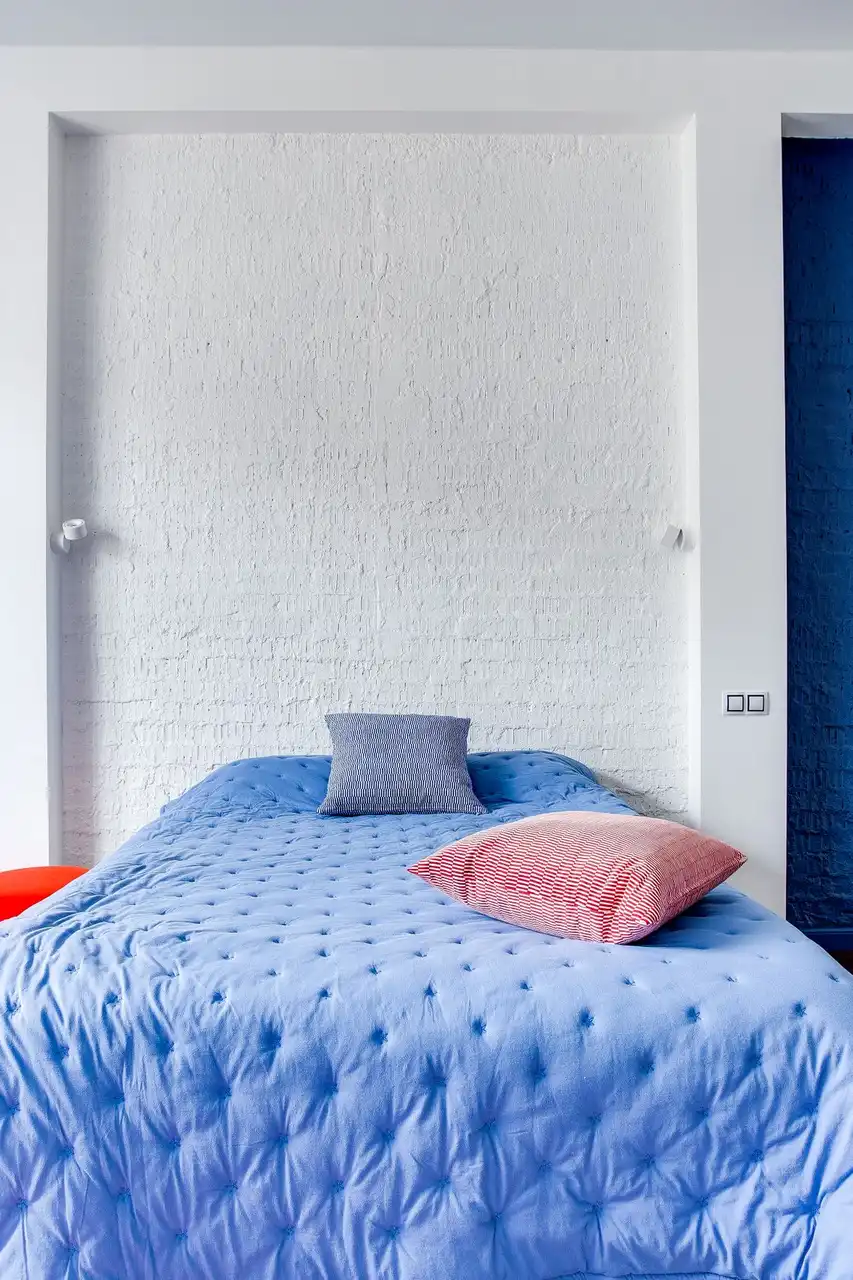
Bold Painted Headboard Wall
Credit: Алан Албегов
A single wall of deep color behind the bed gives the room an anchor, and the bed itself becomes the frame for that color. Midnight blue, forest green, and warm charcoal all sit well behind linen bedding, and they make white pillows read crisp instead of flat. Keep the other walls pale so the dark wall holds the eye, and let the ceiling stay white to keep the room feeling tall.
Brass lamps, wood nightstands, and one large print soften the dark paint, and a soft throw at the foot of the bed ties the palette together. In my experience, one dark wall reads calmer than four, and it photographs well in morning light. Test a large swatch first, since deep paint shifts a lot between daylight and lamplight.
Warm Wood Slat Panels

Credit: Max Vakhtbovych
- Vertical slats in oak or walnut add warmth without closing the room in
- Leave a slim gap between slats so shadow lines give the wall depth
- Match the slat tone to the nightstands for a calm, joined up look
- Run slats floor to ceiling so the wall reads taller than it is
Wood slats suit rooms that feel cold or bare, since the grain adds nature and texture in one move. Stain samples matter here, because oak can pull golden and walnut can pull cool under different bulbs. I’ve seen this work well in many cases where paint alone felt too flat, and the wall still leaves room for one quiet piece of art.
Soft Limewash Texture
Credit: Curtis Adams
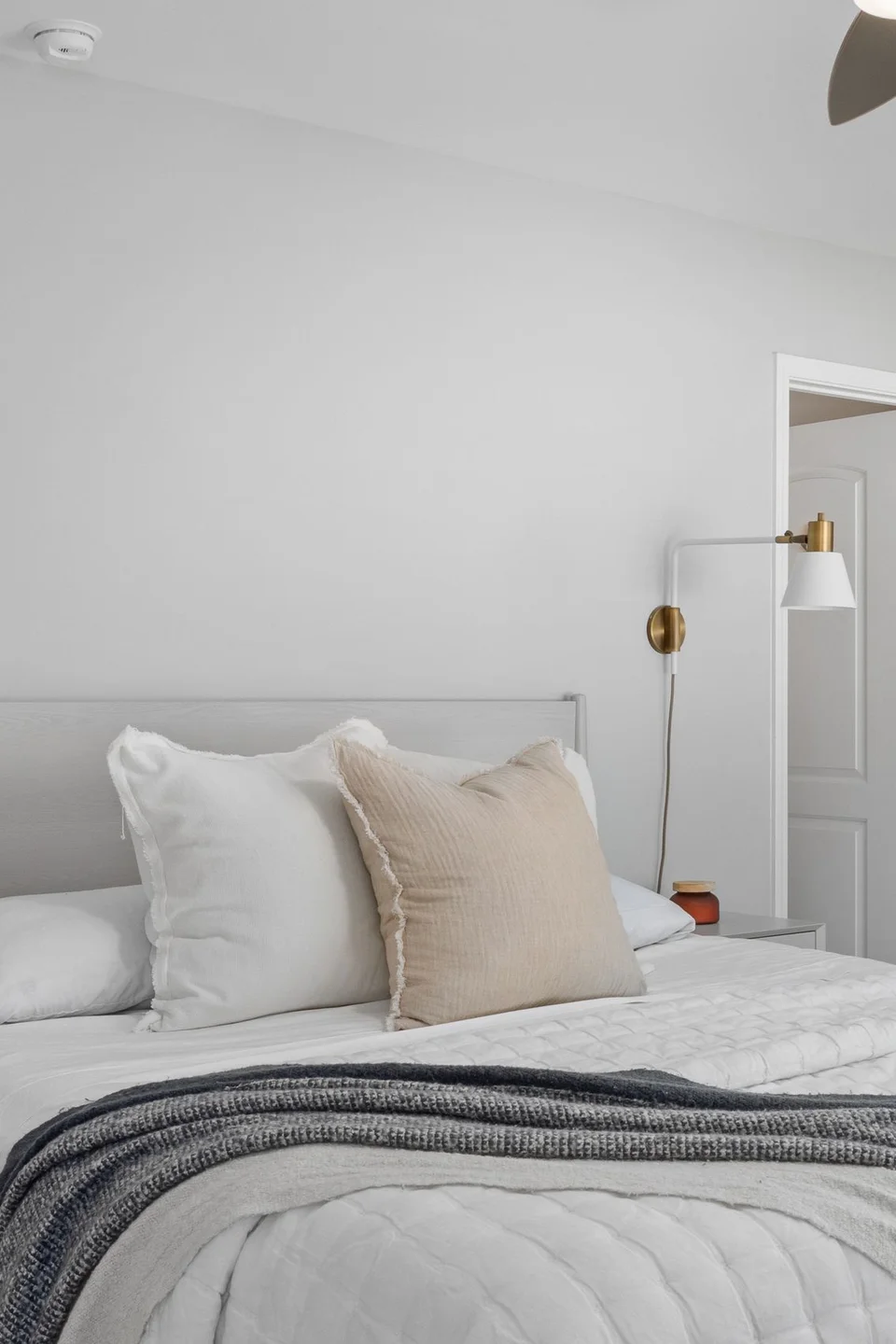
Quick Tip: Brush limewash in loose, crossing strokes and let each coat dry fully, since the cloudy depth comes from layers rather than one heavy pass. Two thin coats beat one thick coat, and a matte sealer keeps the finish soft to the touch.
Limewash suits bedrooms that need calm more than contrast, and it pairs well with linen, rattan, and pale wood. The finish shifts gently through the day, so the wall looks slightly different at breakfast and at bedtime. Keep bedding simple and let the texture carry the room, with one vase or one print as the only extra note.
Plain Wall To Bold Feature
Credit: Rachel Claire
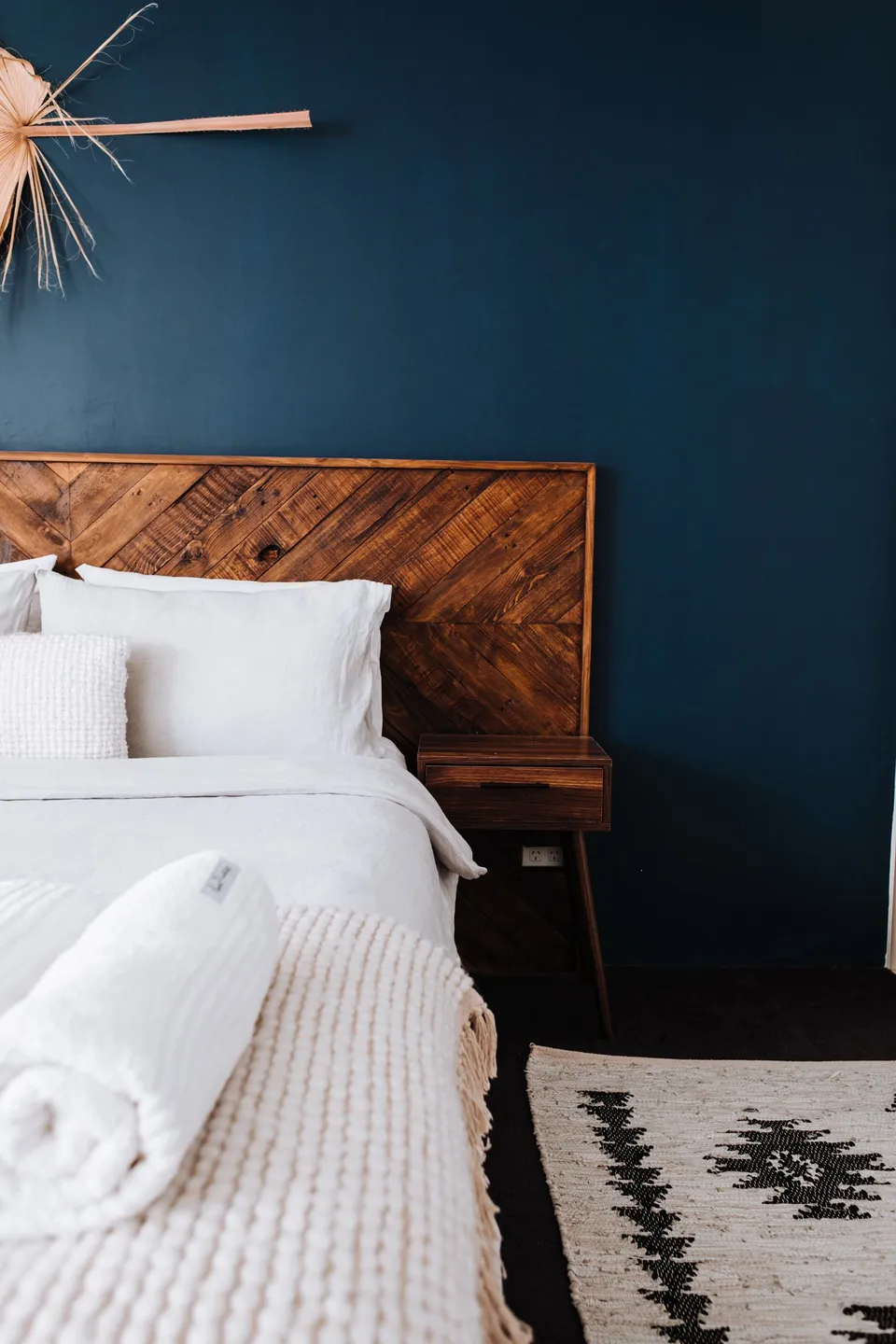
BEFORE: The wall behind the bed was plain white, and the bed seemed to float in the room with nothing to anchor it. Lamps and pillows looked scattered, and the room felt unfinished even though the furniture was good.
AFTER: One coat of deep blue paint gave the wall a clear job, and the same bed now reads as the center of the room. White bedding pops against the cool color, wood nightstands tie in, and a single woven basket adds texture without clutter.
Bold paint works fastest when the rest of the room stays quiet, so keep art to one piece and bedding to two tones. Test the color on a large board first and live with it for a day before painting the full wall.
Wallpaper Behind The Bed
Credit: Curtis Adams
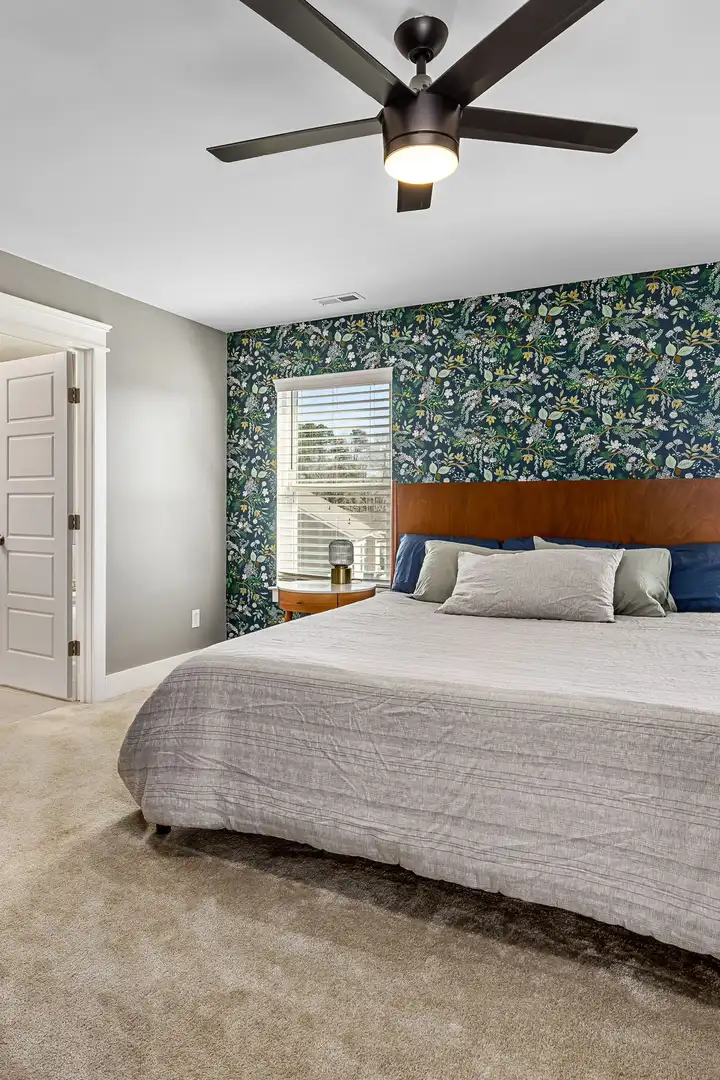
- Measure the wall and order one extra roll for pattern matching
- Start at the center of the wall so the pattern sits even behind the bed
- Smooth each strip from the middle outward to push air bubbles away
- Trim at the ceiling and baseboard with a sharp blade for a clean edge
Wallpaper gives a bedroom pattern and depth that paint alone cannot reach, and the bed hides the seam lines that worry most beginners. Small prints suit small rooms, while large botanical or stripe prints suit wide walls. Keep the bedding plain so the pattern stays the star, and echo one color from the paper in a throw or cushion.
Paint Versus Wallpaper

Credit: Andrea Davis
| Feature | Paint | Wallpaper |
|---|---|---|
| Cost | Lower | Higher |
| Weekend job | One day | One to two days |
| Pattern | Solid color | Print and texture |
| Change later | Easy repaint | Peel or strip |
Paint wins for renters and for anyone who likes to change color often, while wallpaper wins for depth and print. A painted wall also lets you test bold color cheaply, since a fresh coat costs little and a repaint takes only a day. Budget, patience, and how long you plan to keep the look should settle the choice. Either way, the wall behind the bed carries the room, so spend the effort there first and keep the other walls simple.
Classic Panel Molding

Credit: Christopher Moon
Do:
- Space the frames evenly and keep them the same size for calm symmetry
- Paint molding and wall the same color for a quiet, tailored finish
- Center the largest frame above the headboard, not above the bed pillows
Don’t:
- Crowd the wall with small frames that fight the headboard for attention
- Mix molding styles on one wall, since the clash reads as clutter
- Stop the molding at the nightstands instead of running it wall to wall
Panel molding suits traditional and transitional bedrooms, and it adds architecture without a full remodel. Paint it the same soft white as the wall for a subtle lift, or a deep tone for drama. Keep bedding tailored and lamps slim, so the frames stay the quiet star of the wall.
Accent Wall Quick Facts
Credit: Barion McQueen
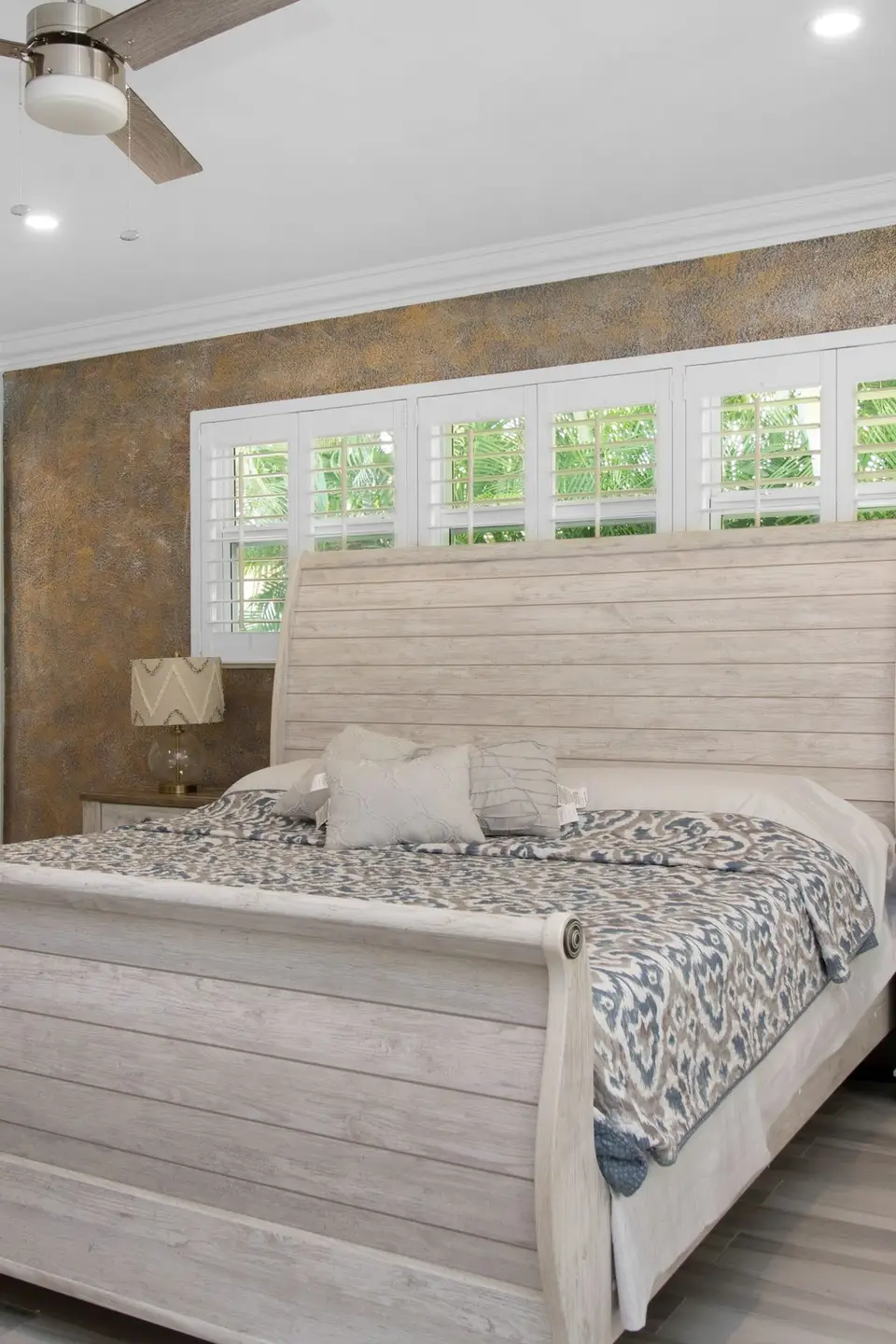
Cost: Paint starts low, wallpaper and wood panels cost more
Time: Most paint walls take one weekend day
Skill Level: Beginner friendly with basic tools
Best For: Bedrooms that feel flat or unfinished
Accent walls work best on the wall the bed faces or sits against, since that wall already holds the eye. Light colors open a small room, while dark colors add cozy depth to a large one. I’ve noticed that one strong wall beats four busy walls, and the rest of the room can stay simple while the feature wall does the talking. Pick the finish that matches your budget and your patience.
Shiplap With Warm Light

Credit: Max Vakhtbovych
White shiplap gives a bedroom a relaxed coastal feel, and warm sconces keep the boards from reading cold. Horizontal boards widen the wall, while vertical boards lift the ceiling, so the direction should match what the room needs most. Paint the boards a soft white rather than a stark one, since the softer tone sits better with wood and linen.
Keep bedding chunky and lamps warm, and let one wood tone repeat in the nightstands and the bench. In my experience, shiplap suits rooms with simple furniture, because the boards add all the texture the wall needs. Dust the grooves now and then, since the shadow lines collect more dust than a flat wall.
Deep Green Retreat
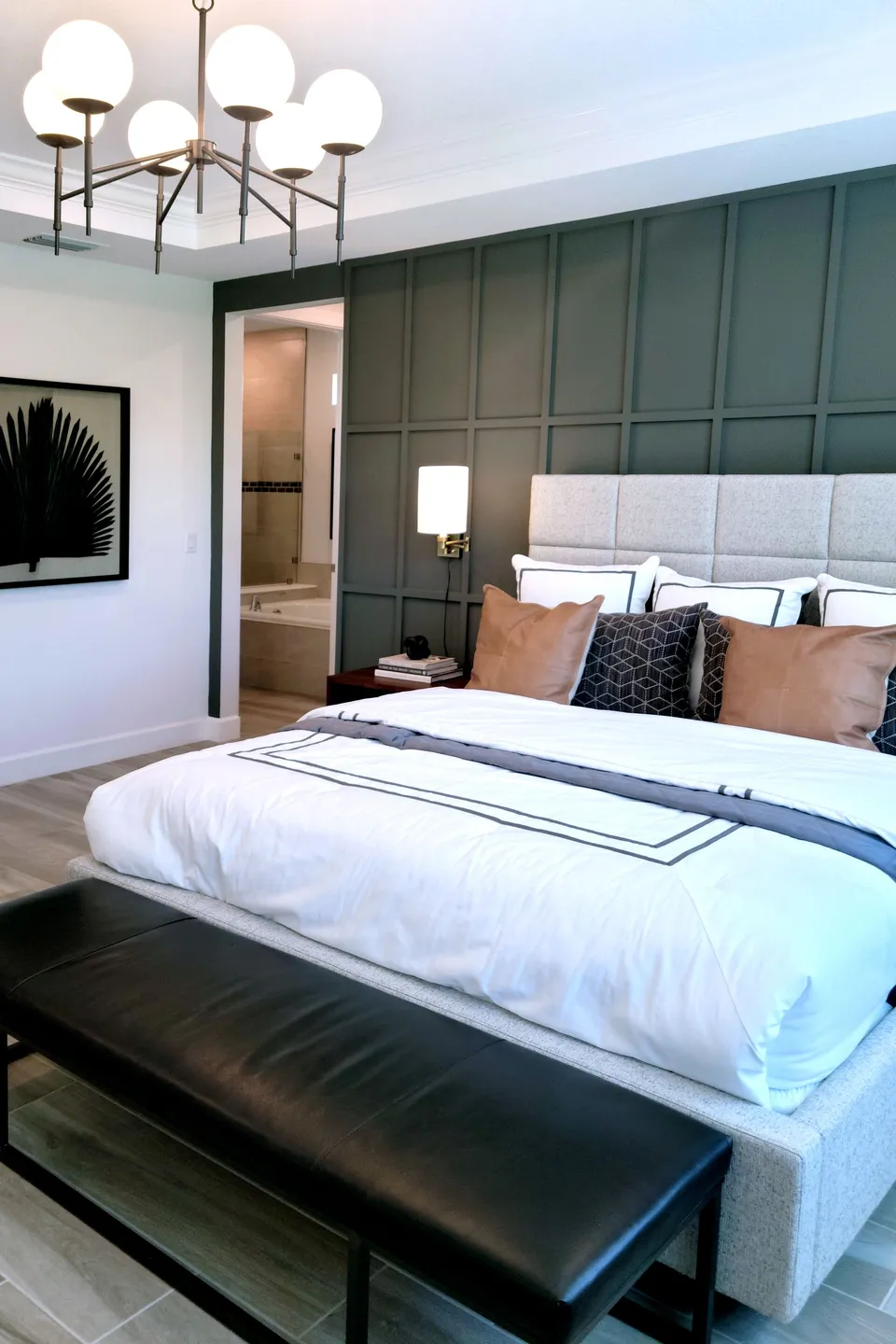
Credit: Christopher Moon
- Deep green pairs well with brass, cream, and dark wood tones
- Keep curtains light so the dark wall does not close the room in
- Echo the green in one cushion or throw for a joined up palette
- Use warm bulbs, since cool light can make green paint feel grey
Deep green turns a bedroom into a retreat, and it flatters both pale and dark bedding. The color reads rich in lamplight and calm in daylight, which suits a room used morning and night. I’ve seen this work well in many cases where owners wanted drama without the heaviness of black, and the wall still leaves room for art.
Terracotta Warmth Accent
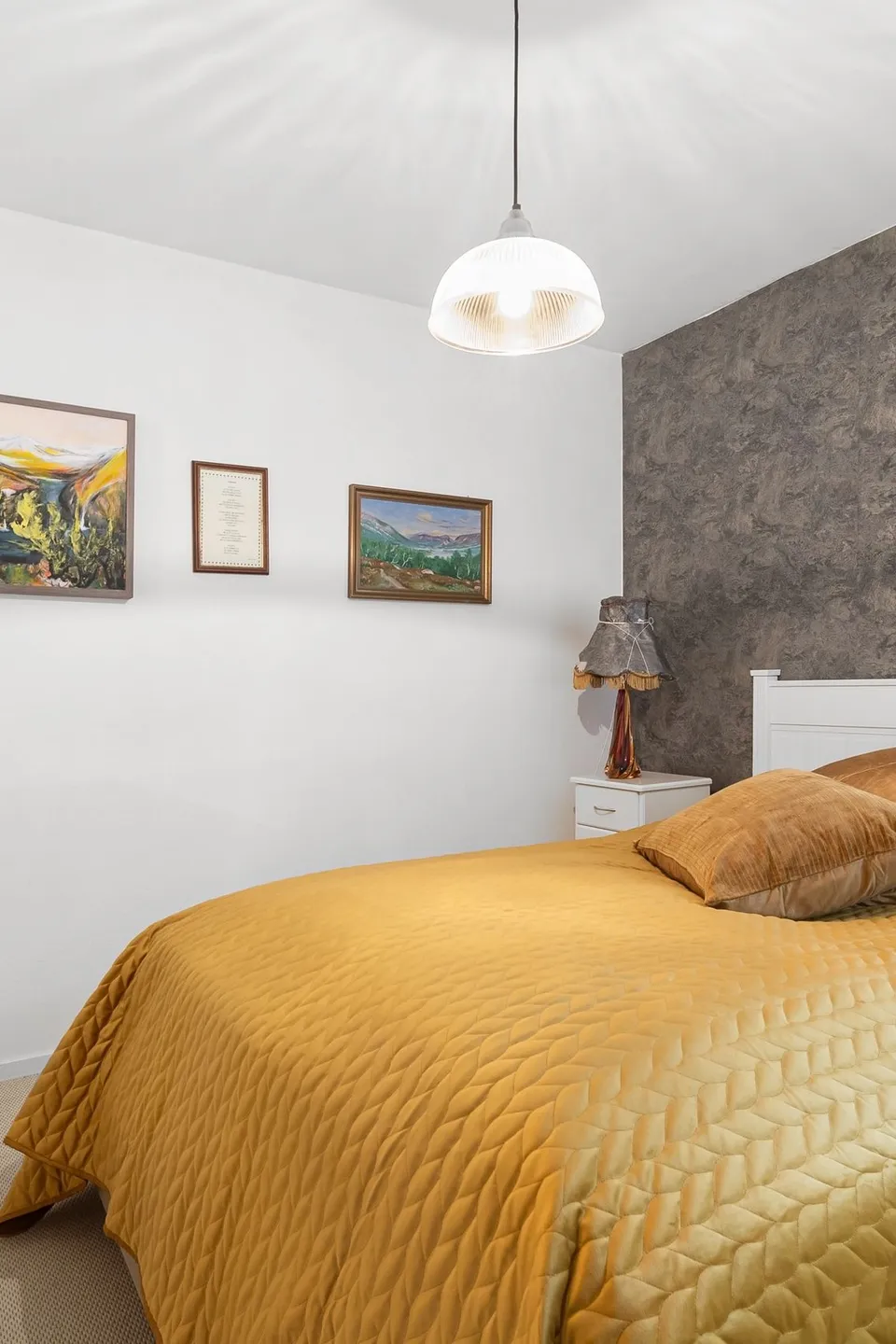
Credit: Lisa Anna
Quick Tip: Pair terracotta with cream bedding and rattan lamps, since the warm clay tone needs soft neutrals around it to stay calm. One woven basket and one wood tone keep the palette grounded, and black accents should stay small.
Terracotta suits sunny rooms and earthy bedrooms, and it warms up pale floors and white furniture. The color feels desert calm rather than loud, and it works through all seasons. Warm wood tones and cream curtains keep the room grounded, and the color pairs well with terracotta pots and woven baskets. Keep art simple with one landscape print or one woven hanging, so the wall color stays the main event of the room.
Bare Wall To Gallery Feature

Credit: Eugenia Remark
BEFORE: The wall behind the bed held one small frame that looked lost on the white stretch, and the bed had no anchor. The room felt bare even with good furniture, since the eye found nothing to rest on.
AFTER: A grid of six framed prints now fills the wall, and the bed sits centered under the arrangement. Matching wood frames tie the set together, and neutral bedding keeps the wall as the clear focal point.
Gallery walls suit renters and art lovers, since frames hang with small nails and move easily. Space the frames evenly, keep one frame size dominant, and step back often while hanging. A paper template on the wall first helps the grid land even on the first try.
Geometric Paint Shapes
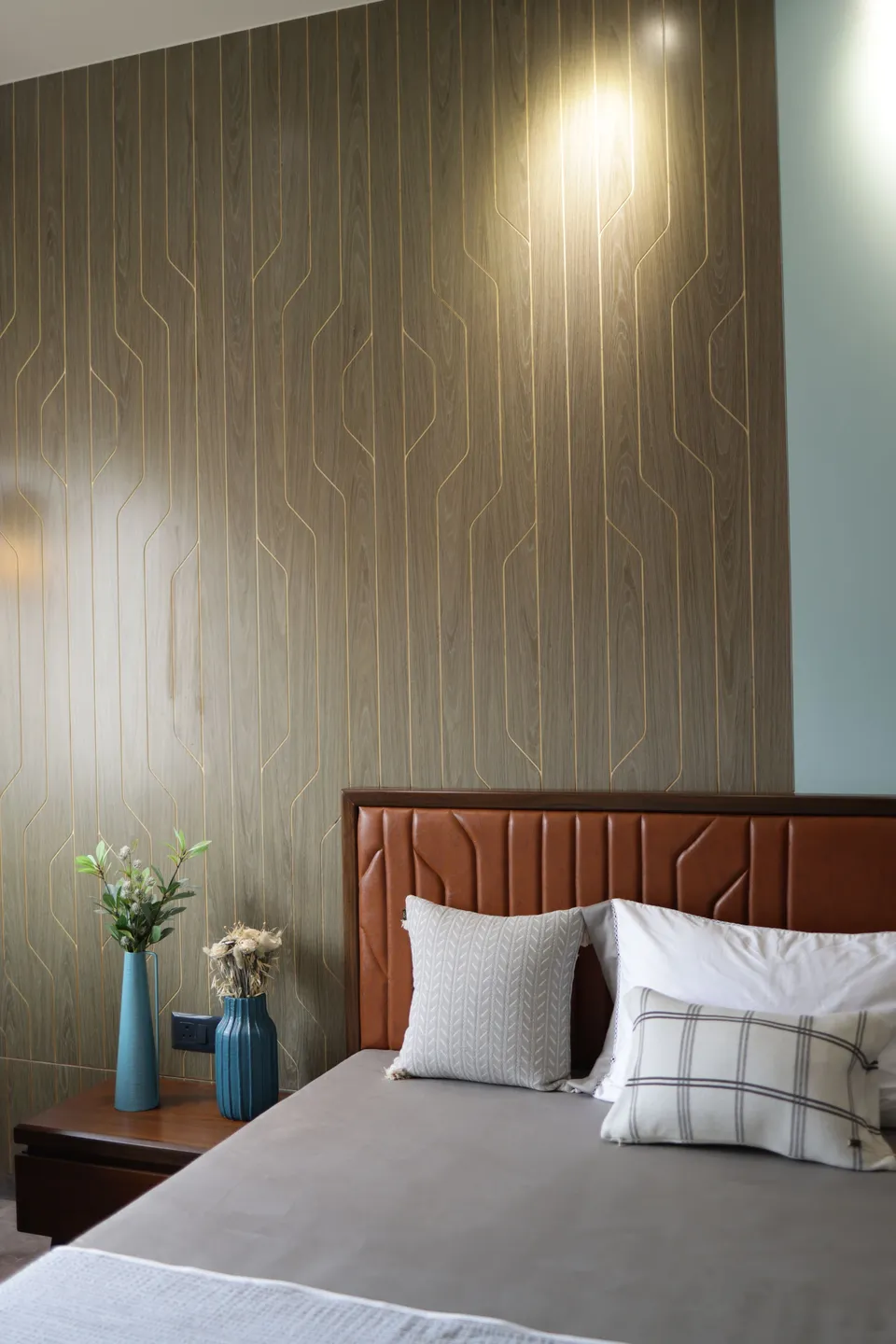
Credit: DARKMODE CINEMA
- Tape the shape lightly on the wall and check it from the doorway
- Paint the shape in two thin coats for crisp, even color
- Pull the tape while the second coat is still slightly damp
- Style the bed to echo one color from the painted shape
Arches, stripes, and color blocks give a bedroom a modern lift without wallpaper or panels. One large arch behind the bed reads as a headboard, and it suits rooms where a tall headboard would crowd the space. Keep the shape simple and the colors to two, since a busy pattern fights the calm a bedroom needs.
Velvet Versus Linen Bedding
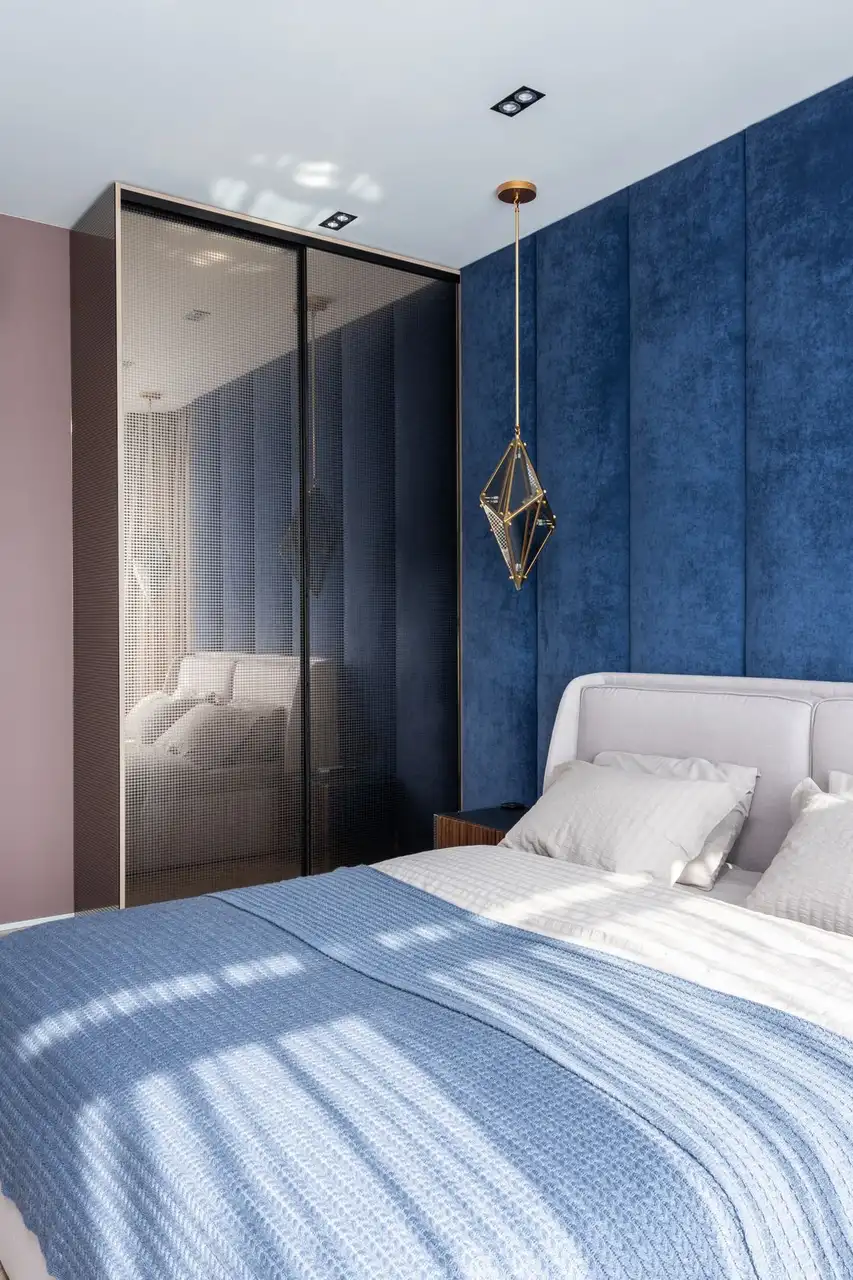
Credit: Max Vakhtbovych
| Feature | Velvet | Linen |
|---|---|---|
| Feel | Rich and soft | Airy and relaxed |
| Best season | Autumn and winter | Spring and summer |
| Care | Gentle wash | Machine wash |
| Wall pairing | Dark walls | Pale walls |
Bedding changes how an accent wall reads, since velvet deepens a dark wall and linen lightens a pale one. Velvet suits winter bedrooms with moody walls, while linen suits bright rooms with soft color. A velvet headboard or a linen throw can echo the bedding, and matching the pillow tones to the wall keeps the palette calm. Swap bedding with the seasons if the wall stays the same, and the room will feel fresh twice a year.
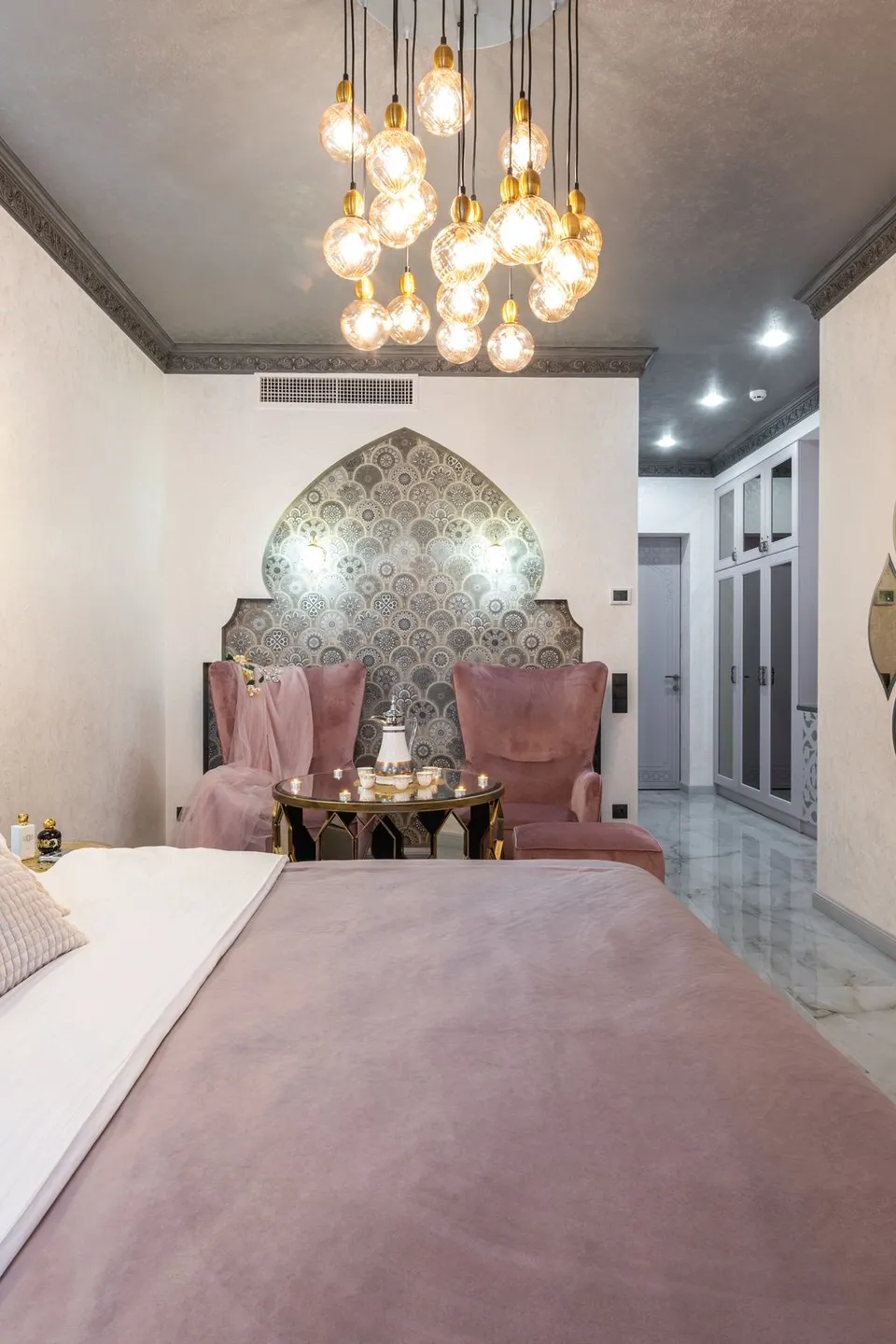
Arched Paint Detail
Credit: Max Vakhtbovych
Do:
- Center the arch on the bed, not on the wall, for a balanced look
- Pick a tone two shades deeper than the wall for gentle contrast
- Keep the arch taller than the headboard so it frames the bed
Don’t:
- Paint the arch too narrow
- Hang art inside the arch
- Use gloss paint on the curve
Arches suit small bedrooms and low headboards, and they cost little more than a tin of paint. The curve softens a boxy room and draws the eye to the bed. Pair the arch with one framed print nearby, the way gallery wall layout ideas layer frames around a focal point, and keep bedding plain. In my experience, bedroom accent wall ideas work best when one strong shape leads and everything else stays quiet.
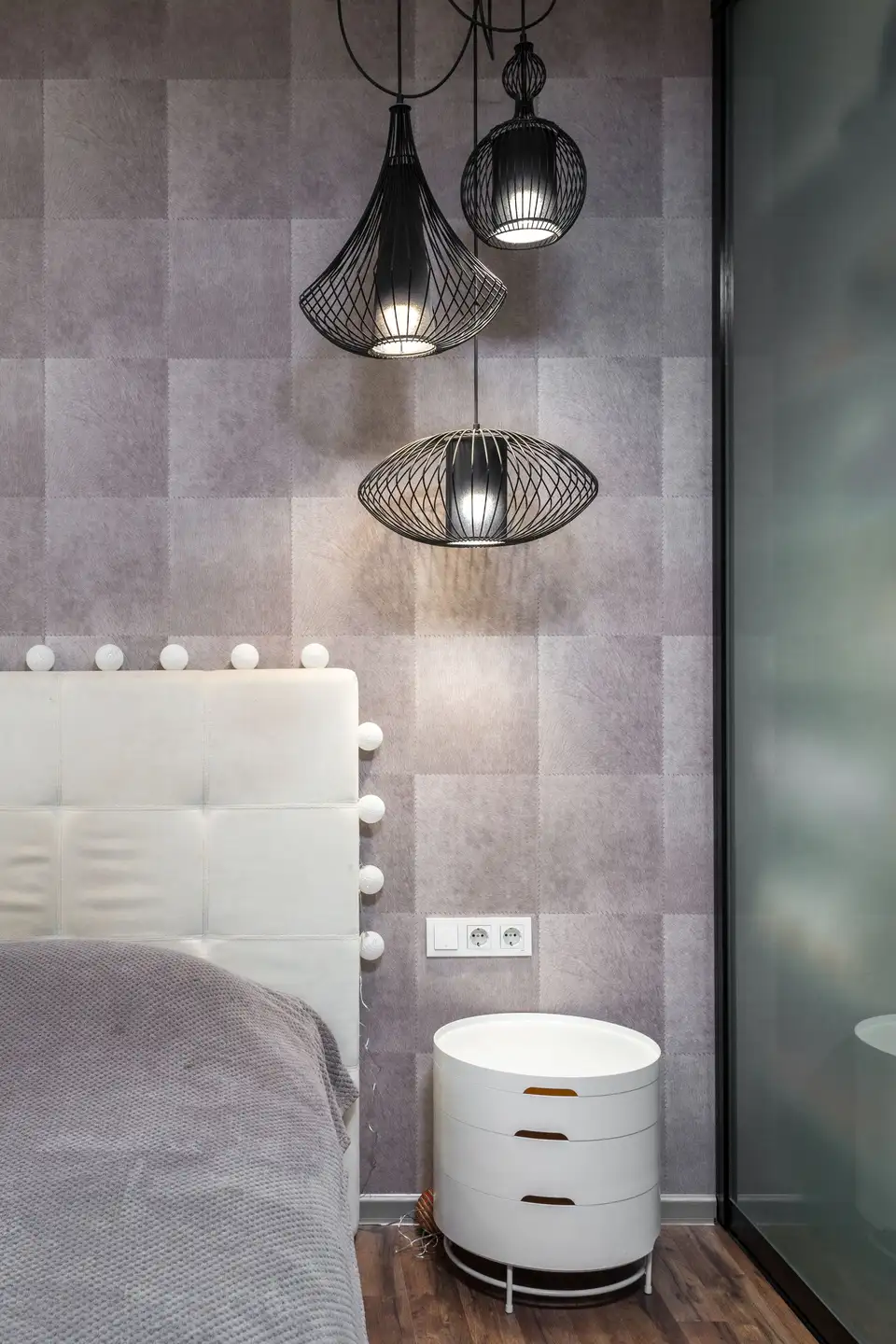
Small Room Wall Facts
Credit: Max Vakhtbovych
Cost: One tin of paint covers most small walls
Time: A small wall paints in one afternoon
Skill Level: Beginner friendly with tape and a roller
Best For: Small bedrooms that need depth without clutter
Small rooms suit pale accent walls, since light colors open the space while still giving the bed a backdrop. Vertical stripes or boards lift the ceiling, and mirrors on the side wall bounce light back. Pale bedding and slim nightstands help too, since heavy furniture crowds a small room fast. Keep furniture low and bedding light, so the accent wall adds depth without crowding the room.
Board And Batten Charm
Credit: DARKMODE CINEMA
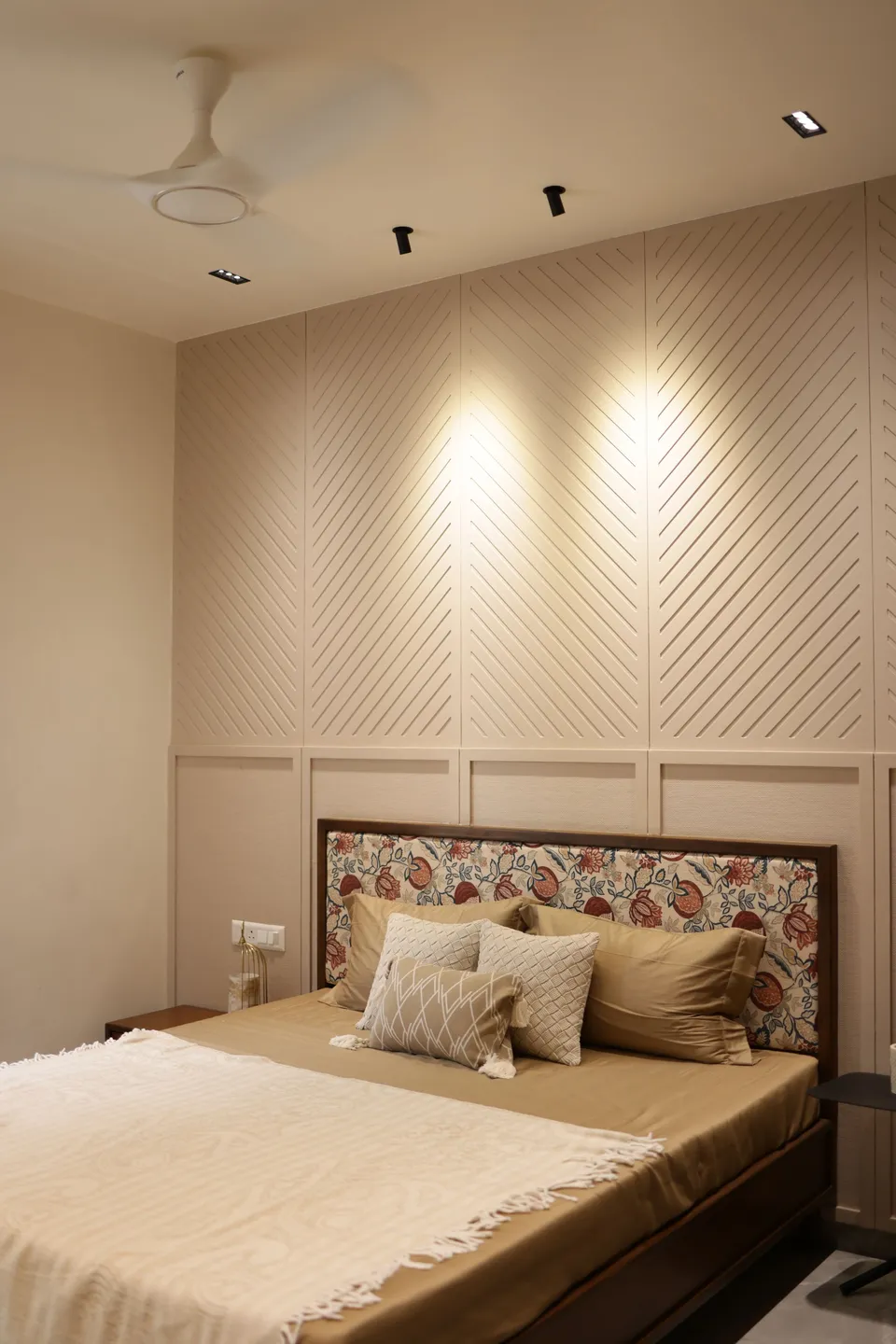
Board and batten gives a bedroom a cottage charm that paint alone cannot reach, and the vertical boards add height to a plain wall. Paint the boards and the wall one soft color for a calm look, or paint the boards white against a colored wall for crisp contrast. The grid suits farmhouse, coastal, and traditional rooms alike.
Keep the board spacing even and the top rail level, since uneven boards show fast in daylight. Style the bed with simple bedding and one wood bench, and let the panel grid carry the wall. In my experience, board and batten suits renters less than paint, but owners love how it lifts a plain room.
Moody Charcoal Statement

Credit: Curtis Adams
- Charcoal pairs well with grey bedding, black lamps, and wood tones
- Keep the ceiling white and the curtains pale to hold the light
- Use two warm lamps, since one lamp leaves dark corners behind
- Echo the charcoal in one throw or cushion for balance
Charcoal turns a bedroom into a cocoon, and it suits large rooms with good daylight. The dark wall makes bedding look crisp and art look gallery sharp, and it calms a busy room at night. I’ve noticed that charcoal reads softer than black, and it works with both modern and traditional furniture while staying warm and calm.
Botanical Wallpaper Calm

Credit: Max Vakhtbovych
Quick Tip: Pick a botanical print with plenty of pale background, since a dense dark print can close a small room in. Sage, cream, and soft green prints calm the eye, and one leaf tone echoed in the bedding ties the room together.
Botanical wallpaper suits bedrooms that need nature without the upkeep of plants, and it pairs well with rattan, linen, and pale wood. Keep the other walls plain and the bedding simple, so the print stays gentle rather than busy. The wall will feel fresh in summer and calm in winter, which suits a room used all year.
Flat Wall To Textured Depth
Credit: Max Vakhtbovych
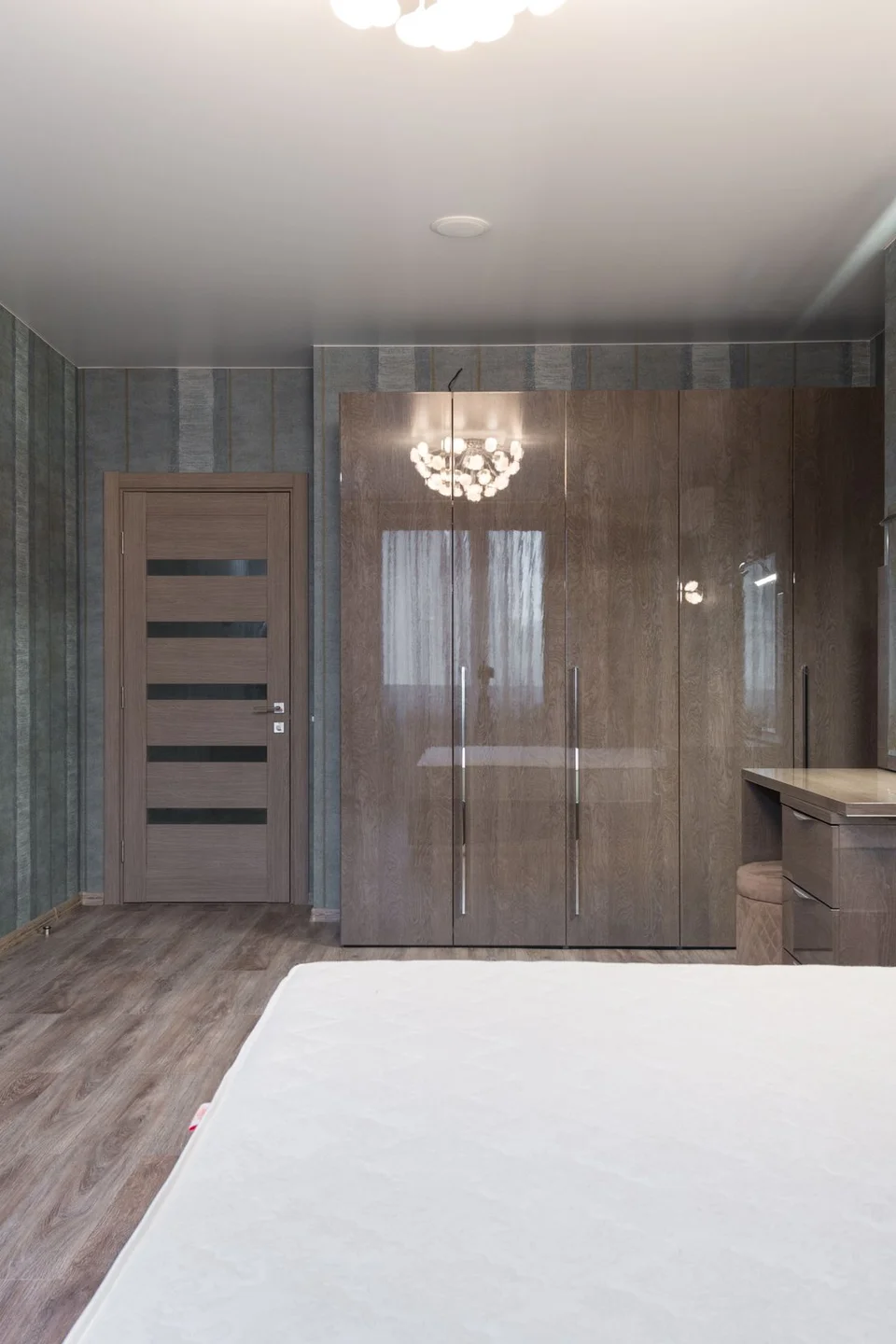
BEFORE: The flat painted wall behind the bed looked dull in daylight, and the room felt one dimensional even with nice bedding. Nothing on the wall caught the light, so the bed seemed to sit against a blank sheet.
AFTER: A thin plaster texture now catches light and shadow across the wall, and the bed reads as part of a layered, finished room. Warm sconces wash the texture at night, and cream bedding keeps the palette soft and calm.
Texture suits rooms where color feels risky, since it adds interest without a bold hue. Plaster, limewash, and wood all catch light in different ways, so test a sample board first. That’s why many experts recommend one textured wall only, with the other walls flat and quiet.
Two Tone Paint Split
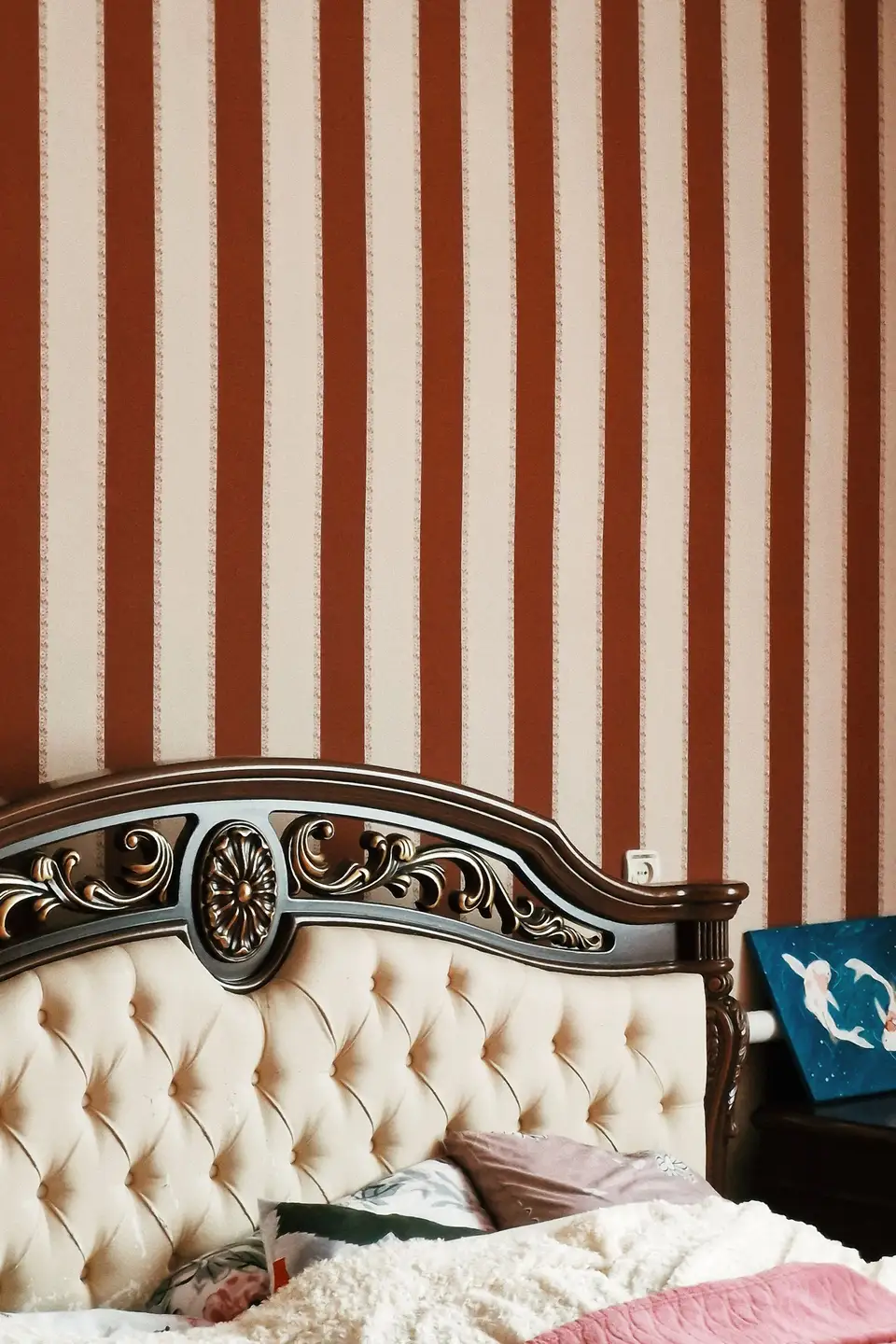
Credit: Dmitry Alexandrovich
- Mark the split line with a level and tape it firmly along the wall
- Paint the lower half first, then the upper half after it dries
- Remove the tape slowly at a low angle for a sharp line
- Echo the lower color in bedding or a cushion for balance
Two tone walls give a bedroom a tailored look, and the split line adds structure without molding or panels. A darker lower half grounds the bed, while a pale upper half keeps the ceiling feeling high. Keep the line at picture rail height or just above the headboard, since a random height can look accidental.
Brick Versus Plaster
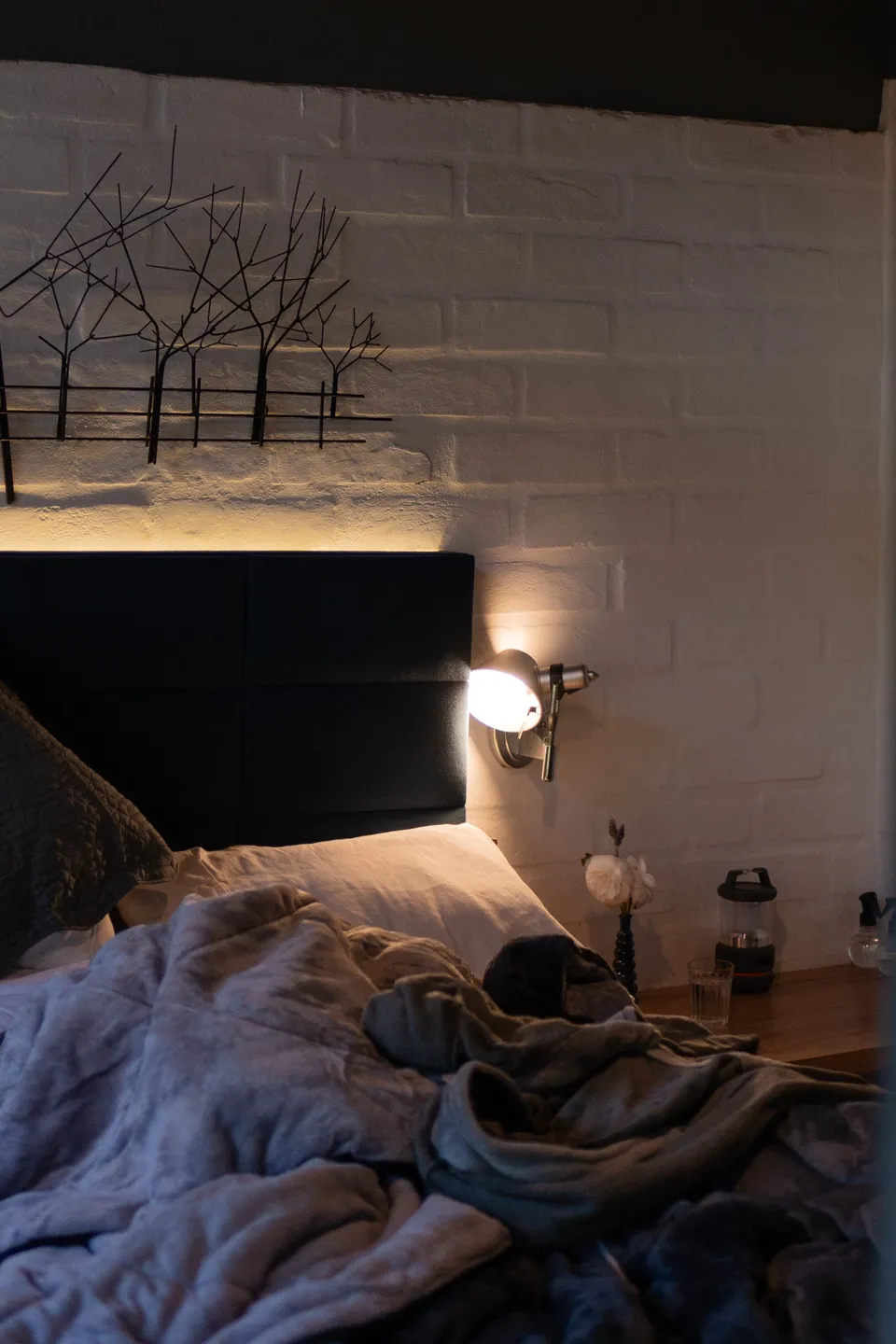
Credit: Wolf Art
| Feature | Brick | Plaster |
|---|---|---|
| Texture | Rough and rustic | Soft and cloudy |
| Best room | Loft and rustic | Calm and modern |
| Upkeep | Seal and dust | Wipe and touch up |
| Warmth | Earthy and warm | Gentle and pale |
Brick suits lofts and rustic bedrooms, while plaster suits calm modern rooms that need soft depth. Brick needs sealing and dusting in the grooves, while plaster needs only a wipe and an occasional touch up. Whitewash can soften brick for a lighter look, and a matte sealer keeps plaster fresh for years. Pick the texture that matches the furniture, and keep bedding simple so the wall texture stays the focus.
Renter Friendly Peel Style
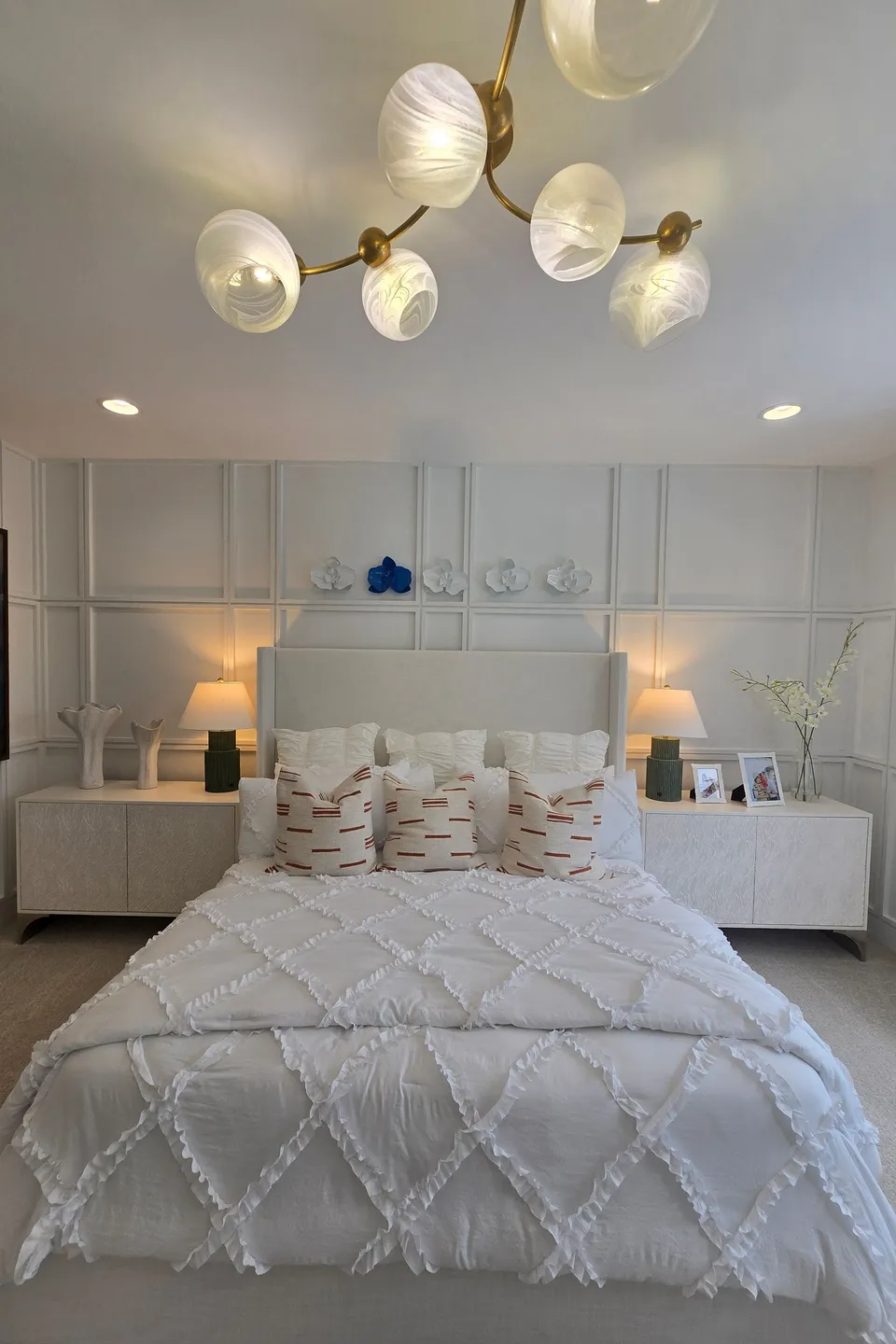
Credit: Christopher Moon
Do:
- Wash the wall and let it dry fully before sticking any panels
- Start at the top corner and smooth downward to avoid bubbles
- Keep spare strips for corners and for patching later
Don’t:
- Stick panels over dusty or damp paint, since they will peel early
- Stretch the vinyl while hanging, which warps the pattern
- Cover light switches or vents, which looks rushed and unsafe
Peel and stick wallpaper gives renters a real accent wall without losing a deposit, and it removes cleanly when the lease ends. Prints range from subtle linen looks to bold botanical patterns, so the wall can still feel personal. Keep the rest of the room simple, and the peel wall will read as a planned feature rather than a quick fix.
Conclusion
One strong wall can change how a whole bedroom feels, and the best choice is the one that fits your light, your budget, and your taste. Paint suits quick changes, wood and molding suit lasting character, and wallpaper suits pattern lovers who want depth. Start with the wall behind the bed, keep the rest of the room calm, and let the bed, the lamps, and one piece of art finish the look. Save these bedroom accent wall ideas to your Pinterest board so the look you love is ready when paint weekend arrives, and enjoy a bedroom that finally feels finished.