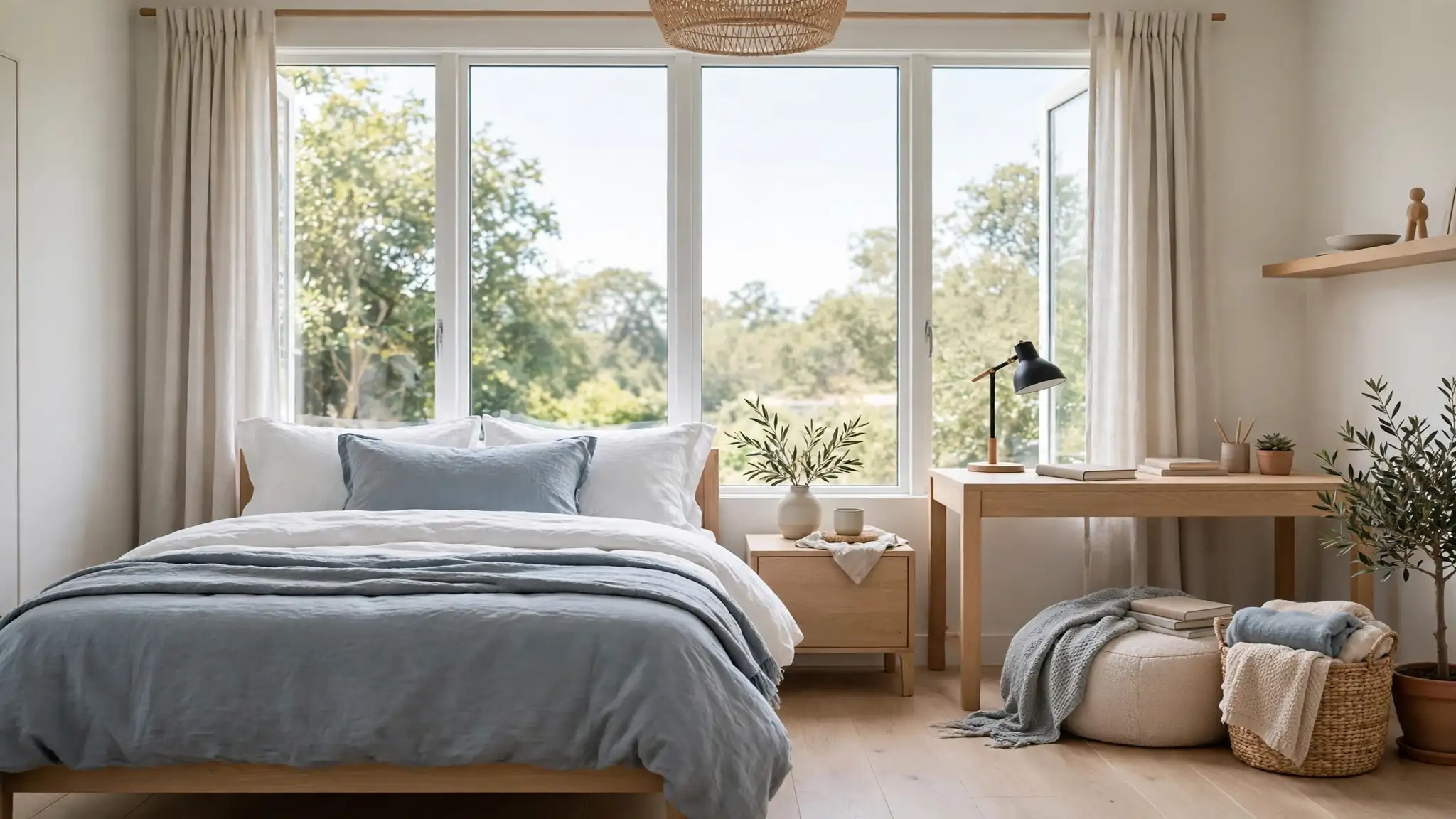
22 Boys Bedroom Layouts for Better Flow & Comfort
Few things shape a kid’s day like the room they wake up in, and these boys bedroom layouts prove that smart placement matters more than square footage. A bed pushed against the wrong wall can block morning light and shrink the play zone, while a few thoughtful shifts can make a small room feel twice its size. In my experience, the best boys’ rooms balance three zones: a calm sleep corner, a focused study spot, and open floor for building, reading, or sprawling with friends. The 22 ideas below walk you through each zone with practical arrangements that fit real rooms, from snug boxes to shared spaces. Every layout works with clean, neutral styling and simple furniture swaps.
Start with the layout that matches your room’s biggest problem, whether that is clutter, cramped walkways, or a desk drowned in shadows. These boys bedroom ideas offer fresh styling inspiration that pairs perfectly with the floor plans ahead. Rearrange one zone this weekend and notice how the whole room starts working harder.
Window Bed Placement
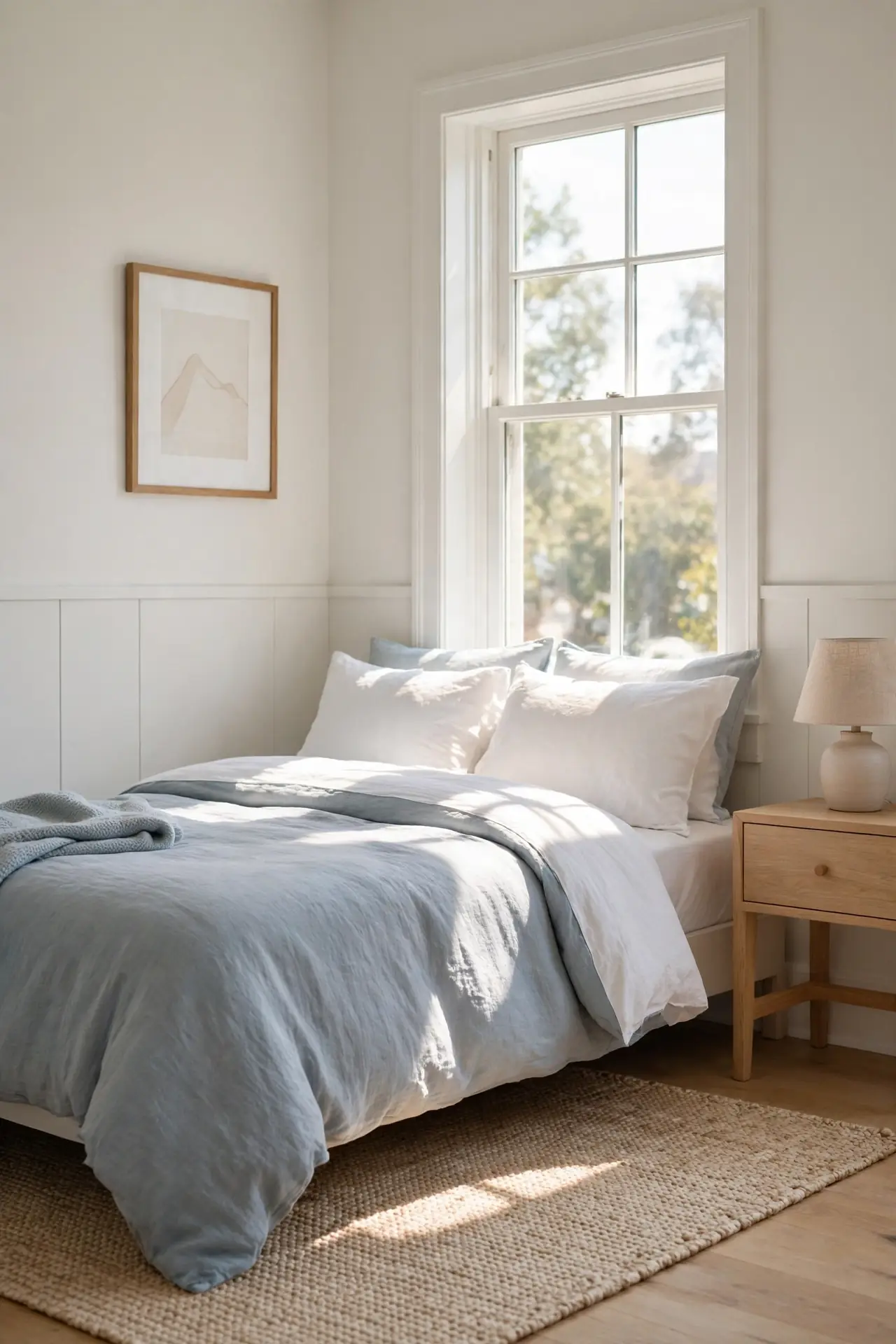
Morning light is the cheapest alarm clock you own, so park the bed where it lands first. Sliding the headboard under or beside the window turns the brightest corner into the wake up zone. Natural light on the pillows makes getting out of bed feel easier, even on school mornings. Keep the window side clear of tall furniture so daylight pours in without blockers.
Watch how the light moves through the room before you commit to the new spot. I have noticed boys spend more time reading and building when the bed sits in the bright zone instead of a dark corner. Leave a clear path from the door to the window for easy mornings. A sunlit bed anchors the whole room beautifully.
Corner Sleep Zone
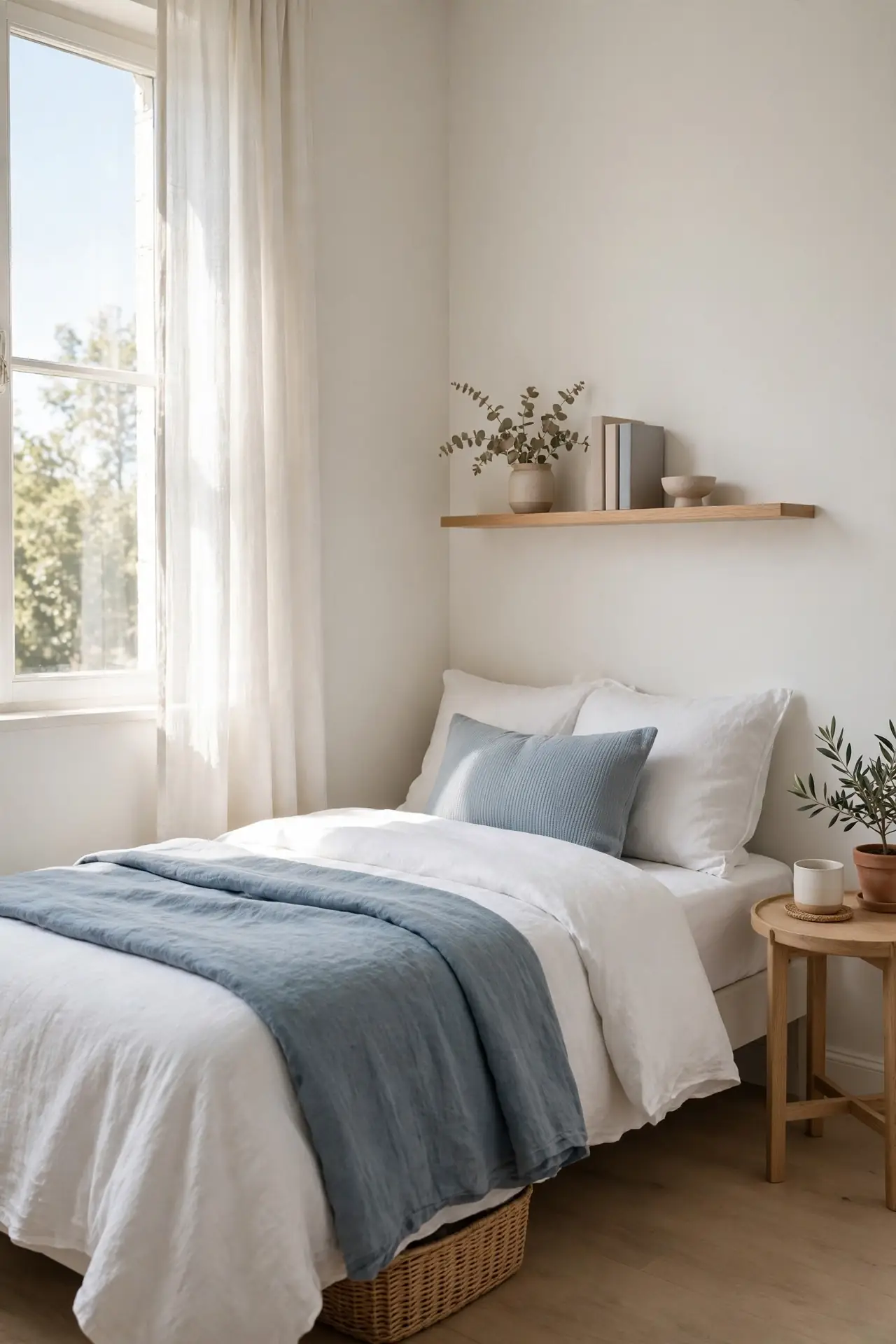
- Push the bed into the corner so two walls hug the mattress like a built-in nook.
- Place the nightstand on the open side where it is easy to reach from the pillows.
- Hang a wall lamp above the nightstand to free up its small surface.
- Use the corner walls for a slim shelf and a poster at eye level.
- Keep the foot of the bed clear so the middle of the room stays open.
Corner placement gives back the most floor space in small square rooms. The tucked in bed feels sheltered, which helps restless sleepers settle faster. I have seen this work well in many cases with shared rooms, since each child gets a defined corner. This free change works best tested for a few nights first.
Split Study Corner
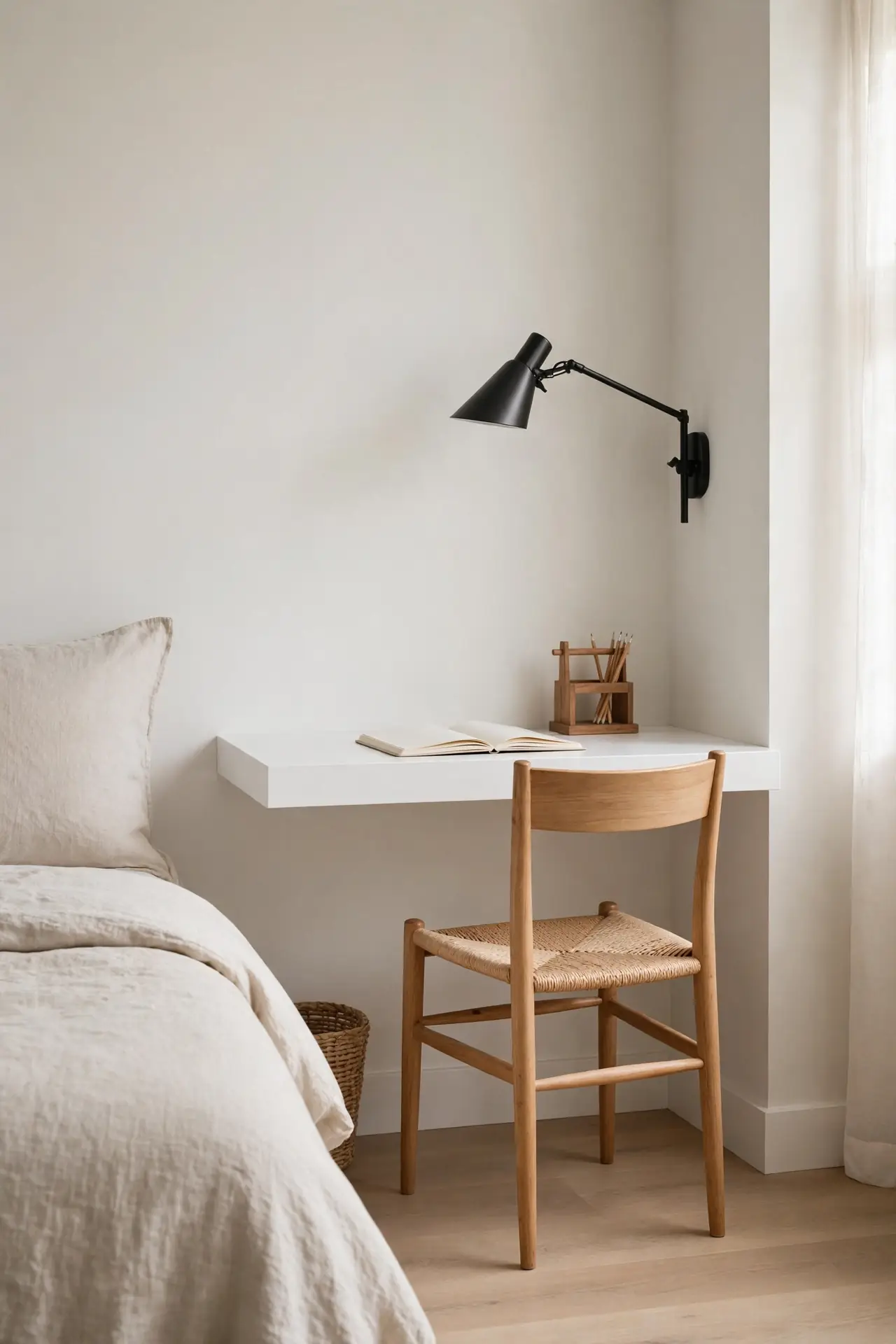
Quick Tip: Give homework its own corner by floating a slim desk between the bed and the wall. Add a wall mounted lamp and a small caddy for pens so the surface stays clear. Keep the chair pushed in when not in use, and the study zone disappears back into the room.
Separating study from sleep helps kids switch into focus mode faster. A defined corner tells the brain that this chair means work, not play. I have noticed homework gets finished quicker when supplies live within arm’s reach. Even a three foot desk works when the zone feels truly intentional.
Low Loft Setup
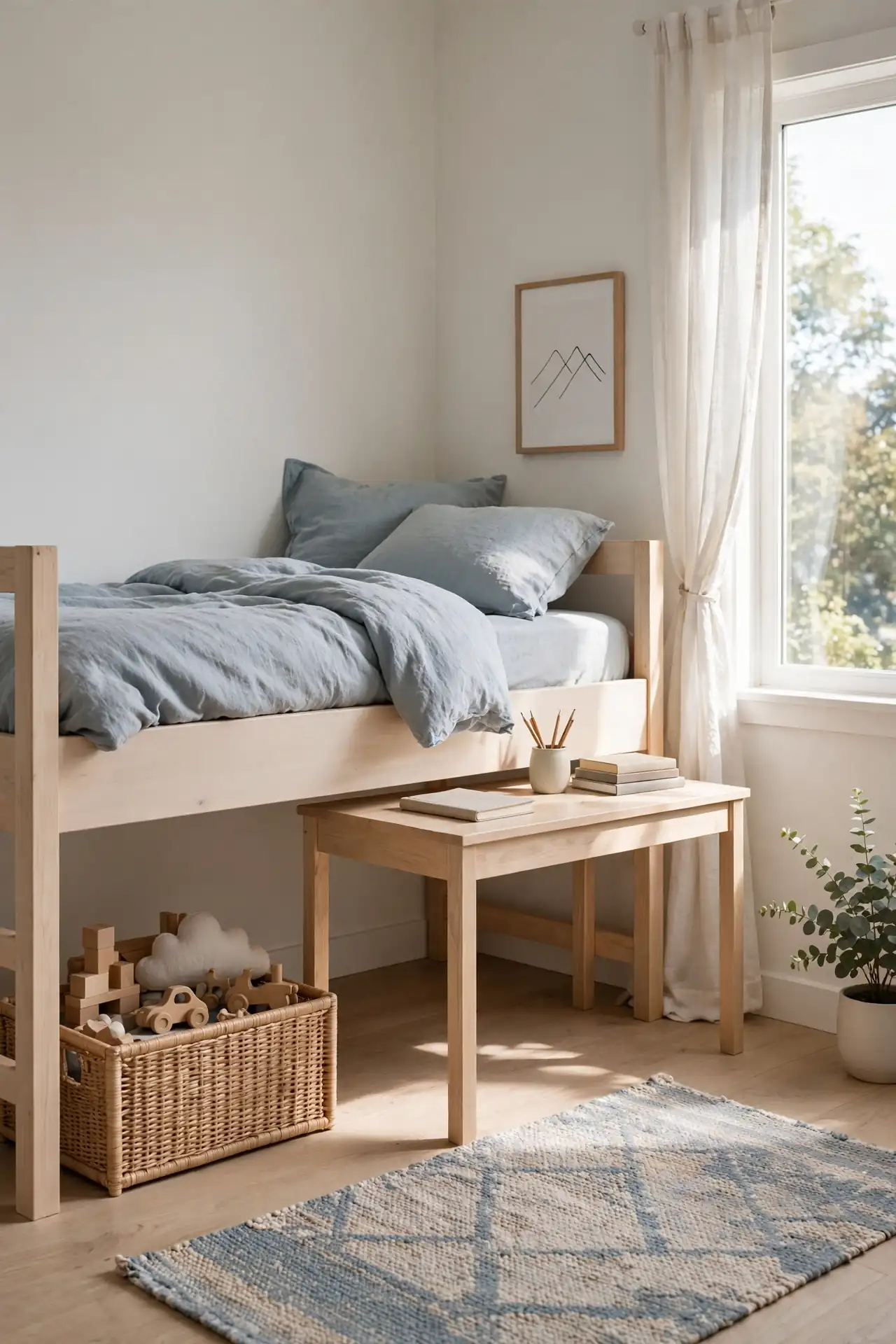
BEFORE: The old layout wasted the best wall on a bulky dresser that blocked the walkway. Toys piled on the floor because nothing had a real home.
AFTER: A low loft bed now lifts the mattress and opens the floor beneath for a desk and a toy bin. The bulky dresser moved to the closet wall where it stops blocking traffic.
Lofting the bed buys a whole second zone without adding a single square foot. Keep the loft low for younger kids so climbing feels safe and making the bed stays easy. I have tried this with a guard rail and a soft rug underneath. The space below works for study, reading, or LEGO marathons.
Floating Nightstand Wall
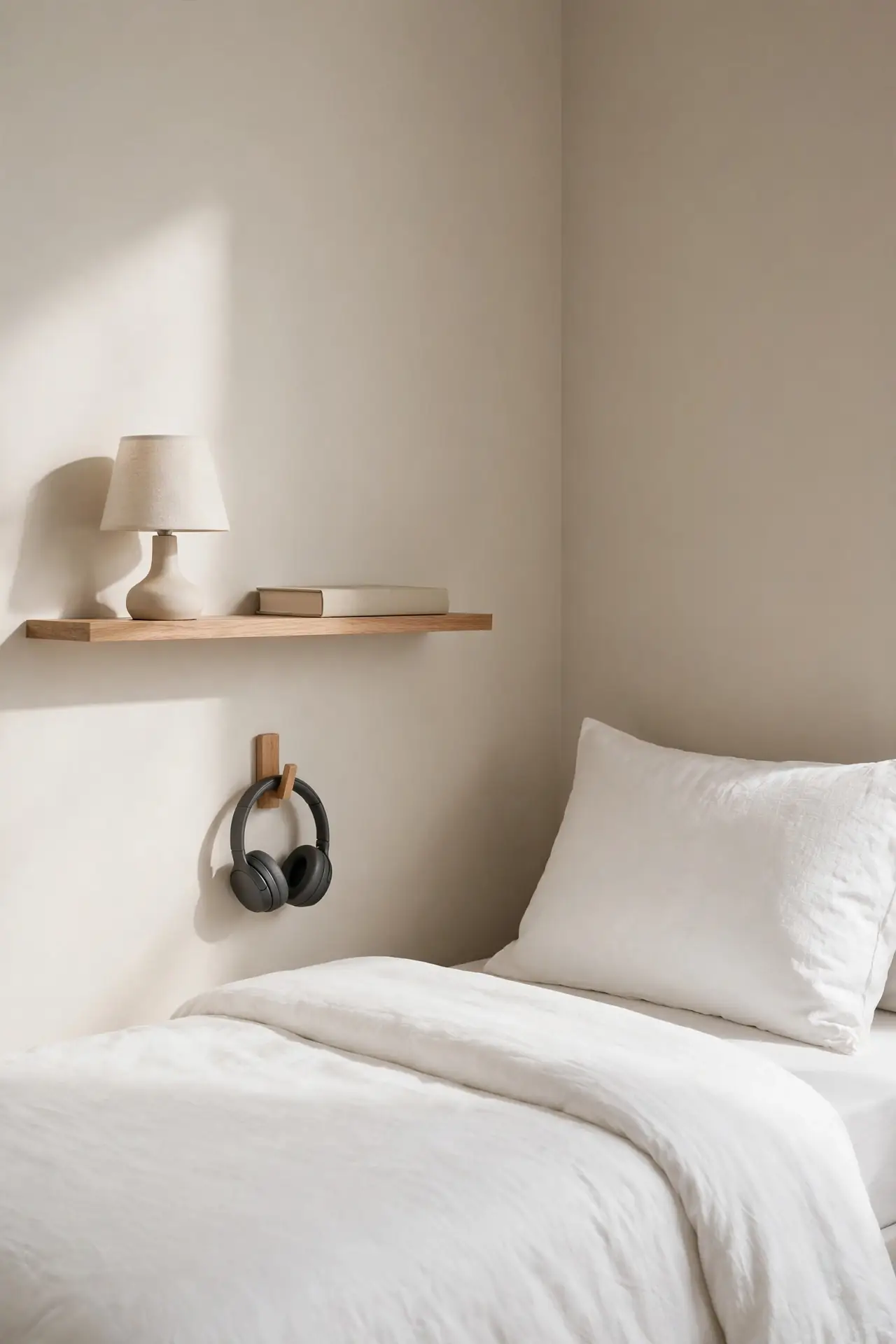
- Clear the wall beside the bed and mark the studs with painter’s tape.
- Mount a slim floating shelf at mattress height for the lamp and book.
- Add a small wall hook below the shelf for headphones or a cap.
- Style the shelf with three items only so it stays useful, not cluttered.
Floating nightstands free the floor completely, which matters in tight rooms. The shelf holds the essentials while the space below stays open for bins or shoes. I have seen this work well in many cases where a full table would crowd the walkway. Anchor into studs for a rock solid hold.
Reading Nook Corner
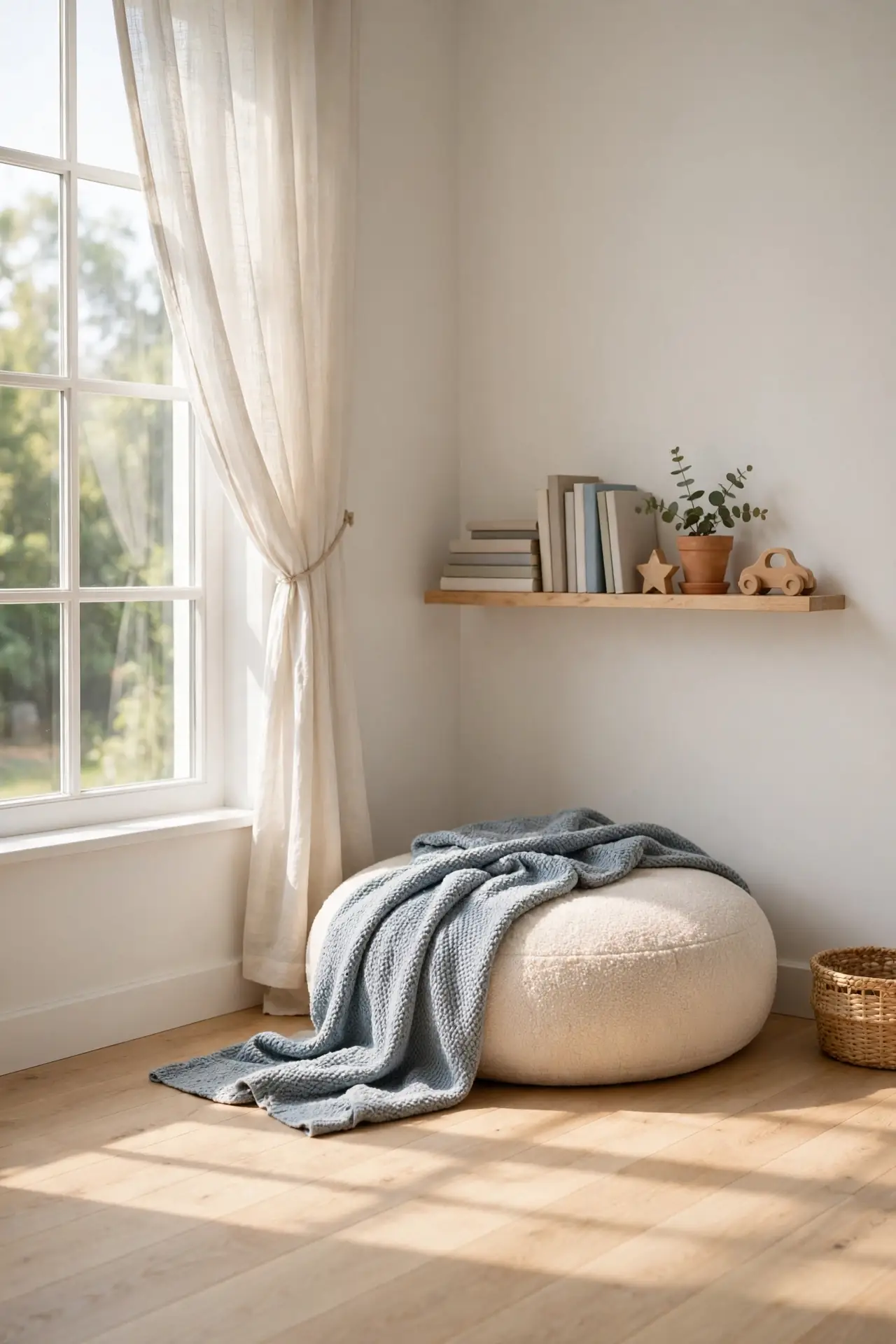
| Spot | What Goes There | Why It Works |
| Window corner | Floor cushion, small shelf | Daylight for reading, zero floor waste |
| Bedside wall | Bean bag, wall lamp | Cozy glow spot, easy clean up |
| Closet alcove | Low bench, book bins | Uses dead space, books stay tidy |
| Opposite the door | Armchair, side table | Welcomes readers, out of walkway |
A dedicated reading corner turns wasted corners into the most loved spot in the room. Pick the nook with the best natural light and keep the setup simple. I have noticed kids read longer when the corner feels like their own hideout. Rotate the books monthly to keep the nook feeling fresh.
Underbed Drawer Layout
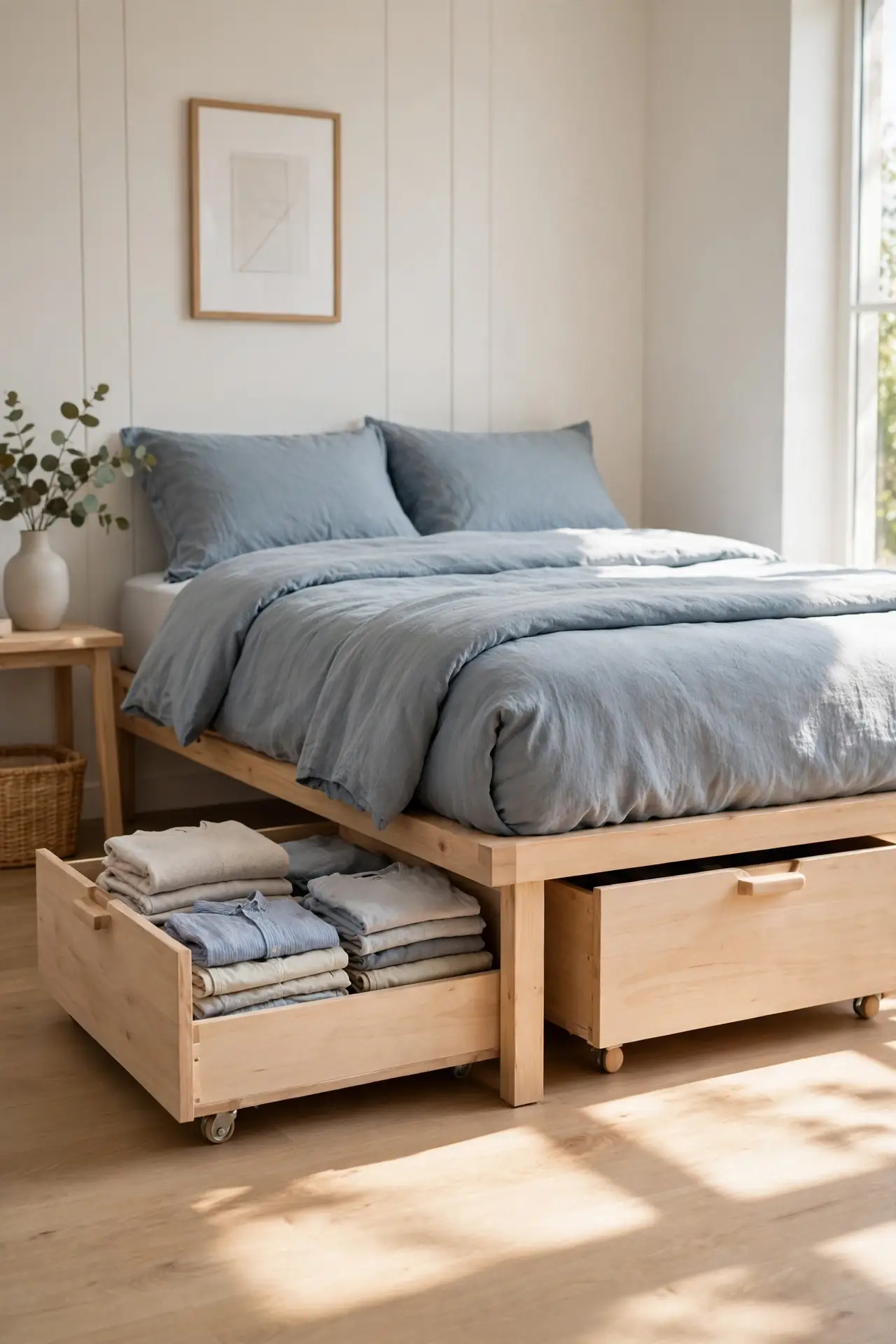
DO: Slide rolling drawers under the bed for clothes, toys, and sports gear.
DO: Label each drawer so kids can find things without dumping everything out.
DO: Measure bed clearance before buying, since most drawers need six inches.
DON’T: Shove loose items under the bed, because clutter multiplies in the dark.
DON’T: Choose drawers without lids if dust bothers your child’s allergies.
DON’T: Forget to leave one side open for easy daily access.
Underbed drawers turn dead space into a hidden dresser. Rolling units glide out smoothly, so even young kids can manage them alone. I have tried labeled drawers with a soccer mad kid, and his room stayed tidy for weeks. The key is giving every category its own drawer, not one big bin.
Desk Against Wall
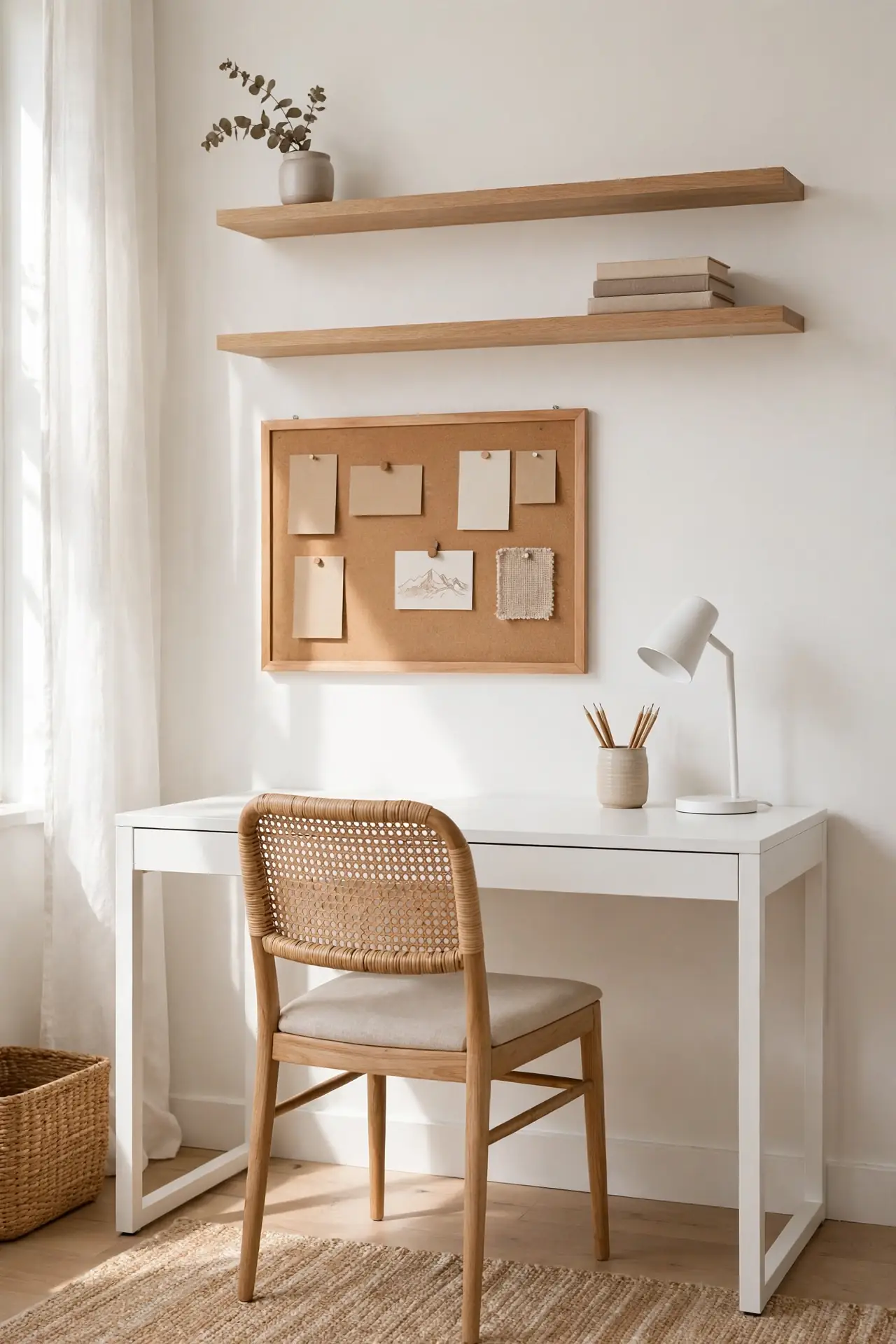
Cost: Low, uses the desk you already own | Time: One afternoon to move and restyle | Skill Level: Beginner, just lifting and leveling | Best For: Small rooms where the desk floated and ate floor space | Works In: Bedrooms under 120 square feet
Pushing the desk flat against the wall reclaims the middle of the room instantly. The wall behind becomes free real estate for shelves and a pinboard. I have noticed homework focus improves when the chair faces the wall instead of the room’s distractions. Leave the desk surface clear except for a lamp and supplies. A tidy desk against the wall also photographs beautifully for room reveals.
Bunk Bed Strategy
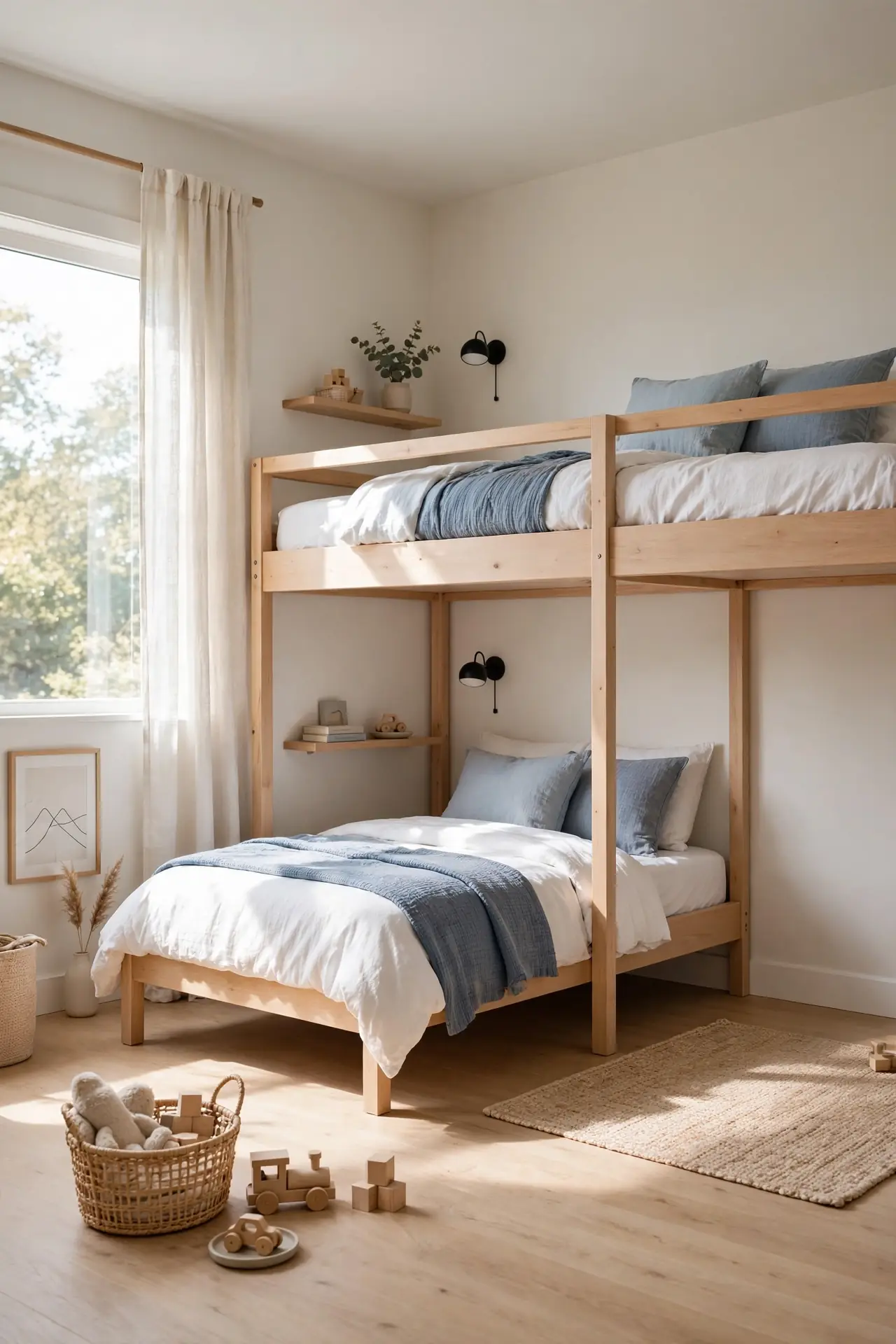
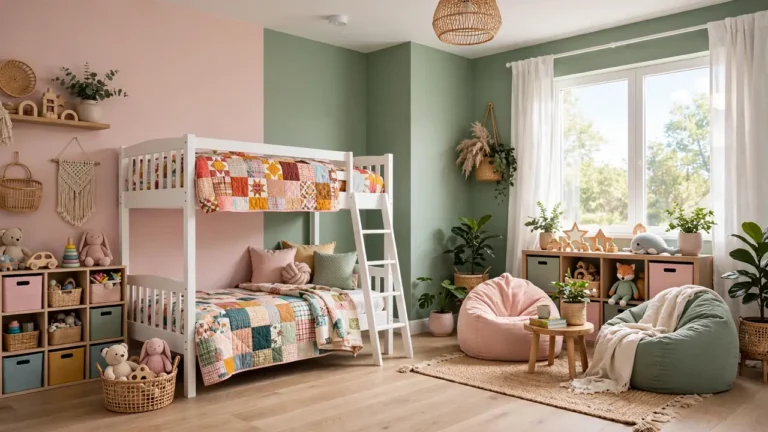
Bunks are the ultimate space multiplier for shared boys rooms, but placement decides everything. Park the long side against the longest wall so the ladder lands in open floor, not against furniture. Leave the window wall clear so daylight reaches both bunks evenly. A bunk against the wrong wall can darken the whole room.
I have seen this work well in many cases where siblings share a snug room. Give each bunk its own wall lamp and a small shelf so nobody fights over the nightstand. Keep the top bunk rail high and the ladder sturdy for safe climbs. A well placed bunk leaves real floor space for play.
Rug Anchor Plan
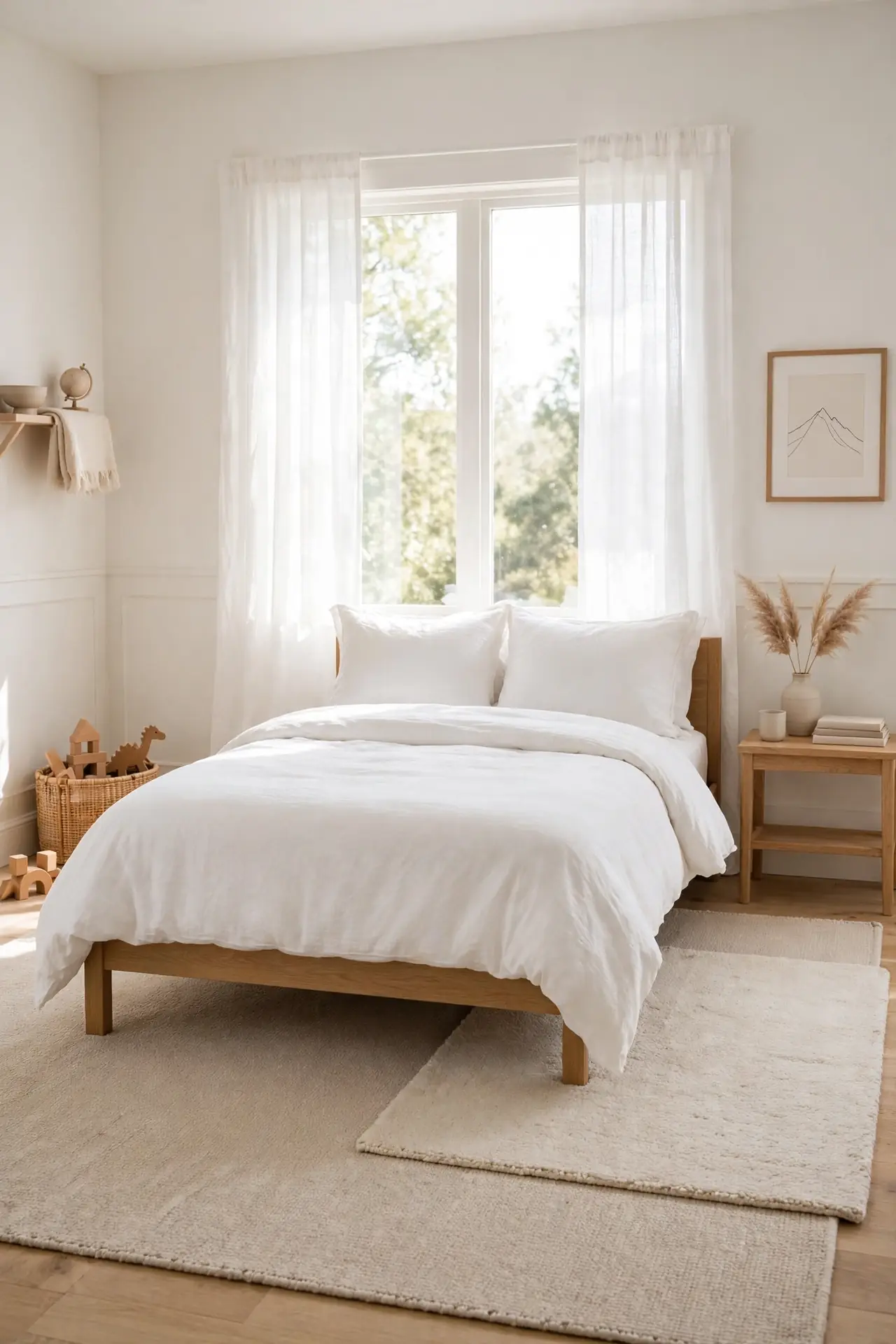
- Lay a large low pile rug under the bed so it extends past both sides.
- Let the rug define the play zone, with building toys kept on its edge.
- Choose a washable rug, since boys rooms see snacks, paint, and muddy socks.
- Layer a smaller soft rug by the bed for warm feet on cold mornings.
- Vacuum the rug weekly so dust never builds up in the fibers.
A rug anchors the bed and quiets the room in one move. Large rugs make small rooms feel bigger by visually joining the furniture together. I have noticed hard floors feel colder and louder without one. Pick neutral tones so the rug works with every bedding swap.
Gallery Wall Stretch
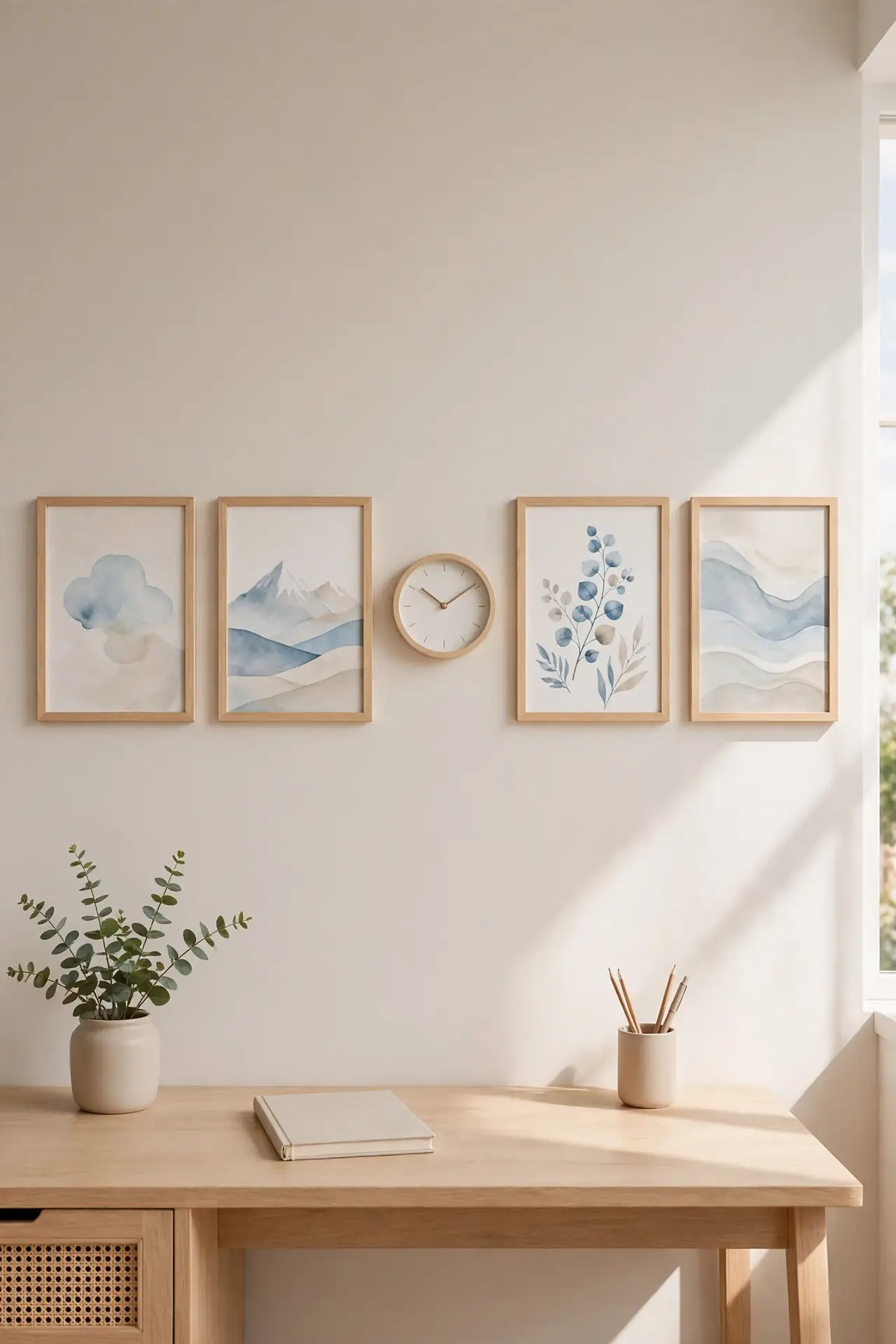
Quick Tip: Run a gallery wall horizontally above the bed or desk to stretch the room visually. Use matching light wood frames and mix posters, art prints, and a clock. Keep the bottom edge level with the headboard top, and leave two inches between frames for a clean rhythm. Step back often while hanging, because small tilts show from across the room.
Horizontal art draws the eye sideways, which makes narrow rooms feel wider. I have tried a long gallery above a desk, and the wall looked twice its actual size. Stick to one frame finish so different art still feels unified. Photograph the layout on the floor before hanging anything.
Toy Bin Zones
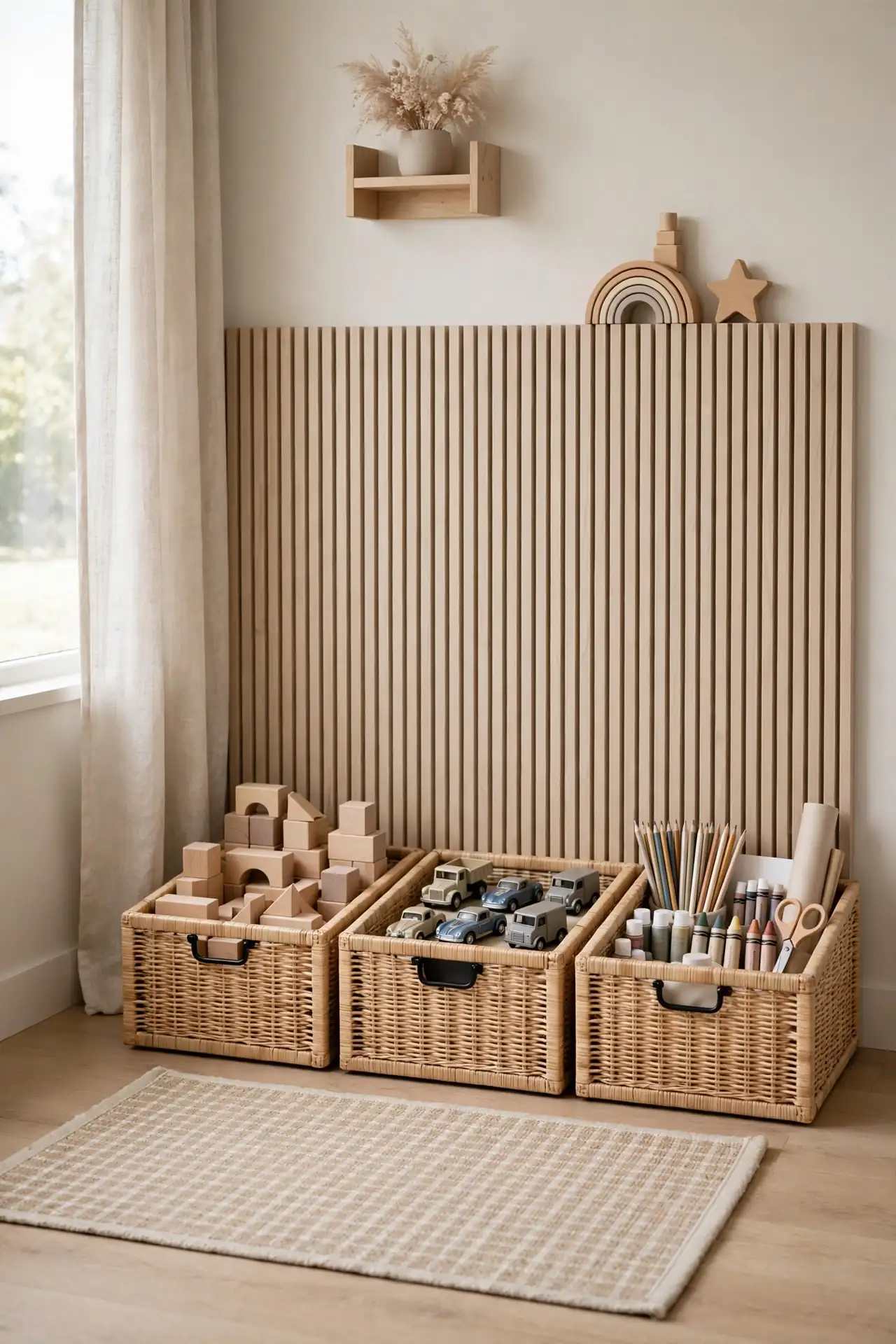
BEFORE: Toys lived in one giant toy box where LEGO mixed with cars and puzzle pieces vanished. Clean up took forever because nothing had a zone. The floor stayed a permanent obstacle course.
AFTER: Three labeled bins now sit along the play wall: building sets, vehicles, and art supplies. Each bin has a picture label so young readers can sort alone. Clean up takes five minutes, and the floor stays clear.
Zoned bins teach kids where things live, which makes tidy up automatic. Keep the bins low and open so putting toys away feels easy. I have seen this work well in many cases with kids under ten. Match bin colors to the room palette so storage looks intentional.
Wardrobe Door Swing
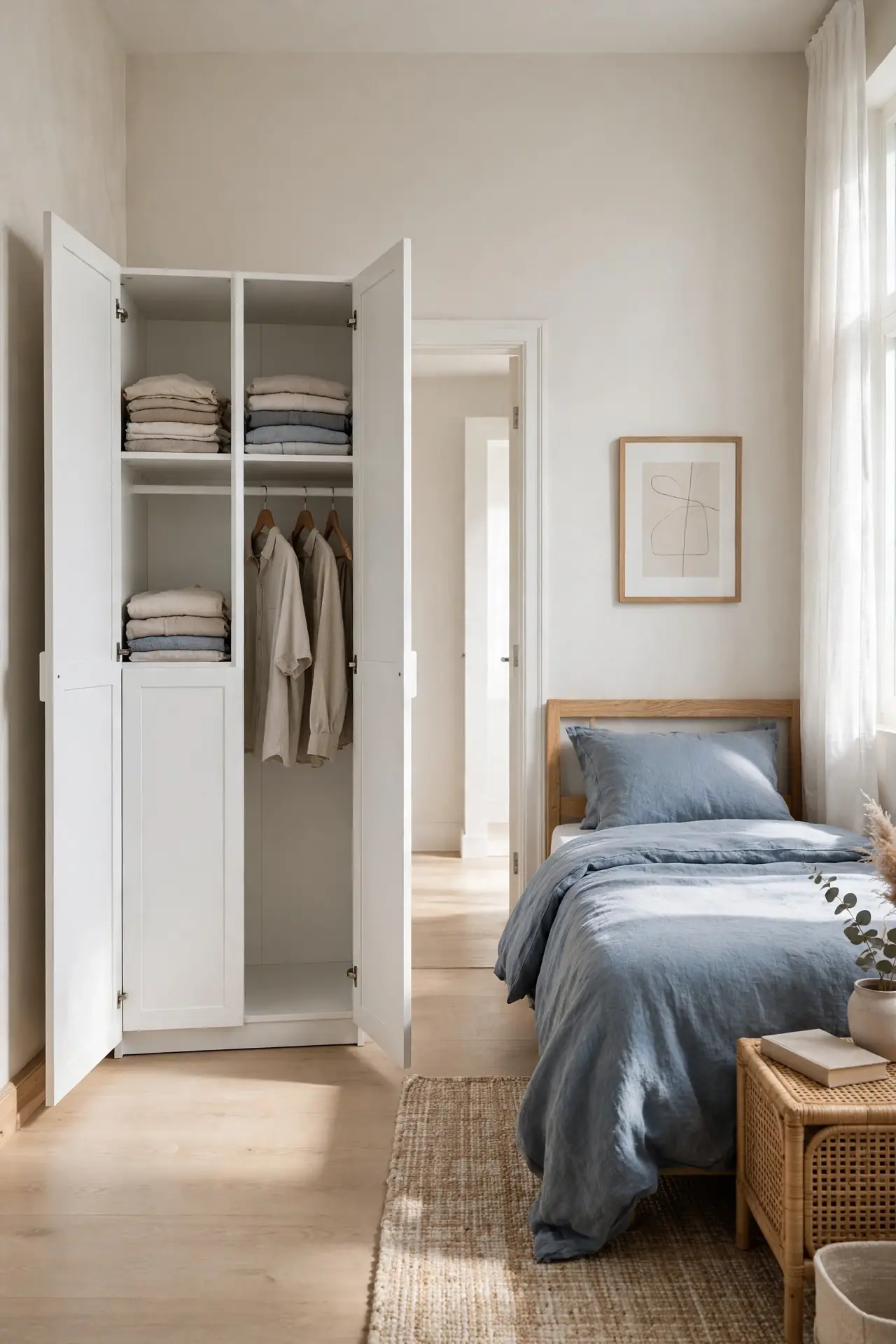
- Watch how the wardrobe doors swing and note what they block when open.
- Shift the wardrobe so open doors clear the walkway and the bed.
- If doors hit the bed, swap to sliding doors or remove one panel.
- Leave a full arm’s length of clearance in front of the wardrobe.
- Test the new position for a week before anchoring or fixing anything.
Wardrobe doors are silent space thieves when they swing into walkways. A few inches of repositioning can open the whole traffic lane. I have noticed mornings run smoother when getting dressed never blocks the door. Sliding doors are the best fix for truly tight rooms.
Bookshelf Room Divider
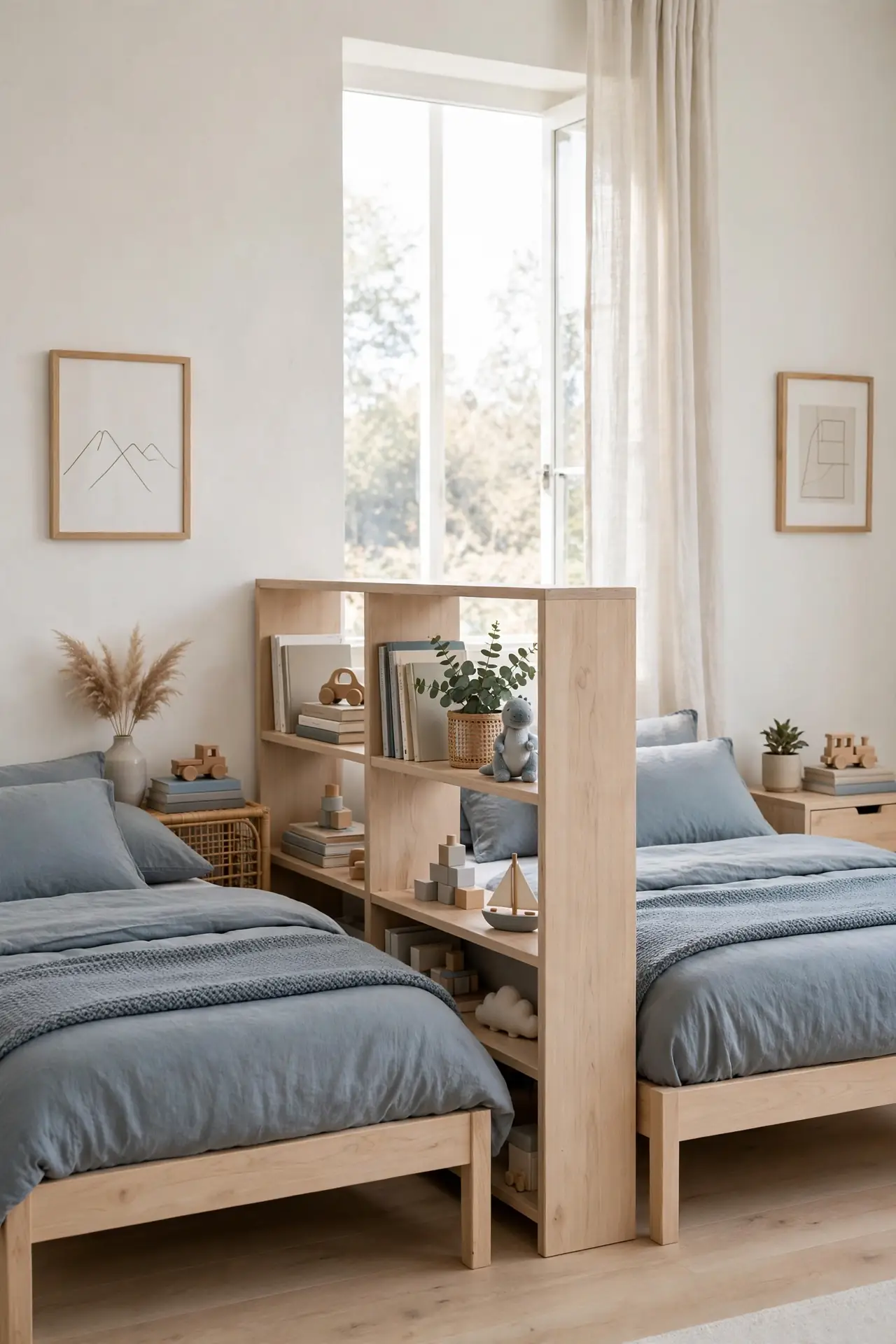
| Spot | What Goes There | Why It Works |
| Low shelf as divider | Middle of a long shared room | Splits zones, keeps sightlines open |
| Tall shelf on wall | Against the shortest wall | Huge storage, needs wall anchors |
| Cube shelf by desk | Beside the study corner | Supplies at hand, eats some floor |
| Narrow shelf in closet | Inside a deep closet | Hidden storage, less display space |
A bookshelf divider splits a shared room into two private zones without building walls. Low units keep sightlines open while defining each side clearly. These boys bedroom makeover ideas include clever storage tricks that pair well with a divided room. Anchor every tall shelf to the wall, since climbing kids and heavy books are a risky mix.
Daybed Lounge Setup
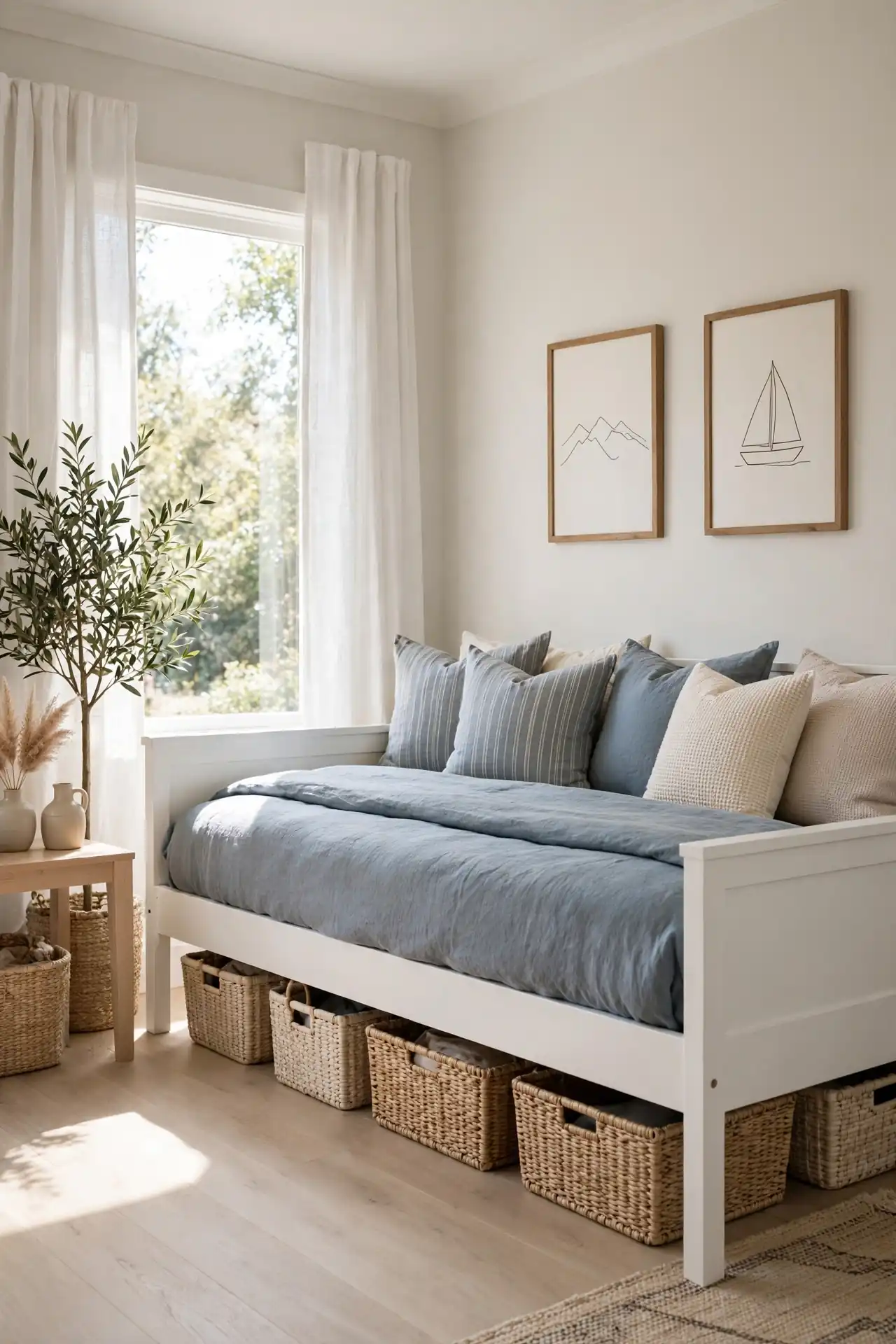
DO: Push the daybed against the longest wall to double as a sofa by day.
DO: Pile throw pillows along the back so it reads as seating, not a bed.
DO: Tuck storage bins underneath for games and extra bedding.
DON’T: Block the daybed’s open side with furniture, since access matters.
DON’T: Use dark heavy bedding that makes the lounge feel like a cave.
DON’T: Skip a washable cover, because daybeds take daily wear.
Daybeds are the smartest pick for rooms that host sleepovers and homework alike. By day the bed becomes a lounge for reading and gaming. I have tried a daybed in a narrow room, and it freed the entire center floor. Choose a trundle model when friends sleep over often.
Mirror Door Trick
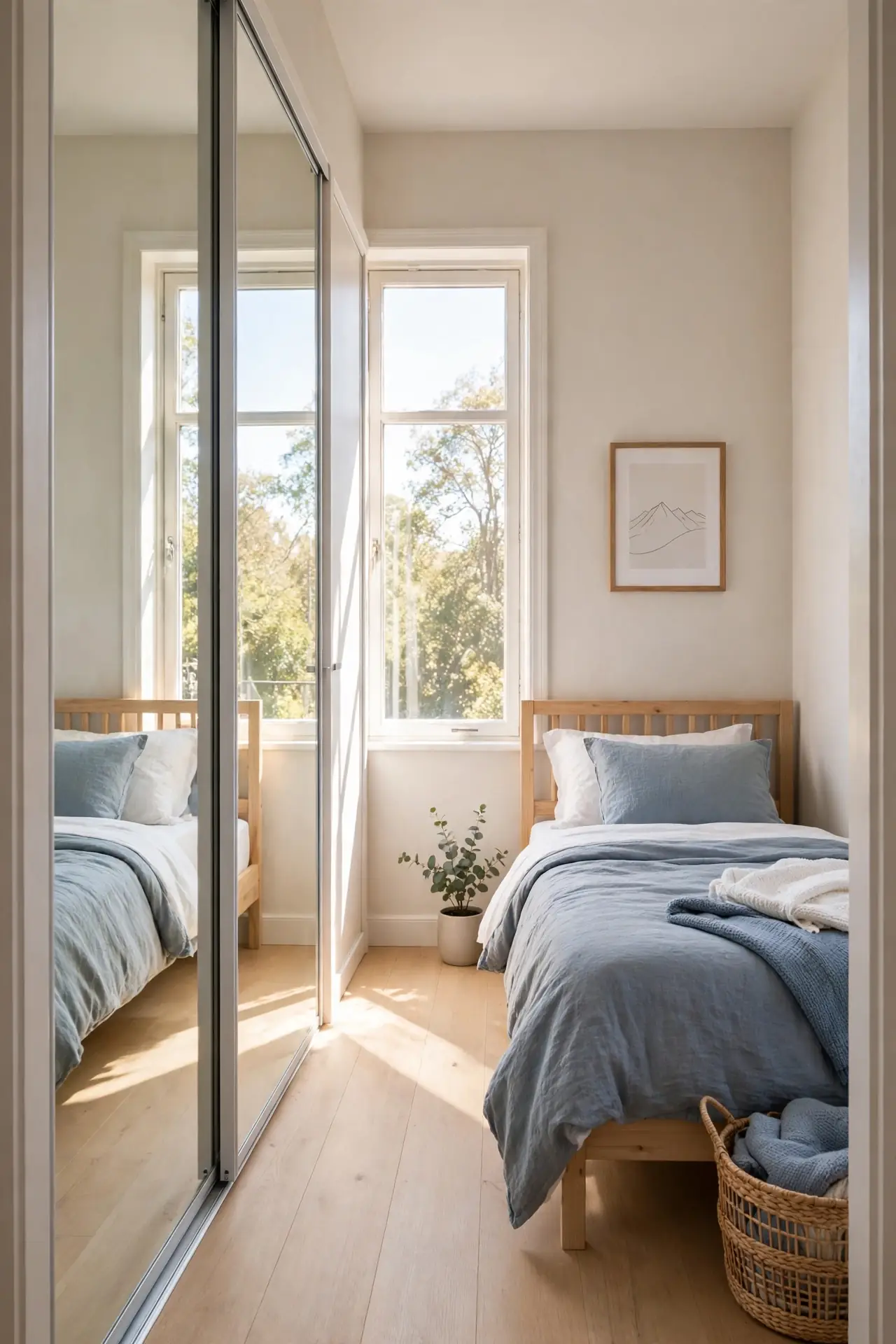
Cost: Medium, one mirrored panel or adhesive mirror tiles | Time: Under an hour to mount securely | Skill Level: Beginner with a level and proper anchors | Best For: Narrow rooms that need borrowed light and depth | Works In: Bedrooms with at least one bright window
Mirrored closet doors bounce light and double the sense of space. I have noticed narrow boys rooms feel twice as wide with a mirror facing the window. Position the mirror to catch morning light for the biggest brightening effect. Keep mirrors at door height so they reflect light, not clutter. Secure every panel with proper anchors for safety.
Two Twin Arrangement
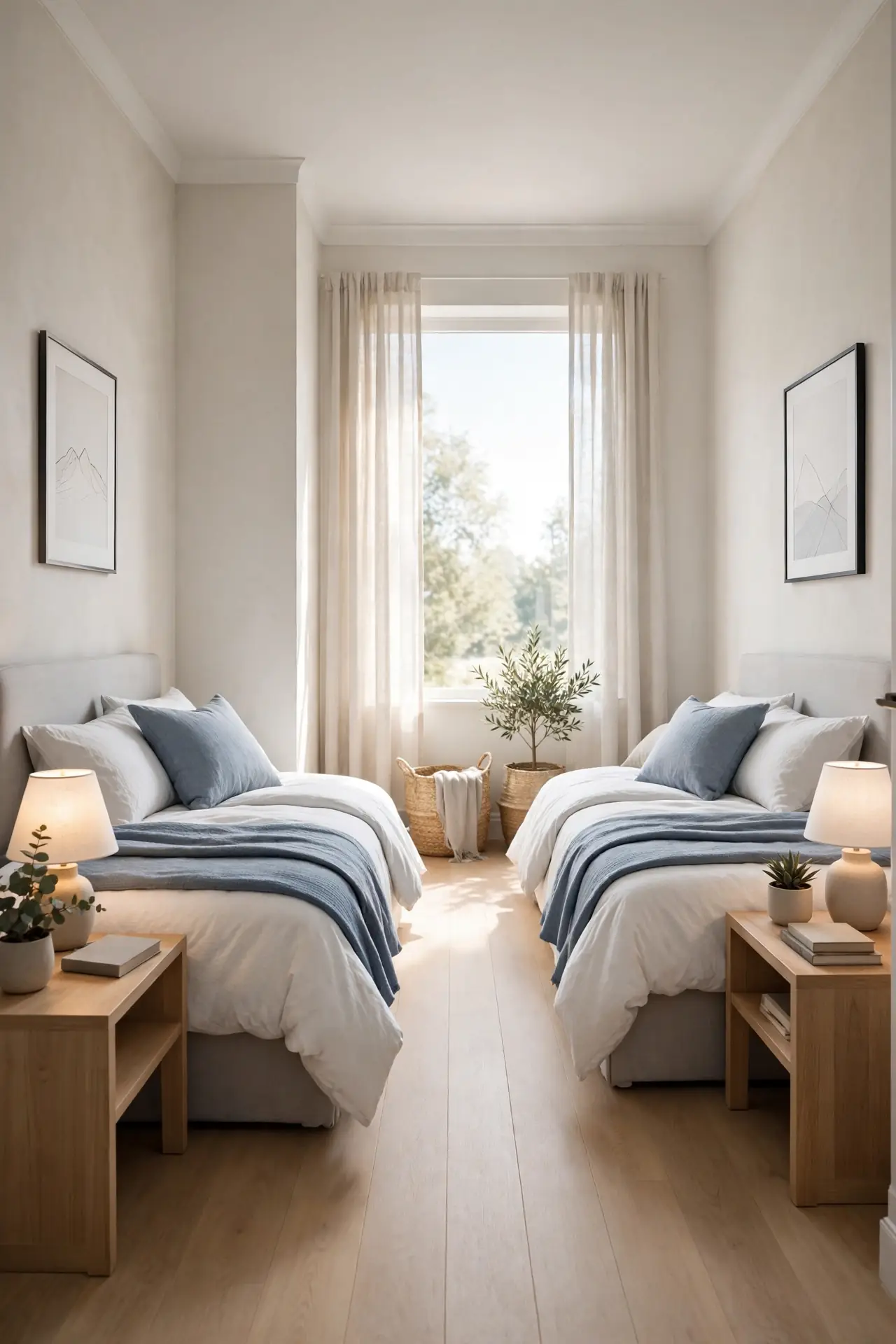
Two twins give each child a real bed without the climb of a bunk. Place them parallel along opposite walls to create a clear runway down the middle. Each bed gets its own nightstand and lamp, which cuts down on bedtime arguments. The center aisle becomes shared play space by day.
I have seen this work well in many cases for brothers close in age. Mirror the bedding in the same palette so the room feels unified, not split. Leave the foot of each bed clear for easy sheet changes. Parallel twins are the calmest shared room plan I know.
Headboard Light Strip
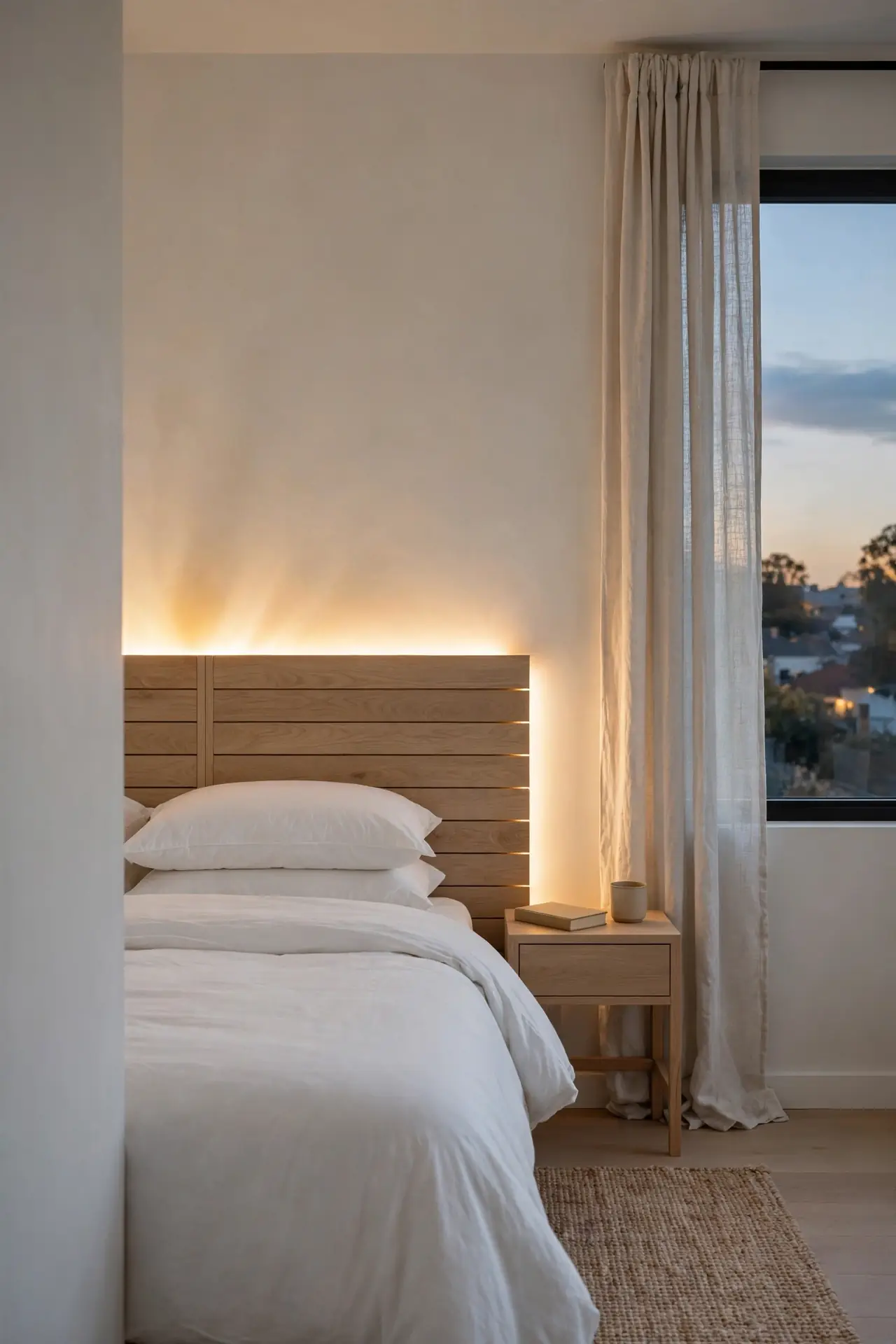
- Stick an adhesive LED strip along the back edge of the headboard.
- Choose warm white light for a calm glow, not harsh colors.
- Run the cord down the bed leg with clips so it stays hidden.
- Add a remote or smart plug so kids can switch it off from bed.
- Pair the glow with a dim overhead for perfect bedtime lighting.
A light strip behind the headboard turns the bed into a cozy landmark. The soft halo makes the room feel designed without any new furniture. I have noticed kids love the glow for reading before sleep. It costs little and installs in under twenty minutes.
Play Table Island
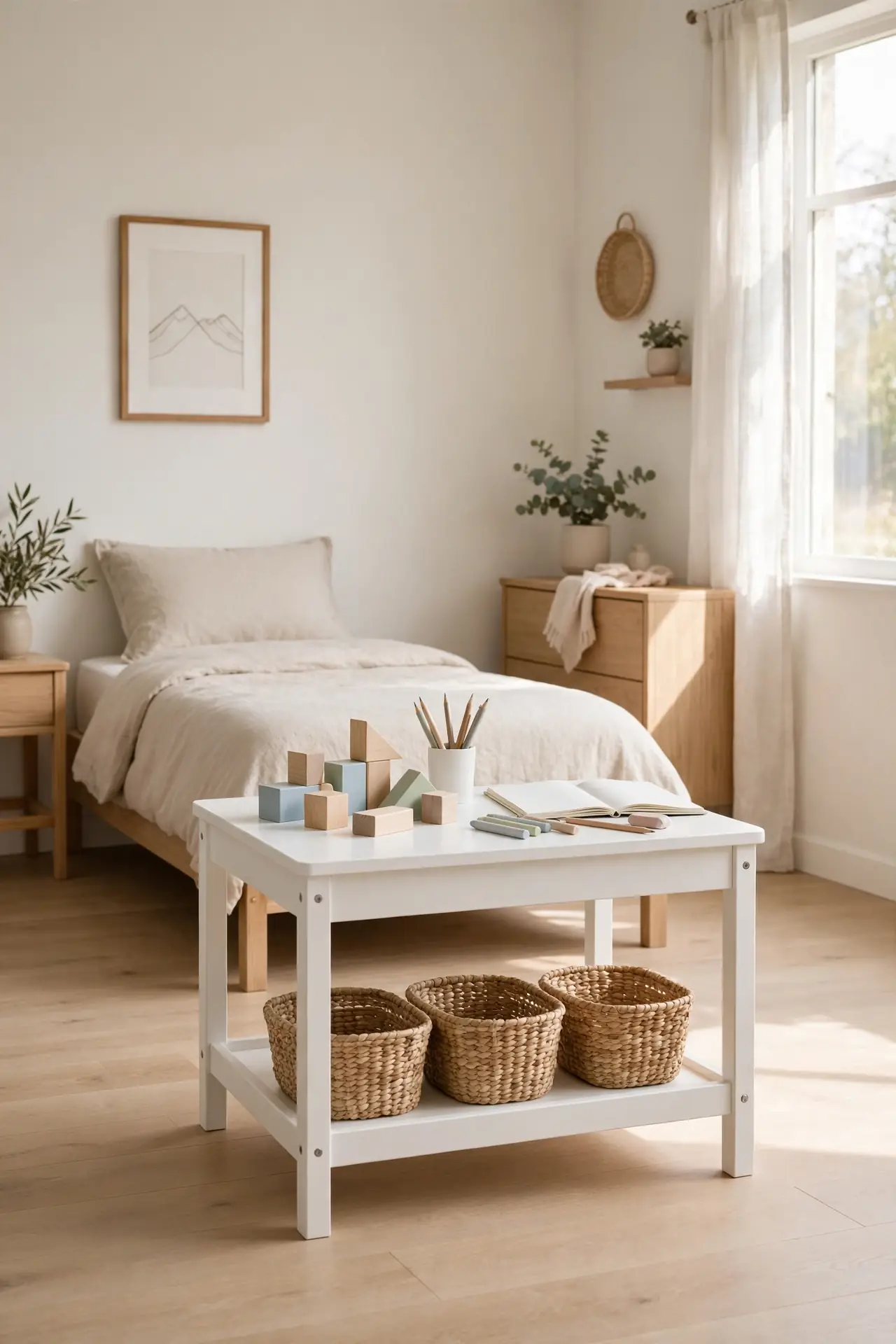
Quick Tip: Float a small play table in the center of the room like a kitchen island. Keep LEGO, drawing supplies, or a train set on top so projects stay set up. Choose a table with a lower shelf for bins, and leave walkways on all four sides for easy access.
An island table gives projects a permanent home instead of the floor. Kids can leave a half built creation and return to it later. I have tried this with a train table, and clean up fights dropped to zero. Keep the tabletop neutral so it blends with the room.
Closet Office Swap
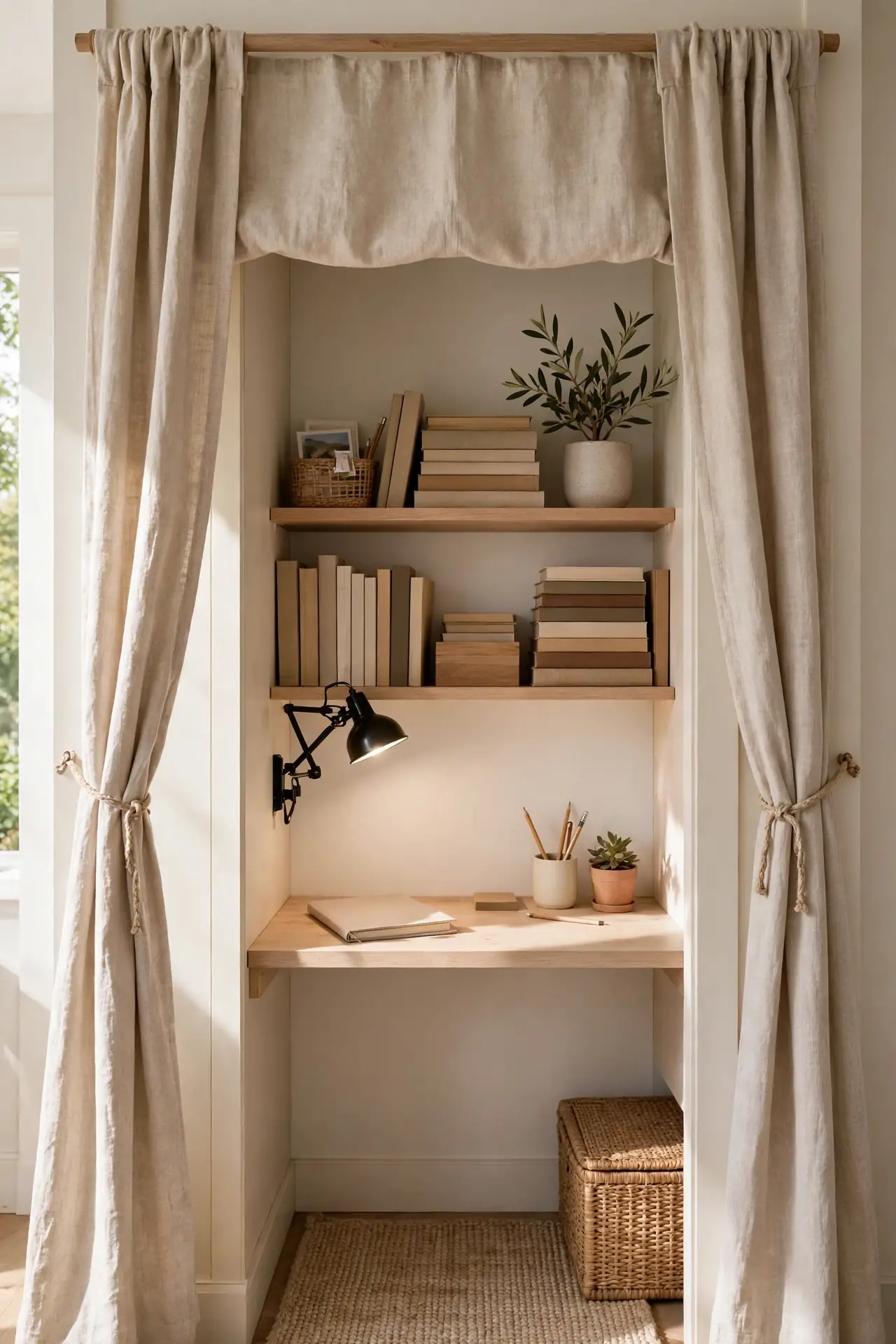
BEFORE: The closet held a jumble of outgrown clothes and forgotten toys behind closed doors. The desk floated in the middle of the room, eating precious floor space. Nobody used the closet well, and the desk felt exposed.
AFTER: The closet now holds a compact desk with shelves above and a curtain instead of doors. The freed floor space became an open play zone. Homework happens in a tucked away nook, and the room feels twice as big.
Turning a closet into a study nook reclaims the whole middle of the room. Remove the doors or swap them for a curtain to keep it feeling open. I have seen this work well in many cases for small rooms. Add a clip light since closets rarely get good daylight.
Nightstand Lamp Swap
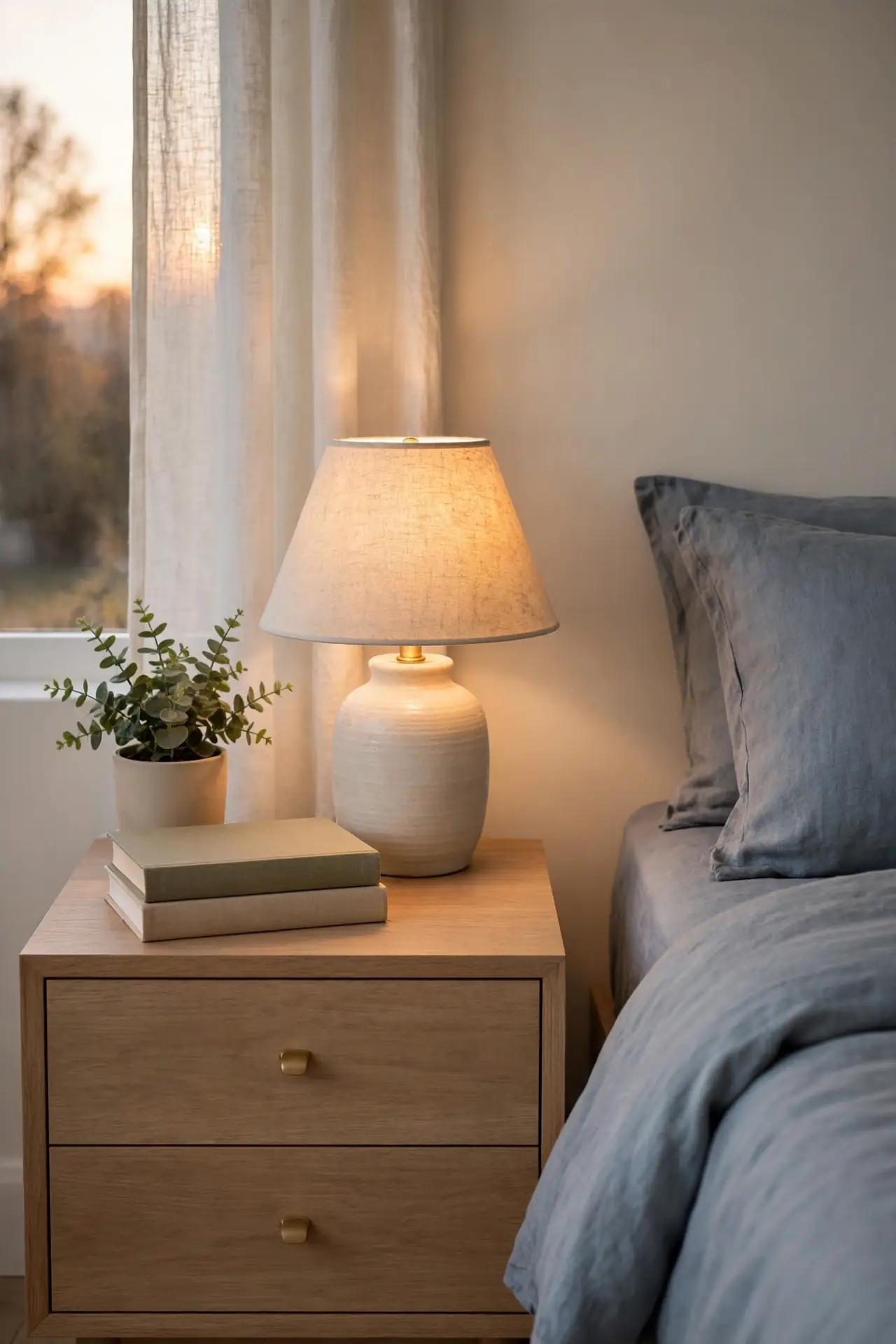
- Measure the nightstand top and pick a lamp that fits with room to spare.
- Choose a sturdy base that survives bumps from sleepy arms.
- Swap in a warm bulb for calm evening light.
- Run the cord behind the nightstand with a clip to hide it.
- Test the light level at night and adjust the shade angle for reading.
The right lamp turns a nightstand from cluttered to calm. Warm light signals bedtime better than any overhead fixture. I have noticed kids fall asleep faster when the room dims down gradually. Keep the lamp small so books, water, and a favorite toy still fit.
Final Flow Check
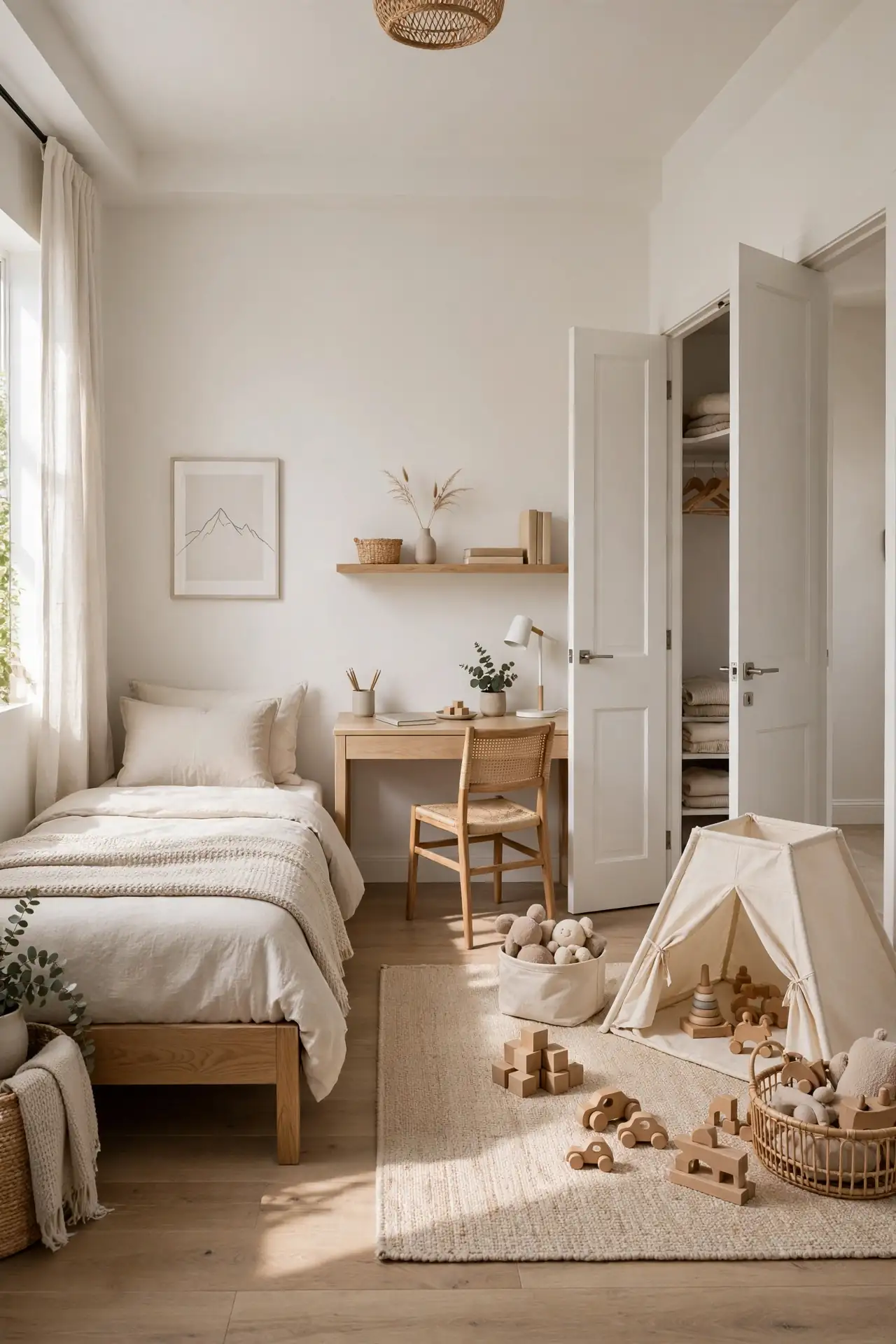
| Check | What to Look For | Quick Fix |
| Walk the path | Door to bed to closet without squeezing | Shift furniture inches until it flows |
| Open every door | Wardrobe, closet, and room doors swing free | Swap swing direction or remove a door |
| Sit and look | Sightlines from bed and desk feel open | Move tall pieces to low traffic walls |
| Night check | Lamps light the path, no dark corners | Add a plug in night light |
Run this final check after every rearrange to catch flow killers early. Small rooms forgive nothing, so test every door swing and walkway. I have seen one shifted nightstand unblock a whole room. Do this check twice a year as kids grow and gear changes.
Conclusion
Small rooms hold big potential when every piece earns its place. This set of boys bedroom layouts shows how the right bed position, a smarter desk spot, and hidden storage can turn chaos into calm. I have seen how these simple shifts give kids more room to play, study, and grow. Pick your favorite plan and try it this weekend, even a small move makes a difference. Save this guide on Pinterest for your next rearrange, and share it with a parent who needs fresh room ideas. Better flow starts with one bold move.

One Comment