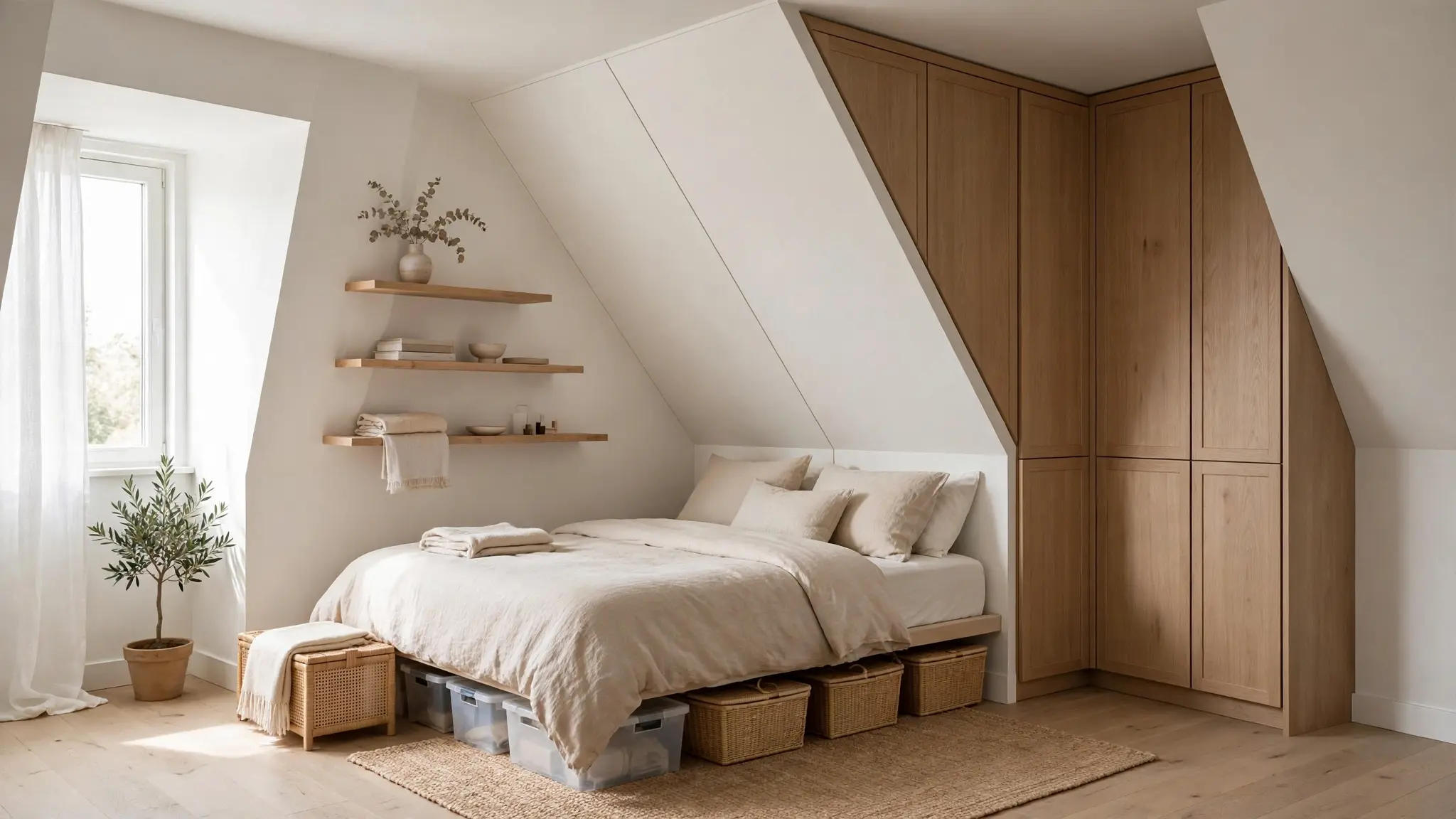
23 Awkward Layout Bedroom Storage Ideas for Clever Order
Your bedroom has angles that fight every furniture plan you try. Slanted ceilings, tight alcoves, and odd corners turn basic storage into a daily puzzle. These awkward layout bedroom storage ideas work with your room’s quirks instead of against them. In my experience, the trickiest floor plans become the most satisfying once each odd nook gets a purpose. You will find clever ways to store clothes, shoes, and essentials in spots you once wrote off as useless. Let us make every inch of your unusual bedroom earn its keep.
Before buying anything, walk your room and list the three spots that frustrate you most. Those pain points deserve the first solutions. For broader layout help, these small bedroom ideas pair beautifully with the storage tricks below. A little planning turns even the strangest bedroom shape into an organized retreat you will love coming home to.
Corner Cabinet Fillers
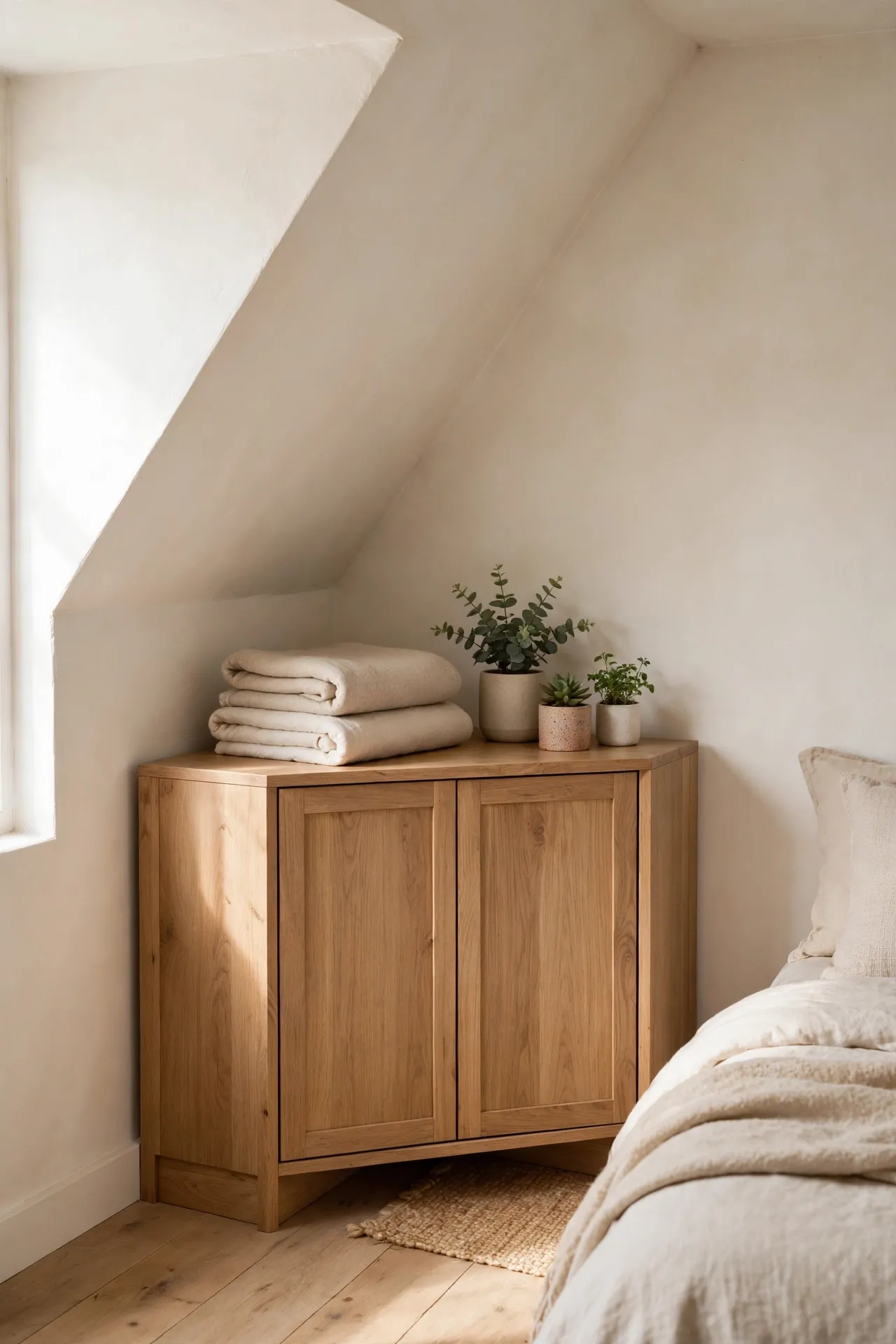
Dead corners swallow square footage in rooms with angled walls. A triangular corner cabinet slides neatly into that wasted wedge and turns it into real storage. Look for units with adjustable shelves so tall boots and short boxes both fit comfortably. I have noticed that corner cabinets with doors keep the room looking calm, while open versions double as display space for books and small plants.
Measure the corner angle before shopping, since not every corner forms a perfect ninety degrees. Custom or adjustable units handle odd angles far better than rigid ones. Fill the top shelf with rarely used items and keep daily essentials at arm level. This single piece can replace a bulky dresser and free up wall space for something you actually enjoy looking at.
Under Bed Rolling Bins
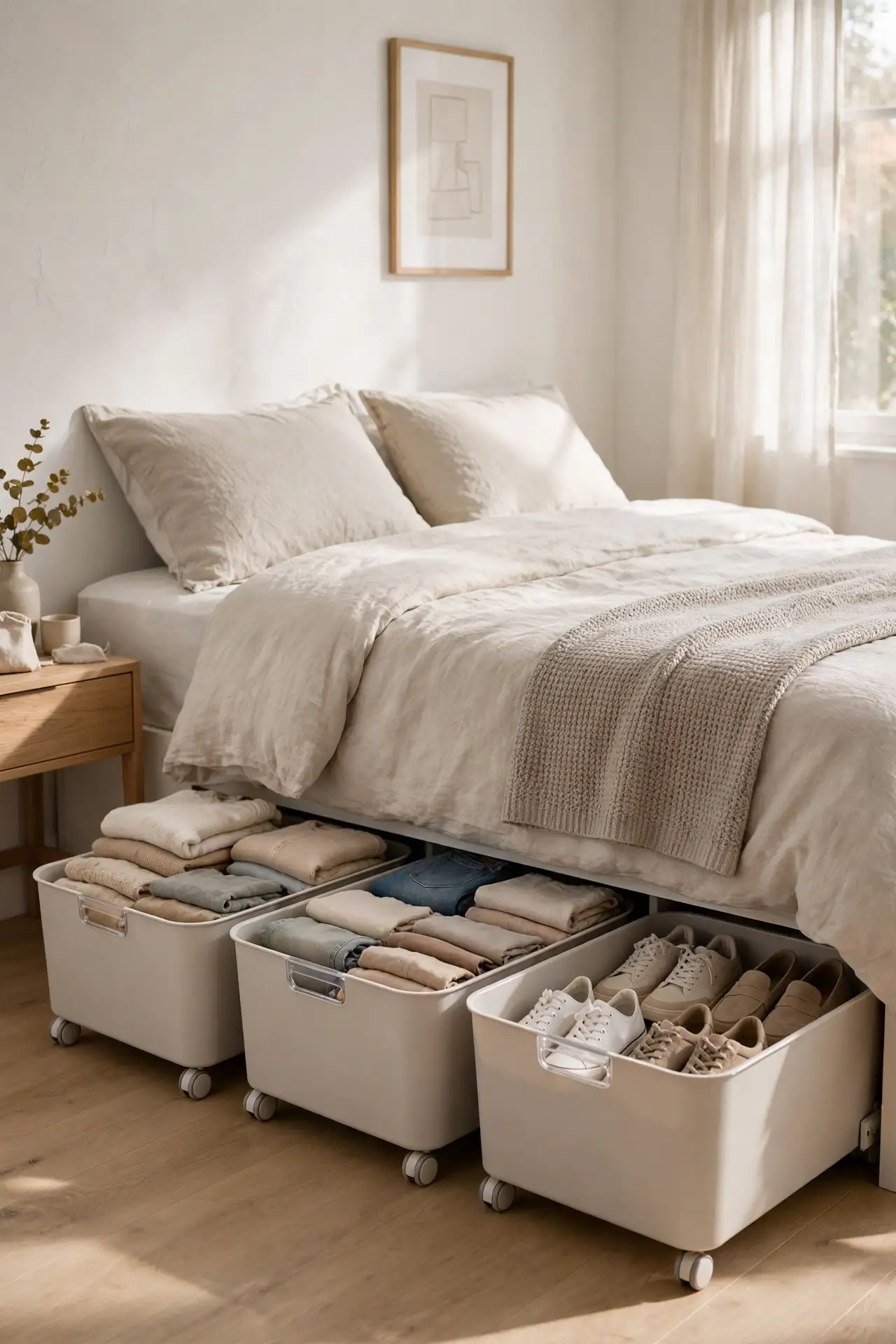
- Choose bins with smooth rolling wheels so they glide out without scratching floors.
- Pick low profile bins that fit your exact bed clearance to avoid wasted height.
- Use clear front panels or labels so you can spot contents without pulling each bin.
- Divide bins by season so off season clothes stay tucked away but reachable.
- Dust the bin tops monthly since under bed areas collect lint surprisingly fast.
The space beneath your bed hides the largest unused storage zone in most bedrooms. Rolling bins slide into that gap and swallow shoes, spare linens, and out of season clothes. I recommend hard sided bins over soft bags because they stack neatly and protect contents from dust. Measure twice, buy once, and this dead space becomes a full dresser drawer extension.
Slim Alcove Shelving

Quick Tip: Cut shelf boards to fit your alcove exactly, leaving just a finger width of clearance on each side. Brackets rated for twenty pounds per shelf handle books and baskets safely. Paint the shelves the same color as the wall so the alcove reads as built in rather than added on.
Shallow alcoves beside chimneys or between angled walls beg for slim shelving. A few boards turn that awkward recess into a tidy home for books, baskets, and decor. Keep the shelf depth under ten inches so the alcove stays easy to reach. I have seen this work well in many cases where a full bookcase would block the walkway. Style the shelves lightly to avoid a cramped feeling.
Angled Wall Hooks
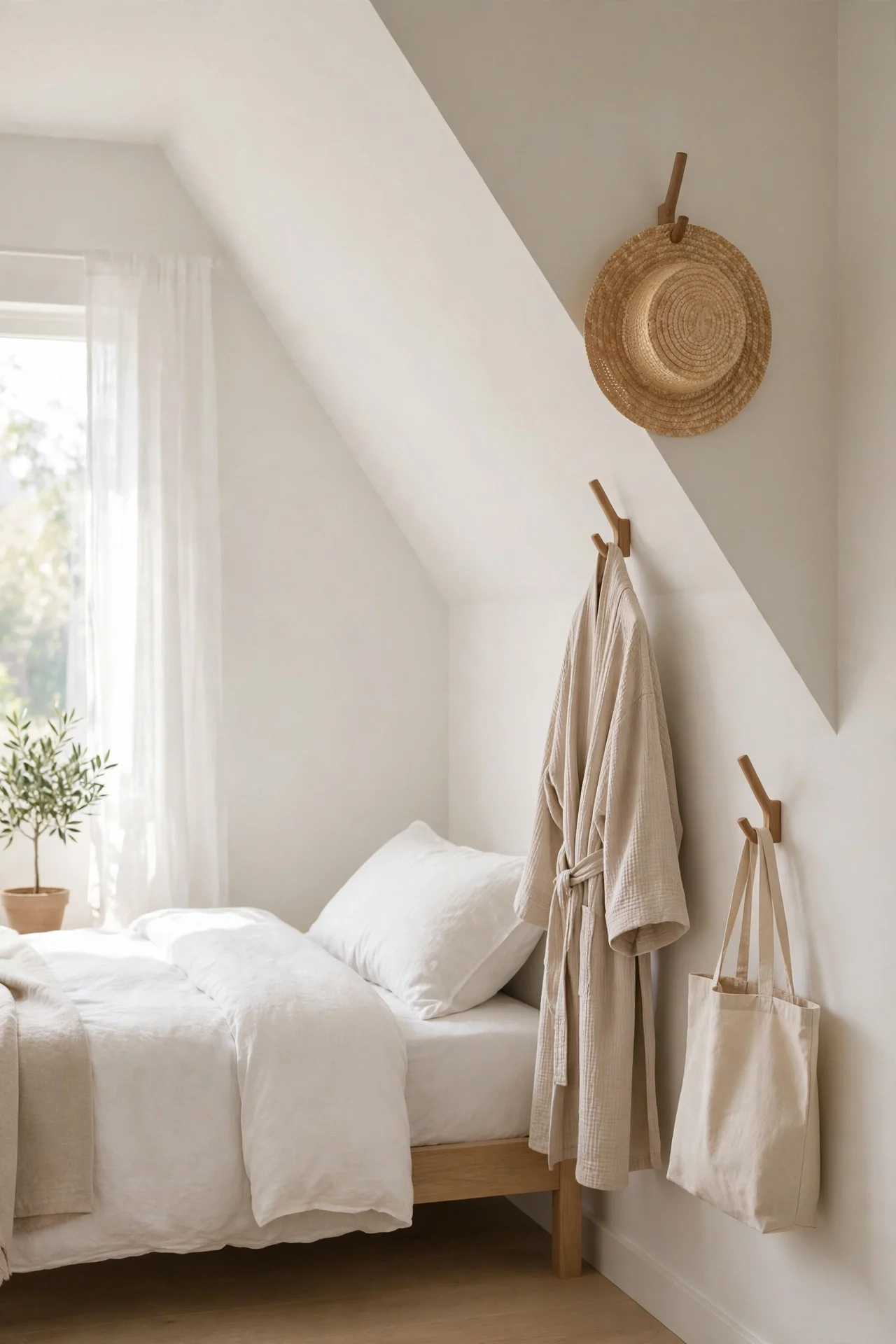
BEFORE: Coats, bags, and robes draped over chairs and bed corners because no flat wall fits a standard hook rail. The clutter creeps across every surface and the room never looks finished. You waste minutes hunting for the jacket you need.
AFTER: Individual hooks mounted at varying heights along the slanted wall hold each item in its own spot. The floor stays clear and getting dressed takes seconds. The angled arrangement even looks intentional.
Slanted walls reject standard hook rails, but single hooks adapt to any angle. Space them along the slope and hang robes, hats, and tomorrow’s outfit where you can grab them. Use anchors rated for the wall material so hooks stay put. This five minute fix clears more visual clutter than almost any other change.
Floating Desk Ledges
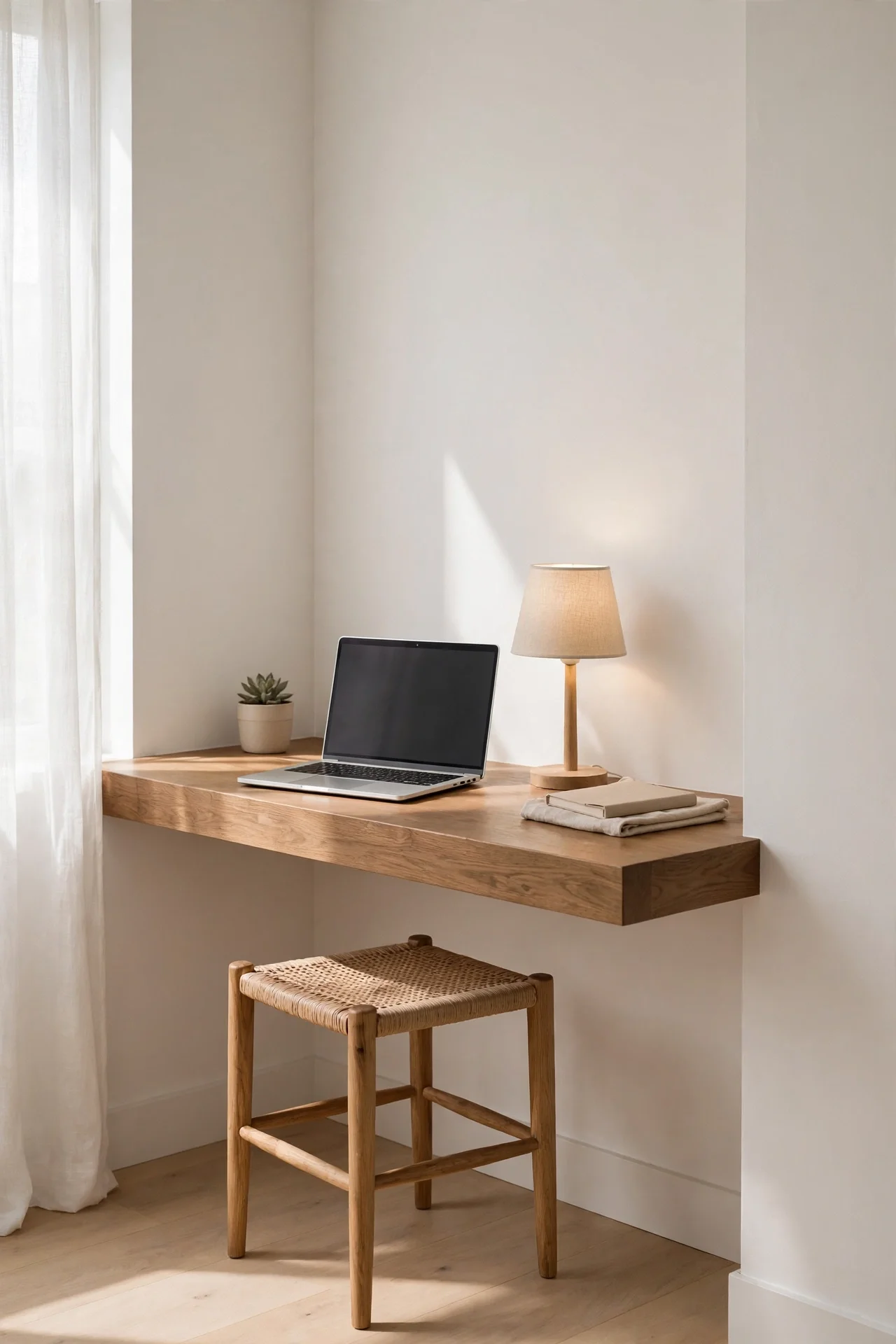
- Find a wall stretch at least thirty inches wide near an outlet for your laptop.
- Mount a deep floating shelf at desk height, anchoring into studs for strength.
- Add a slim wall mounted lamp above so the surface stays clear for work.
- Slide a stool or slim chair underneath that tucks fully away when not in use.
A floating ledge creates a desk without legs that eat floor space. It works beautifully under windows or along short walls where a real desk would never fit. Keep only daily essentials on the surface so it doubles as a display shelf. I recommend a cable clip under the ledge to tame charger cords and keep the look clean.
Narrow Gap Organizers
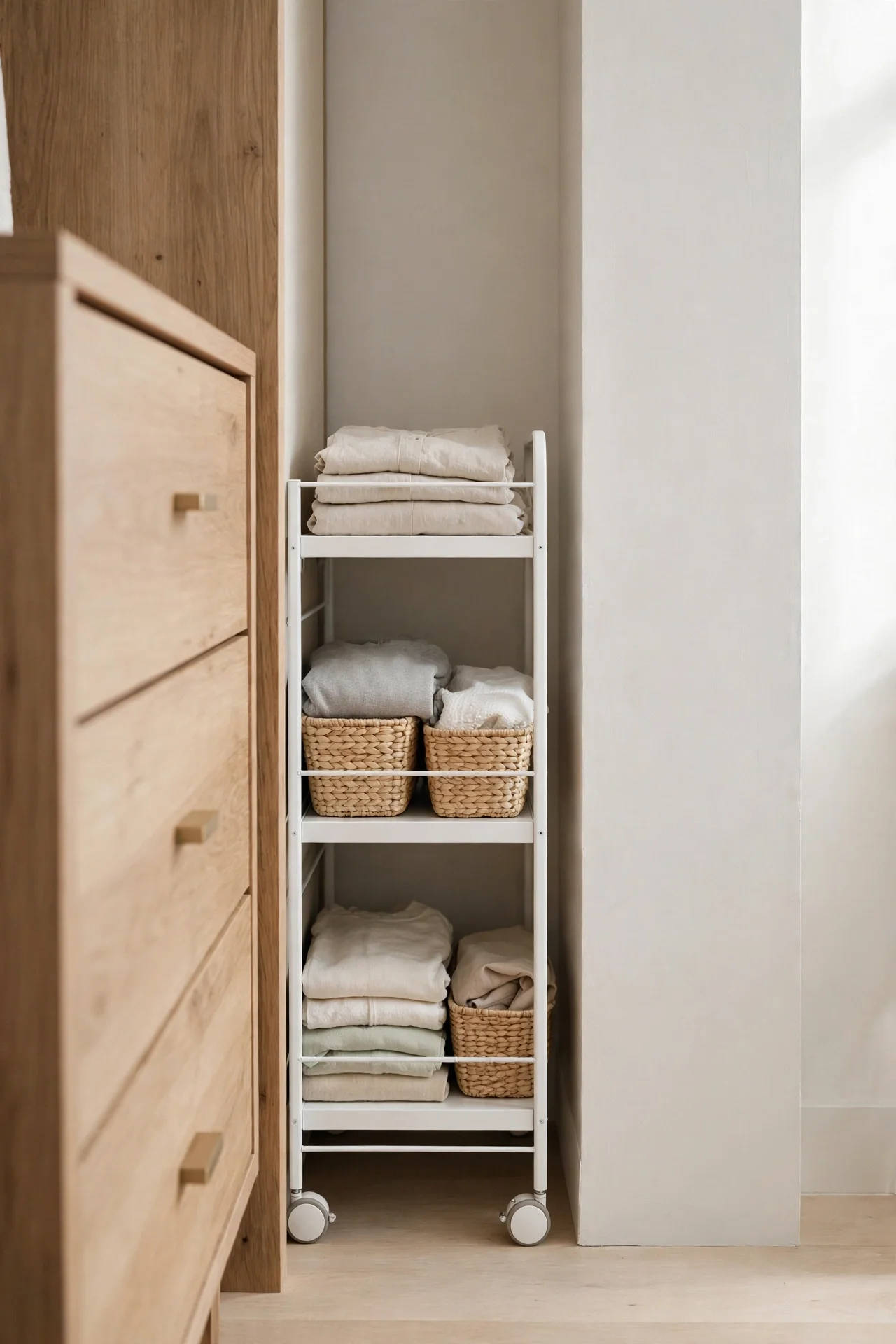
| Gap Width | Best Organizer | Holds |
| Under 6 inches | Slim rolling cart | Toiletries and small bottles |
| 6 to 12 inches | Narrow pull out tower | Shoes, books, folded clothes |
| Over 12 inches | Slim bookcase | Baskets, linens, decor |
That awkward gap between the dresser and the wall is not wasted space at all. A slim organizer on wheels slides in and holds the overflow that clutters your surfaces. Measure the gap carefully before buying, since an inch too wide means it will not fit. Pull it out for full access, then roll it back flush. It is the easiest win for instant tidiness in any odd layout.
Sloped Ceiling Cubbies
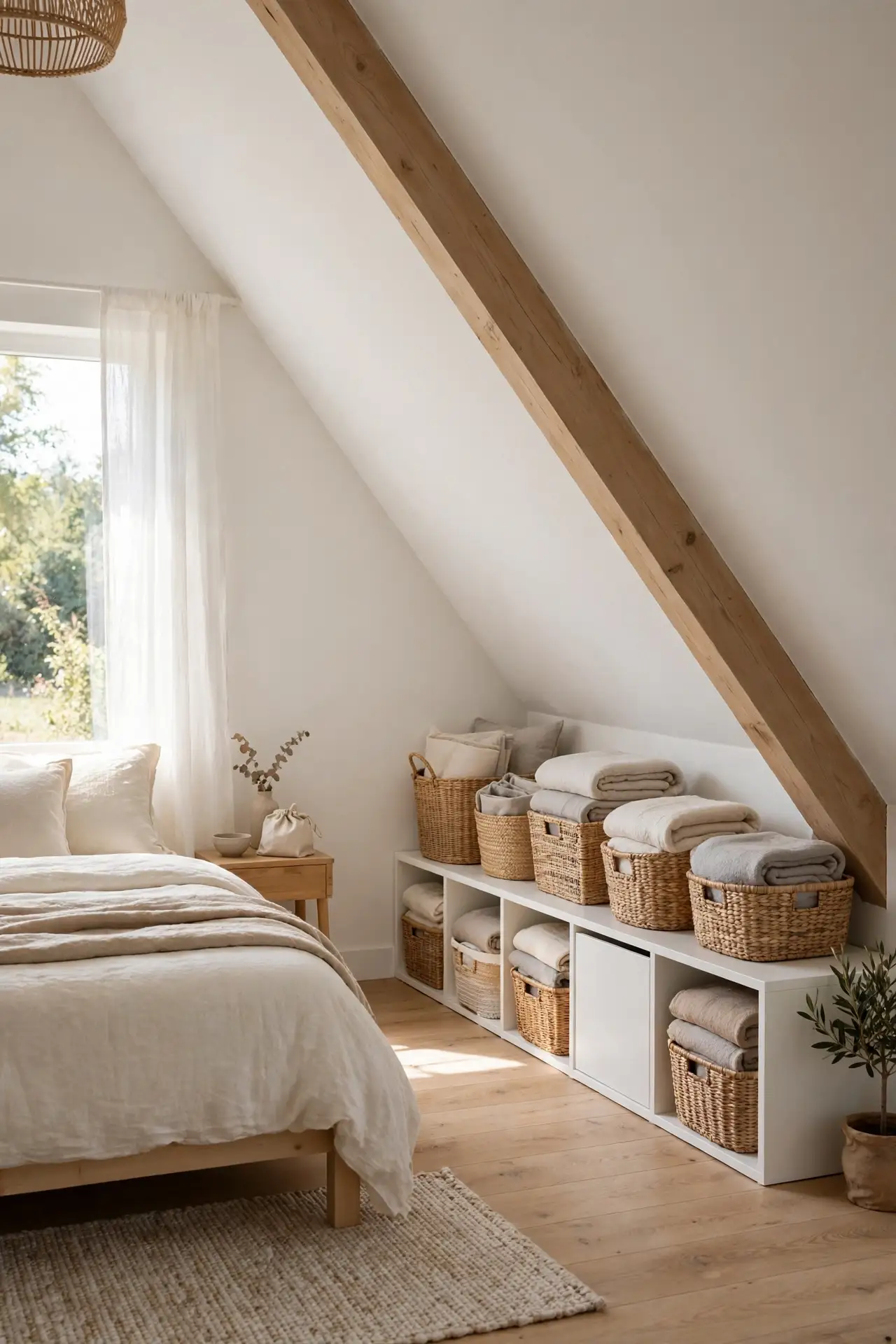
DO: Use low cube units that follow the slope without leaving big gaps.
DO: Store lightweight items up high where the ceiling dips lowest.
DO: Add doors or baskets so the low area looks tidy, not cramped.
DON’T: Force tall furniture under the slope where it will not fit.
DON’T: Leave the low zone empty, since dead space invites clutter.
DON’T: Stack heavy boxes high where they could topple forward.
The knee wall under a sloped ceiling feels useless until you add low cubbies. Cube storage follows the roofline and turns that crouch only zone into homes for shoes, books, and bins. Keep heavy items on the floor level and lighter things up top. With doors or matching baskets, the whole run reads as custom built in storage.
Behind Door Racks
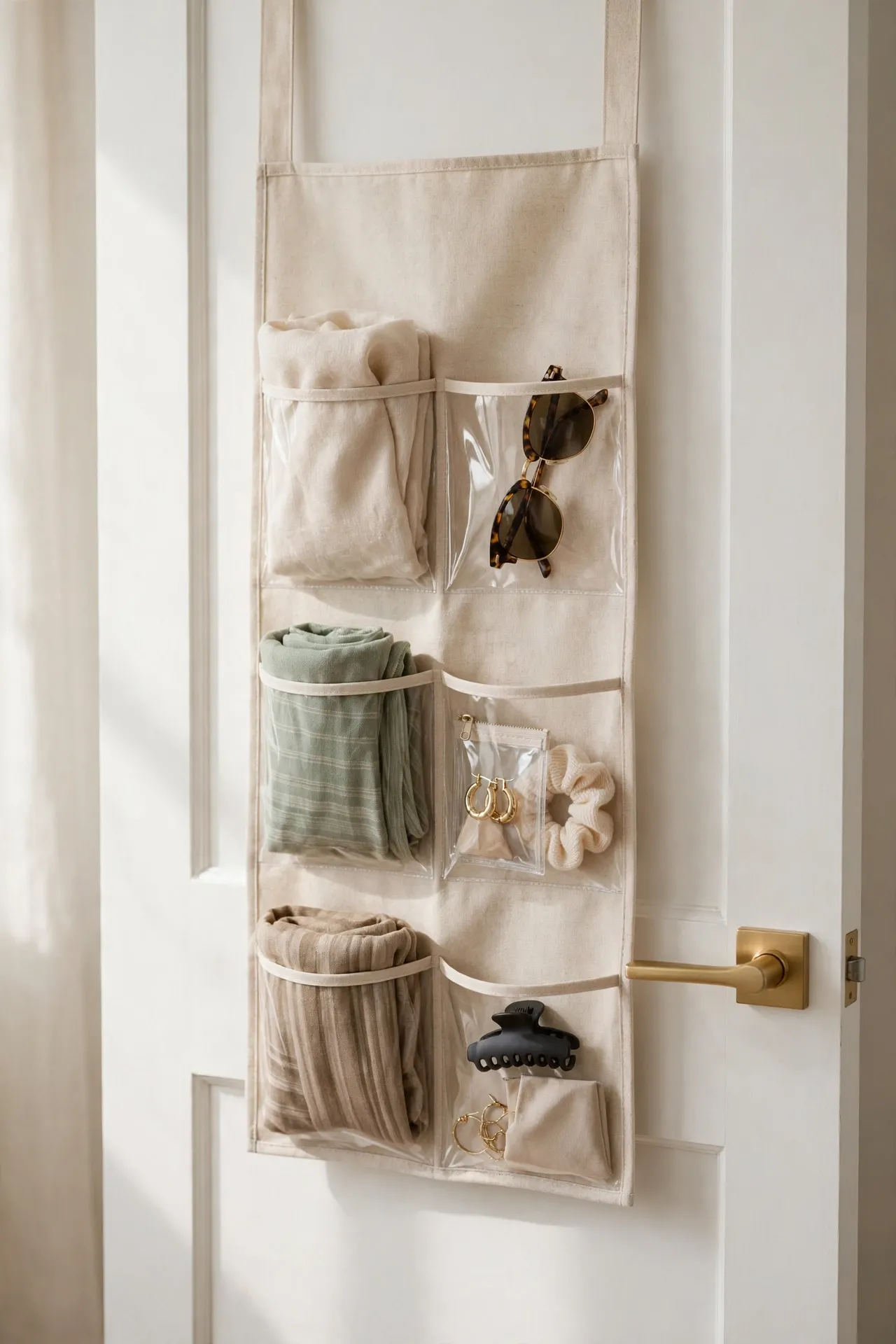
Cost: Low | Time: Under an hour | Skill Level: Beginner | Best For: Shoes, accessories, and small essentials
The back of your bedroom door offers prime storage real estate that most people completely ignore. An over door rack with pockets or hooks holds shoes, scarves, belts, and daily essentials without drilling a single hole. Choose a slim profile so the door still closes fully and latches properly. I have noticed that clear pockets work best because you can see everything at a glance. Empty it seasonally to prevent overflow and keep the whole system working smoothly and very reliably every single day.
Window Seat Storage
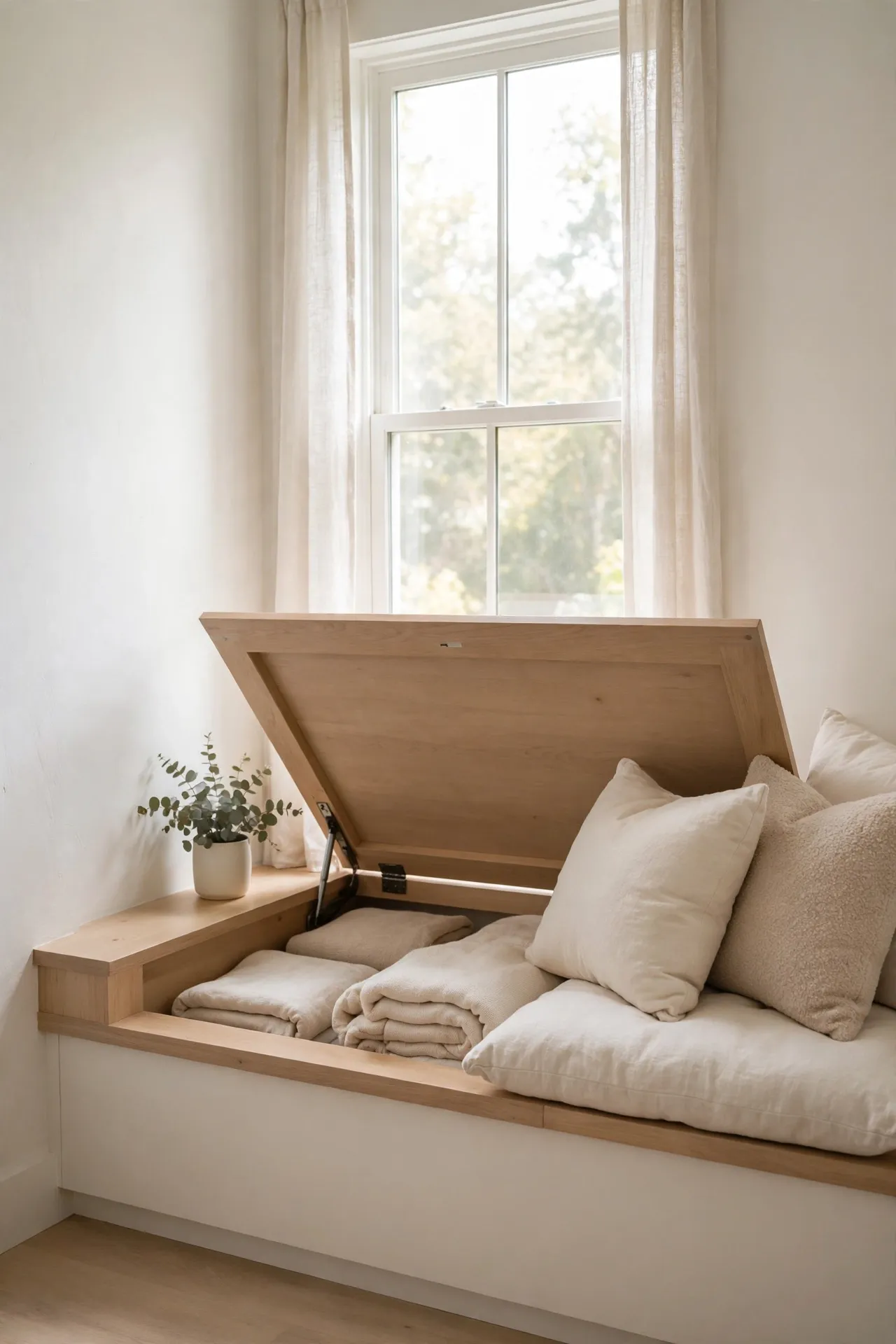
The wall beneath your window often sits empty while storage needs pile up elsewhere. A window seat with a lift top or drawers captures that space beautifully. It gives you a sunny reading spot by day and hidden room for blankets, pillows, and spare linens inside. Cushion the top well so it invites lingering with a book and coffee.
Build or buy a unit that fits your window width exactly for a custom look. Hinges should hold the lid open safely while you load bulky items. I recommend dividing the interior with a simple plywood partition so small things do not vanish into the depths. This one build adds seating and storage in a single footprint your room already had.
Ottoman Hideaway Pieces
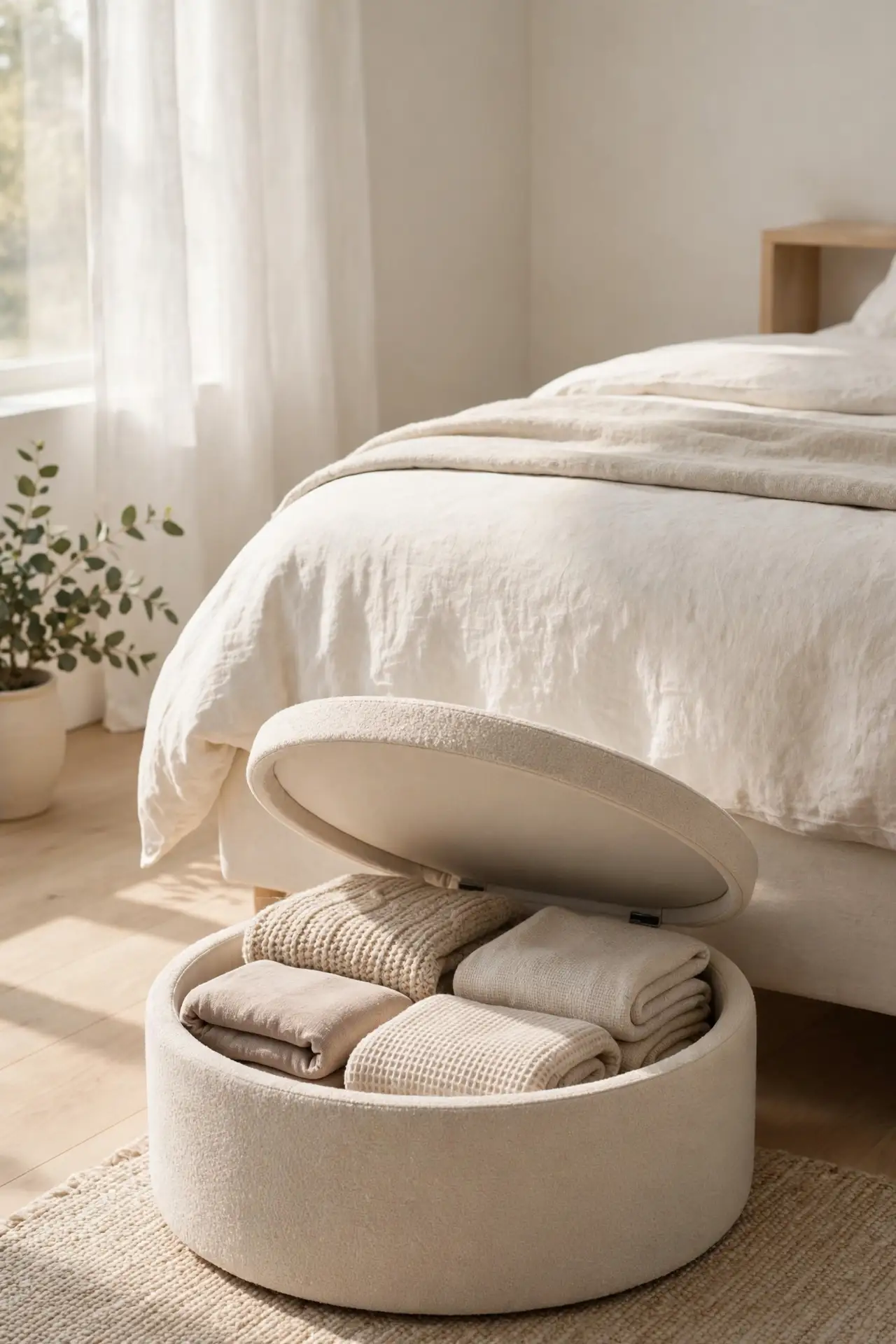
- Pick an ottoman wide enough to hold folded throws and spare pillows inside.
- Choose a firm top so it doubles as extra seating when guests visit.
- Look for a hinged lid that stays open on its own while you load items.
- Match the fabric to your bedding for a pulled together, intentional look.
- Vacuum the interior seasonally so stored textiles stay fresh and dust free.
An ottoman at the foot of the bed earns its floor space twice over. It offers a perch for pulling on shoes while hiding bulky bedding and spare blankets inside. In awkward layouts, a round ottoman softens sharp angles and improves flow. Keep the lid mechanism smooth so opening it feels effortless rather than a wrestling match.
Ladder Shelf Slim
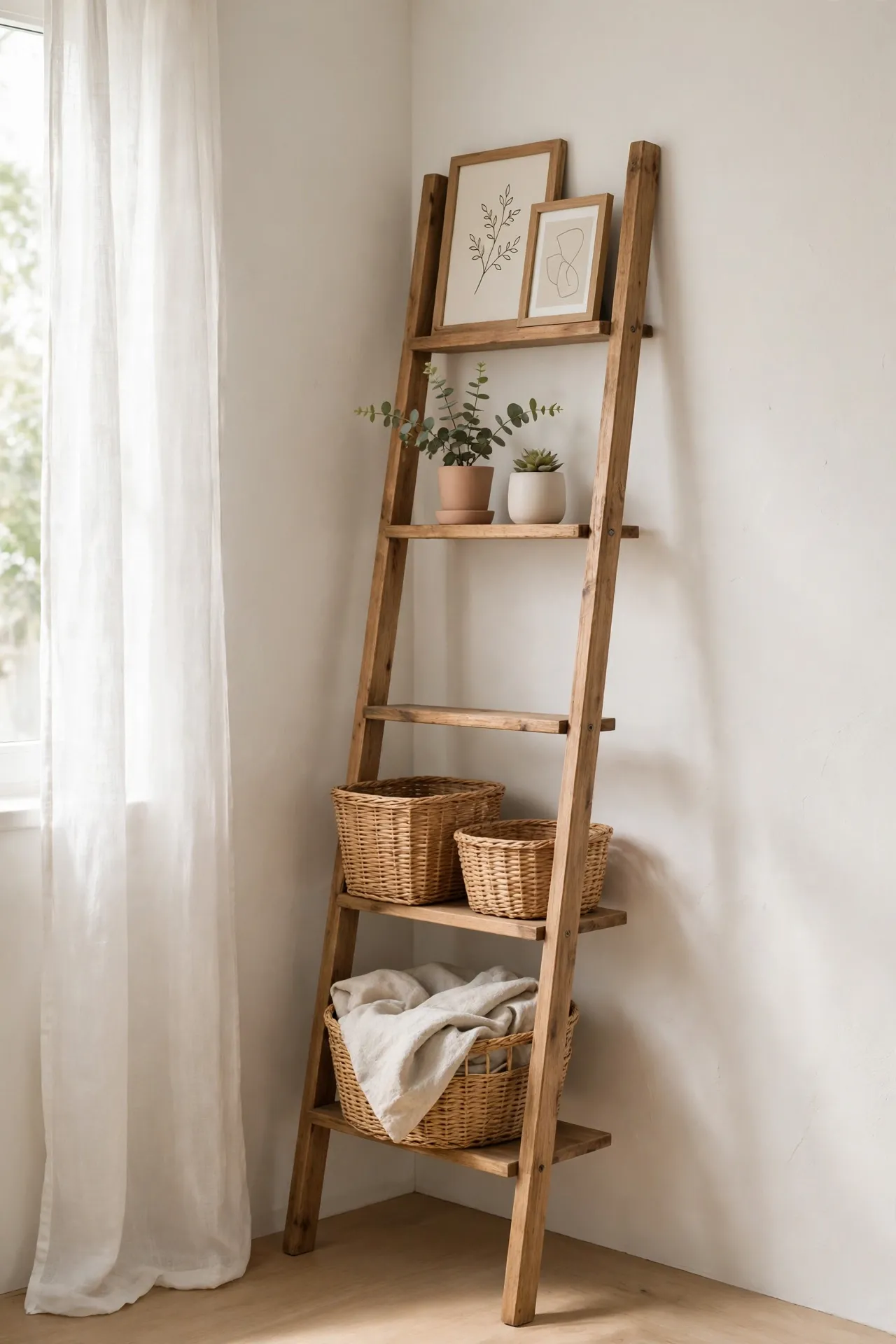
Quick Tip: Lean the ladder shelf at a slight angle and secure the top to the wall with a discreet bracket. The narrow footprint fits beside dressers or in tight corners where bookcases cannot go. Use the deeper bottom rungs for baskets and the shallow top rungs for decor.
A leaning ladder shelf brings vertical storage to spots too narrow for real furniture. Its graduated depth means the base holds baskets while the top displays small plants and frames. I have seen this work well in many cases where renters need storage without drilling many holes. Keep the styling light on top so the piece feels airy rather than top heavy.
Over Bed Shelves
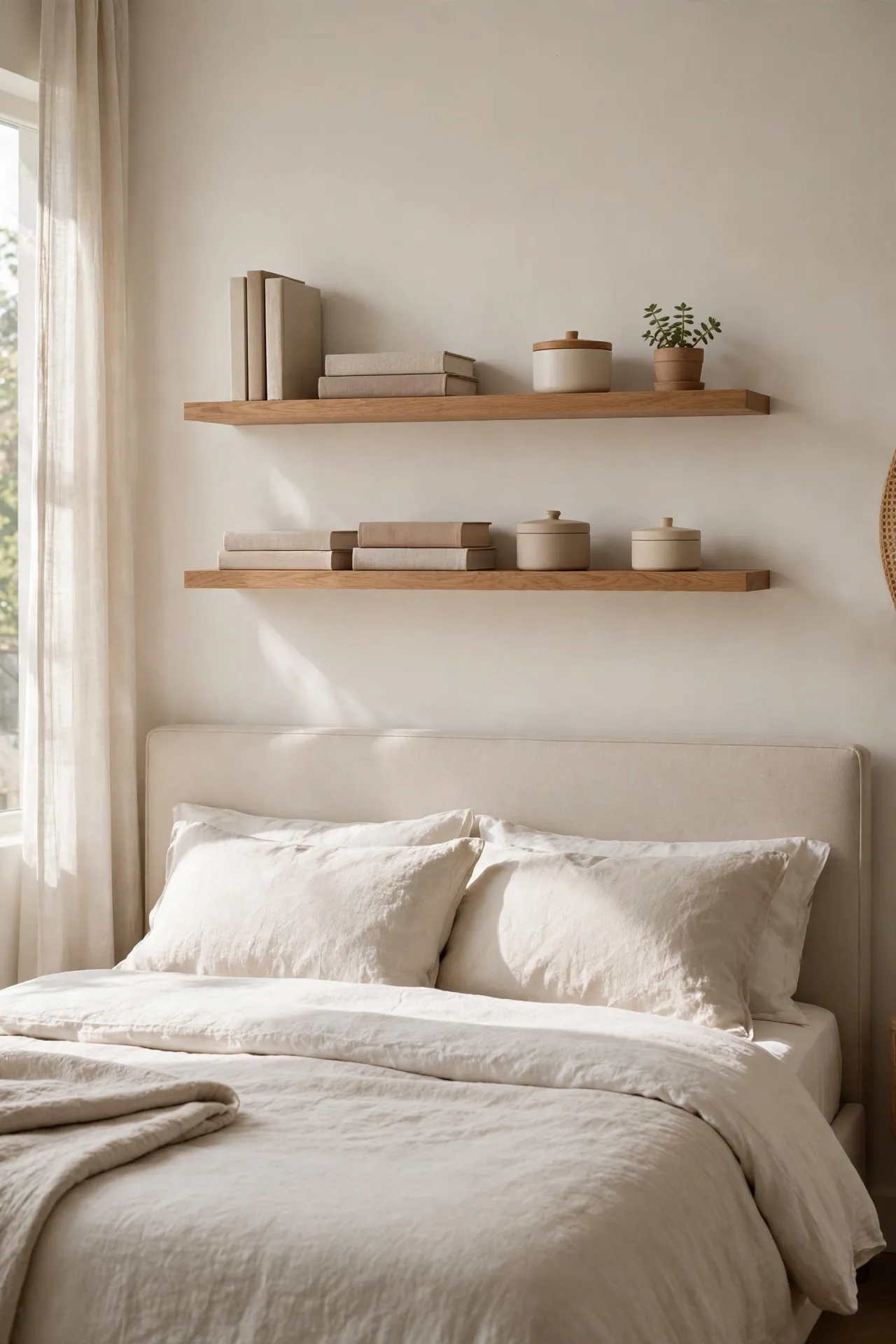
BEFORE: The wall above the headboard sits bare while nightstands overflow with books, glasses, and chargers. Every surface feels crowded and nothing has a real home. Dust gathers on piles you never quite organize.
AFTER: Two floating shelves above the bed hold books, small baskets, and a clock within easy reach. Nightstands stay clear for just a lamp and water glass. The room feels taller and calmer with storage lifted off the floor.
The wall above your headboard is prime storage territory in tight layouts. Floating shelves there keep bedtime essentials close without crowding the floor. Mount them high enough to sit up comfortably and anchor into studs for safety. Style with a mix of books and lidded boxes so the display looks intentional rather than cluttered.
Pull Out Pantries
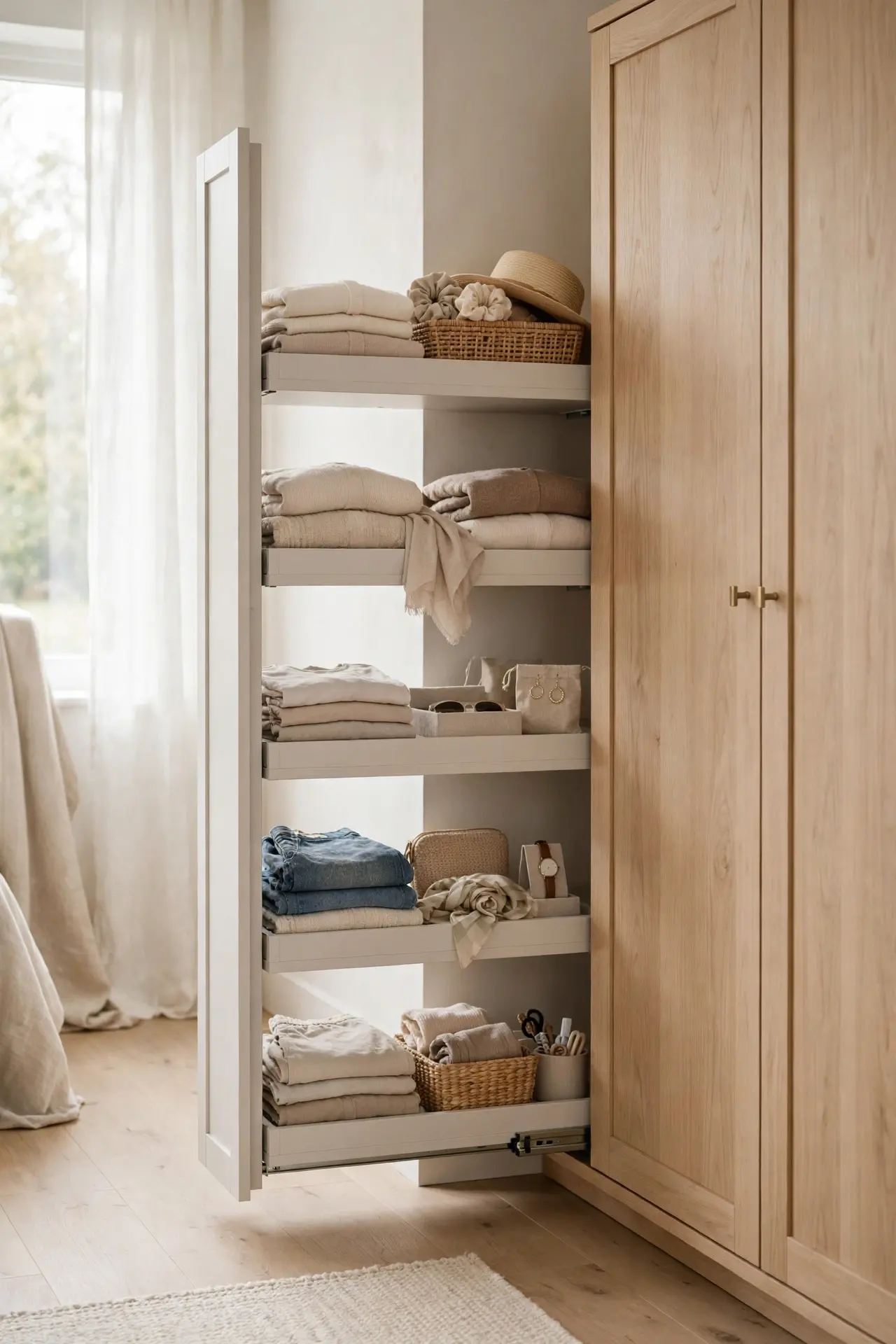
- Measure the narrow gap beside your wardrobe or between wall studs.
- Install a tall pull out unit on smooth drawer slides rated for the load.
- Organize contents by category so each pull reveals a tidy vertical pantry.
- Add small labels to the shelf edges for grab and go mornings.
Tall pull out towers turn six inch gaps into serious storage. They glide out to reveal shelves of folded clothes, accessories, or shoes in one smooth motion. I recommend soft close slides so the unit never slams. This trick rescues the narrow voids beside wardrobes that most people assume are simply wasted space forever.
Woven Basket Towers
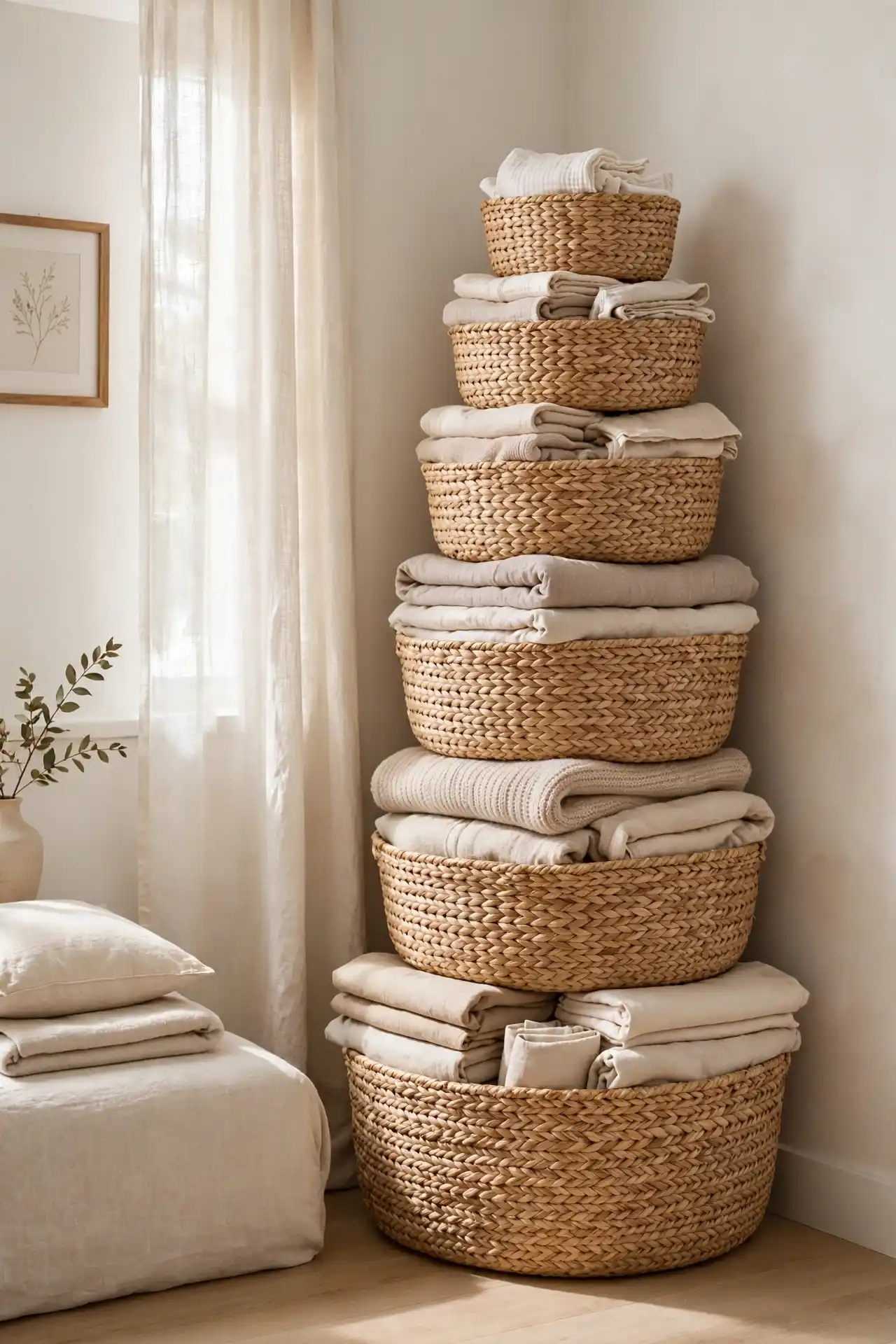
| Basket Size | Best Contents | Placement |
| Large deep baskets | Blankets and bulky sweaters | Bottom of tower |
| Medium baskets | Folded tees and pajamas | Middle shelves |
| Small shallow baskets | Socks and accessories | Top, easy reach |
A tower of woven baskets brings warm texture and serious sorting power to awkward corners. Each basket becomes a labeled drawer without any installation or tools. Stack them on a simple shelf unit or directly on the floor in a stable pyramid shape. The natural weave hides visual clutter while letting air circulate, which keeps stored clothes fresh and ready to wear. I recommend mixing basket sizes so bulky blankets and tiny accessories each get a proper home.
Pegboard Command Walls
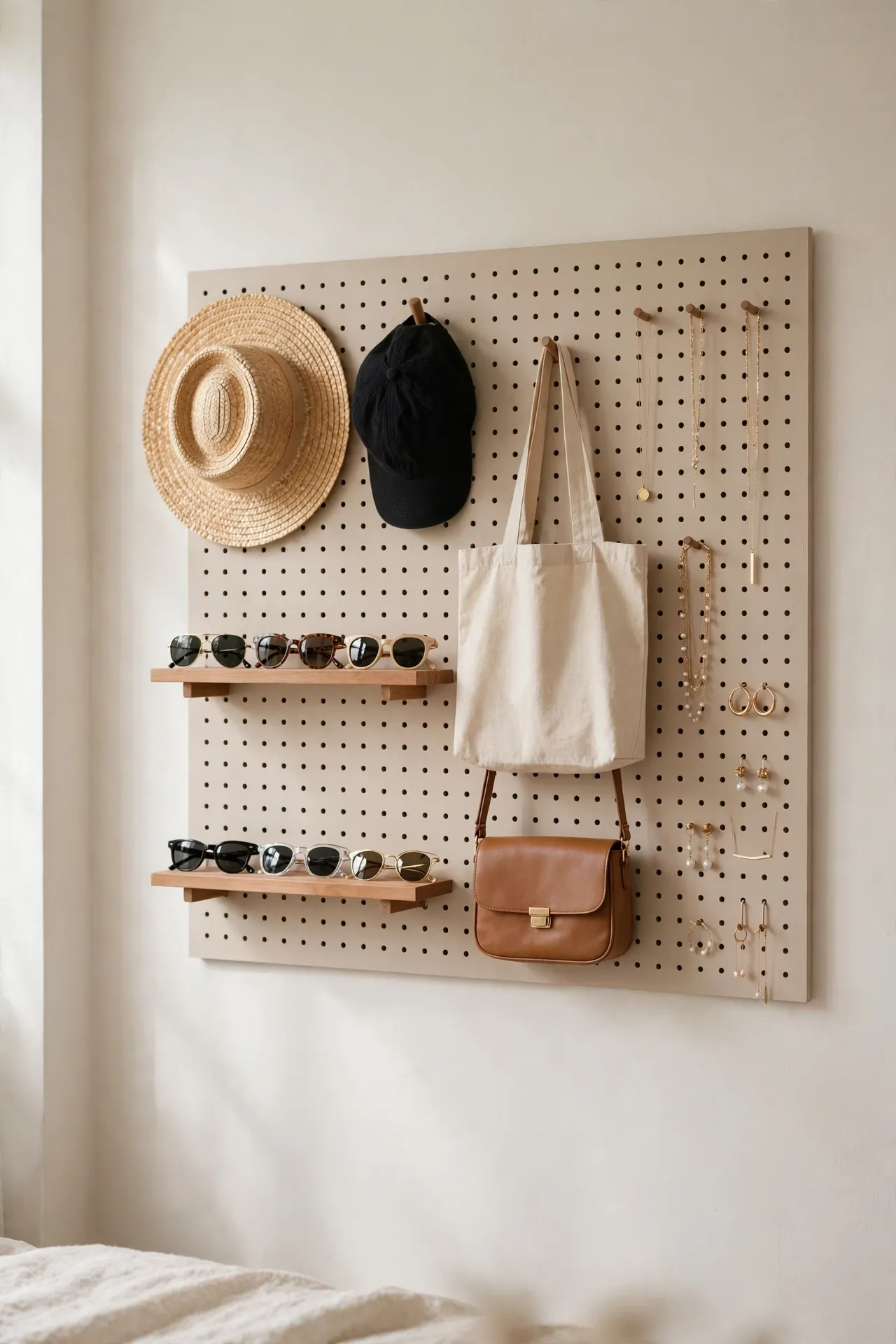
DO: Paint the pegboard to match your wall for a seamless built in look.
DO: Use a mix of hooks, shelves, and small bins for flexible storage.
DO: Rearrange the layout seasonally as your storage needs change.
DON’T: Overload one area, since uneven weight can pull anchors loose.
DON’T: Hang items deeper than six inches where they block walkways.
DON’T: Skip the frame, because raw edges look unfinished and snag clothes.
A pegboard wall turns any flat stretch into endlessly adjustable storage. Hooks hold hats, bags, and jewelry while small shelves catch sunglasses and watches. For more small space ideas that pair with this trick, see these narrow bedroom ideas for tight floor plans. Move pieces around whenever your routine shifts and the wall adapts with you.
Trunk End Benches
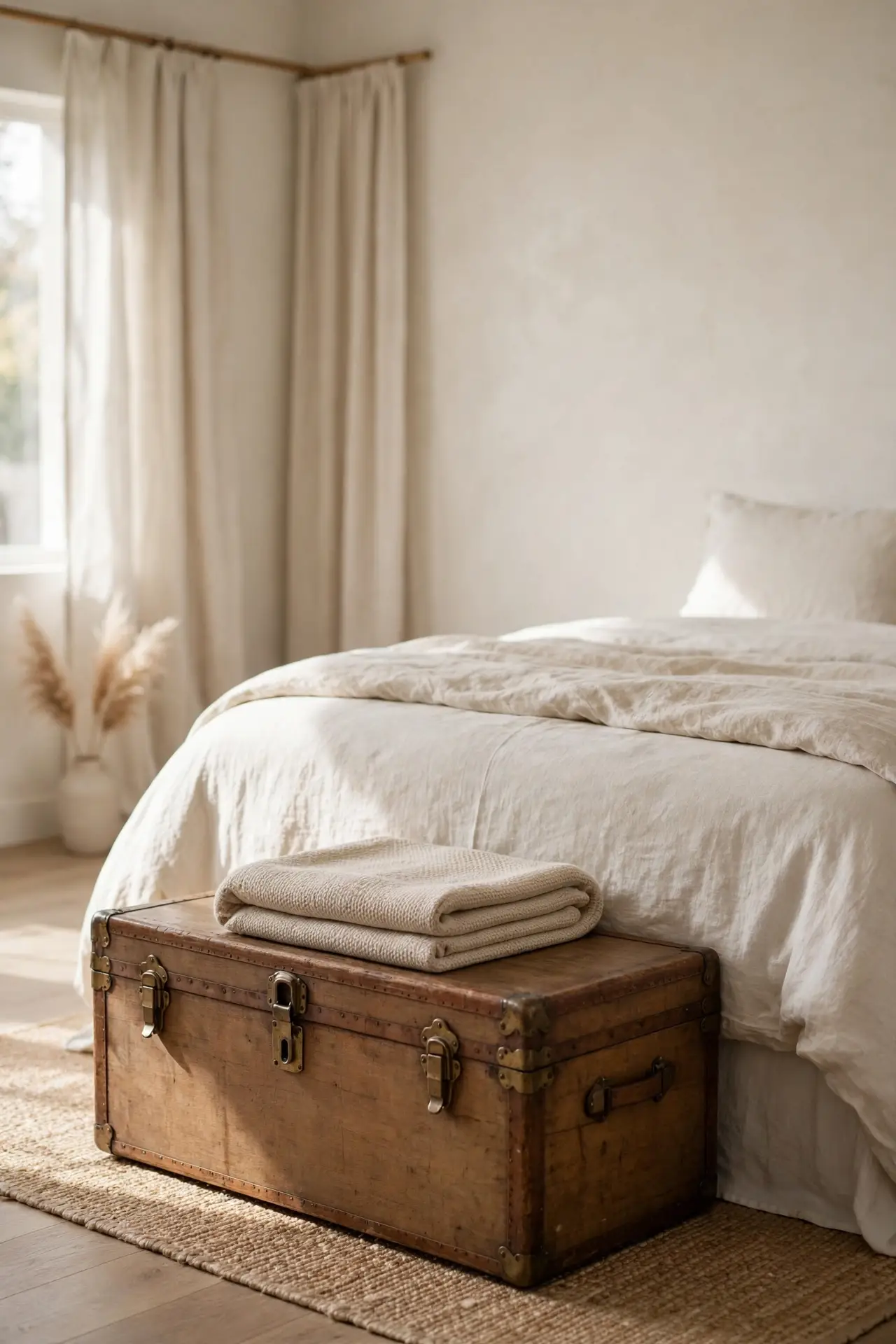
Cost: Medium | Time: One weekend to style | Skill Level: Beginner | Best For: Bulky bedding and off season clothes
A vintage trunk at the foot of the bed adds character while swallowing an impressive amount of stuff. Blankets, spare pillows, and off season clothes disappear inside its deep belly. Look for one with a flat top so it doubles as a bench for dressing each morning. Line the interior with cedar blocks to keep woolens fresh and moth free. It is beautiful storage that looks like decor and starts fun conversations with every single guest who sees it in your room.
Mirror Cabinet Storage
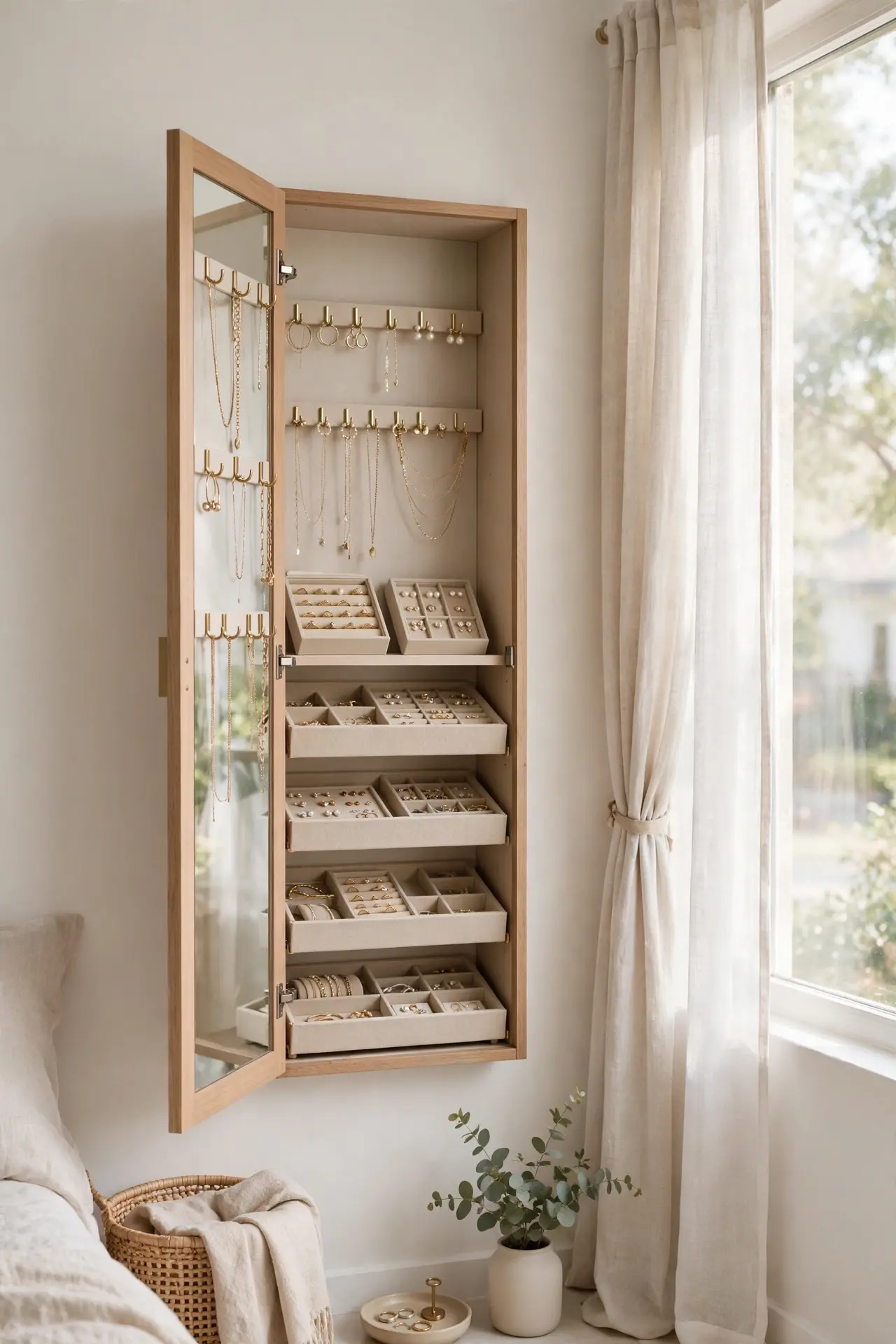
A full length mirror that opens into a cabinet doubles your wall’s usefulness in one slim profile. Necklaces hang tangle free on inside hooks while bracelets and watches rest in lined trays. The mirror still does its daily job of checking outfits, but now it hides a jewelry box worth of storage behind the glass. Guests never suspect a thing.
Hang it with two people and solid wall anchors, since loaded cabinets carry real weight. Position it near a window so getting ready happens in flattering natural light. I recommend a quick monthly wipe of both mirror and interior to keep everything sparkling. This single piece replaces a jewelry box, a standing mirror, and a tangle of chains on the dresser.
Curtain Covered Nooks
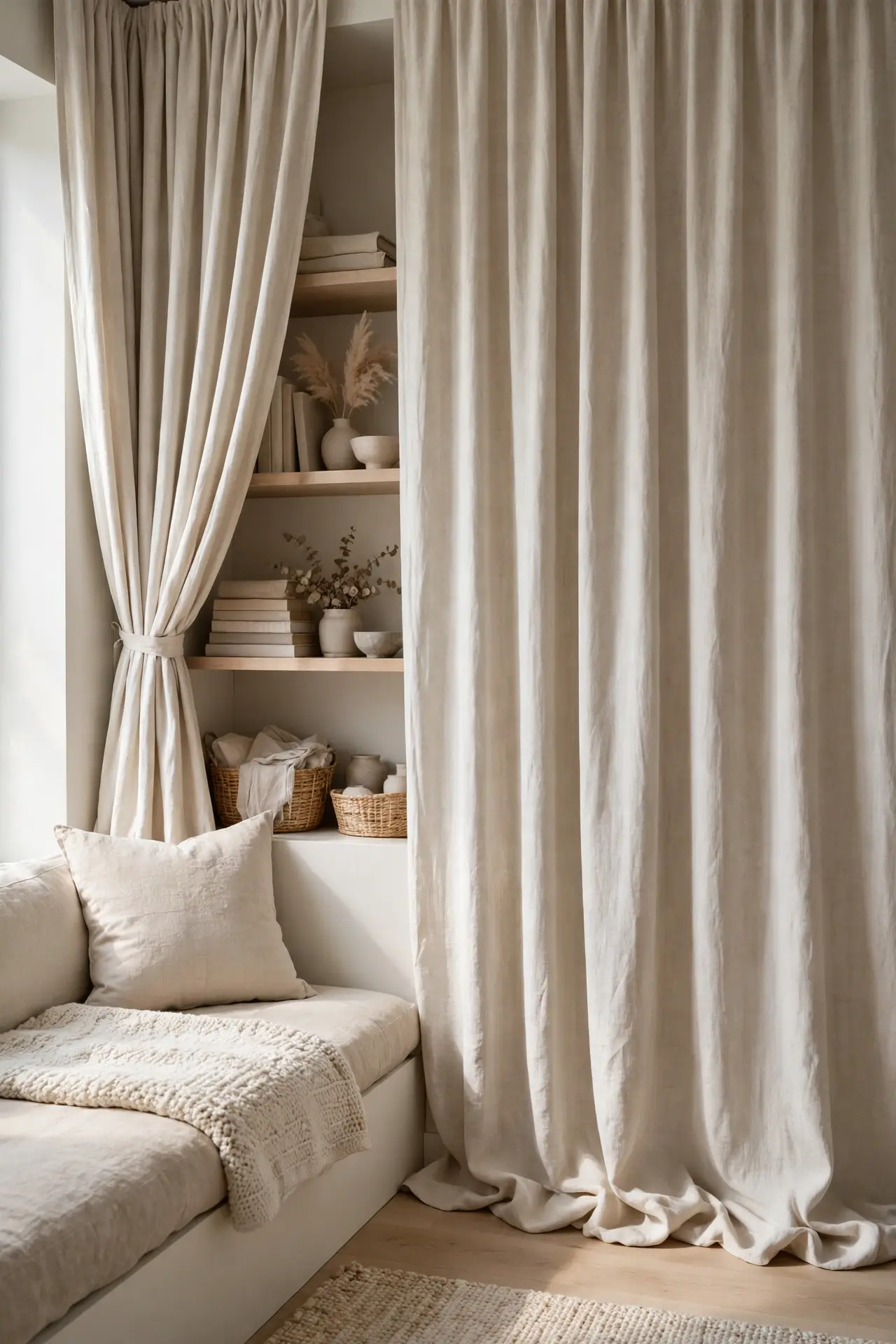
- Mount a tension rod or ceiling track across the nook opening.
- Choose floor length curtains in a fabric that matches your bedding.
- Hide open shelving, laundry hampers, or workout gear behind the soft drape.
- Pull curtains closed when guests visit for an instantly tidy room.
- Wash the curtains seasonally so the hidden zone stays fresh.
An awkward nook full of open shelves can look messy no matter how you organize it. A simple curtain transforms that visual chaos into a calm fabric wall. The hidden zone still holds everything, but your eye rests instead of racing. I have noticed this trick works especially well for laundry corners and exercise equipment that never looks pretty.
Stackable Cube Systems
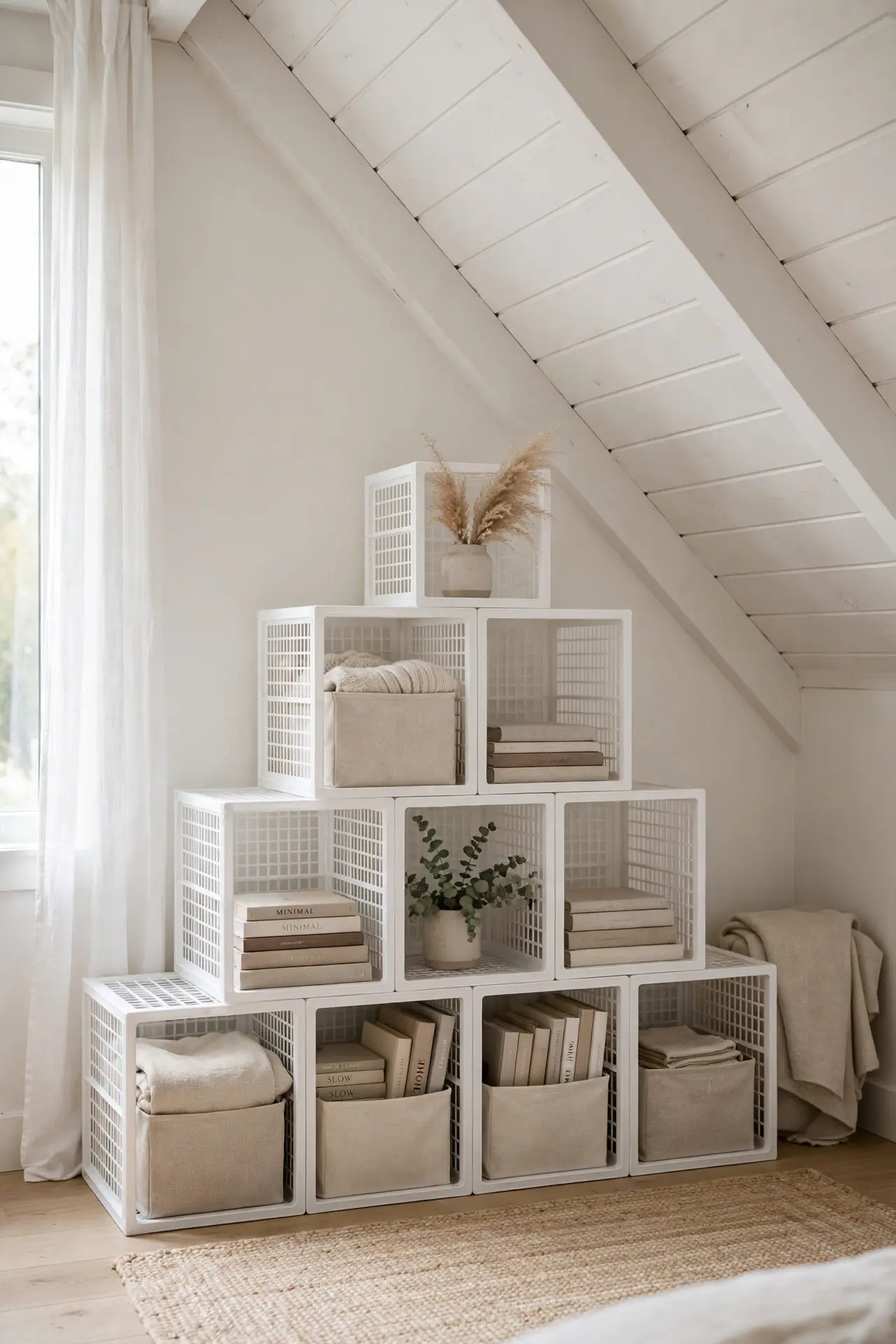
Quick Tip: Start with four cubes and add more only when you truly need them. Interlocking connectors keep tall stacks stable without wall anchors in most cases. Mix open cubes for display with fabric bins for hidden storage to balance looks and function.
Modular cubes grow with your needs and fit into L shaped corners that defeat regular furniture. Arrange them as a low bench, a tall tower, or a stepped pyramid under a sloped ceiling. Each cube holds a fabric bin, books, or folded clothes. The system adapts when you move, which makes it a smart pick for renters facing odd layouts.
Bedside Caddy Pockets
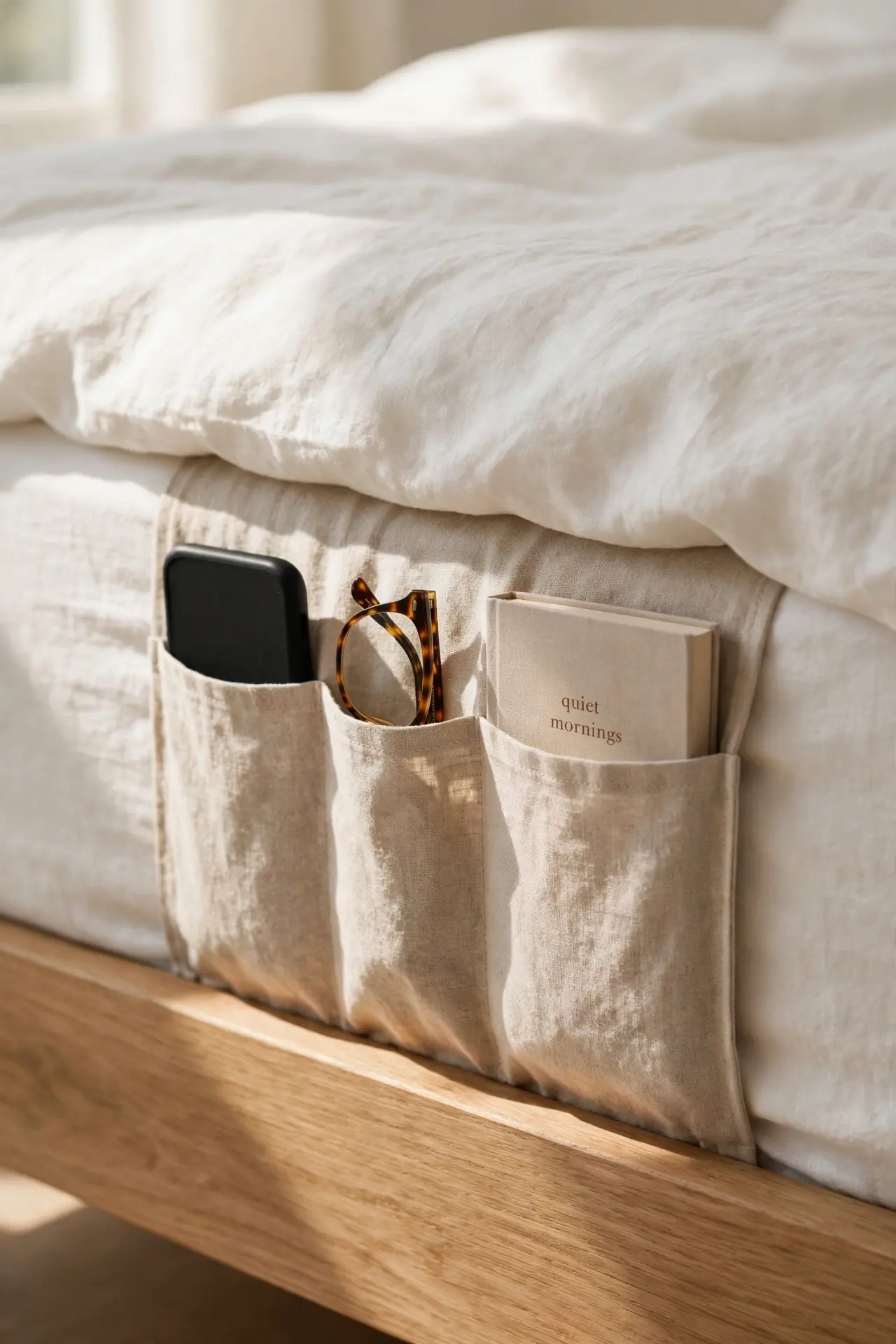
BEFORE: No room for a nightstand means phone, glasses, and book pile on the mattress edge. Things slide off at night and mornings start with a hunt under the bed. The bedside zone feels chaotic despite your best efforts.
AFTER: A fabric caddy tucked between mattress and frame holds every bedtime essential in labeled pockets. Your phone charges, glasses rest safely, and the book waits where you left it. The setup costs little and installs in seconds.
When floor space cannot fit even a slim nightstand, a bedside caddy saves the day. It slides between the mattress and frame with pockets hanging outside for easy reach. Choose one with a sturdy divider so items do not collapse together. This tiny organizer delivers nightstand function with zero footprint in tight bedrooms.
Tall Corner Towers
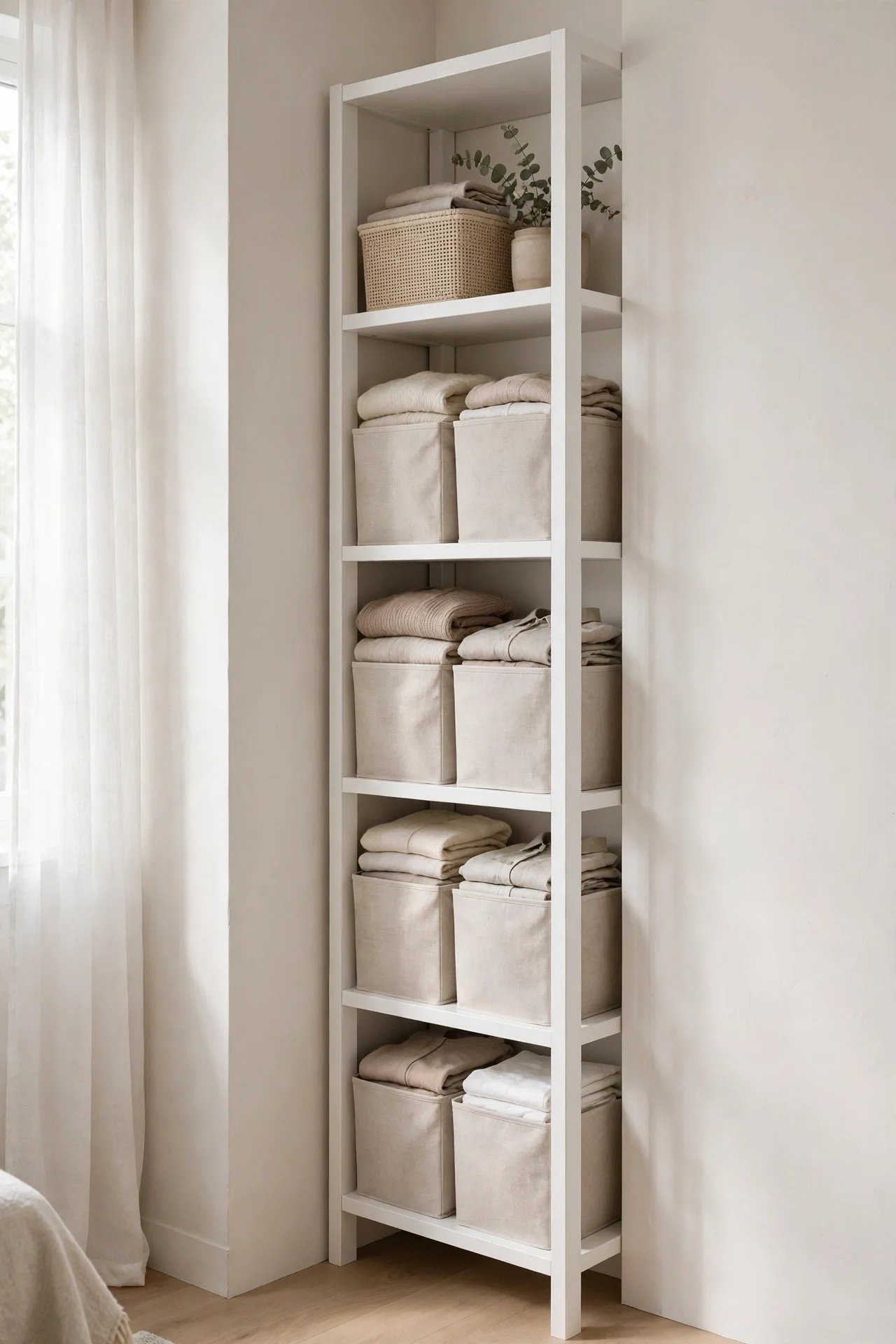
- Pick a narrow tower no wider than fourteen inches for tight corners.
- Anchor it to the wall so the tall profile cannot tip forward.
- Assign each shelf a category, with daily items at eye level.
- Use matching bins on upper shelves for a calm, uniform look.
Tall narrow towers exploit vertical space that awkward layouts often waste. A fourteen inch wide unit disappears into a corner while holding shoes, folded clothes, and baskets across five or six levels. I recommend closed bins on the top shelves where dust settles fastest. One tower can absorb the clutter of an entire messy dresser top.
Rolling Cart Stations
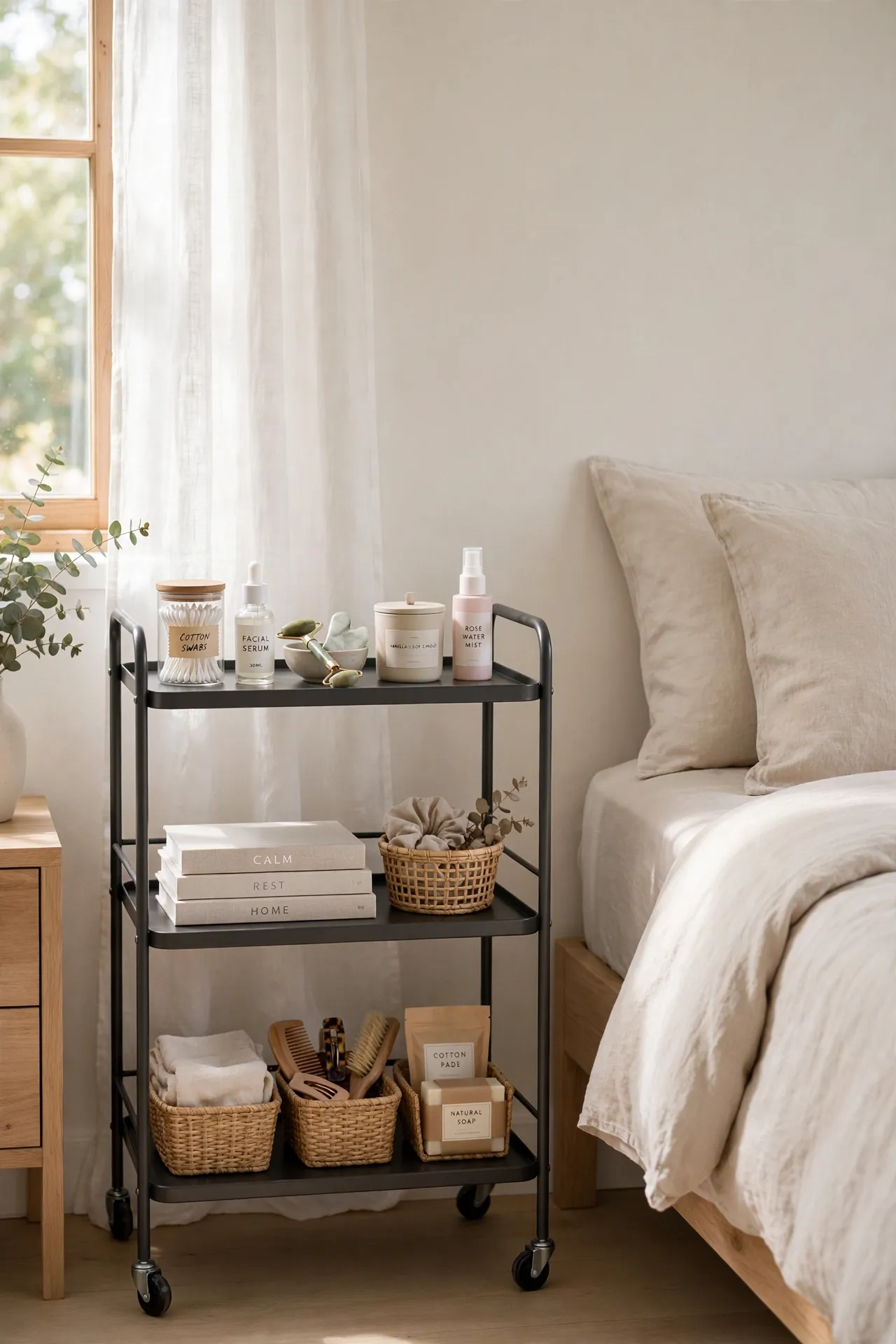
| Cart Tiers | Ideal Use | Best Spot |
| Two tier cart | Nightstand replacement | Beside the bed |
| Three tier cart | Craft or beauty station | Corner or alcove |
| Four tier slim cart | Wardrobe overflow | Narrow gaps |
A rolling cart goes wherever storage is needed and vanishes when it is not. Use one as a nightstand, a beauty station, or a mobile closet for accessories and scarves. The wheels lock for stability during use. I have seen this work well in many cases where renters cannot mount anything to walls. Roll it into a closet by day for a completely clear and wonderfully calm room.
Seasonal Swap Boxes
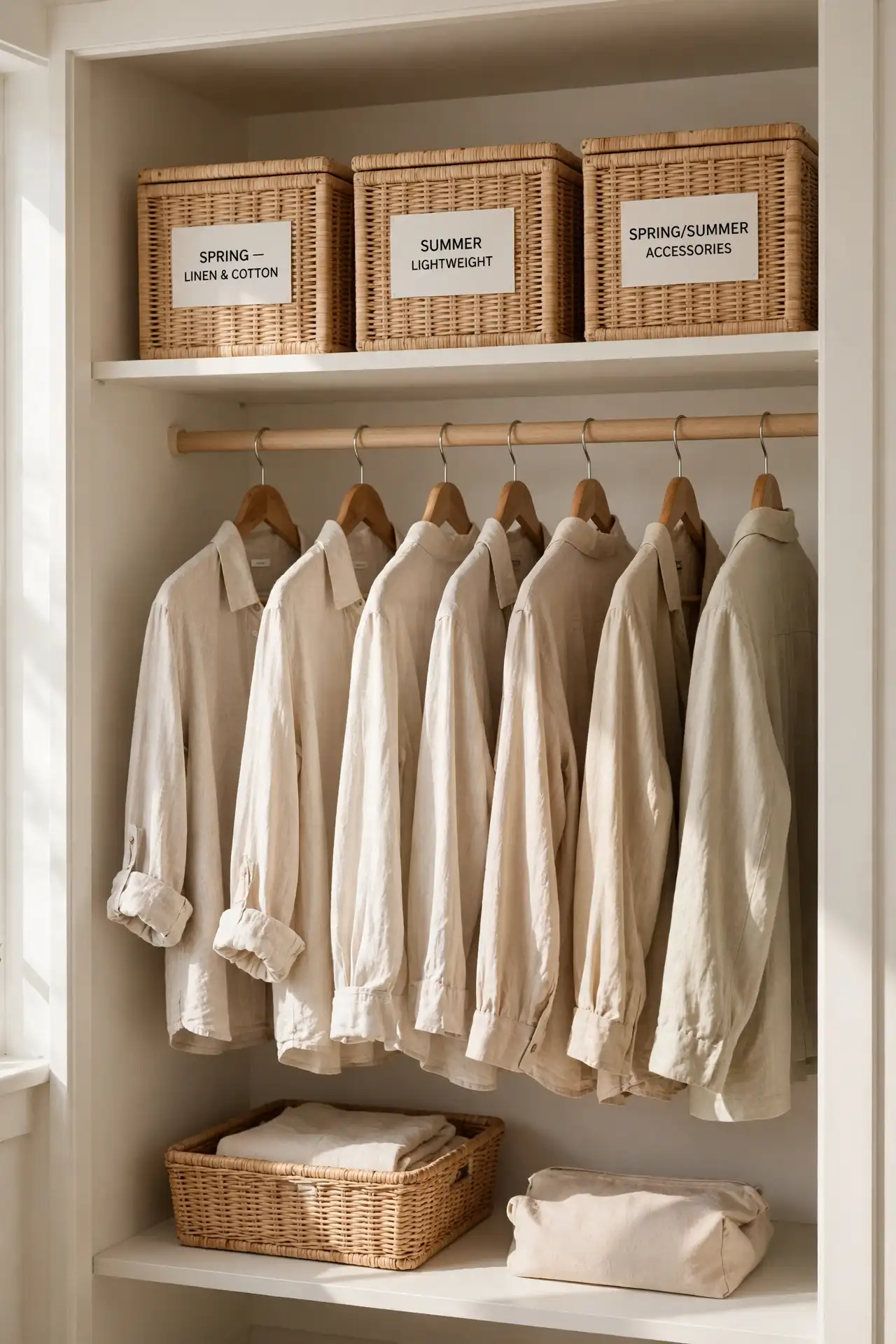
DO: Label every box clearly with contents and season.
DO: Store off season boxes in the hardest to reach spots.
DO: Purge one item for every new one added each swap.
DON’T: Mix seasons in one box, since that defeats the system.
DON’T: Use flimsy boxes that collapse under stacked weight.
DON’T: Skip the swap, because closets creep back to chaos fast.
Swapping seasonal clothes twice a year halves the storage your awkward bedroom must handle daily. Off season boxes live in the attic, under the bed, or atop wardrobes while current clothes breathe. Sturdy labeled bins make each swap take under an hour. Your closet stays workable year round instead of bursting at the seams every spring.
Conclusion
Your bedroom’s odd angles are not flaws, they are storage waiting to happen. These awkward layout bedroom storage ideas turn every alcove, slope, and corner into hardworking organization. I have seen how small changes like these can completely shift the way a space feels. Save your favorites on Pinterest, try one idea this weekend, and share your before and after with a friend who needs the inspiration.


2 Comments