22 Curved Furniture Interior Design Ideas for a Softer Look
Sharp corners run most homes, and after a while all those straight lines start to feel a little stern. The rooms that pull people in longest tend to share one secret: curved furniture interior design ideas that trade hard edges for gentle arcs. A rounded sofa back, an arched mirror, a table with no corners to catch your hip, each one quietly tells your body it can relax here.
Curves also change how a room moves. People drift around a round table instead of marching past it, and conversation settles in rather than bouncing off the walls. In my experience, one well chosen curved piece does more for warmth than a full repaint, and it pairs beautifully with the earthy mood of rust color living room inspiration when you want the softness to carry a little color too. The twenty two ideas ahead start big, then shrink to single weekend swaps.
Curved Sofa Centerpiece
Credit : Sharath G.
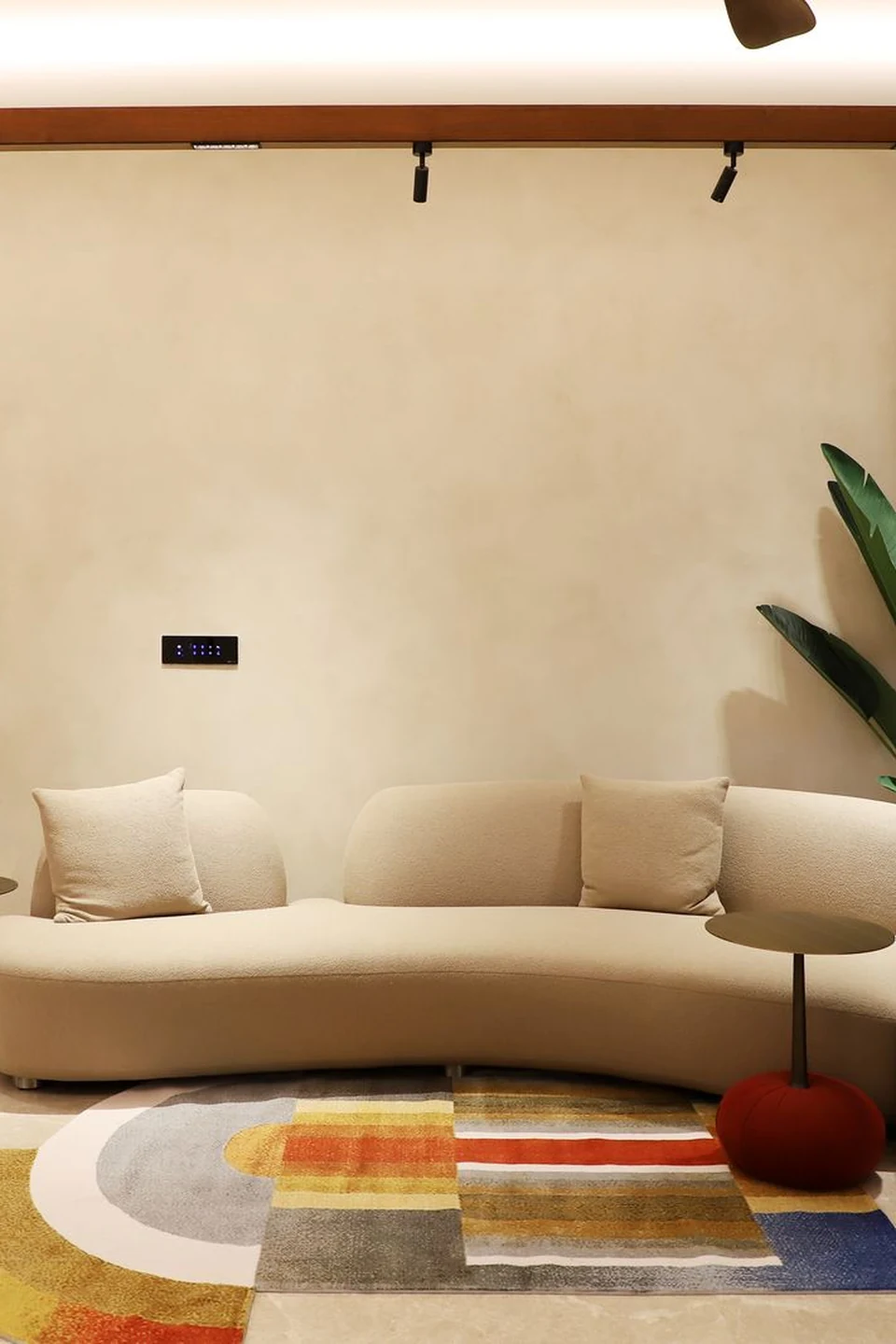
One sweeping arc can reset the whole mood of a living room. A curved sofa pulls every seat toward the middle, so conversation feels close instead of lined up in a row. The rounded back also reads like sculpture from behind, which makes it perfect for open plan spaces where the sofa floats in the middle of the room.
Keep the rest of the layout simple so the shape stays the hero. A round coffee table echoes the arc, a soft rug underfoot follows the same line, and low side tables keep the profile clean. I’ve noticed guests settle deeper into curved sofas, leaning into the bend like the furniture is giving them permission to stay longer.
Boucle Chair Softness
Credit : Pavel Morillo
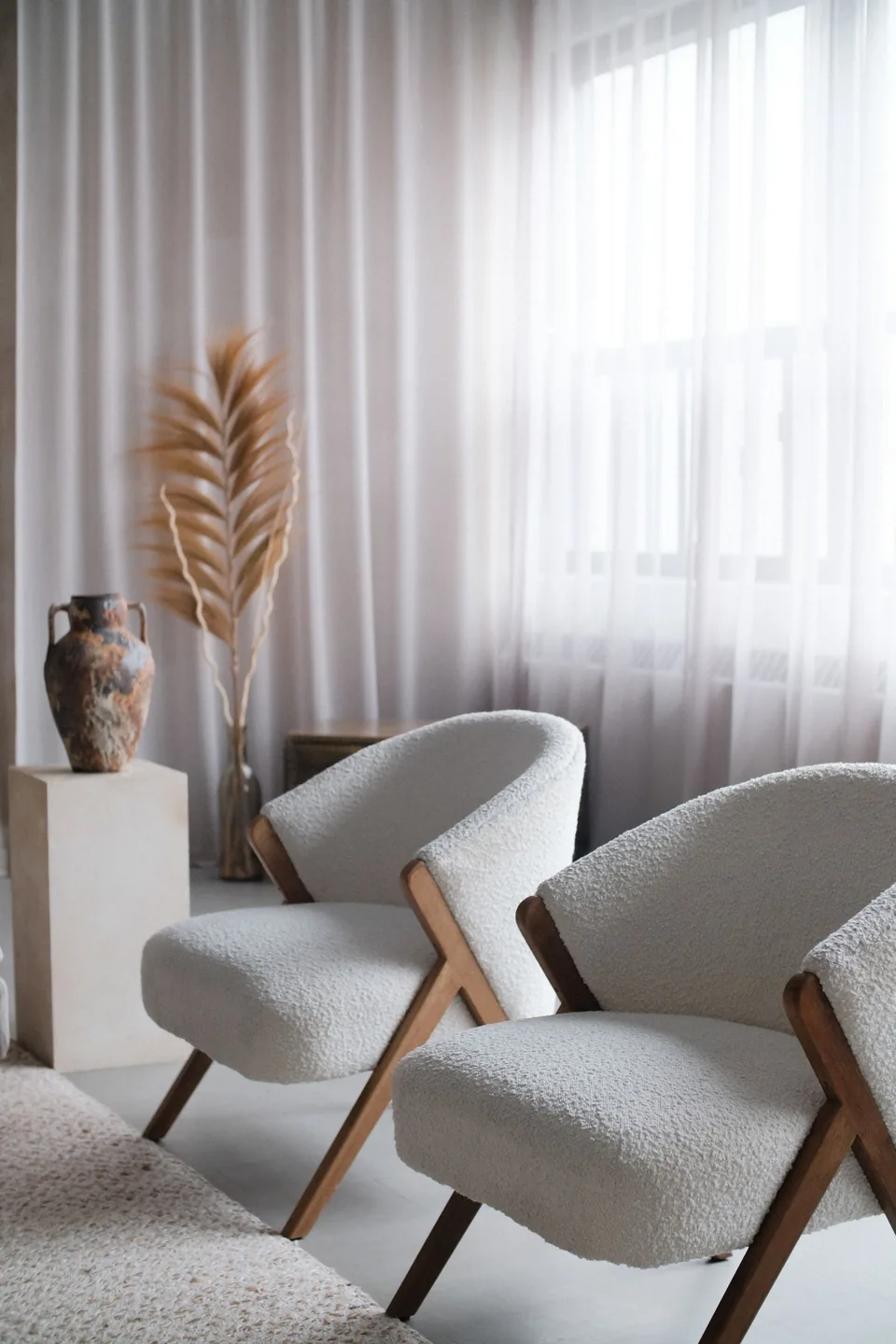
- Shape first: a barrel silhouette wraps the sitter, so the chair feels like a hug.
- Fabric matters: looped boucle hides wear and turns one chair into the texture anchor of the room.
- Placement counts: angle the chair toward the sofa instead of squaring it to the wall, and the corner starts a conversation.
- Scale check: keep the seat height close to your sofa height so the pairing looks planned, not collected by accident.
A single boucle chair softens a boxy seating plan faster than any cushion swap. Set it where a straight chair used to sit and the whole corner loosens up. In my experience, these chairs become the seat everyone quietly competes for, especially with a small table close enough for a mug and a book.
Arched Mirror Magic
Credit : Polina
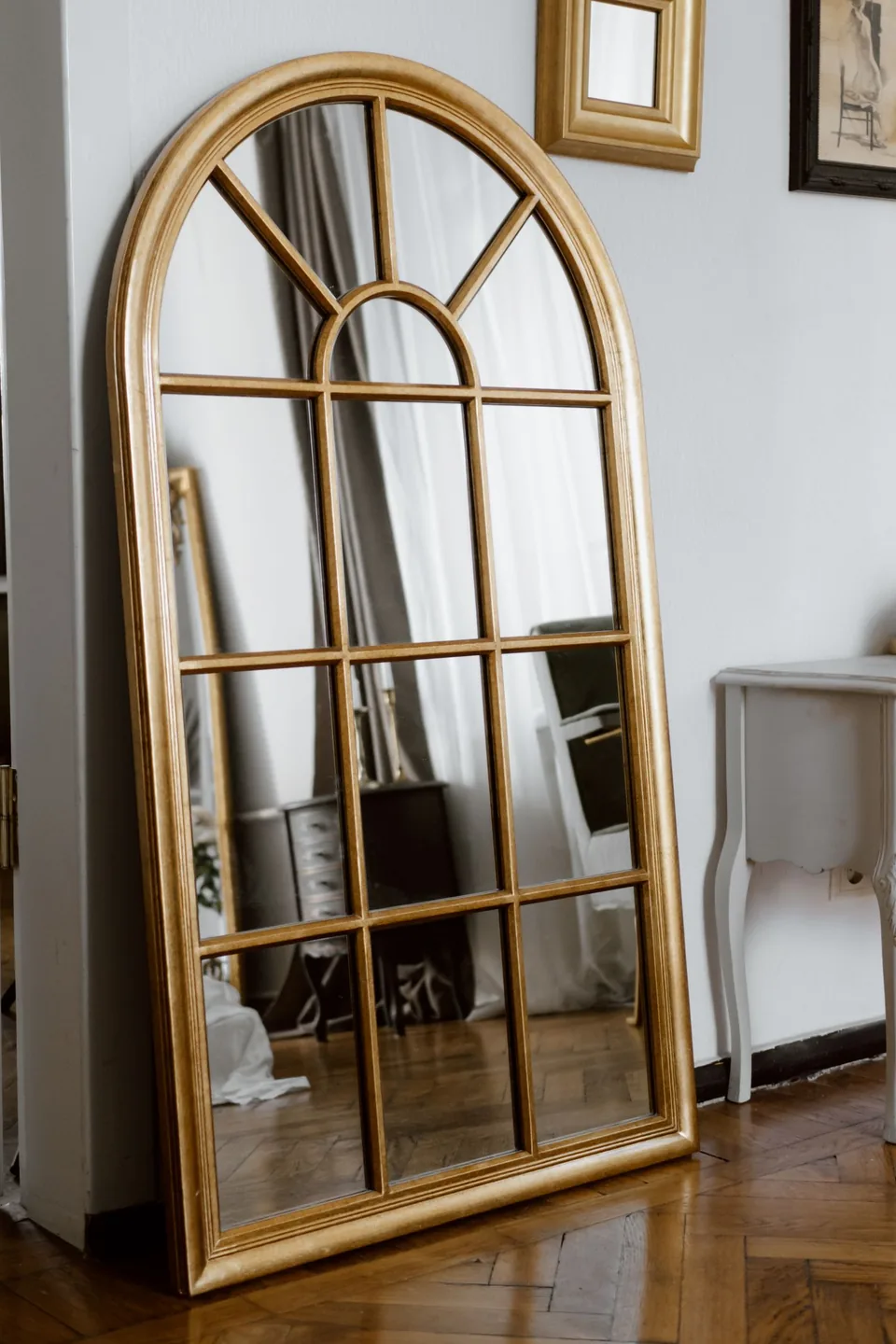
Quick Tip: Lean a tall arched mirror against the wall instead of hanging it flat. The slight angle catches more light, the base feels grounded, and the arch reads like a doorway to somewhere calmer. Anchor it with a small plant or bench so the lean looks deliberate.
Mirrors already earn their keep by doubling light, but the arched top adds something a rectangle never can: a hint of old architecture. It suits renters because nothing about it feels permanent, yet guests always assume it was chosen by someone with a plan. That’s why many designers reach for arches first in narrow halls.
Boxy Corners To Curves

Credit : Dmitry Zvolskiy
BEFORE: The corner held a square armchair pushed flat against the wall, a boxy side table, and a floor lamp standing stiff in the gap. Every line pointed somewhere else, and nobody ever sat there for longer than it took to tie a shoe.
AFTER: A curved loveseat now hugs the corner, a round table fills the bend, and an arched lamp leans over the seat like it is listening in. The same square footage suddenly hosts long morning coffees and end of day unwinding.
Nothing structural changed, which is the real lesson. Curves are a styling tool, not a renovation. Swap one angular anchor piece, echo its arc twice more in smaller pieces, and a room that felt like a waiting area starts feeling like a retreat.
Layering Curves Roomwide

Credit : Furknsaglam
What You Need: One curved anchor, two smaller arcs, one round textile.
- Start with the largest arc, usually the sofa, and let it set the direction everything else follows.
- Add a round or oval anchor underfoot, since a curved rug outline teaches the eye the language fast.
- Repeat the shape at mid height with a round table, a barrel chair, or a curved console.
- Finish high with an arched mirror or scalloped trim so the rhythm reaches the ceiling.
One curve is a statement, but three curves at different heights become a system. The eye starts travelling in loops instead of bouncing between corners, and the room feels calmer without anyone naming why. Keep colors quiet while layering shapes, then add bolder tones once the rhythm settles.
Curved Versus Straight Lines

Credit : Atul Mohan
| Aspect | Curved Pieces | Straight Pieces |
|---|---|---|
| Room feel | Soft, welcoming, relaxed | Crisp, formal, ordered |
| Movement | Guides people around gently | Channels people in lines |
| Best for | Gathering, lounging, kids | Work zones, storage walls |
| Pairs with | Boucle, linen, warm wood | Metal, glass, sharp art |
Most good rooms use both. Straight lines give structure to shelves, desks, and storage, while curves handle the pieces people touch and gather around. The trick is ratio: let curves lead in seating zones and keep lines in charge where tasks happen, and the two languages stop competing. Start by counting what you own; most homes discover they are ninety percent lines, which makes the first curve feel braver than it is.
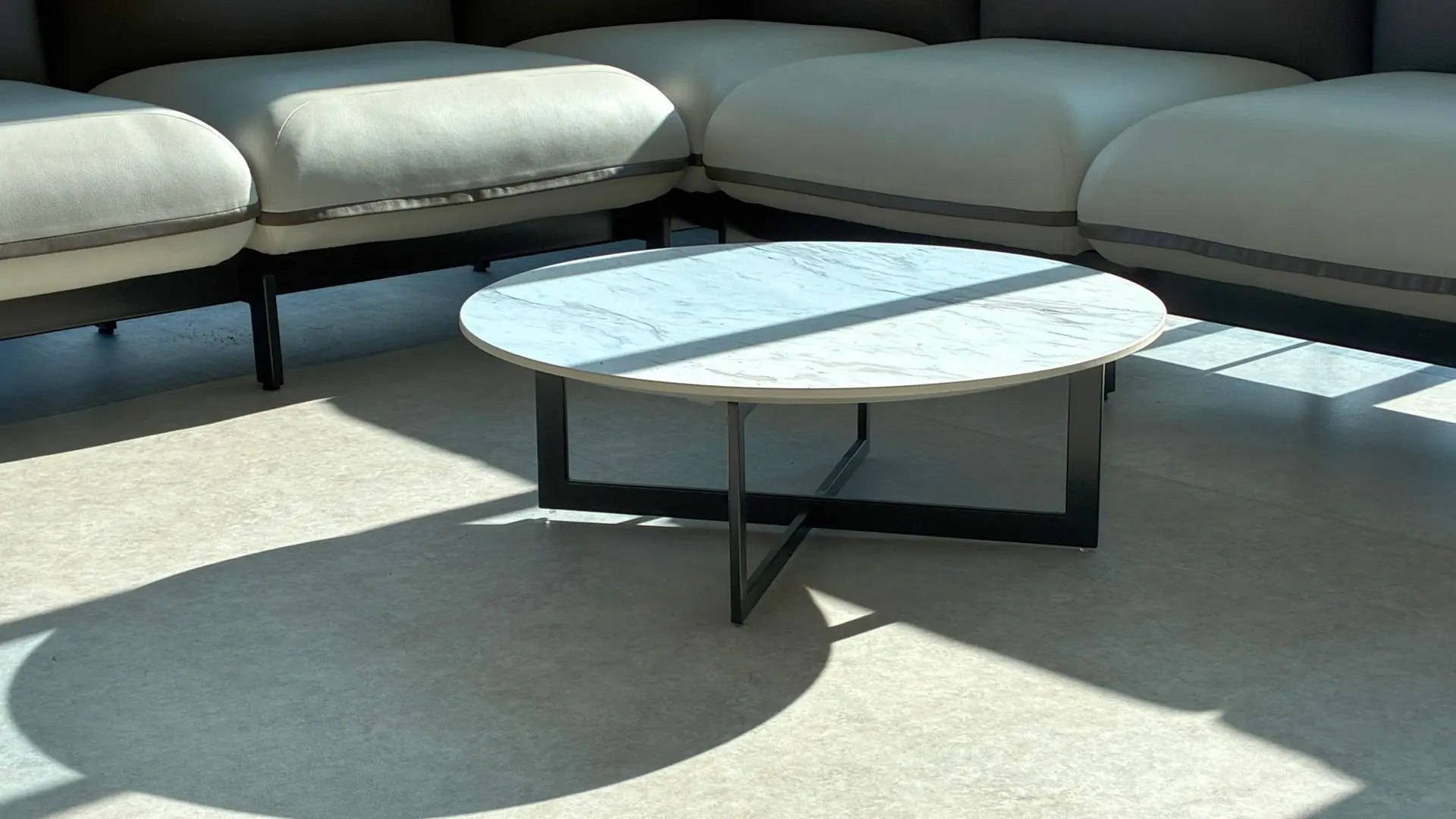
Round Coffee Table Flow
Credit : Karola G
Do:
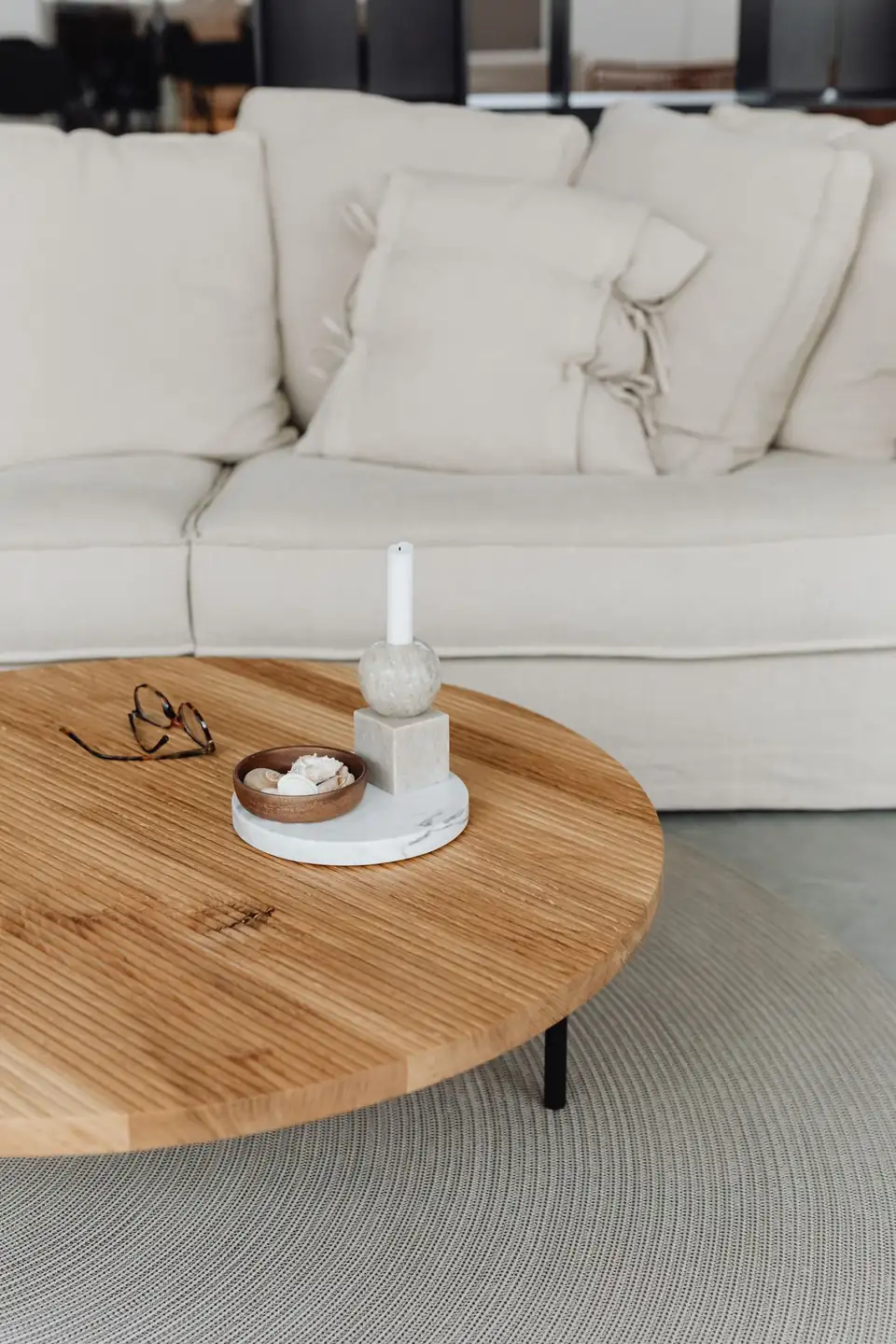
- Leave a clear ring of space around the table so knees never negotiate with an edge.
- Pick a diameter everyone can reach without standing up.
- Style in threes: one plant, one stack of books, one small bowl keeps the surface calm.
Don’t:
- Push a round table into a corner, where half its shape and all its flow get wasted.
- Pair it with a square rug that fights the circle at every border.
- Choose glass if small kids visit often, since fingerprints announce themselves hourly.
Walkways tell the truth about a room. Around a round table, people drift in smooth loops, drinks in hand, never sidestepping a corner. I’ve seen this work well in many cases where the seating felt cramped before, even though the new table was no smaller.
Arched Doorway Drama
Credit : HONG SON
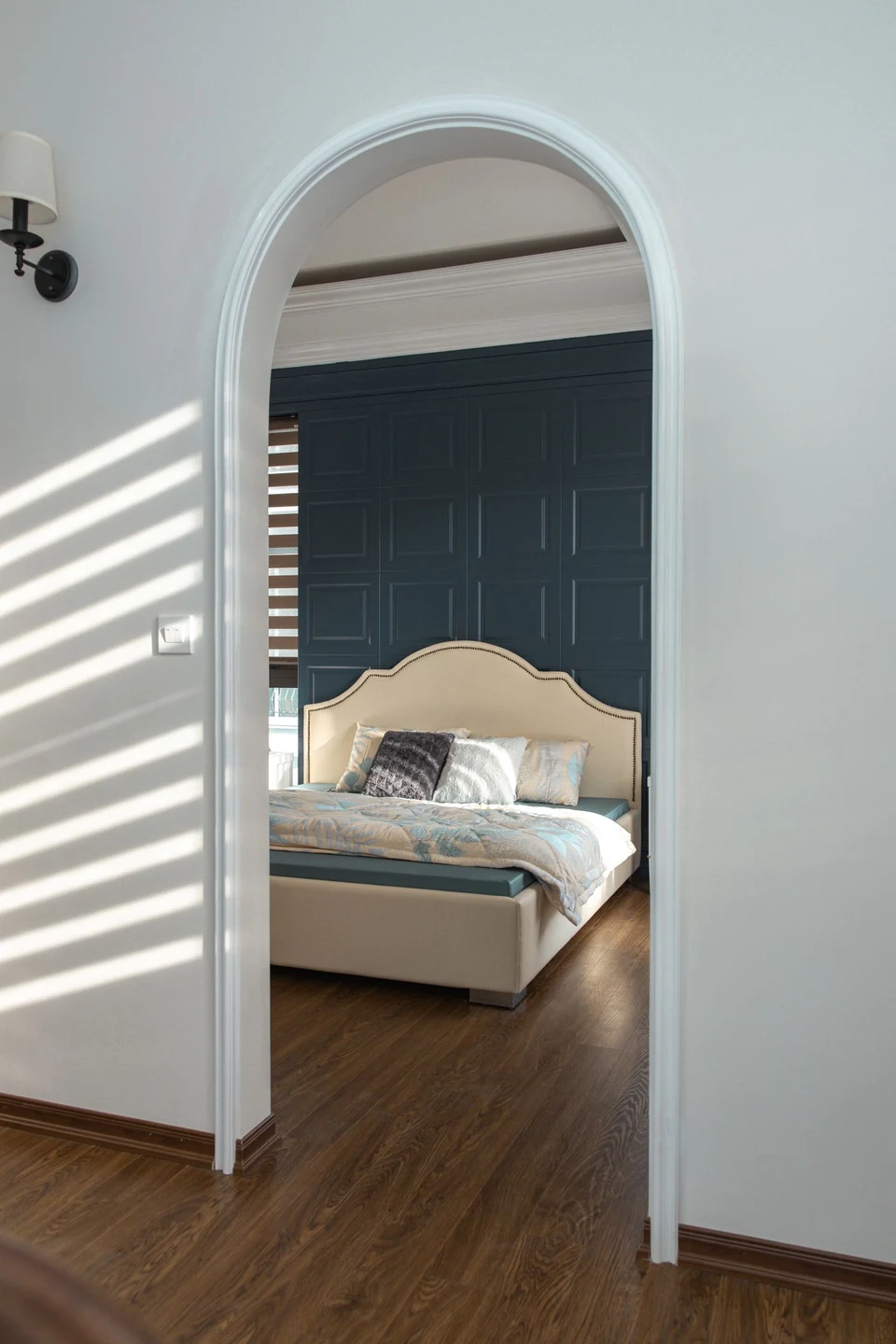
Cost: Moderate if you are reshaping an existing opening, low with an arch trim kit over a standard doorway. Time: A weekend for trim work, longer for plaster changes. Skill Level: Confident DIY or a good carpenter. Best For: Open plan homes that feel like one big echoing box.
An arch changes how a home sounds and feels before it changes how it looks. The curved opening slows you down at the threshold, frames the room beyond like a picture, and softens the echo that rectangular openings bounce around. Even a shallow arch, added as trim, delivers most of the effect.
Wavy Headboard Bedroom Calm
Credit : Max Vakhtbovych
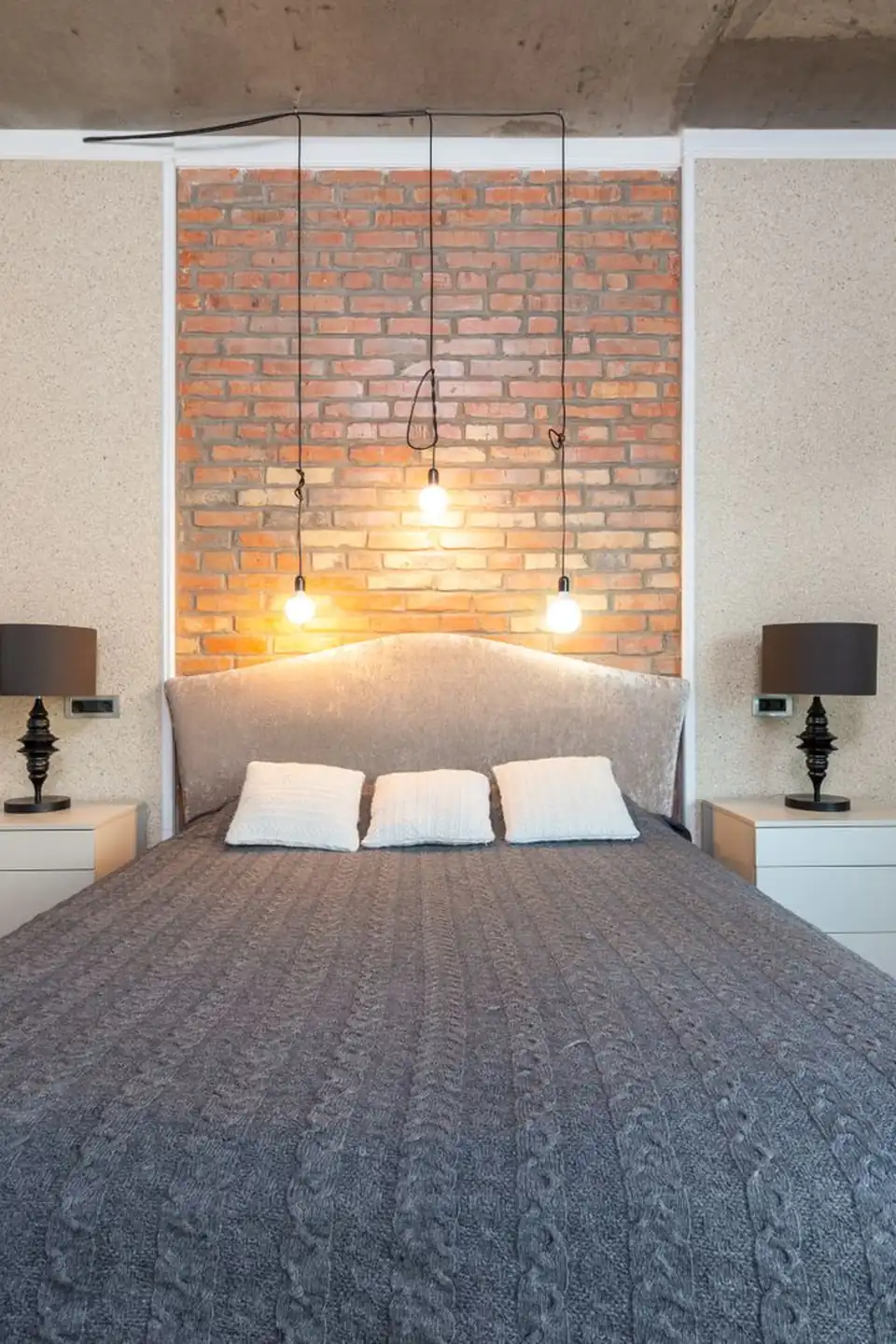
Bedrooms ask for softness more than any other room, and a wavy headboard answers before you even climb in. The rolling top edge breaks the biggest straight line in the room, the bed itself, and turns it into a landscape. Against plain walls, that single wave does the work of artwork, paneling, and paint combined.
Restraint around it matters. Keep bedding plain, lamps curved, and colors close to the calm end of the palette, and the whole room exhales. It is the same gentle logic behind taupe and cream bedroom decor, where soft shapes and softer colors share one goal. Among all the curved furniture interior design ideas in this list, this is the one guests ask about first.
Curved Kitchen Island Ease
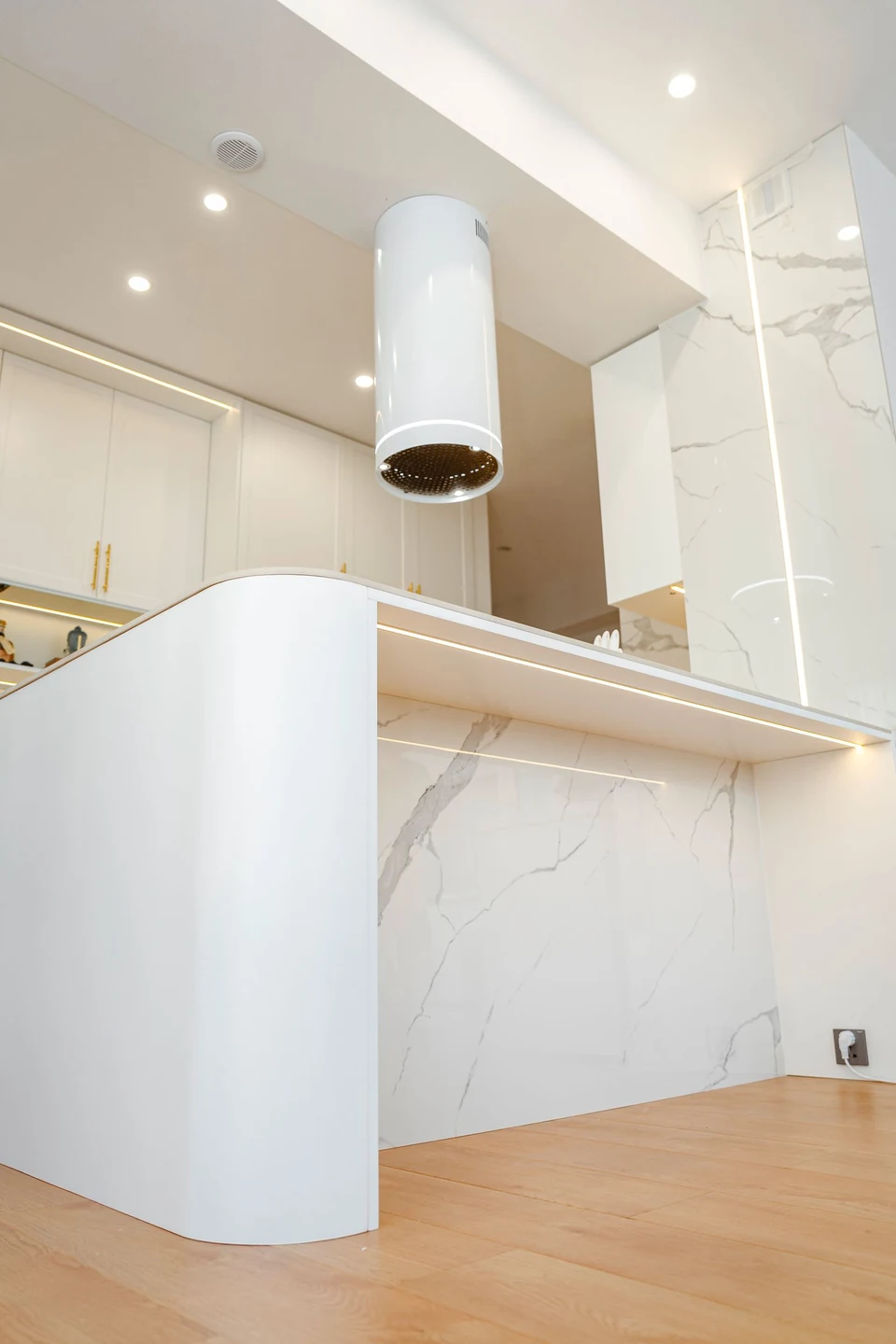
Credit : Bilguun Gantumur
- Flow first: a rounded island end removes the corner everyone clips with a hip while carrying hot pans.
- Seating bonus: stools tuck around the curve in a gentle fan, so breakfast chat feels like a cafe corner.
- Stone choice: waterfall edges look stunning on a curve, but a simple rounded bullnose edge keeps costs friendlier.
- Small kitchens count too: even one rounded end on a short island changes how the whole room moves.
Kitchens are full of hard materials, which is exactly why one curve lands so well there. The island stops feeling like a workbench and starts feeling like furniture. Pair it with round stools and a soft runner, and the busiest room in the house gains a little grace.
Barrel Chair Reading Nook
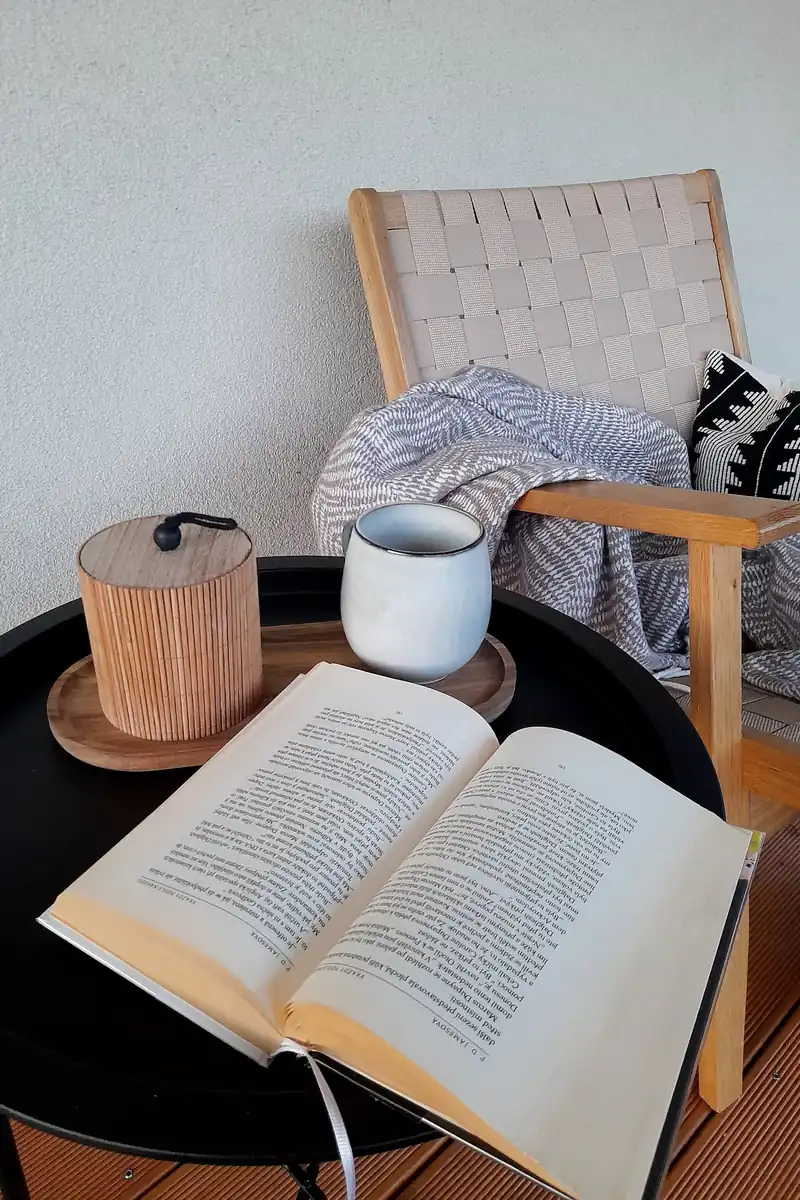
Credit : Misa S.
Quick Tip: Face a barrel chair slightly toward the room instead of square to the wall. The curved back creates a small sheltered pocket behind the sitter, conversation stays possible, and the nook reads as an invitation rather than leftover furniture parked in a corner.
Reading nooks fail when the chair feels exposed. A barrel shape fixes that by wrapping three sides of you at once, so the body relaxes before the book even opens. Add a lamp that arcs overhead and a table within easy reach, and ten spare minutes start turning into chapters. The pocket of calm holds even when the rest of the house is busy around it.
Harsh Angles To Arches
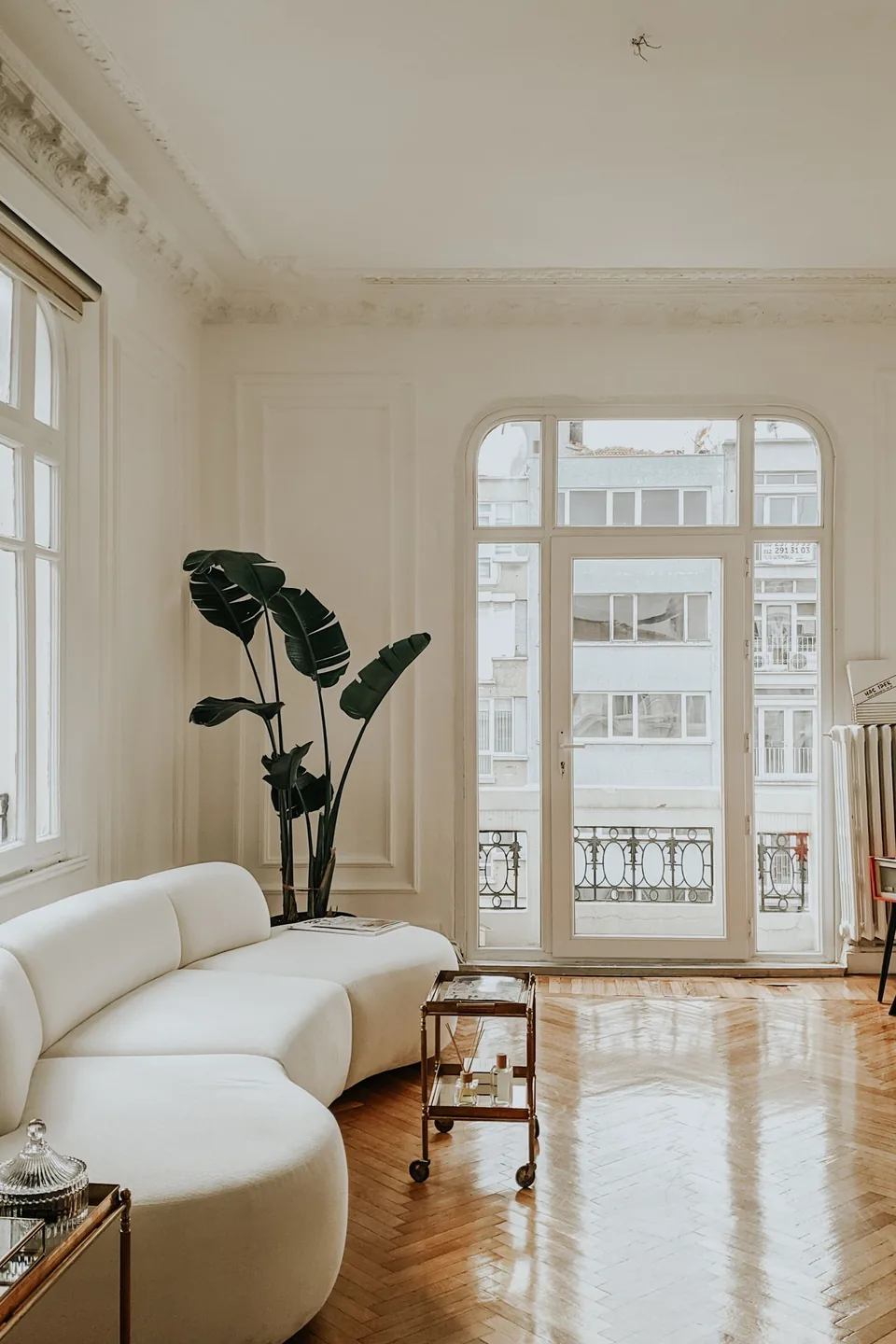
Credit : Furknsaglam
BEFORE: The room was a grid. Rectangular bookcase, square side tables, a stiff sofa lined against the wall, and a mirror with corners sharp enough to argue with. It photographed well and felt like a showroom nobody wanted to sit in.
AFTER: An arched bookcase now crowns the shelving wall, the mirror went round, and a curved chair angled into the corner broke the grid. The sofa stayed, but everything around it learned to bend, and the room finally feels inhabited.
Wholesale replacement was never the plan. Three arched or rounded swaps did the heavy lifting while the big straight pieces stayed put. That balance keeps the budget sane and the room grounded, proof that softness is mostly about editing, not shopping.
Mixing Curves With Lines
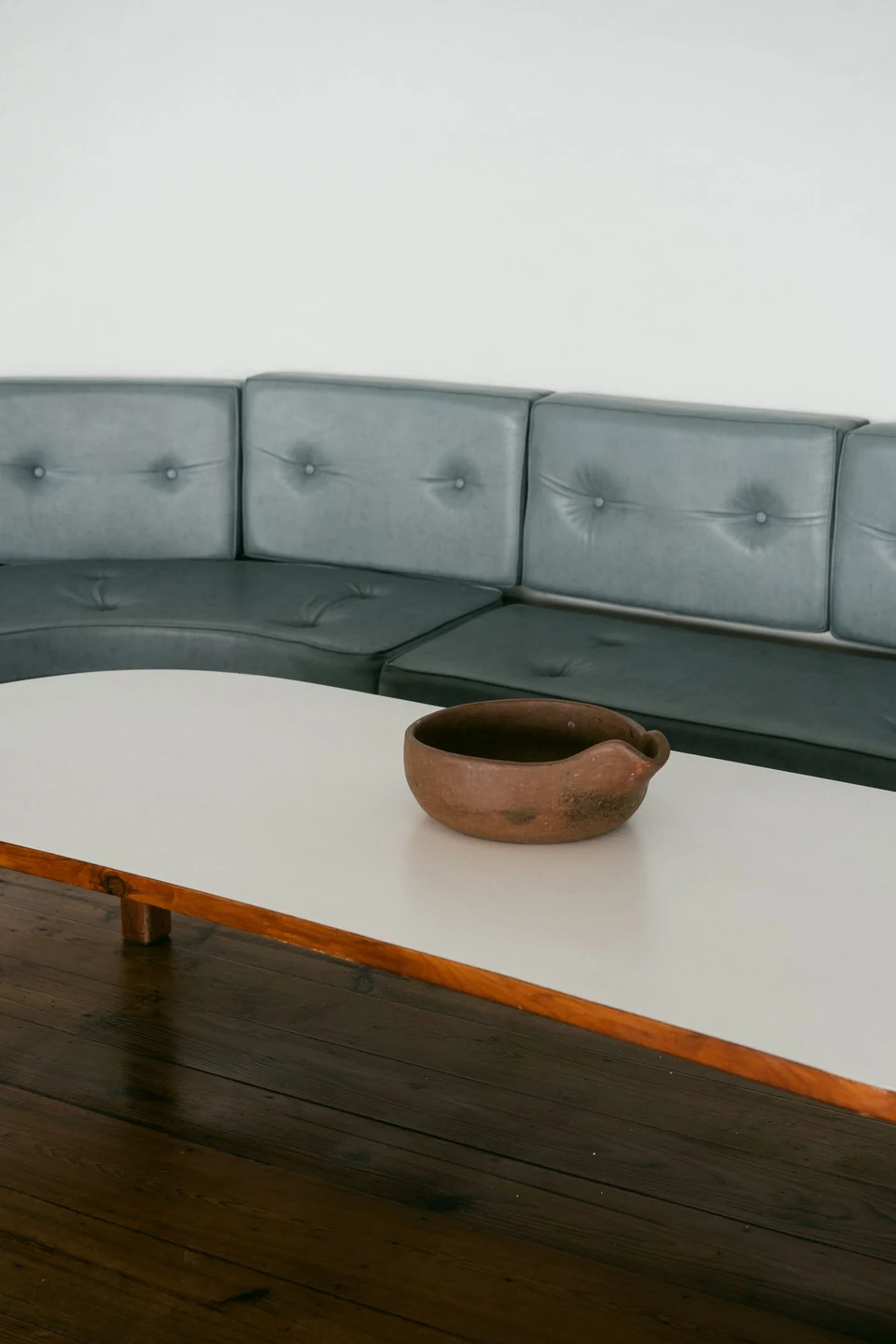
Credit : alleksana
What You Need: A tape measure, painter’s tape, one straight anchor piece.
- Let one family lead: aim for roughly two thirds curves in lounging zones, lines holding the rest.
- Anchor curves with something straight, like a curved sofa facing a clean lined media wall for contrast.
- Repeat each language at least twice, so a lone arc or a lone rectangle never looks like an accident.
- Bridge the two with textiles: a round rug under straight legs, or a striped throw across a curved back.
Pure curves can drift toward theme park, and pure lines can feel like an office. The mix is where rooms get interesting. In my experience, the bridge is texture: wood, woven baskets, and fabrics speak both languages fluently and keep the blend from looking calculated.
Round Versus Rectangular Tables
Credit : Tiana
| Aspect | Round Table | Rectangular Table |
|---|---|---|
| Seats | Flexible, squeezes one more | Fixed by length and corners |
| Conversation | Everyone faces everyone | Ends can feel distant |
| Space fit | Loves small or square rooms | Loves long, narrow rooms |
| Edges | None, kind to hips and kids | Four corners to navigate |
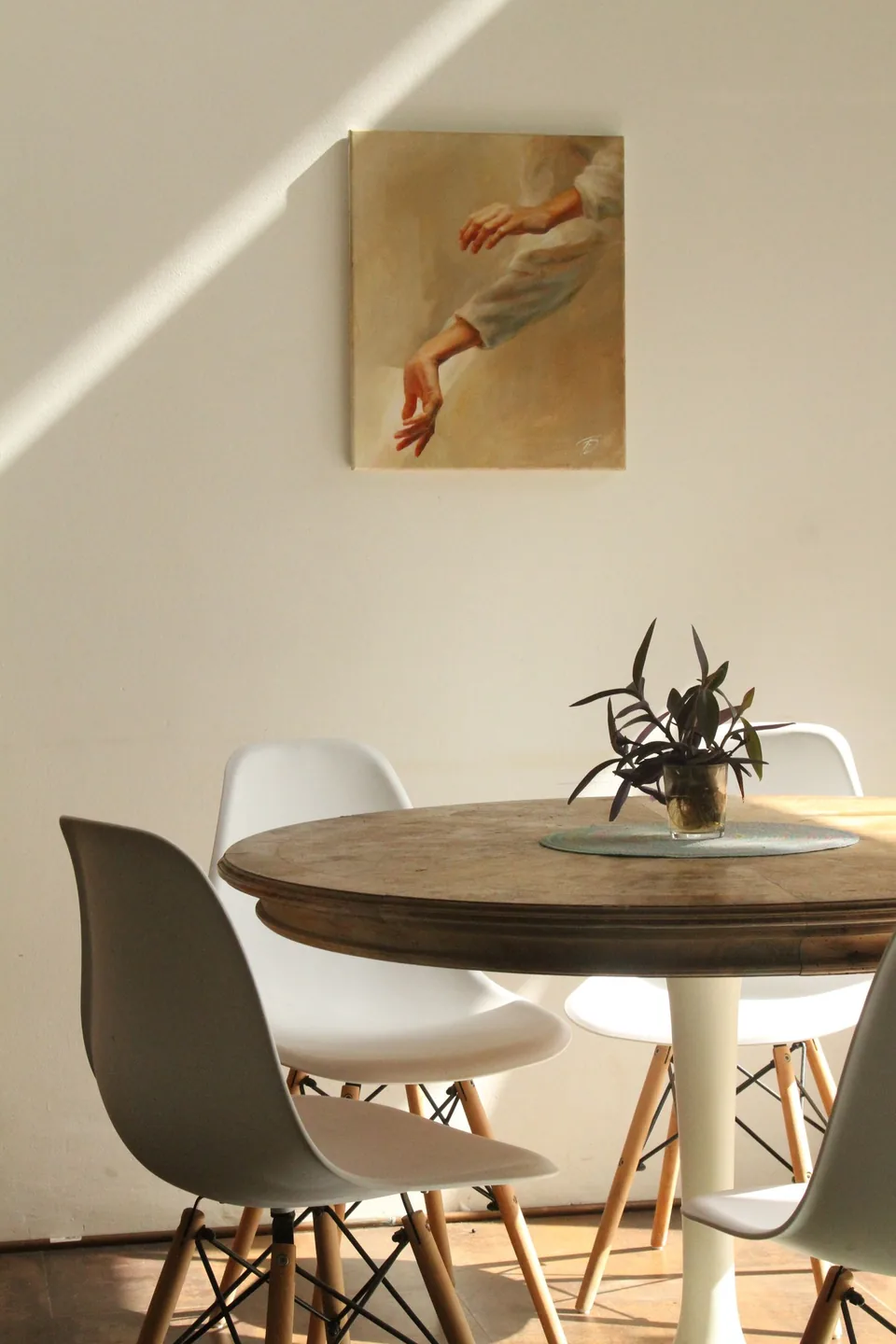
The honest answer is that room shape decides first. Square rooms and small dining nooks almost always vote round, while long rooms stretch happily around a rectangle. If your heart wants round in a long room, an oval splits the difference and keeps the no corner promise. Measure first, then tape both outlines on the floor and live with each for a day before deciding.
Curved Shelving Styled Right
Credit : hello aesthe
Do:
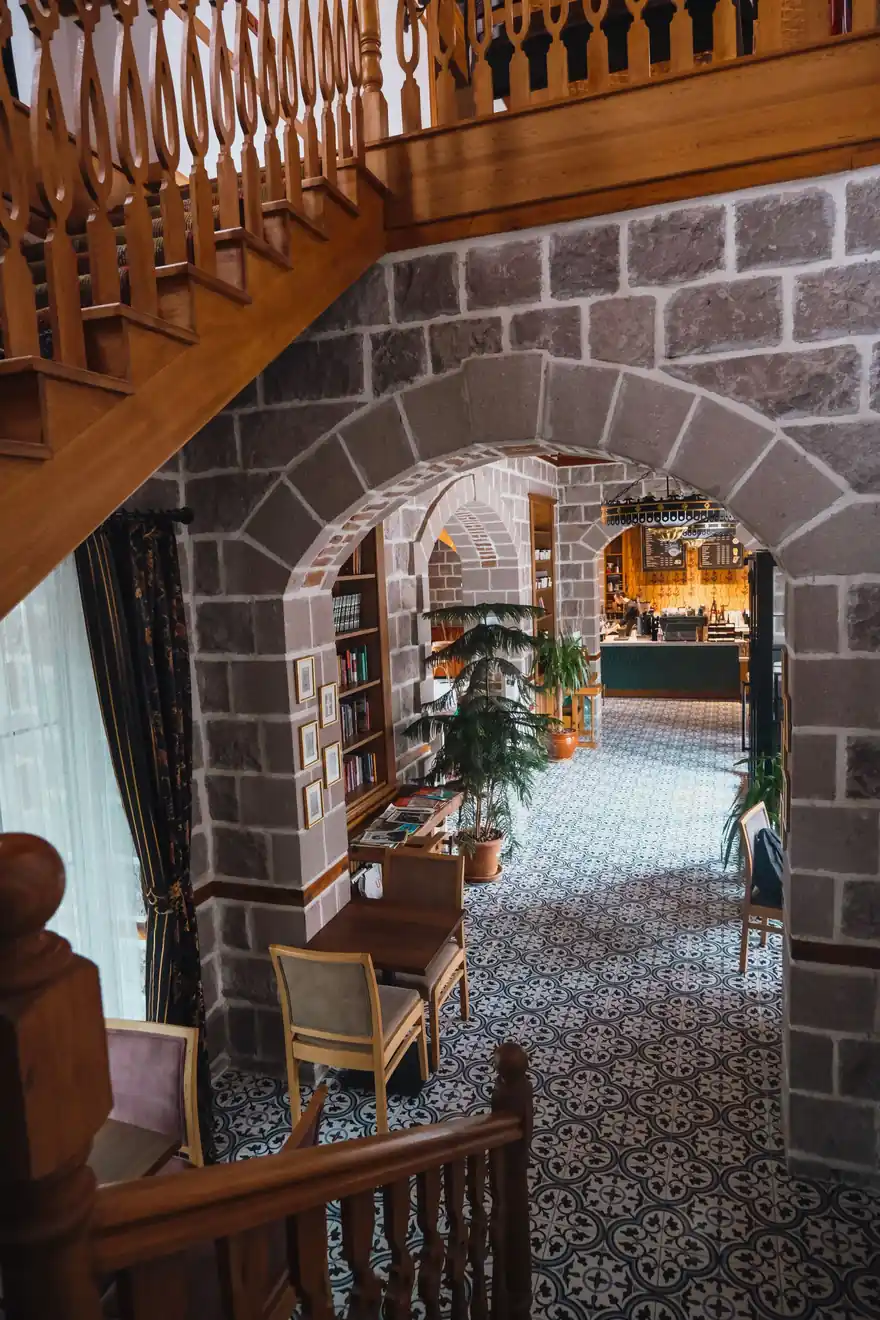
- Leave the arch itself empty, since the curved crown is the decoration and clutter hides it.
- Group objects in low stacks and small clusters, keeping heights below the spring of the arch.
- Mix one round object per shelf to keep the rhythm going.
Don’t:
- Fill every shelf edge to edge, which turns a graceful shape into storage with a hat.
- Hang square art directly above it; the shapes argue at close range.
- Use only tall books, because verticals everywhere flatten the softness you paid for.
Arched shelving rewards restraint more than any other piece in this list. Half empty shelves look expensive here, not unfinished, because the silhouette carries the shelf. Style it like a shop window, edited weekly and never crowded.
Serpentine Sofa Facts
Credit : Ana Victoria Valverde
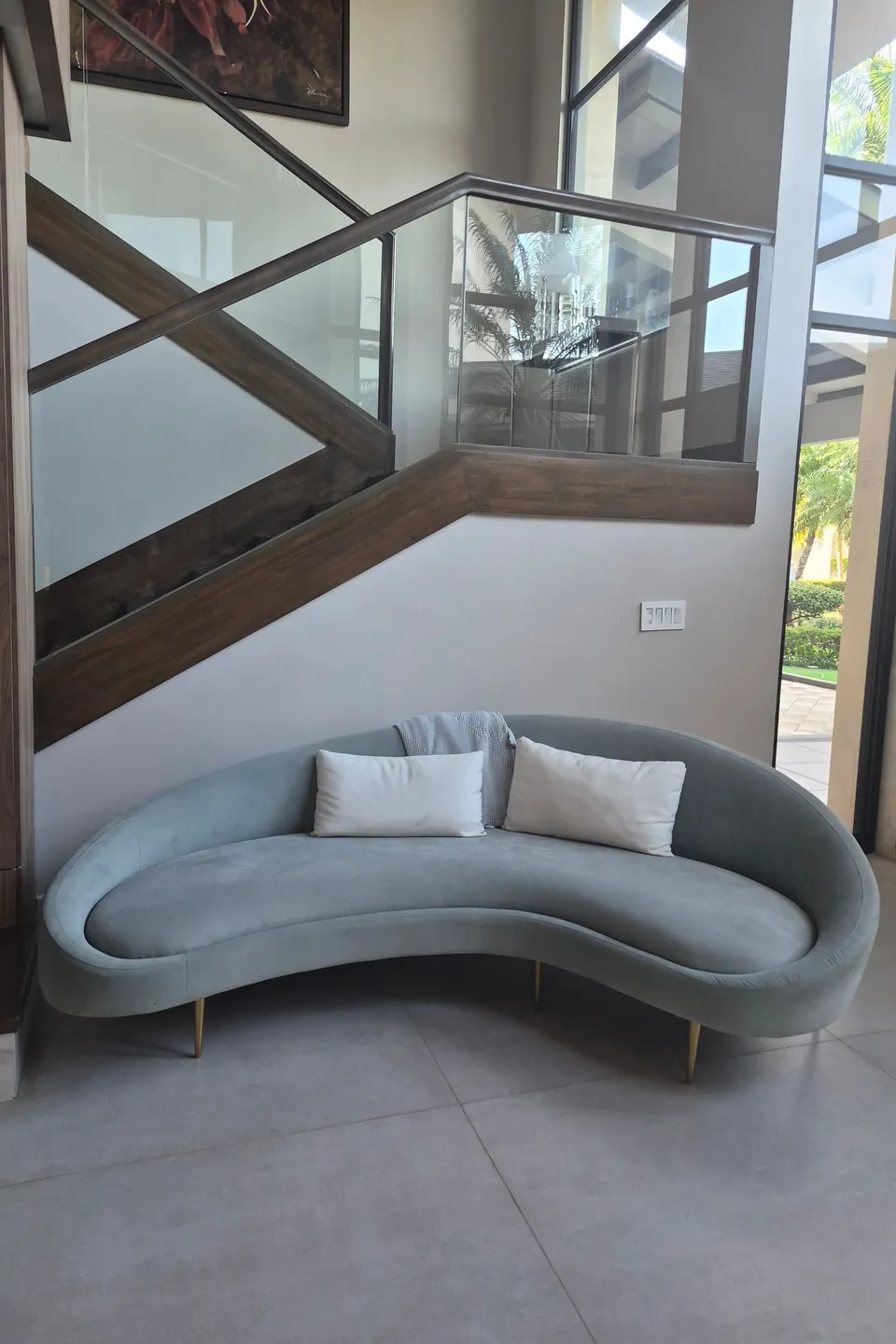
Cost: Higher than a standard sofa, since the frame and upholstery both follow a bend. Time: Often made to order, so allow several weeks for delivery. Skill Level: None, but measure doorways twice. Best For: Large open rooms that need zones without walls.
A serpentine sofa is really two sofas sharing one spine: one curve faces the fireplace, the other faces the view. It zones a big room without a single partition and photographs like a magazine spread. Just be honest about scale, because this is the one curved piece that refuses to squeeze. Treat it as architecture you can sit on, and plan the rest of the room around its bends.
Oval Dining Table Warmth
Credit : Alexander Mass
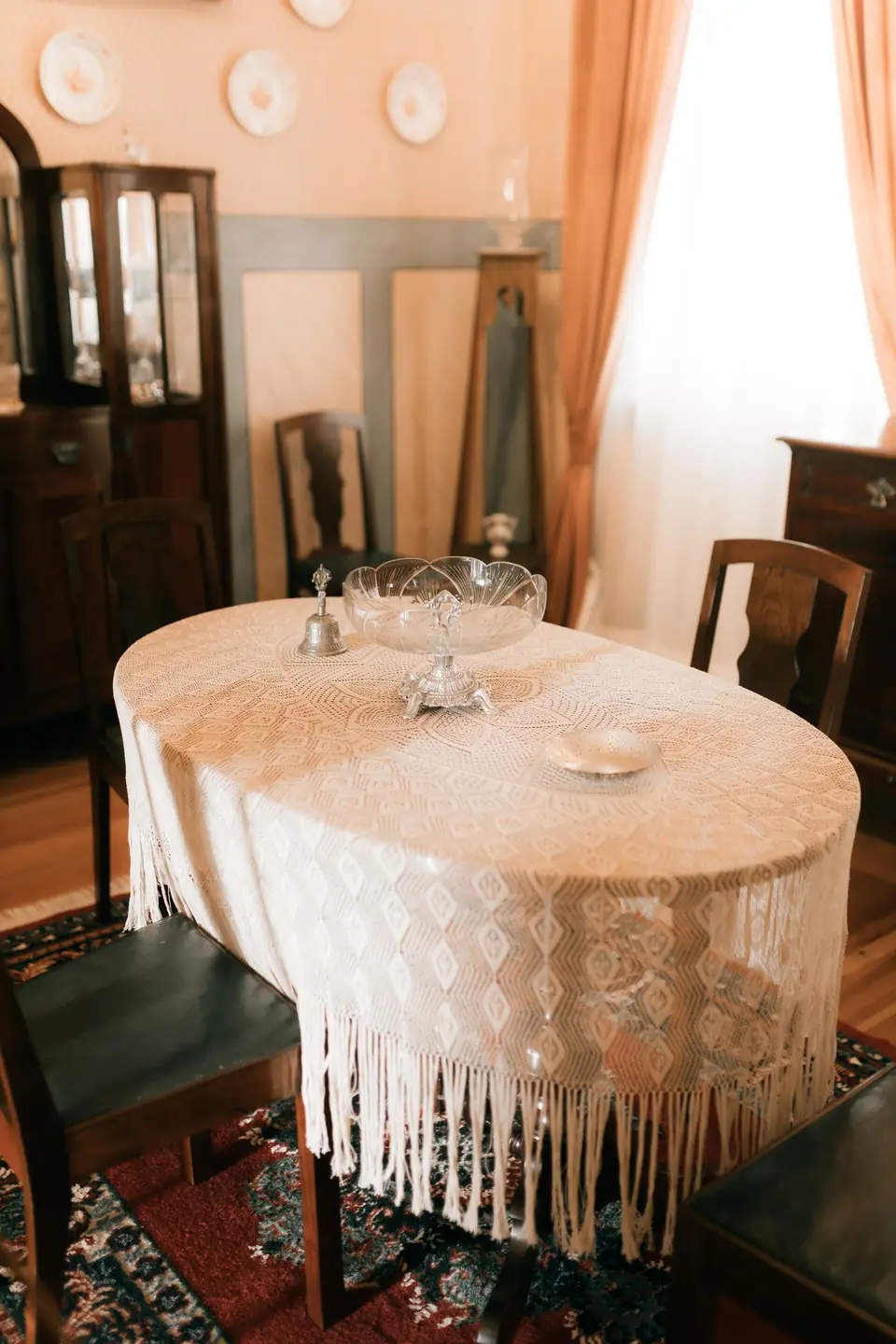
An oval table keeps the best manners of both shapes. The long sides seat a crowd like a rectangle, while the rounded ends remove every corner from the room. Guests slide in and out without the sideways shuffle, and the person at the end sits close enough to join in rather than preside. Around an oval, every seat honestly feels like a good seat.
Styling stays simple on an oval. A runner follows the length, one low centerpiece respects sightlines, and curved back chairs repeat the outline at seat height. Dinner runs longer around this shape, mostly because nobody is pressed against a corner or parked at a distance.
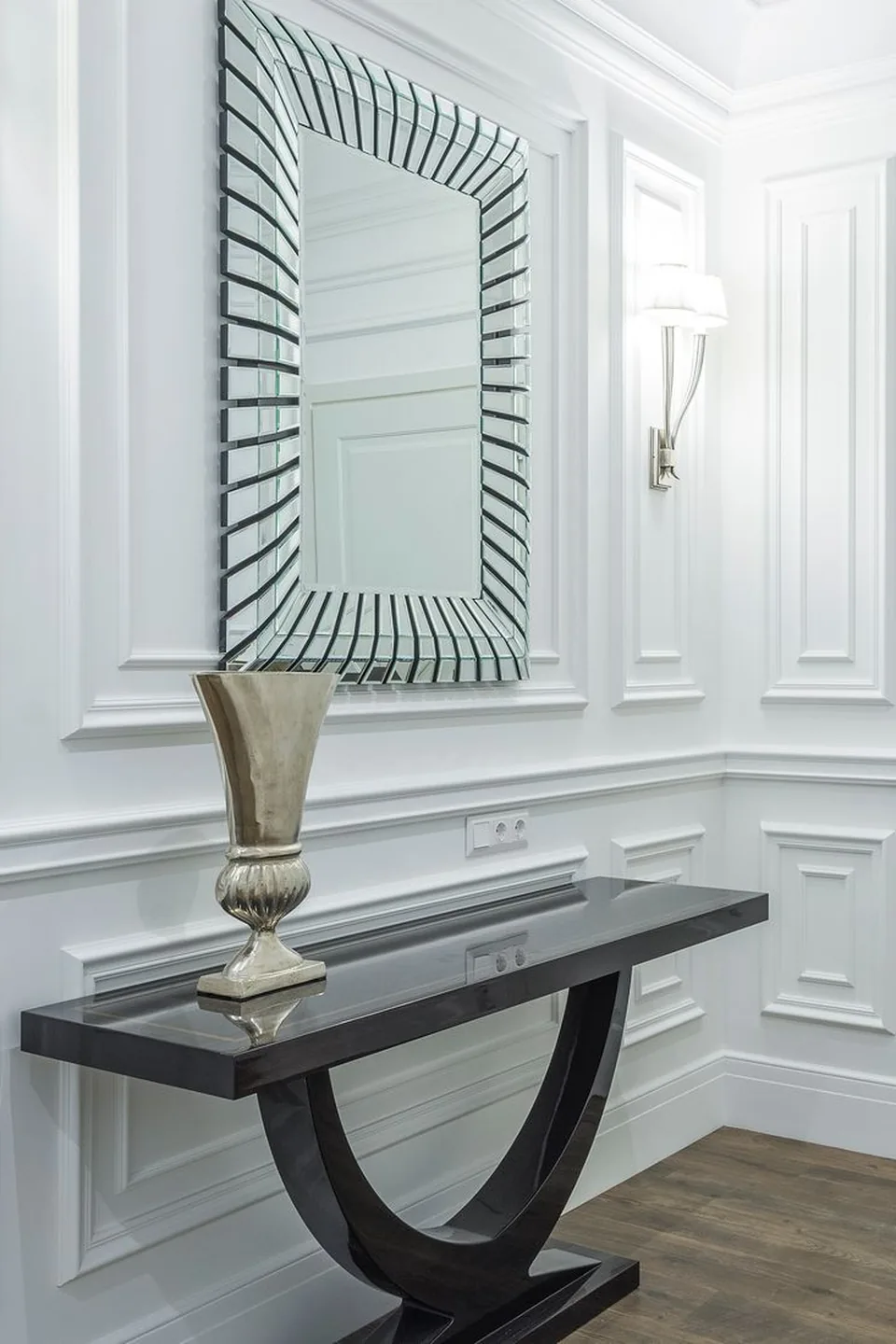
Curved Console Entryway Welcome
Credit : Max Vakhtbovych
- First impression: a curved console greets people with a bend instead of a corner, and the whole hello feels gentler.
- Traffic logic: rounded ends let bags, coats, and hips pass without the daily collision a rectangle causes.
- Mirror pairing: an arch above a curve doubles the softness and gives the entry one strong, simple picture.
- Styling limit: bowl, vase, one stack of books. Entries clog fast, and the curve needs clear space to read.
Entryways set the emotional temperature of a home. A curved console lowers it half a degree toward calm the moment the door opens, and the effect compounds because you pass it a dozen times a day. Small piece, outsized daily return.
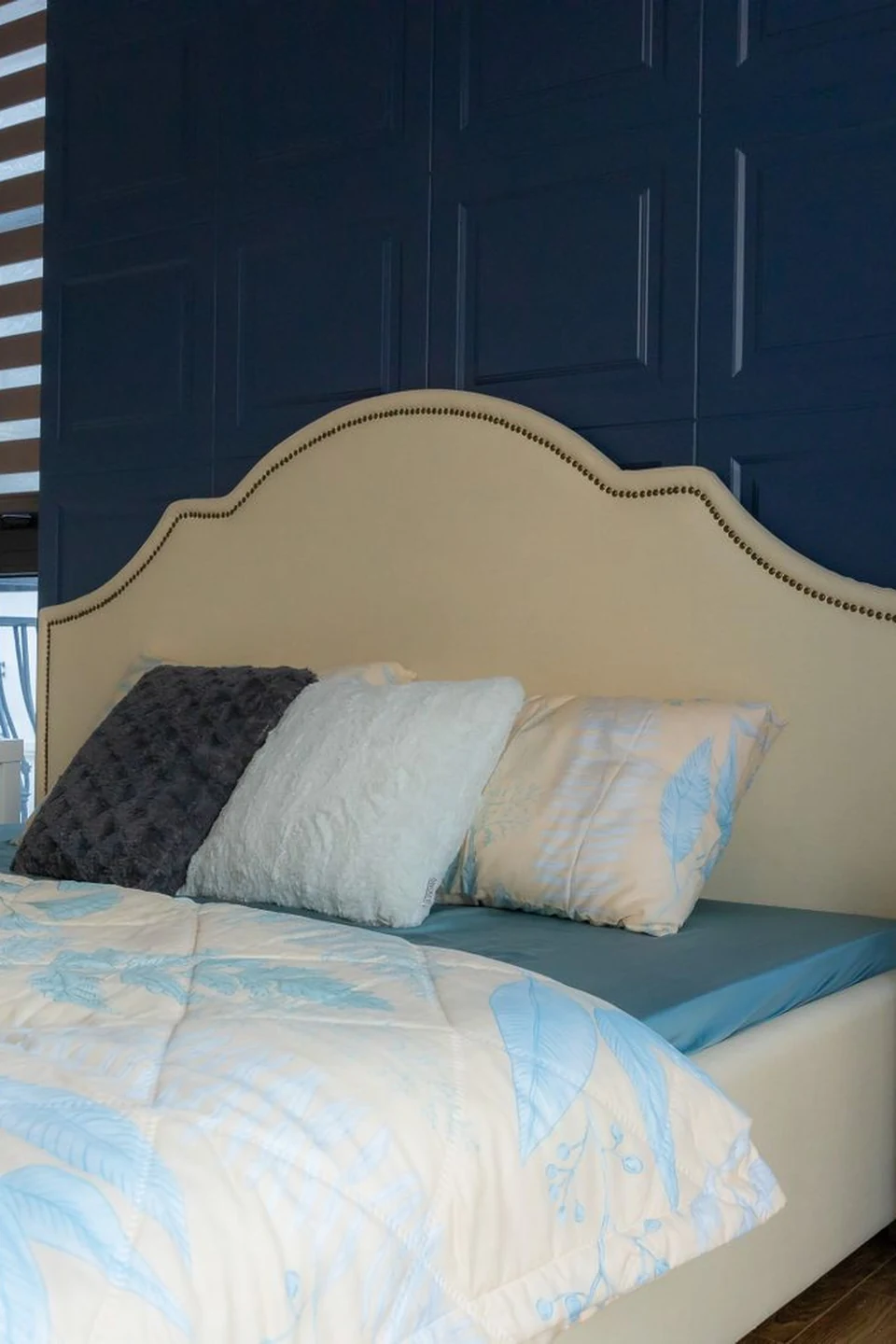
Scalloped Headboard Sweetness
Credit : HONG SON
Quick Tip: Let the scallops set the palette. Pull one color from the headboard fabric into the throw and one into the cushions, then stop. Scalloped edges already supply the pattern, so everything else in the room earns points by staying quiet and plain.
Scallops bring a playful note that still reads grown up when the fabric stays matte and the color stays soft. The shape flatters plain bedding, forgiving walls, and even low ceilings, since the eye follows the waves instead of measuring the room. Sweet, but never saccharine, when the styling behaves. One strong shape, honestly styled, beats a room full of decoration every time.
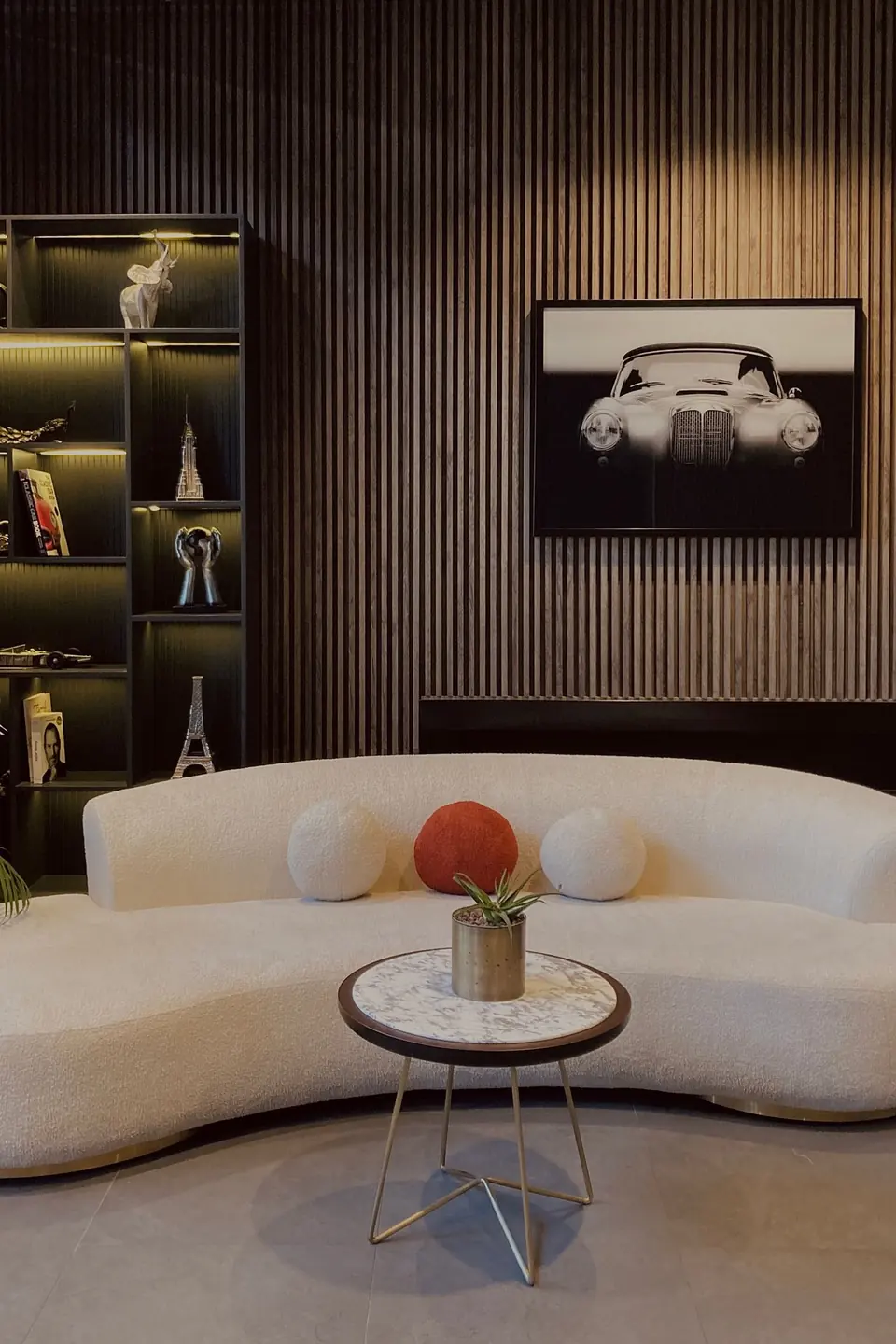
Square Room To Rounded
Credit : hatice
BEFORE: Four walls, four corners, and furniture to match: a square rug, a long straight console, and chairs lined up like an audience. The room was tidy, bright, and somehow exhausting, as if it wanted to be admired rather than used.
AFTER: The rug went oval, the console curved, and a crescent loveseat turned its back to the least loved corner. Round art replaced the grid of frames. Same walls, same windows, completely different pulse, and the room now fills up on its own every evening.
Notice what survived: the paint, the flooring, the lighting plan. Rounded rooms are built by exchanging silhouettes, not by starting over. Work from the floor up, rug first, biggest seat second, and let each swap make the next one obvious.
Starting Small With Curves

Credit : Yazan Kamal
What You Need: One round side table, one arched lamp, one round cushion.
- Begin with a round side table beside the sofa, the cheapest curve with the biggest daily contact.
- Add one arched lamp or a round mirror, choosing whichever wall or corner feels hardest right now.
- Swap a cushion for a round or bolster shape on the seat, and notice the difference for a week.
- Live with the trio before buying more, since small curves teach you exactly where the next one belongs.
Big furniture can wait. Small curves are the rehearsal that tells you whether your home wants a whisper or a full chorus, and they cost little to change your mind. Most people who start with three small arcs end up planning the sofa next.
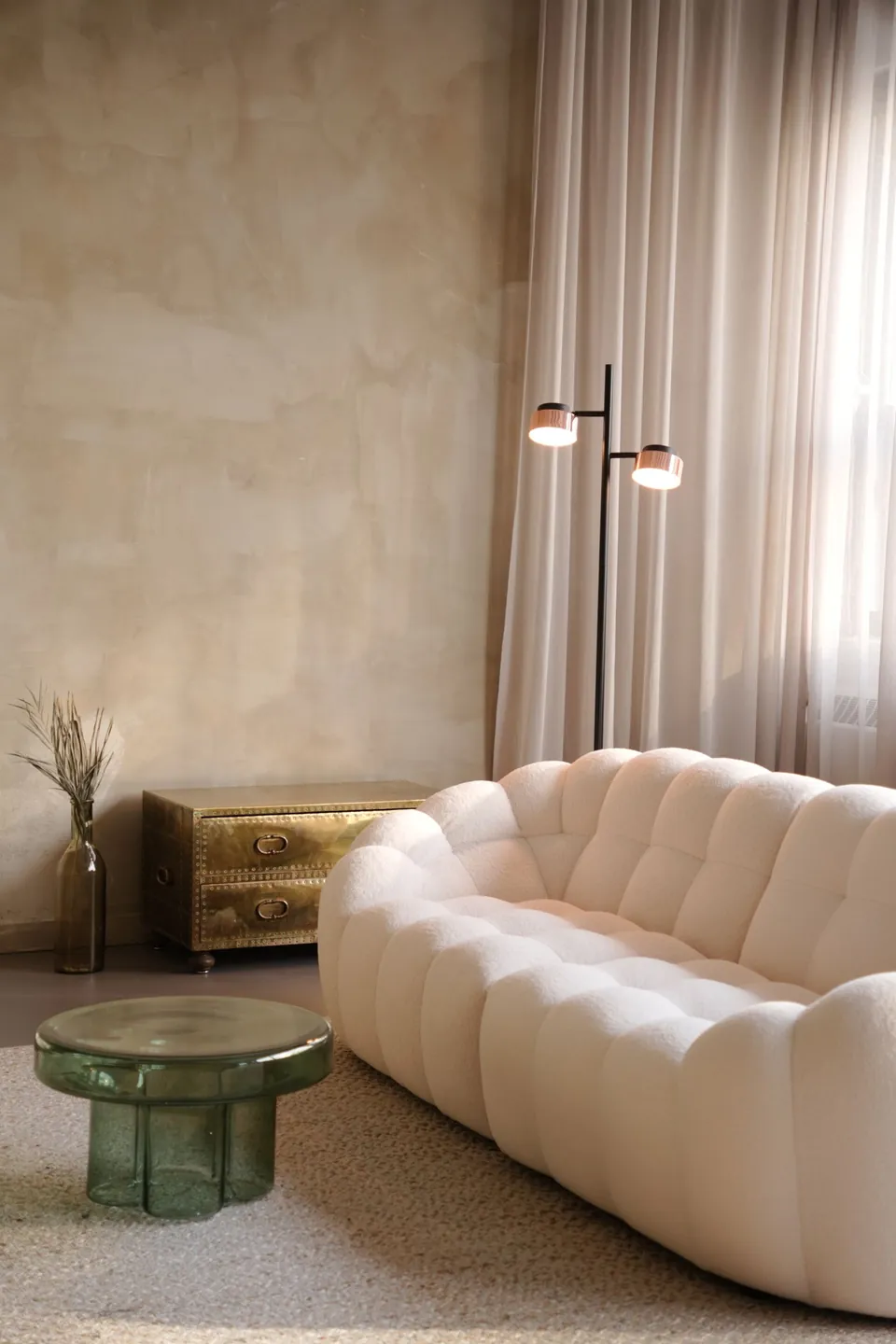
Full Circle Living Room
Credit : Pavel Morillo
Stand back at the doorway of a room where every major line bends, and the effect stops being about furniture at all. Sofa, table, mirror, and chairs all speak the same rounded language, so the space feels held rather than arranged. Nothing shouts. The eye travels in a slow loop and the shoulders drop on their own.
Reaching that point does not demand a matching set bought in one weekend. It asks for patience: one honest curve at a time, each chosen because the room needed it, until the loops close. When the last straight holdout finally softens, the room feels less like a project and more like a place that has been waiting for you.
Conclusion
Soft rooms are not built in a single delivery. They grow one arc at a time: a sofa that bends, a table without corners, a mirror that remembers old doorways. Start where your home feels hardest, let curved furniture interior design ideas guide the first swap, and watch how quickly the rest of the room agrees to relax. Save this list to your Pinterest board before you shop, try the smallest idea this weekend, and share a photo when your first curve lands. I’ve seen how small changes like these can completely shift the way a space feels, and yours is ready.