21 Dedicated Mahjong Room Decor Ideas for Stylish Game Nights
A spare room earns real status the night four friends gather around their own table, tiles clicking under warm light. The best dedicated mahjong room decor ideas treat that table like a stage: seating that supports long rounds, light that flatters every tile face, and storage that resets the room in minutes.
Start with the floor square and work upward, the same patient order behind home library design inspiration, because shelves, lamps, and art all serve the game at the center. In my experience, small rooms beat big ones here: less echo, closer laughter, and nowhere for the evening to drift. The twenty one ideas ahead cover tables, light, color, storage, and comfort, so you can build the room one weekend at a time.
Classic Bamboo Table Setup

Credit : Tito Zzzz
Bamboo earns its place under the tiles: light to move, tough enough for nightly play, and warm against the palms during long rounds. A square bamboo table around thirty five inches wide gives four players elbow room without swallowing the floor, and the natural grain hides the small scuffs that come with sliding tile walls.
Set the table on a low pile rug so chair legs glide quietly and dropped tiles stay chip free. I’ve noticed bamboo reads relaxed rather than formal, which suits a room built for laughter. Pair it with a simple overhead light and the whole setup feels planned, not borrowed from the dining room.
Pendant Lights Over Table
Credit : Bui Van Dong
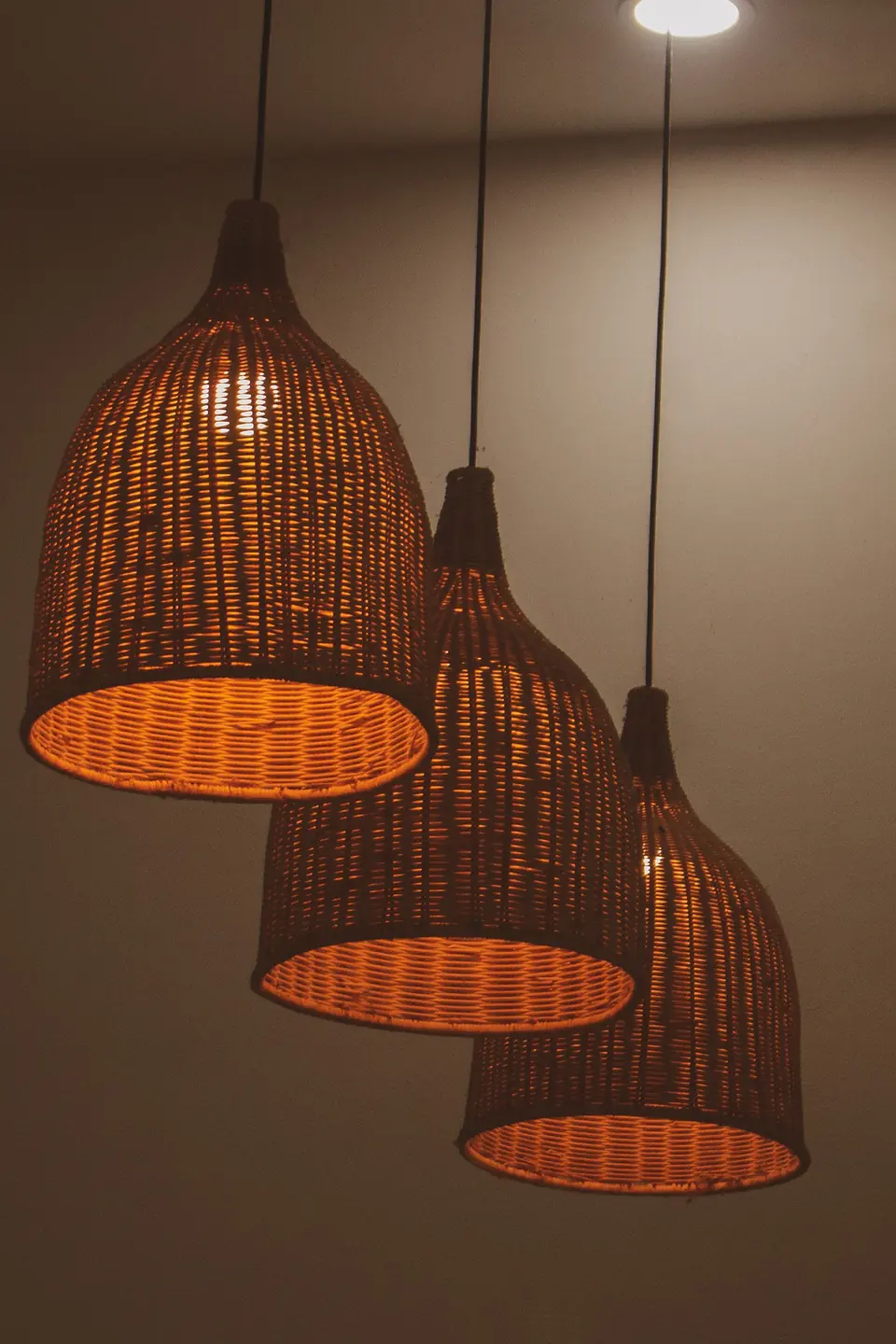
- Hang the fixture so the shade bottom sits about thirty inches above the table surface.
- Choose a wide shade, twenty inches or more, so all four tile walls share the light.
- Pick warm bulbs near 2700K; skin tones and tile faces both look better under them.
- Put the pendant on a dimmer to soften glare during late night rounds.
- Center the light over the table, not the room, even if the ceiling hook sits off line.
Shadows lose more games than bad luck does. One honest pendant over the center clears the dark corners where tiles hide, and the table becomes the brightest, calmest spot in the house. In my experience, players linger longer when the light feels like early evening instead of office noon.
Bold Red Lantern Accents

Credit : Bảo Minh
Quick Tip: Hang paper lanterns in odd numbers, one large or three small, and keep them at least a foot above standing head height near the door. Swap in warm LED bulbs so the paper never heats up. Velvet and dense linen work best.
Red carries luck and celebration in mahjong culture, so a little goes a long way. Two lanterns flanking a dark wood cabinet give the room its focal wall without repainting anything. Balance the heat with jade green cushions and pale walls, and the red reads festive instead of loud during daylight games. Guests always comment on this corner first. A red tassel on the cabinet handle repeats the note quietly.
Bamboo Corner Game Room

Credit : Christian Alemu
BEFORE: The spare corner held a folding chair, a dusty plant, and good intentions. Light from the hall barely reached it, and game gear lived in a hallway closet, so setting up took longer than the first round.
AFTER: Bamboo paneling warms two walls, a square table anchors the corner, and four light chairs tuck in neatly. Tiles, racks, and score pads live in a bench under the window, so the room resets in five minutes.
Corners beat spare bedrooms for small homes because they ask for no door, no closet, and no apology. Measure diagonally before buying the table; corners lie about their size. Once the bench storage lands, the corner stops being leftover space and starts hosting the week.
Tile Display Shelf Steps

Credit : Mahmoud Yahyaoui
- Mount a shallow picture ledge at eye level on the wall nearest the table.
- Stand one full suit upright along the ledge, faces out, like a tiny gallery.
- Place vintage or gifted tiles in a glass jar beside the ledge for texture.
- Leave the bottom shelf empty for the set currently in play and tonight’s racks.
Displayed tiles turn storage into the room’s artwork, and guests read the ledge like a menu of your collection. Keep direct sun off the shelf; old bakelite and resin fade unevenly. Rotate the display each season so every set gets its month in the light. It costs almost nothing.
Folding Versus Automatic Tables
Credit : Mahmoud Yahyaoui
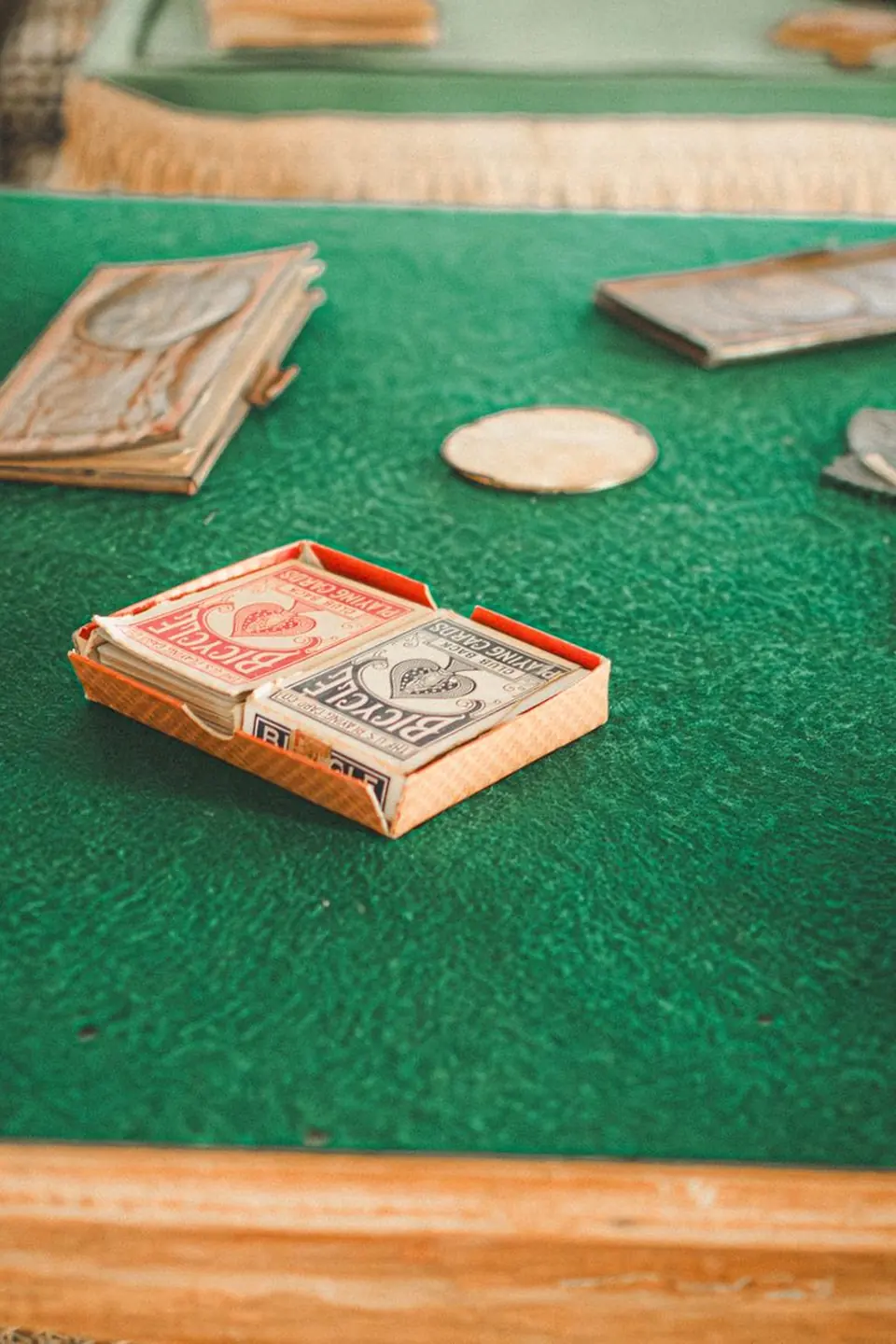
| Feature | Folding Table | Automatic Table |
|---|---|---|
| Setup Time | Five minutes by hand | Press one button |
| Tile Shuffling | Players build the walls | Machine shuffles and deals |
| Price | Gentle on any budget | A real investment piece |
| Storage | Folds flat behind a door | Stays set up full time |
| Maintenance | Wipe and fold away | Service the mechanism yearly |
Neither table wins every home. Folding models suit players who host twice a month and need the floor back, while automatic tables reward weekly groups who hate setup chores. That’s why many experts recommend trying both at a friend’s game night before spending money on one. Your storage space usually settles the choice faster than price ever will.
Four Chair Seating Rules

Credit : Tito Zzzz
Do:
- Match chair height to the table so forearms rest flat.
- Pick armless chairs; four armchairs crowd a square table.
- Add thin seat cushions for rounds past two hours.
- Keep a spare folding chair ready for watching guests.
Don’t:
- Use swivel chairs that drift into tile walls.
- Seat anyone on a backless stool all evening.
- Mix tall dining chairs with low lounge chairs.
- Trap the fourth player behind a heavy bench.
Comfort decides whether game night ends at nine or runs past midnight. Test every chair yourself for one full round before guests arrive, and swap the worst seat for your own spot. Hosts sit longest, so the kindest chair should face the door.
Room Size Planning Facts
Credit : zhang kaiyv
Cost: Paint and a rug from $150
Time: One weekend to measure and mark
Skill Level: Beginner with a tape measure
Best For: Rooms from nine by nine feet
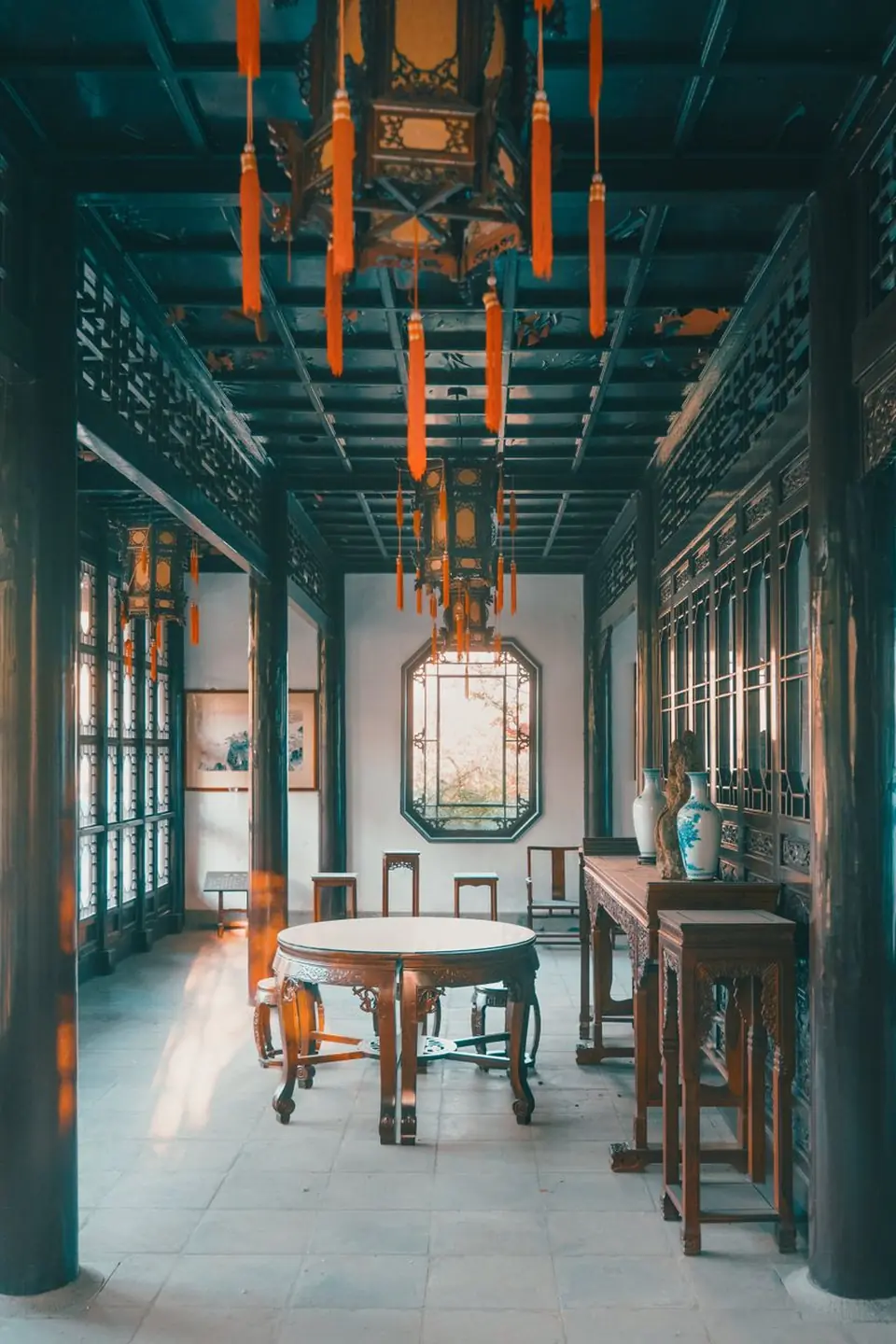
A working game room needs a square of clear floor about eight feet across: the table, four chairs pulled out, and walking space behind every seat. Mark the square with painter’s tape and live with it for two days before buying anything. I’ve seen this work well in many cases where a spare corner beat a bigger room down the hall, simply because the tape told the truth early. Tight rooms still play beautifully once the tape lines stay honest.
Jade Green Tile Palette

Credit : Jimmy Chan
Jade green flatters mahjong tiles because most sets already carry green bamboo suits and deep green dragons. Paint one wall a muted jade, keep the other walls warm white, and the tiles on the table suddenly look like the room was designed around them, not dropped into it. It photographs beautifully, too.
Carry the color in smaller notes: seat cushions, a plant pot, the frame of a wall print. Brass and warm wood keep jade from feeling cold, and a cream rug stops the palette sliding into darkness. At night the green deepens, and the room turns calm and slightly formal.
Tea And Snack Station
Credit : Jonathan Borba
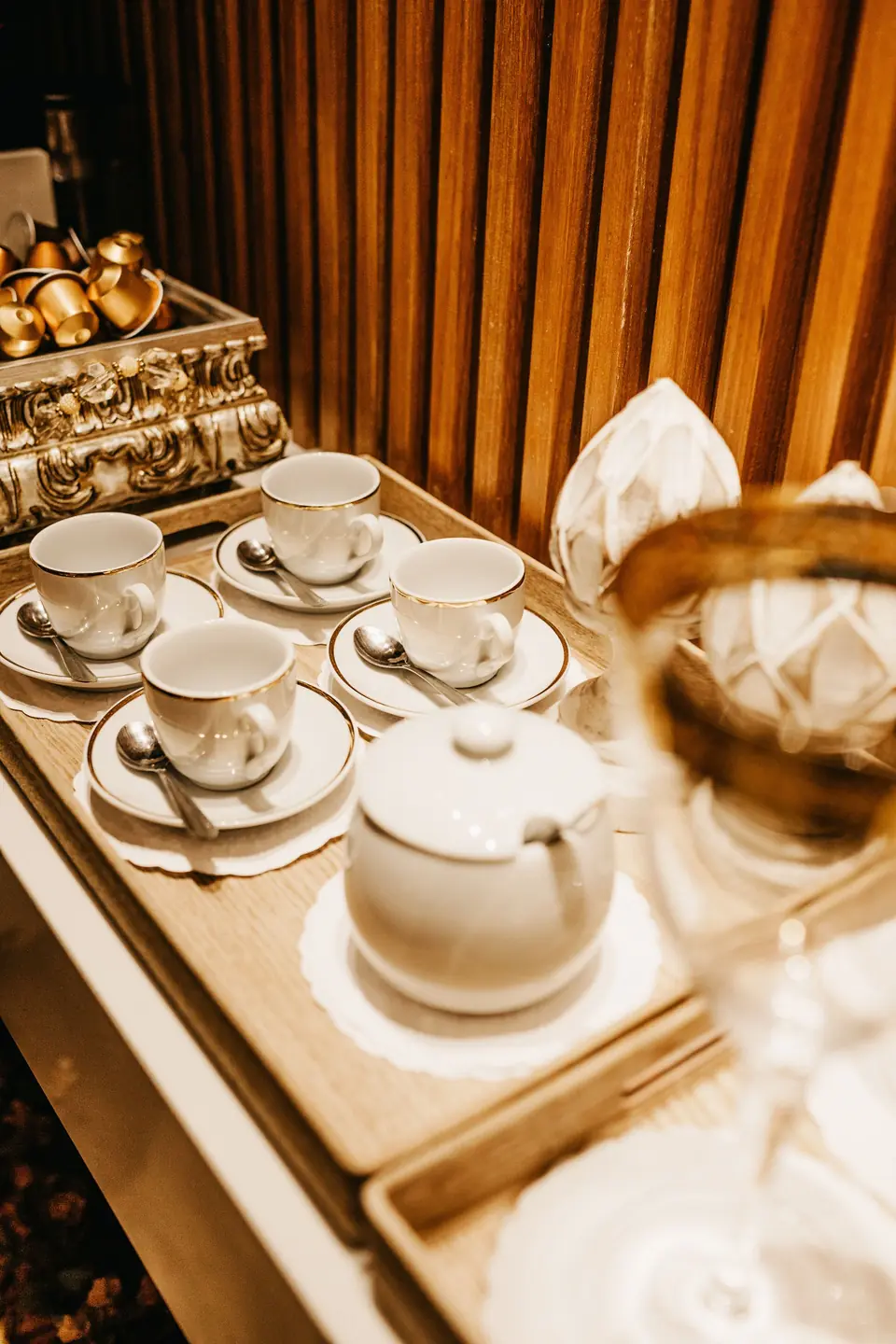
- Set a narrow side table within reach, but outside tile sliding range.
- Serve tea in lidded cups so steam and spills stay off the felt.
- Offer dry snacks only; greasy fingers mark tiles and slow the game.
- Keep a small bin under the station for wrappers and used napkins.
- Refill the pot between rounds, never while walls are being built.
Players play better when nobody has to leave the table hungry. A stocked station turns the room into a small ritual: pour, snack, shuffle, laugh. Keep the menu boring on purpose, the same tea and two snacks every week, so the station runs itself and the host actually gets to play.
Curtains For Sound Softening

Credit : Srattha Nualsate
Quick Tip: Hang curtain panels a few inches wider than the window on both sides. The extra folds trap tile clatter before it bounces off glass and bare corners. Line them if the room faces late sun.
Mahjong is a joyful noise, but hard rooms turn clatter into echo. Heavy curtains, a rug under the table, and one upholstered chair per side soak up the sharp edges, so conversation stays clear at normal volume. Neighbors through a shared wall will notice the difference before your guests do. Soft rooms also make long evenings feel shorter. Heavy fabric near the table is money well spent.
Dark Corner Bright Makeover
Credit : Cheng Shi Song
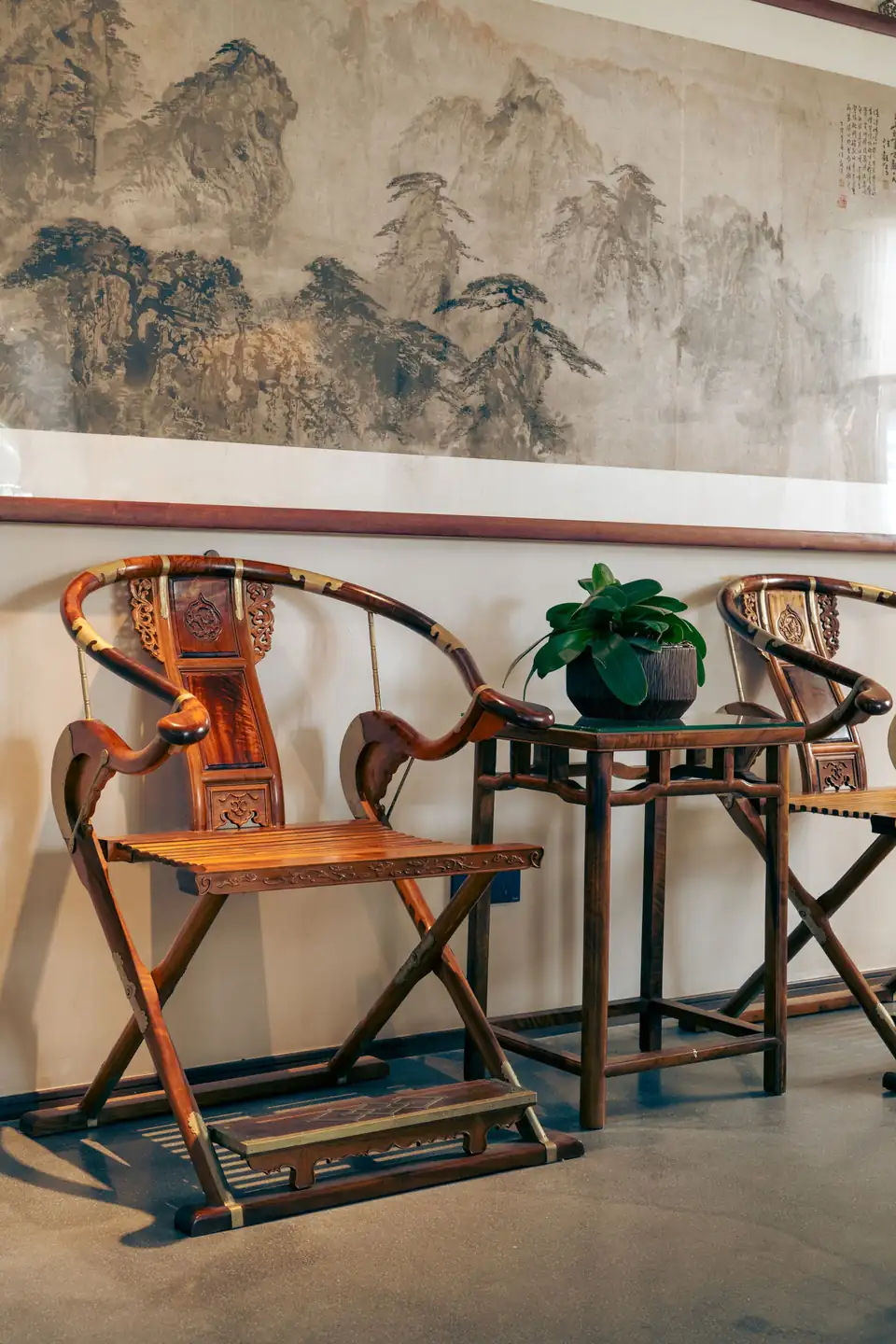
BEFORE: One ceiling bulb lit the corner like a storage unit. Dark paint swallowed the tile colors, and players squinted at the wall farthest from the lamp.
AFTER: Warm white walls, a pendant over the table, and two small lamps in opposite corners spread the light evenly. Tiles read clearly from every seat, and the corner finally looks invited rather than leftover.
Light is the cheapest renovation in any game room. Swap bulbs before paint, paint before furniture, and judge every change from the worst seat at the table. That simple order is where most dedicated mahjong room decor ideas succeed or fail, and it costs nothing to test on a Saturday afternoon.
Game Night Setup Routine
Credit : Mick Haupt
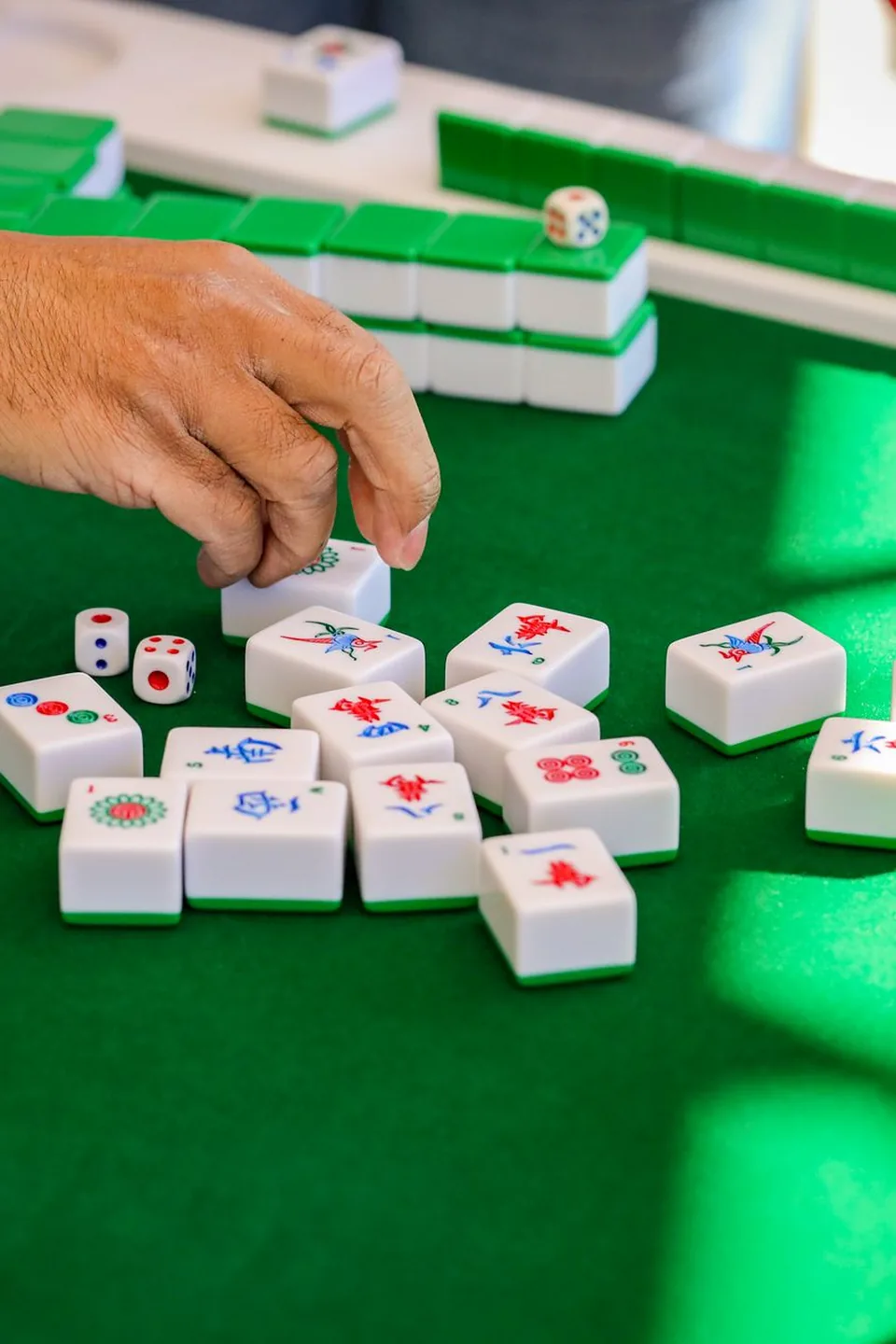
- Wipe the table surface and check the felt for crumbs or sticky spots.
- Set four racks, dice, and scoring pads at their seats before guests arrive.
- Build a sample wall corner to confirm every tile is present and matched.
- Fill the tea station, dim the hall light, and put phones on silent.
- Open the door five minutes early; a ready room relaxes arriving players.
A routine turns hosting from a scramble into a welcome. The same fifteen minutes, in the same order, every week, and the room is ready before the first knock. I’ve tried longer checklists; this short one survives because players can help with any step without being taught.
Cabinet Versus Open Storage

Credit : Betül Balcı
| Feature | Closed Cabinet | Open Shelves |
|---|---|---|
| Dust | Tiles stay clean for weeks | Shelves need weekly dusting |
| Display | Sets hide behind doors | Sets double as wall decor |
| Cost | Higher, doors and hardware add up | Lower, simple boards and brackets |
| Access | Open a door, reach in | Grab and go, nothing to open |
| Speed | Slower, doors slow setup | Fastest on game night |
Most rooms land in the middle: a closed cabinet for the everyday set and one open shelf for the prettiest vintage tiles. Closed storage protects, open storage shows off, and the mix keeps the wall interesting without turning dusty. Choose by how often you honestly dust, not by the photo you saved.
Calligraphy Wall Art Rules
Credit : fusheng L
Do:
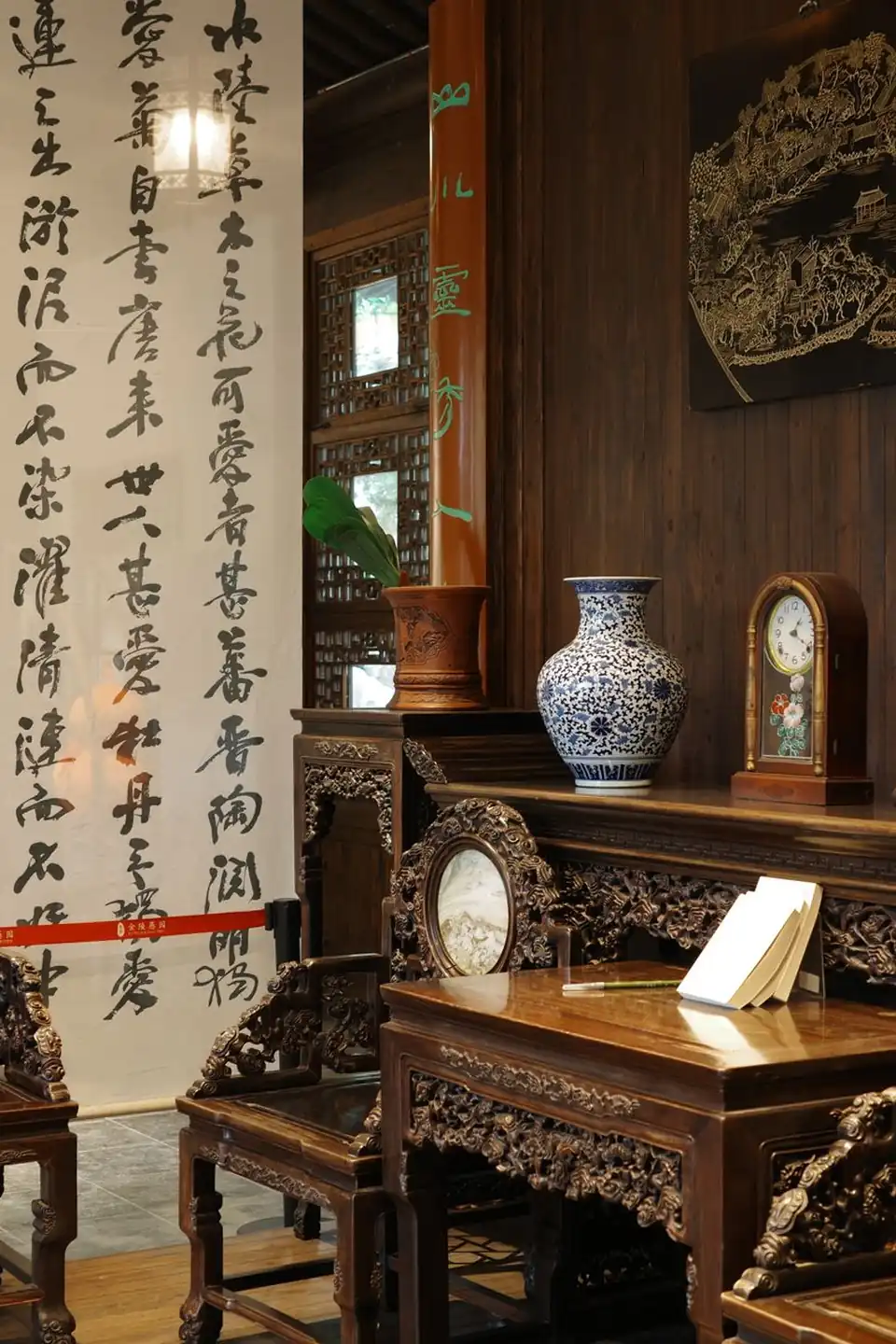
- Hang one large calligraphy piece as the single focal wall.
- Leave bare wall around the piece so the brushwork breathes.
- Light art with a warm picture light or nearby lamp.
- Pair scroll art with plain cushions and quiet textiles.
Don’t:
- Cover every wall; the room starts shouting over the game.
- Hang art where swinging chair backs can brush it.
- Mix five scripts and styles on one small wall.
- Use glass frames opposite windows; glare hides the strokes.
One confident piece beats a gallery of small ones in a game room, where eyes should rest between rounds. Stand at the table and check the sight lines; the art should greet players when they look up, not compete while they count tiles.
Starter Set Budget Facts

Credit : Mahmoud Yahyaoui
Cost: A solid starter set runs $60 to $120 with racks included
Time: One slow afternoon to furnish the basics
Skill Level: Beginner, no building required
Best For: New hosts furnishing a first dedicated room
The smart order is tiles first, table second, decor third. A good set outlives every trend, while a borrowed folding table works fine for the first season. Spend the leftover budget on lighting and chairs, the two things players actually feel for four hours straight. Pretty extras can arrive one birthday and one holiday at a time, which also gives the room a story worth telling.
Sheer Curtains Daylight Balance
Credit : Pixabay
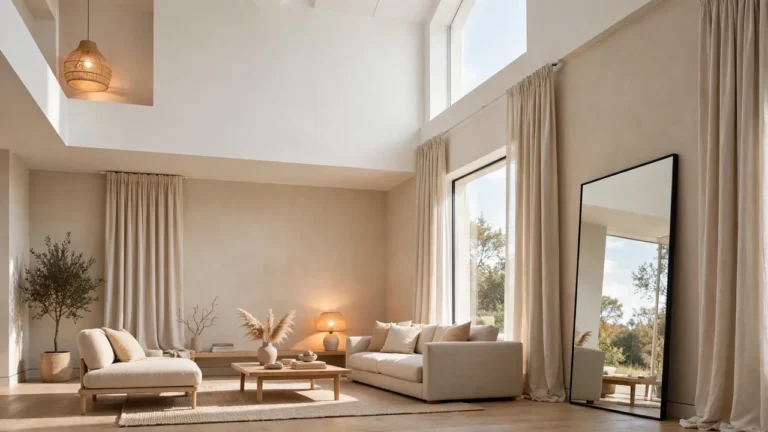
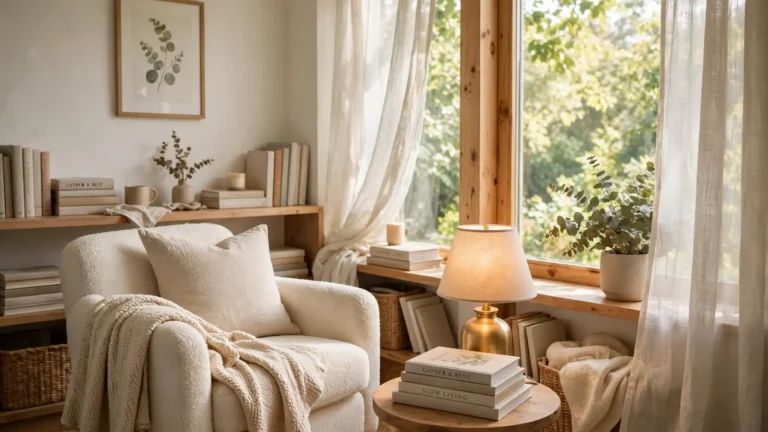
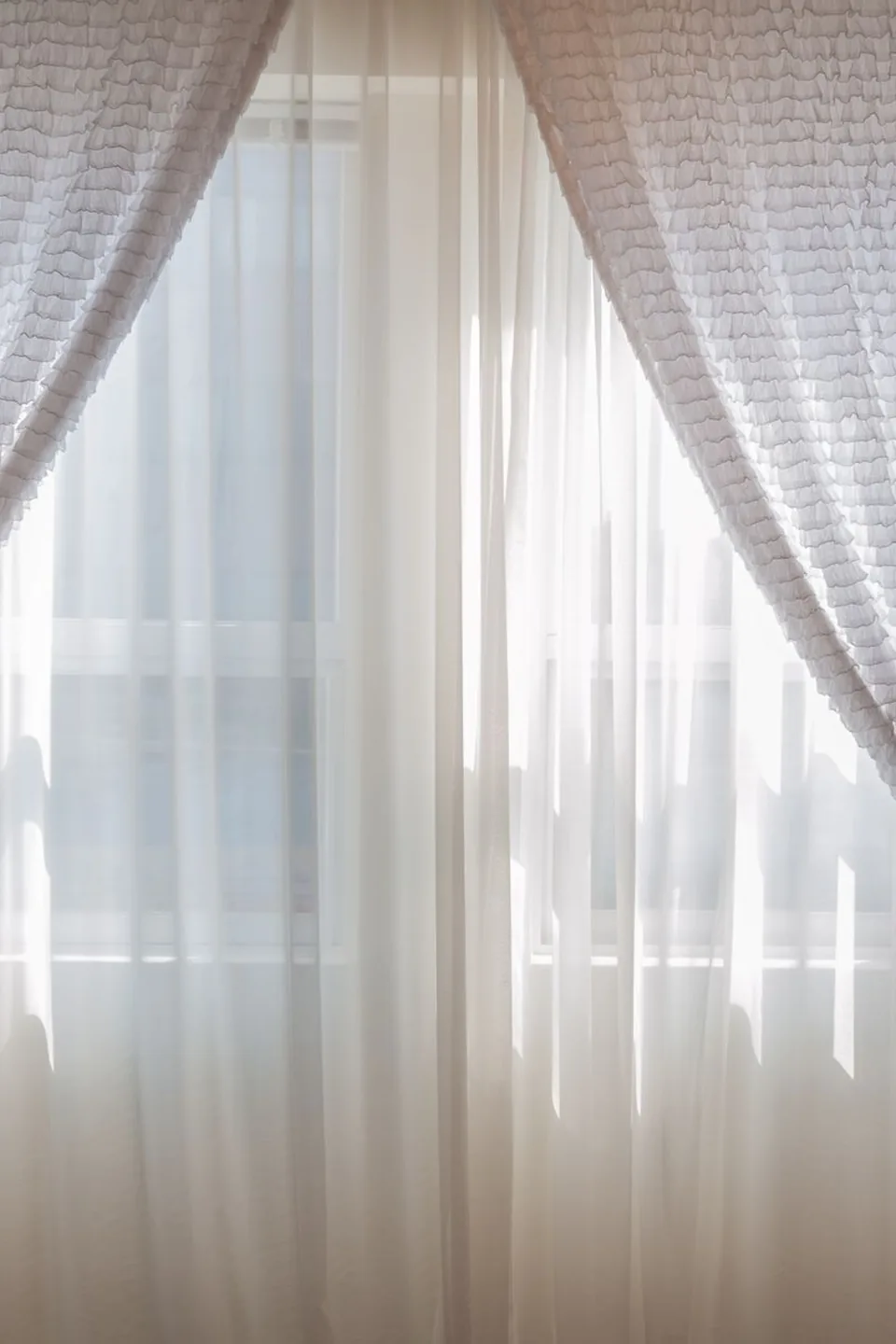
Daylight is free lighting, but raw sun across the table washes tile faces white and heats the seat beside the window. Sheers soften that blast into an even glow, so afternoon games read as clearly as evening ones under the pendant. Players stop squinting by three.
Layer sheers with heavier side panels and the window works in every season: bright at noon, private at night, warm in winter. The light first lesson behind modern sunroom decorating ideas applies here too, because glass is glass in any room. Keep the track clear of the table edge so panels never brush a built wall.
Wall Cabinet Tile Storage

Credit : DOAN THANH BINH
- Mount the cabinet on the wall nearest the table to shorten setup trips.
- Store the everyday set on the lowest shelf, at waist height.
- Line shelves with felt strips so tiles slide in quietly.
- Keep racks and dice in a shallow drawer under the shelves.
- Label each set with a small tag; guests can help put away.
Wall storage keeps the floor clear for chairs and feet, which small rooms need most. Glass doors show the collection while keeping dust off the faces, and a cabinet frees the table to stay set between games. Measure the thickest tile box before choosing shelf depth.
Candles And Fresh Air
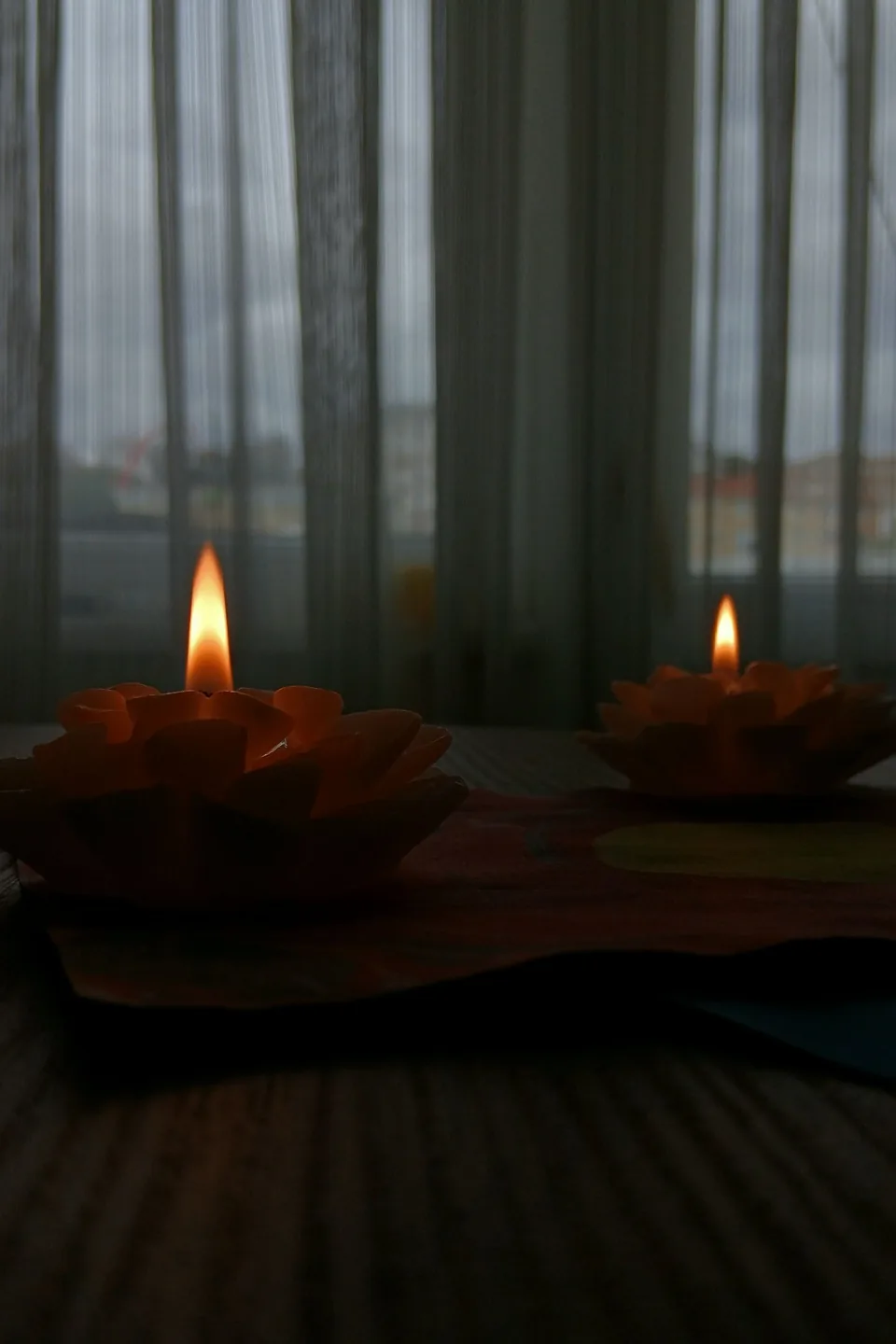
Credit : Melike
Quick Tip: Place unscented candles on the side cabinet, never on the game table. Wax, flames, and reaching hands stay safely away from the tiles, while the glow still reaches every seat. Two candles beat five; restraint reads elegant.
Scent divides a table fast; half the players love sandalwood and half get headaches. Save fragrance for the hallway, and let the game room smell like tea and clean wood instead. Crack a window between rounds for ten minutes. Fresh air resets the room better than any spray, and players return to the table sharper. Small comforts like these quietly lengthen every game night.
Guest Room Game Room

Credit : Curtis Adams
BEFORE: The guest bed sat made and empty for fifty weeks a year, while game night squeezed onto the dining table and ended when someone needed dinner space.
AFTER: A fold down wall bed keeps the room open all week. The mahjong table claims the center, four chairs stack in the closet, and guests still sleep comfortably when family visits at holidays.
Dual purpose rooms work when the changeover takes ten minutes or less. Practice the swap twice before the first real game night, and store bedding where it never blocks the table path. The room then serves two lives honestly instead of failing at both.
Scorekeeping Corner Setup Steps

Credit : Peter Xie
- Claim one corner of the table or a small side desk for scoring.
- Keep the score pad, two pencils, and a small lamp within reach.
- Add a tiny tray for chips or counters so they stop wandering.
- Rotate the scoring seat each week so everyone learns the job.
- File finished score sheets in a folder inside the storage cabinet.
Scoring deserves a home because loose pads vanish right when a close game needs proof. A set corner keeps disputes short and friendly, and the lamp makes the scorer’s seat feel official rather than forgotten. Rotate the chair and the whole table shares the small honor.
Conclusion
The best game rooms are built slowly and played in often. Start with the table and light, add storage that respects the tiles, and let color and art arrive as the group settles in. That steady path is the heart of dedicated mahjong room decor ideas, and it works in a spare room, a corner, or a borrowed garage. Save this guide to your Pinterest board before your next game night, share it with your regular four, and deal the first wall in a room that finally feels like yours. Your table will thank you every single week.