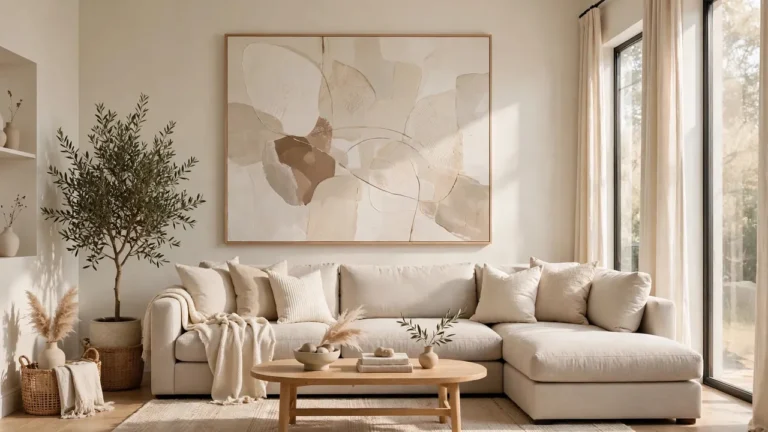
23 Living Room Area Rug Ideas for a Polished, Inviting Space
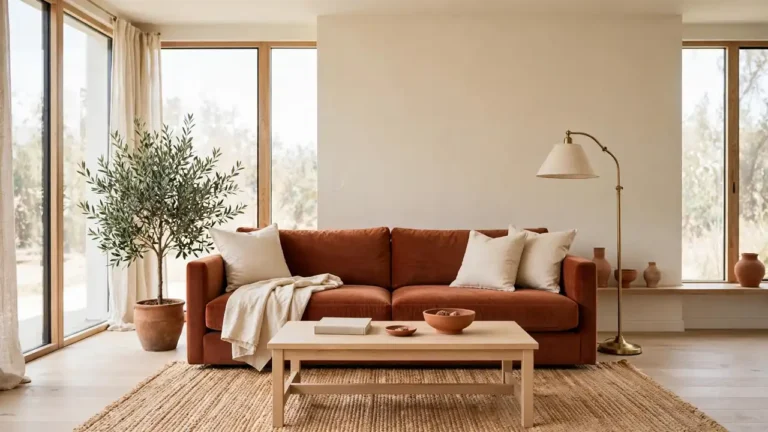
A rug can look perfect in the store and still feel wrong the moment it lands at home. The best living room area rug ideas start with placement, not pattern: anchor the seating first, let the borders breathe, and the whole room settles into a calm, pulled together finish that makes every other piece look deliberate.
Size is where most rooms quietly go wrong. A rug that floats in the center of the floor shrinks the seating, while one that slides under the front legs makes even a small room feel generous. The same sizing logic behind bedroom rug placement ideas works here around the sofa. Ahead are twenty three rugs, layouts and ground rules, from oversized wool anchors to quick zone tricks for open plans, each with the measurements that make it hold up in real homes.
Oversized Cream Wool Anchor

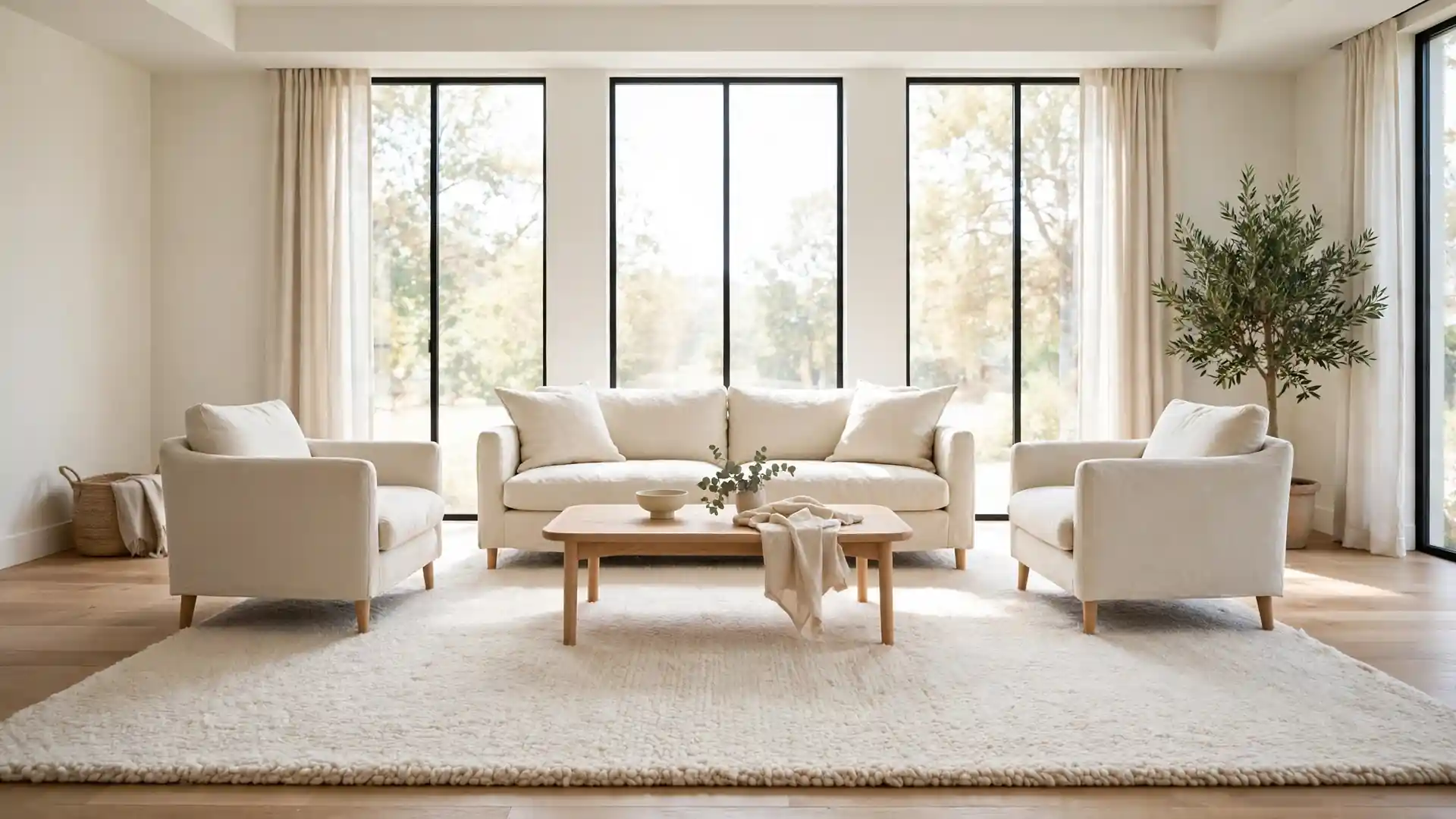
Go bigger than feels safe and the room exhales. An oversized cream wool rug running under the whole seating group, sofa, armchairs and coffee table, turns scattered furniture into one calm island. The pale pile brightens the floor plane, softens echo, and hides the small scuffs and dust that bare boards announce so loudly.
Leave eight to twelve inches of bare floor at the walls so the rug reads as a fitted layer rather than a dropped carpet. I’ve noticed wool at this size forgives pet hair and daily foot traffic better than any flatweave I have owned. When the budget stings, check remnant racks first; large plain wool cuts surface there often and bind cheaply.
Vintage Faded Rug Charm

- Hunt for an even fade rather than worn patches; uniform fading reads intentional, damage does not.
- Let the rug’s softest color set the cushion palette, usually a dusty blue, clay or sage.
- Keep surrounding decor quiet so the pattern carries the whole story alone.
- Check the back for dry rot, cracked binding and old repairs before paying vintage prices.
- Slide a felt pad underneath to replace the cushion the thin, aged pile no longer gives.
Faded vintage rugs solve the new room problem instantly, because nothing else has to pretend it carries history. They flatter white sofas, hide everyday dust between cleanings, and sit happily beside both oak and walnut. Buy the largest your doorway allows; a small vintage rug strands the seating it should gather.
Natural Jute Base Layer
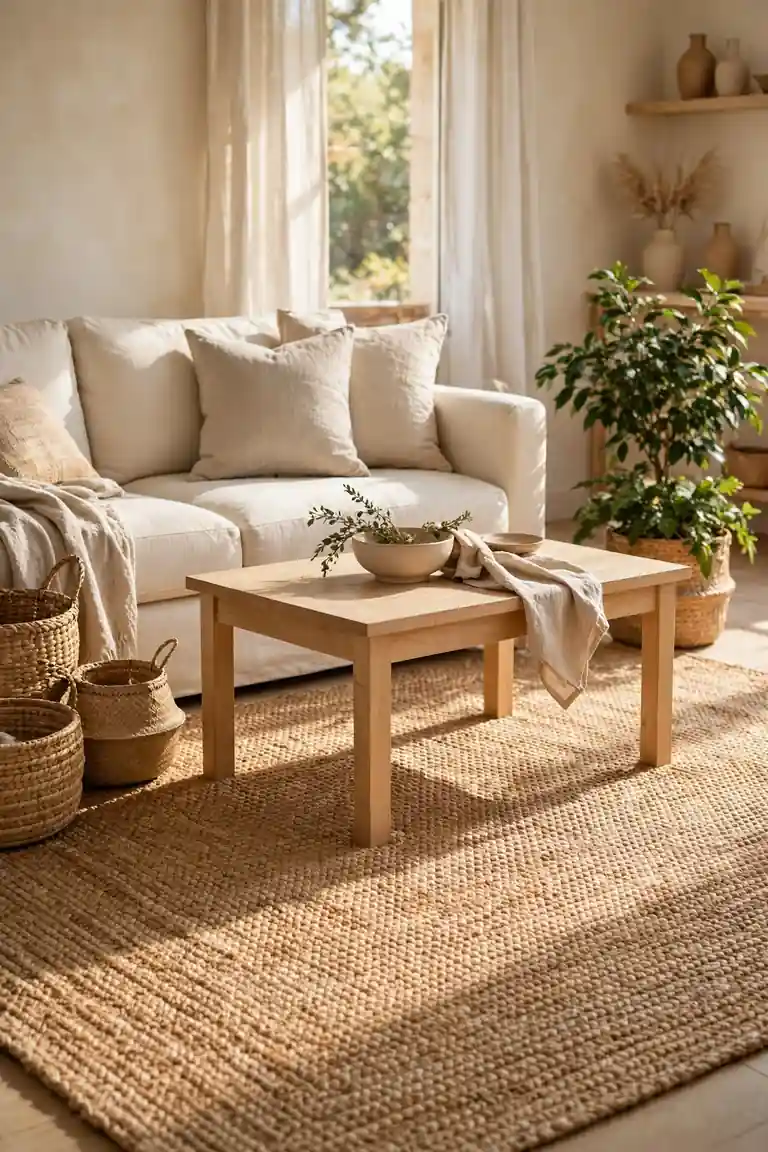
Quick Tip: Jute sheds for the first few weeks, so vacuum with suction only and skip the beater bar entirely. Shake the rug outside once a month and the loose grit leaves before it can grind into the weave and shorten its life.
Jute earns its place when a room needs texture more than color. The honey toned weave warms white walls, grounds pale sofas, and shrugs off dogs, kids and sandy shoes without a complaint. Choose a tight, flat weave under seating so chair legs glide instead of catching on loops. Later, when the budget catches up, a smaller patterned rug can layer straight over the top and the jute becomes the quiet frame.
Bare Boards To Grounded
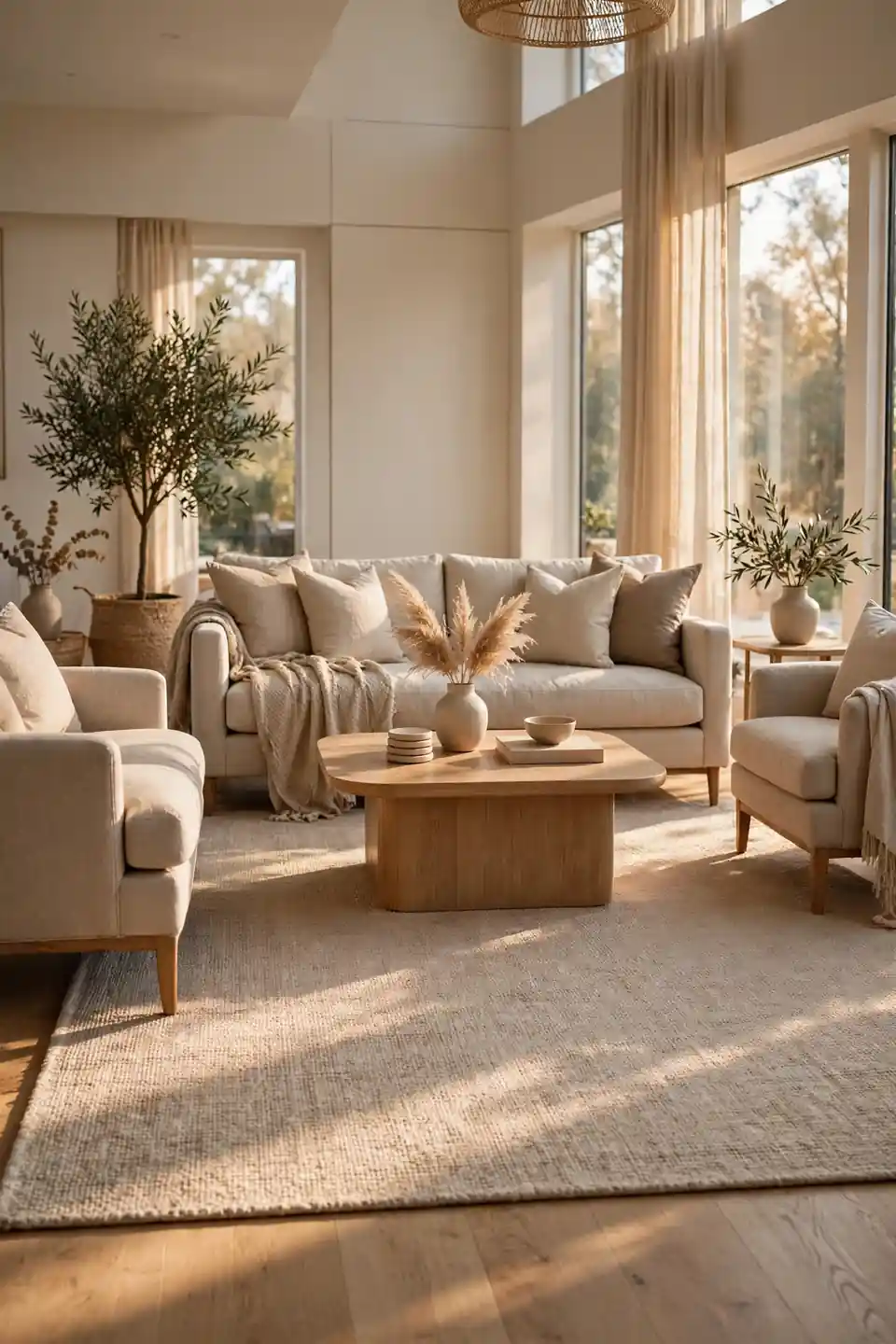
BEFORE: The sofa sat on bare boards, its front legs slipping on the polish, while the coffee table drifted a little further off center every week. Voices echoed, heels clicked, and the seating group never quite felt like a destination anyone chose.
AFTER: A nine by twelve rug now slides beneath every front leg and locks the layout in place. The room sounds softer, the table stays where it was left, and guests drift toward the seating without being waved over.
Nothing else changed: same sofa, same table, same paint. The rug simply gave the furniture one shared floor to agree on. When a room feels unsettled for no reason, check the legs first; if every piece stands alone on hard flooring, ground the group before buying anything new.
Measure Twice Buy Once
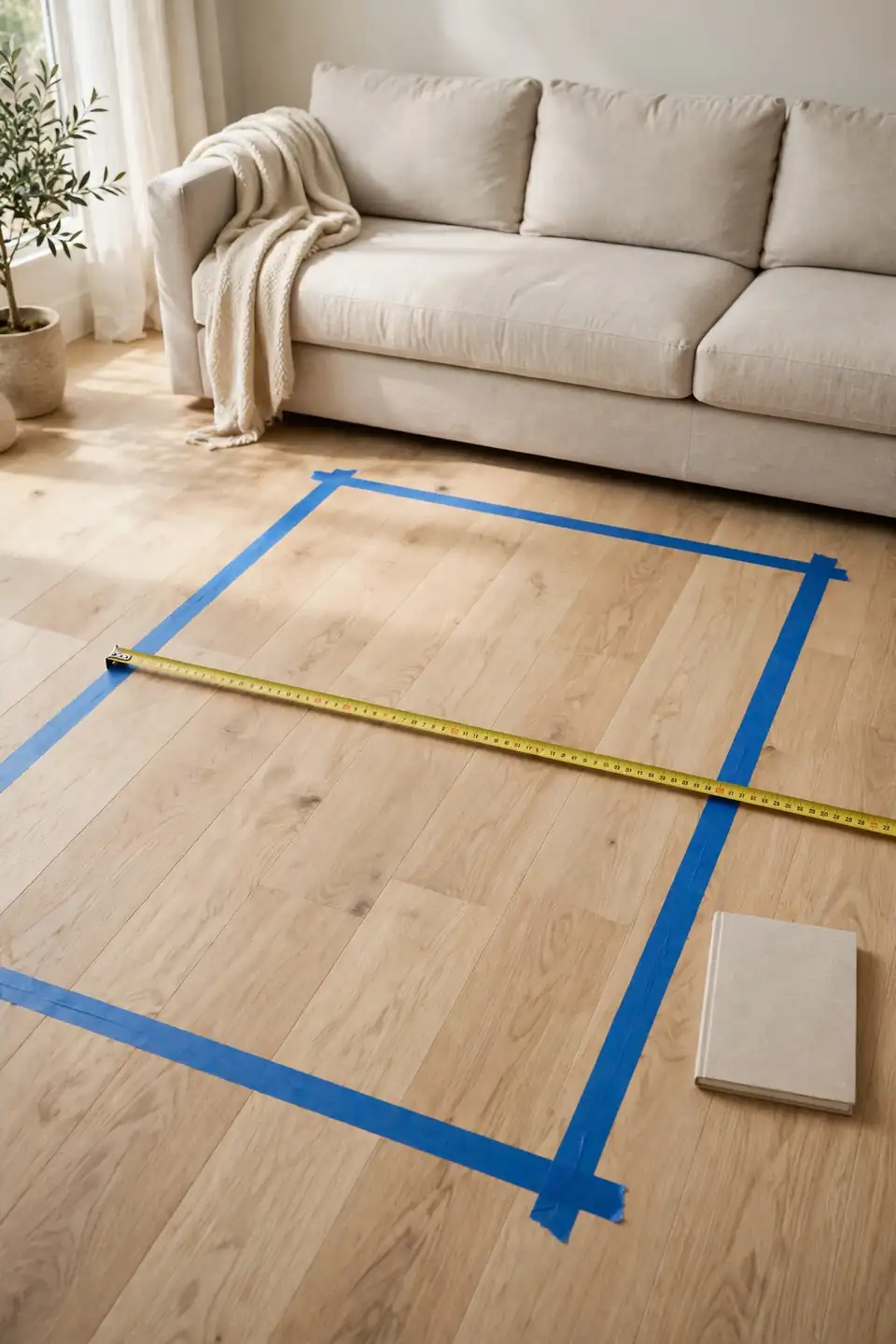
- Measure the seating group at its widest point, from sofa back to chair fronts.
- Add eight inches of rug on every side the layout can spare.
- Tape the full outline on the floor with painter’s tape.
- Live with the tape for a day and walk the usual paths over it.
- Check door swings, heating vents and walkways against the taped border.
Standard sizes exist for a reason: five by eight, eight by ten and nine by twelve quietly cover nearly every layout in this article. Between two sizes, the bigger one almost always looks intentional while the smaller reads as a mistake nobody meant to make. Photograph the taped outline from the doorway before ordering and trust the picture over your memory of the room.
Flatweave Versus Plush Pile

| Feature | Flatweave | Plush Pile |
|---|---|---|
| Feel Underfoot | Firm, smooth landing | Deep, cushioned sink |
| Chair Glide | Legs slide freely | Legs catch and drag |
| Cleaning | Shake out, vacuum fast | Needs slow deep passes |
| Warmth | Cool underfoot in winter | Insulates bare feet |
| Cost | Often lower per foot | Climbs with pile depth |
Neither weave wins outright; the room decides. Flatweave suits busy seating where chairs scrape in and out all day, while plush pile rewards slow rooms built around reading and long conversations. In my experience, households with toddlers and dogs land happier on flatweave first and save the plush dream for the quiet corner. Samples taped to the floor for a week settle the argument honestly.
Rug Rules Worth Keeping
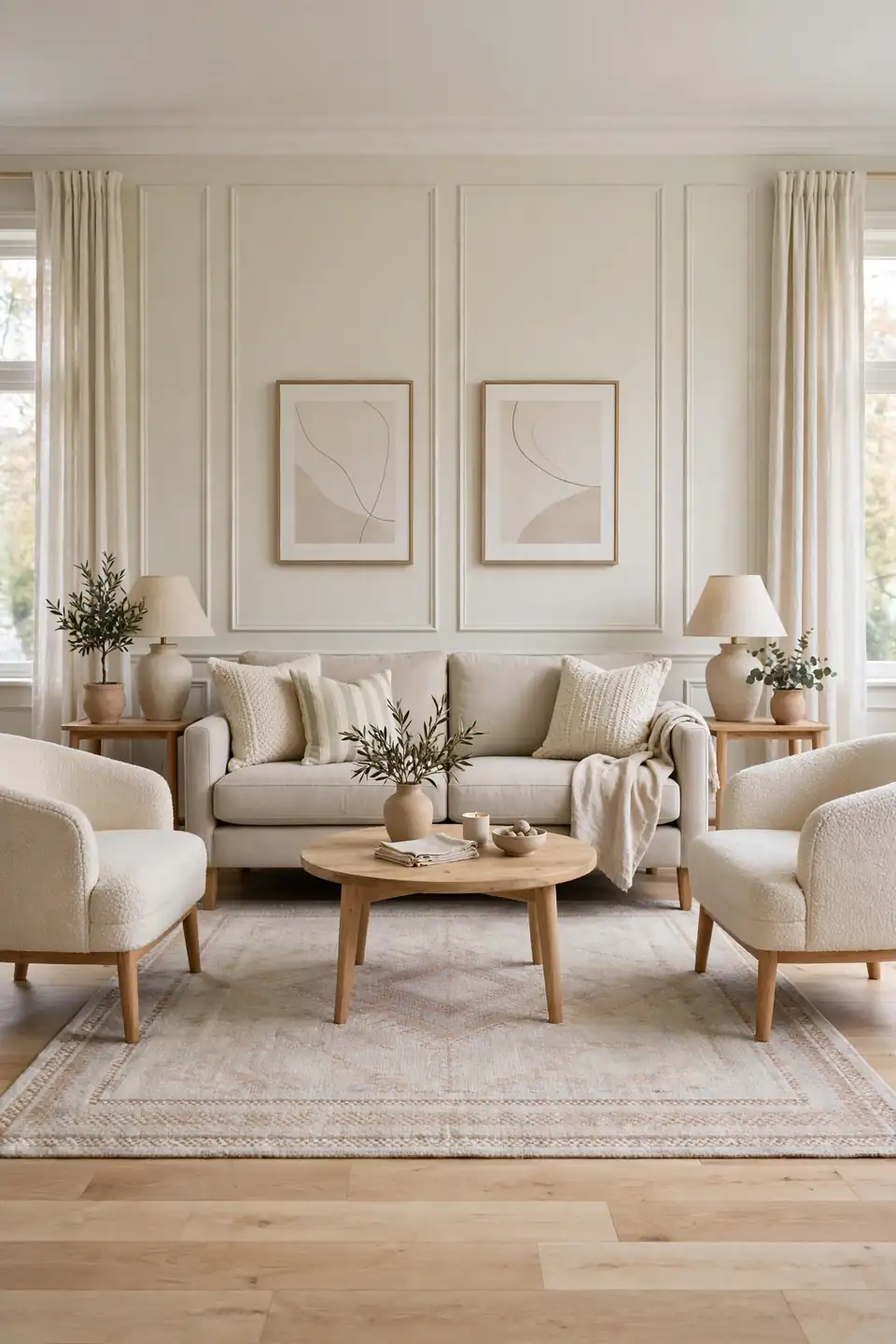
Do:
- Size the rug to the seating group, not the table.
- Keep front legs of every seat on the pile.
- Leave an even border of floor on all sides.
- Repeat one rug color in a cushion or throw.
Don’t:
- Float a small rug alone in a big room.
- Push all the furniture flat against the walls.
- Match the rug exactly to the sofa fabric.
- Skip the grip pad on slick hardwood floors.
Rules sound strict until the first rug lands an inch too small and the whole room argues back. These four habits cover nearly every seating layout, from studio corners to family sized spaces. Break one on purpose for a collected, layered look if you like; accidental rule breaking just looks like a measuring error.
Sizing Facts At A Glance
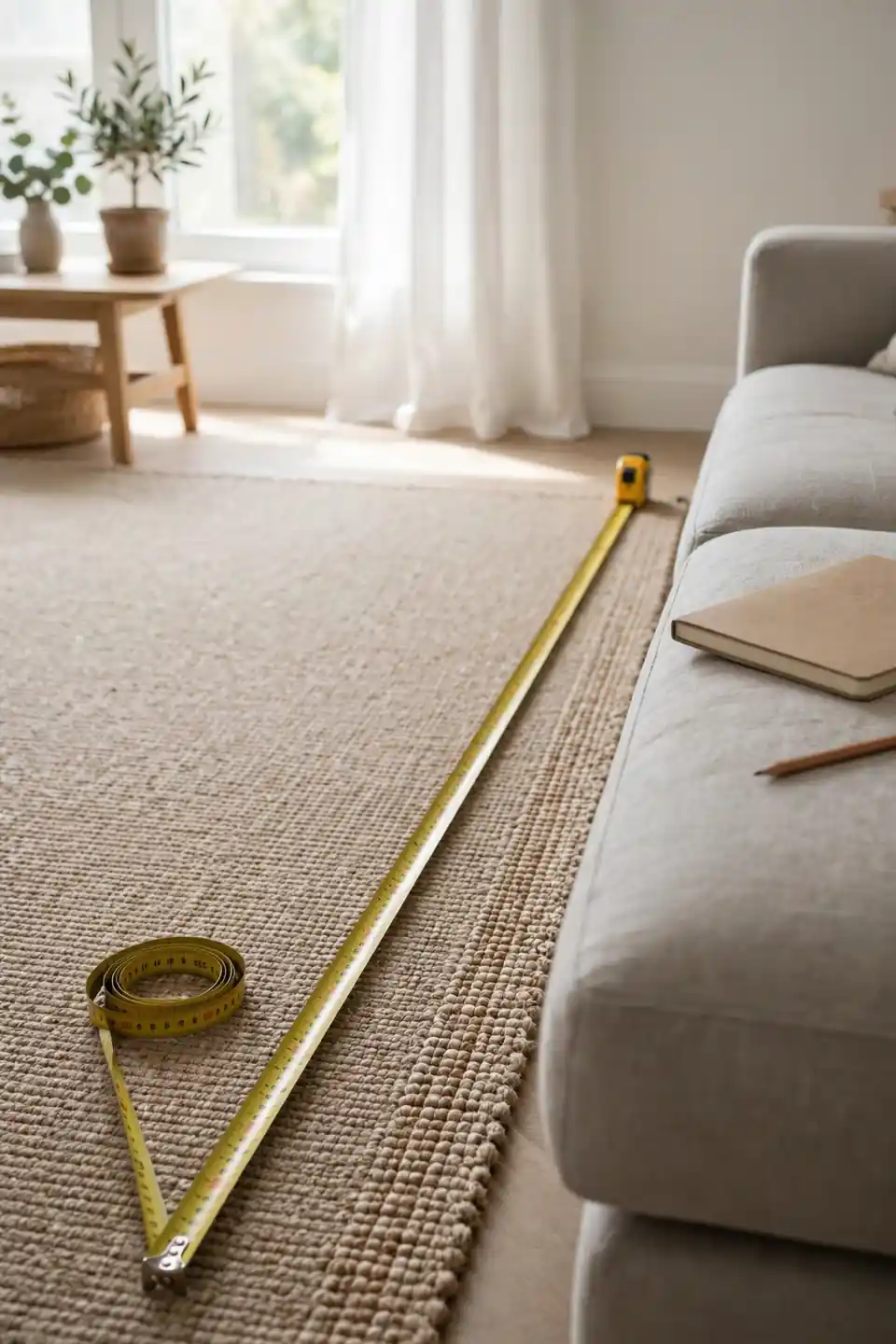
Cost: Nothing to measure; the rug itself is the spend
Time: Twenty minutes with a tape measure and painter’s tape
Skill Level: Beginner; no tools beyond a tape and a pencil
Best For: Anyone torn between two standard rug sizes
Numbers settle most rug arguments before money changes hands. An eight by ten under a three seat sofa leaves honest borders in average rooms, while five by eight belongs under apartment sized seating and coffee tables. Measure the furniture footprint, not the room, and add the border you want to see. Get the footprint right and pattern, pile and color become the fun part instead of a rescue mission.
Layered Look Done Right
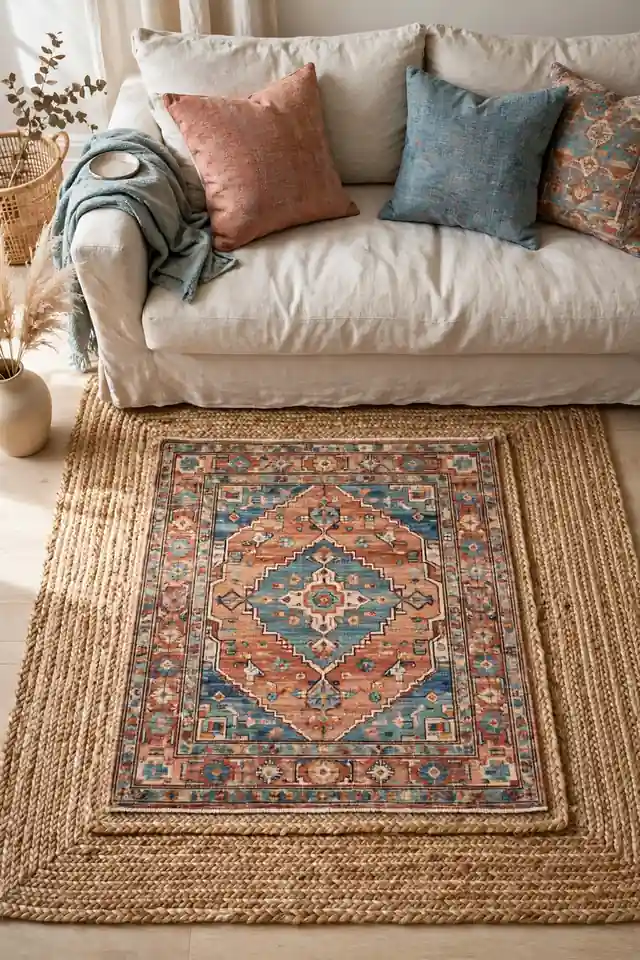
Layering rescues the rug you love that arrived one size too small. A large, flat jute or sisal base sets the footprint the seating needs, and the smaller patterned piece lands on top at the foot half, where eyes and feet notice it most. The base peeks out as a calm border that makes the top layer look chosen, not stranded.
Keep the top layer thin so chair legs sit level and doors swing clear of the stack. Repeat one color from the top rug in a cushion or throw and the pairing looks planned from the doorway. I’ve seen this work well in rentals, where the base hides tired flooring the landlord will not replace.
Quiet Stripes Underfoot

- Pick stripes in two close tones, like ivory on warm beige, for pattern that whispers.
- Run stripes along the longest wall to stretch the space visually.
- Keep stripe width medium; pinstripes buzz and very wide bands chop the floor.
- Let the sofa stay solid so the floor carries the only pattern in the room.
- Wool blends hold stripe edges crisp far longer than loose synthetic weaves.
Stripes forgive crooked rooms, because the eye follows the lines instead of the walls. They also bridge plain furniture and patterned cushions without a fight. Light through the window does similar quiet work, which is why the curtains for kitchen windows in a breakfast nook often echo the same soft lines. Keep the palette tight and stripes read as texture, not theme.
Round Rug, Round Table

Quick Tip: A round rug needs at least a foot of breathing room between its edge and the nearest wall or walkway. Crowd the circle and it reads as a mistake; give it air and it becomes the room’s soft center.
Round rugs soften the grid that sofas, shelves and screens impose on a living room. Center the circle under a round coffee table, pull two curved or angled chairs onto its edge, and the corner turns into a conversation spot. Diameters of five to eight feet cover most reading corners without swallowing the main seating rug nearby. Anchor the edge with one chair leg to stop slow rotation.
Floating Sofa, Anchored Seating

BEFORE: The sofa hovered in the middle of the room with a rug too small beneath the coffee table only, like a raft. Chairs stood off the pile entirely, and every seat felt like its own island.
AFTER: One larger rug now reaches under the sofa and both chair fronts, stitching the pieces into a single conversation zone. Feet land on pile from every seat, and the table finally sits centered instead of adrift.
Floating furniture is the most common living room complaint I hear, and it is rarely a furniture problem at all. The pieces were fine; the rug simply refused to gather them. Size the floor layer to the whole group and even old furniture settles into place.
Front Legs On Rule
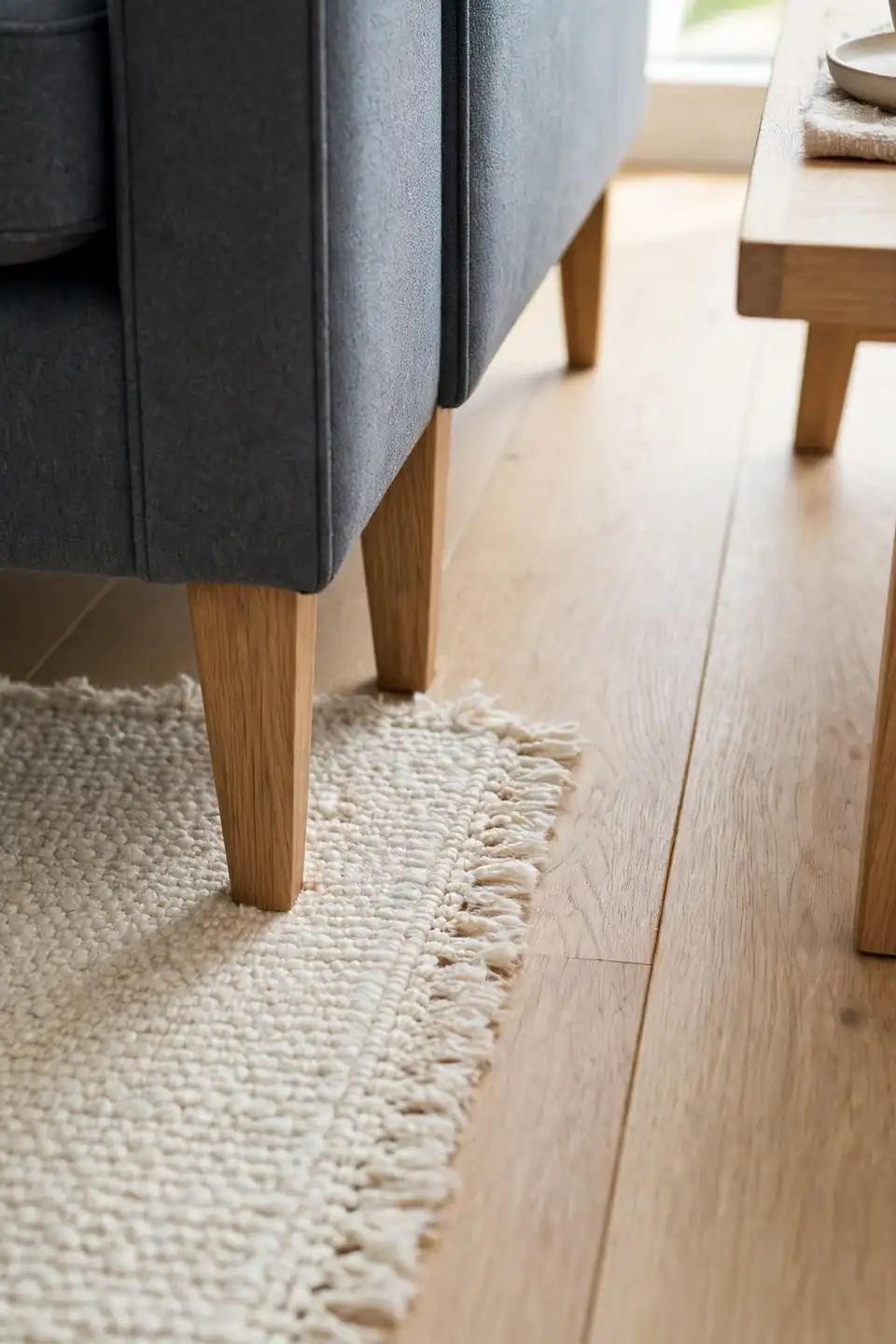
- Slide the rug under the sofa until both front legs rest fully on the pile.
- Check that at least a foot of rug shows in front of the sofa base.
- Repeat the same front leg landing for armchairs and loveseats.
- Leave rear legs on the bare floor; the slight tilt is invisible and fine.
- Press a grip pad under the rug edge where traffic crosses it.
Most living room area rug ideas lean on this single rule, because front legs on the pile is what makes furniture look gathered instead of parked. Full coverage suits huge rooms, and back legs off suits tight ones, but the front leg landing never changes. Get that one line right and the layout forgives almost everything else.
Wool Versus Synthetic Showdown
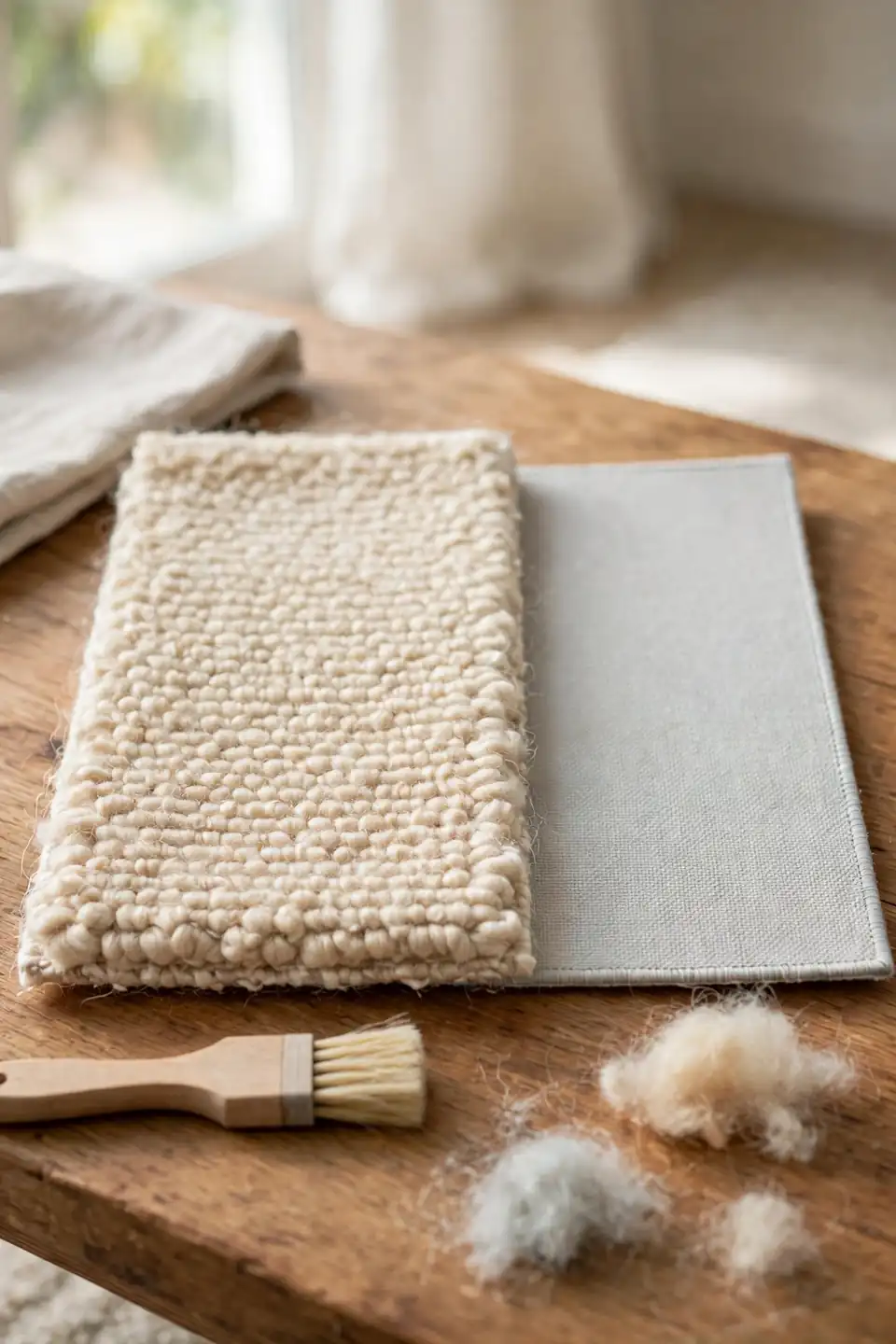
| Feature | Wool | Synthetic |
|---|---|---|
| Feel | Warm, springy pile | Soft, uniform surface |
| Stains | Sheds spills at first | Cleans up very easily |
| Lifespan | Decades with basic care | Five to ten years |
| Price | Higher cost per foot | Friendlier to budgets |
| Sun Fade | Fades slowly, evenly | Can fade in patches |
Wool wins on feel and lifespan, synthetic wins on price and forgiveness around juice boxes. A wool blend splits the difference for family rooms that need both softness and mercy. Handle samples at home under your own lighting before deciding; store lighting flatters every fiber into looking richer than it will at noon by your windows.
Zones In Open Plans
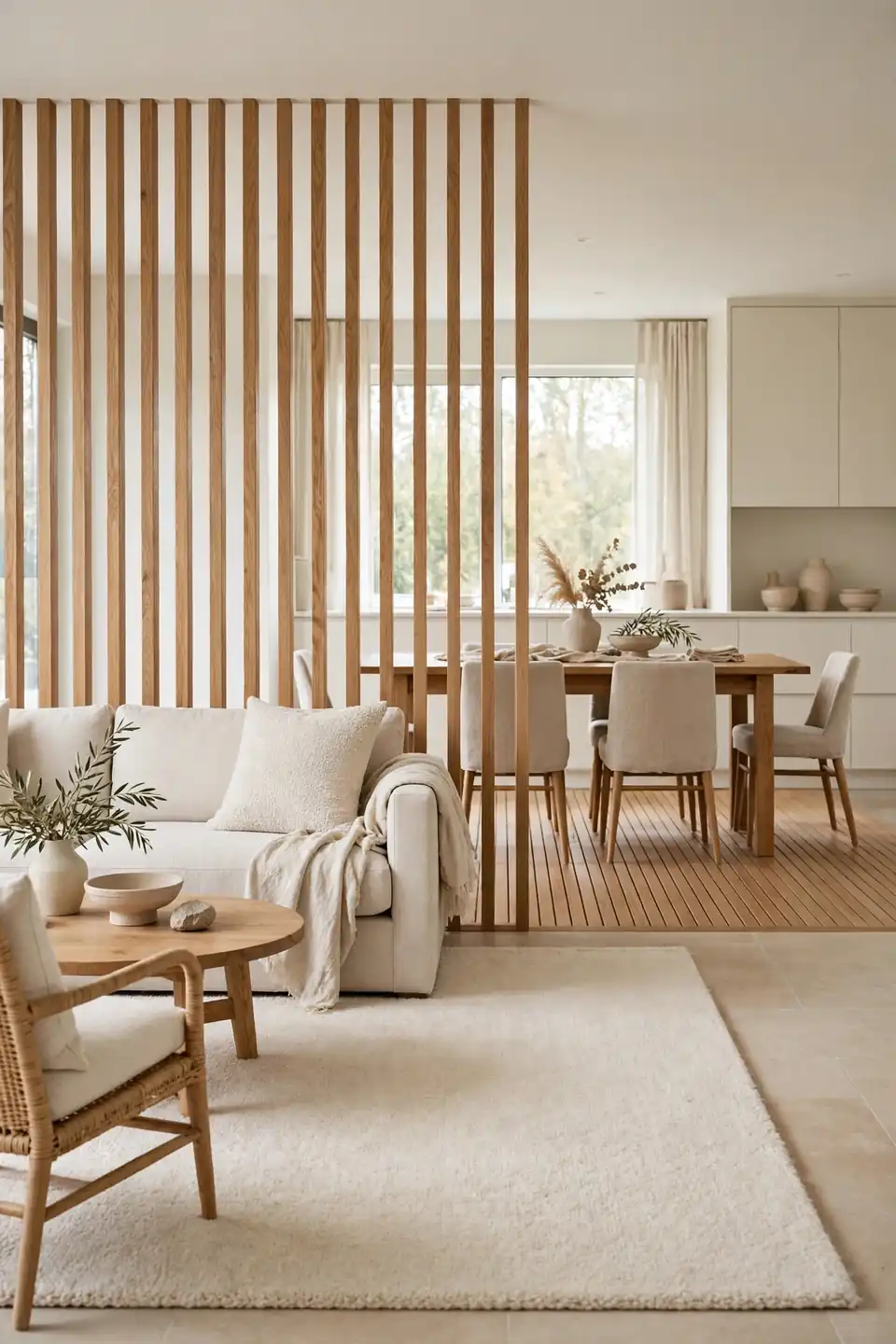
Do:
- Give each zone its own rug, sized to that zone’s furniture.
- Keep rugs in one color family so the zones still talk.
- Leave clear floor lanes between zones for walking paths.
- Anchor the dining rug large enough for pulled out chairs.
Don’t:
- Run one giant rug under every zone at once.
- Mix bold patterns in neighboring zones.
- Let rug edges meet in the middle of a walkway.
- Match every zone’s rug in the exact same weave.
Open plans fail when the floor reads as one undefined field. Separate rugs draw invisible walls that furniture can lean on, and guests read the zones without a single sign. Keep the lanes between rugs wide enough for two people to pass and the plan stays generous.
Care Facts That Matter
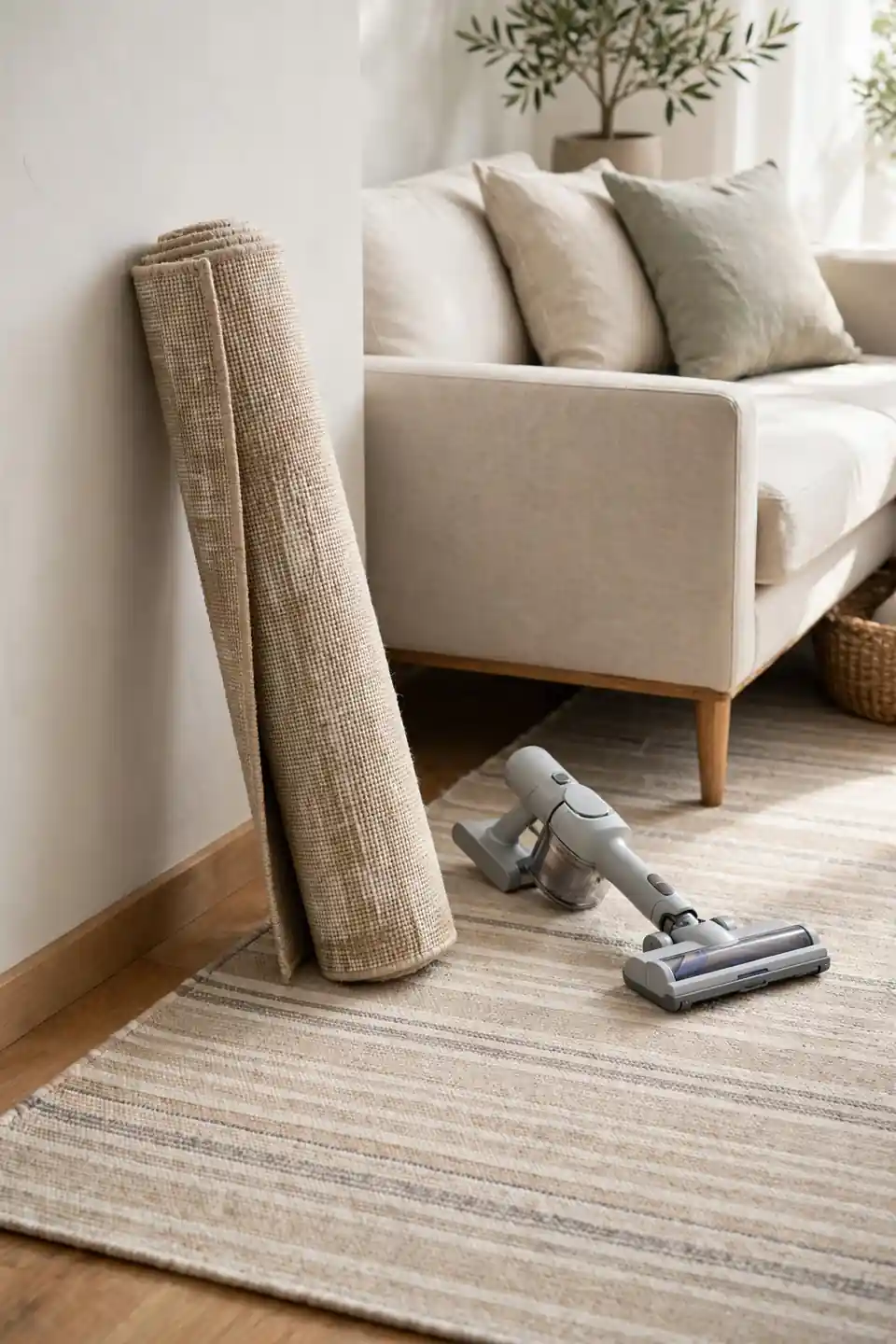
Cost: A vacuum and a yearly deep clean cover it
Time: Ten minutes weekly, one afternoon per season
Skill Level: Beginner; rotation is the only real habit
Best For: High pile rugs in busy family rooms
Most rugs die from grit, not wear. Dirt settles at the pile base and saws at fibers with every step, so a weekly suction pass matters more than any fancy treatment. Rotate the rug a half turn each season to spread sunlight and traffic evenly, and blot spills from the edge inward so they never bloom. Do those three plain things and a mid priced rug outlives the sofa it sits under.
Tone On Tone Calm

One color, many textures: that is the whole recipe. A cream rug under an ivory sofa, with oatmeal cushions and a natural wood table, builds depth without a single bold note. The eye reads the layers of weave, pile and grain instead of hunting for contrast, and the room feels larger because nothing interrupts the palette.
Vary the pile heights to keep the calm from going flat: a low rug, a nubby throw, one smooth leather or linen surface. Keep metals warm and woods pale so the scheme stays in its lane. This is the palette that photographs beautifully at any hour, which is why stylists return to it for listing photos and quiet Sunday rooms alike.
Classic Border Frame
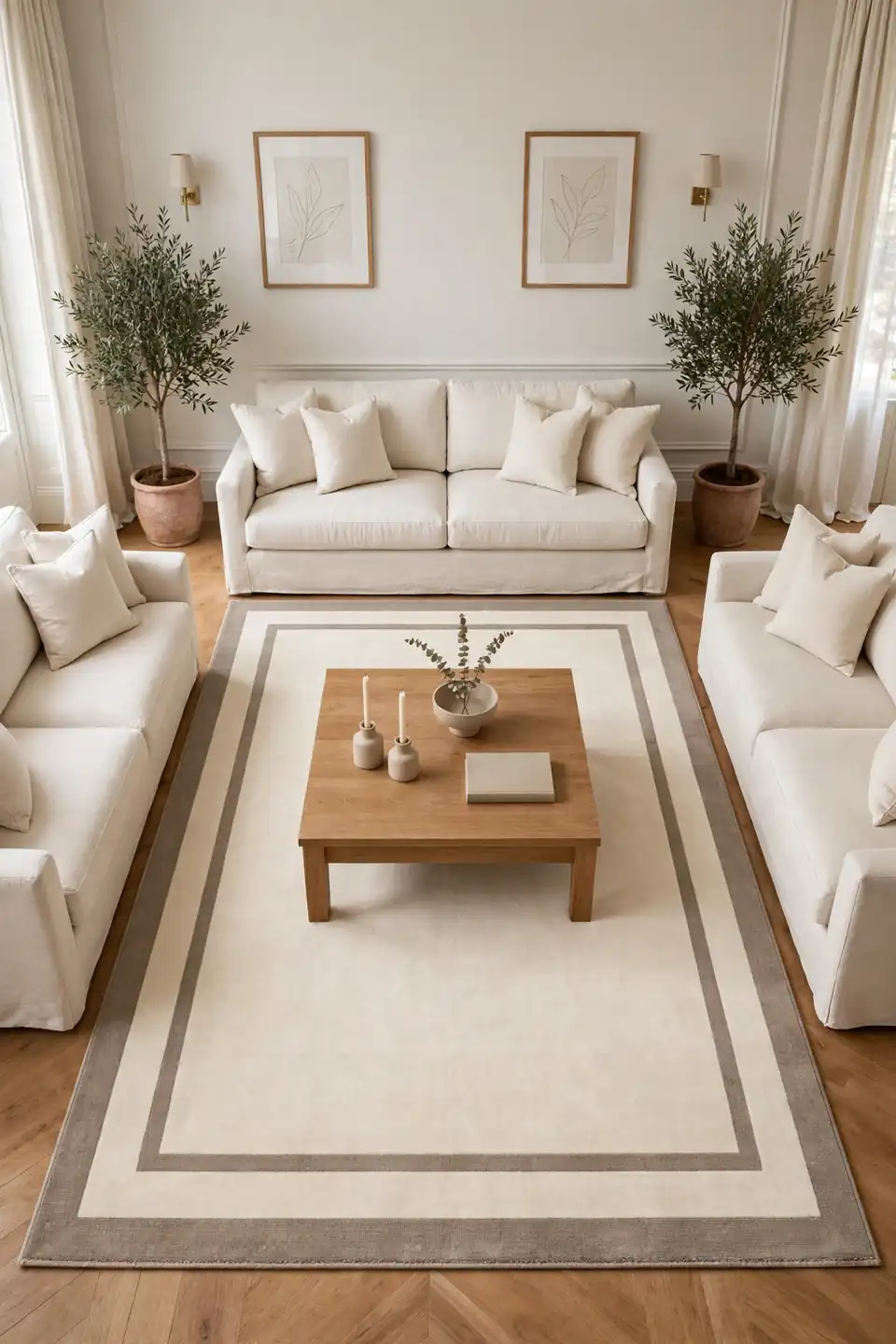
- Choose a bordered rug when the seating needs a visual picture frame.
- Keep the border fully visible; sliding it under walls wastes the detail.
- Match border tone to the darkest wood or metal in the room.
- Let the field stay plain so cushions can carry pattern freely.
- Center the coffee table inside the inner field, not on the border.
Borders do the framing work that crown molding does at the ceiling: they finish the edges and make the middle look intentional. A taupe border on a cream field flatters both traditional and modern furniture, because the geometry stays quiet. When guests say a room looks pulled together without knowing why, a bordered rug is often the reason.
Runner Along The Sofa
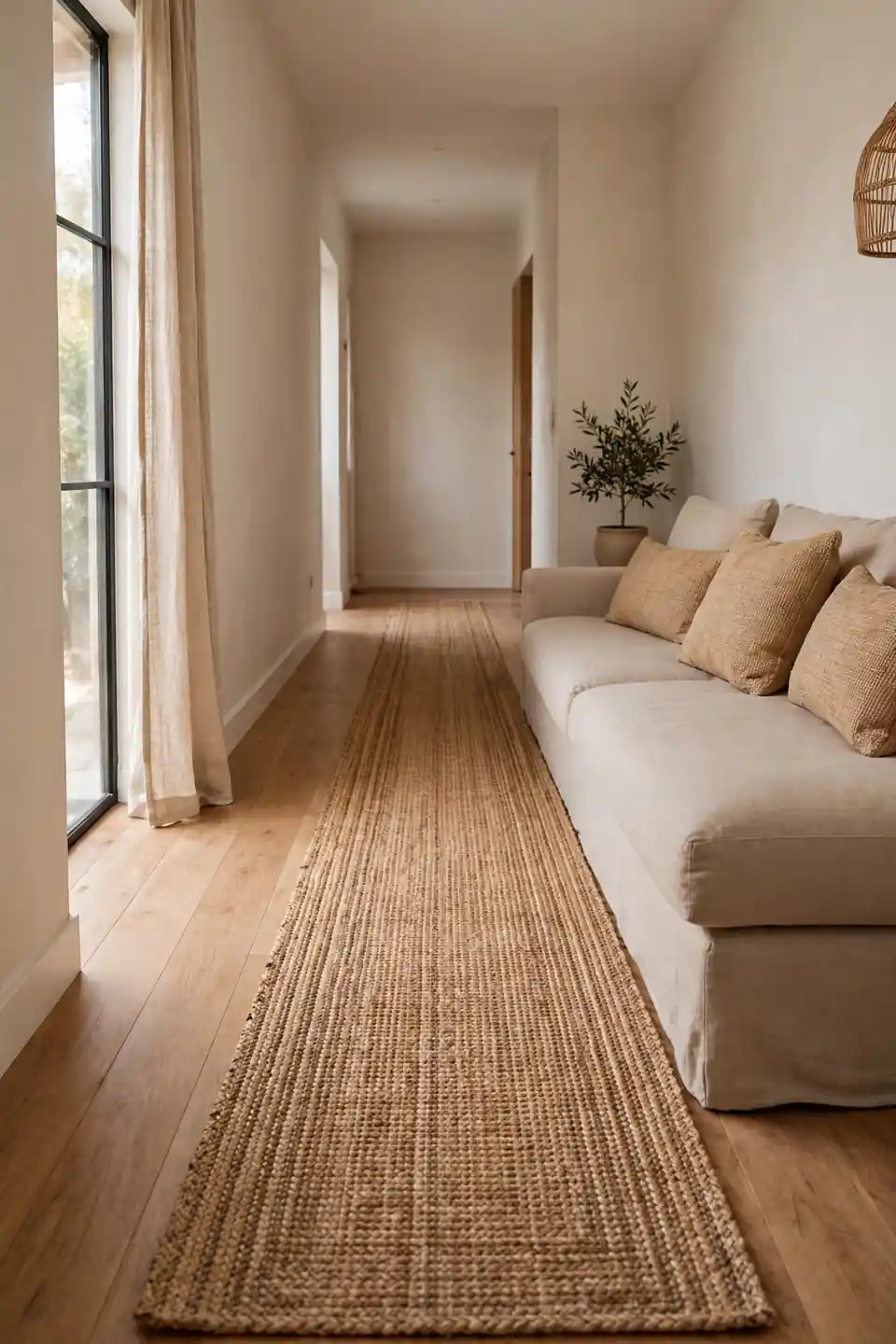
Quick Tip: A runner in front of the sofa needs grip at both ends, because that strip takes the room’s fastest foot traffic. A thin pad cut two inches shorter than the runner keeps it invisible and stops the creep toward the coffee table.
Runners rescue long, narrow living rooms where a full rug would crowd the walkway. One slim runner along the sofa front warms the main path, defines the seating edge, and leaves breathing floor on both sides. Match its tones to the larger rug across the room, or to the entry runner, and the whole floor plan reads connected.
Light Room, Dark Rug
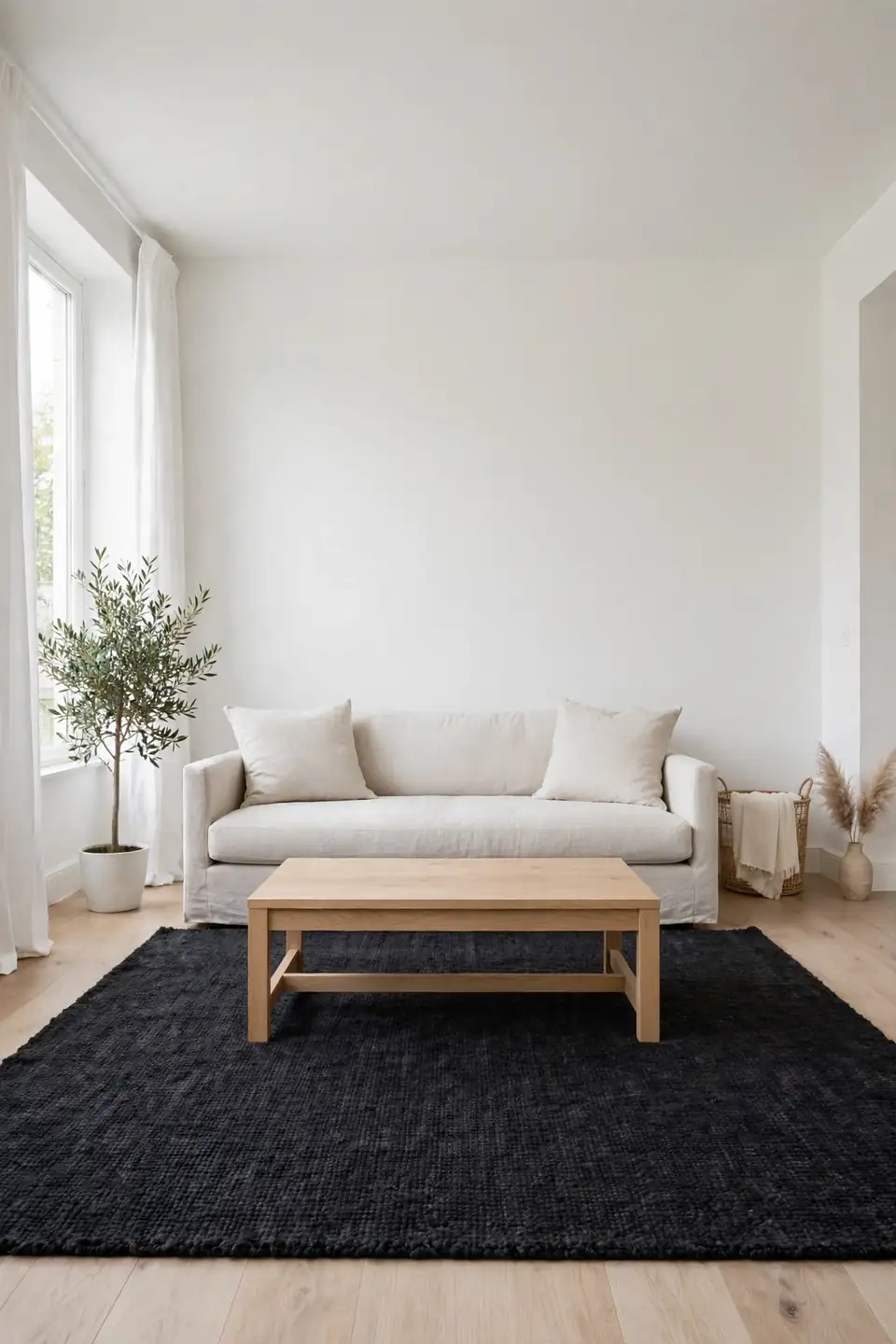
BEFORE: White walls, pale sofa, bleached floors: the room photographed beautifully and felt like a waiting room in person. Every piece blended into the next, and the seating had no center of gravity at all.
AFTER: A deep charcoal rug now grounds the pale furniture like a shadow the room was missing. The sofa reads crisp against the dark pile, the table stands out, and the whole palette suddenly looks deliberate.
Contrast is a rug’s cheapest superpower. One dark layer lets every pale piece keep its calm while giving the eye a floor to rest on. Keep the pile low and the edges clean, repeat the charcoal in one small accessory, and the drama stays elegant instead of heavy.
Pad It Underneath

- Unroll the pad in the room and let it flatten for an hour.
- Trim the pad two inches smaller than the rug on every side.
- Center the pad inside the taped rug outline on the floor.
- Roll the rug out over the pad from one short end.
- Walk the edges flat and check the corners for curl.
A pad is the cheapest upgrade a rug can get. It stops creep on hardwood, adds the cushion thin rugs lack, and keeps grit from grinding pile against board. Felt with a rubber back grips best on smooth floors, while plain felt suits carpet underneath. Skipping the pad saves twenty dollars and costs the rug years.
Jute Versus Sisal Texture
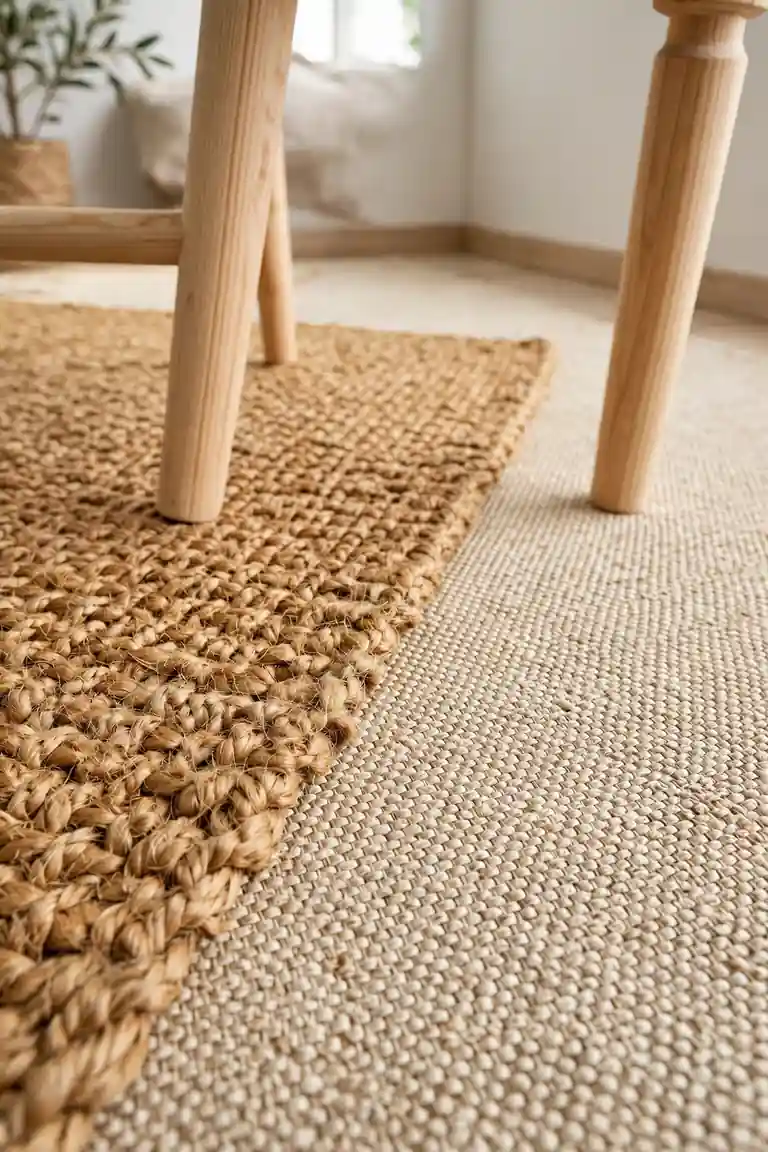
| Feature | Jute | Sisal |
|---|---|---|
| Feel | Soft, slightly chunky | Firm, tight weave |
| Color | Warm golden tones | Cooler beige greys |
| Durability | Gentle traffic only | Handles heavy traffic |
| Cleaning | Suction vacuum only | Shake and vacuum |
| Price | Lower, widely stocked | Slightly higher |
Both fibers bring the same earthy calm, so the choice comes down to traffic and touch. Jute feels kinder under bare feet in a quiet seating corner, while sisal earns its keep by the door and under dining chairs. In my experience, sisal hides sandy grit better between cleanings, and jute photographs warmer beside white sofas and pale oak. Order swatches of both and live with them a week.
Swap Rugs By Season

Do:
- Roll out a flat, light rug when spring light returns.
- Bring the deep pile back for the first cold month.
- Store the off season rug clean and rolled.
- Keep both rugs in one palette so furniture never clashes.
Don’t:
- Store a rug dirty; stains set deeper monthly.
- Fold a rug for storage and crack its backing.
- Swap sizes so wildly that furniture legs lose the pile.
- Leave the summer rug down through muddy winter boots.
Two rugs sound indulgent until the first spring morning makes the winter pile look tired. A seasonal swap doubles the life of both rugs, refreshes the room twice a year, and gives deep cleaning a deadline. Start with one affordable flatweave as the summer partner and the habit pays for itself.
Conclusion
Good rugs rarely shout; they simply make every other choice in the room look deliberate. Start with the largest size your layout honestly allows, land the front legs on the pile, and let texture do the decorating before pattern gets a vote. Small borders, honest measurements and one grounded layer do more than any single statement piece. Save this pin before your next rug hunt, run the tape test this weekend, and share it with a friend whose sofa still floats. Chosen with a tape measure and a little patience, living room area rug ideas turn an ordinary seating group into the spot everyone claims first.