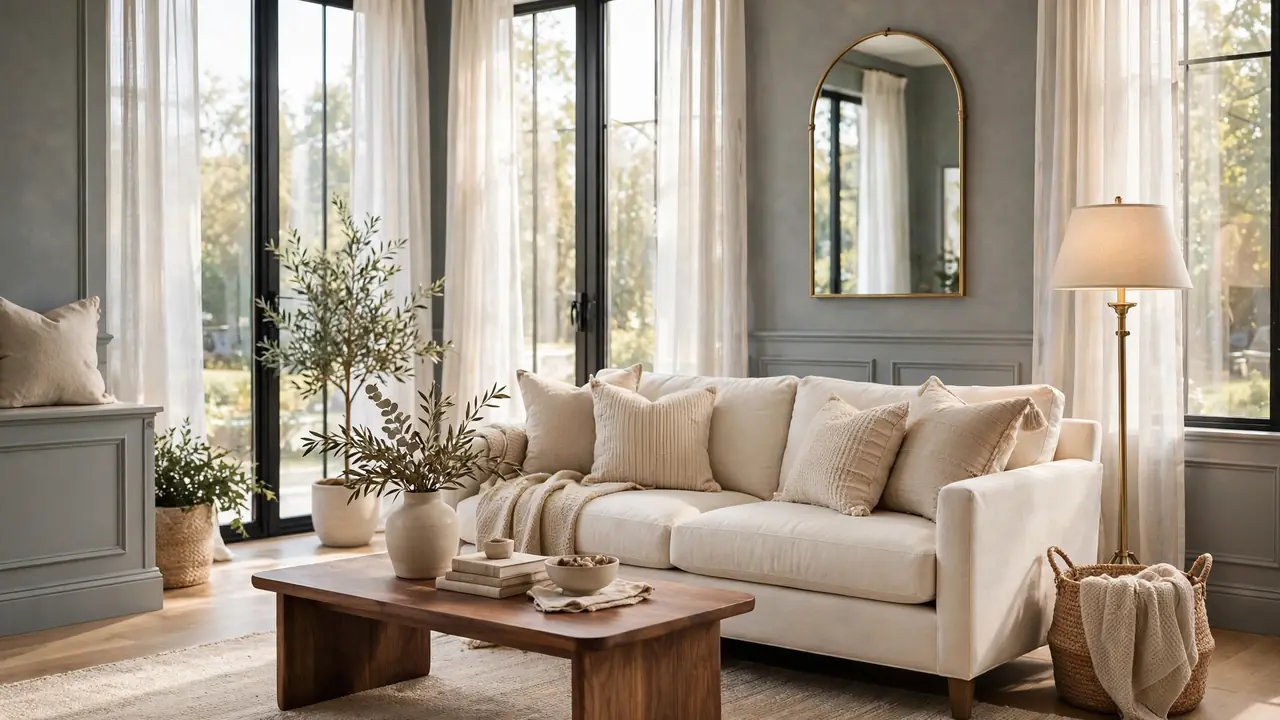
21 Transitional Style Home Decor Ideas for Timeless Elegance
Homes that feel calm, polished, and welcoming rarely follow one strict style. The best transitional style home decor ideas blend classic comfort with clean modern lines, so a room feels timeless instead of trendy. Warm neutrals, gentle curves, and honest materials do most of the work, while simple shapes keep everything fresh and uncluttered.
Every idea ahead pairs traditional bones with a lighter modern touch, from layered textiles to arched mirrors and walnut accents. Readers who love relaxed coastal rooms will also enjoy coastal farmhouse bedroom decorating ideas for a softer, breezier take. Start with one corner, one wall, or one chair, and let the balance build slowly across the whole home.
Warm Neutral Layered Textiles
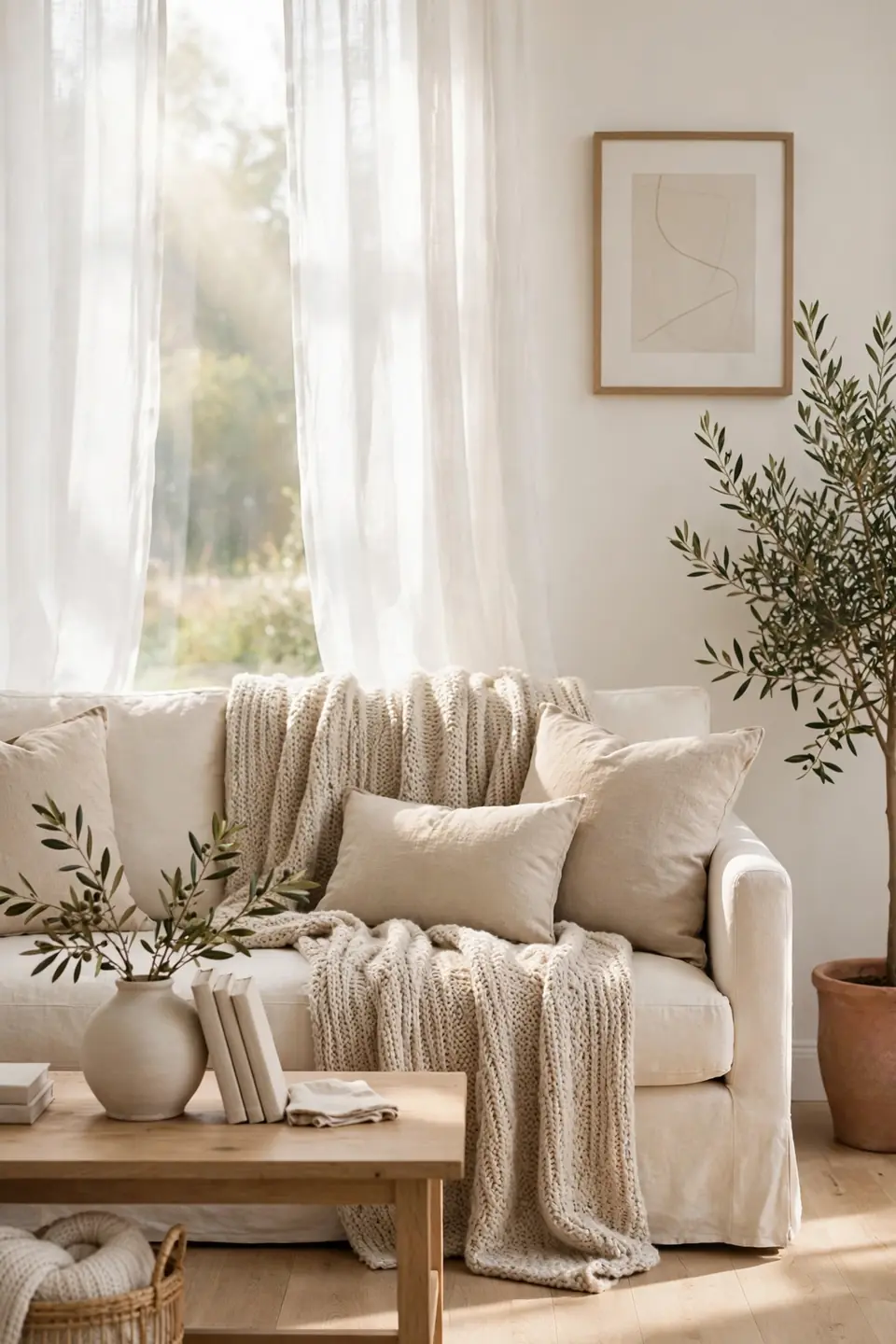
A cream sofa looks flat until layers arrive. One chunky knit throw in oatmeal, two linen cushions in soft beige, and a woven cotton blanket across the arm change the whole mood. The mix of textures does what bold color does in other styles, only quieter.
Natural fibers keep the layers honest. Wool adds warmth in winter, while cotton and linen breathe through summer. In my experience, three textiles per seat is the sweet spot, enough to feel generous without burying the furniture. Fold throws loosely rather than lining them up like a shop display. The result feels collected, never decorated.
Classic Wingback Chairs Updated
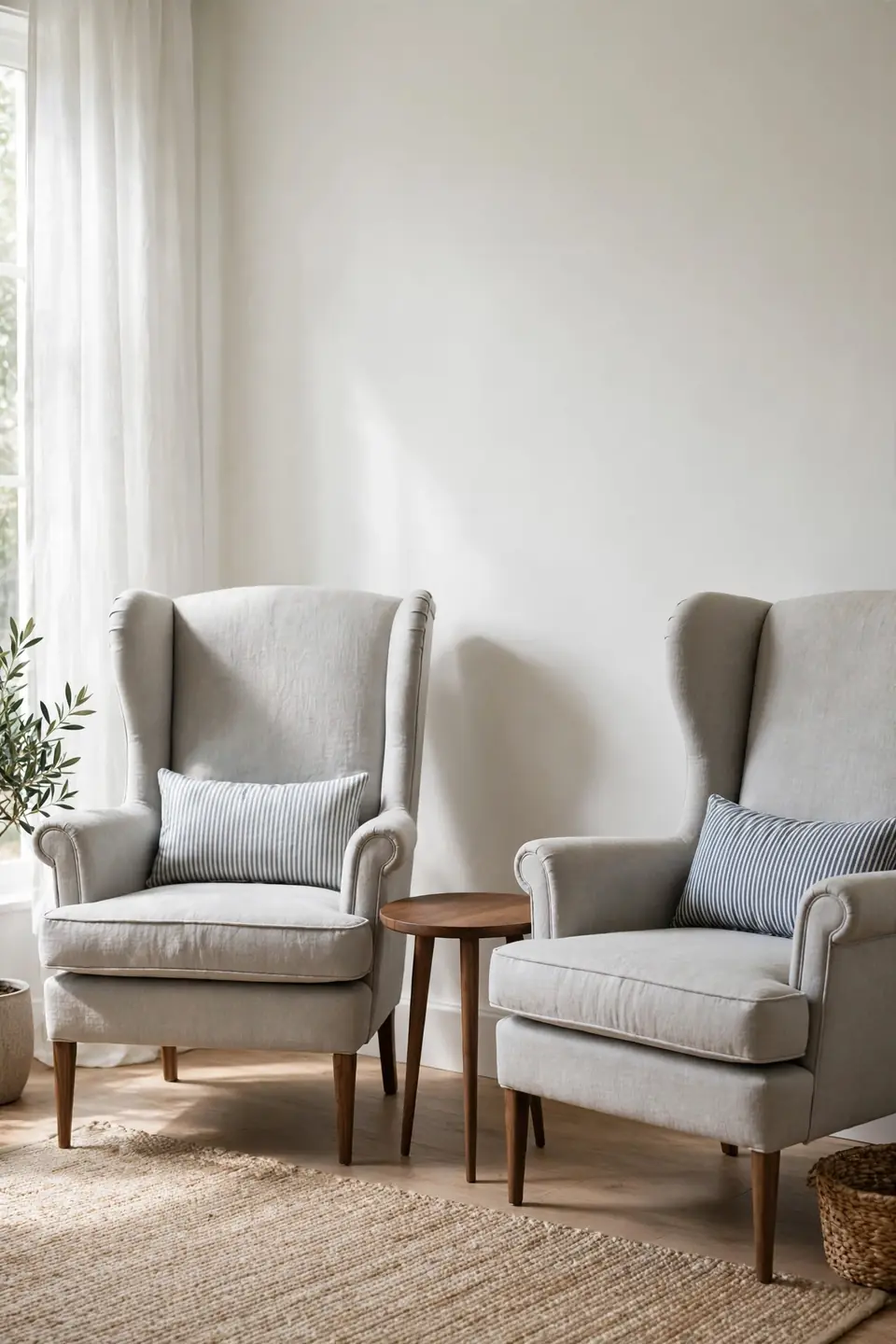
- Choose a high back with gentle wings, scaled for the room rather than oversized.
- Upholster in light gray or cream linen for a softer, updated read.
- Pair two chairs around a small round side table for symmetry.
- Add slim tapered wooden legs to lift the traditional silhouette.
- Finish with one lumbar cushion in a subtle stripe or check.
Wingbacks carry a formal reputation, yet fabric and leg choices change everything. A pair in pale linen beside a simple fireplace reads relaxed, not stuffy. The tall backs also frame a seating area beautifully, giving the eye a clear anchor when the rest of the room stays light and simple.
Timeless Walnut Wood Accents
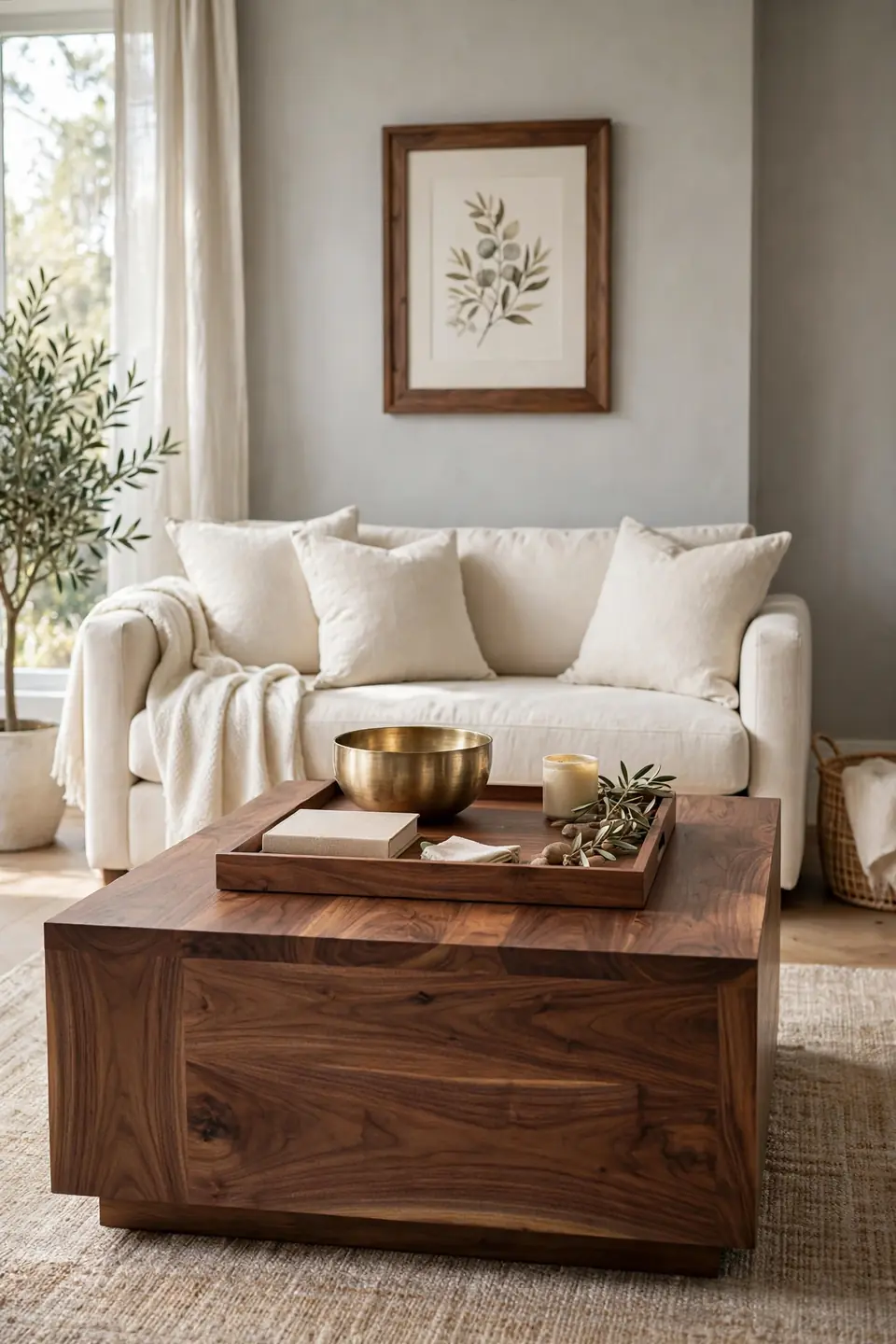
Quick Tip: Repeat walnut at least three times in one room, a coffee table, a picture frame, and a small tray, for example. The repetition makes the wood feel like a deliberate thread instead of a random leftover from another set. Mid-tone pieces also hide dust and minor scratches better than very dark or very pale finishes.
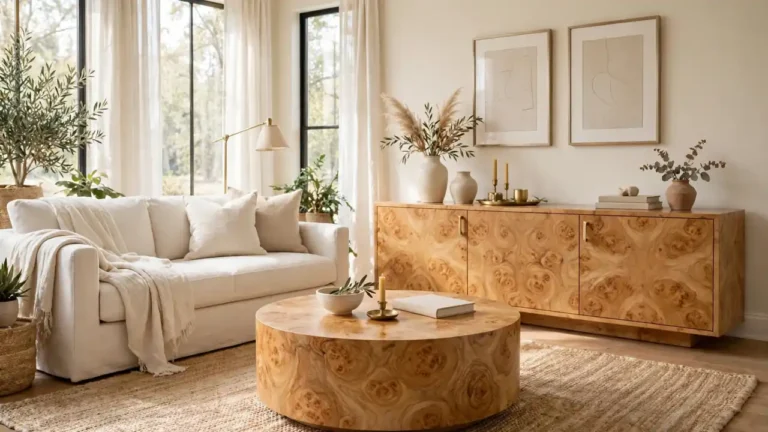
Walnut sits perfectly between dark traditional mahogany and pale modern oak. Its grain carries warmth without heaviness, so even one strong piece grounds a light room. Side tables, headboards, and media consoles in walnut pair easily with cream upholstery, soft gray walls, and brushed brass details.
Traditional Rug Under Modern Sofa
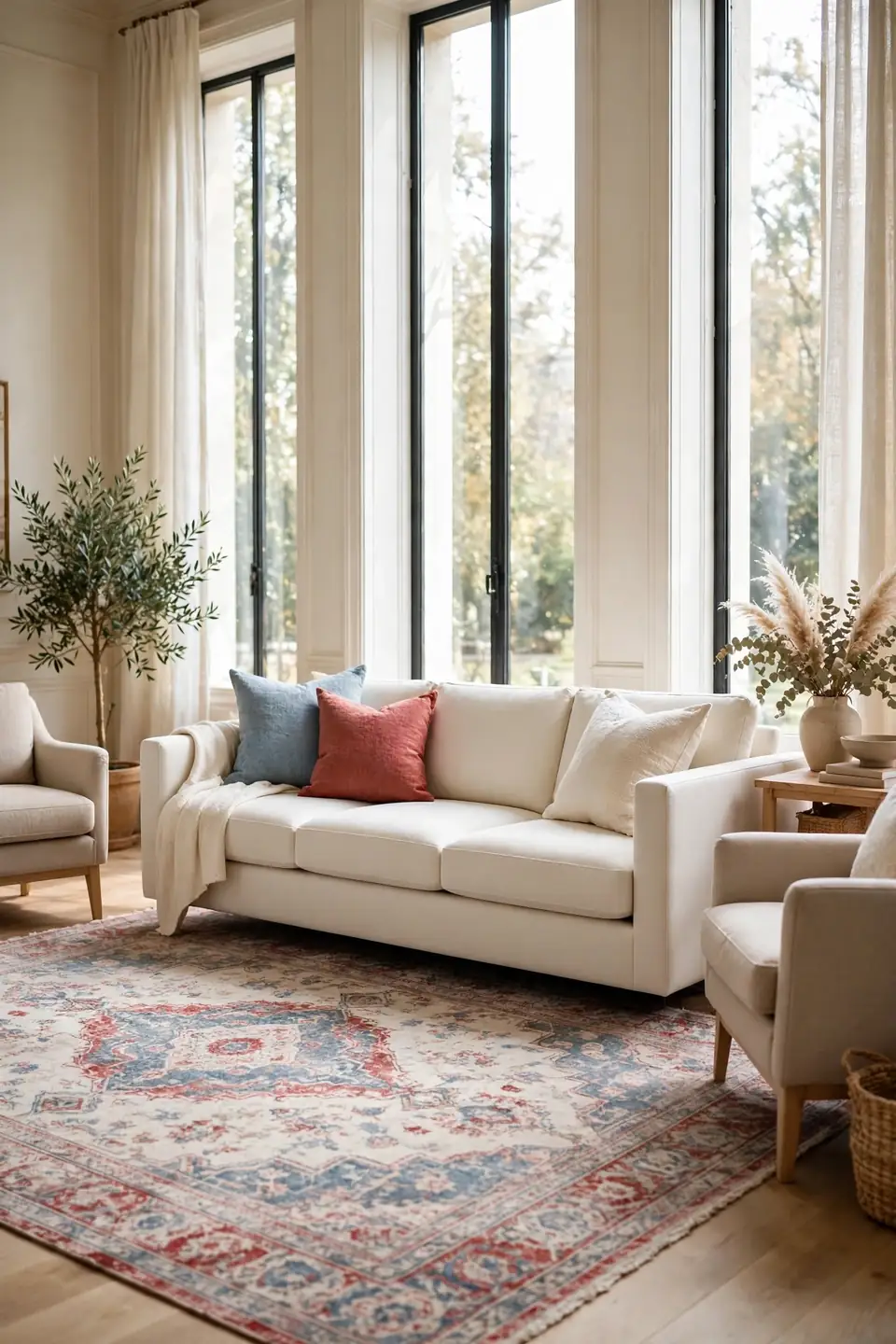
BEFORE: The modern sofa floated on bare pale flooring, and the seating area felt cold and unfinished. Nothing tied the clean-lined furniture to the classic bones of the room, so the space read more showroom than home.
AFTER: A faded traditional rug in soft red, ivory, and dusty blue now anchors the sofa and chairs. The pattern adds history and warmth, while the straight modern lines above it keep the room feeling current and calm.
Vintage style rugs forgive busy households, since their patterns hide crumbs and pet hair between cleanings. Keep the palette muted rather than bright, and let at least the front legs of every seat rest on the rug. That one placement rule makes the grouping feel planned.
Symmetrical Console Table Styling
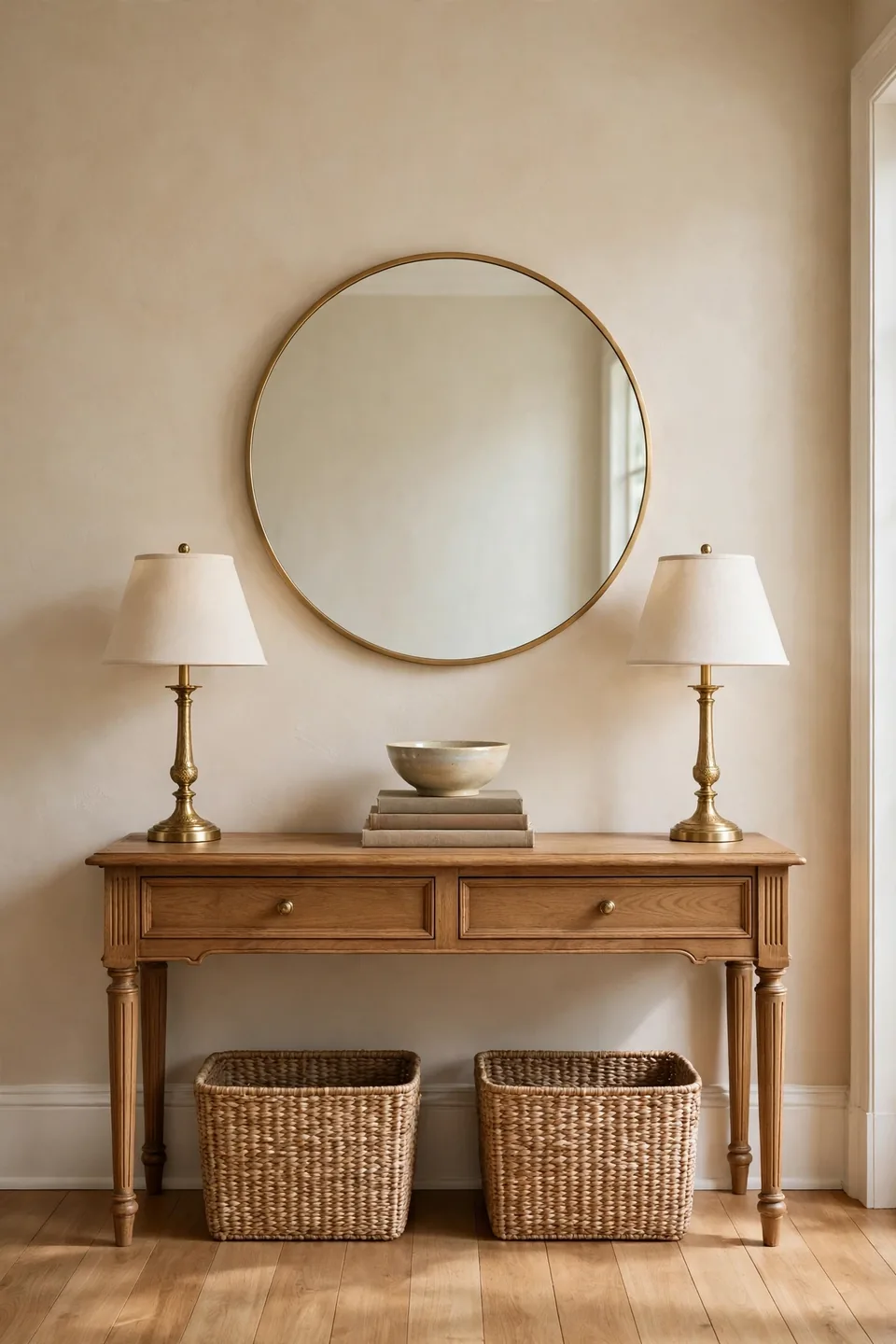
- Center a rectangular or arched mirror above the console, roughly two thirds the table width.
- Place matching lamps at both ends to frame the mirror and balance the light.
- Stack two coffee table books in the middle with a small bowl or vase on top.
- Slide woven baskets or stacked boxes underneath to fill the lower space neatly.
Symmetry is the oldest trick in traditional styling, and it still works because the eye reads it as calm. Perfect matching is not required, though. Two lamps of equal height in different finishes hold the balance while keeping the arrangement from feeling like a hotel lobby.
Arched Mirror Wall Accent
| Feature | Arched Mirror | Rectangular Mirror |
|---|---|---|
| Shape Feel | Soft curve, classic warmth | Sharp lines, modern edge |
| Best Walls | Above consoles and mantels | Above wide sofas and dressers |
| Light Effect | Spreads light in a gentle arc | Reflects one clean, direct view |
| Style Partner | Pairs with traditional shapes | Pairs with contemporary frames |
| Price Range | Higher, one investment piece | Lower, easy to replace |
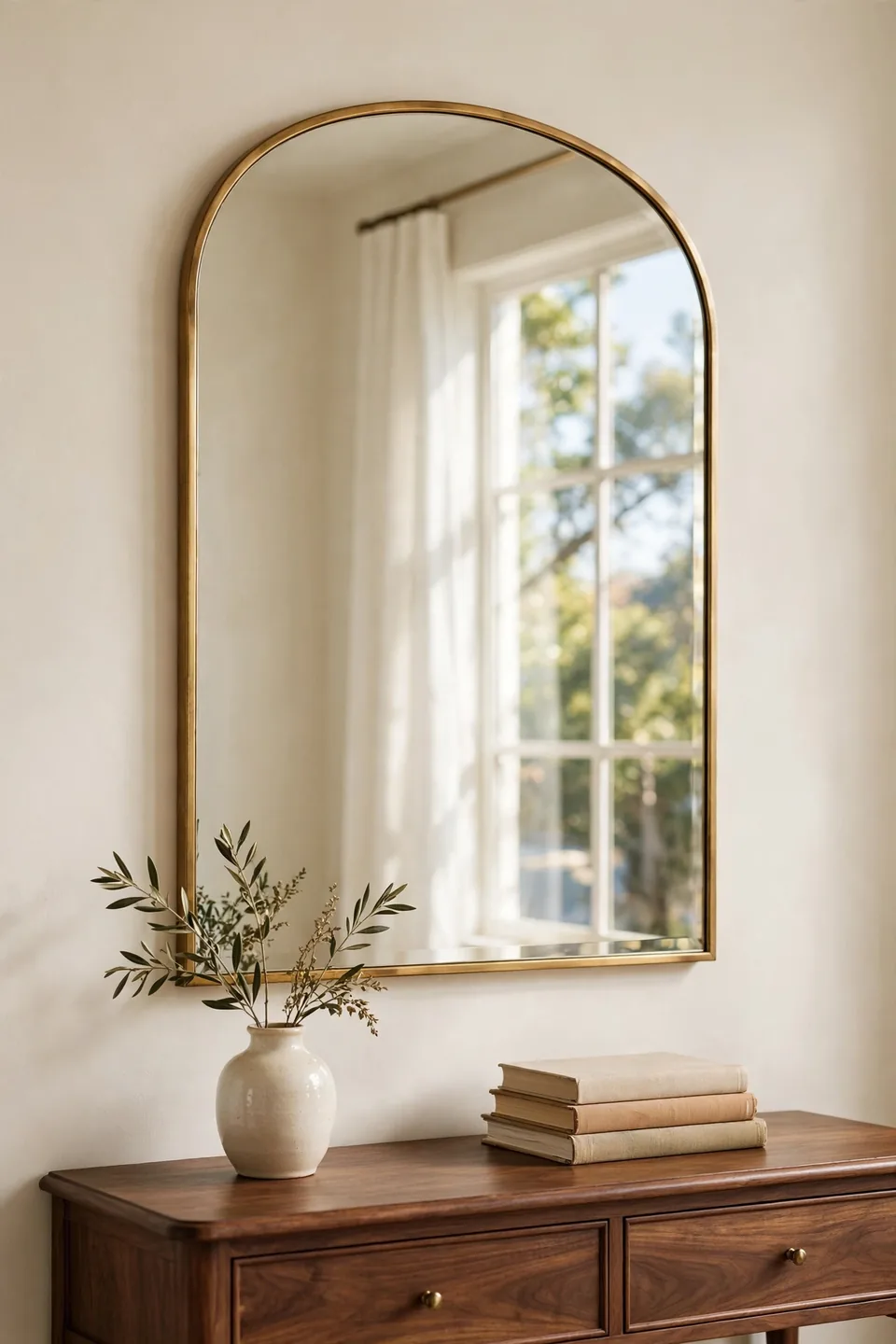
Arched mirrors borrow their shape from old doorways and windows, which is why they settle so comfortably into classic rooms. The curve softens straight modern furniture nearby, and a thin brass or black frame keeps the look current. Hang one where it can reflect a window for double the daylight.
Curved Lines Meet Straight Edges
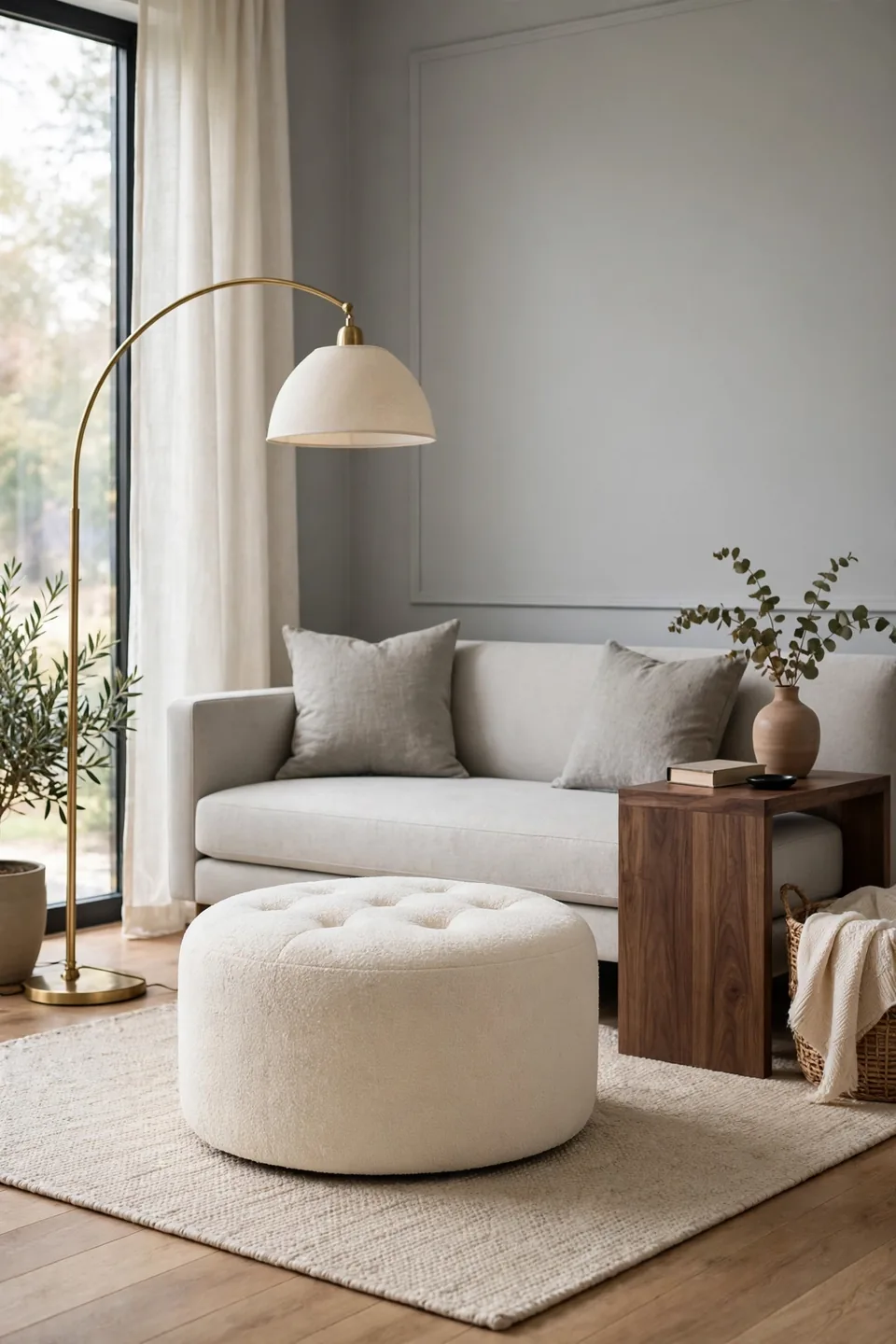
DO:
- Mix one curved piece into every group of straight-lined furniture.
- Echo the curve once more in a lamp, mirror, or side table.
- Keep fabrics smooth so the shapes stay the main event.
- Leave breathing room around statement pieces.
DON’T:
- Do not fill a room with only sharp angles and hard corners.
- Avoid matching every curve to the same radius and height.
- Skip heavy ornate carving that fights the cleaner pieces.
- Never push curved furniture flat against a wall.
Rooms feel welcoming when shapes have a quiet conversation. A round ottoman in front of a straight sofa, or an arched floor lamp over a square rug, creates that softness without a single frill. I’ve noticed guests settle faster in rooms where at least one curve breaks the grid.
Linen Upholstery Natural Texture
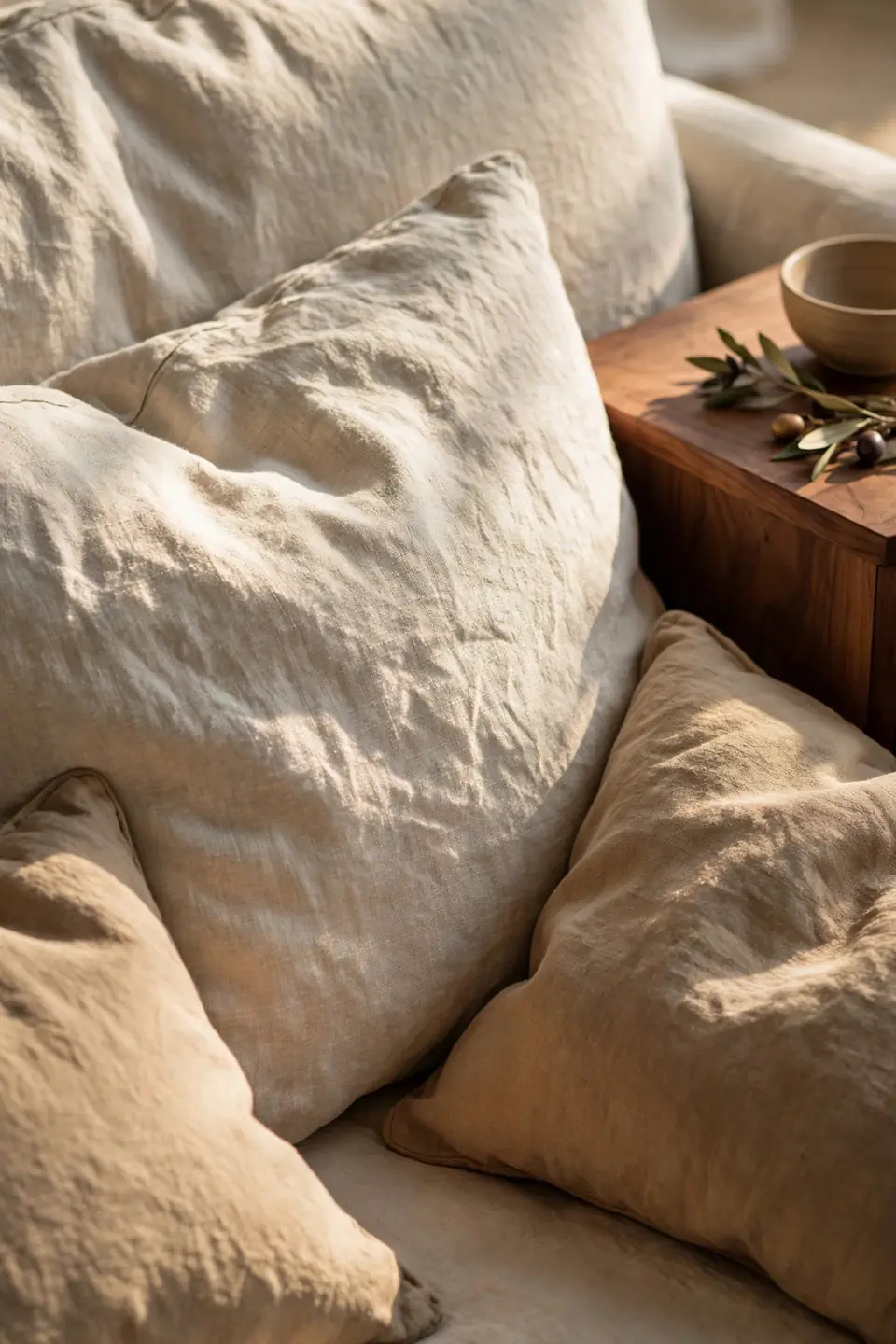
Cost: Moderate overall, with ready-made linen slipcovers and loose yardage sold at nearly every budget level
Best For: Sofas, upholstered headboards, and dining seat cushions in rooms the family uses every single day
Care Level: Easy to live with, since most linen covers unzip, machine wash, and line dry quickly
Result: A soft, slightly rumpled texture that relaxes tailored furniture and warms up clean modern lines
Linen carries tiny slubs and soft wrinkles that read as texture rather than flaws. That forgiving surface suits busy family rooms where pressed, perfect fabric would fail within a week. Pick a tight weave in oatmeal, flax, or stone, and the upholstery quietly bridges traditional frames and modern cushions.
Soft Gray Painted Walls
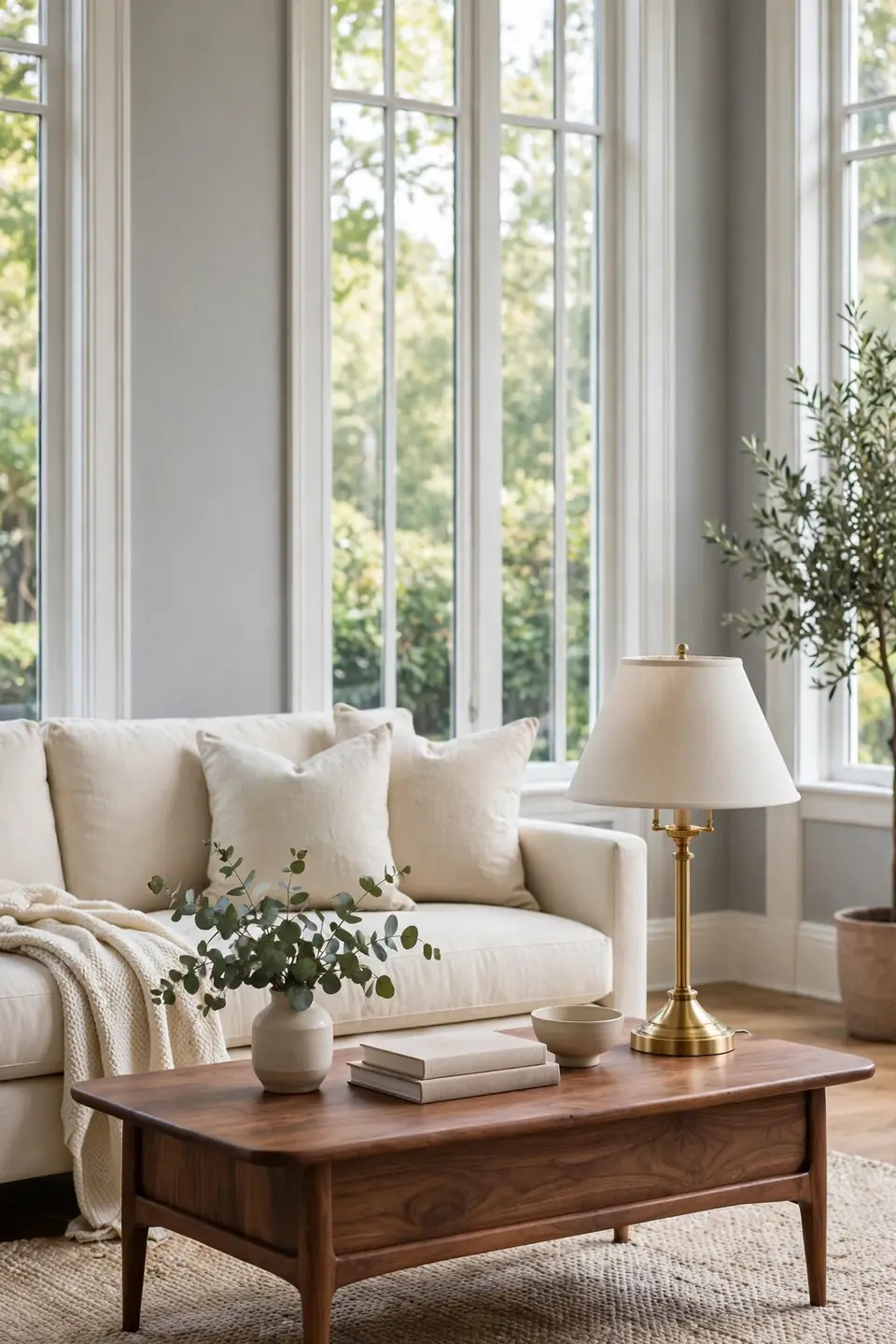
Few changes calm a mixed-style room faster than a coat of soft gray paint. The color sits between warm and cool, so walnut furniture, cream upholstery, and brass lamps all look at home against it. That flexibility is exactly why transitional style home decor ideas return to greige and soft gray walls again and again.
Test the shade at morning and evening before committing. North-facing rooms pull gray toward blue, so a greige with beige in it stays warmer. Paint one wall first, live with it for two days, and check it against your largest furniture piece. Small samples lie, but a full wall rarely does.
Brass Fixtures Classic Lines
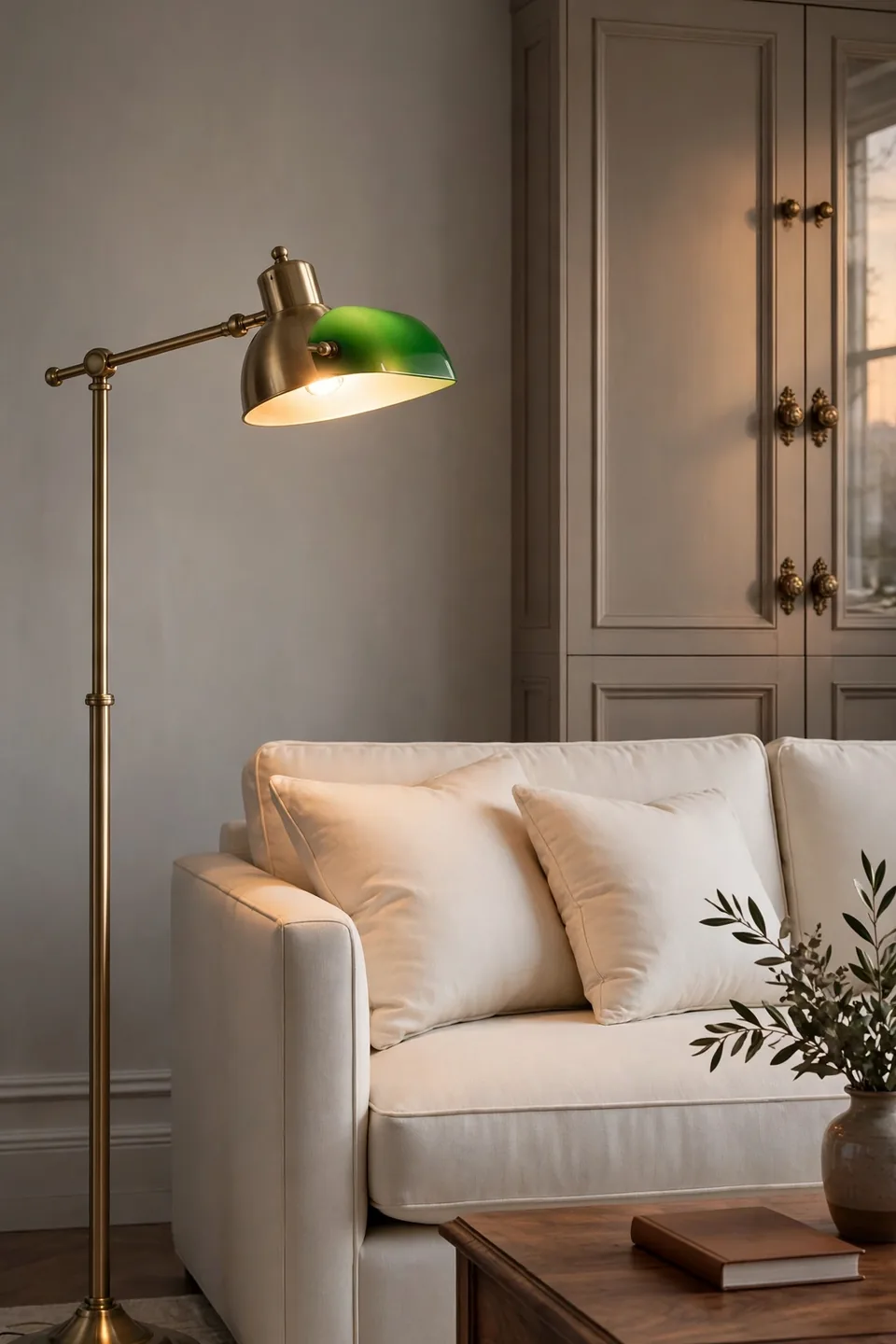
- Pick brushed or antique brass over shiny polished finishes.
- Repeat the metal on lamps, cabinet pulls, and curtain rods.
- Choose simple shapes, such as slim stems and plain drum shades.
- Limit the room to two metal finishes at most.
- Clean with a soft dry cloth only, never harsh polish or sprays.
Brass has warmed classic interiors for centuries, yet its cleanest forms feel completely current. A slim pharmacy lamp beside a modern sofa or plain brass knobs on a flat-front cabinet gives traditional weight without old-fashioned fuss. That’s why many experts recommend settling on one main metal and repeating it calmly.
Tufted Velvet Accent Chair
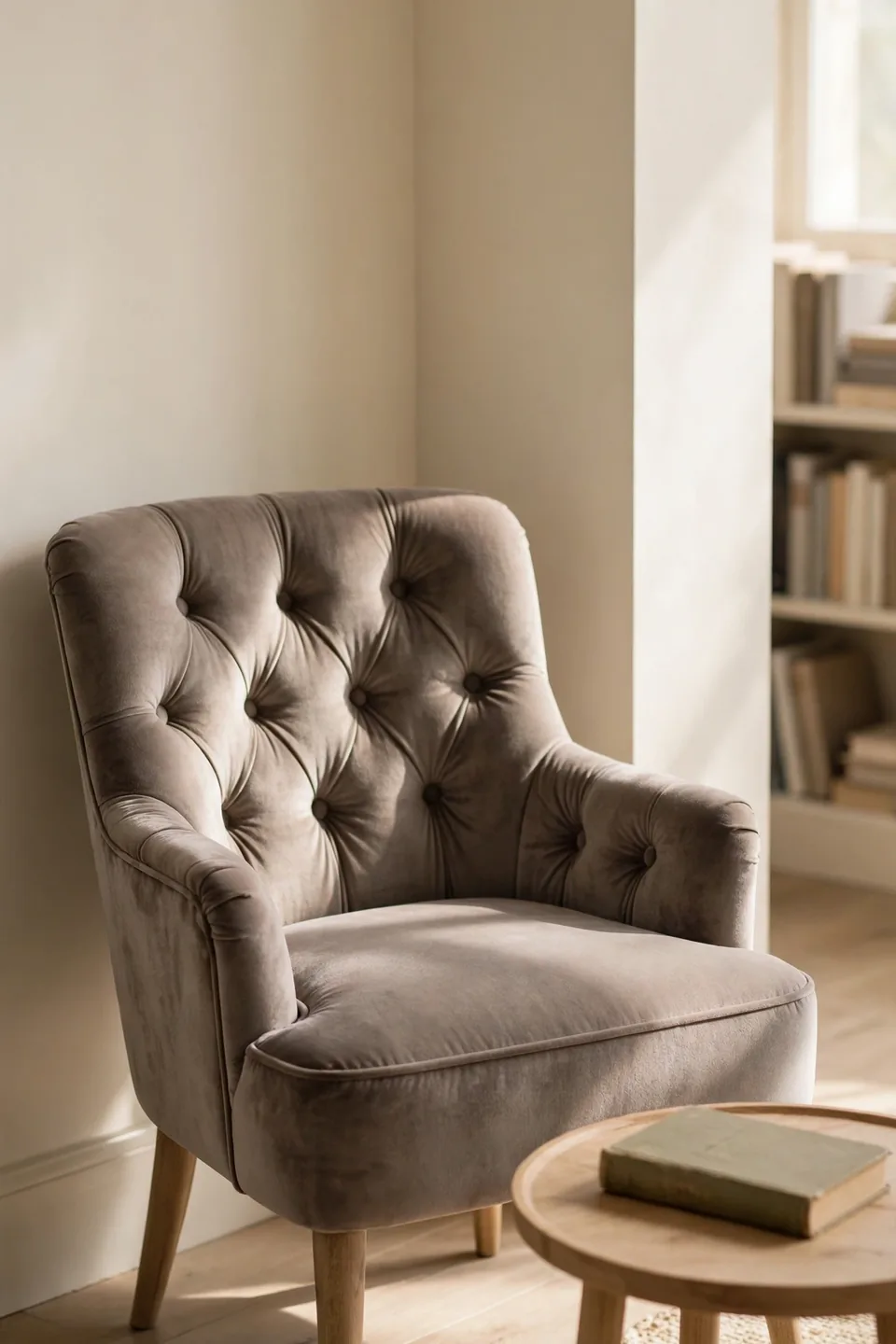
Quick Tip: Place the chair at an angle in a corner rather than flat against a wall. Angled seating invites conversation, shows off the deep tufting in natural light, and leaves room behind for a slim floor lamp. Choose muted tones such as taupe, dusty blue, or sage so the velvet reads classic, not glamorous.
One tufted chair brings the tailored mood of a classic library into a modern room. Velvet catches light softly across its buttons and folds, adding depth that flat fabrics cannot match. Keep the rest of the corner simple, a small table, one book, and nothing more. It quickly becomes the favorite seat in the house.
Crown Molding Clean Ceilings

BEFORE: The ceiling ended in a hard, plain line where wall met drywall, and the tall room felt unfinished. Modern furniture below looked temporary, as if the space were still waiting for its real character.
AFTER: Simple crown molding now carries the eye upward and gives the room a finished, classic frame. The profile is plain rather than ornate, so it flatters clean-lined furniture instead of fighting it.
Molding is architecture, not decoration, which is why one modest profile can settle an entire room. Keep the scale honest, roughly one inch of molding height for every foot of ceiling. Paint it the same soft white as the ceiling so the line feels calm and continuous.
Glass Front Cabinet Displays
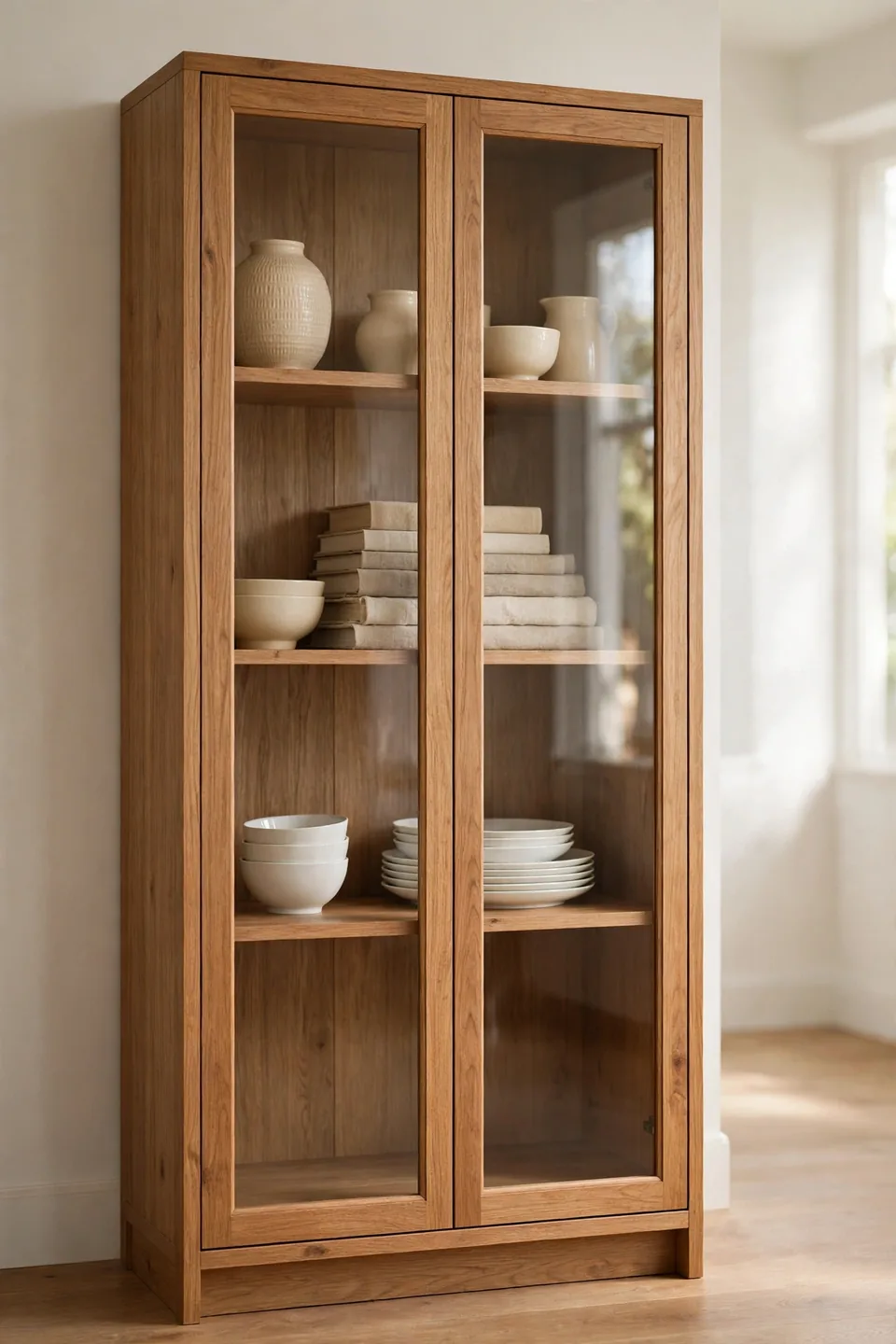
- Group items by color, keeping the palette to creams, whites, and one accent.
- Stack books horizontally under smaller pieces to vary heights and give the eye a rhythm.
- Leave one third of every shelf empty so the display can breathe.
- Place everyday pieces at eye level, delicate items up high, and heavy pieces low.
Glass fronts turn storage into display, a trick that helps small rooms work harder. The same thinking drives how to make a narrow kitchen more functional without remodeling, where clear cabinet fronts keep tight spaces calm. In living rooms, glass keeps collections visible yet safely behind doors.
Marble Top Side Tables

| Feature | Marble Top | Wood Top |
|---|---|---|
| Surface Feel | Cool, smooth, quietly formal | Warm, soft, relaxed |
| Care Needs | Coasters daily, seal yearly | Occasional polish, forgiving finish |
| Best Partner | Brass lamps and linen shades | Ceramic lamps and woven shades |
| Weight | Heavy, stays firmly put | Light, moves around easily |
| Price Range | Higher, one investment piece | Lower, easy to replace |
A small marble top adds the polish of a classic hotel table without the bulk of a full stone piece. The cool surface suits drinks and books, and its pale veining repeats beautifully in gray walls and cream upholstery. One table per seating group is plenty.
Traditional Patterns Modern Colors
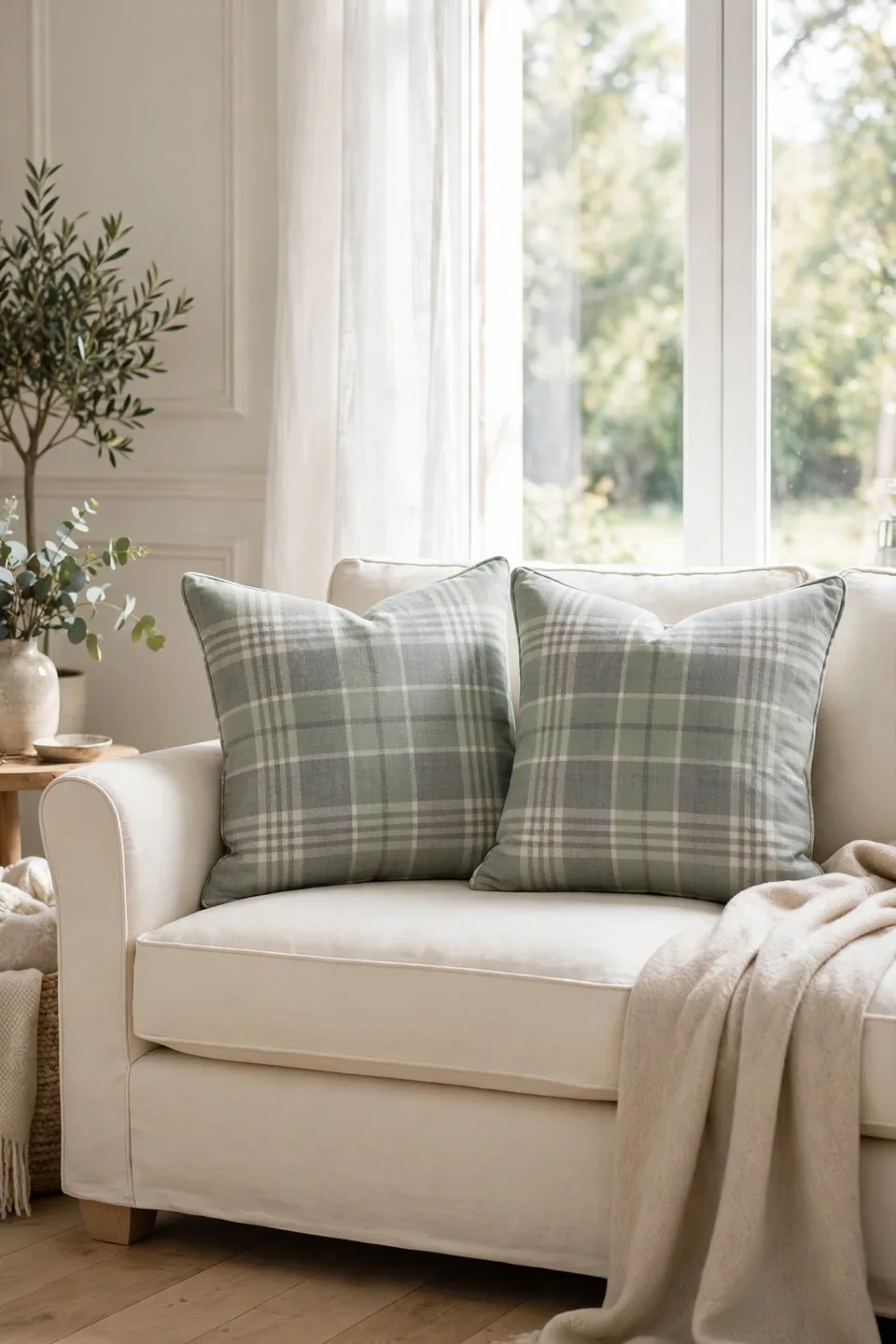
DO:
- Use one traditional pattern per room, damask, plaid, or stripe.
- Recolor it in gray, sage, or dusty blue.
- Balance it with large areas of plain fabric.
- Repeat it once, in a cushion or lampshade.
DON’T:
- Never mix three busy patterns at one scale.
- Avoid jewel tones that feel formal and heavy.
- Skip novelty prints that date quickly.
- Do not cover every surface with print.
Pattern is where traditional rooms get their memory, and color is where they get their freshness. A plaid cushion in soft gray feels nothing like its burgundy ancestor, even though the weave is identical. Start with pillows and throws, the lowest risk way to test any pattern.
Built-In Bookshelf Styling
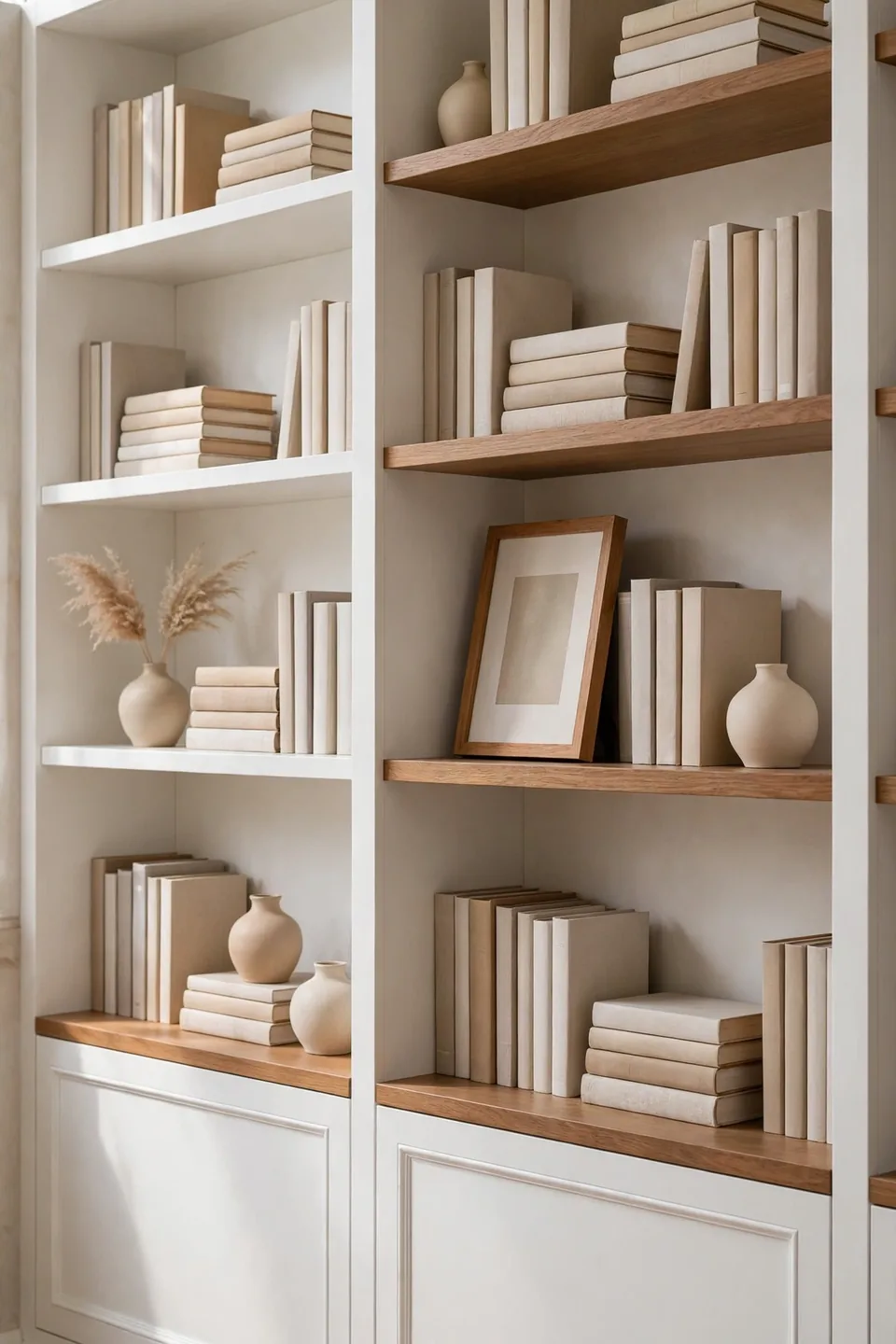
Cost: Low to moderate, since most styling uses books and pieces already owned at home
Best For: Living rooms and studies where one wall needs a calm, steady focal point
Time Needed: One afternoon, including sorting, dusting, and arranging each shelf at least twice
Result: A tailored library feel that makes modern furniture look grounded and settled
Built-ins carry traditional weight, so styling them lightly keeps the room modern. Leave gaps, lean one frame against the back panel, and turn some books sideways in short stacks. I’ve seen this work well in many cases where shelves felt heavy, the emptiest shelf often looked the most expensive.
Statement Pendant Dining Light
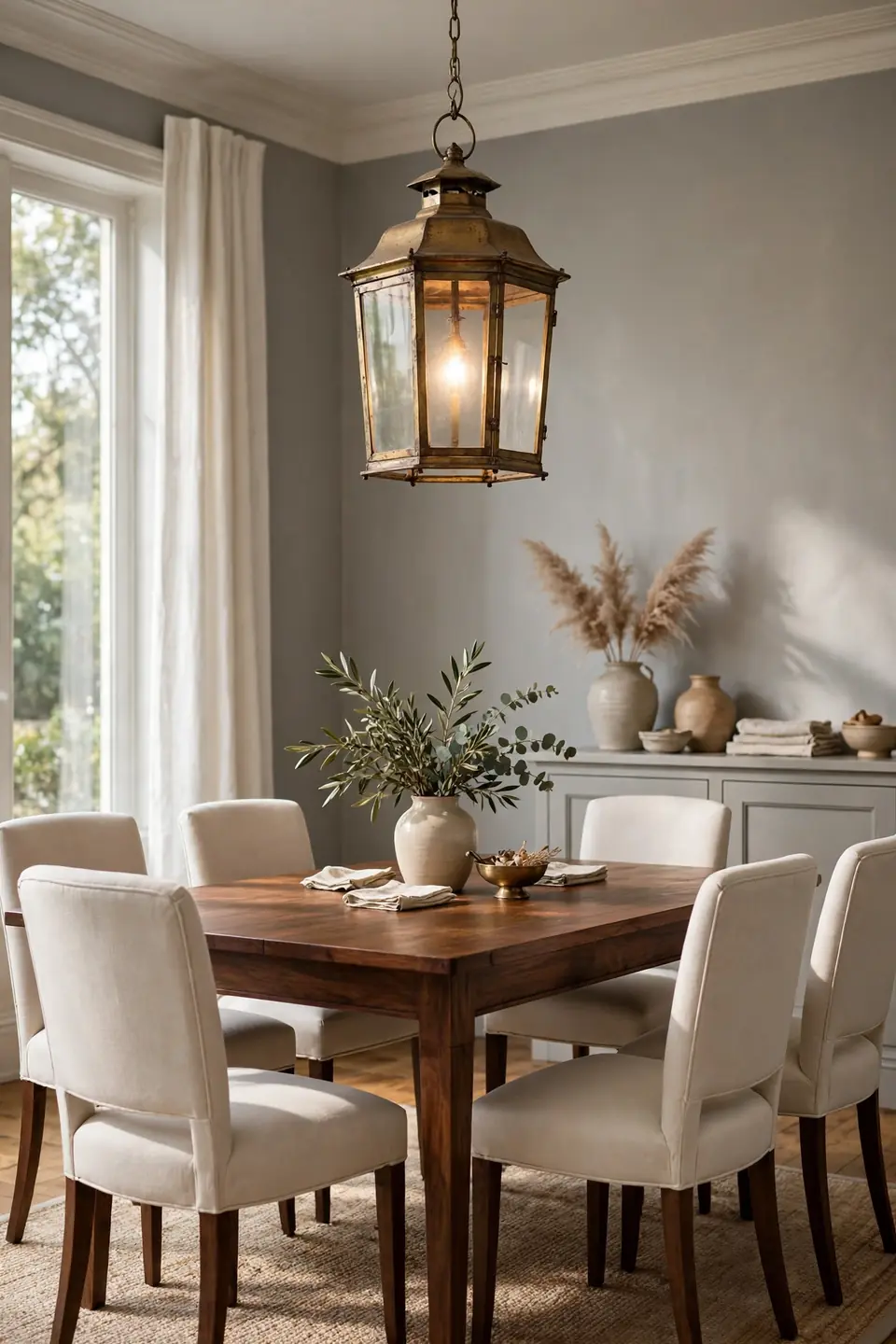
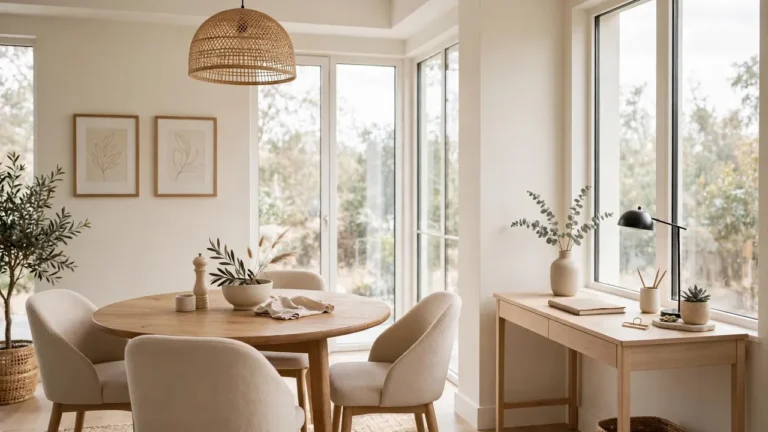
A dining table under a bare bulb or a dated flush mount never feels finished. One well-scaled pendant changes the room’s whole posture, drawing the eye down to the table and giving dinners a sense of occasion. Classic shapes, drum, lantern, or a simple dome, suit the job best.
Hang the fixture so its bottom sits about thirty inches above the tabletop. Choose a warm metal or aged glass finish, and put it on a dimmer for evening light. The pendant becomes the room’s anchor, letting simpler chairs and tableware stay quietly in the background. Guests will assume the whole room was redone.
Slipcovered Sofas Relaxed Elegance

- Choose washable cotton or linen slipcovers in white, cream, or flax.
- Fit the cover closely so the sofa keeps its tailored shape.
- Keep a second cover ready for wash days, parties, and muddy paws.
- Pair with darker wood legs or a skirt for classic grounding.
- Steam wrinkles out quickly instead of ironing every panel by hand.
Slipcovers carry the spirit of old summer houses, where fine furniture wore washable dress all season. On a modern frame, the same cover reads fresh and relaxed rather than fussy. The look forgives pets, children, and red wine in a way fixed upholstery never will.
Dark Wood Ceiling Beams
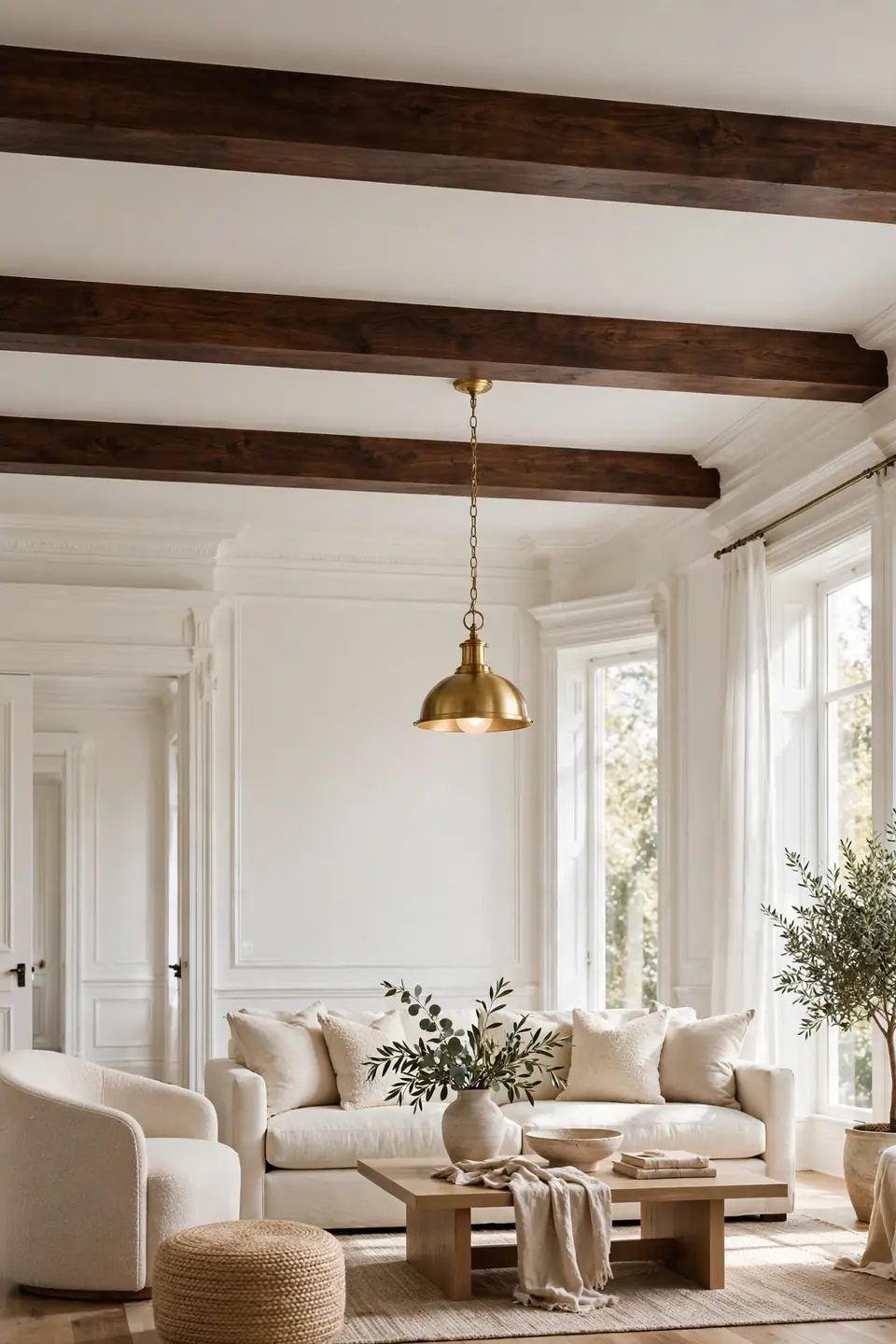
Quick Tip: Match beam stain to the darkest wood already in the room, such as a walnut dining table, a dark picture frame, or the legs of an antique chair. Matching tones make added beams look original to the house. Keep beams slim in low rooms so the ceiling never feels lowered.
Beams bring the architecture of older homes into plain newer rooms. Their dark lines add rhythm across a white ceiling and give light fixtures something handsome to hang from. They suit high ceilings best. Real wood is heavy and costly, but hollow faux beams deliver the same shadow lines for far less.
Layered Window Treatments

BEFORE: A single thin curtain panel hung beside each window, leaving the glass half exposed and the room feeling chilly. At night the windows turned into black mirrors that shrank the whole space.
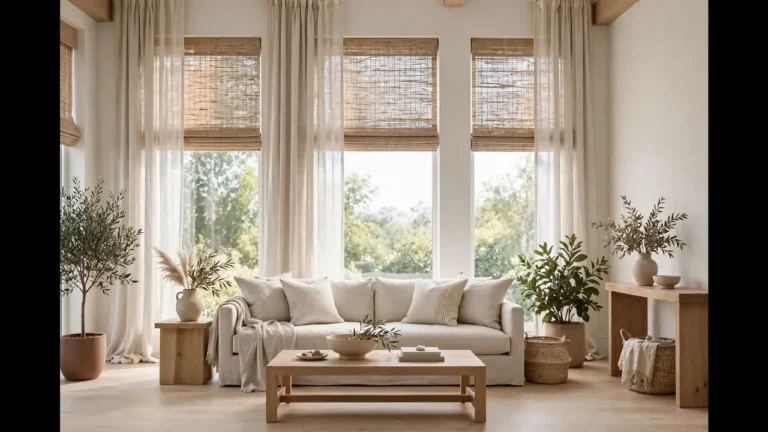
AFTER: Full-length linen drapes now frame each window over soft sheer panels that filter the daylight. The layers add privacy, warmth, and a tailored finish that makes the plain windows look deliberately designed.
Layers are the difference between dressed windows and decorated ones. Sheers handle daytime glare, drapes handle evenings, and a simple Roman shade can replace either in small rooms. Hang rods close to the ceiling and let panels just kiss the floor for the tallest effect.
Antique Pieces Modern Rooms
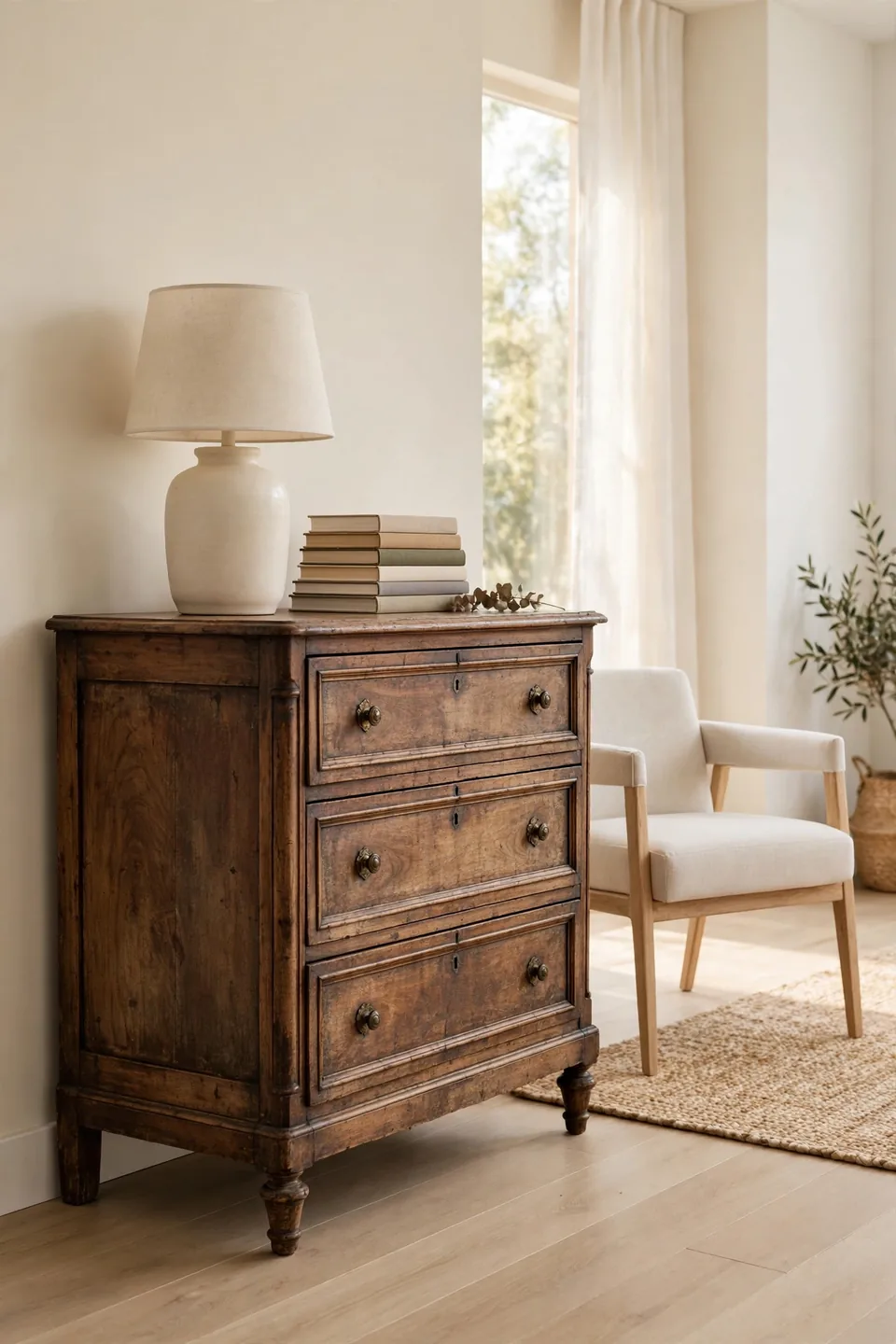
- Choose one antique with strong bones, such as a dresser, trunk, or sideboard.
- Clean, condition, and wax the original finish rather than painting over its age.
- Style the top with modern pieces, a plain lamp, a stack of new books.
- Give the piece real work to do, storage, a bar, or a media stand.
One genuine antique gives a modern room a past, and that history cannot be bought new. Keep the count low, one or two pieces per room, so each one reads as a treasure rather than clutter. In my experience, guests always ask about the antique first.
Conclusion
Transitional rooms succeed because nothing in them shouts. Classic shapes bring comfort, modern lines bring calm, and warm neutrals hold the two together. Start small, perhaps one layered sofa, one walnut accent, or one arched mirror, and notice how quickly the room settles. The best transitional style home decor ideas grow slowly, piece by piece, until the whole home feels timeless. Small changes, repeated calmly, are what give a home its lasting character. Save this guide on Pinterest for your next room refresh, try one idea this weekend, and share it with a friend who loves classic comfort with a lighter touch.