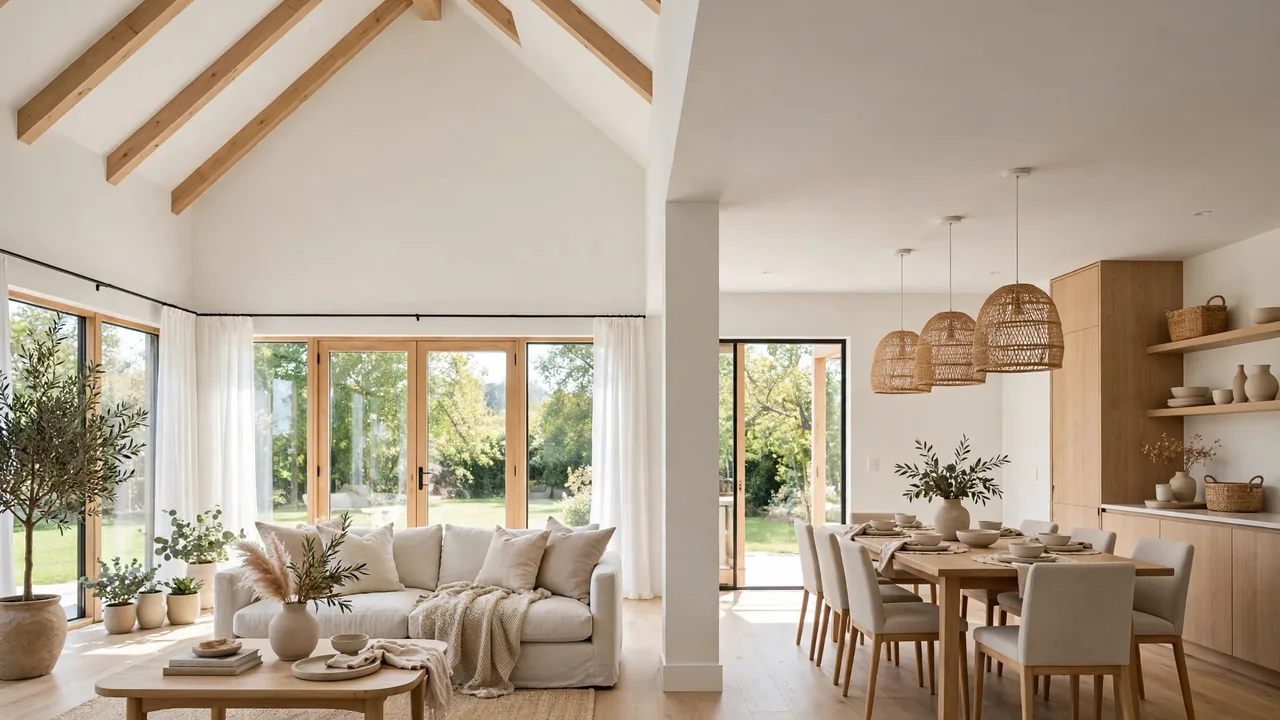
How to Decorate a Home With Different Ceiling Heights
Walking from a soaring living room into a low hallway can feel like stepping between two different houses. how to decorate a home with different ceiling heights is a common question in split-level houses, additions, and older homes with varied rooflines. The good news: mixed heights look intentional when treated as a feature, and guides like how to arrange furniture in a living room with a walkway show how small moves create flow.
Consistent choices matter more than big renovations here. Matching ceiling paint, repeated finishes, and lighting suited to each room’s scale will quietly stitch your home into one story. Work through the ten ideas below, and the height changes will start to feel like character.
Paint the Ceiling One Continuous Color
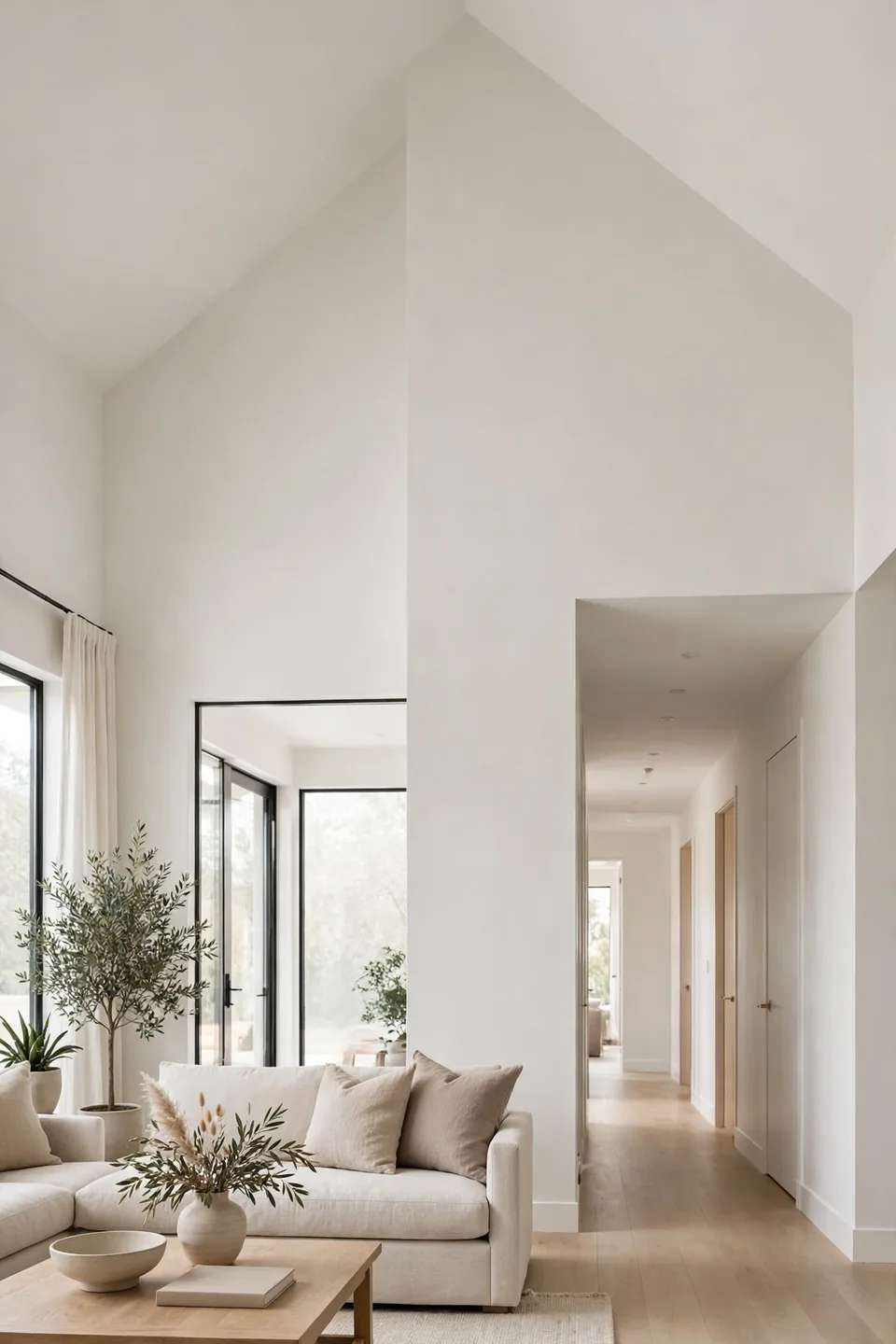
One color across every ceiling makes mixed heights feel like a planned choice. When the eye travels from a tall living room to a lower kitchen without a color change, the transition feels calm and the whole floor reads as connected. Soft white or warm off-white works best, since darker tones can make height differences more obvious.
This trick spares you from deciding where one color should stop and another start. Carry the same shade through hallways, nooks, and tall gathering spaces alike. Walls can still carry color and pattern while the uniform ceiling gives the home a quiet backdrop.
Hang Curtains From the Highest Point

Curtains hung at different heights draw attention to exactly what you want to hide. Mount every rod at the same distance below the ceiling line and the whole home gains a rhythm that feels designed on purpose. Follow this simple method in each room:
- Measure the shortest ceiling first and use it as your benchmark height.
- Mount all rods 4 to 6 inches below the ceiling in every room.
- Choose one curtain fabric or color family for adjacent spaces.
- Let panels fall to the floor evenly, puddling slightly for softness.
Layer Lighting Across Both Levels
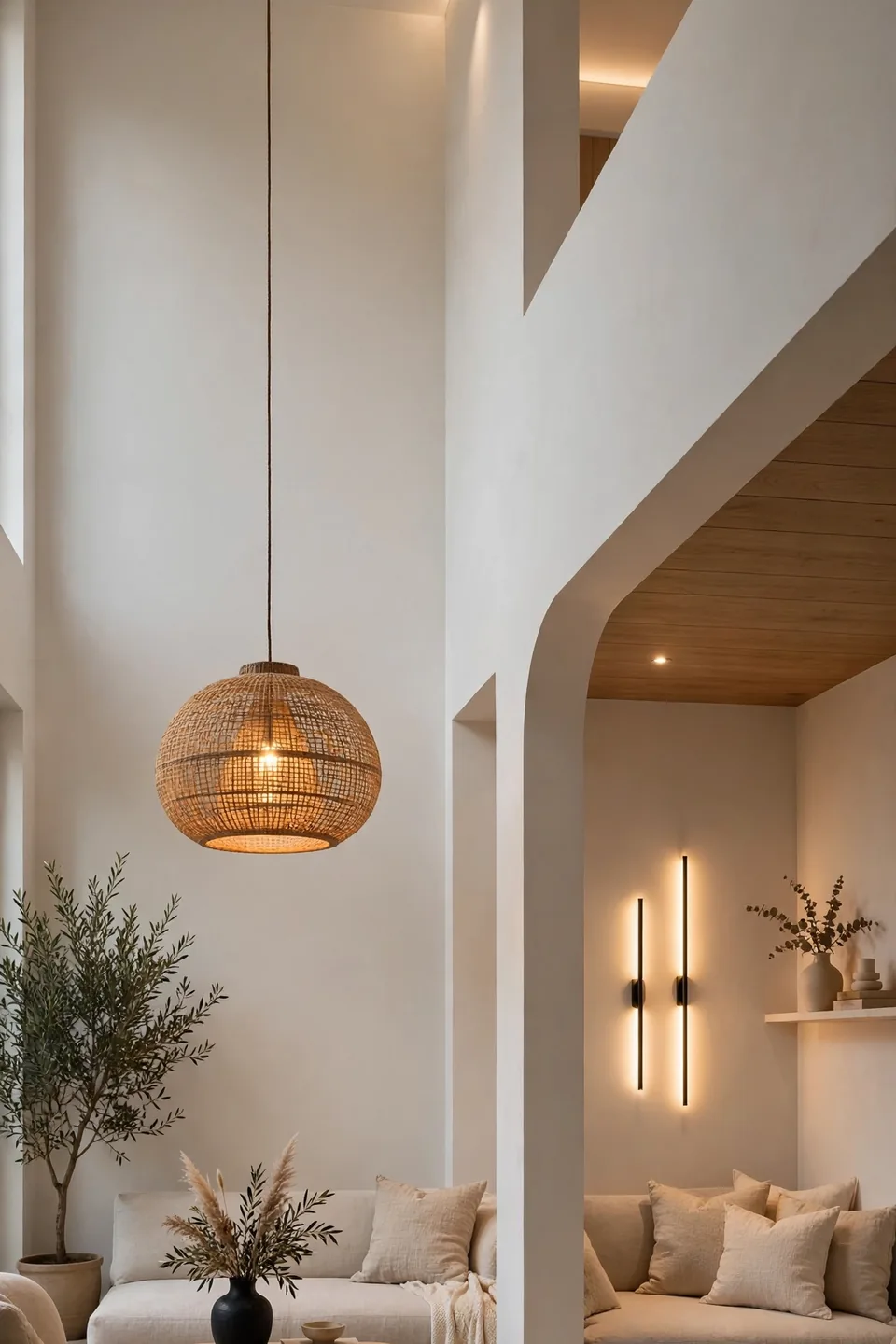
Quick Tip: Swap one overhead light in the taller room for a low-hanging pendant so the vertical space gets filled with intention.
Tall ceilings often swallow a single flush-mount light, while low ceilings feel crowded under a big chandelier. Match fixture scale to the room: pendants and tall floor lamps for lofty spaces, slim mounts and sconces for lower ones. Keep finishes consistent, and the lighting plan will stitch the rooms together as the ceilings shift.
Use Tall Bookcases to Bridge the Gap

Common Mistake: Filling a tall-ceiling room with short, squat furniture that leaves empty wall stretching above it.
The Fix: Add one tall piece, like a floor-to-ceiling bookcase or an armoire, that draws the eye upward on purpose.
When furniture tops out well below the ceiling line in a tall room, the gap reads as a mistake. A tall bookcase turns that height into a feature and gives the room proportion. In lower-ceiling rooms, choose shorter pieces so each space keeps its own balance. The result feels right in every zone.
Repeat a Signature Finish in Every Zone
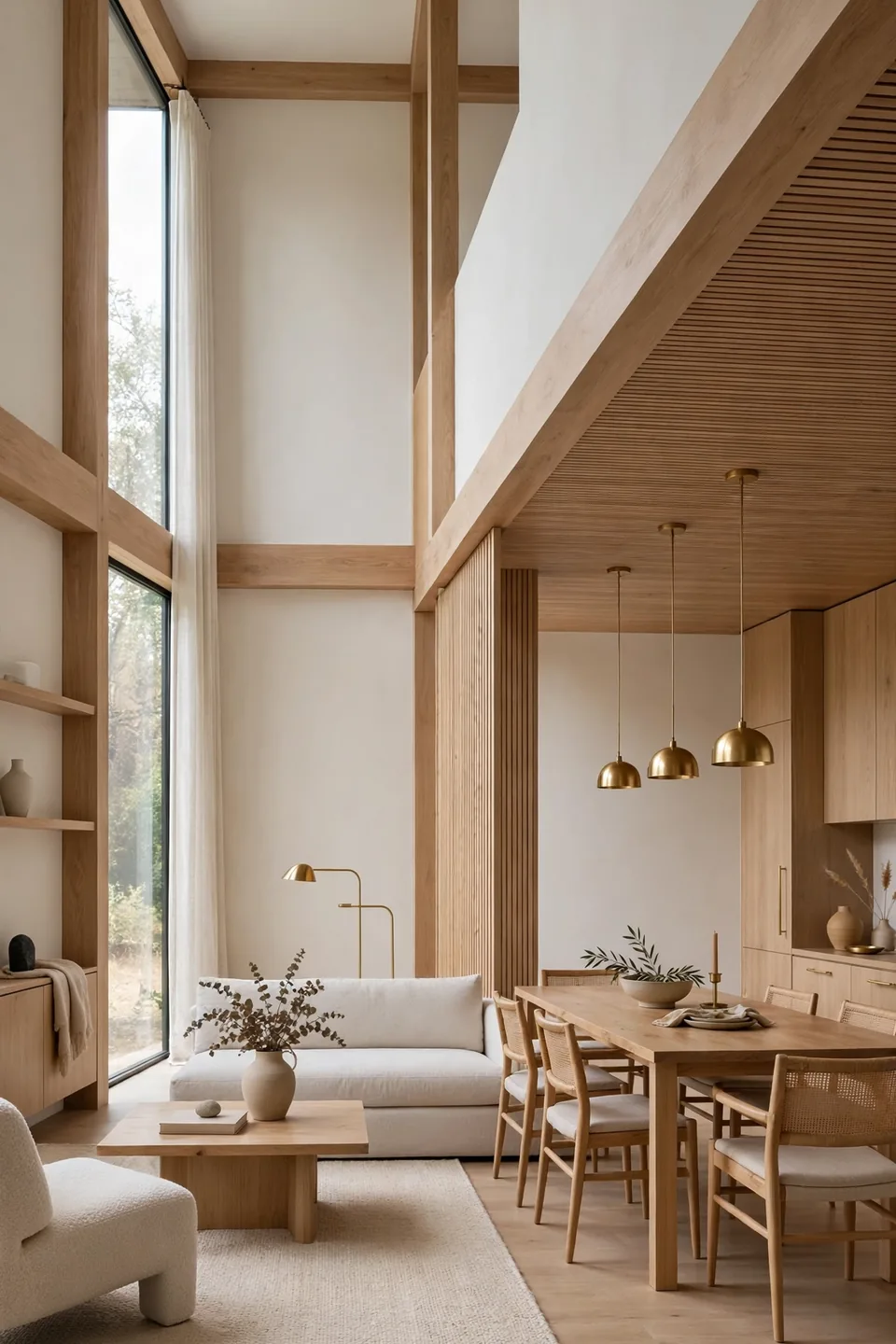
What You Need:
- One wood tone repeated in each room, such as oak, walnut, or light pine
- A single metal finish for hardware and light fixtures
- One neutral fabric, like linen or boucle, used in two or more zones
- A recurring accent color in small, careful doses
- Matching trim and baseboard paint throughout the home
Repeated finishes are the glue of a home with varied ceiling heights. When the same oak floors flow from a tall entry into a cozy low-ceiling den, the eye reads one home instead of two. You do not need matching furniture sets. Just echo two or three materials across the zones and the divide disappears.
Dress the Walls With Scaled Artwork

BEFORE: A single small frame floating alone on a huge tall wall, making the ceiling feel even higher and the room feel empty and unfinished.
AFTER: A generous gallery arrangement or one oversized piece sized to the wall, filling the vertical space with warmth and intention.
Artwork scaled to the wall makes different ceiling heights feel deliberate. Tall walls can handle big statements and stacked arrangements, while lower walls suit single pieces at eye level. Keep frames in a shared palette, a trick that helps when you add personality to a plain rental bedroom. Right-sized art makes height differences fade.
Choose Furniture That Matches Each Ceiling
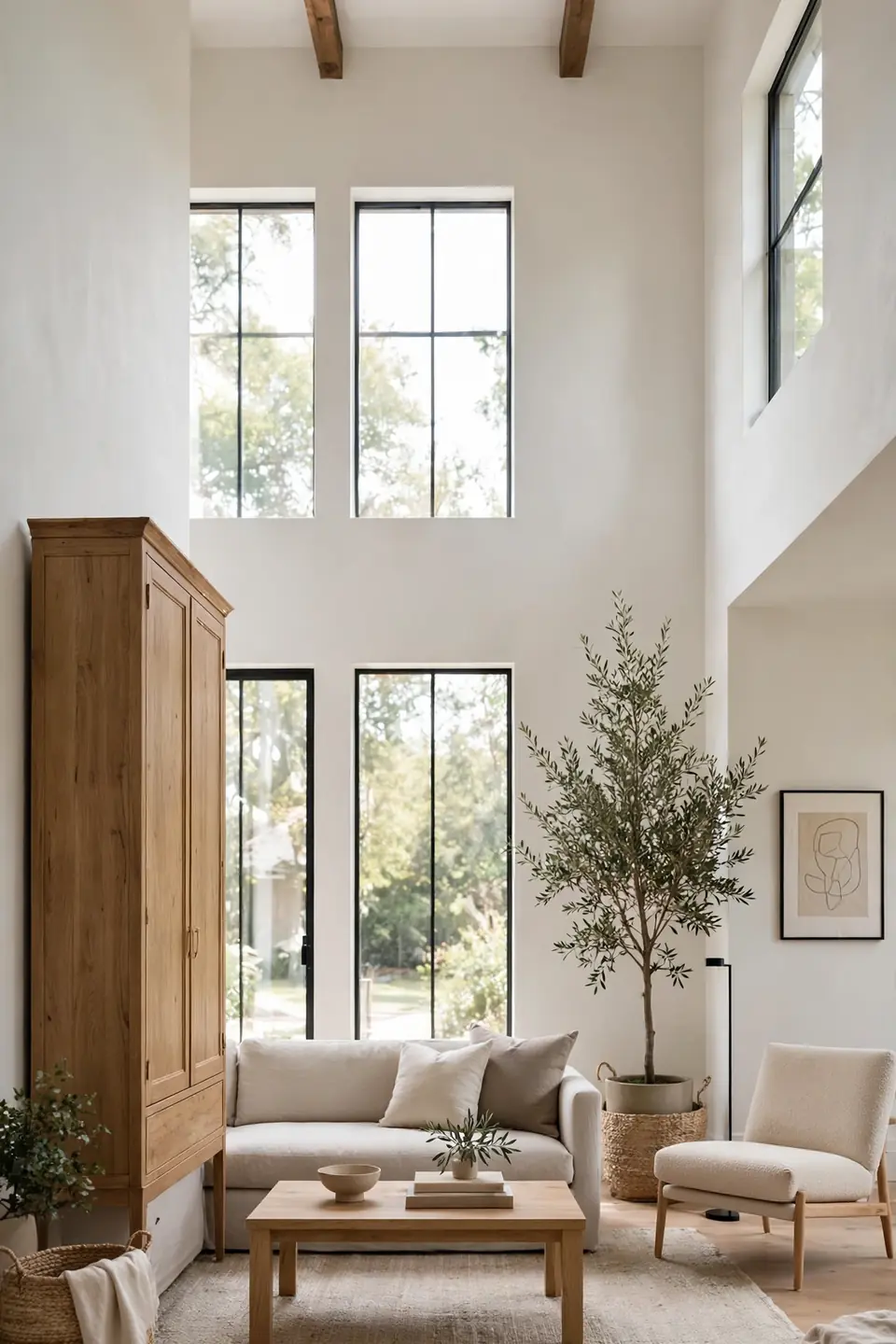
Do This:
- Pick taller headboards and armoires for rooms with high ceilings
- Use low-profile sofas and platform beds under lower ceilings
- Add tall plants or floor lamps to fill vertical space gracefully
- Keep coffee tables and consoles at standard heights everywhere
Avoid This:
- Using the same oversized sectional in every single room
- Hanging art too high in low-ceiling rooms
- Blocking windows with tall furniture in small spaces
- Mixing too many furniture scales within one open area
Furniture that respects each room’s ceiling height keeps the home feeling balanced. Tall rooms can carry drama and height, while low rooms reward calm, horizontal lines. Let the anchor pieces in each zone suit its volume. Consistent colors and materials keep the home unified even when silhouettes differ.
Add a Painted Beam Detail
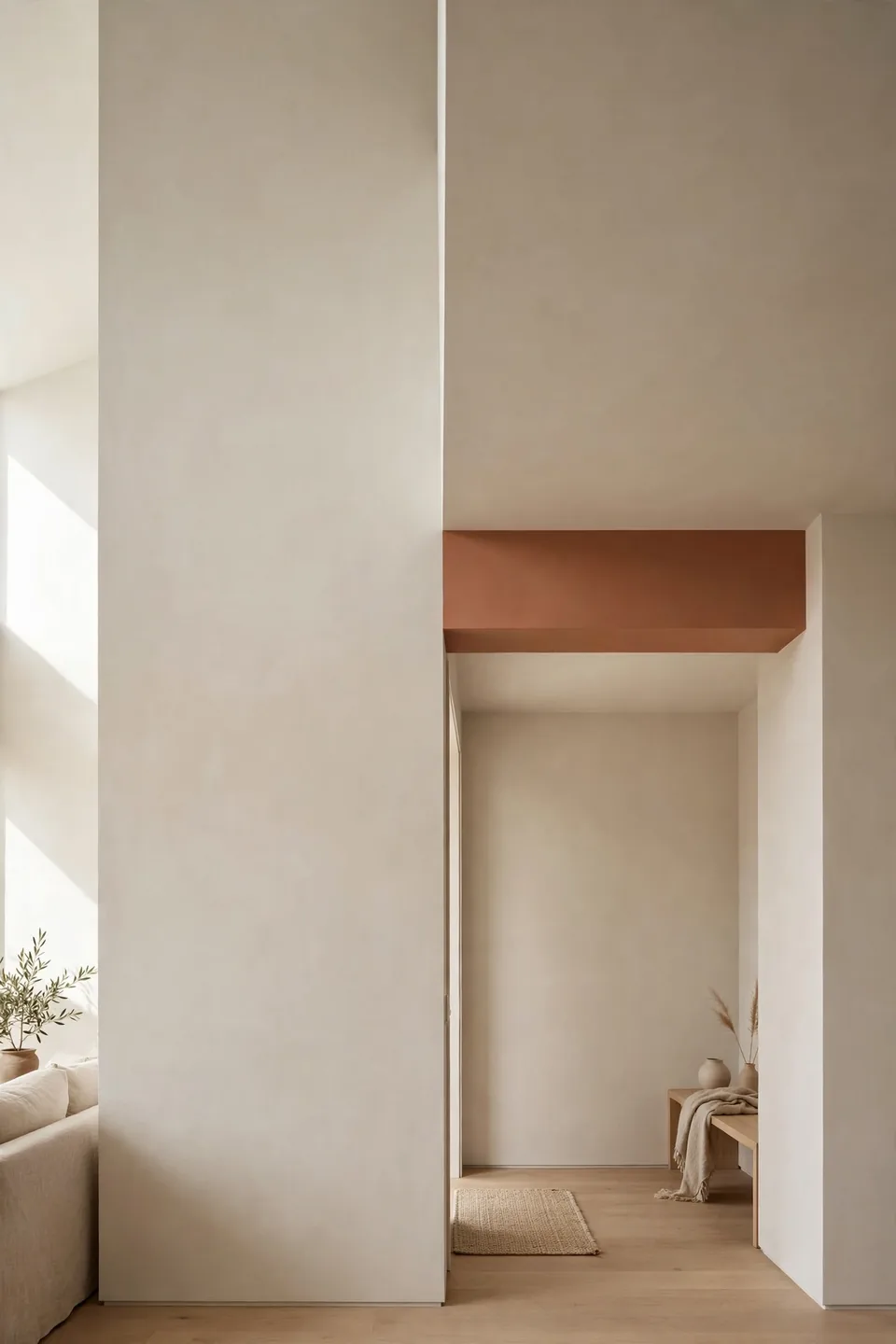
Best for: Homes where a tall room meets a lower one at an open doorway.
Cost: A weekend project with basic paint and painter’s tape.
Skill level: Beginner friendly with no special tools needed.
Payoff: The eye follows the beam instead of the height change.
Painting a simple beam where ceiling heights change turns an awkward junction into a design moment. Choose a tone slightly deeper than the ceiling color and carry it across the transition. Guests notice the detail instead of the drop. This small project delivers a strong sense of intention for very little cost.
Define Zones With Area Rugs
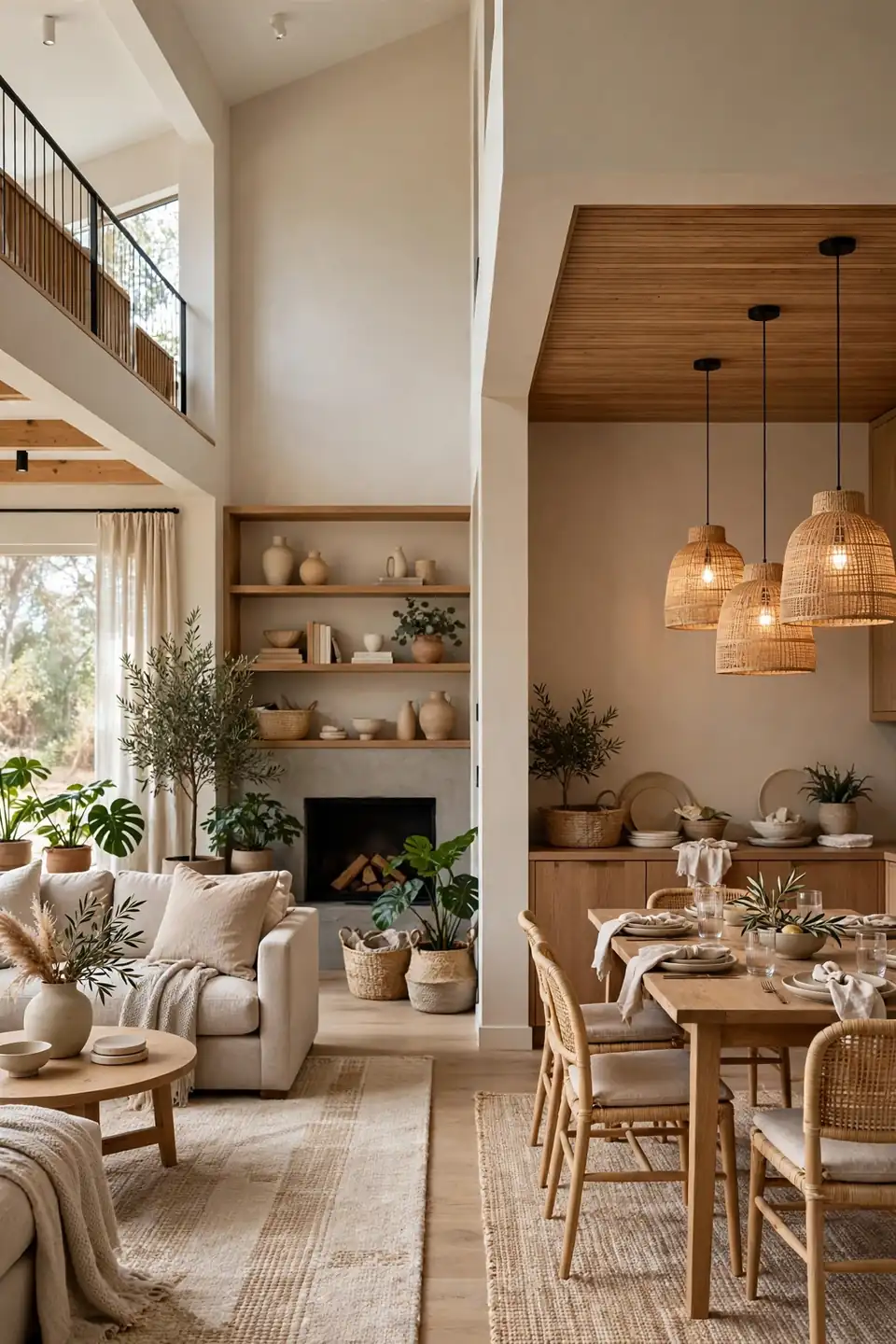
Area rugs ground each zone and give the eye a map of where one space ends and the next begins. In a tall living room, a large rug anchors the seating group and keeps the volume feeling open. In an adjoining low-ceiling nook, a smaller rug in a matching palette creates its own cozy world.
Rug placement also guides traffic through the height change naturally. Position rugs so paths flow from one to the next. When floors shift in feel from zone to zone, the home gains rhythm. This simple layer works harder than almost any other element.
Add a Transitional Design Element
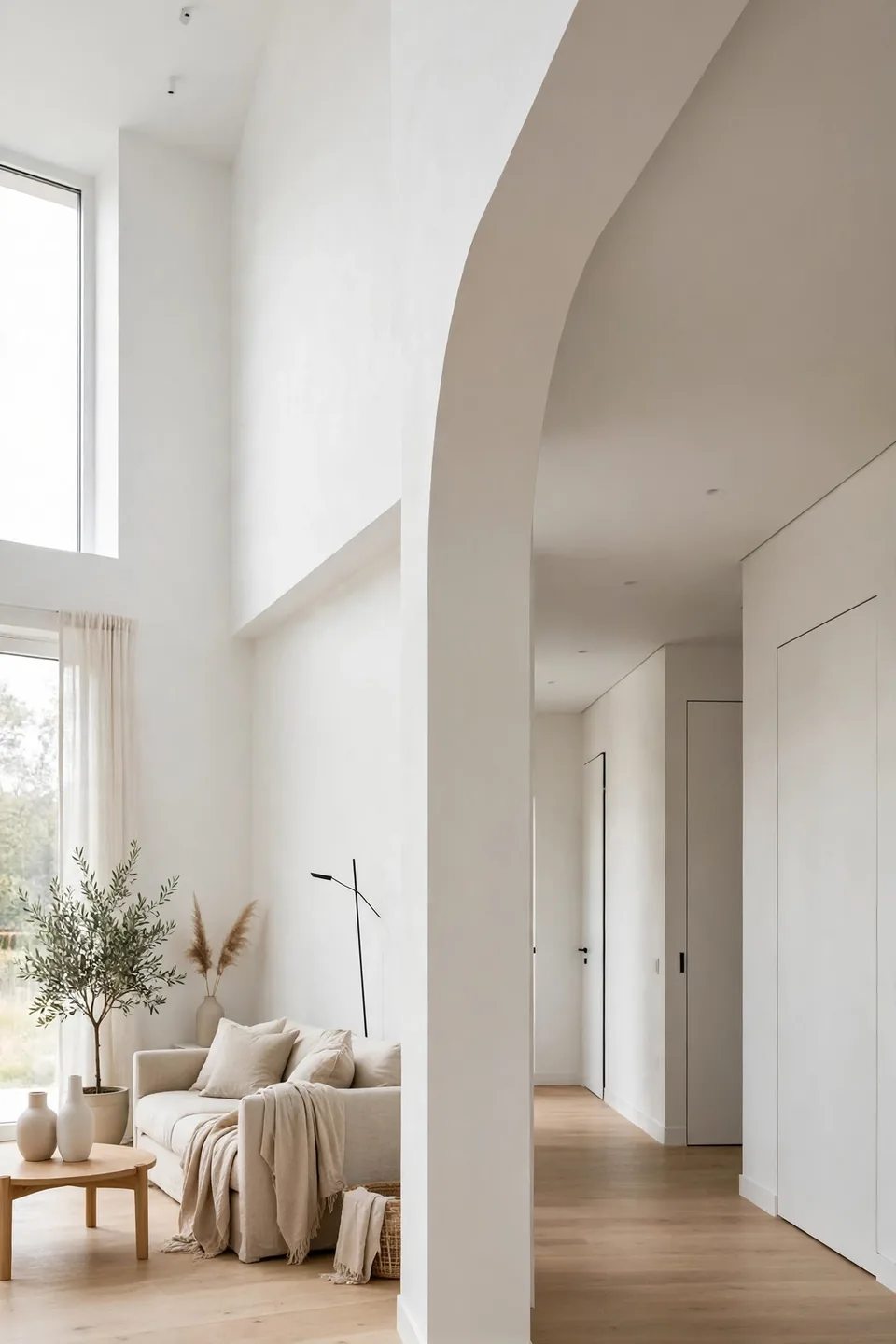
A shared design element placed where ceiling heights change can make the shift feel like a reveal instead of a flaw. Pick one of these transitional touches below and carry it through the whole home for a polished, connected result:
- Install a wide cased opening or archway at the transition point.
- Run the same flooring straight through both ceiling heights.
- Add matching trim or a painted band along the junction.
- Place a statement plant or console where the eye naturally lands.
Conclusion
Mixed ceiling heights stop feeling like a flaw once each zone gets the right scale and the whole home shares a few repeated finishes. Start with one continuous ceiling color, then layer in matching lighting and scaled artwork, and you will be amazed at how intentional the result looks. Small details like painted beams and well-placed rugs tie everything together without a renovation. If this guide on how to decorate a home with different ceiling heights helped you, save it to your home decor Pinterest board so you can find these ideas when your own project begins.