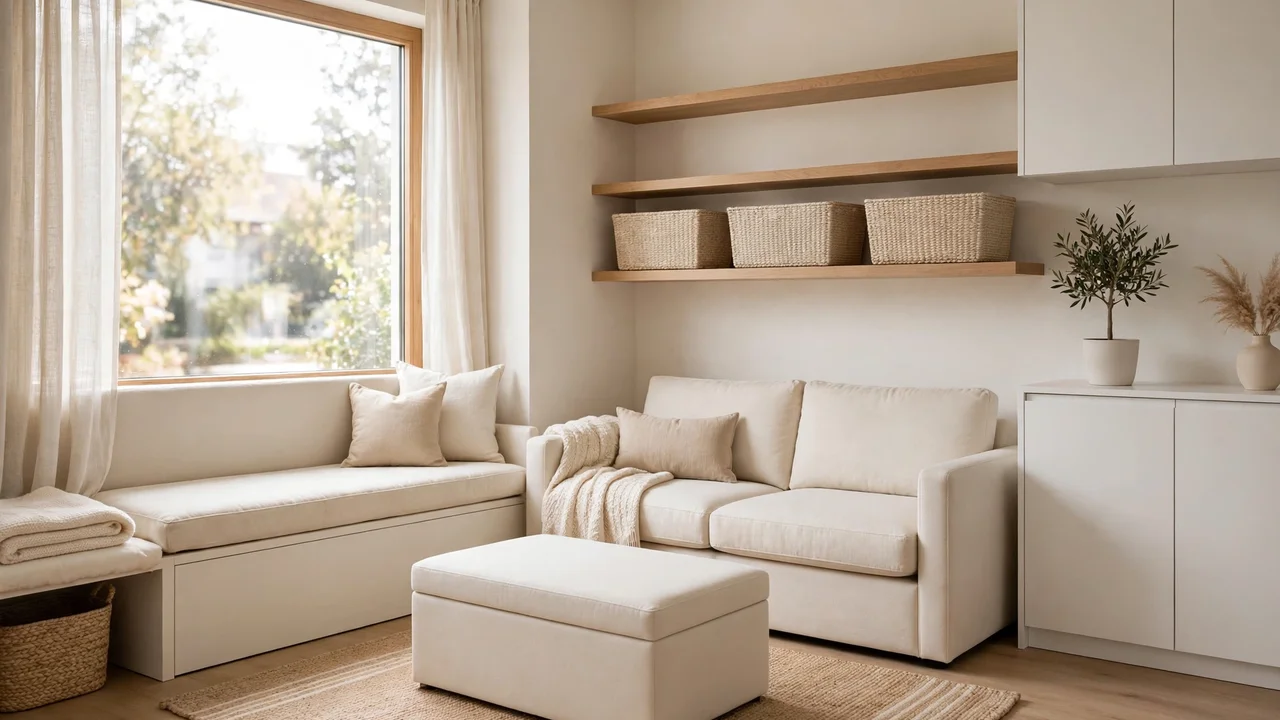
How to Hide Clutter in a Small Living Room
Every surface in a small living room seems to collect stuff. If you have ever wondered how to hide clutter in a small living room without making the space feel smaller, you are not alone. Clutter shows up fast when square footage is tight.
In my experience, the trick is not buying more storage boxes. It is choosing the right hiding spots and editing what stays out. This guide walks you through ten practical ways to tuck clutter away so your small living room feels calm and open.
For more small space ideas, see how to make a rental kitchen look expensive for renter friendly upgrades that work anywhere.
Why Small Rooms Show Everything
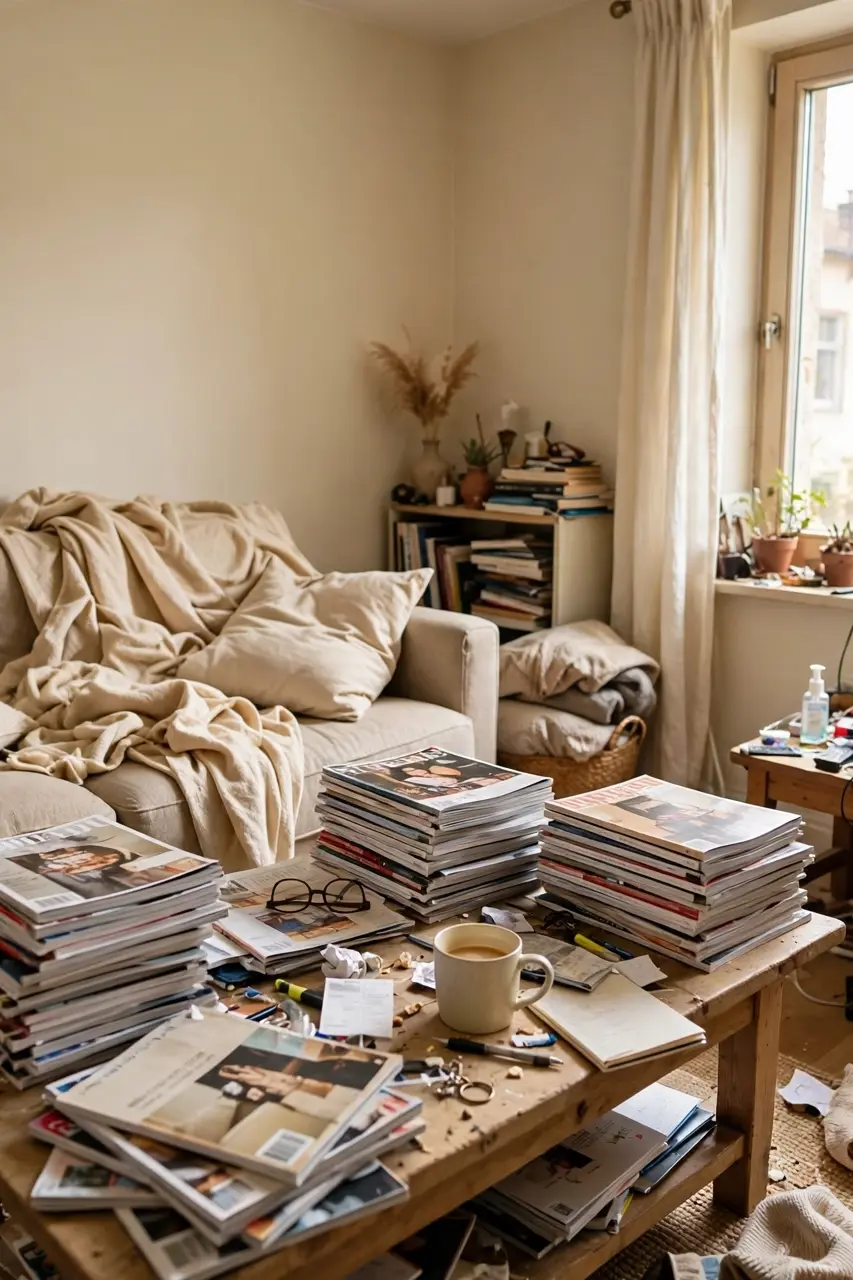
In a big room, a stray magazine on the coffee table barely registers. In a small living room, that same magazine joins the remote, the charger cable, and yesterday’s mail to form a messy pile that catches your eye from every angle. Limited surfaces mean every item competes for attention.
The good news is that small rooms also reward small fixes. One basket by the sofa can swallow three categories of clutter at once. When you understand why mess feels bigger in tight quarters, you can target the real problem instead of just shuffling things around.
Edit What Lives in the Room
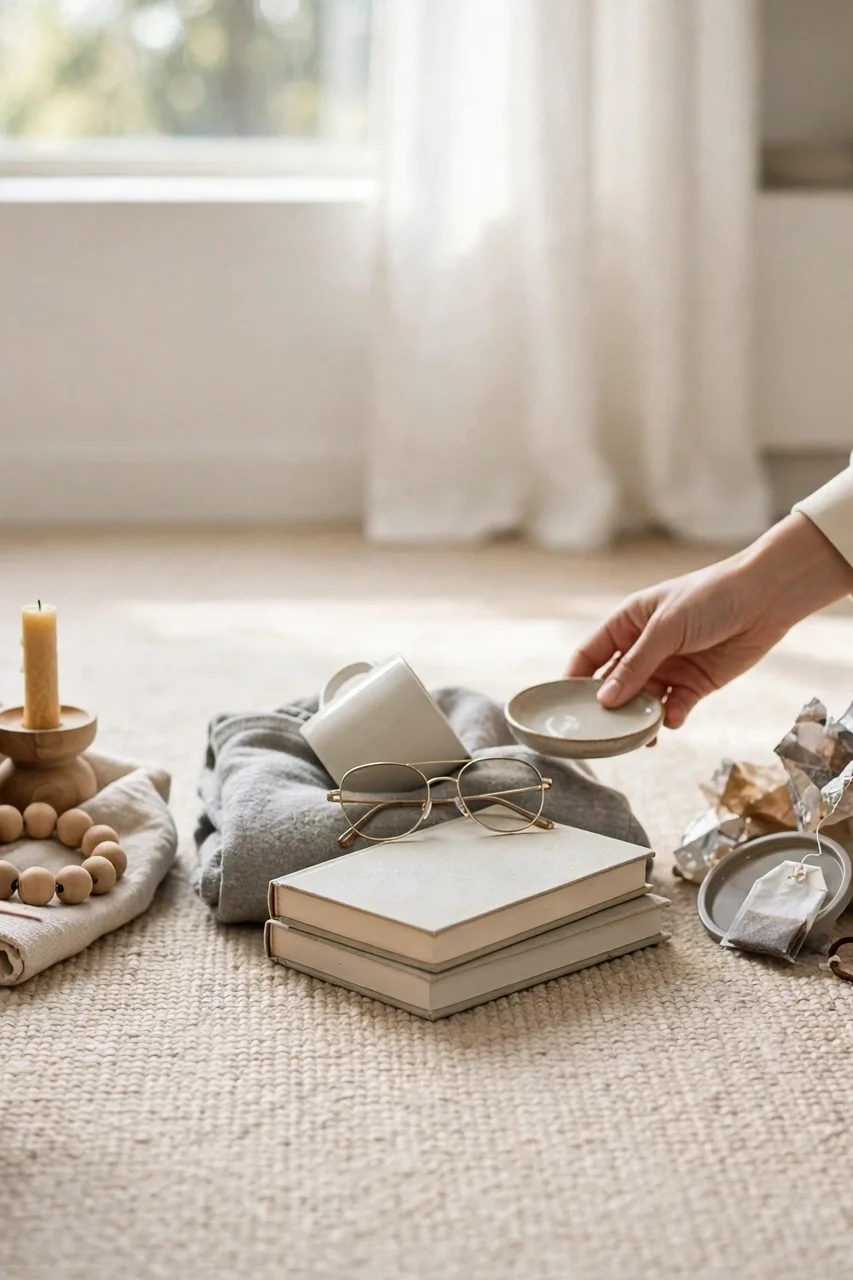
Before buying a single basket, decide what actually belongs in your living room. Most clutter is stuff that drifted in from other rooms and never found its way back. A quick edit now makes every hiding spot you add work twice as hard later.
- Walk through with a laundry basket and collect everything that belongs in another room. Return each item to its real home before you organize anything.
- Sort what remains into three piles: daily use, weekly use, and rarely touched. Daily items earn visible spots; the rest get hidden storage.
- Be honest about duplicates. Two throw blankets on one small sofa is plenty, and the third one can live in a bedroom closet.
- Toss or donate anything broken, stained, or unused for a year. Less stuff means fewer hiding places to maintain.
Use Matching Baskets and Bins
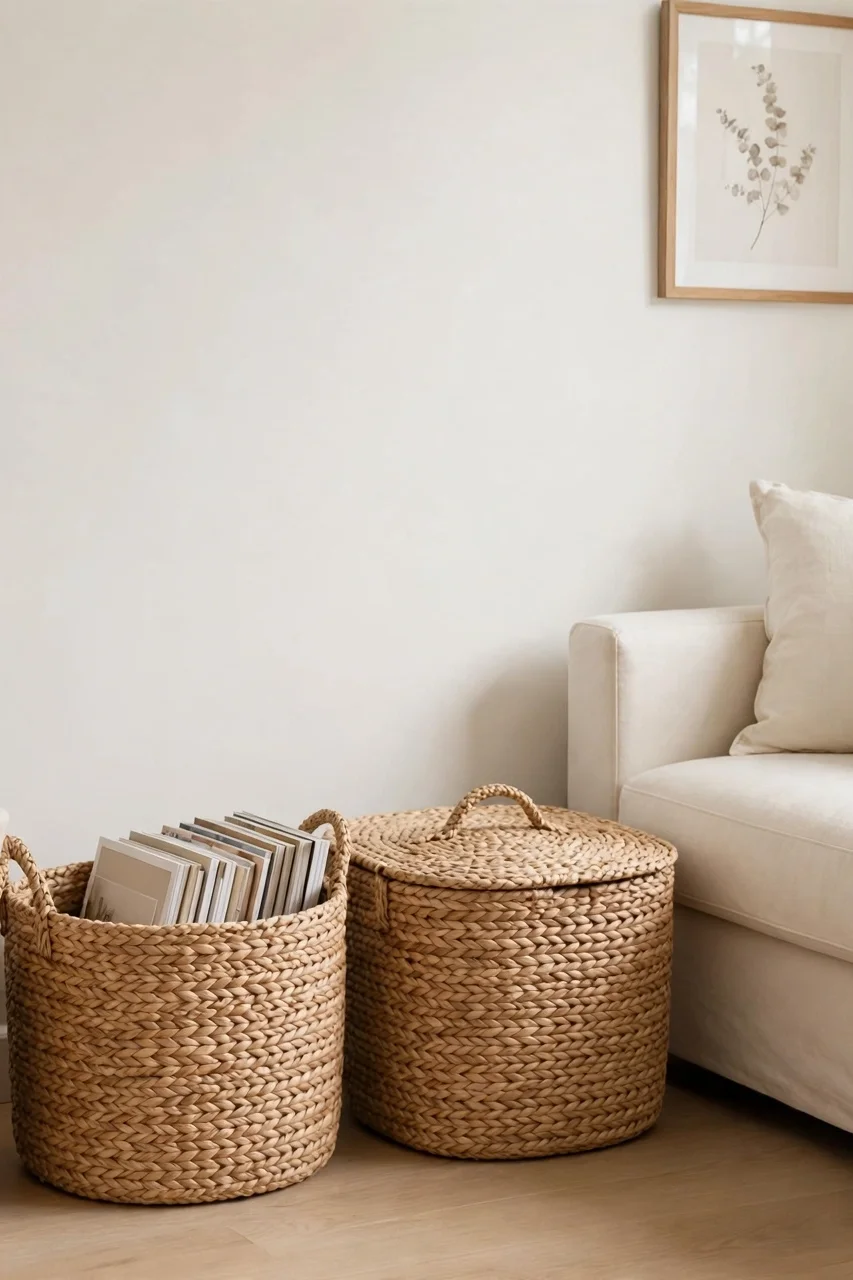
Quick Tip: Choose baskets in one material and color family, like all seagrass or all cream fabric. Matching containers read as decor, while a mix of random bins reads as clutter even when everything is technically put away.
Baskets work because they hide a multitude of sins behind one tidy surface. Slide a large basket beside the sofa for throws, tuck a lidded bin under the coffee table for remotes, and keep a slim basket near the door for mail. Group small items so ten little things become one neat container.
Hide Ugly Necessities
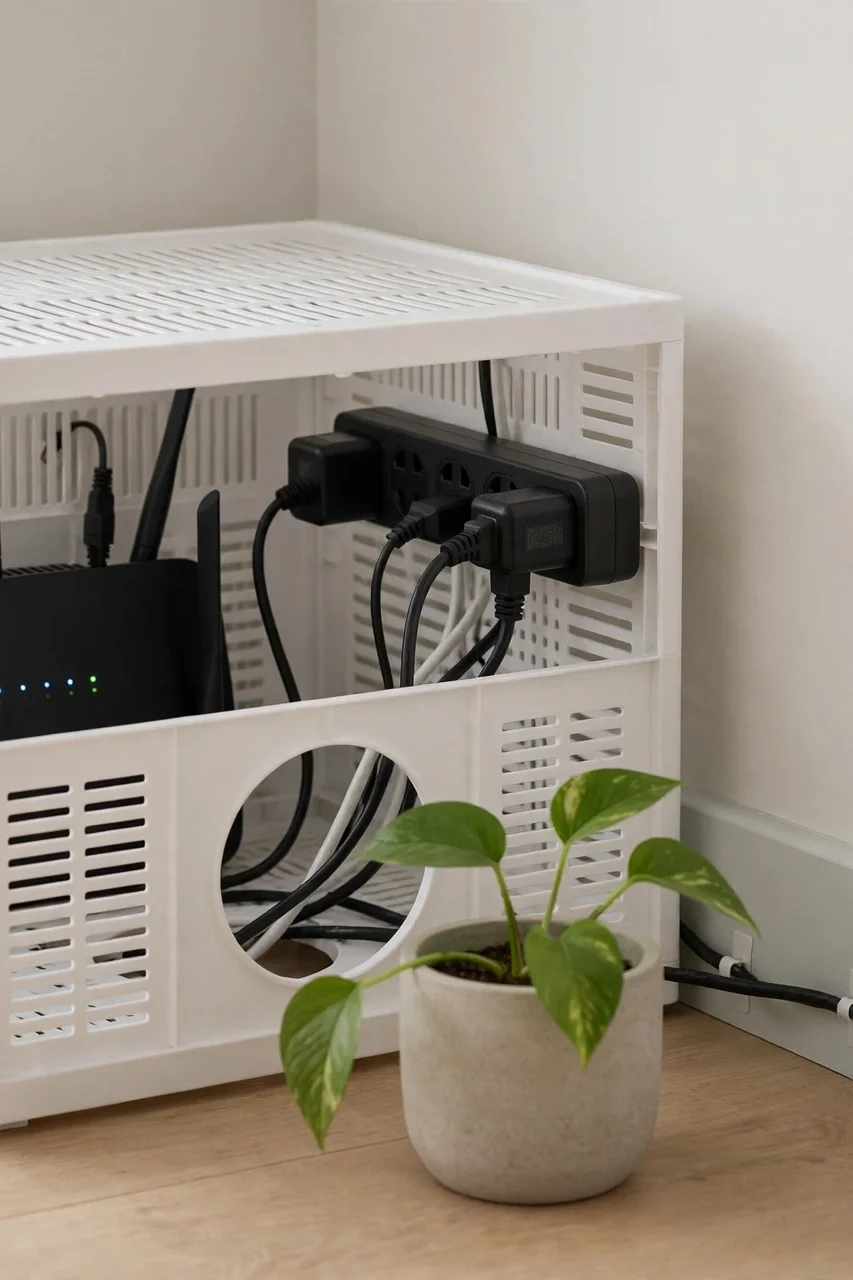
Common Mistake: Leaving routers, power strips, and charging cables out in the open because they need to stay plugged in. These black boxes and tangled cords draw the eye straight to the messiest corner of the room.
The Fix: Corral electronics in a ventilated box or a lidded basket with a hole cut in the back for cords. Run cables along baseboards with adhesive clips, and charge devices inside a drawer fitted with a power strip.
Every living room has functional items that are not pretty. The goal is not to remove them but to give them a visual filter. A cable management box, a fabric cord cover, or even a strategically placed plant can make necessary electronics disappear into the background.
Choose Furniture With Storage
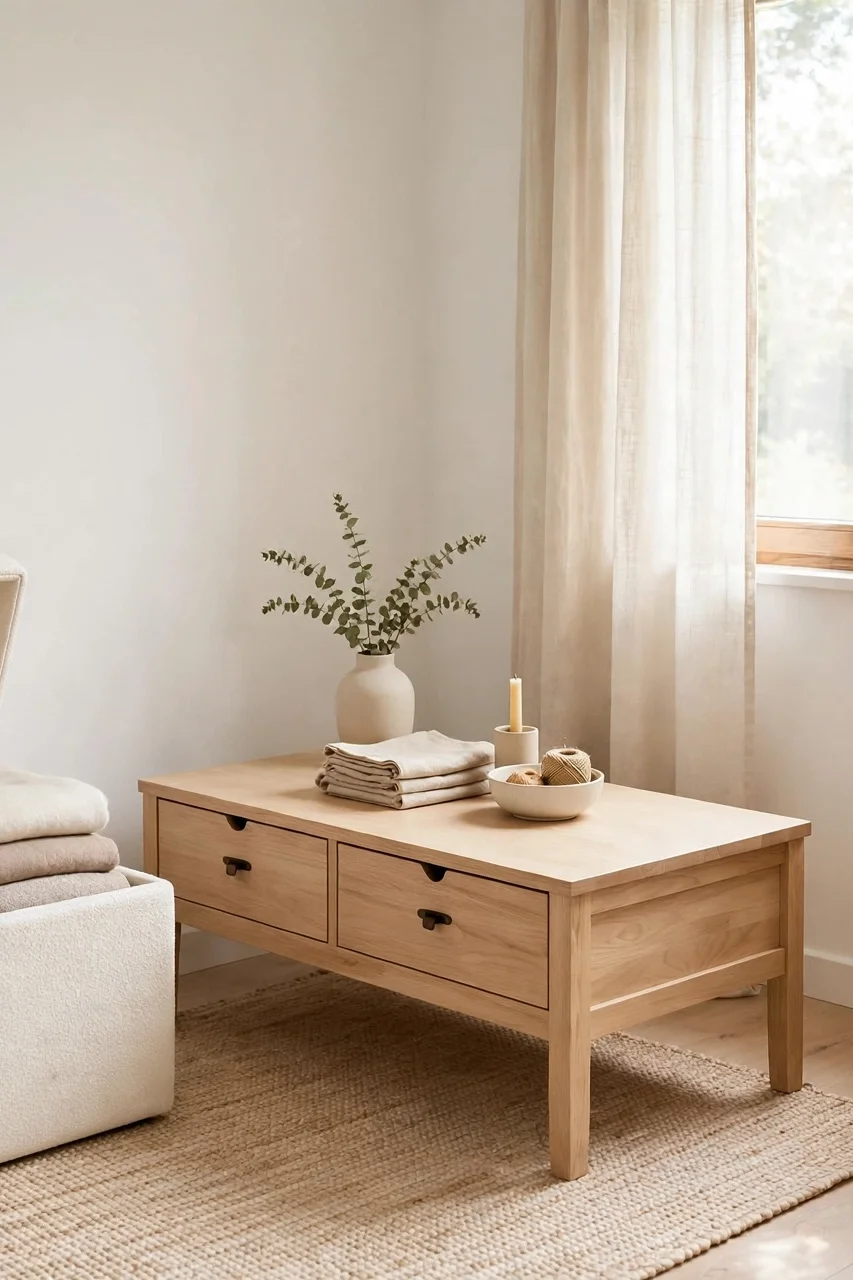
What You Need:
- Storage ottoman: A lidded ottoman holds blankets and doubles as extra seating or a footrest.
- Coffee table with drawers: Shallow drawers swallow remotes, coasters, and reading glasses.
- Side table with cabinet: A small enclosed cabinet hides chargers and notebooks.
- Sofa with under-seat storage: Some sectionals lift to reveal deep compartments for seasonal items.
- Nesting tables: Smaller tables tuck away when not needed, freeing floor space.
When floor space is limited, every piece of furniture should earn its footprint twice. Learning how to hide clutter in a small living room often comes down to choosing pieces with hidden compartments instead of buying more organizers. One storage ottoman can replace both a basket and an extra chair.
Go Vertical
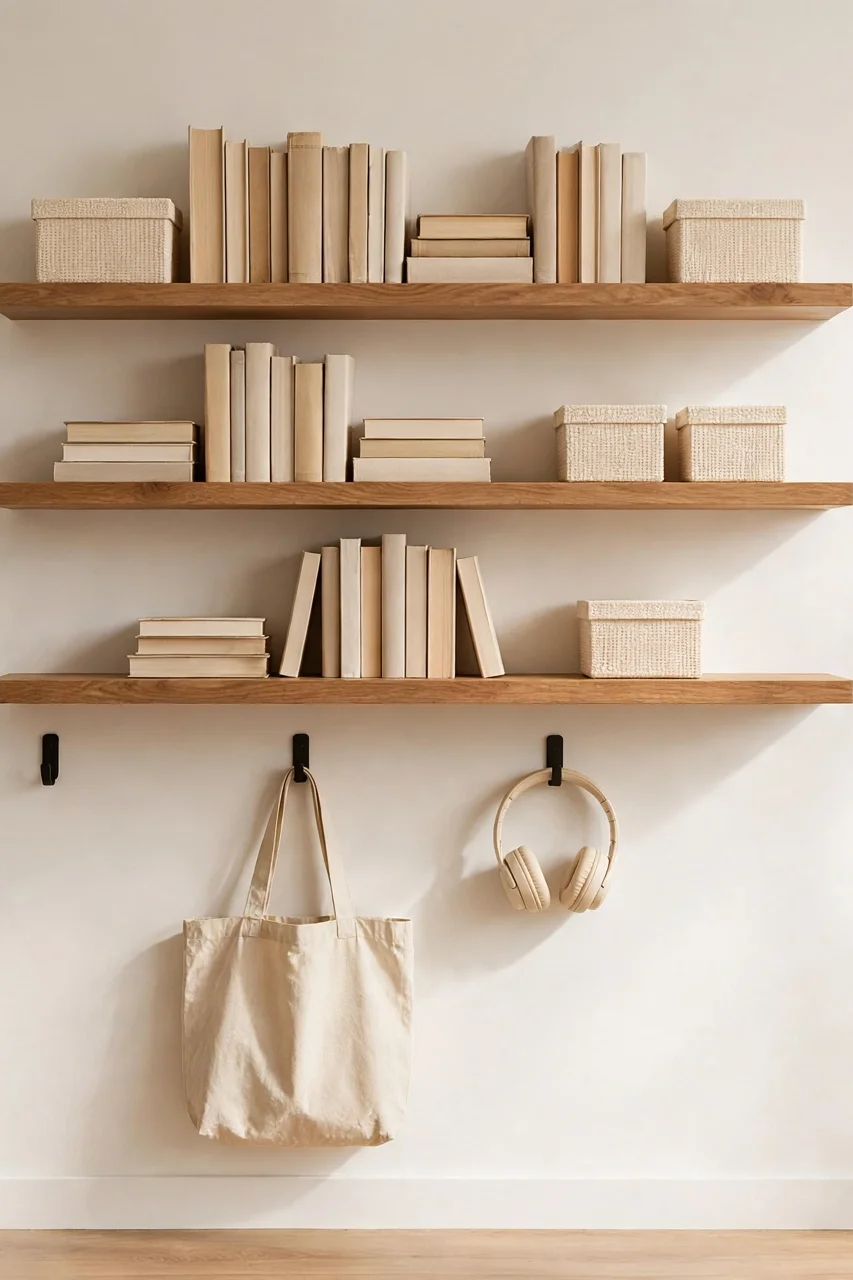
Before: Every horizontal surface is covered. The coffee table holds mail, the side table holds chargers, and the floor beside the sofa holds a pile of magazines. There is nowhere to set down a cup of tea.
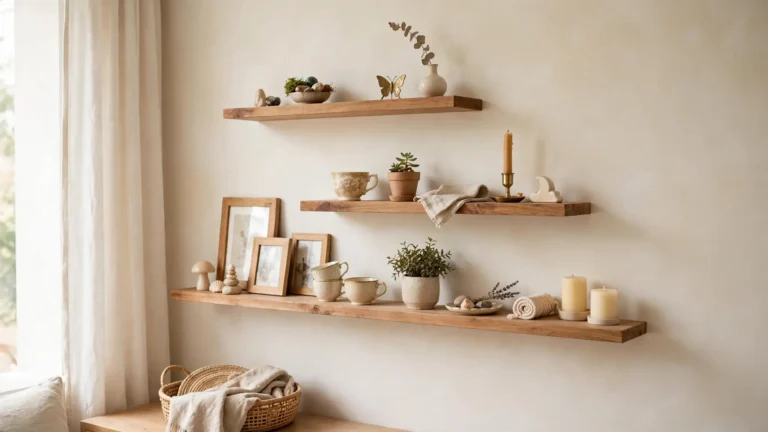
After: Walls do the heavy lifting. Floating shelves hold books and small bins, wall hooks catch bags and headphones, and the surfaces below stay clear. The room feels twice as big with the same square footage.
Vertical storage is the most underused trick in small living rooms. Mount a slim picture ledge for books, add hooks inside a closet door for headphones, or hang a small pegboard in an unused corner. Going up frees the surfaces your eyes land on first.
Keep Surfaces Clear

Do This:
- Keep only three to five decorative items on the coffee table.
- Return remotes to a single tray after each use.
- Clear mail and papers every evening before bed.
- Give every frequently used item a labeled home.
Avoid This:
- Using the coffee table as a mail sorting station.
- Letting temporary piles sit for more than a day.
- Storing things on top of the TV stand or shelves.
Clear surfaces trick the eye into seeing a larger room. When the coffee table, side tables, and TV stand hold only intentional decor, the whole space breathes easier and feels calmer. A nightly two minute reset keeps every surface clear without ever needing a big weekend overhaul session.
See also how to decorate a small apartment dining room for more small space storage ideas.
Use Closed Storage
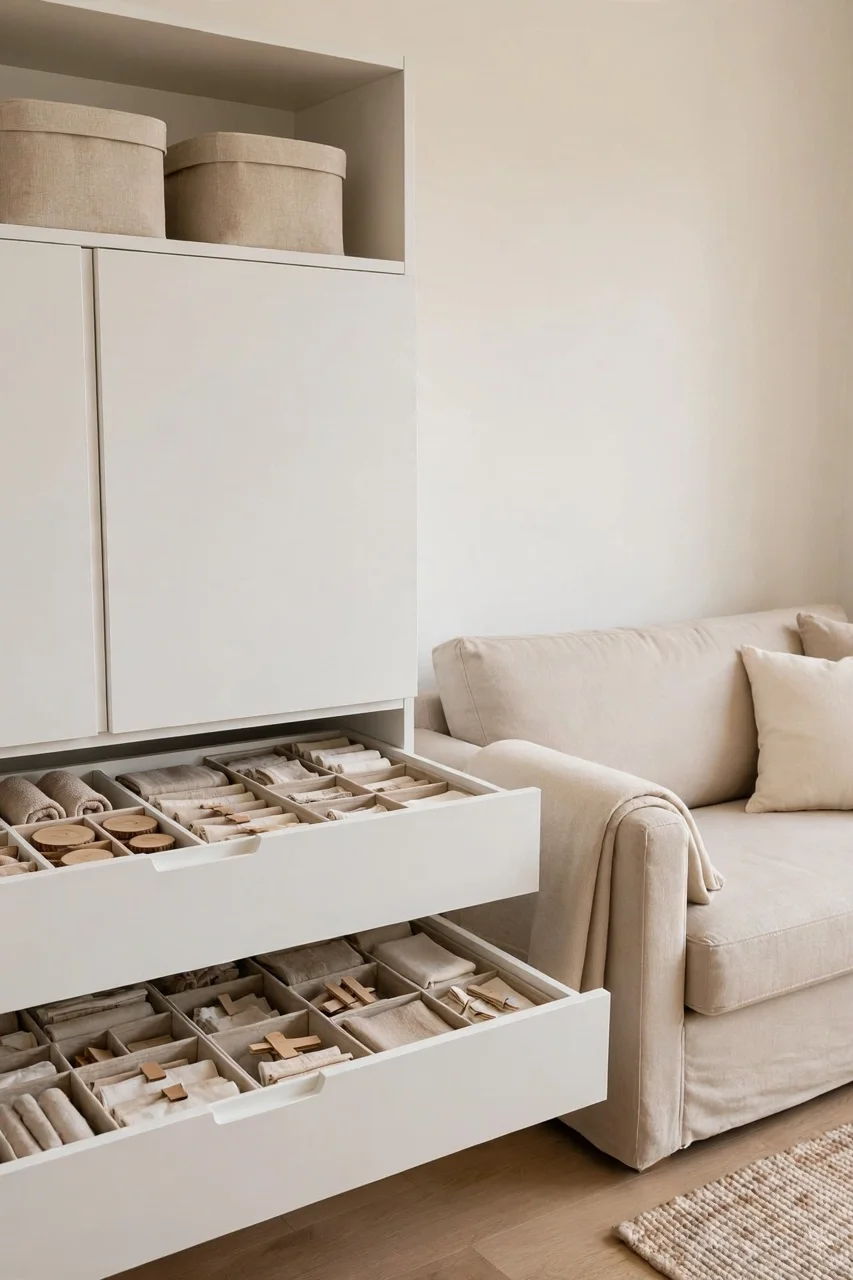
Time Needed: One afternoon | Difficulty: Easy | Cost: Low to medium
Best For: Renters and anyone who hates visual noise
Result: Clutter hidden behind doors instead of on display
Open shelves look great in photos but demand constant styling. In a real small living room, closed storage wins every time. Cabinets, lidded boxes, and drawers hide the mess while keeping everything within reach. Save open shelves for a few pretty items and hide the rest.
Common Clutter Mistakes
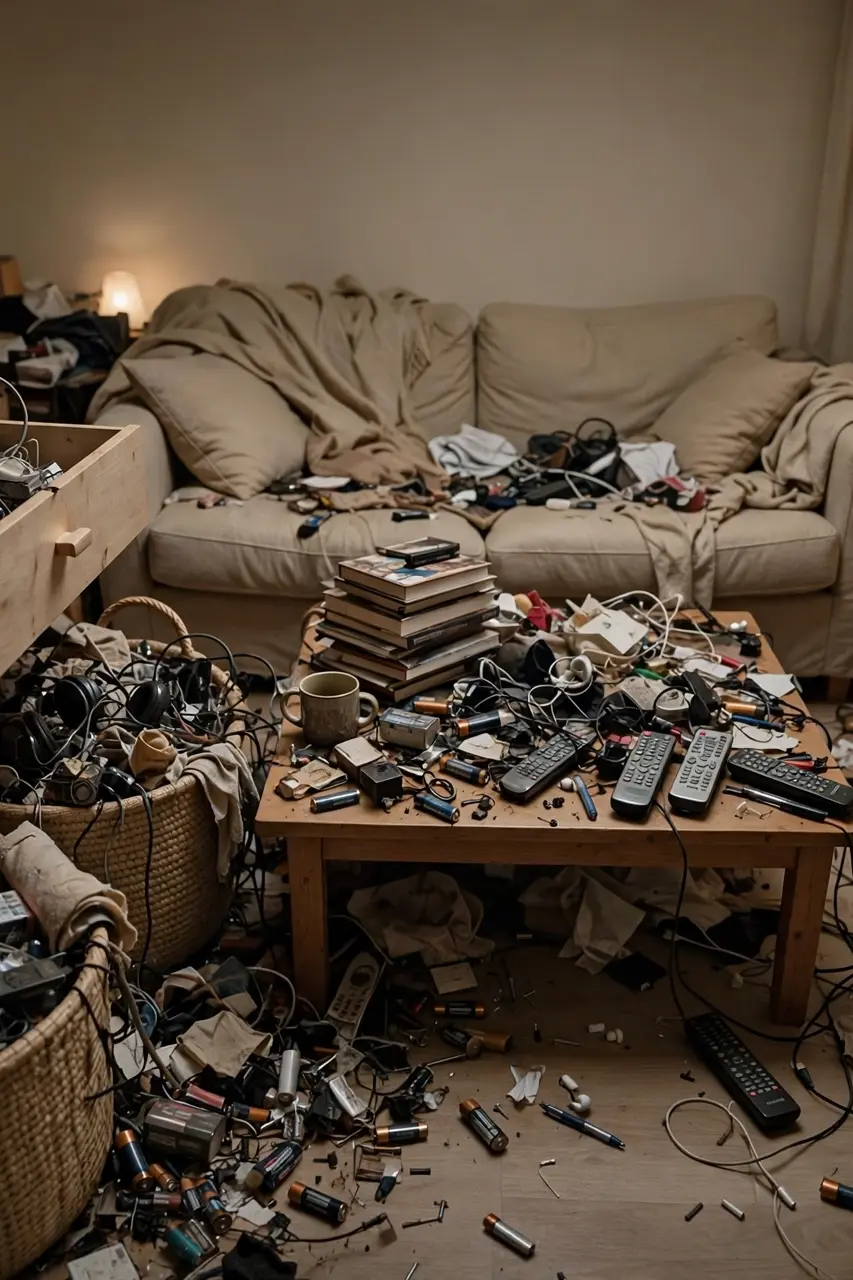
One mistake I see often is buying storage before decluttering. Pretty baskets filled with things you do not need are still clutter, just better dressed. Another common slip is creating a junk drawer in the living room that becomes a black hole for batteries, old remotes, and mystery keys.
The fix is simple: declutter first, then buy only the storage you actually need. And skip the junk drawer entirely. If an item does not have a clear home and a clear purpose, it probably does not belong in your small living room at all.
Pro Tips for Tidy Rooms

These small habits keep clutter from creeping back into your living room. None of them takes more than a few minutes, but together they protect all the organizing work you just finished. Pick two to start with and add more as they become automatic.
- Do a five minute pickup every night. Set a timer, return strays to their homes, and start tomorrow with clear surfaces.
- Follow the one in, one out rule. When a new throw pillow arrives, an old one leaves the room.
- Keep a small donation bag in a closet. When it fills up, drop it off without sorting twice.
- Photograph your tidy room. When clutter creeps back, the photo reminds you what done looks like.
Conclusion
Your small living room does not need to be perfect, just peaceful. Once you know how to hide clutter in a small living room with smart storage and simple habits, the space starts working for you instead of against you. Start with one basket or one clear surface today and build from there. I have seen how making this one change can completely shift how a room feels. Save this guide on Pinterest so you can find it when clutter creeps back, and share it with someone whose living room could use a calm reset.

2 Comments