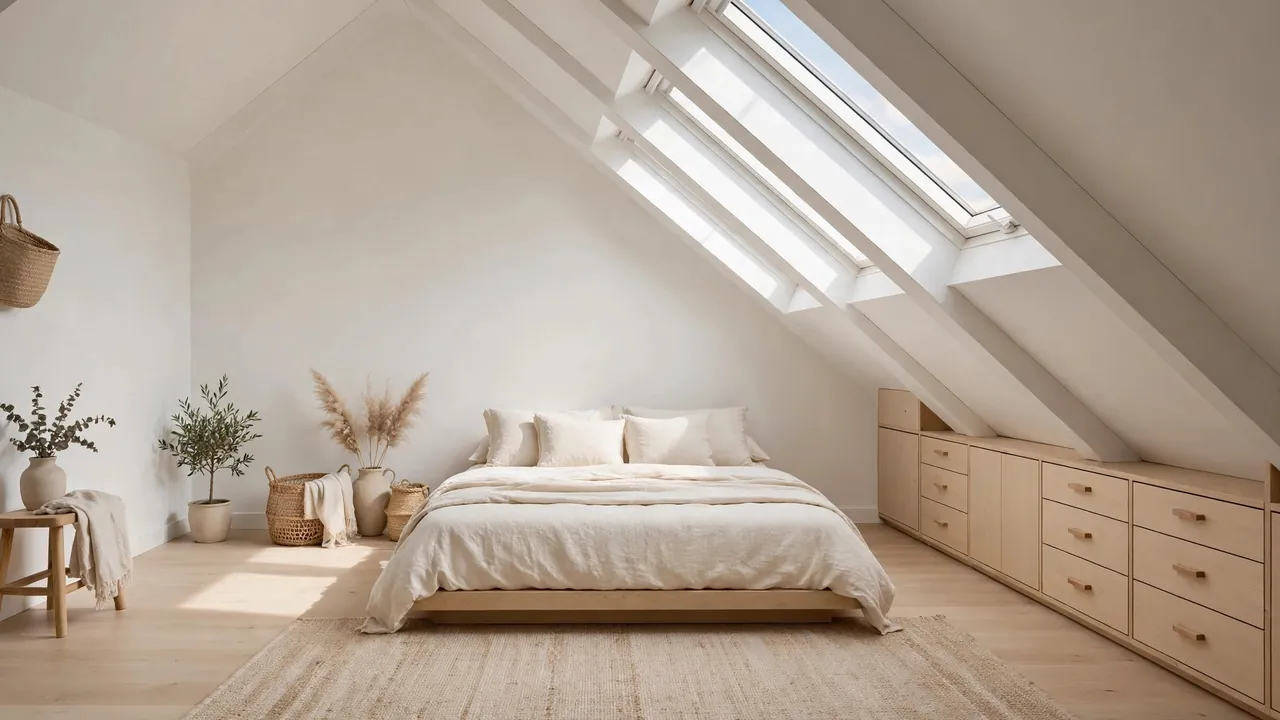
How to Decorate Rooms With Slanted Ceilings
A sloped ceiling can make a room feel charming or cramped, and most people are not sure which way it will go. In my experience, learning how to decorate rooms with slanted ceilings turns an awkward attic or bonus room into the coziest spot in the house. The trick is working with the angle instead of fighting it.
If small or oddly shaped rooms are a recurring battle, the guide on how to arrange furniture in studio apartments has more layout ideas that apply here too.
Below you will find ten practical sections, from paint tricks to storage solutions, that show you exactly how to style a sloped space with confidence.
Why Slanted Ceilings Feel Tricky
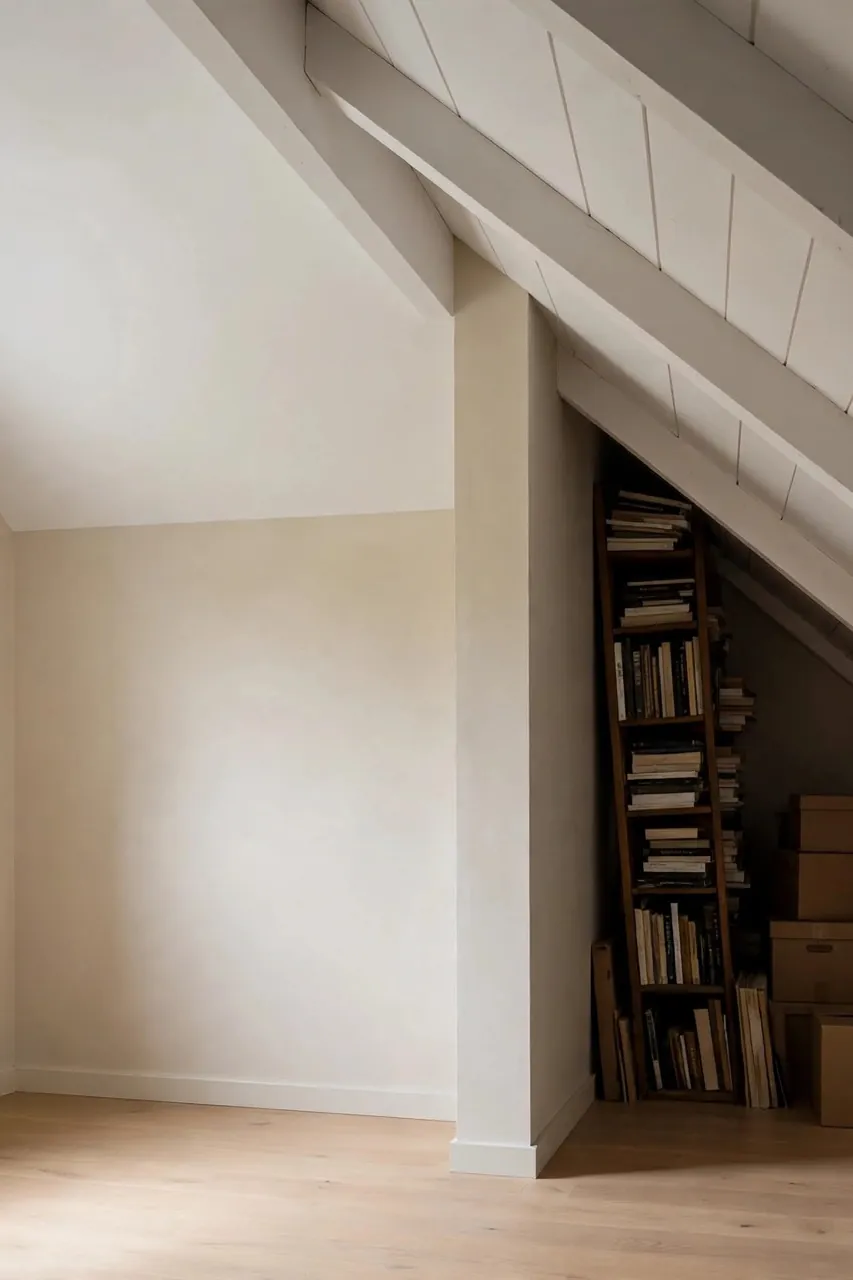
The low edge of a slope eats vertical space fast, which is why the wall area feels like it is closing in. Angled walls also confuse furniture placement, since a standard bookcase or wardrobe simply does not fit. Most people abandon the sloped part, leaving half the room wasted.
Strange window shapes add another layer of frustration for beginners. The good news is that every one of these problems has a simple fix, and none require construction work. Once you understand what the slope is doing to your space, decorating around it becomes straightforward.
Work With the Slope, Not Against It
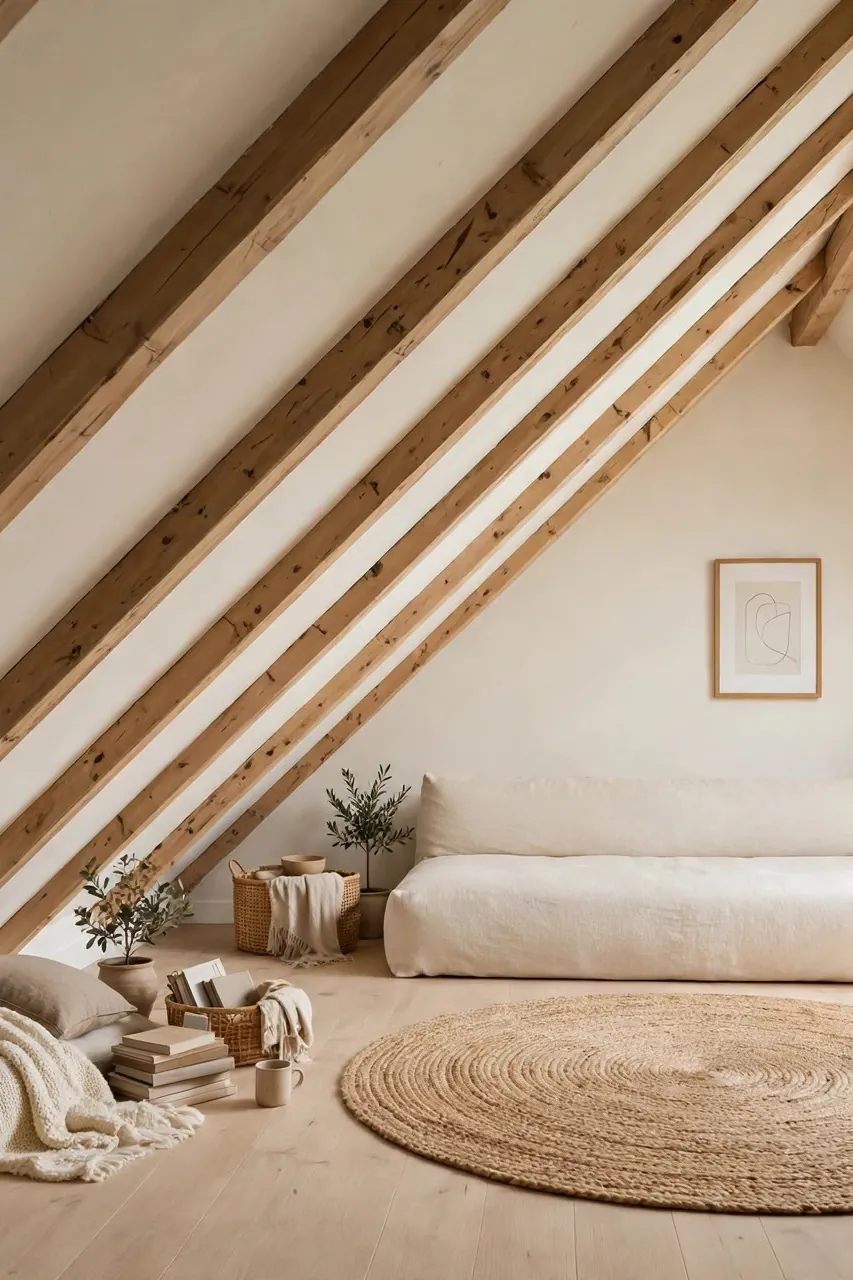
Fighting the angle only leads to wasted inches and frustration. The rooms that work best treat the slope as a design feature, not a flaw. Here is how to read your space and plan around the angle before you move a single piece.
- Measure the height at the lowest and highest points of the slope so you know exactly what furniture fits where.
- Walk the room and note where you can stand fully upright versus where only seated activities make sense.
- Assign the low zone to storage, seating, or a bed, and keep the tall zone for standing furniture and traffic.
- Sketch a rough layout on paper first, since moving heavy pieces twice under a low ceiling gets old fast.
Choose Low-Profile Furniture
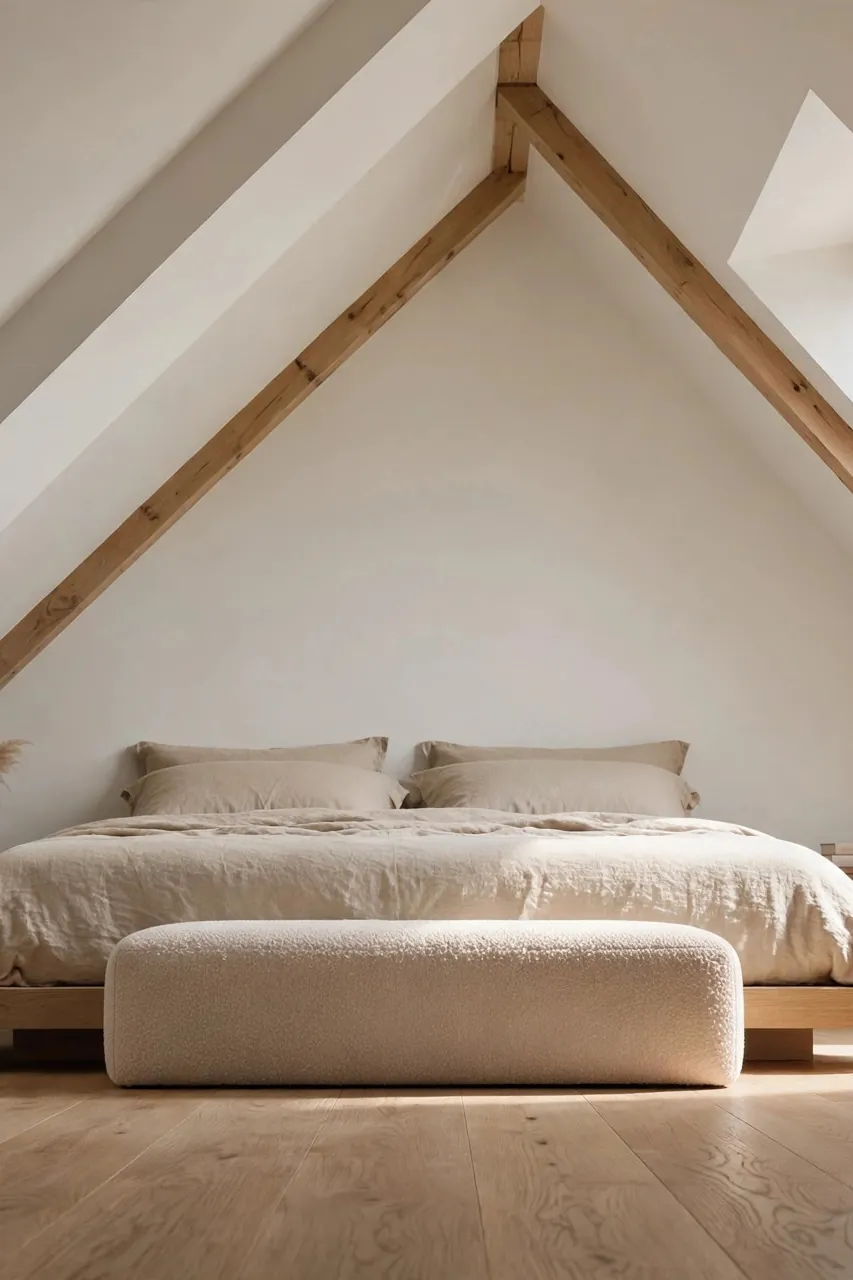
Quick Tip: Keep every tall piece at least six inches below the slope where it meets the wall. Low beds, short dressers, and floor-level seating slide under the angle without looking squeezed. When in doubt, choose the shorter option.
A low-profile daybed or platform bed instantly makes a sloped bedroom feel intentional. Pair it with a short bench or ottoman instead of a tall armoire, and the whole room breathes. I’ve noticed that rooms with lower furniture photograph taller, which matters for Pinterest too.
Paint the Slope Smartly
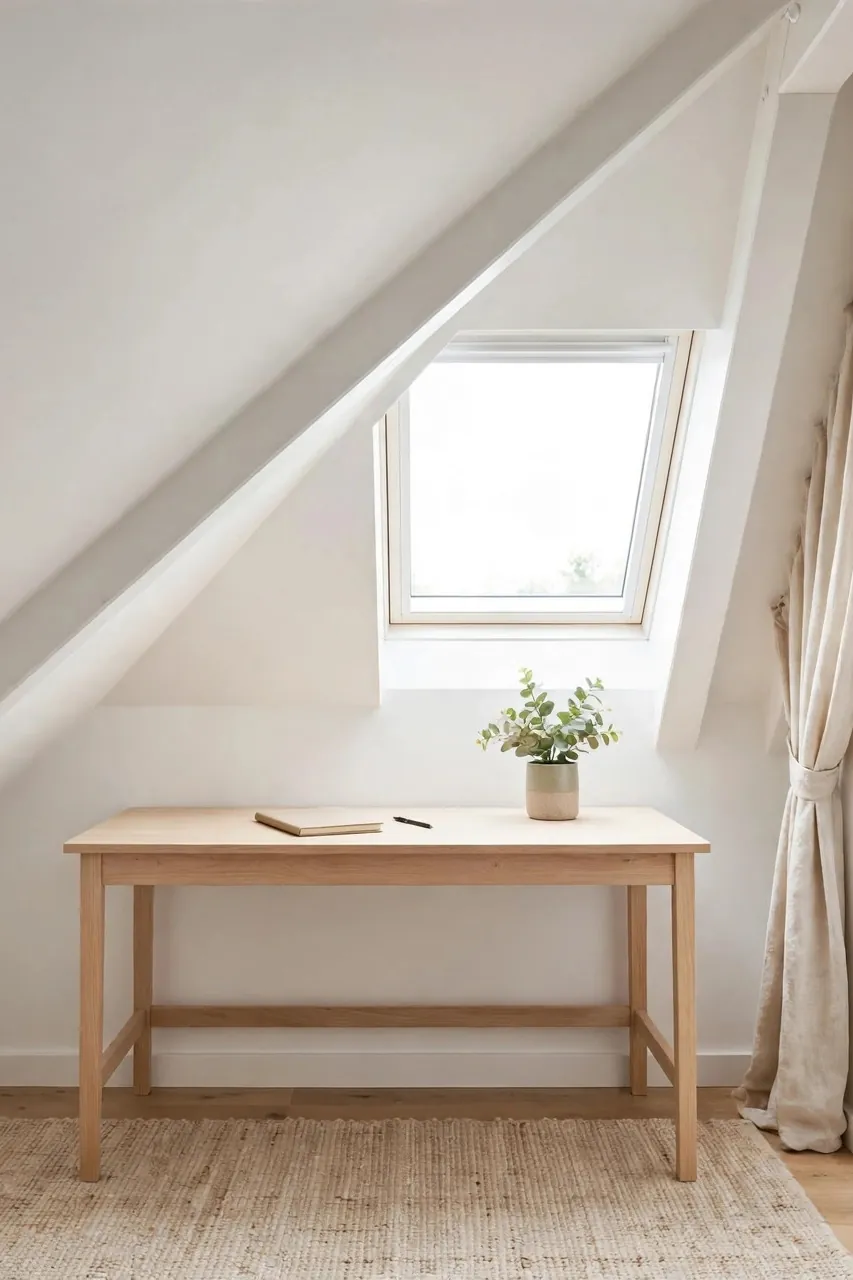
Common Mistake: Many people paint the slope a dark accent color, thinking it will add drama. Instead, the dark angle visually presses down on the room and makes the ceiling feel even lower.
The Fix: Paint the slope the exact same color as the walls so the boundary disappears. If you want contrast, keep it light, like a soft white slope against warm beige walls.
One continuous light color fools the eye into reading the slope as taller than it is. Matte finishes work best because they soften shadows along the angle. This single change can make a cramped attic feel like a calm, airy retreat instead of a dark cave.
Add Built-In Storage
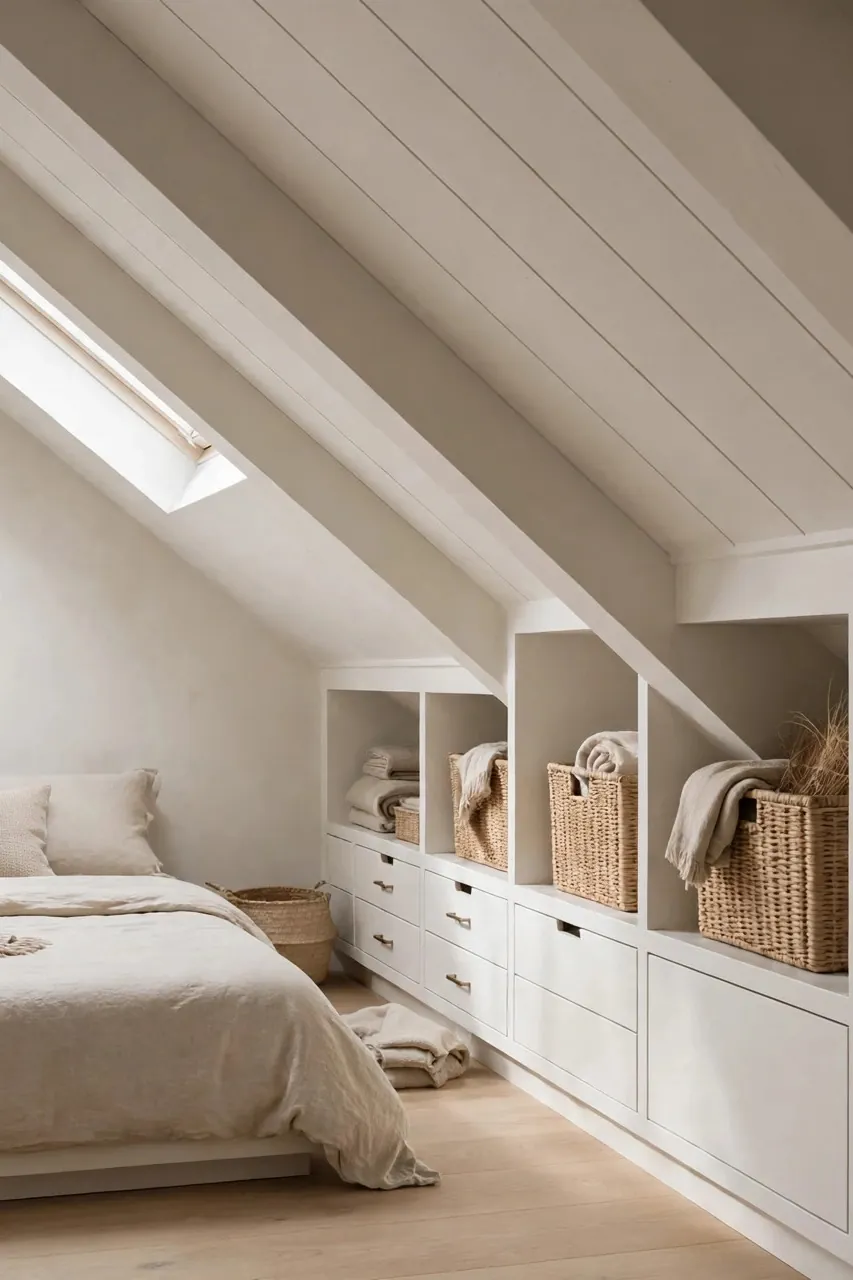
What You Need:
- Low drawer units that slide under the slope where the ceiling dips below three feet.
- Woven baskets or fabric bins that fit inside cubbies to hide small clutter.
- A short bookshelf laid on its side, which doubles as a window seat base.
- Adjustable closet rods hung at the tall end for hanging clothes where headroom allows.
- Under-eave pull-out trays on casters for seasonal items you rarely need.
Built-in storage that follows the angle reclaims every wasted inch under the slope. I have seen readers add a full dresser worth of space with nothing more than low drawers, which is exactly why learning how to decorate rooms with slanted ceilings pays off in real square footage.
Layer Lighting Low
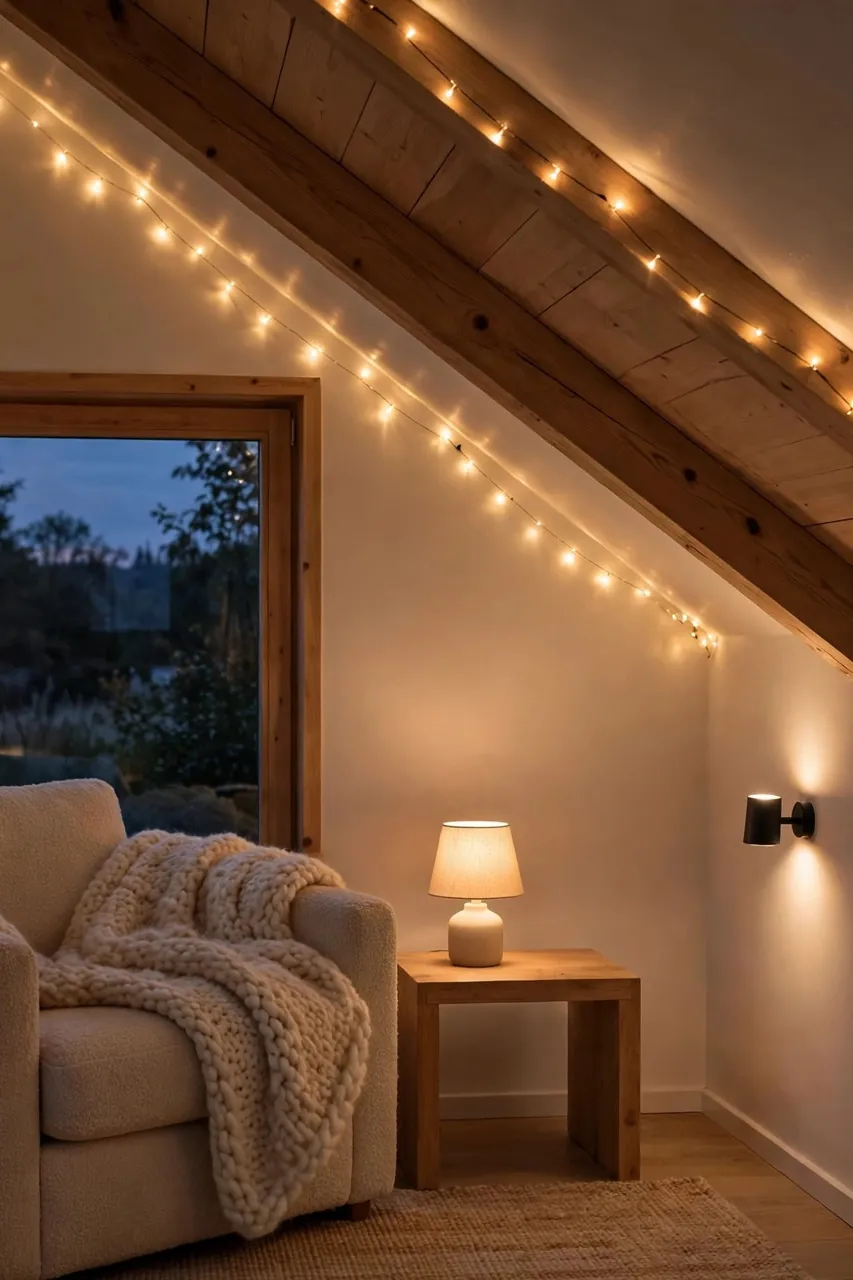
Before: A single ceiling fixture in the middle of the room leaves the sloped corners in shadow. The low edges go dark first, which makes the whole room feel smaller and gloomier after sunset.
After: Low table lamps and wall sconces placed along the slope wash the angle with warm light. Every corner glows, the ceiling feels higher, and the room stays inviting long after dark.
Place light sources at different heights, since one level of light flattens a sloped room. Battery puck lights inside dark cubbies cost little and remove the last shadows. Good lighting does more for a low ceiling than any paint color, and it makes evenings under the slope genuinely cozy.
Dress the Windows Right
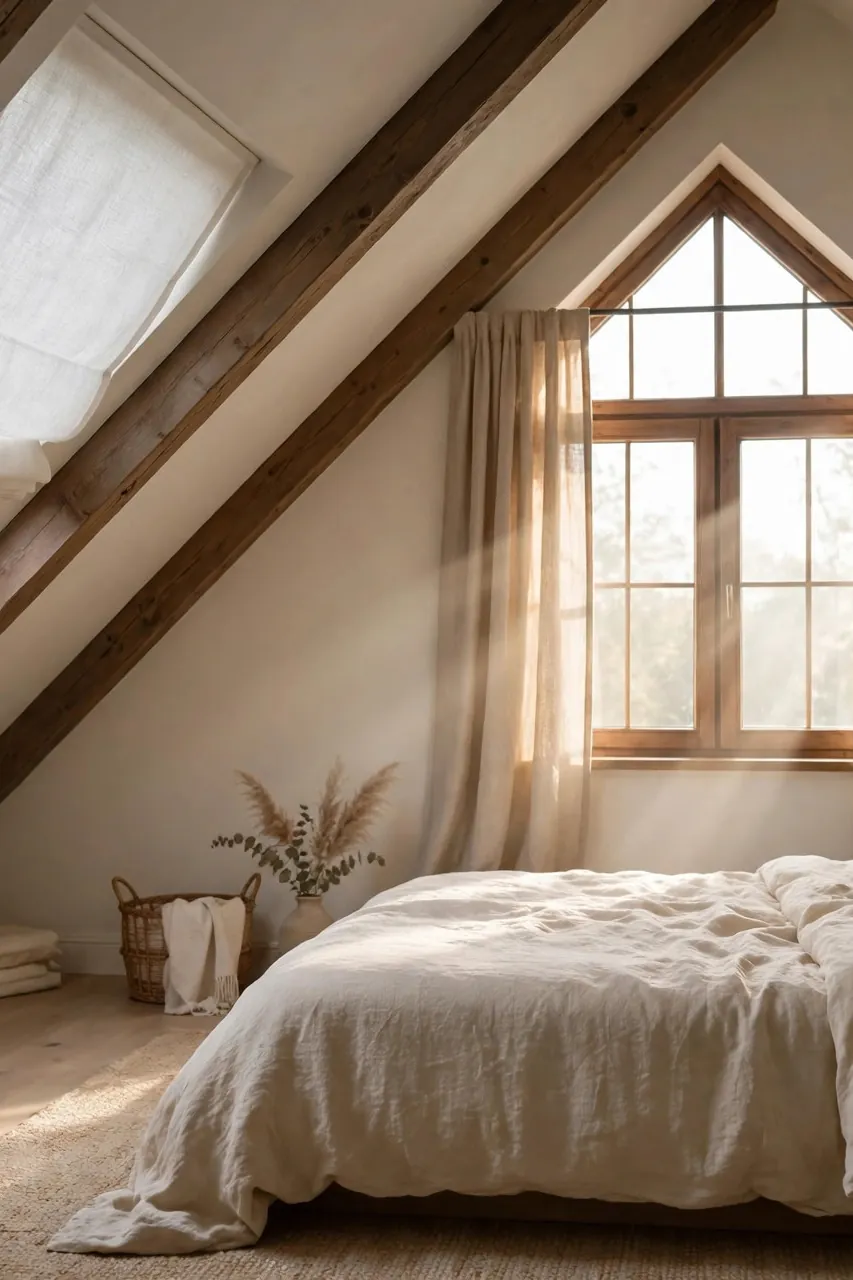
Do This:
- Fit skylights with light-filtering shades that tame glare without killing daylight.
- Hang curtains on the tall gable window from the highest point to stretch the wall.
- Choose washable linen that handles the extra dust sloped windows collect.
Avoid This:
- Don’t block a dormer window with tall furniture that wastes your best light source.
- Skip heavy blackout drapes on every window, since dark fabric shrinks the room visually.
- Never leave skylights bare if the sun hits them directly, because the glare becomes unbearable.
Windows are a sloped room’s best asset, so treat them like one. Clean glass and simple coverings let daylight bounce off the angle and brighten the whole space. I’ve noticed that rooms with well-dressed skylights need far less artificial light during the day, which keeps the space feeling open and fresh.
For more ways to keep visible storage looking tidy, see how to hide clutter in open shelving.
Create Cozy Nooks
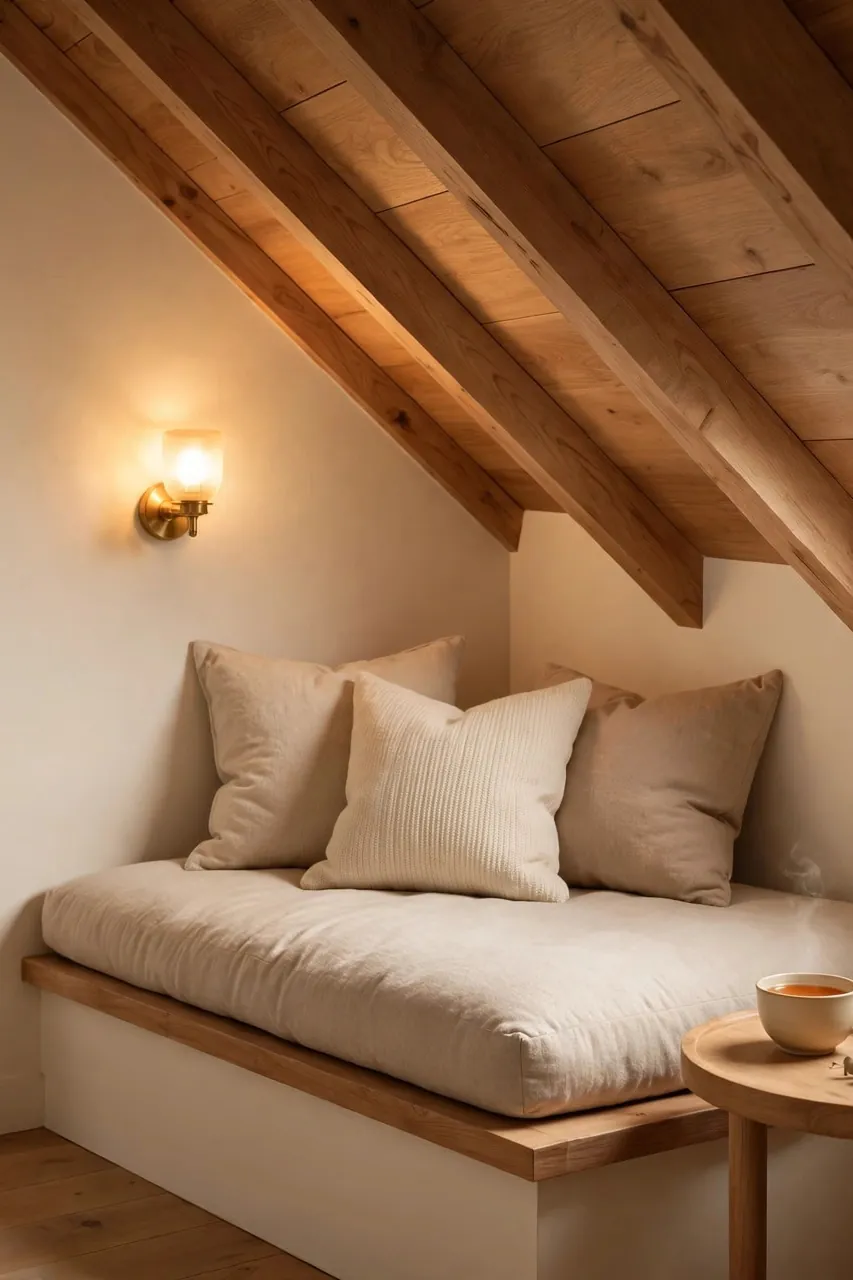
Time Needed: One afternoon | Difficulty: Easy | Cost: Low to medium | Best For: Reading corners, kids’ play spots, meditation nooks
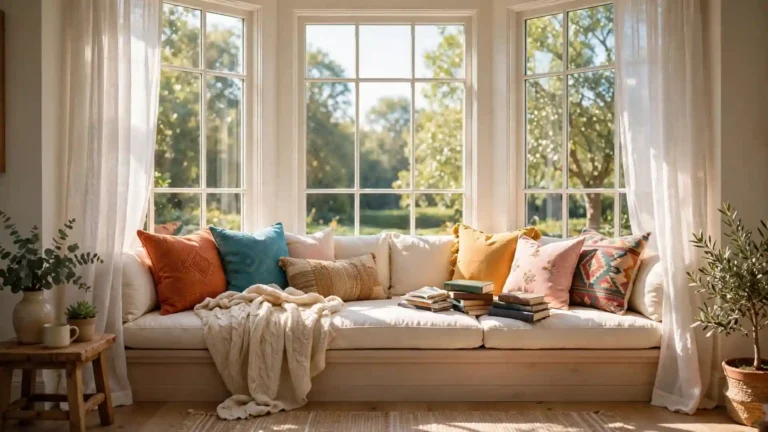
The lowest part of the slope is perfect for a nook because sitting needs far less headroom than standing. A floor cushion, a small lamp, and a throw turn dead space into the favorite seat in the house. Give the nook a clear purpose and it will get used daily.
Common Slanted Ceiling Mistakes
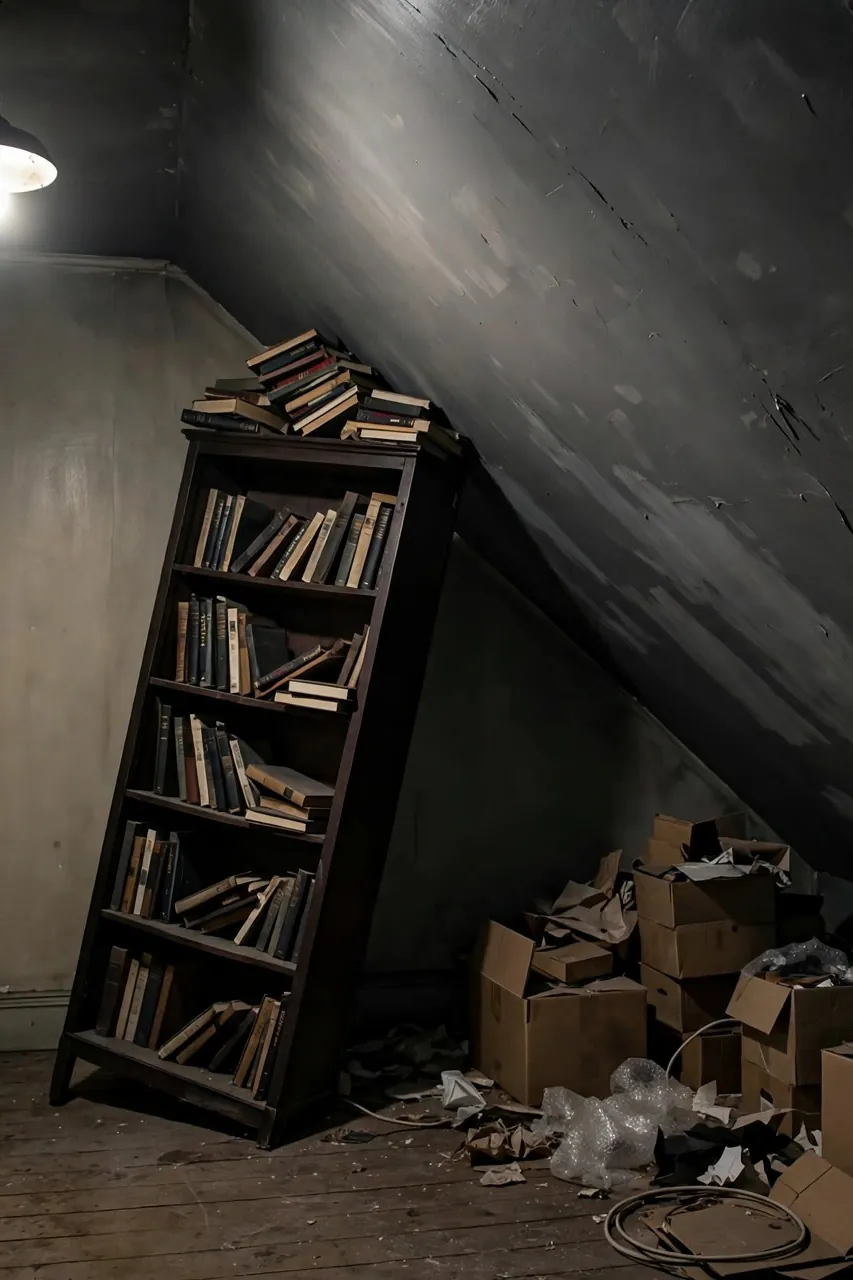
The biggest mistake is treating the slope like a flat wall and hanging art where heads will hit it. Oversized furniture is another classic error, since a tall wardrobe under a low angle looks permanently wedged. Dark paint on the slope completes the trio by pressing the ceiling down.
Ignoring the low zone wastes the room’s best storage real estate. Leaving skylights bare creates glare that makes the space unusable at midday. Fix these habits and the room will feel twice as functional without buying a single new thing. Most of these fixes take less than an hour.
Pro Tips for Sloped Spaces
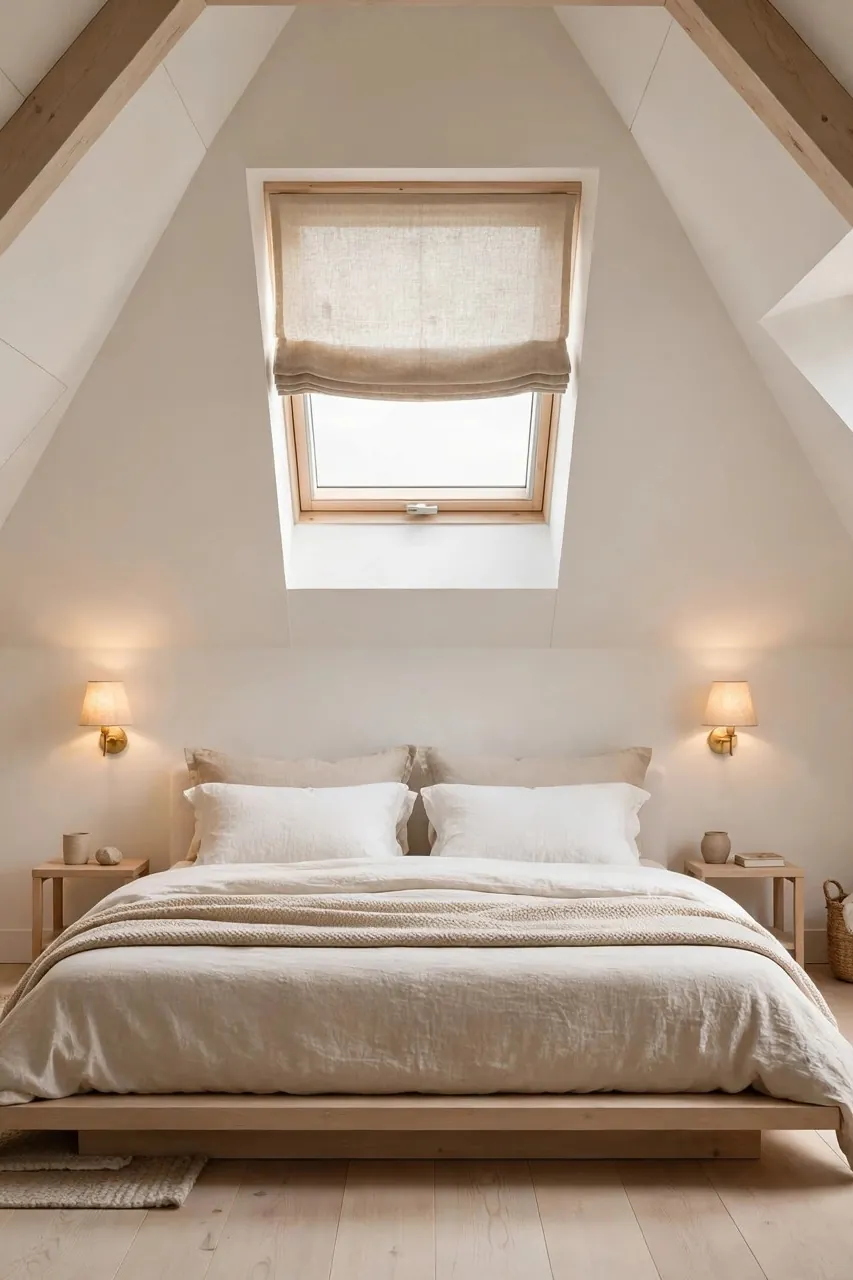
Small finishing choices separate a good sloped room from a great one. These are the details designers always add, and each one takes only minutes. Apply them last, after the big furniture and paint decisions are already done. They cost almost nothing and change how the whole space feels.
- Run a slim LED strip along the base of the slope to outline the angle with a soft glow.
- Add one tall plant at the high end of the room to balance the low side visually.
- Use a large rug to anchor the seating area, since bare floors make sloped rooms feel cold.
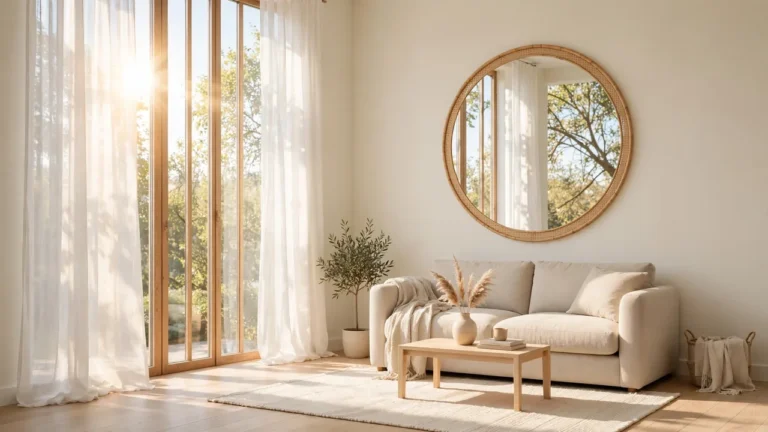
- Hang a mirror on the tall gable wall to bounce light deep into the low corners.
Conclusion
Sloped ceilings stop feeling like a problem the moment you design with the angle instead of against it. Low furniture, light paint, and layered lighting do most of the work, and the built-in storage ideas above reclaim space you thought was lost. I have seen how making this one change in mindset can completely shift the result, which is exactly what learning how to decorate rooms with slanted ceilings is really about. Save this guide on Pinterest so you can find it when your attic project starts, then try one section this weekend.
One Comment