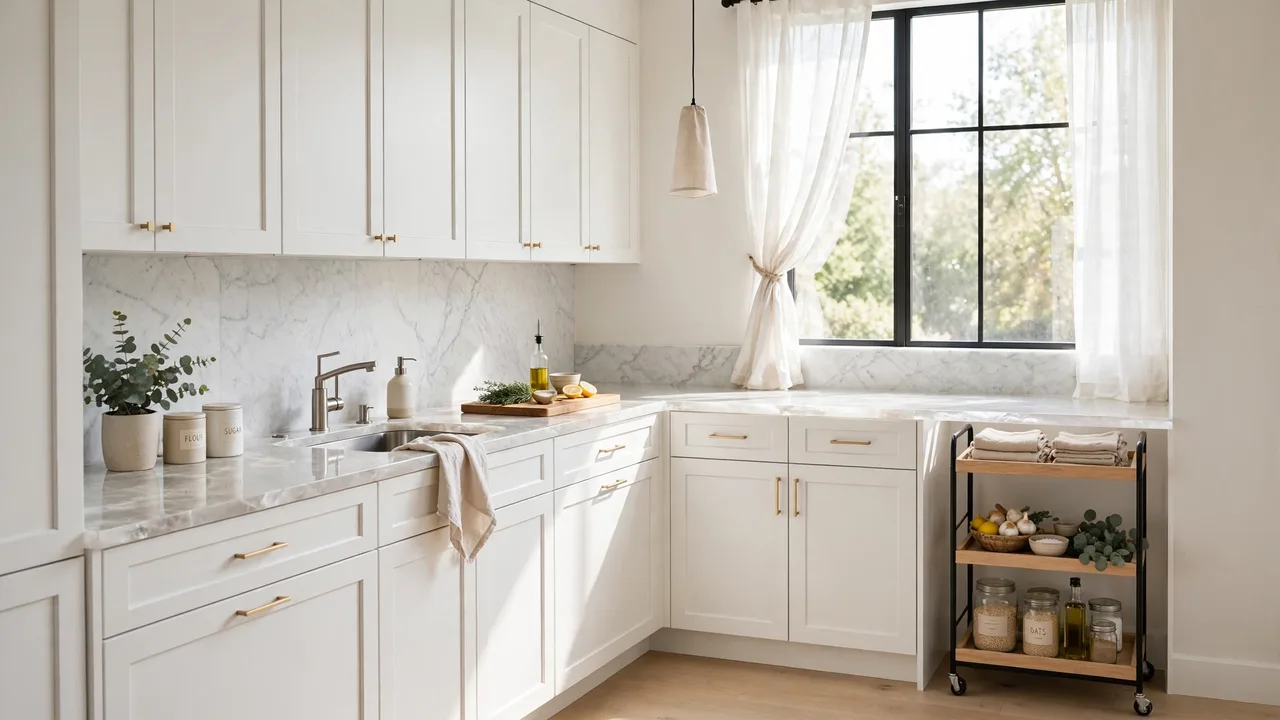
How to Create More Counter Space
If your kitchen counter disappears under appliances, mail, and mystery clutter by noon, you are not alone. Learning how to create more counter space is one of the fastest ways to make a small kitchen feel calm and usable again. In my experience, most kitchens have plenty of space hiding in plain sight.
This guide walks you through ten practical steps, from moving one appliance to adding clever wall storage. For more small-space ideas, check out our guide on how to decorate a long narrow hallway, which uses the same clear-one-zone mindset. You can start today with zero budget.
By the end, your counters will hold only what earns its spot, and cooking will feel easier every day. Small changes add up fast when you know where to look.
Why Counters Disappear Fast
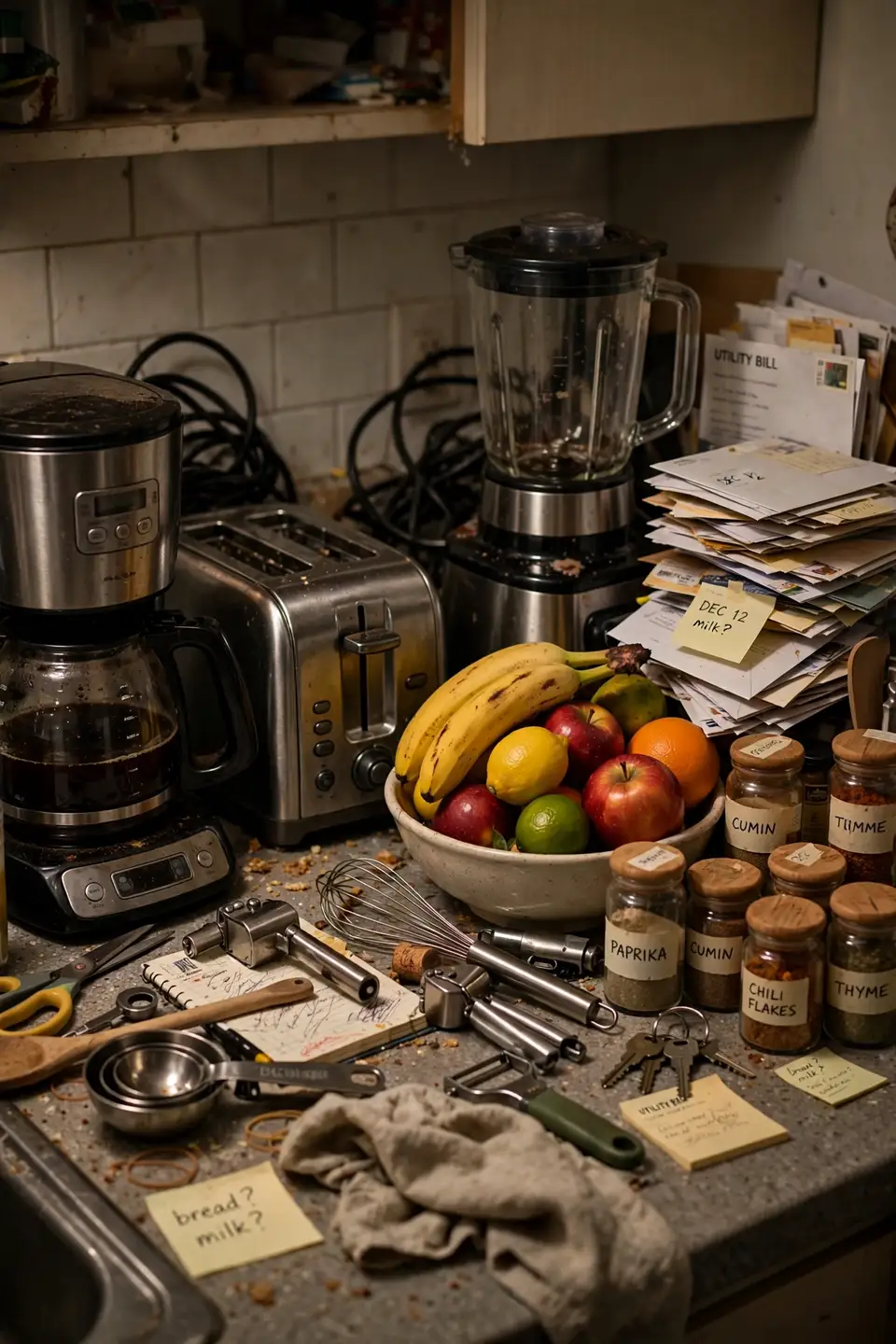
Counters do not get crowded overnight. One coffee maker stays out because you use it daily, then the toaster joins it, then a fruit bowl, mail, and random gadgets. Before long, there is no room left to chop an onion. This slow creep is the real enemy.
The good news is that clutter has a pattern. Most items fall into three groups: daily essentials, occasional tools, and things that belong somewhere else entirely. Once you see the pattern, clearing space becomes a simple sorting job, not an overwhelming weekend project.
Audit What’s Eating Your Counters

You cannot fix what you cannot see. A quick audit shows exactly which items steal your prep space and which ones truly earn their spot. Grab your phone, snap a photo of your counters right now, and work through these steps.
- Photograph your counters as they are right now, no tidying first. The honest picture reveals the worst offenders.
- List every item sitting on the counter and mark each as daily, weekly, or rarely used.
- Move the rarely used items to a cabinet or shelf immediately. If you have not touched it in two weeks, it does not live on the counter.
- Group the remaining daily items by task, like coffee gear together and cooking tools together, so each zone makes sense.
Move Appliances Off the Counter
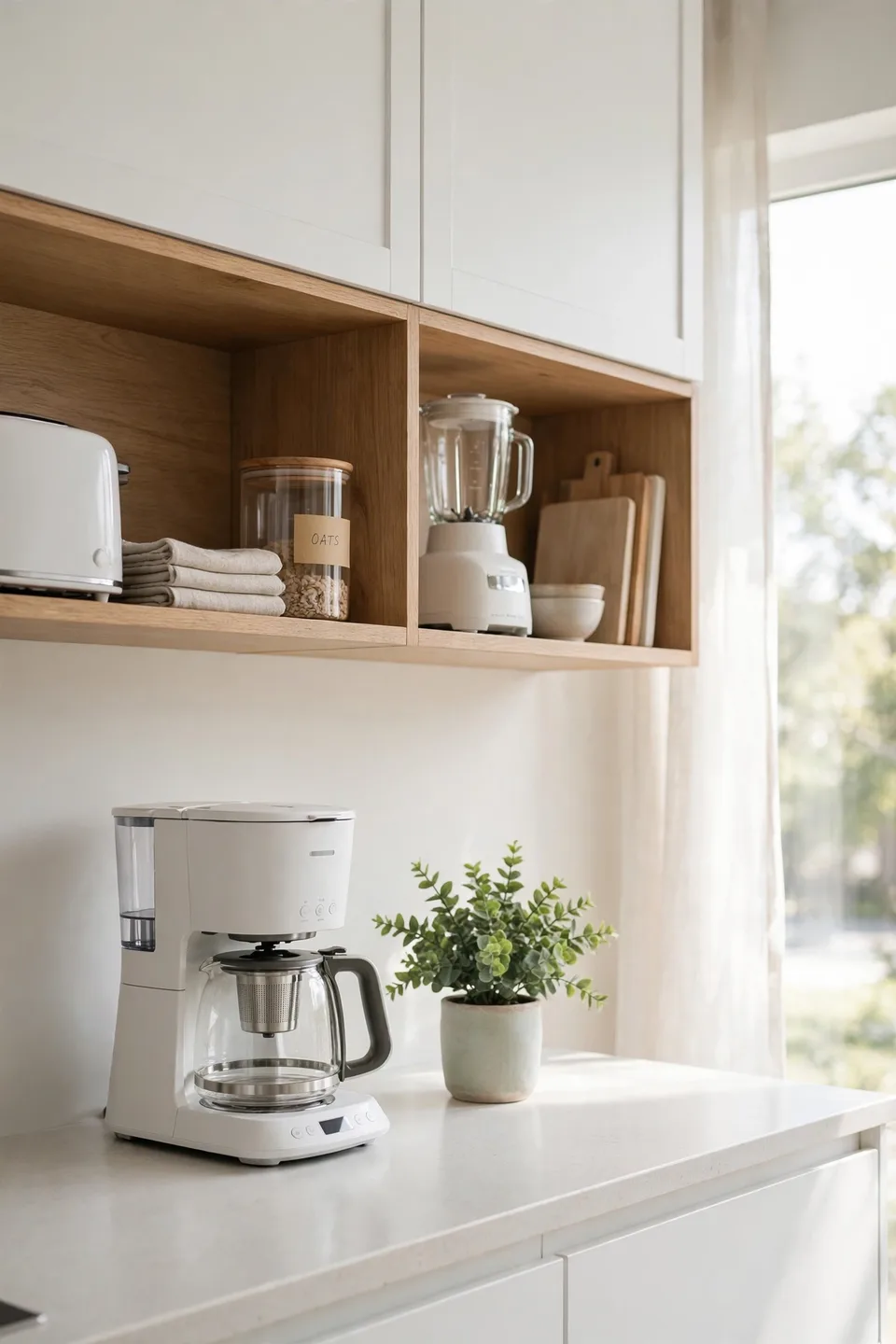
Quick Tip: Appliances you use once a week or less do not deserve counter space. Store the bread maker, food processor, and stand mixer in a cabinet or on a rolling cart, and pull them out only when needed. Your counters will thank you daily.
Start with the biggest space hogs. Coffee makers and toasters often earn their spot, but blenders, slow cookers, and juicers usually do not. Moving just two bulky appliances can free up enough room for a full cutting board and a mixing bowl. Be honest about what you actually use every morning.
Add Over-Sink Covers
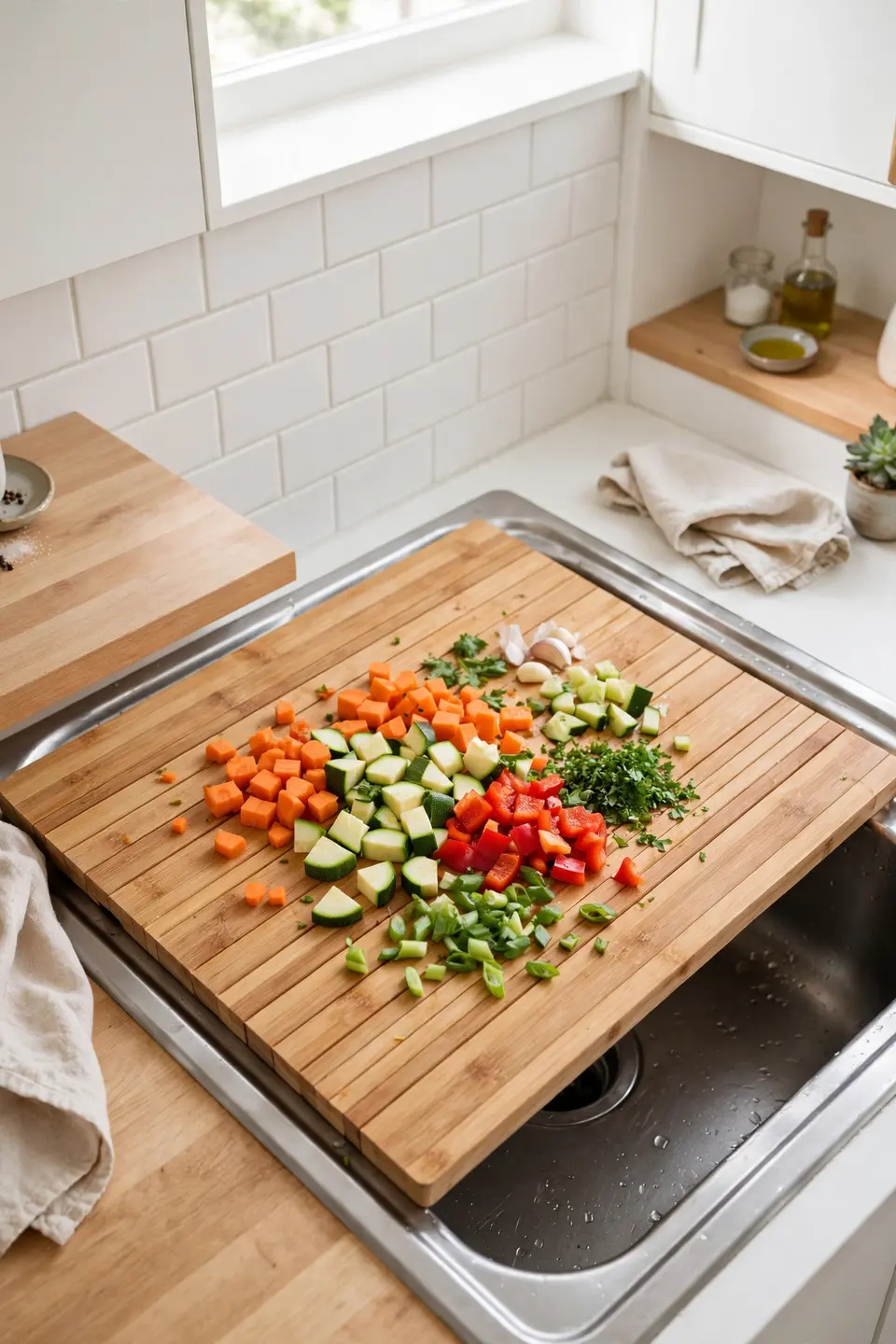
Common Mistake: Most people treat the sink as dead space and let dishes pile up around it, shrinking the usable counter even more. They buy organizers for the countertop instead of using the empty air above the sink. That unused span is prime real estate.
The Fix: A simple over-sink cover or roll-up dish drying rack turns that gap into instant prep space. Choose a bamboo cover that doubles as a cutting surface, or a stainless roll-up rack that disappears when you need the sink. Both cost little and install in seconds.
This trick works because the sink area is already plumbed and central, making it a natural work zone. Cover it when you need chopping space, uncover it when you need water. I have seen this single change give small kitchens the feel of six extra inches of counter.
Use a Rolling Cart
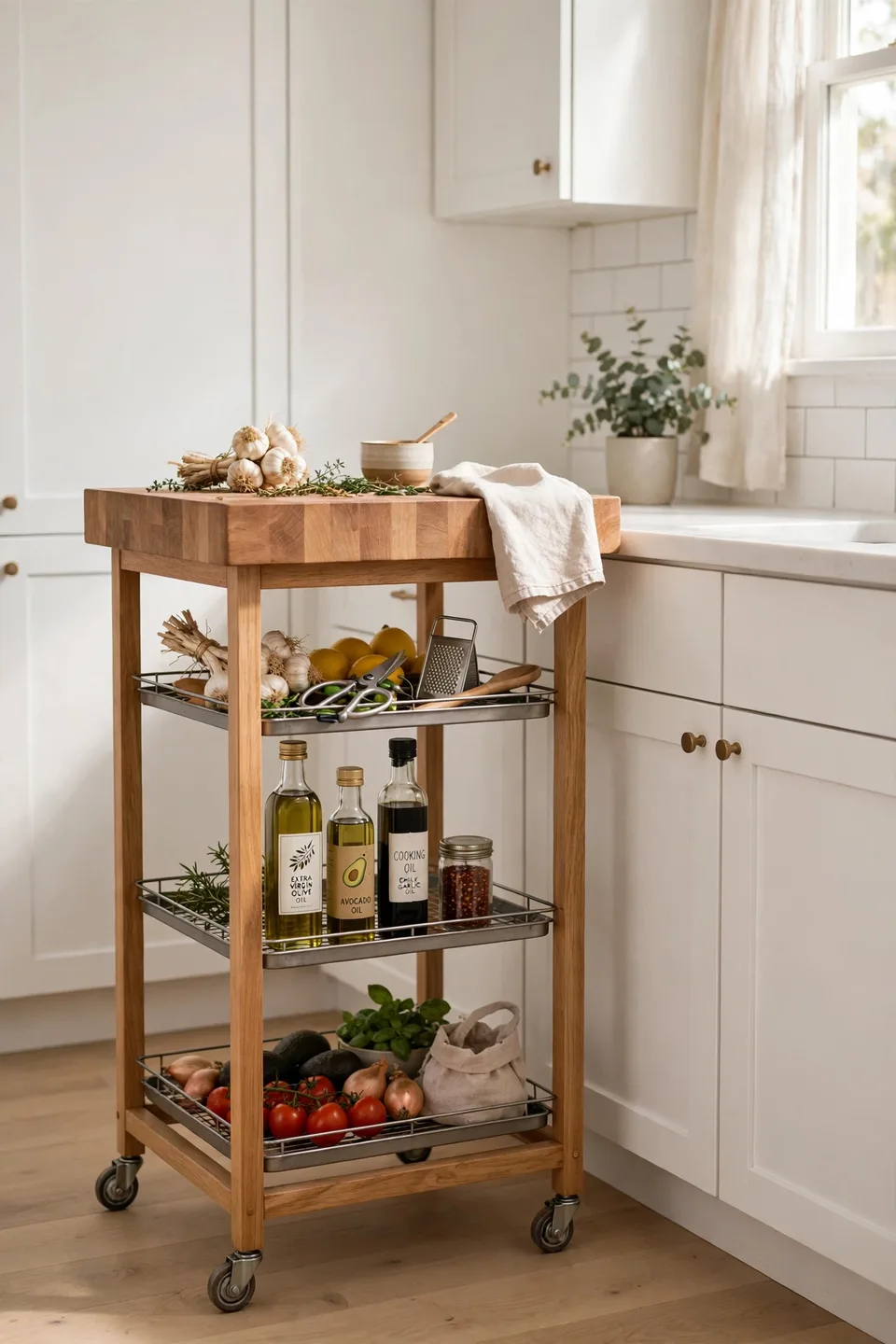
What You Need:
- A slim rolling cart: pick one 12 to 15 inches wide so it slides into narrow gaps beside the fridge or cabinets.
- Locking wheels: they keep the cart steady while you chop and let you roll it away for cleaning.
- Two or three tiers: separate tiers for produce, oils, and small tools keep everything visible and reachable.
- A butcher-block top: a solid top turns the cart into bonus prep space whenever you need it.
- S-hooks: hang utensils, towels, or measuring cups on the cart’s sides to squeeze out more storage.
A rolling cart is the closest thing to adding a brand-new counter. Park it where you prep, load it with your most-used ingredients, and roll it aside when guests come over. It costs far less than a renovation and moves with you if you relocate.
Mount Things on Walls
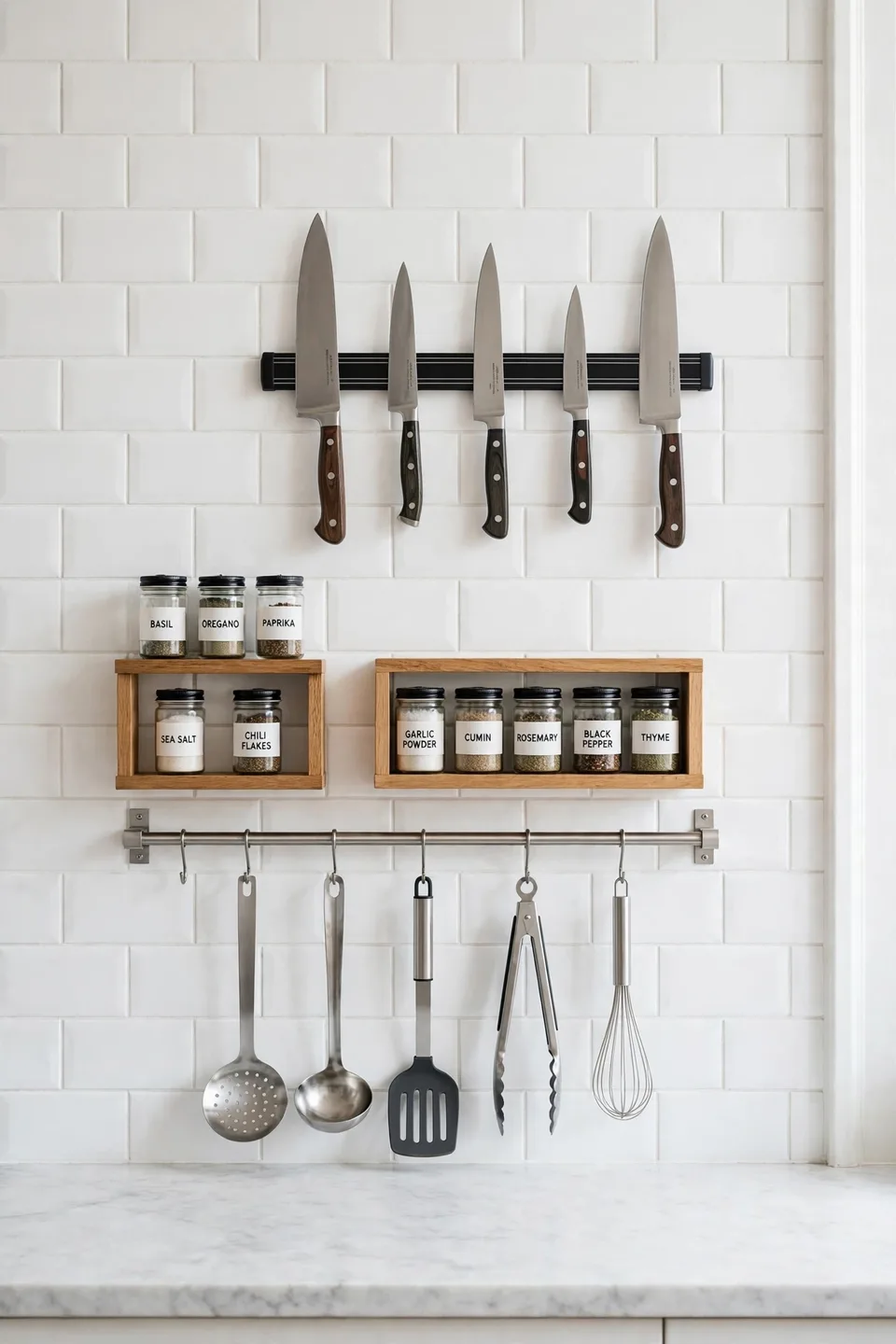
Before: Knife blocks, paper towel holders, and spice jars eat up precious inches along the backsplash. Every one of them sits on the counter all day, doing nothing but taking up room. The wall above them stays completely empty and wasted.
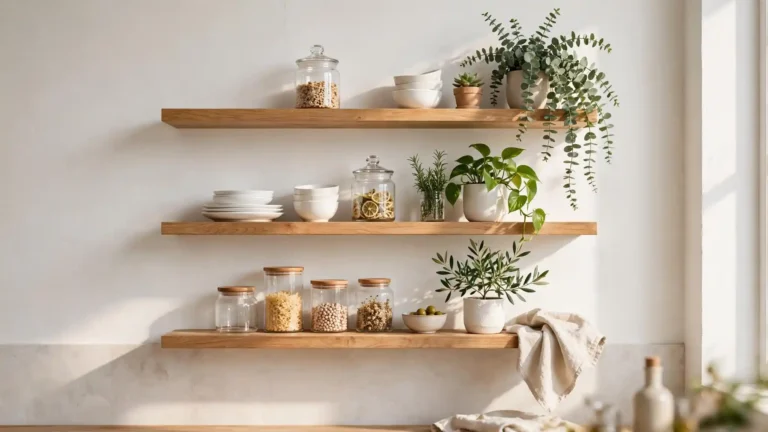
After: A magnetic knife strip, an under-cabinet paper towel holder, and wall-mounted spice racks lift all of it off the surface. Suddenly the same counter stretches twice as far, and everything is still within arm’s reach. The kitchen feels taller and airier too.
Walls are the most underused square footage in any kitchen. When you want to know how to create more counter space without spending much, look up first. Hooks, rails, and magnetic strips cost little, install with basic tools, and free the surface for actual cooking.
Create Zones Elsewhere
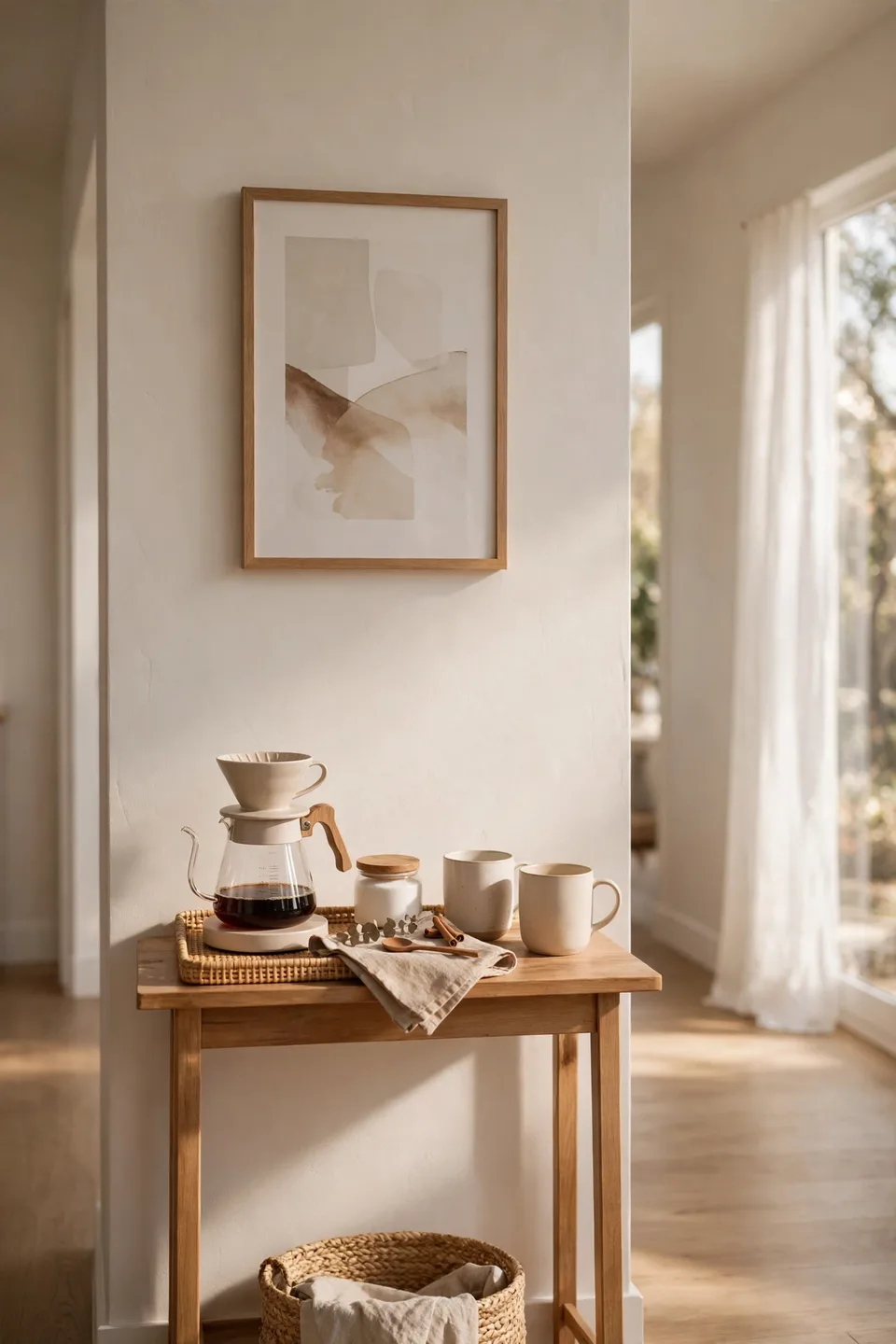
Do This:
- Move the coffee station to a hallway console or dining room corner with a small tray setup.
- Keep a labeled basket for mail and keys by the front door instead of the kitchen counter.
- Store bulk snacks and cereals on a pantry shelf in clear bins, not on the counter.
- Charge phones and tablets at a bedroom nightstand dock rather than the kitchen.
Avoid This:
- Do not let the counter become the default drop zone for bags, homework, and packages.
- Do not store cleaning supplies where they spill over from under the sink onto the counter.
- Do not keep decorative items that collect dust where you need prep room.
Not every kitchen task needs to happen on the counter. Shifting even one zone elsewhere can transform your workflow. If you love smart small-space tricks, our guide on how to make small bathrooms feel bigger uses the same zone-shifting logic. Your counters stay clear, and the rest of the home works harder.
Downsize Duplicates
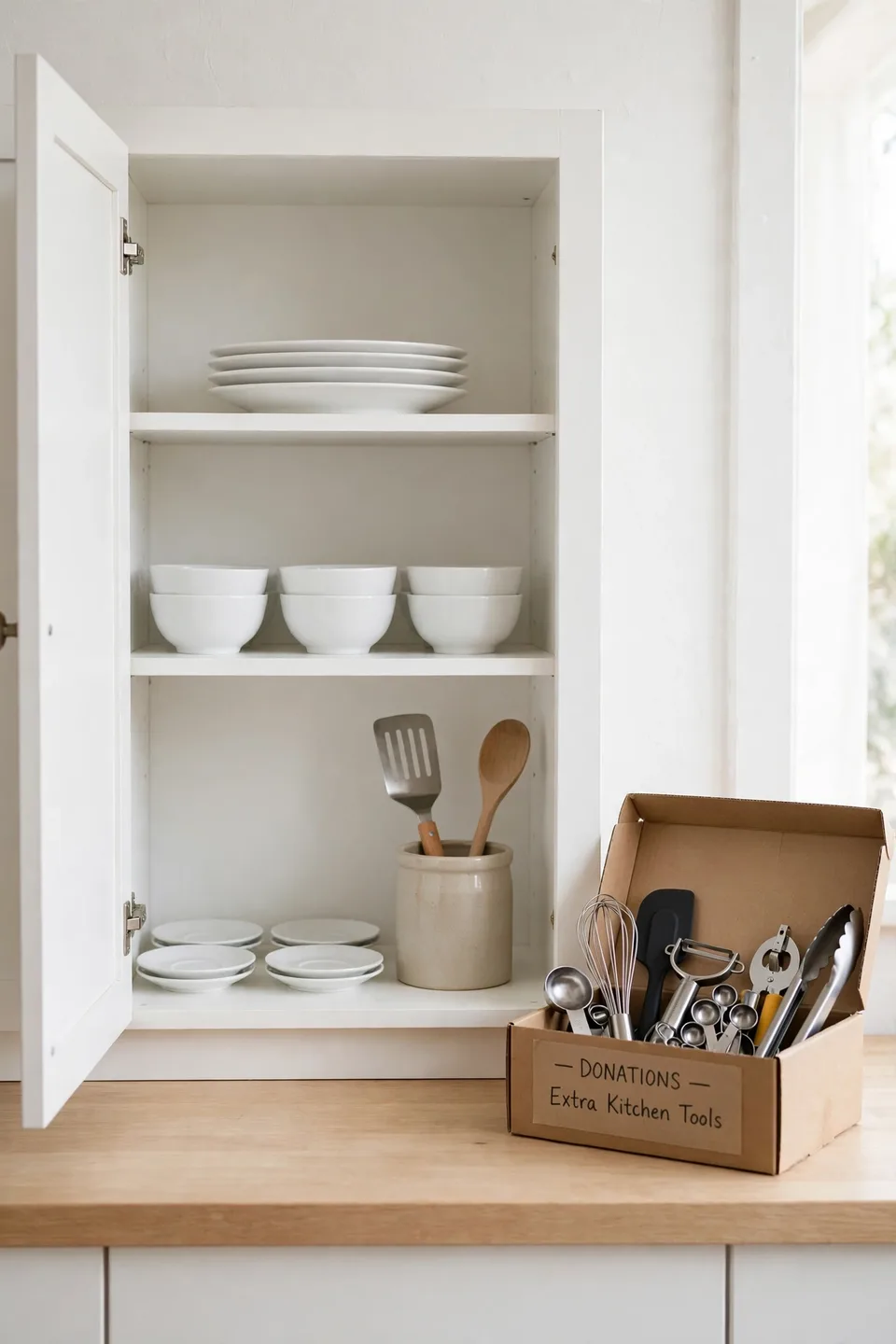
Time Needed: 20 minutes | Difficulty: Easy | Cost: Free | Best For: Kitchens with two of everything
Open your cabinets and count duplicates. Two spatulas, three wooden spoons, four mixing bowls, and a drawer of novelty mugs you never use. Keep the best one of each and donate the rest. Fewer tools means less overflow onto the counter, and you will never miss the extras.
Common Counter Mistakes
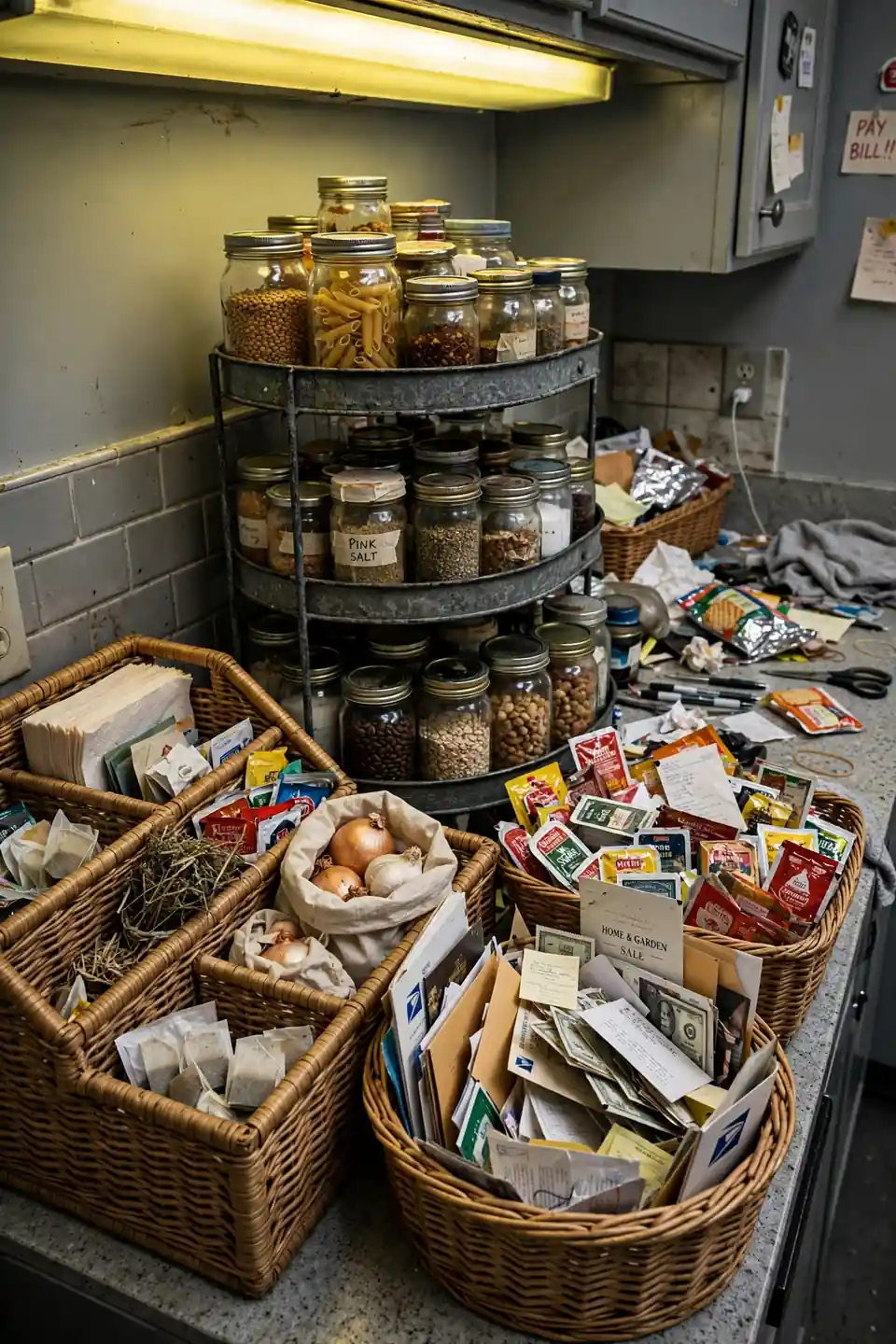
The biggest mistake is treating the counter as storage instead of workspace. Every single item that lives there permanently should earn its place by being used daily. If it sits untouched for a full week, it belongs in a cabinet, on a shelf, or out of the house entirely.
Another common trap is buying organizers before decluttering. Pretty baskets and tiered stands look helpful, but they just give clutter a nicer home on the same crowded surface. Clear everything first, then organize only what remains. That order makes all the difference.
Pro Tips for Clear Counters
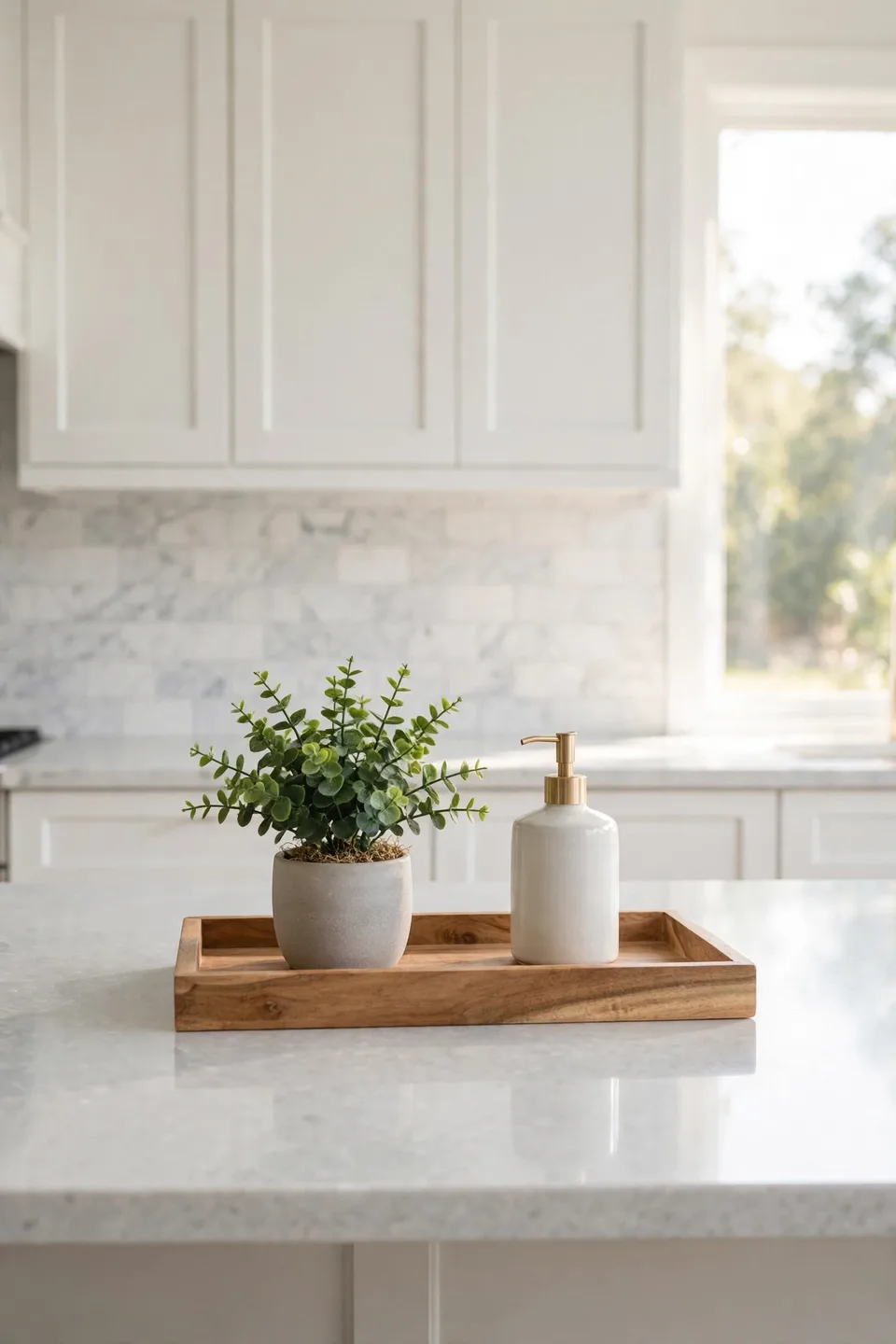
These are the finishing touches that keep counters clear long after the big declutter is done. They take only minutes to set up and save you daily frustration for months. Pick the two that fit your kitchen and habits best.
- End each day with a two-minute reset: wipe the counter and return stray items to their homes.
- Keep one clear landing strip near the stove for active cooking, and defend it fiercely.
- Use a pretty tray to corral the few daily items you keep out, so they look intentional instead of scattered.
- Re-audit your counters once a month and evict anything that crept back without earning its spot.
Conclusion
Your kitchen does not need to be bigger to feel bigger. Once you learn how to create more counter space through smart storage, honest decluttering, and a few clever tools, cooking becomes calmer and more enjoyable every single day. Save this guide on Pinterest so you can work through it one weekend at a time and track your progress as the clutter disappears. I have seen how making this one change can completely shift the result, turning a cramped kitchen into a space you actually love spending time in. Start with the easiest win today and enjoy the breathing room.
One Comment