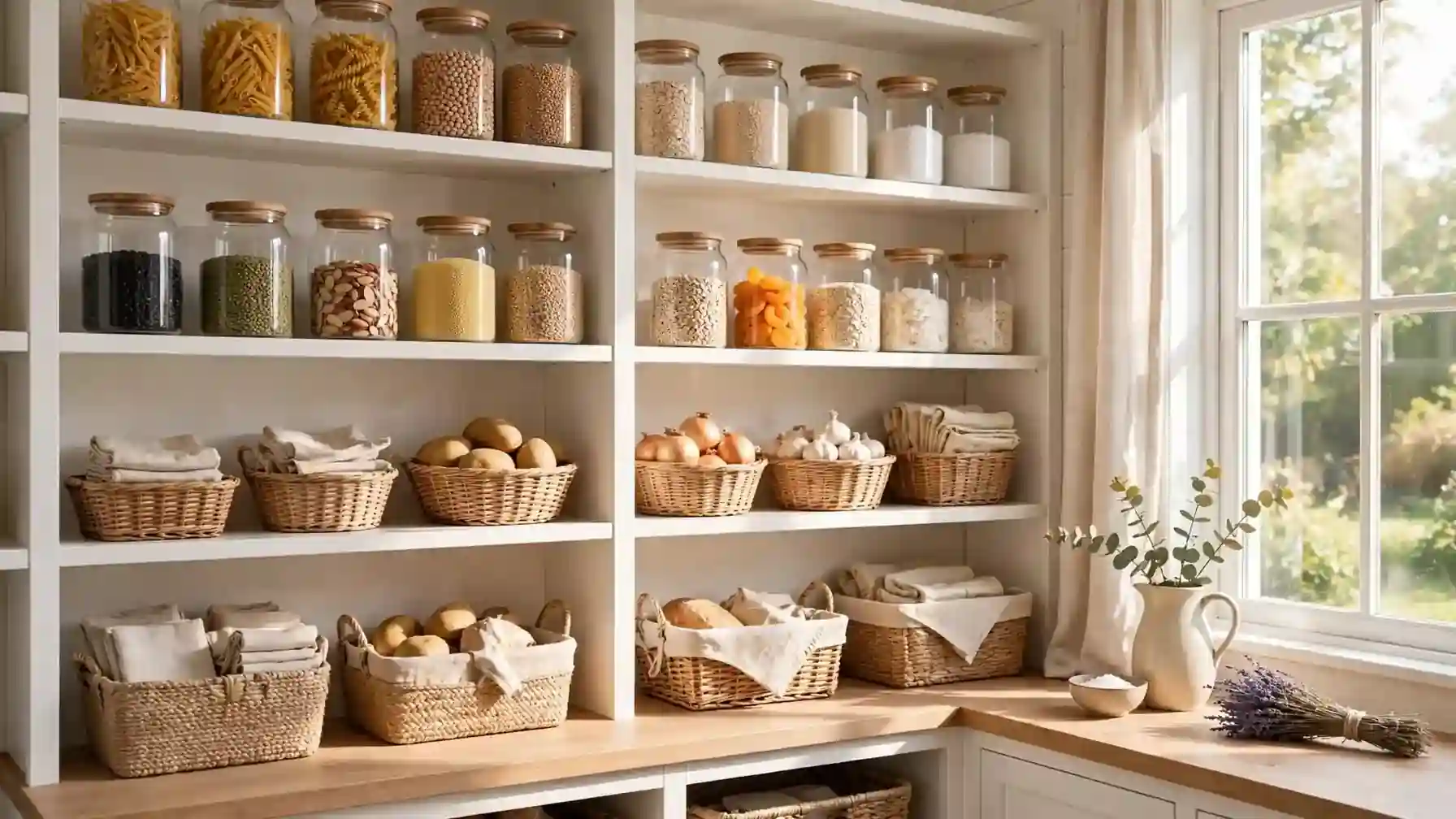
25 Small Pantry Organization Ideas to Maximize Every Inch
A small pantry can feel like a puzzle where nothing fits. The good news is that smart small pantry organization turns even the tiniest closet into a hardworking kitchen hub. Every shelf, door, and corner can earn its keep with the right system. These 25 ideas show you exactly how to claim that wasted space.
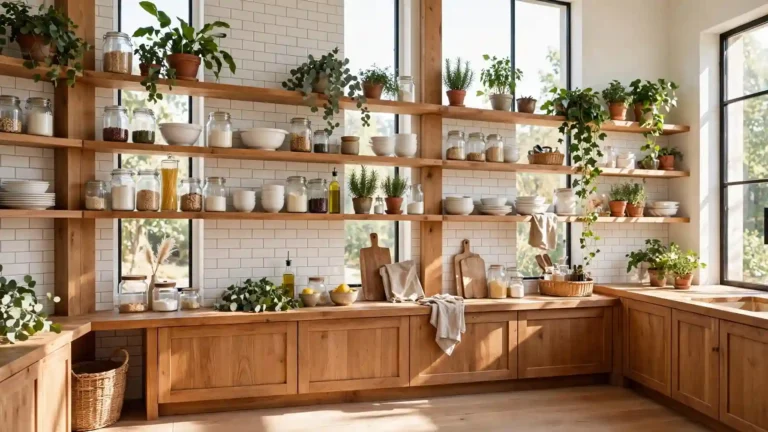
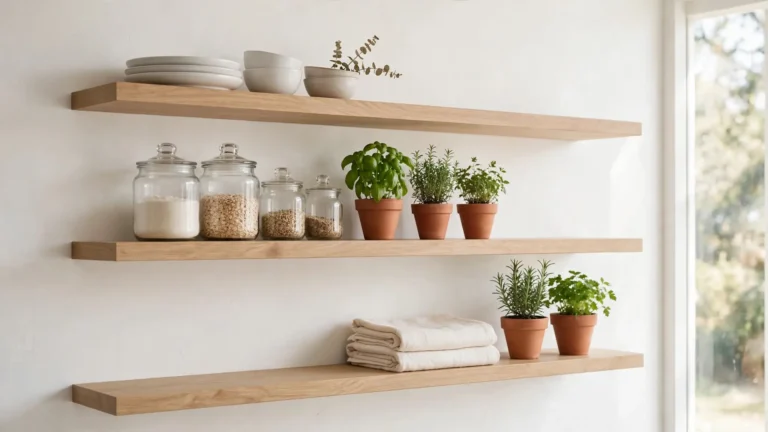
Start with one shelf and build from there. Pair these ideas with open kitchen shelving inspiration for a kitchen that feels twice as big. I’ve noticed that small changes stack fast: a riser here, a hook there, and suddenly everything has a home. Let’s maximize every inch together.
Tiered Shelf Risers
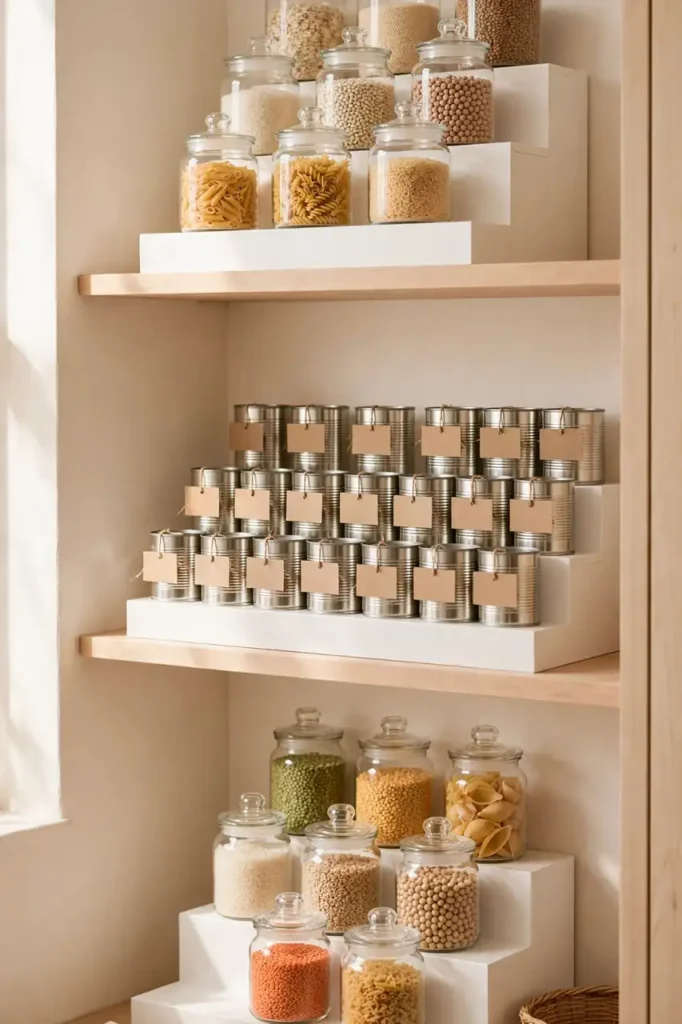
Small shelves hide half of what you own. A tiered riser lifts the back row into view, so cans and jars stop disappearing into the dark. In my experience, this single change cuts the time you spend hunting for ingredients in half. The steps also stop items from sliding when you reach for something.
Choose sturdy bamboo or metal risers that fit your shelf depth. Measure before you buy, since a riser that is too deep wastes the space it should save. Place tall jars in back and short cans in front for a clean stadium view. That small upgrade makes every shelf feel twice as useful.
Clear Canister Rows
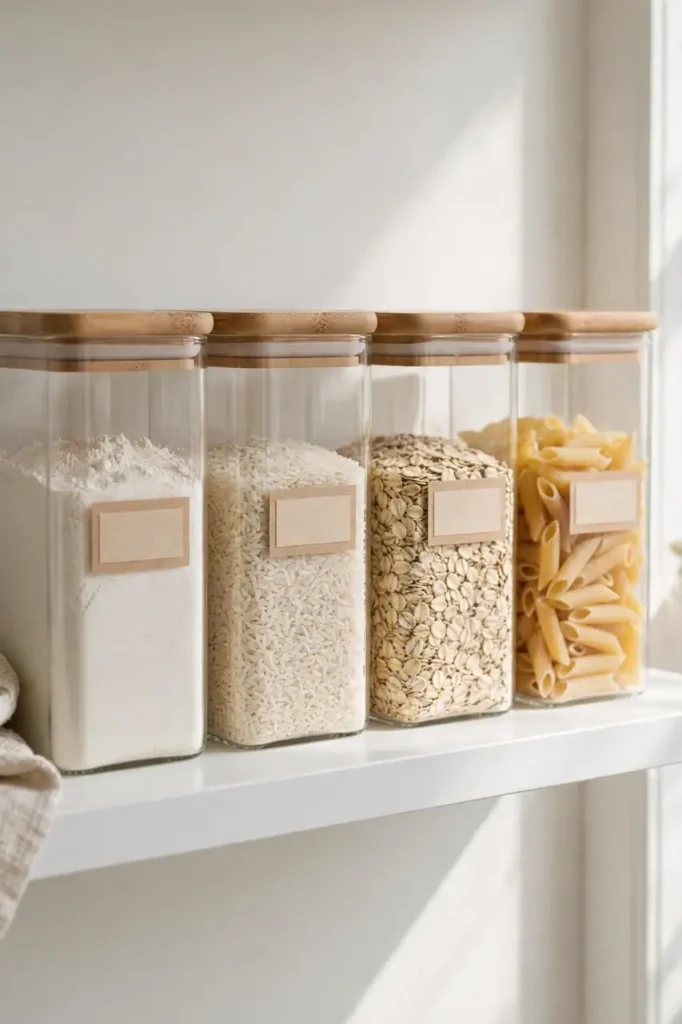
- Decant flour, sugar, and rice into clear canisters so you see stock levels at a glance.
- Pick square canisters because they waste less shelf space than round ones.
- Add airtight lids to keep dry goods fresh twice as long.
- Group baking supplies together and breakfast items together for faster mornings.
- Choose stackable shapes to use the full height between shelves.
Clear canisters turn a jumbled shelf into a calm display. I’ve noticed that when everything is visible, you buy fewer duplicates and waste less food. Wash and dry the canisters fully before refilling, and label the bottoms with purchase dates to track freshness.
Matching Basket Sets
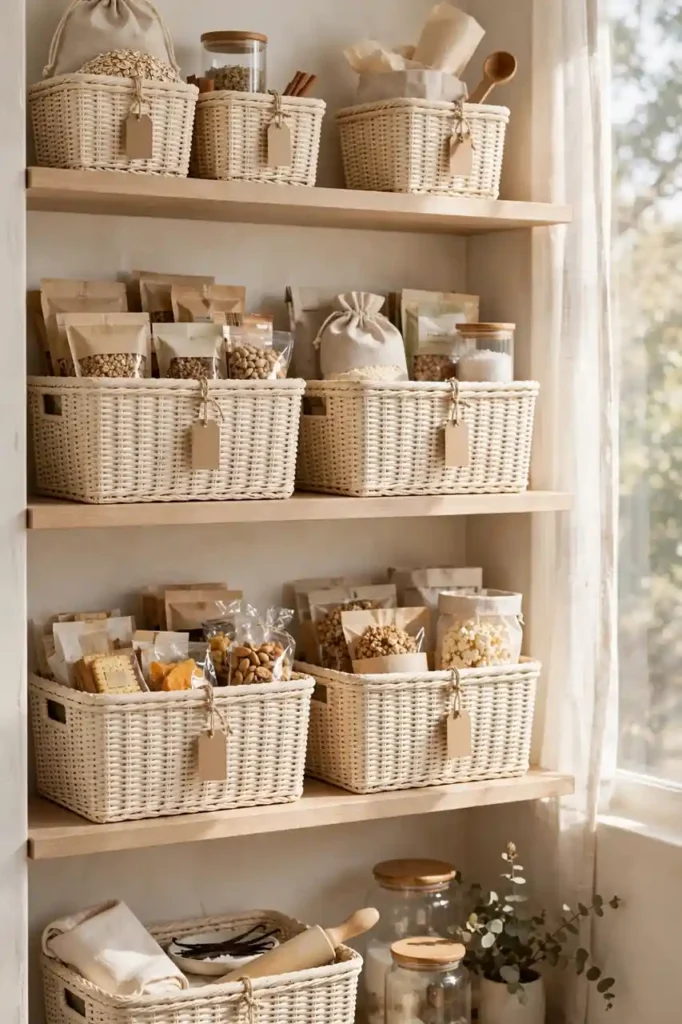
Quick Tip: Buy baskets in one color and two sizes only. A mixed set looks busy, while a matching set makes even a crowded pantry feel calm and planned.
Baskets corral the small loose items that make shelves look messy. Use one basket for packets, one for snacks, and one for baking extras. I’ve seen this work well in many cases because each family member learns where things live. Pull the basket out like a drawer instead of digging through the shelf. Woven or fabric baskets soften the look of wire shelving, while plastic ones wipe clean in seconds.
Door Rack Systems
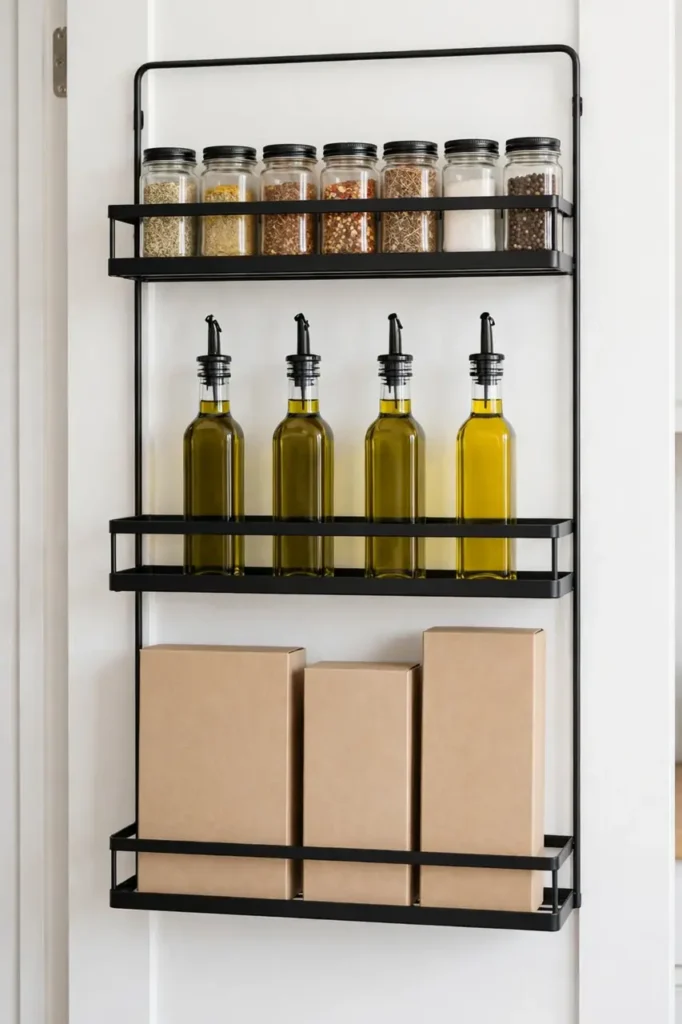
BEFORE: The inside of the pantry door held nothing, while jars crowded every shelf. Spices hid behind cereal boxes, and you bought duplicates without knowing.
AFTER: A slim rack on the door holds spices, oils, and wraps in clear view. Shelves breathe again, and every bottle has a visible home.
Door racks add storage without taking a single inch of shelf space. Measure your door clearance first so the rack does not block closing. In my experience, this is the fastest upgrade you can make, and it takes under twenty minutes with a drill. Anchor it into studs when you store heavy bottles.
Lazy Susan Corners
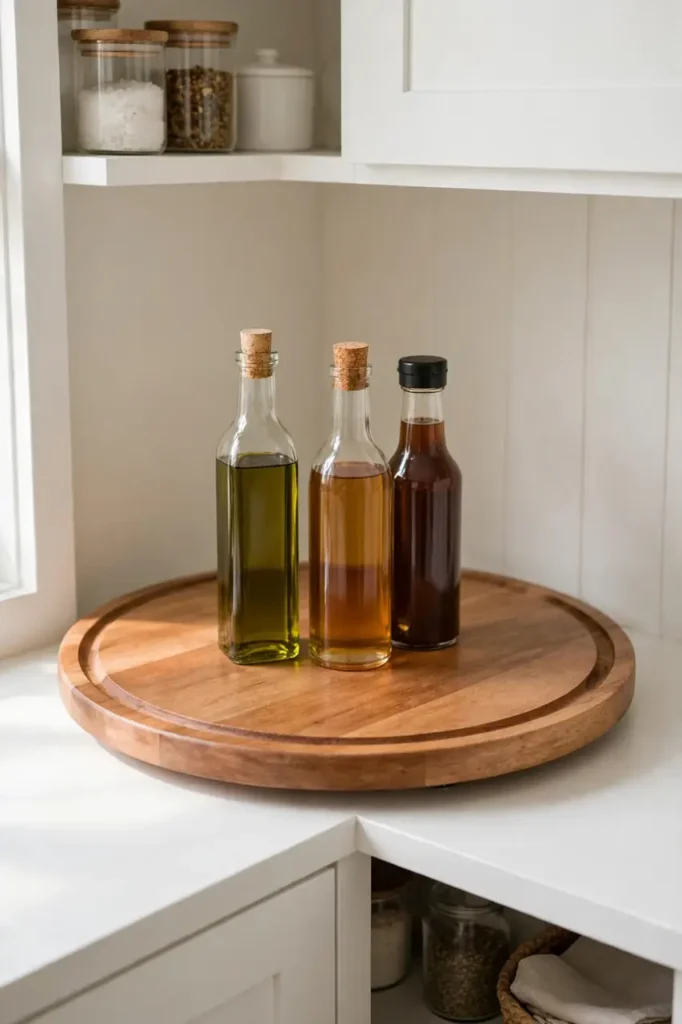
- Clear the corner shelf completely and wipe it down.
- Place a large turntable at the back of the corner.
- Group oils, vinegars, and sauces on the turntable.
- Spin it weekly to check what is running low.
- Keep the tallest bottles in the center for balance.
Corners are the black holes of any pantry, and good small pantry organization starts by rescuing them. A lazy susan turns dead space into the most used spot in the kitchen. I’ve noticed that families waste less condiment money once everything spins into view. Choose a turntable with a raised edge so bottles do not slide off mid-spin.
Pull Out Drawers
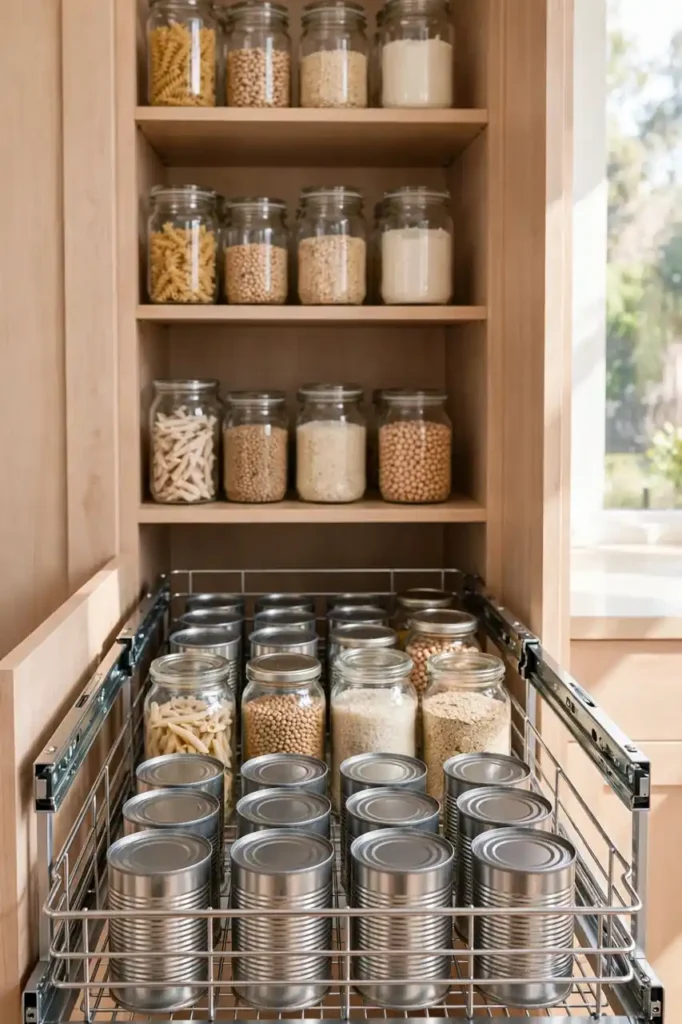
| Feature | Slide Out Baskets | Full Extension Drawers |
|---|---|---|
| Cost | Low | Medium |
| Install | Ten minutes | One hour |
| Best for | Renters | Homeowners |
| Load | Light items | Heavy pots |
Pull out drawers end the era of kneeling to reach the back of deep shelves. The hardware slides the whole shelf toward you, so nothing hides. That’s why many experts recommend them for base cabinets and deep pantries. Measure your interior width carefully, since drawers need a small gap on each side to glide. Install the heaviest drawers lowest to keep the unit stable. Once installed, group items by use so each drawer has a clear job.
Charming small pantry organization
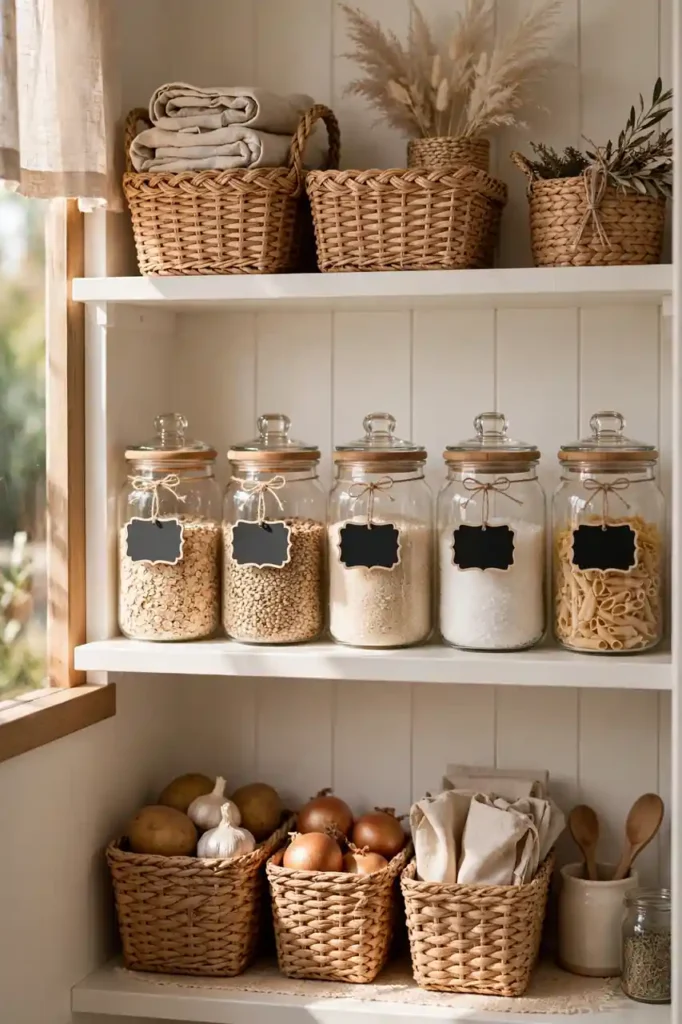
DO:
- Decant dry goods into matching jars for a calm look.
- Label every container on the front, not the lid.
- Keep daily items at eye level for easy grabs.
DON’T:
- Don’t buy organizers before measuring your shelves.
- Don’t store food above the stove where heat spoils it.
- Don’t let half empty boxes linger; combine or toss them.
The prettiest pantries work because every item has a planned home. Start with one shelf and finish it fully before moving on. Small wins build momentum, and a single tidy shelf motivates the rest. Take a photo when you finish so you can reset it in minutes later.
Label Maker Tags
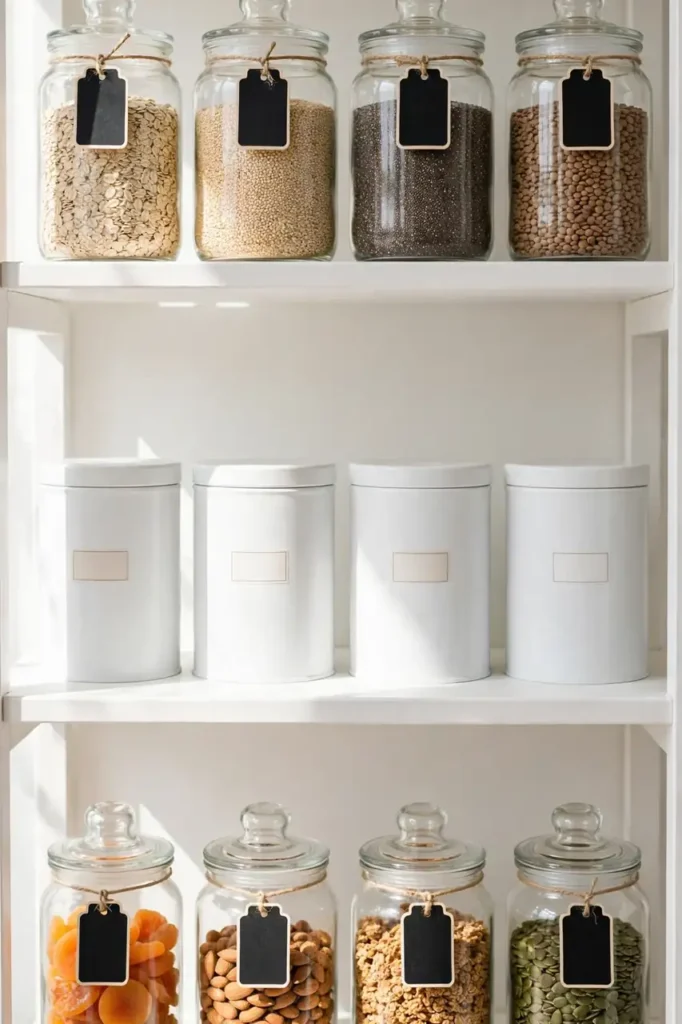
Cost: Low | Time: One afternoon | Skill Level: Beginner | Best For: Shared kitchens | Result: Faster cooking
Labels end the mystery of identical jars. A simple label maker or a set of chalk tags turns guessing into knowing. In my experience, labels matter most in shared kitchens where several people cook. Put the label on the front of each container at eye height. Add the purchase date in small print so you rotate stock naturally. When the whole family can read the system, the pantry stays organized without reminders. Reusable labels save money over time, since you peel and rewrite instead of rebuying.
Decanted Jar Walls
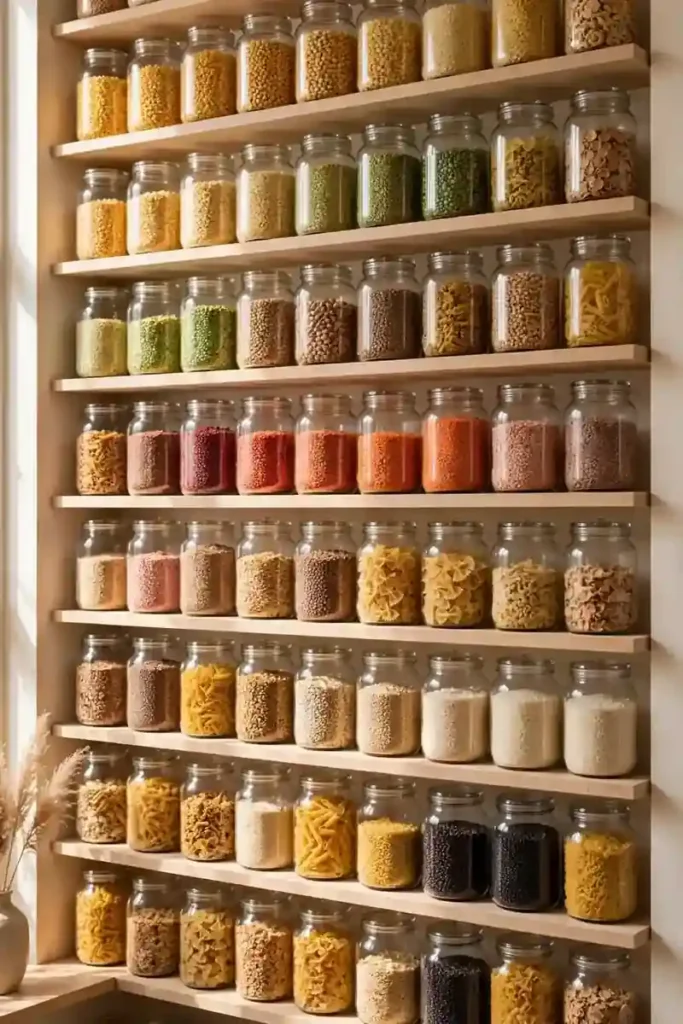
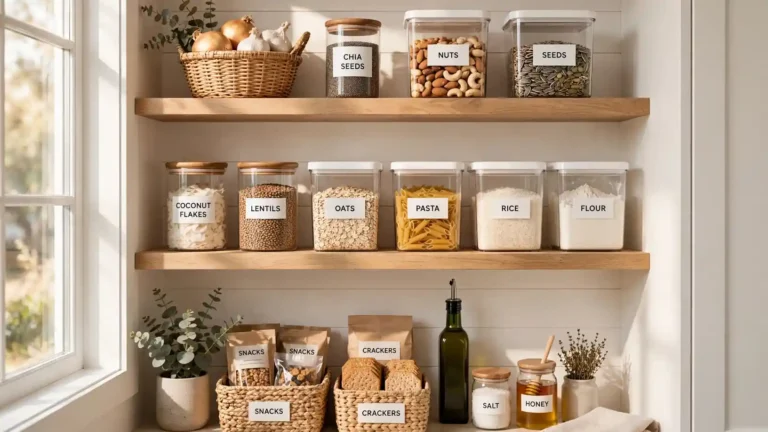
A wall of matching jars looks like a boutique shop and works like a system. Decanting removes bulky boxes and frees surprising amounts of shelf space. Pour grains, pasta, and snacks into glass jars with airtight lids. The uniform shapes stack neatly and let you see exactly what you have. That visibility stops duplicate purchases.
Keep the original cooking instructions by taping a small note under each jar. I’ve noticed that decanted pantries stay tidy longer because every item has a clear, visible home. Wash jars fully before refilling, and let them dry upside down so no moisture gets trapped inside.
Stackable Bin Towers
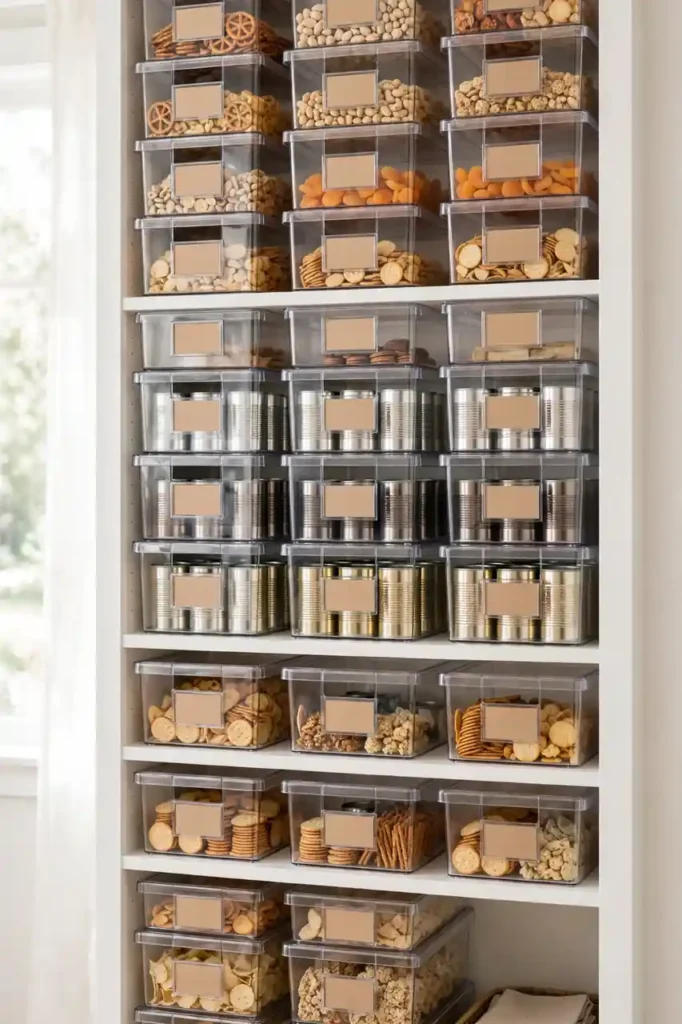
- Stack bins floor to ceiling on one shelf to use every inch of height.
- Put heavy cans in the bottom bin and light snacks up top.
- Choose clear bins so you can see contents without pulling them out.
- Leave a small gap at the top so bins slide in and out easily.
Stackable bins turn a tall shelf into a custom drawer system. I’ve seen this work well in many cases because the towers adapt as your stock changes. Label the front of each bin with its category. When one bin empties, you know exactly what to add to the shopping list.
Under Shelf Hooks
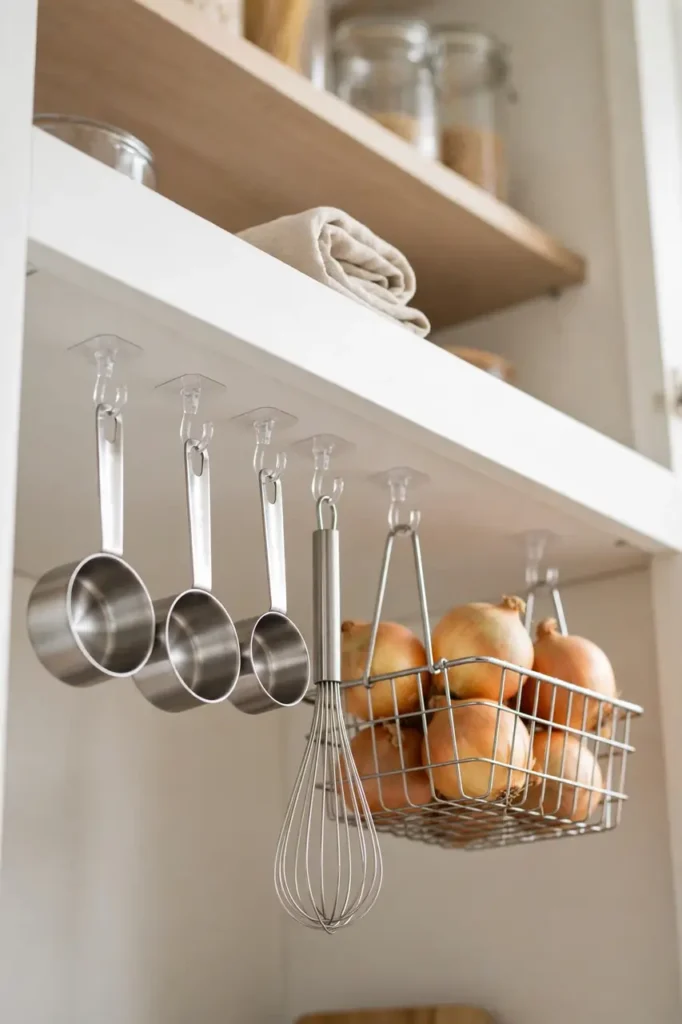
Quick Tip: Stick adhesive hooks under a shelf to hang mugs, measuring cups, or small baskets. The space under a shelf is usually wasted, and hooks claim it in seconds.
Hooks create storage where none existed. Hang measuring cups where you cook and mugs near the coffee station. That’s why many experts recommend using vertical space in small pantry organization projects. Use removable hooks in rentals so you leave no marks. Space hooks a few inches apart so items do not clank together. A row of five hooks can hold a full set of measuring cups and spoons. Wipe the surface with alcohol first so adhesive bonds tightly.
Turntable Spice Zones
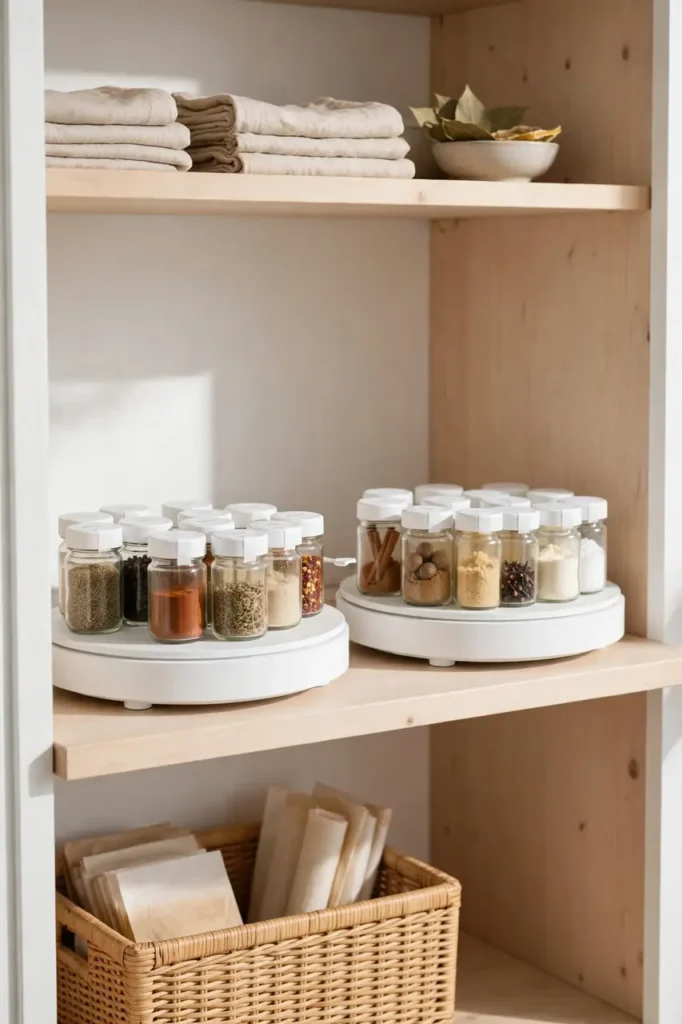
BEFORE: Spice jars stood in a deep row, and you owned three bottles of cumin without knowing. Cooking meant pulling out ten jars to find one.
AFTER: Two small turntables group savory spices and baking spices apart. One spin reveals every jar, and duplicates become obvious.
Spices deserve their own zone because you reach for them daily. Keep the turntable near the stove side of the pantry for short trips. I’ve noticed that cooks try new recipes more often when spices are visible. Decant into uniform small jars and label the lids for a clean look. That daily ease makes every meal faster.
Slim Rolling Carts
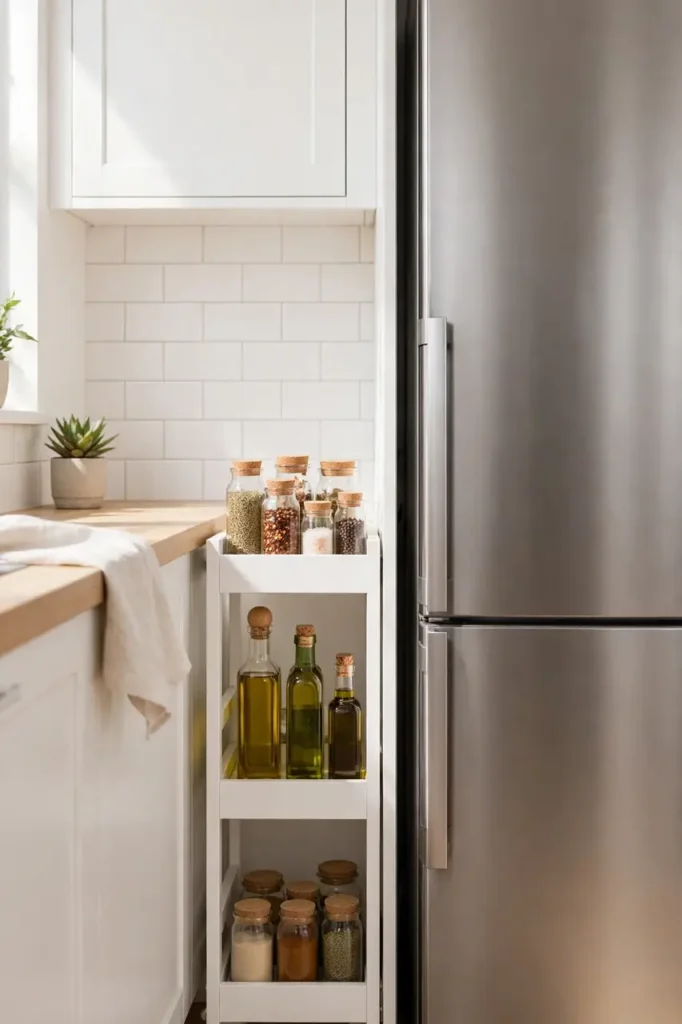
- Measure the gap beside your fridge or counter.
- Choose a cart that is at least two inches narrower.
- Load heavy items on the bottom shelf for stability.
- Roll it out fully when you cook, then tuck it back.
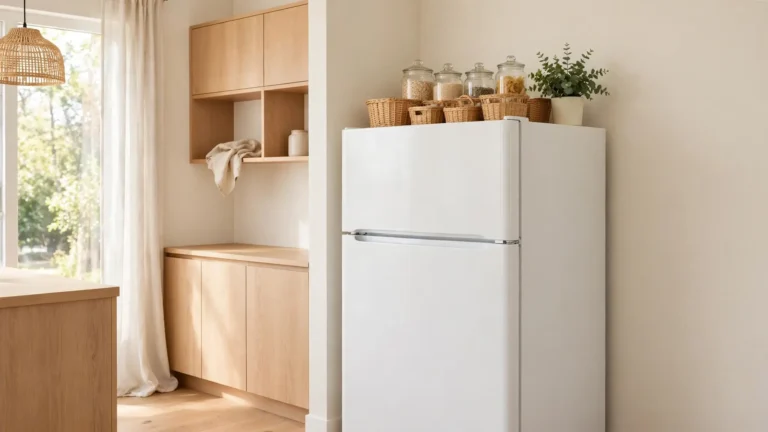
The narrow gap beside the fridge is wasted in most kitchens. A slim rolling cart turns it into a spice and oil station. In my experience, this is the best fix for kitchens with no pantry at all. Lock the wheels when you park it so it stays put. Wipe the shelves monthly since oil drips travel. That forgotten gap becomes prime storage.
Wire Shelf Liners
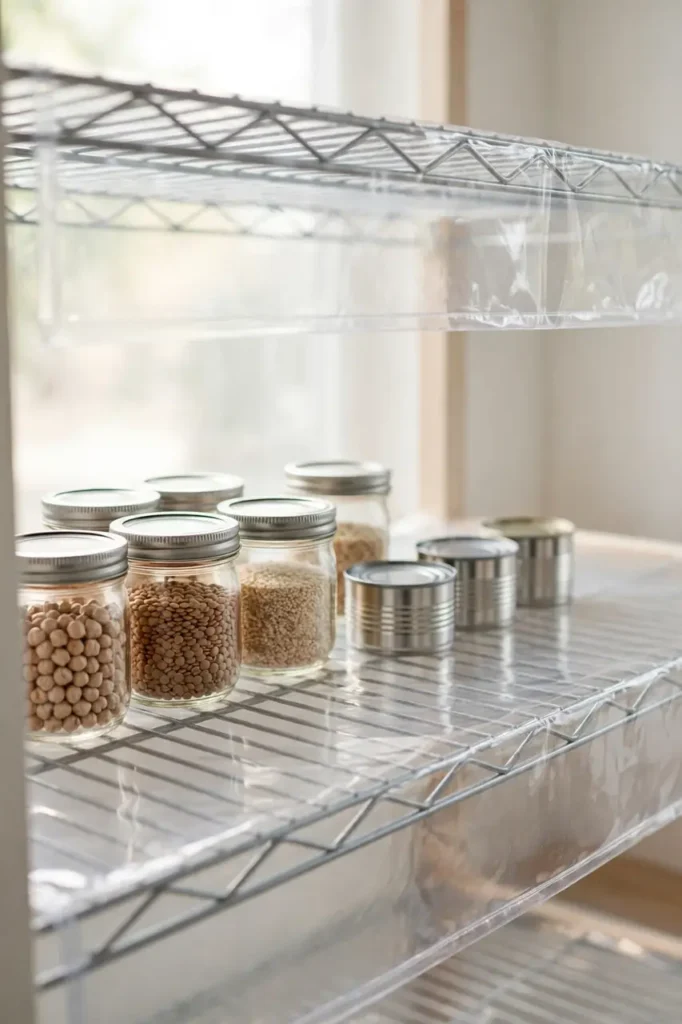
| Feature | No Liner | With Liner |
|---|---|---|
| Item stability | Small jars wobble | Sit flat and steady |
| Cleaning | Crumbs fall through | Wipe clean in seconds |
| Look | Industrial | Polished |
| Cost | Free | Low |
Wire shelves are strong but unfriendly to small items. A liner gives every jar a flat, stable surface. Cut plastic or bamboo liners to fit with scissors, leaving no overhang. I’ve noticed that lined shelves stay cleaner because spills sit on the surface instead of raining down. Replace liners once a year when they start to curl. Choose clear liners if you like the airy wire look. That flat surface changes everything.
Zone By Meal
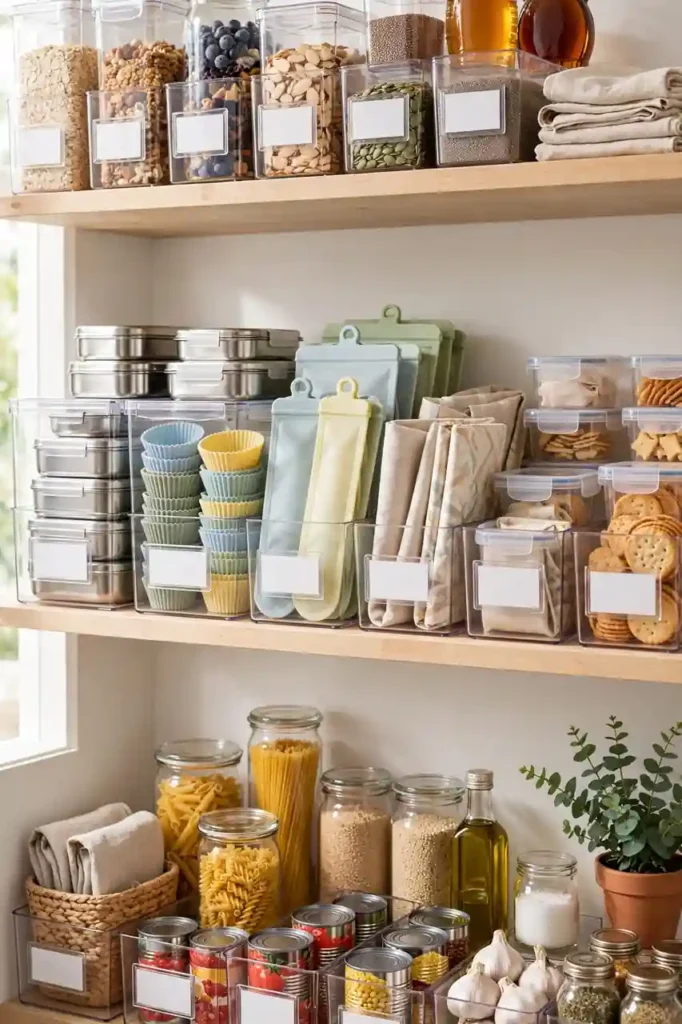
DO:
- Group breakfast items on one shelf for fast mornings.
- Keep lunchbox supplies together near the front.
- Store dinner staples at eye level where you cook.
DON’T:
- Don’t mix baking supplies with everyday snacks.
- Don’t bury kids snacks where they cannot reach.
- Don’t spread one meal’s items across three shelves.
Zoning by meal turns the pantry into a daily workflow. You grab everything for breakfast from one spot instead of scanning five shelves. This method shines for busy families with set routines. Revisit the zones each season, since school lunches and summer snacks change the pattern. Pair it with kitchen drop zone ideas to keep daily essentials near the door too.
Vertical File Holders
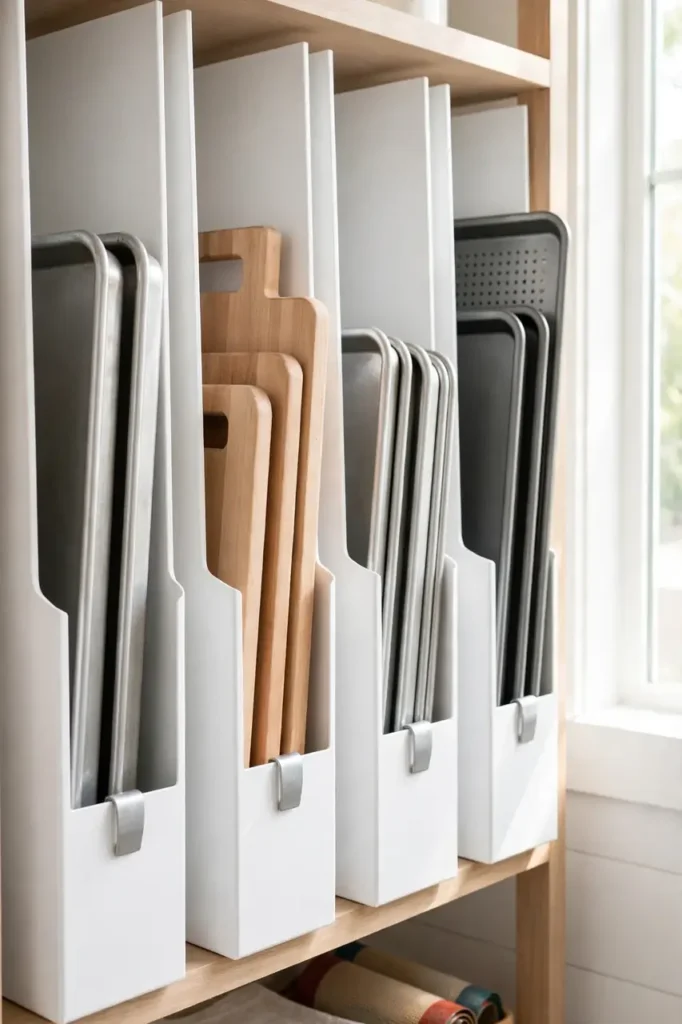
Cost: Low | Time: Thirty minutes | Skill Level: Beginner | Best For: Wrap storage | Result: Tidy rolls
File holders are not just for paper. Stand them upright to file baking sheets, cutting boards, and trays like folders. Good small pantry organization borrows tricks from the office, and this one saves real space. Slide each tray in with the handle facing out for easy grabs. I’ve noticed that vertical filing stops the dreaded tray avalanche for good. Use two holders side by side for wide sheet pans and narrow ones for cutting boards. Anchor them with museum putty if your shelves are slick.
Back Of Door Hooks
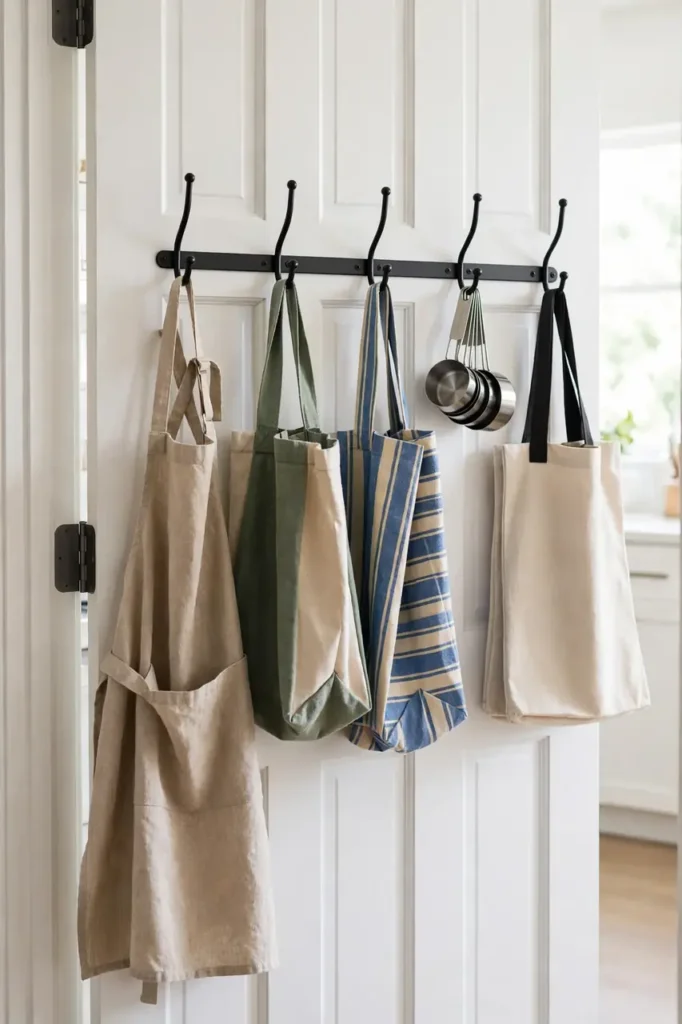
The back of the pantry door is prime real estate that most people ignore. A row of sturdy hooks holds aprons, reusable bags, and measuring cups. Hang items you grab daily so they never clutter a shelf. Choose hooks rated for the weight you plan to hang.
Space the hooks so items hang flat without overlapping. In my experience, door storage works best for light, flat things rather than heavy jars. Test the door swing after installing to make sure nothing catches the frame. A tidy door makes the whole pantry feel intentional. That small detail lifts the entire space.
Airtight Grain Vaults
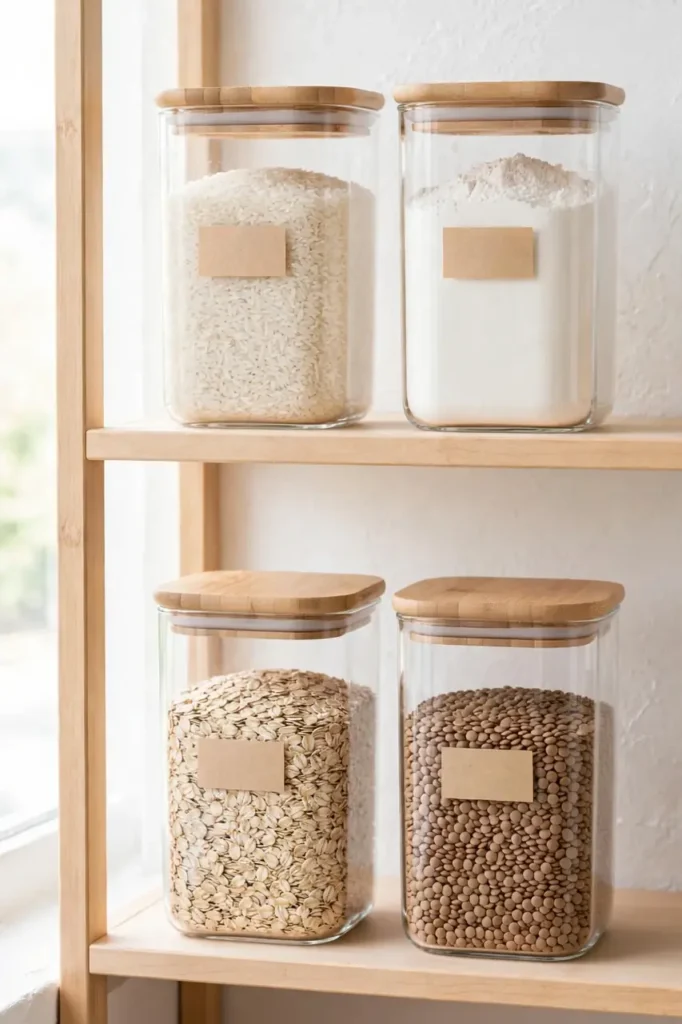
- Pour rice, flour, and grains into airtight vaults to lock out moisture.
- Pick vaults with wide mouths for easy scooping.
- Label each vault with the contents and the date you filled it.
- Store vaults low, since grains are heavy to lift.
Grains go stale fast in open bags. Airtight vaults keep rice fluffy and flour fresh for months. I’ve seen this work well in many cases because the clear walls show exactly when to restock. Choose BPA free plastic or glass depending on your budget. A full set also deters pantry moths. That freshness is worth the small effort involved.
Magnetic Lid Strips
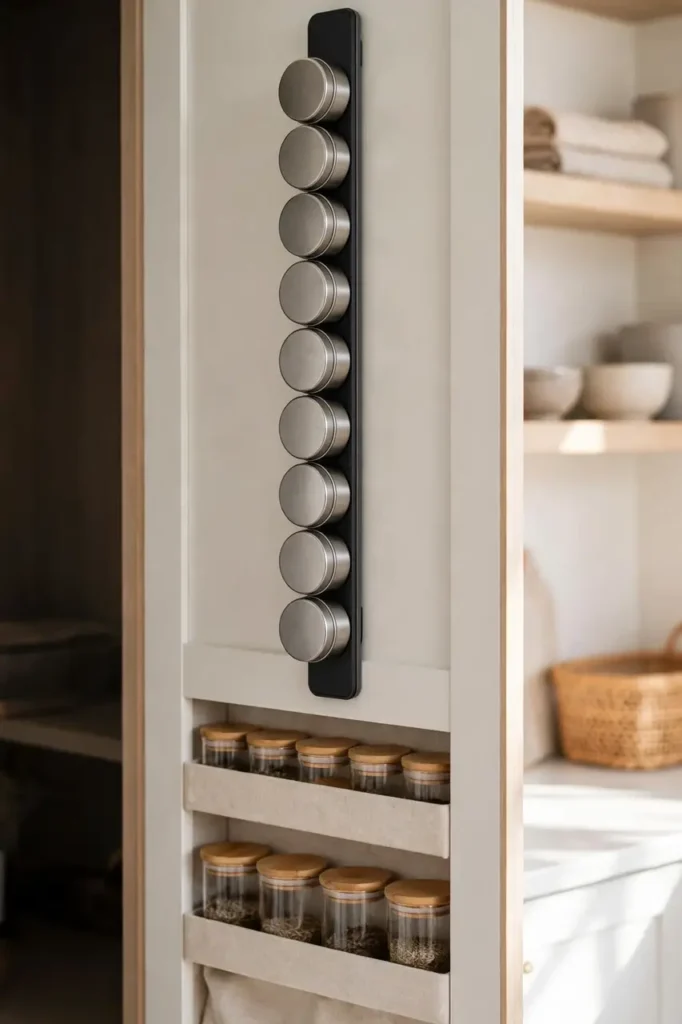
Quick Tip: Mount a magnetic strip inside a cabinet door to hold spice lids or small metal tins. The lids stay paired with their jars, and you free a surprising amount of shelf space.
Small metal items vanish in drawers. A magnetic strip gives them a visible home on any steel surface or inside a door. Stick spice tins to the strip in alphabetical order for fast cooking. In my experience, this trick delights renters because it needs only adhesive. Check the magnet strength before loading heavy tins. Wipe the strip monthly so dust does not weaken the hold.
Tiered Corner Shelves
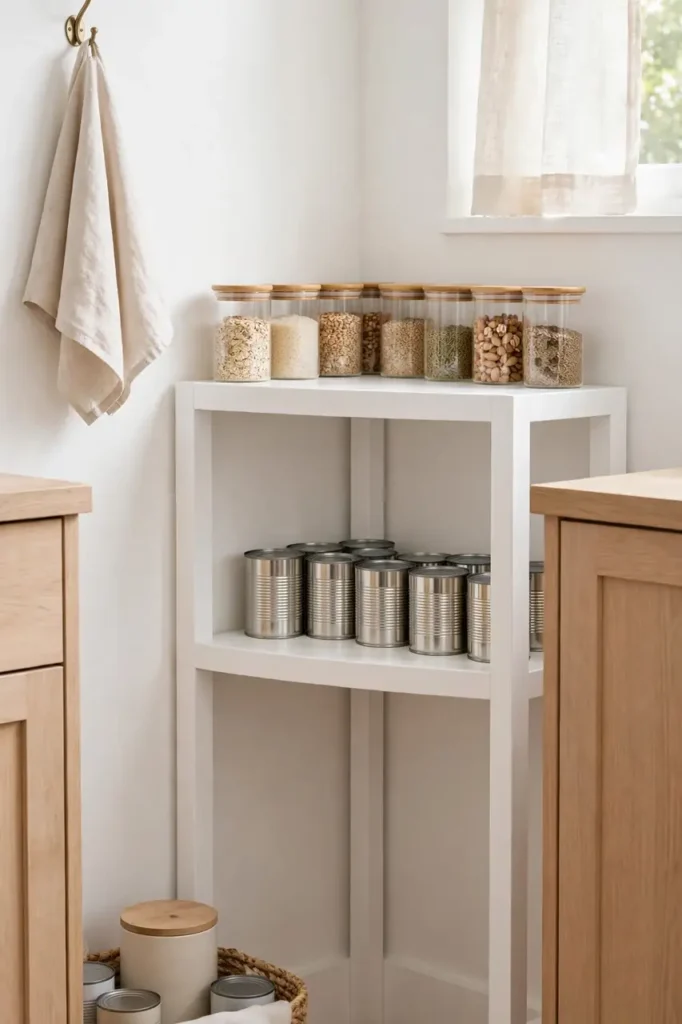
BEFORE: Corner shelves held a single row of cans with dead air above them. The space looked empty yet nothing else fit.
AFTER: A two tier corner shelf doubles the usable surface. Small jars sit up top, and everyday items stay within easy reach below.
Corners waste more space than any other spot. A tiered insert made for corners fixes that in one move. Measure the corner depth first, since inserts vary widely. That’s why many experts recommend corner solutions as the first upgrade in awkward pantries. Keep the top tier for backups and the bottom for daily items.
Pocketed Wrap Holders
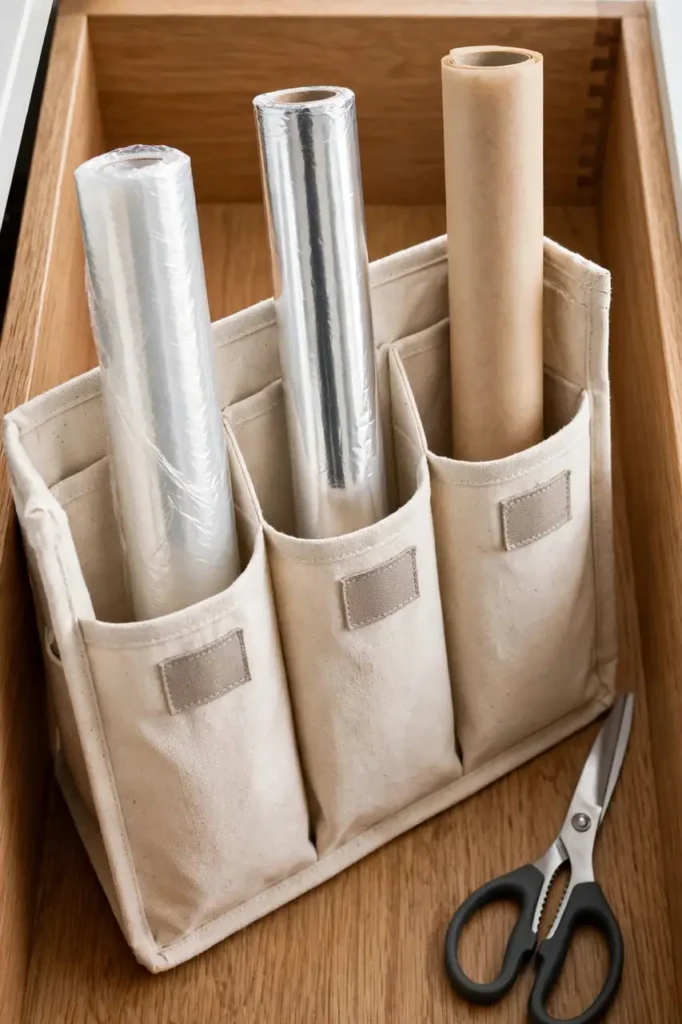
- Empty the drawer where wraps and foils tangle.
- Insert a pocketed organizer or tension rods.
- Stand each roll upright in its own pocket.
- Label the pockets so everyone returns rolls correctly.
- Trim tension rods to fit snugly without bowing.
Cling wrap boxes always jam at the worst moment. A pocketed holder keeps every roll separate and tearable. I’ve noticed that upright storage stops the boxes from crushing each other. Mount the holder inside a door or a deep drawer. Replace cardboard boxes when they soften from humidity. That small fix saves daily frustration. Keep scissors nearby for clean cuts.
Divided Snack Zones
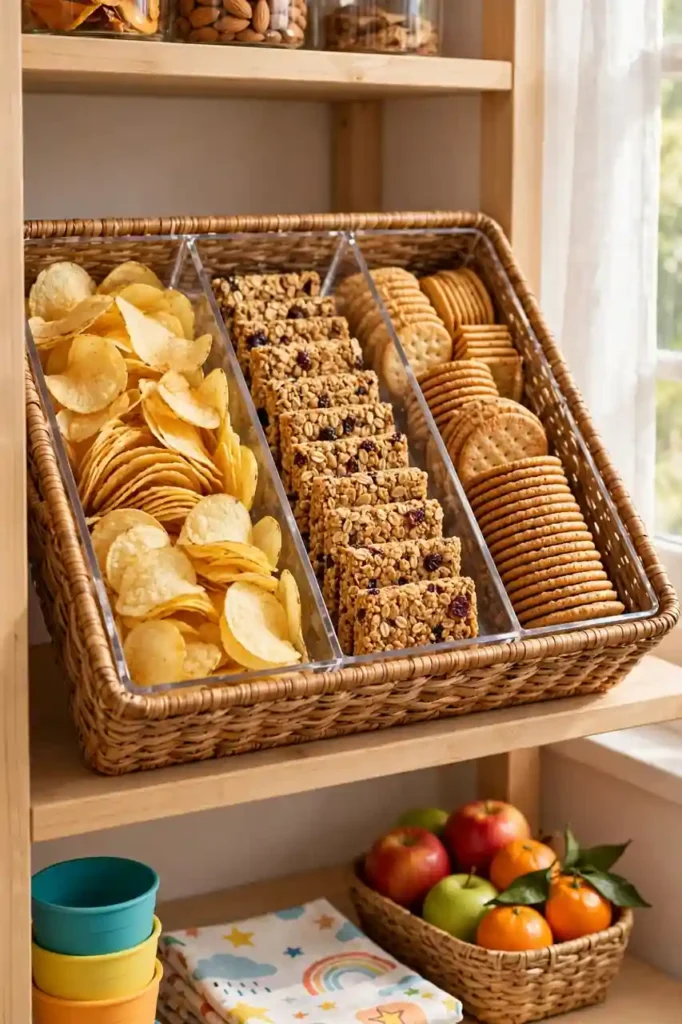
| Feature | One Big Bin | Divided Zones |
|---|---|---|
| Finding snacks | Digging required | Grab and go |
| Restocking | Guesswork | See gaps instantly |
| Kid access | Everything spills | Each kid has a zone |
| Mess level | High | Low |
Snacks multiply faster than any other pantry category. Dividers turn one chaotic bin into calm zones. Smart small pantry organization gives every snack type its own lane. Use small bins or adjustable dividers inside a larger basket. Assign each family member a zone to end the grazing wars. Restock weekly by scanning for empty lanes. Clear dividers work best because you see stock at a glance. Rotate seasonal snacks to the front.
Over Door Organizers
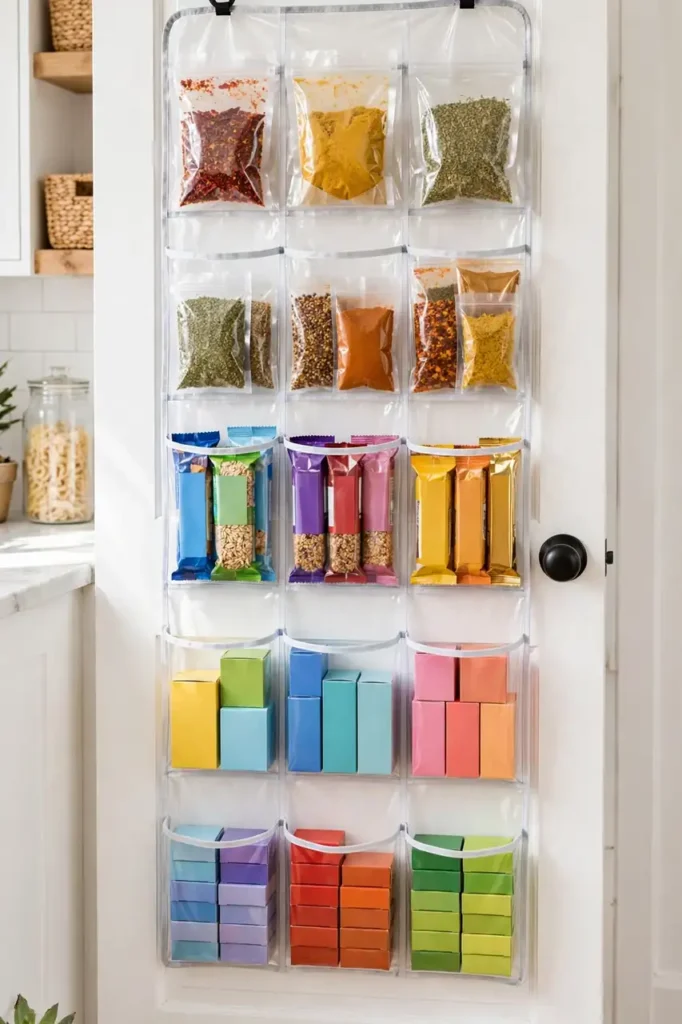
DO:
- Choose clear pockets so contents stay visible.
- Hang the organizer on the pantry door, not the kitchen door.
- Store packets and small boxes in the pockets.
DON’T:
- Don’t overload pockets or they sag and tear.
- Don’t hang it where the door cannot close fully.
- Don’t store heavy cans in fabric pockets.
Over door organizers add a dozen pockets in minutes. They shine for packets, spice envelopes, and snack bars. I’ve noticed that kids love having their own pocket row. Hang it low enough for little hands to reach. Shake out crumbs monthly to keep it fresh. Check the hooks yearly for wear.
Can Dispenser Racks
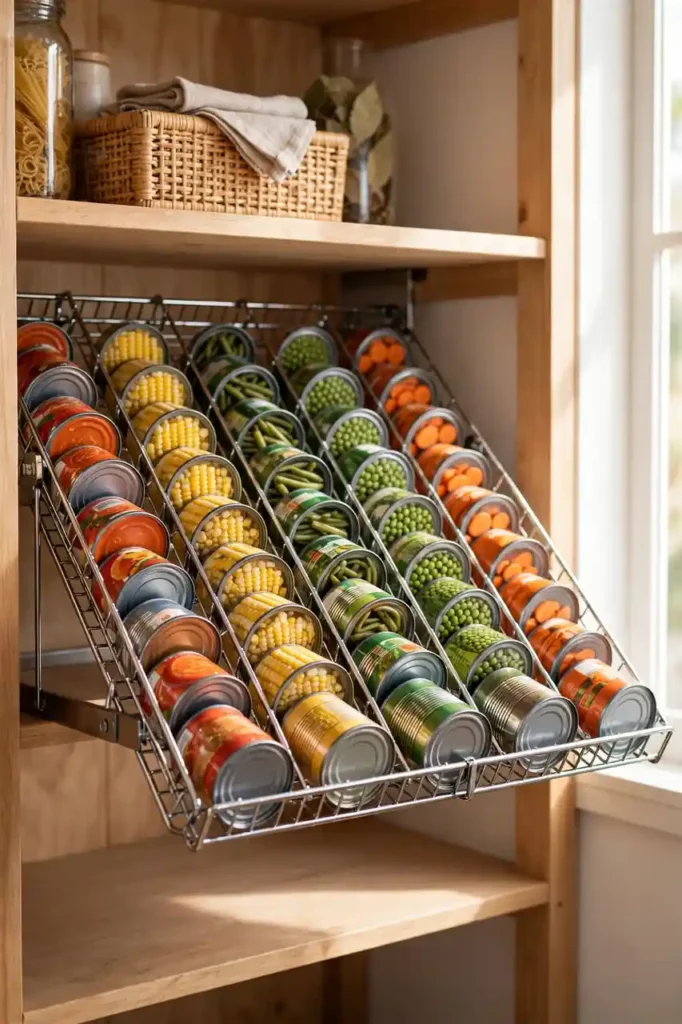
Cost: Medium | Time: One hour | Skill Level: Beginner | Best For: Can lovers | Result: First in first out
Cans roll forward as you use them, so the oldest always sits in front. A dispenser rack builds rotation into your storage. In my experience, this cuts expired cans to nearly zero. Load new cans at the top and take from the bottom. Choose a rack sized for your most bought can. Wipe the tracks when you reload to keep the roll smooth. Stack two racks for soups and vegetables separately. That simple gravity trick does the remembering for you.
Fold Down Tables
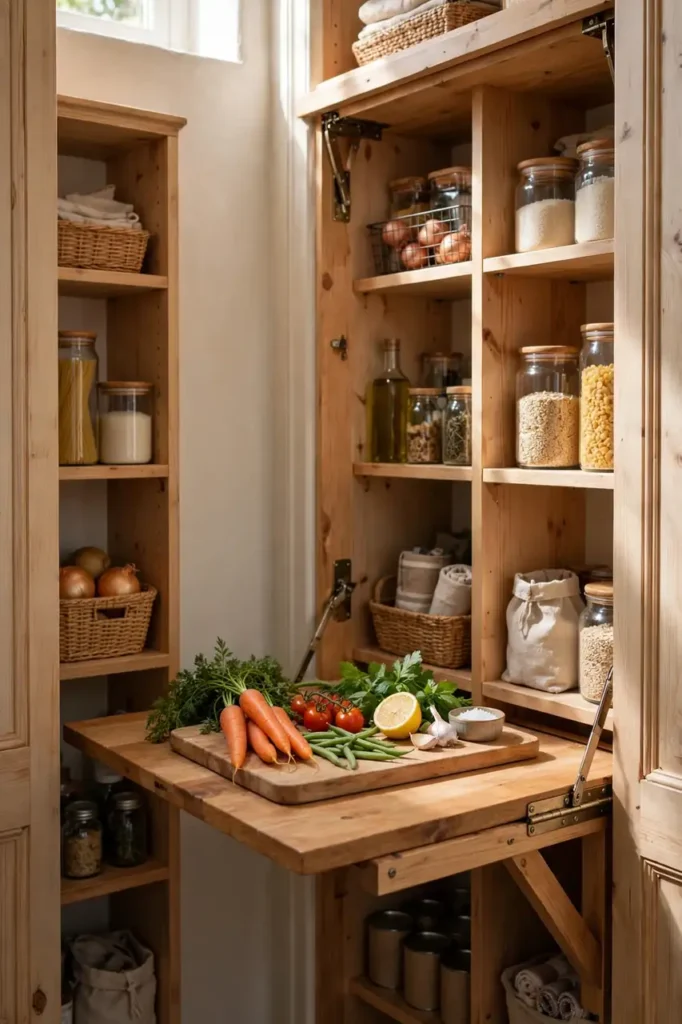
A tiny pantry can still host a prep station. A fold down table mounts to the wall and drops when you need it. Chop vegetables or sort groceries, then fold it flat. The table disappears when dinner starts. It gives you counter space exactly where ingredients live. No more balancing cutting boards on bins.
Choose a table rated for at least twenty pounds. Mount it into studs, not just drywall, for real strength. I’ve noticed that even a small surface changes how a pantry feels. It turns storage into a working room. Fold it up after each use to keep the walkway clear.
Conclusion
Your pantry does not need to be big to work beautifully. With the right small pantry organization system, every inch pulls its weight and cooking feels calmer. Pick the three ideas that fit your space today and start there. Momentum beats perfection: one tidy shelf leads to another. Save this guide on Pinterest, share it with a friend who needs it, and enjoy a kitchen where everything has its home. I’ve seen how small changes like these can completely shift the way a space feels. Come back whenever the shelves creep back into chaos. You now know exactly where to start.
One Comment