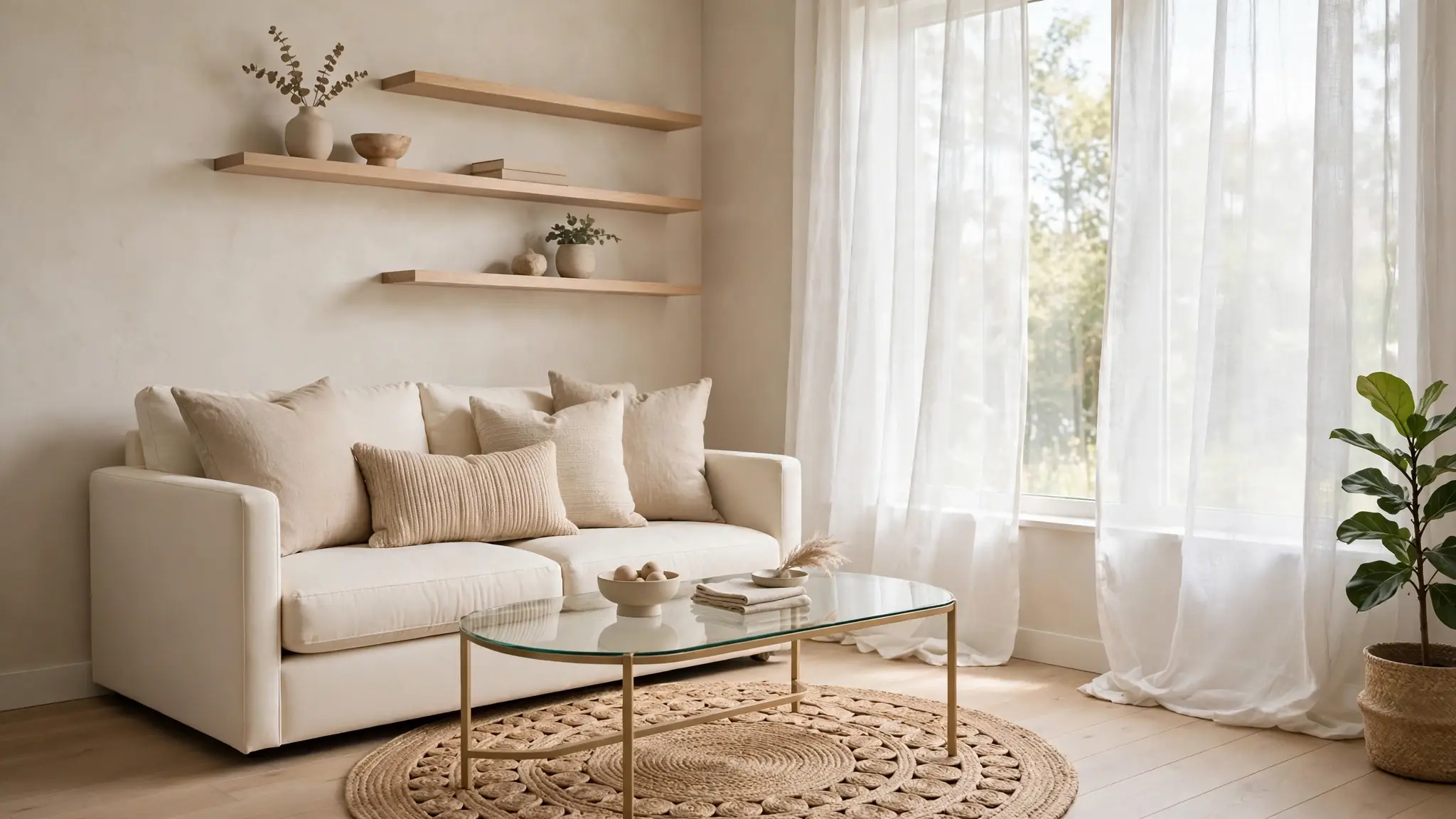
25 Very Small Living Room Ideas to Maximize Every Inch
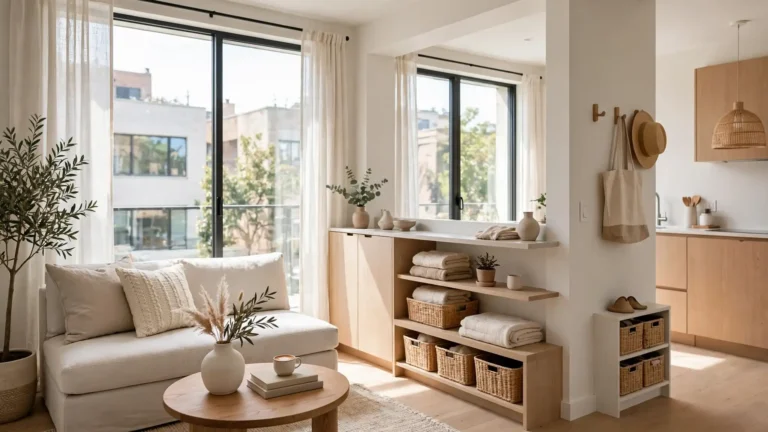
A small living room can feel like a design puzzle, but very small living room ideas prove that limited square footage never has to mean limited style. In my experience, the tiniest rooms often end up the most charming, because every choice is intentional. These 25 ideas show you how to stretch every inch with smart furniture, clever storage, and light colors that open the room up. You will learn which pieces to shrink, what to mount on walls, and how to style so your space feels generous instead of cramped.
Below you will find the 25 ideas, organized from big layout moves to small styling touches. If your coffee table feels cluttered, my coffee table decorating ideas show how to style one surface three ways. Work through the list slowly and try one idea at a time. Small changes add up fast when a room is tiny.
Loveseat Instead of Sofa
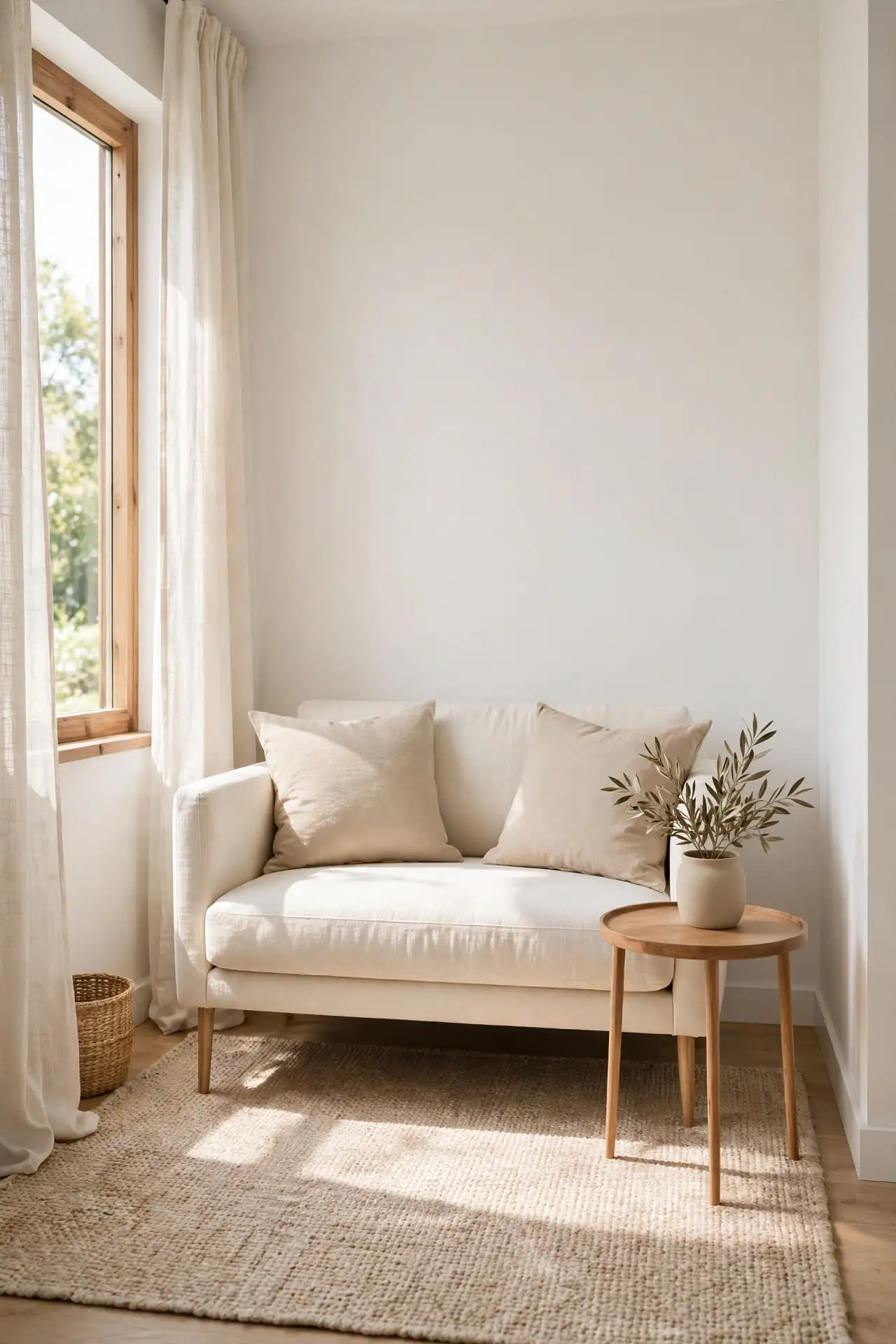
A full-size sofa can swallow a tiny room whole. Swap it for a loveseat and you instantly free up around two feet of floor space, which changes how the whole room feels. The seating still fits two people comfortably, and the smaller scale lets other pieces breathe. Choose one with slim arms and raised legs so light flows underneath.
I’ve noticed a loveseat also forces smarter layout choices. Place it against the longest wall and build the room around it, with a small chair angled opposite. Add a floor lamp in the corner behind it to draw the eye upward. The result feels like a real living room, not a waiting area.
Glass Coffee Tables
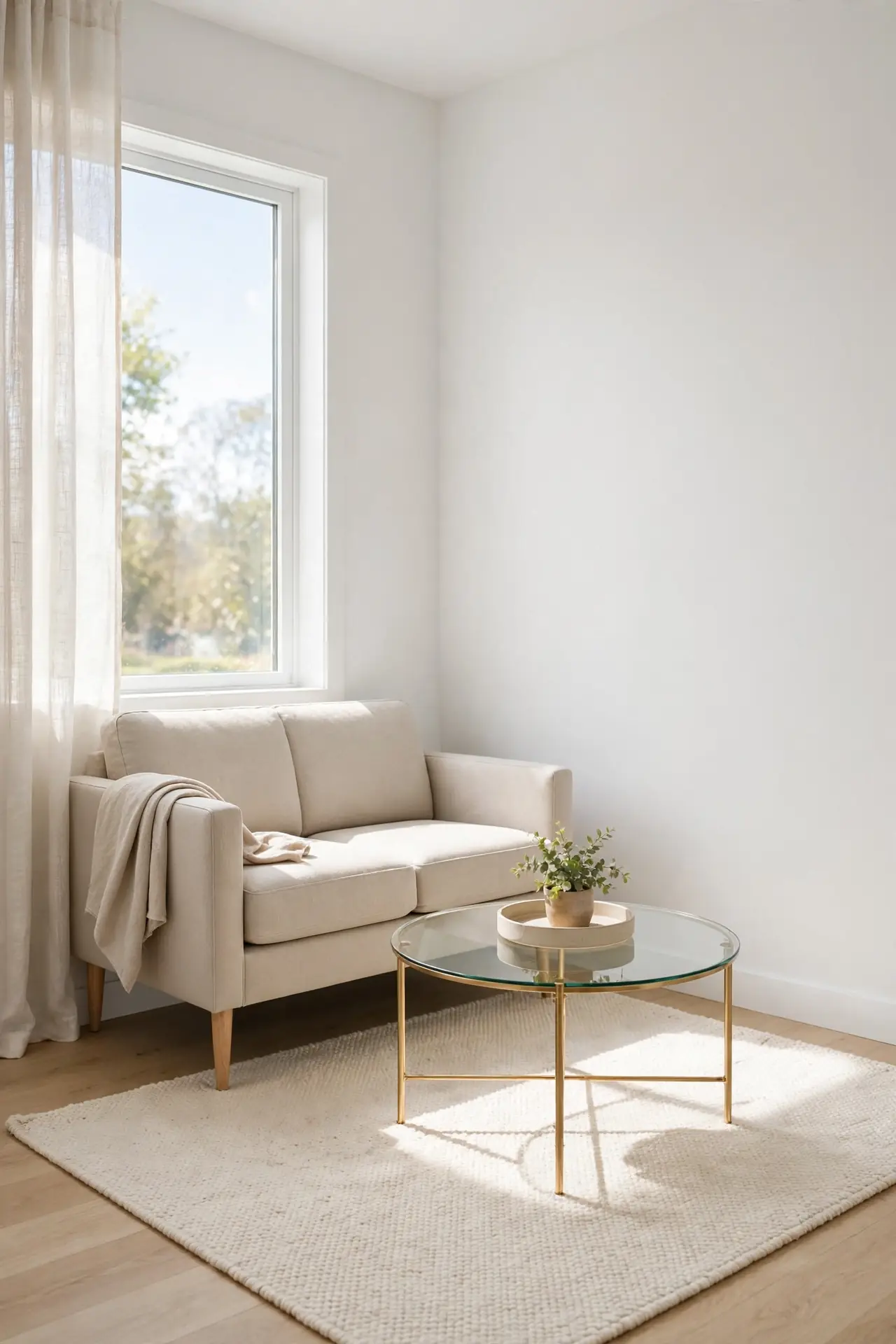
- A glass top lets your eye travel through it, so the floor reads as one continuous surface.
- Choose a design with slim metal legs rather than a bulky base, which blocks sight lines.
- Keep styling minimal: one tray, one small plant, and nothing else on the glass.
- Round glass tables suit tight corners, since there are no sharp edges to bump.
- Clean it with a simple vinegar spray to keep fingerprints from dulling the transparency.
Glass coffee tables are my favorite trick for visual openness. They hold your cup and book like any table, yet they almost disappear, which keeps the center of the room feeling light. I’ve seen this work well in studio apartments where every sight line matters. Pick one sized just right, then style it lightly.
Wall-Mounted Shelving
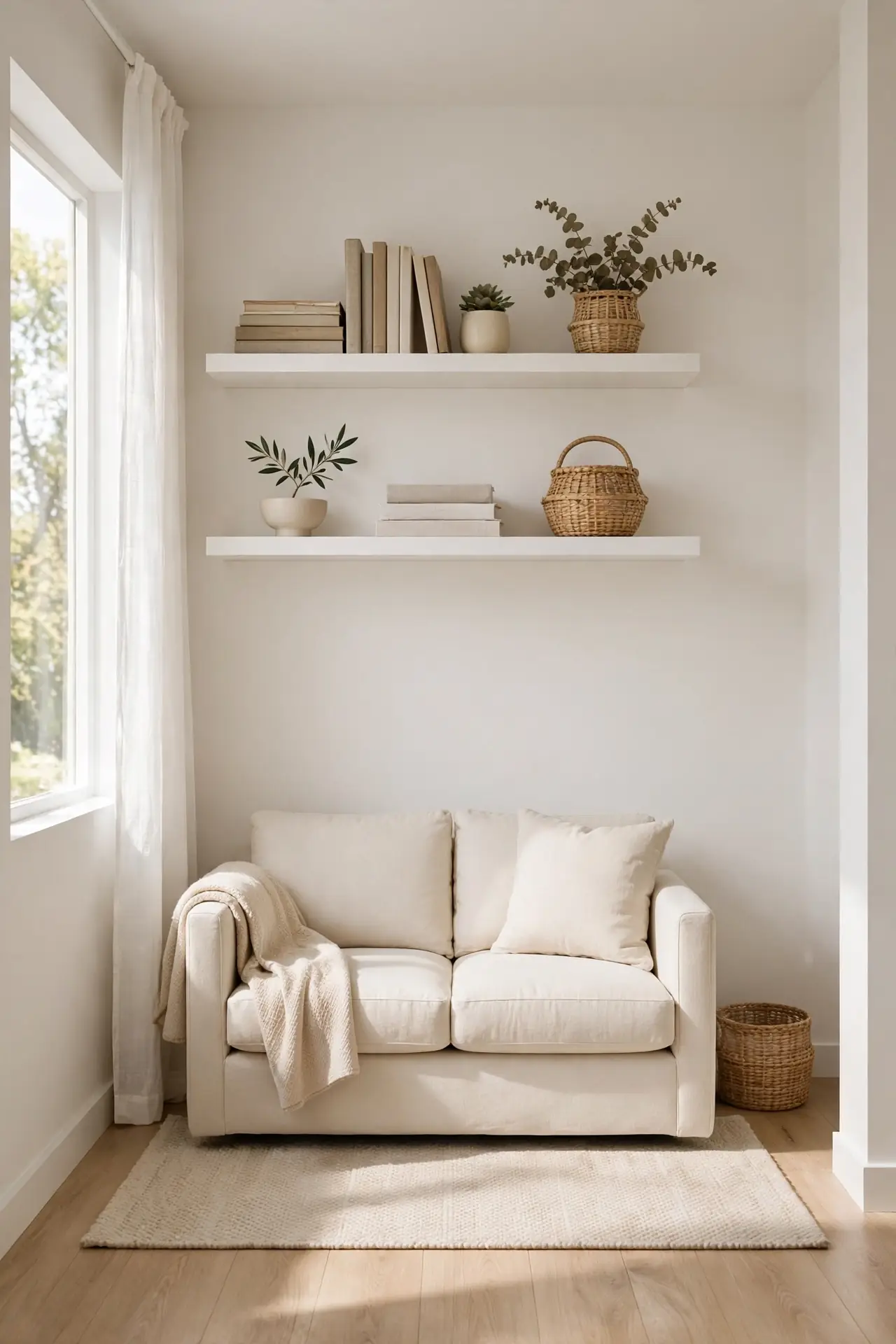
Quick Tip: Mount floating shelves high, near the ceiling, so the floor area stays completely clear. Store books and baskets up there, keeping daily items within easy reach lower down. One wide shelf beats three narrow ones, since fewer brackets mean less visual clutter for the eye.
Wall-mounted shelving turns dead wall space into storage without touching the floor. I have seen cramped rooms feel twice as organized once clutter moves up off surfaces. Style the shelves with restraint: books, one plant, and a basket or two. Paint the shelves the same color as the wall so they blend in. This trick works in rentals too, since most landlords allow small anchor screws.
Multifunctional Ottoman
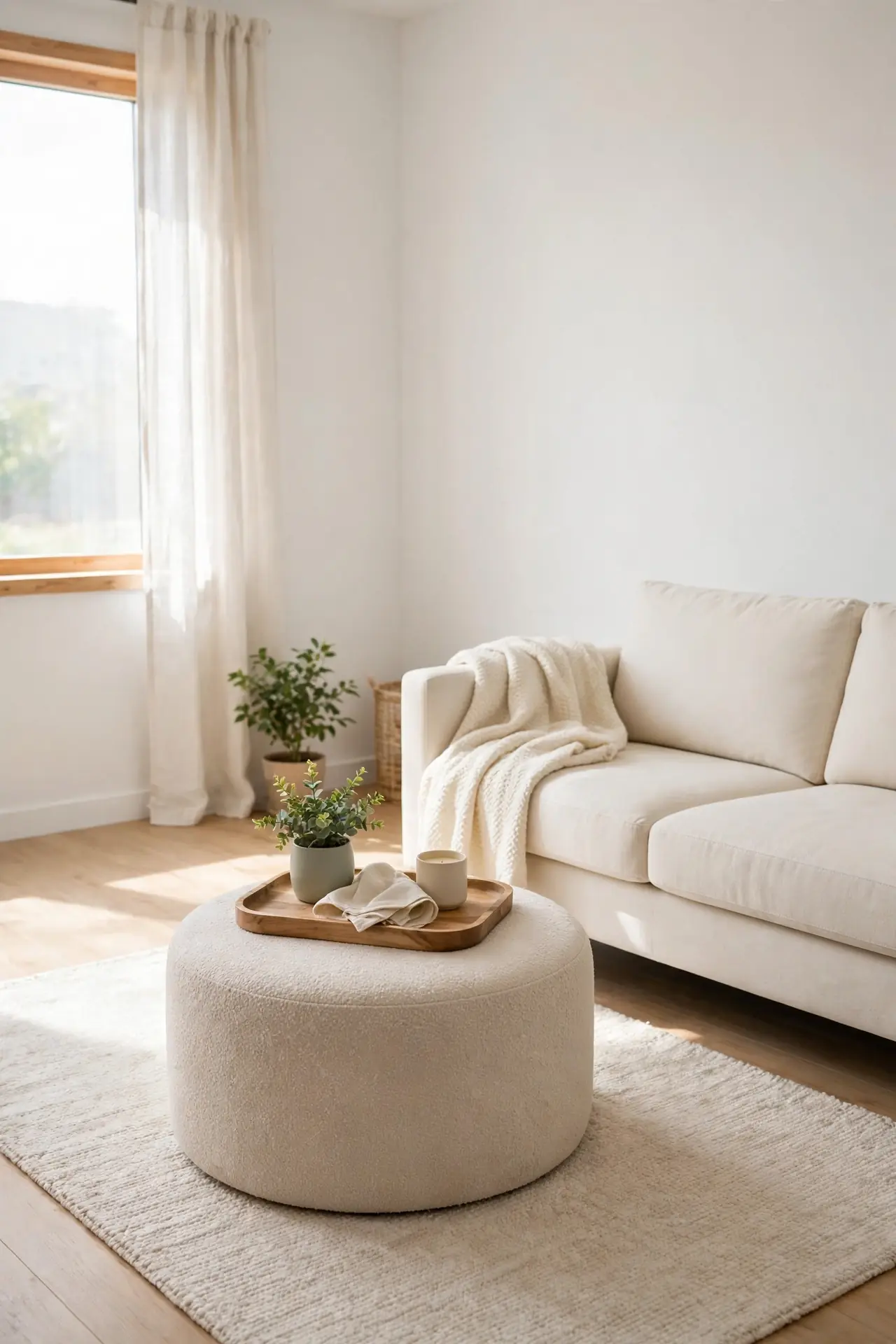
BEFORE: A bulky coffee table and a separate footstool crowd the middle of the room, leaving no clear path to walk through. Every surface collects clutter. The room feels stuffed instead of styled.
AFTER: One storage ottoman replaces both pieces, hiding blankets and remotes inside. The lid becomes a tray for drinks, and the soft edges free up walking space. The middle of the room finally breathes.
A multifunctional ottoman does the work of three pieces in the footprint of one. Look for a firm flat top that doubles as a table, plus deep storage inside for throws and magazines. I’ve noticed round ottomans suit tight layouts best, since they soften corners and slide under console edges. Choose a neutral fabric that matches your seating.
Slim Console Tables
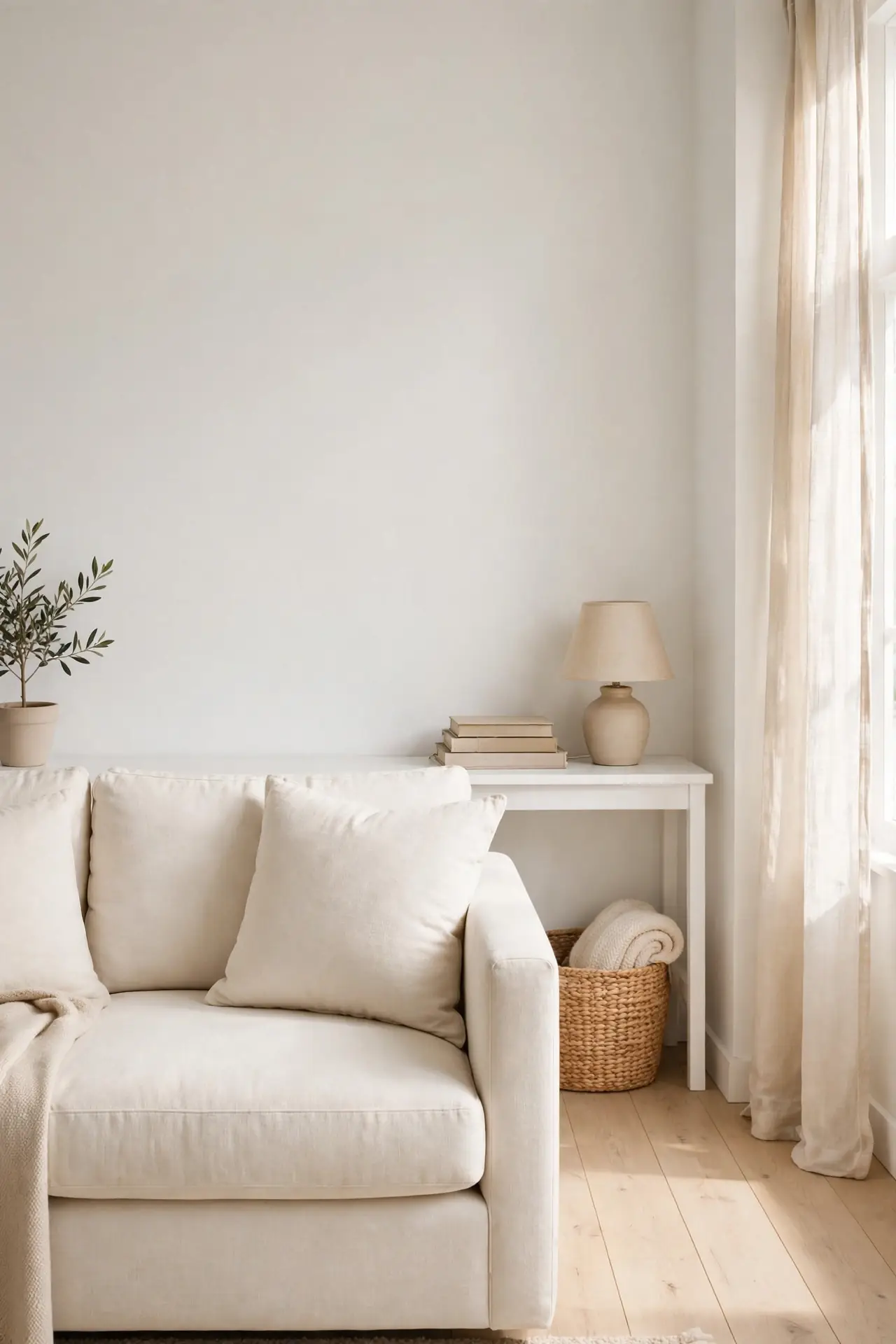
- Measure your narrowest free wall, then buy a console no deeper than 12 inches so it hugs the wall.
- Style the top with a lamp, a small stack of books, and only one decorative object.
- Use the lower shelf for baskets that hide remotes, chargers, and daily clutter out of sight.
- Keep the area under the console clear so the floor line stays visible and open.
Slim console tables add surface and storage where a regular table would never fit. Behind a sofa or along a short hallway wall, they hold keys, lamps, and decor without stealing walkway space. That’s why many experts recommend consoles under 12 inches deep for tight rooms. Pick a light finish so it recedes against the wall.
Light Neutral Palette
| Approach | Dark Saturated Walls | Light Neutral Palette |
| Wall Color | Deep charcoal or navy, dramatic and cozy | Soft white, cream, or pale greige |
| Natural Light | Absorbs daylight, rooms feel smaller at night | Reflects daylight, rooms glow all day |
| Furniture Fit | Heavy pieces blend into the walls | Light pieces float with breathing room |
| Best For | Large rooms with strong natural light | Rooms where every inch must work harder |
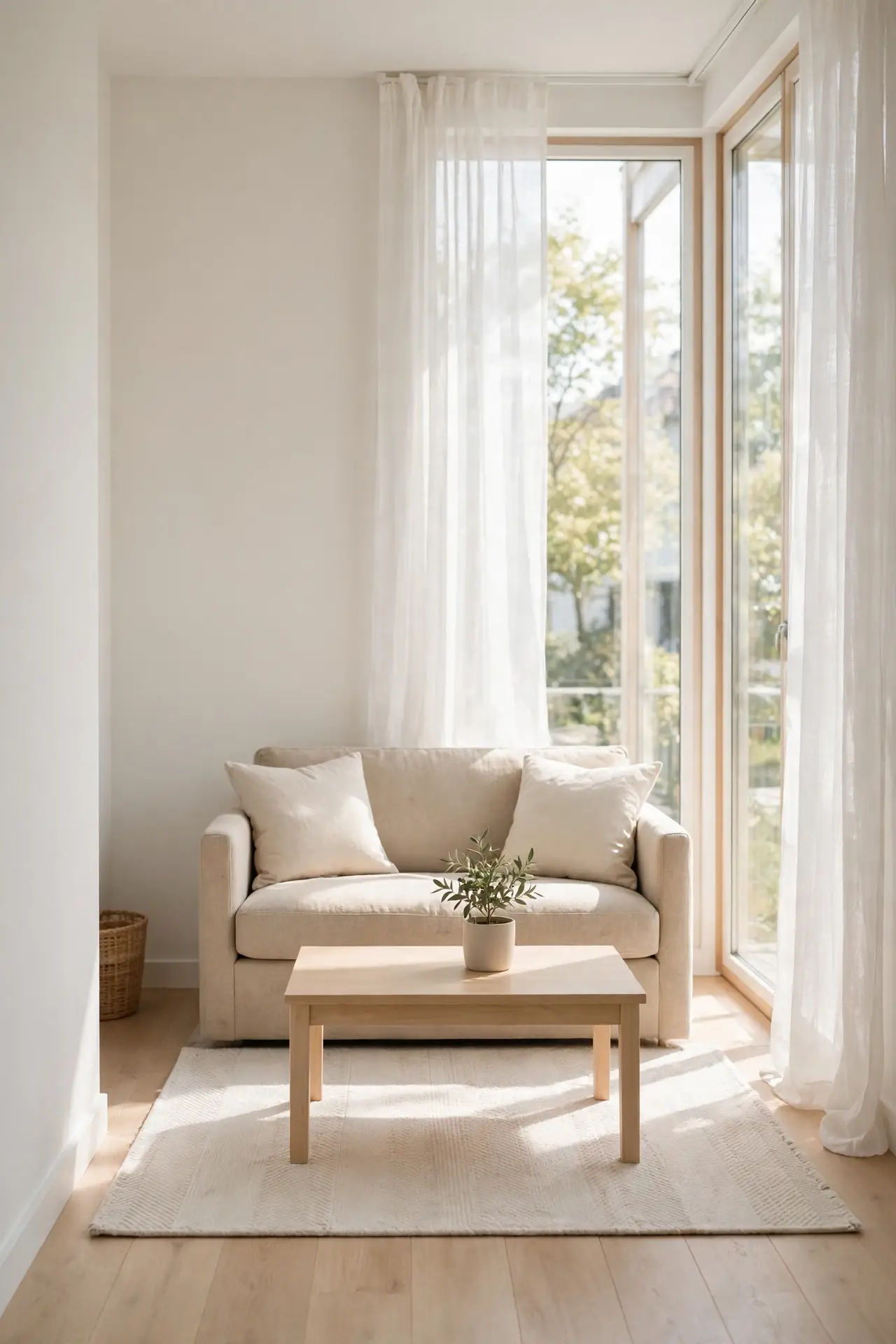
Light neutrals are the simplest way to stretch a small room visually. White, cream, and pale greige bounce daylight into every corner, so walls feel farther apart than they are. Add warmth with wood tones and texture so the palette stays cozy. Keep the ceiling bright white too, which lifts the whole room.
Round Dining Nooks
DO:
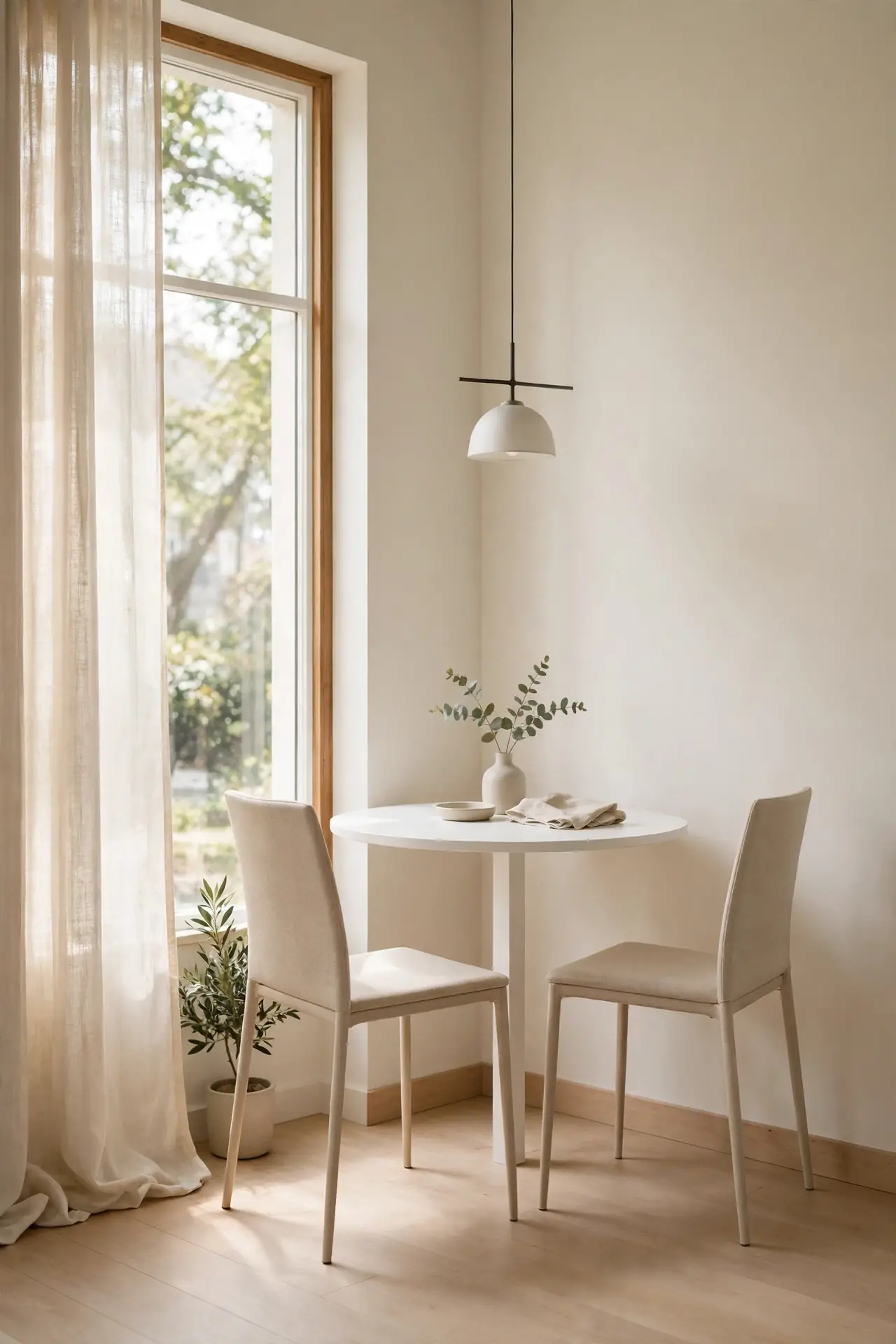
- Tuck a round pedestal table into the brightest corner near a window.
- Pick two slim chairs that push fully under the table when not used.
- Hang a small pendant above to define the nook as its own zone.
DON’T:
- Do not use a square table; the corners block movement in tight spots.
- Do not choose bulky upholstered chairs that cannot slide under the table.
- Do not crowd the nook with shelves or plants that block the chairs.
A round dining nook lets a small living room double as an eating spot without a dining area. The curved shape keeps traffic flowing, and two chairs fit where four never could. See more layouts in these small living room dining room combo ideas. Keep the tabletop clear between meals.
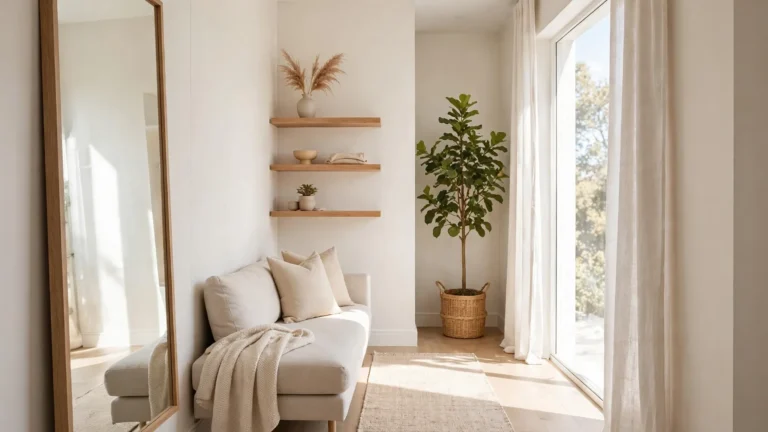
Mirror Behind Seating
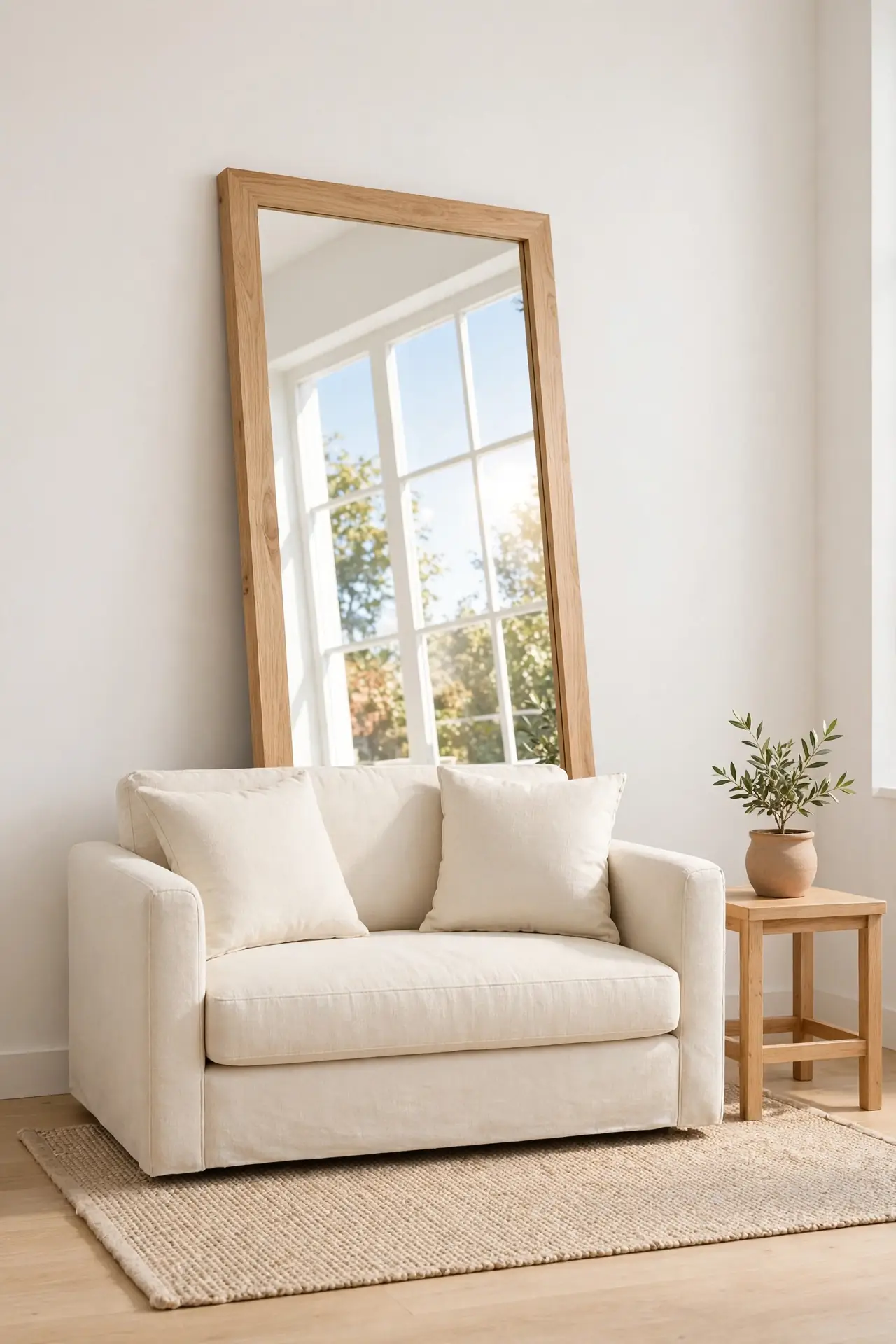
Cost: Under $50 for a large leaning mirror at discount home stores.
Time: One afternoon, including hanging or safely leaning it in place.
Skill Level: Beginner, just a stud finder and two wall anchors.
Best For: Rooms with one good window, doubling the daylight instantly.
Result: A wall that feels twice as deep with almost no effort.
A mirror behind the seating bounces light and views across the room, which tricks the eye into seeing more space. Lean a tall mirror against the wall behind the loveseat for the biggest effect, or hang a round one above it. I’ve seen this work well in north-facing rooms that never get direct sun. Keep the mirror clean, since dust dulls the reflection fast.
Corner Armchair Placement
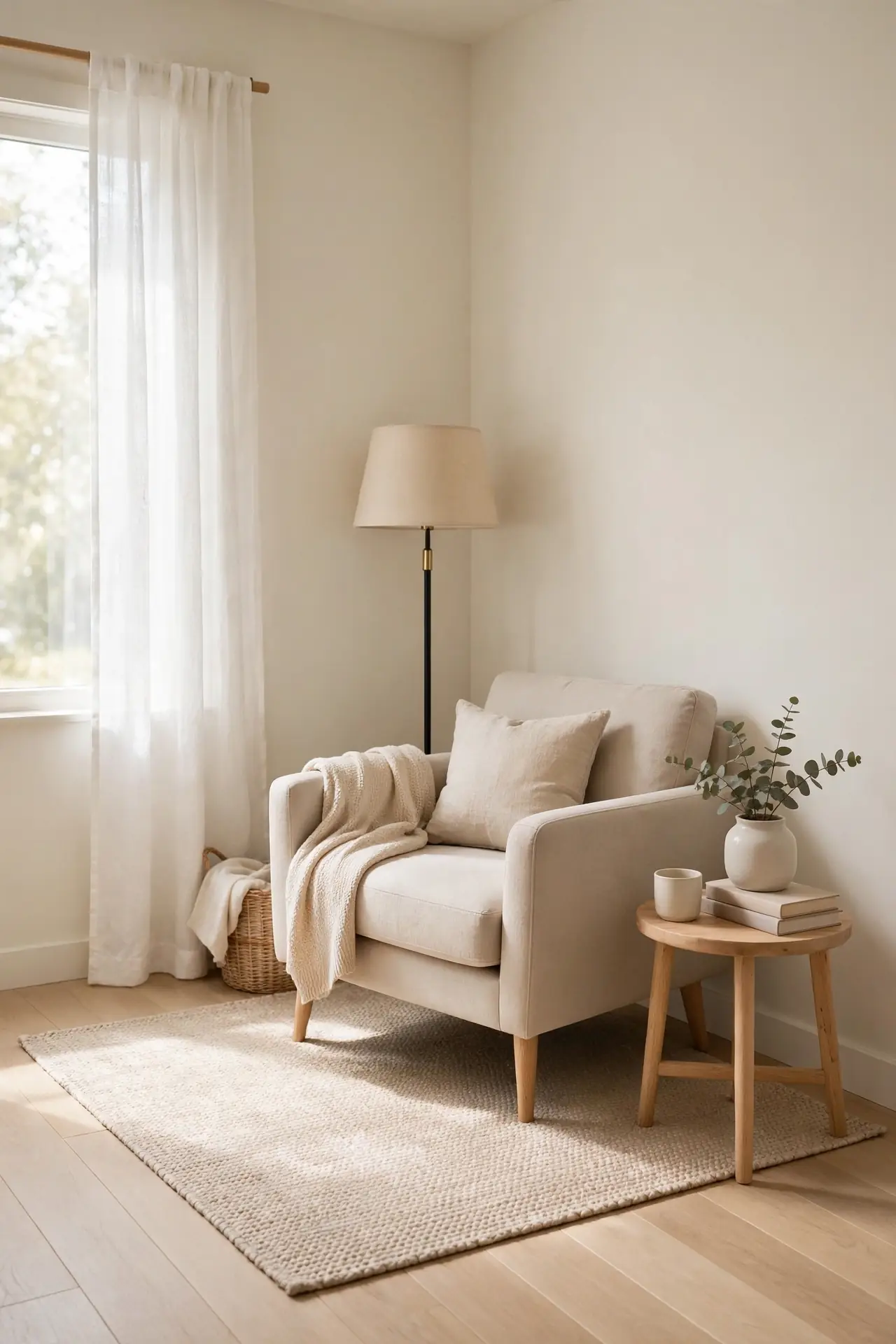
Corners in small rooms often sit empty, yet they hold the key to extra seating. Slide a compact armchair diagonally into a corner and it suddenly seats a guest without blocking the main walkway. The angled position feels welcoming, like the chair is part of the conversation. Choose a chair with a narrow profile and visible legs.
Pair the chair with a small floor lamp or a wall sconce to make the corner glow. A tiny side table beside it holds a drink, and the setup becomes a reading spot too. I’ve noticed angled chairs make narrow rooms feel wider, since they break the boxy lines. Keep the upholstery light so the corner never looks heavy.
Vertical Storage Towers
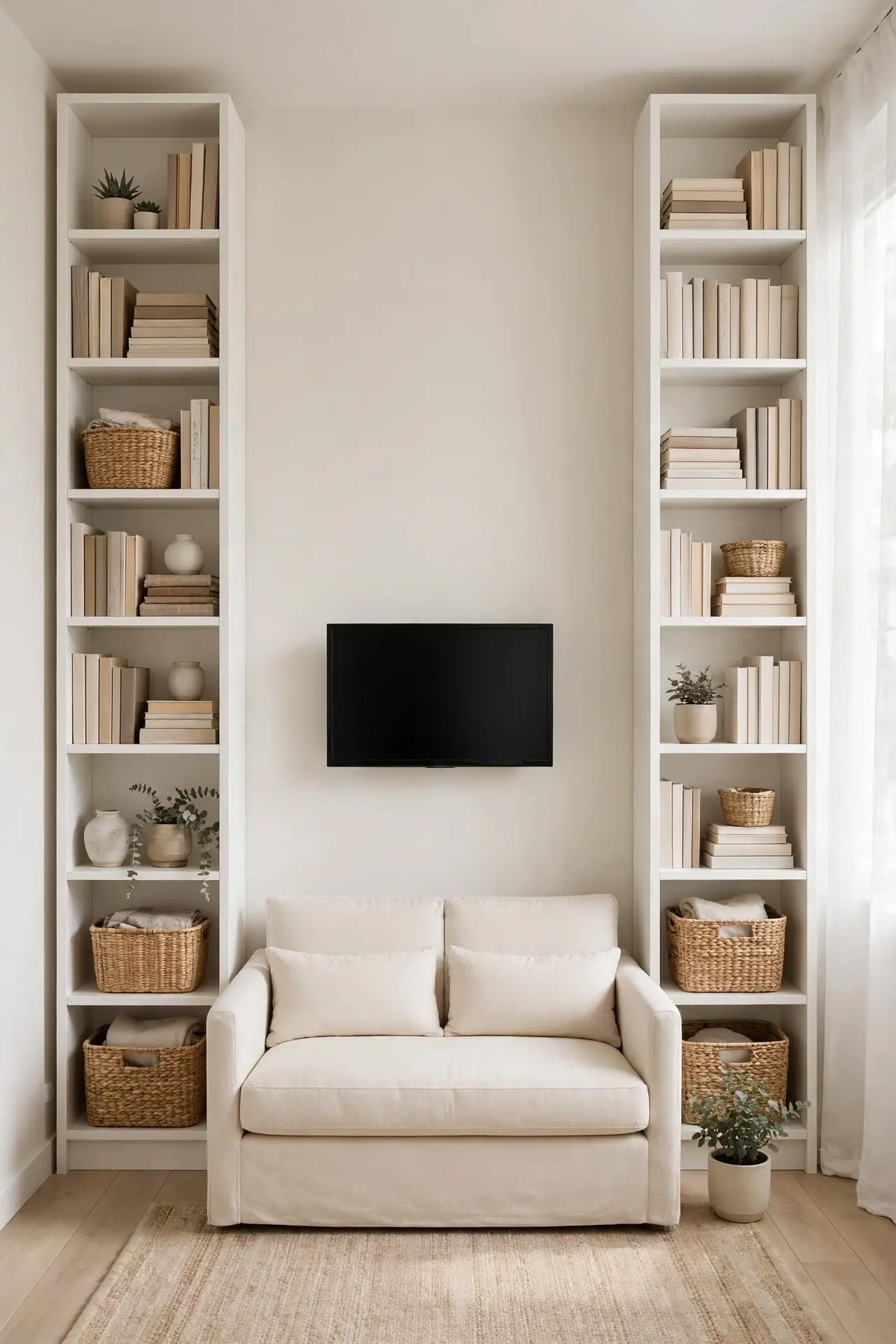
- A tall narrow bookcase uses two square feet of floor and reaches the ceiling.
- Group towers in pairs beside the TV or a window for a built-in look.
- Anchor every tall unit to the wall, since tipping is a real risk.
- Store heavy items low and light decor high to keep the tower stable.
- Match the tower color to the wall so it reads as architecture, not furniture.
Vertical storage towers solve the floor space problem by going up instead of out. Books, baskets, and games all find a home, while the room below stays open. In my experience, two matching towers flanking a focal point look custom and intentional. Leave some shelves half empty so the tower feels styled, not stuffed.
Nesting Side Tables
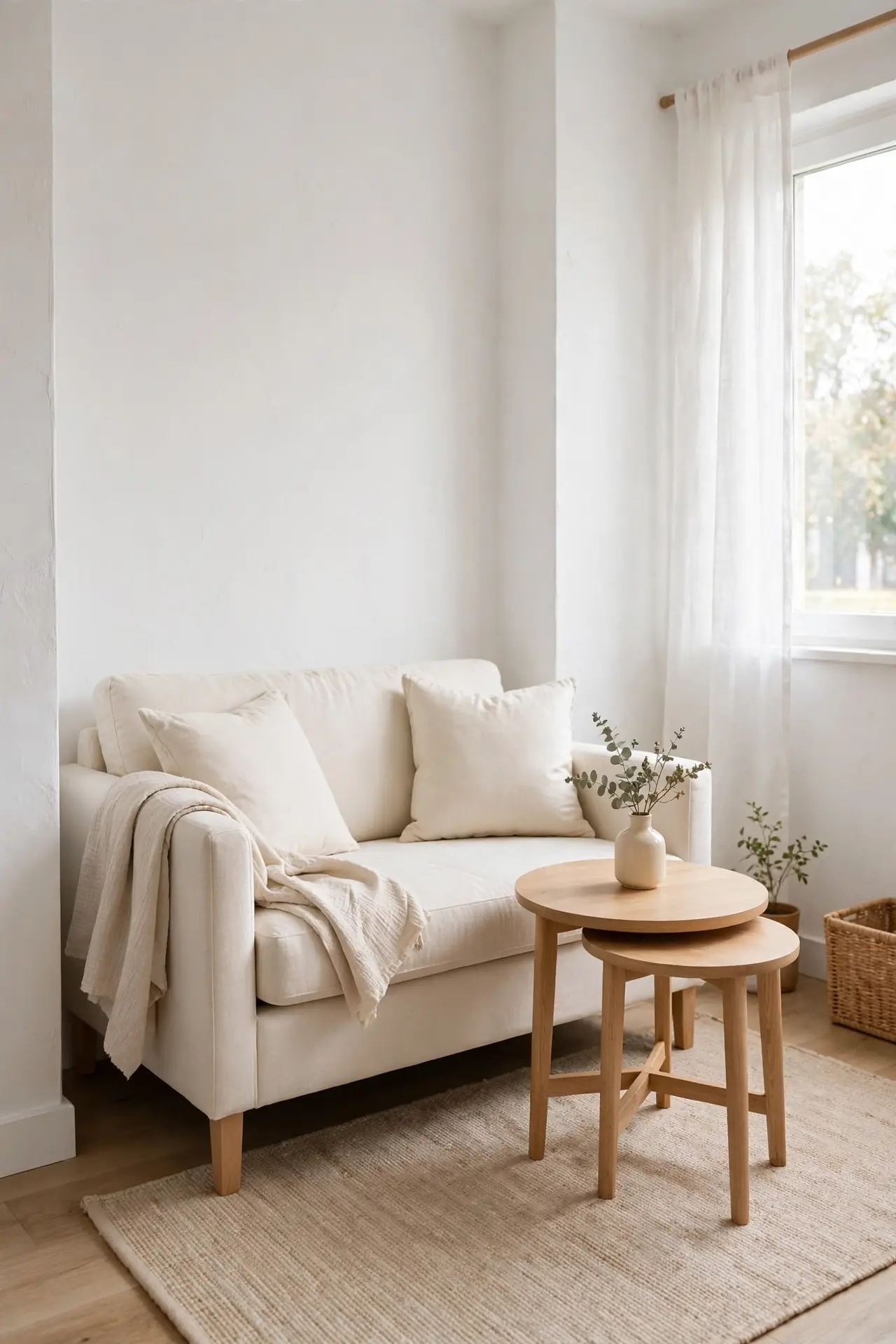
Quick Tip: Buy nesting tables in a set of two or three that slide together into one footprint in a light wood tone. Pull one out beside a chair when guests arrive, then tuck it back after. Round tops in light wood disappear against most palettes.
Nesting side tables are the chameleons of small room furniture. They stack into a single slim unit most days, then spread out as extra surfaces when you entertain. I’ve seen this work well in apartments where a permanent side table would block the path. Choose a set with a small tray top so drinks stay steady. The smallest one can even live under the coffee table.
Hidden Storage Benches
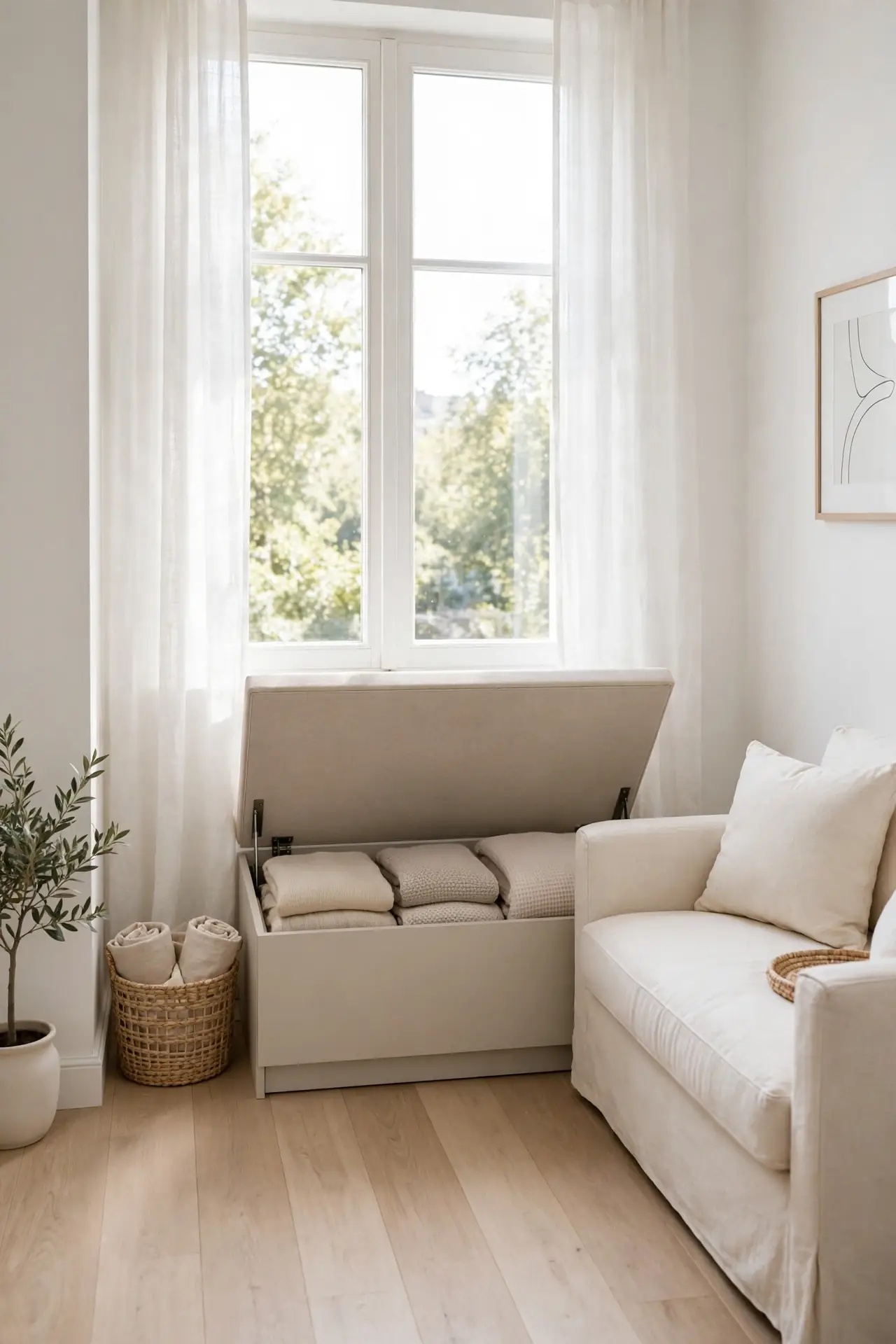
BEFORE: Blankets and magazines pile on every chair and the floor, since there is nowhere to put them. The room looks messy no matter how often you tidy. Storage is the missing piece.
AFTER: A slim bench with a lift-up seat swallows the clutter in seconds. Throws fold inside, remotes drop into the tray, and the room resets fast. The bench also seats one more guest.
Hidden storage benches work hardest in the smallest rooms. Place one under a window, at the foot of a daybed, or along the entry wall. That’s why many experts recommend hinged seats over drawers, since they open fully in tight spots. Pick washable fabric, because a bench seat gets daily use.
Floating Media Consoles
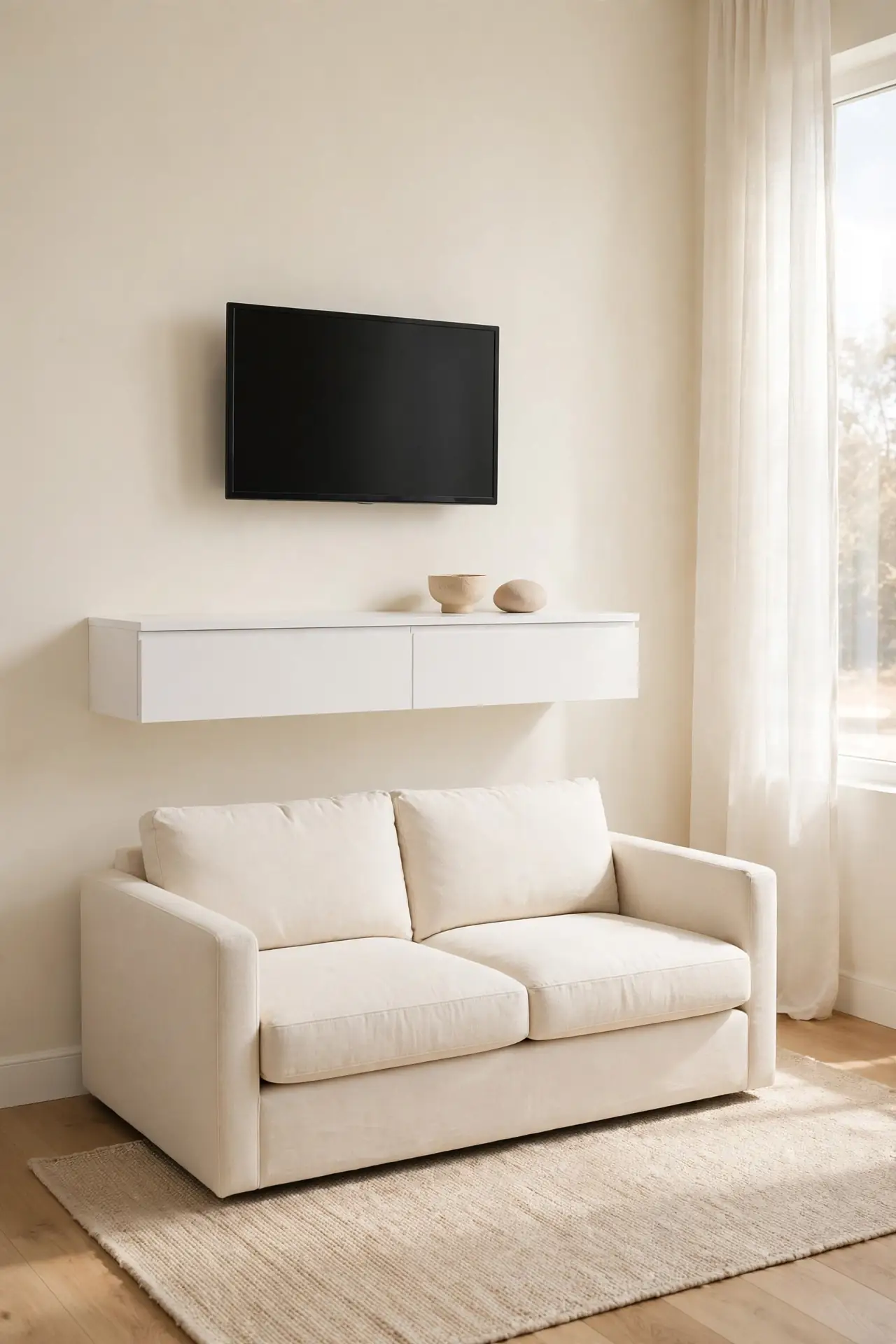
- Mount the console at seated eye level, about 18 inches off the floor so it floats.
- Hide cables inside a slim raceway painted to match the wall for a clean look.
- Style the top with only two or three low objects to avoid crowding the screen.
- Leave the floor beneath empty or slide a flat basket underneath for controllers.
Floating media consoles keep the TV wall light and open. Without legs touching the floor, the room gains visible floor space that makes it feel larger. Wall-mounting also lets you set the exact height for comfortable viewing. In my experience, a white or light wood floating console blends into the wall best.
Curtain Wall Panels
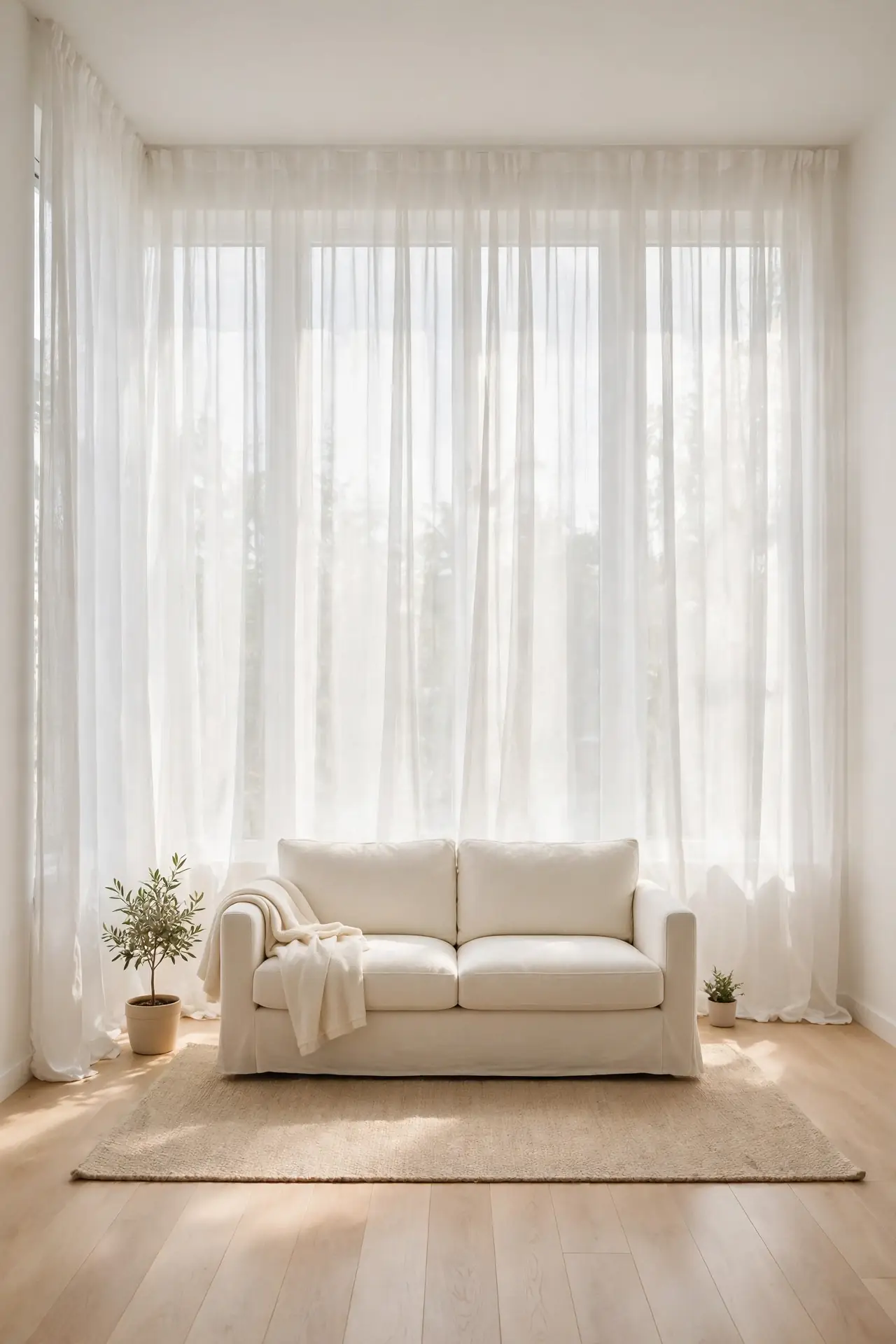
| Approach | Floor-Length Panels | Short Cafe Curtains |
| Length | From ceiling to floor, elongating the wall | Only to the sill, cutting the window short |
| Light | Sheer fabric filters light softly all day | Blocks the lower view and some daylight |
| Look | Tall and tailored, drawing the eye upward | Casual but visually chops the wall |
| Best For | Low ceilings that need extra height | Kitchens, not small living rooms |
Curtain wall panels that span the whole wall make windows look twice as wide. Hang the rod near the ceiling and let sheer panels fall to the floor, covering wall and window together. The long lines pull the eye up and out, which adds perceived height. Keep the fabric light so daylight still pours through.
Fold-Down Desks
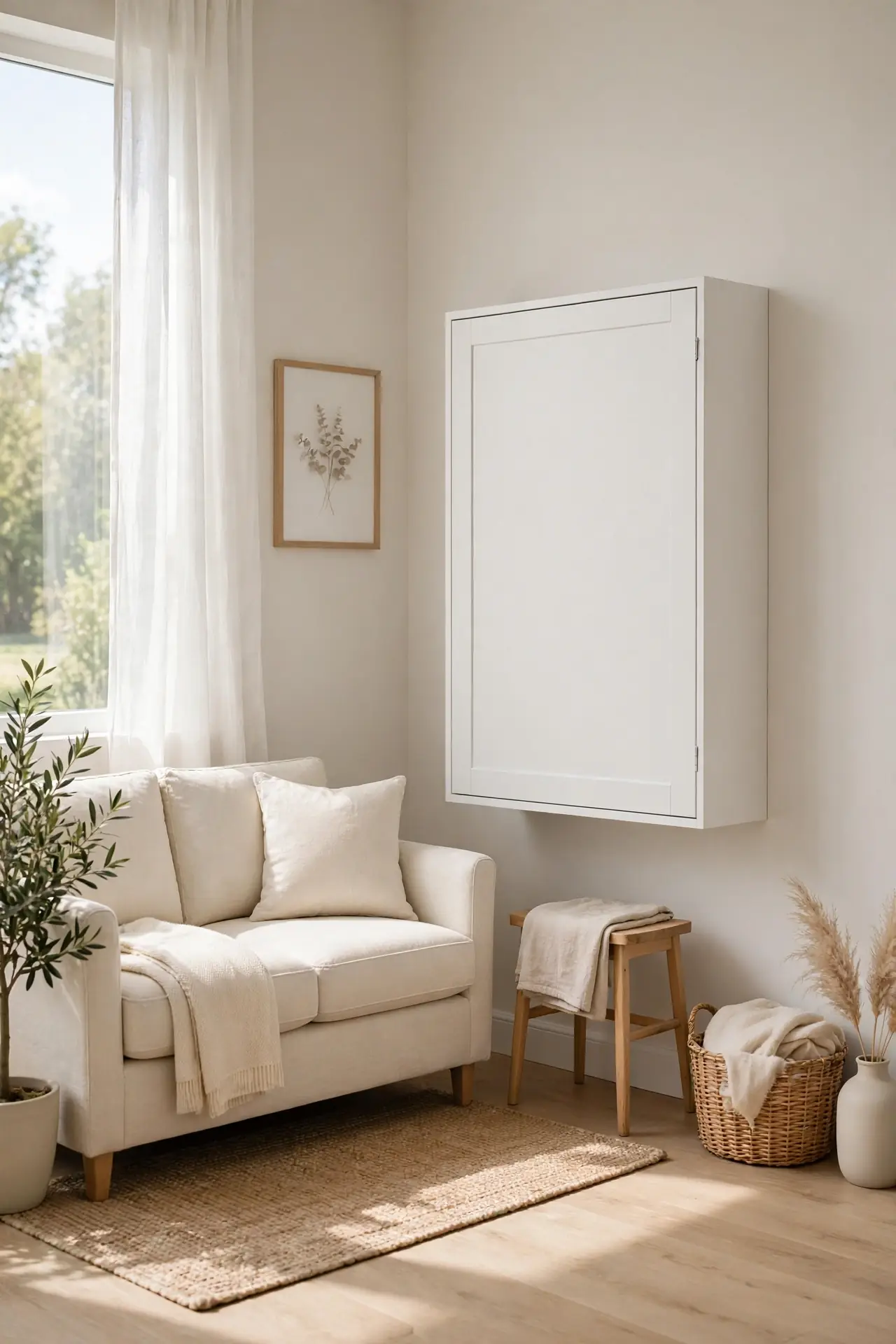
DO:
- Mount the desk high enough to tuck a stool underneath.
- Choose a design with small shelves inside for office supplies and a laptop.
- Fold it up every evening so the wall reads as decor, not an office.
DON’T:
- Do not leave the desk open all day when you are done working.
- Do not mount it above seating where heads could hit the open flap.
- Do not skip wall anchors; a loaded desk pulls hard.
A fold-down desk gives you a real workspace that vanishes after hours. Closed, it looks like a shallow cabinet or art panel on the wall. This is the fix for work-from-home life in a tiny room. I’ve noticed painted fold-down desks blend so well that guests never guess their purpose.
Layered Rug Zones
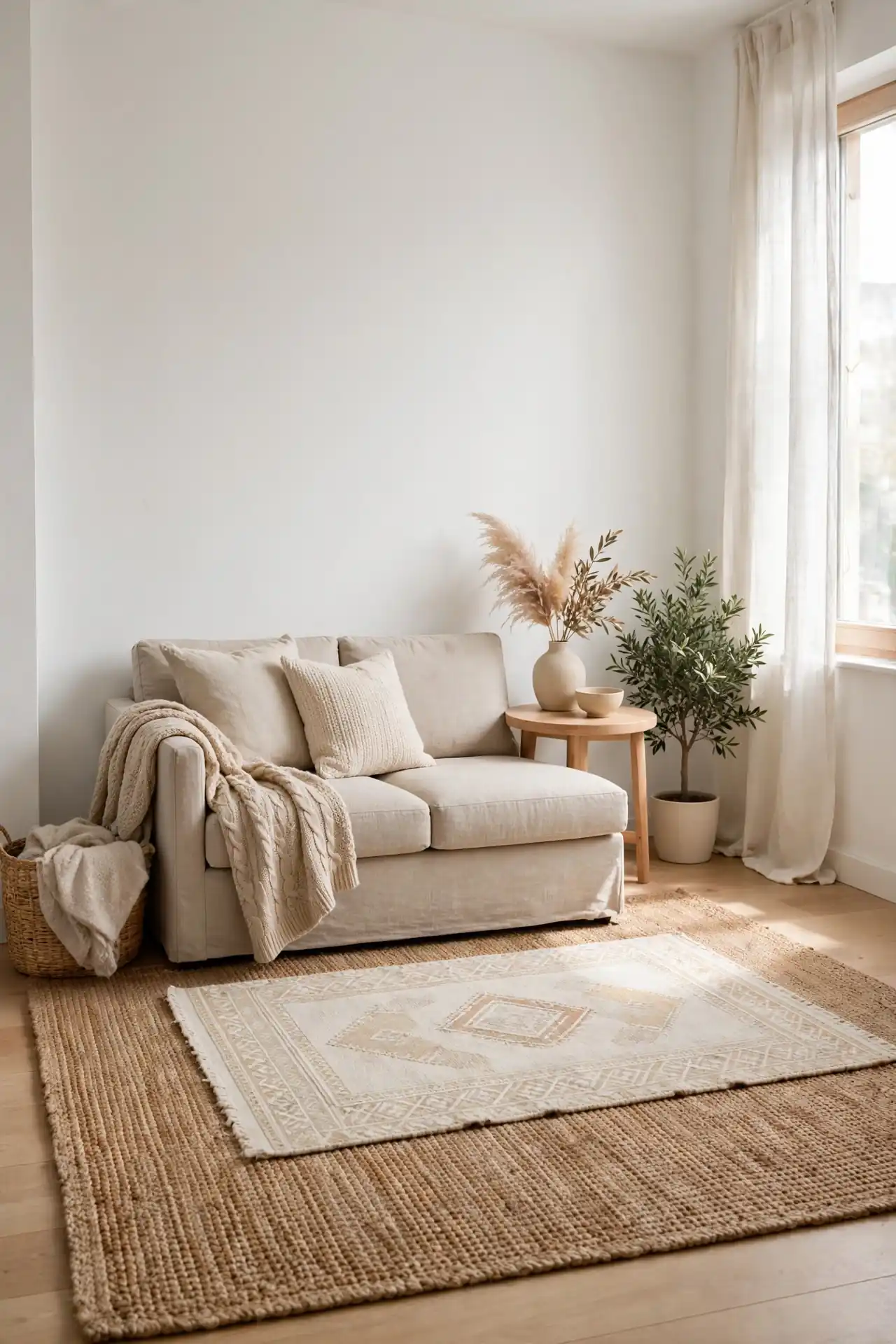
Cost: Around $60 to $120 for a jute base plus a smaller patterned rug.
Time: Under an hour to layer, adjust, and style both rugs.
Skill Level: Beginner, no tools needed beyond a rug pad.
Best For: Open layouts that need separate sitting and reading zones.
Result: A room that feels divided into cozy zones without losing openness.
Layering two rugs creates zones without walls or furniture. A large natural jute rug grounds the whole room, while a smaller patterned rug on top marks the seating area. The layers add texture and warmth that one flat rug cannot. Keep the colors close so the stack feels calm, not busy.
Armless Accent Chairs
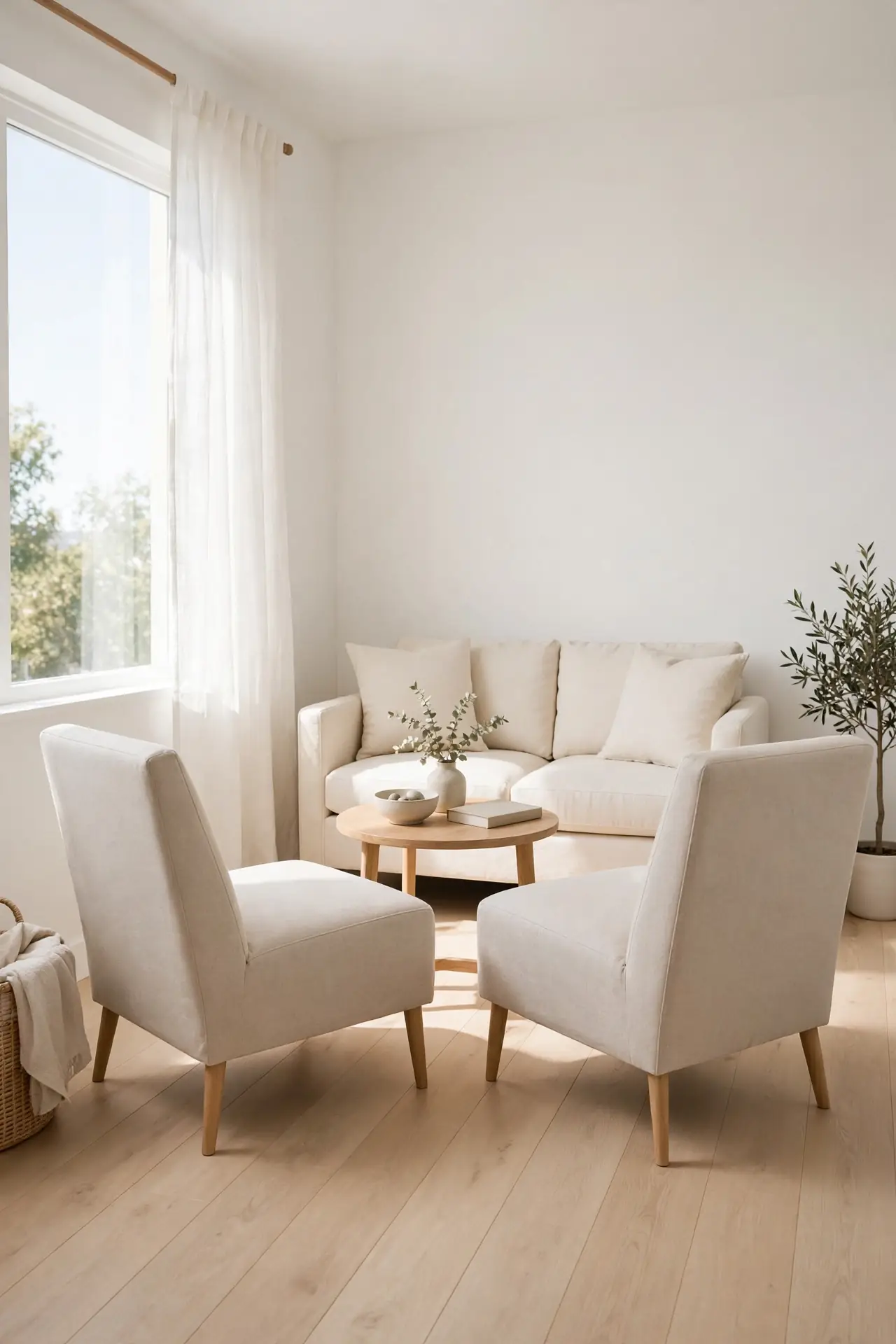
Arms add surprising width to a chair. Armless accent chairs seat just as comfortably while taking up far less visual and physical space. They slip into narrow gaps beside the loveseat or float near a window. The open sides keep sight lines moving, which is exactly what a tight room needs.
Choose slipper-style chairs with low backs so they never block the view across the room. A pair angled toward the loveseat creates a real conversation circle. I’ve seen this work well in narrow railroad-style rooms, where every inch of width counts. Pick a textured fabric to add interest without pattern.
Track Wall Lighting
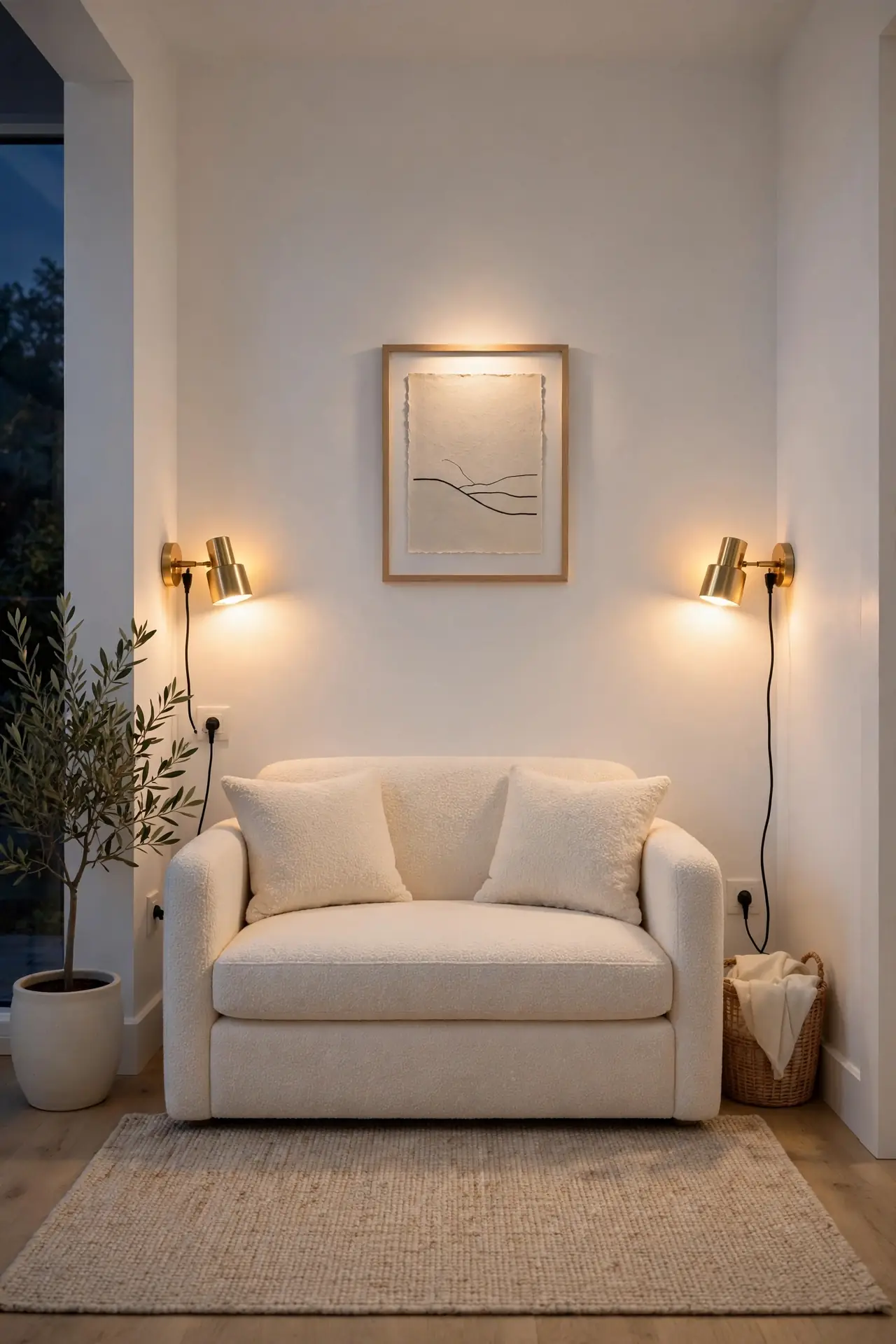
- Plug-in wall sconces add light without taking up table or floor space at all.
- Aim one head at art and one at the seating to layer the glow.
- Warm bulbs around 2700K keep the room cozy instead of clinical at night.
- Cord covers painted to match the wall make plug-in lights look built in.
- Put lights on a dimmer so one room can shift from bright to moody.
Track and wall lighting free up the surfaces that lamps usually claim. Mounted lights wash the walls with glow, which makes the room feel taller and wider. That’s why many experts recommend three light sources in every small room. Start with two sconces and add a third light only if corners stay dark.
Clear Acrylic Accents
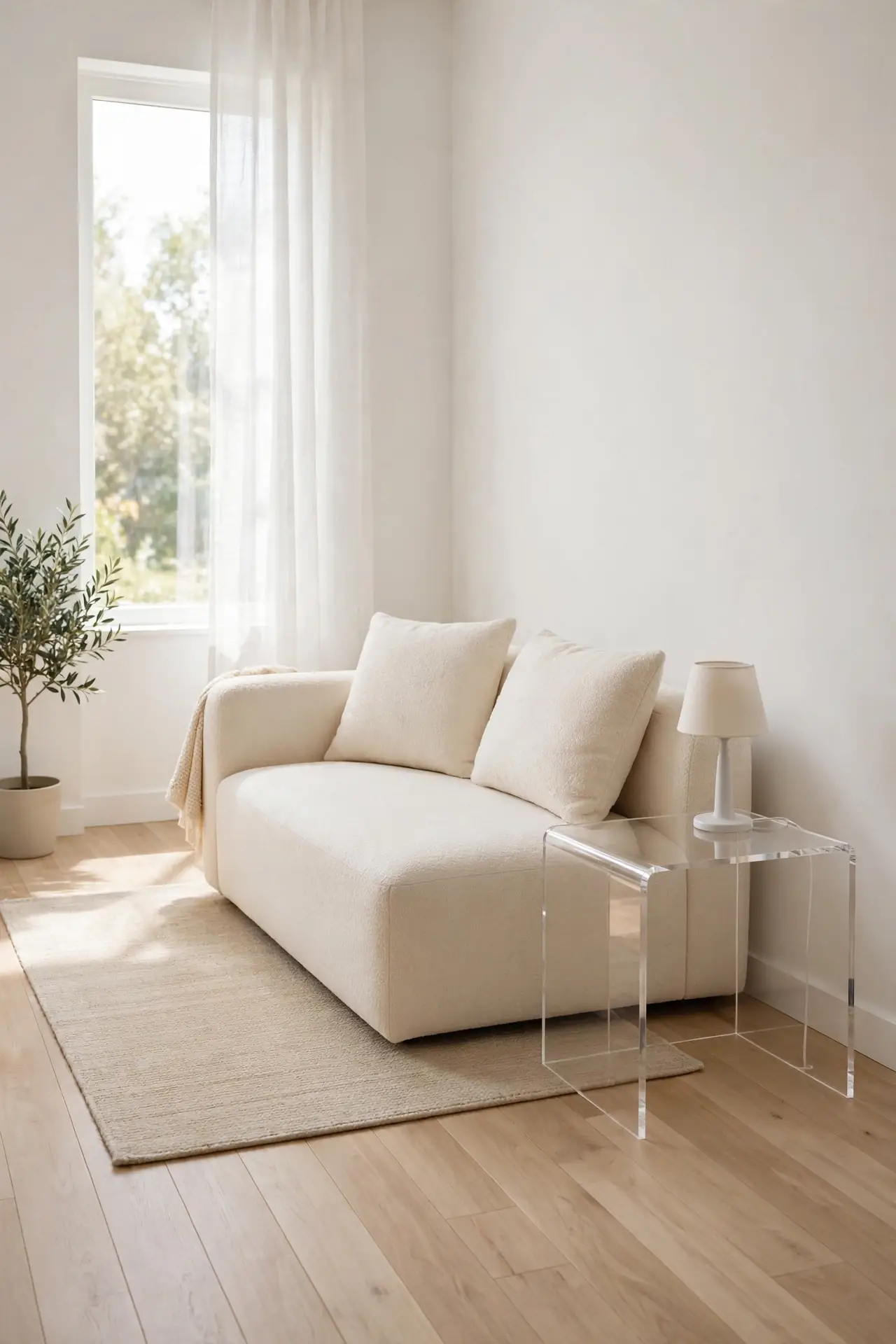
Quick Tip: Swap one solid side table for a clear acrylic version and watch it vanish visually. Acrylic holds a lamp and book like wood, but the eye passes right through. Keep pieces small, since large acrylic can look cold. Wipe it with a microfiber cloth to keep it crystal clear.
Clear acrylic accents give you function without visual weight. A ghost chair, a small side table, or acrylic tray tables all serve their purpose while staying nearly invisible. The trick is restraint: one or two clear pieces per room is plenty. Pair them with warm wood and soft textiles so the room keeps its cozy feel.
Under-Sofa Drawers
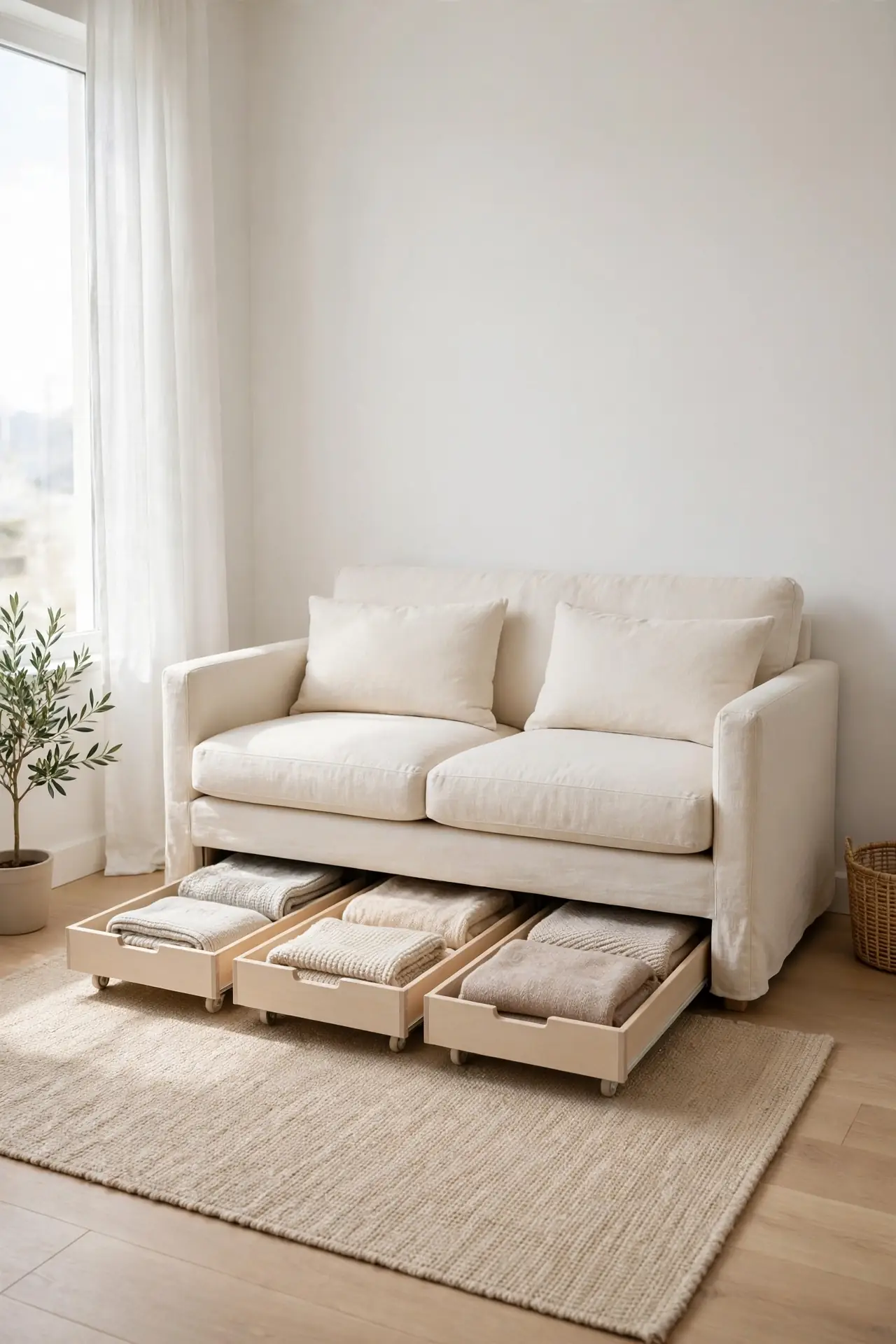
BEFORE: The space under the sofa collects dust bunnies and lost remotes, doing nothing for the room. Blankets and board games pile up in the closet instead. Valuable square footage sits wasted.
AFTER: Shallow rolling drawers slide under the sofa, holding throws, games, and seasonal decor. The clutter disappears, yet everything stays within arm’s reach. The room gains storage without adding a single piece of furniture.
Under-sofa drawers turn dead space into a secret storage zone. Measure the clearance first, then buy flat rolling bins that glide easily on the floor. In my experience, lidded bins work best, since they keep dust off blankets and games. Label each bin so you actually remember what is inside.
Statement Single Art
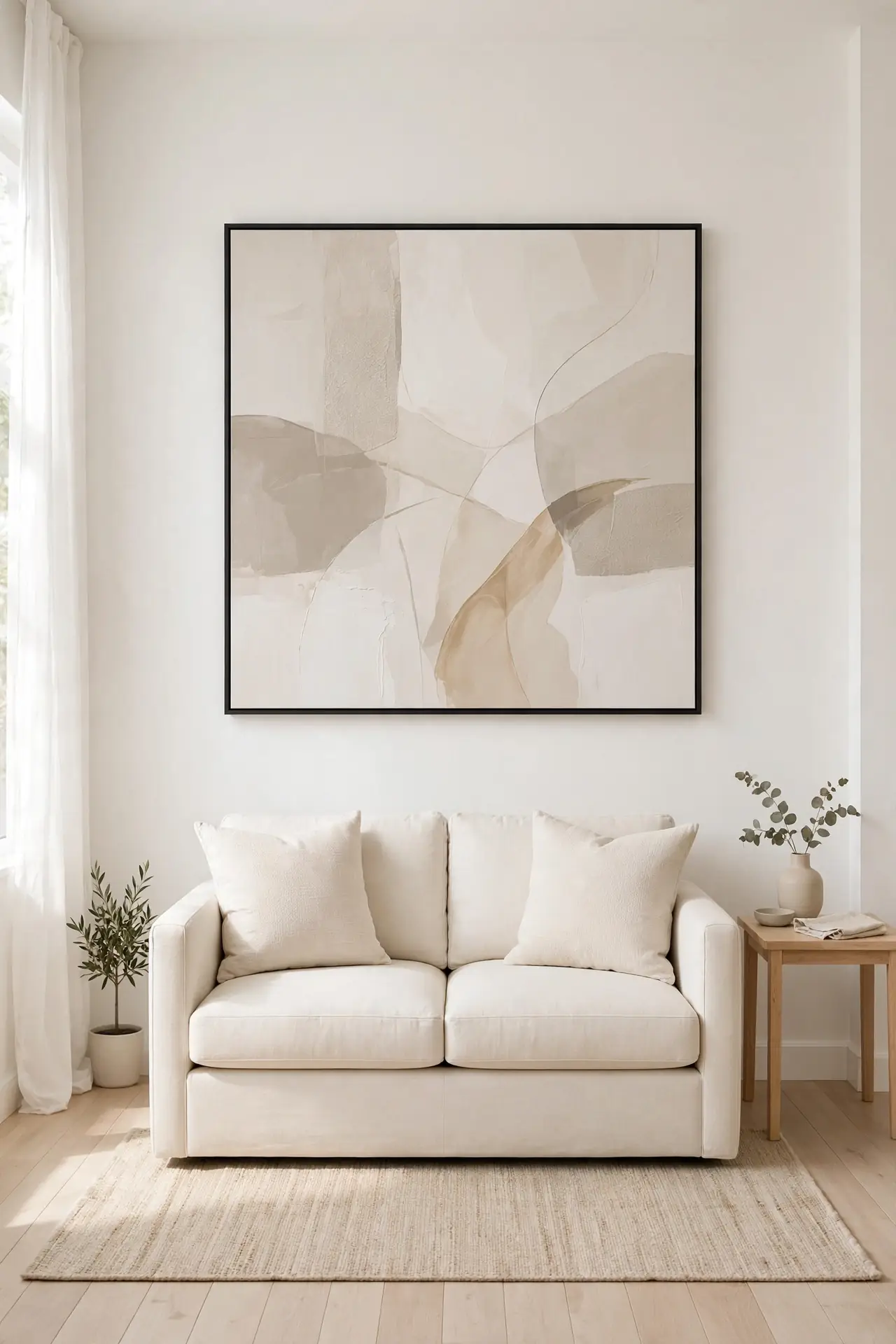
- Choose one large canvas that spans at least two thirds of the sofa width for impact.
- Hang it so the center sits at eye level, about 57 inches up from the floor.
- Pick calm neutral tones that echo your rug and cushions for a cohesive look.
- Skip the gallery wall, since many small frames add visual noise in tight rooms.
One statement art piece gives a small room focus without clutter. A single large canvas draws the eye to one spot, which calms the whole wall. I’ve seen this work well above loveseats, where the art anchors the seating zone. Keep the frame slim or go frameless so the piece feels light.
Pocket Door Dividers
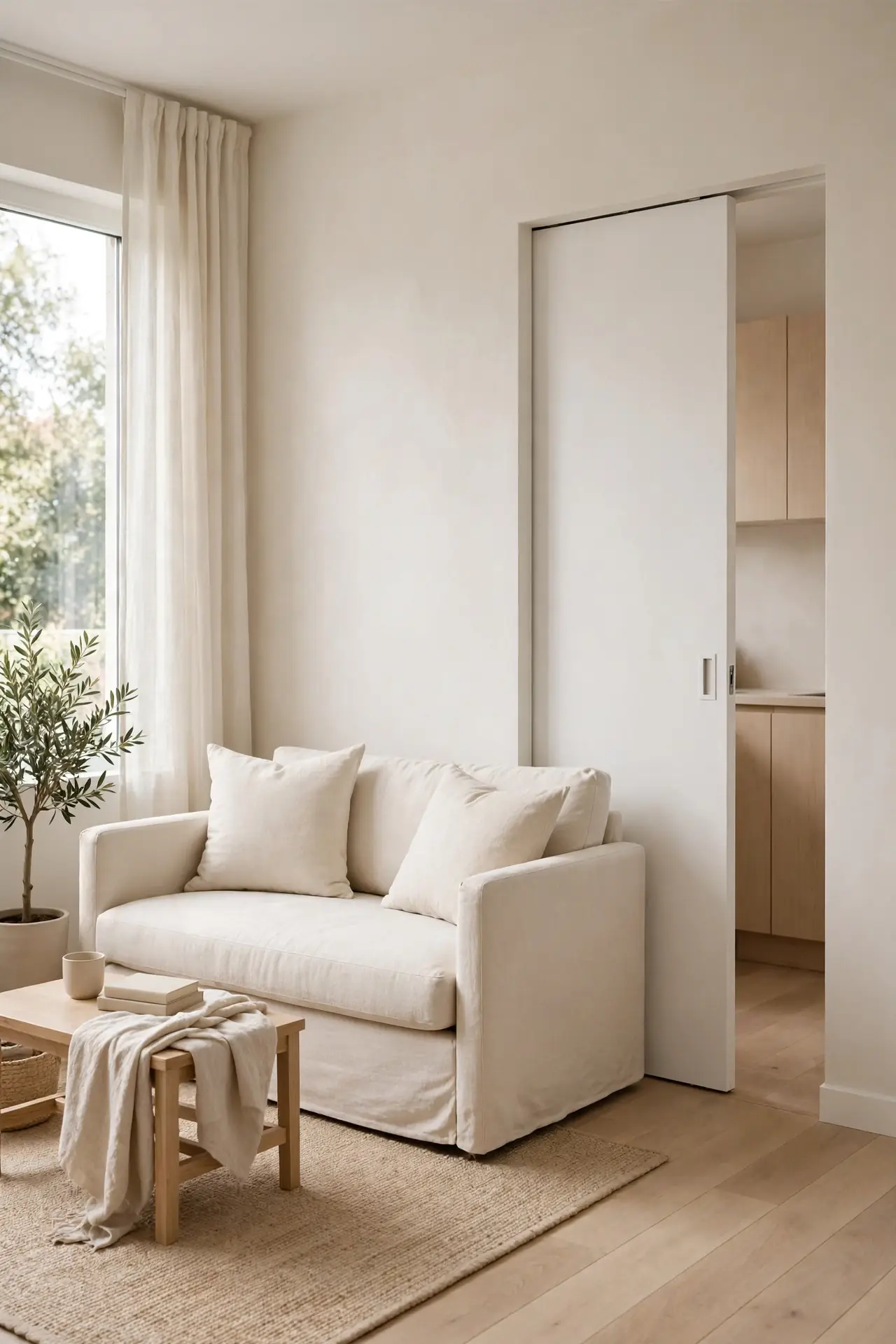
| Feature | Pocket Doors | Swing Doors |
| Floor Space | Slide into the wall, using zero floor | Need a full arc of clear floor to open |
| Small Rooms | Keep every inch usable for furniture | Steal up to nine square feet of layout |
| Privacy | Close fully for sound and visual privacy | Same privacy, but at a space cost |
| Best For | Studios and rooms that share walls | Large rooms with space to spare |
Pocket door dividers separate spaces without eating floor area. They slide into the wall cavity, so a studio can close off the sleeping corner at night. Installation takes a carpenter, but the space savings last for years. That’s why many experts recommend pocket doors in every small remodel.
Built-In Bench Seating
DO:
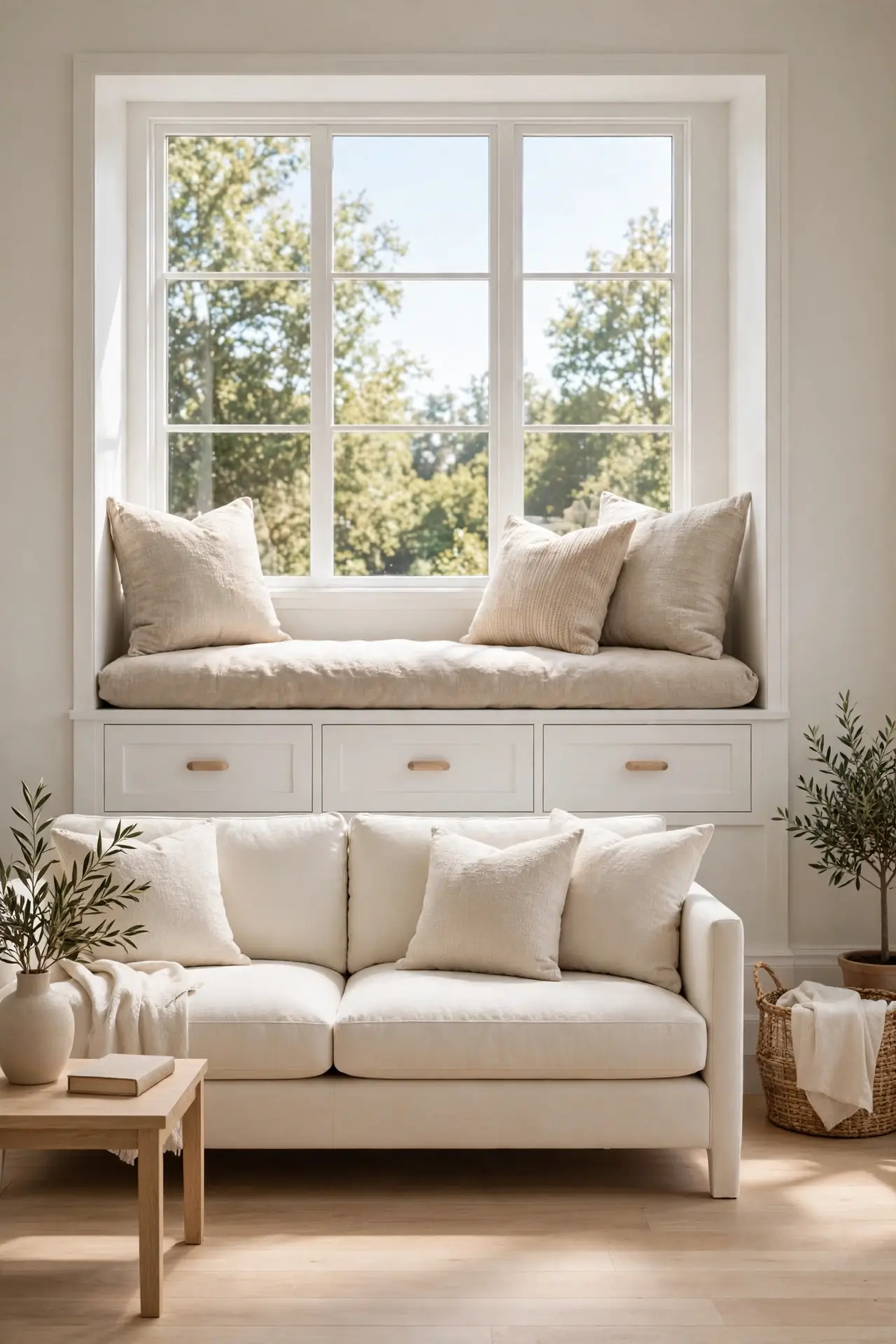
- Build the bench under a window for seating with the best view.
- Add a thick cushion and pillows so the bench feels like a sofa.
- Include drawers or a lift-up top for hidden blanket storage.
DON’T:
- Do not make the bench deeper than 20 inches, or it crowds the room.
- Do not skip the cushion, since a hard bench never gets used.
- Do not block heating vents or radiators with the bench.
Built-in bench seating adds a sofa’s worth of seats in half the footprint. A carpenter can fit one into an alcove or under a window in a weekend. I’ve seen this work well in tiny rooms that need dining and lounging in one spot.
Compact Sectional Lounges
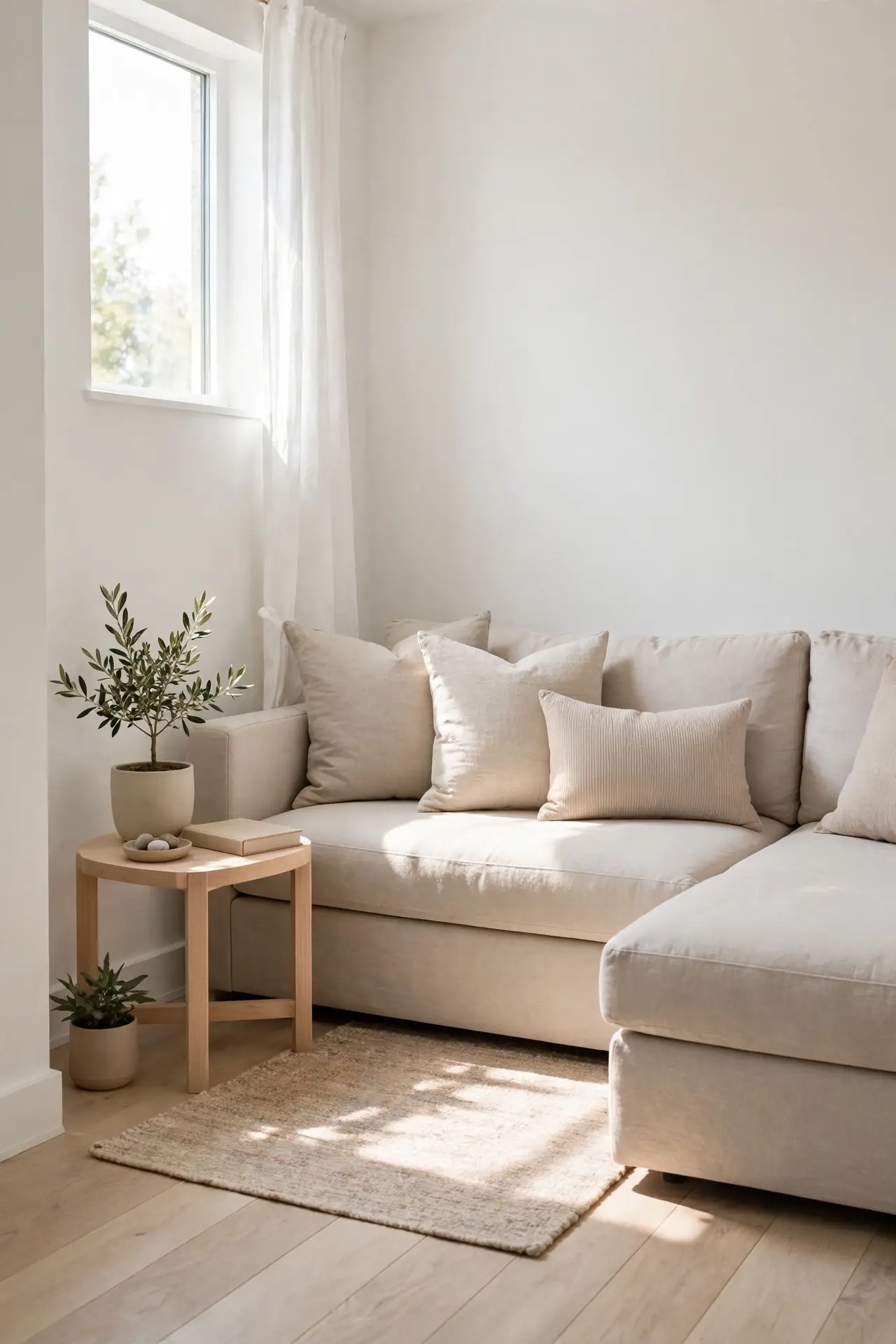
Cost: Around $400 to $900 for a quality apartment-size sectional.
Time: One delivery afternoon, plus an hour to arrange and style.
Skill Level: Beginner, though measuring the room first is essential.
Best For: Corners and L-shaped rooms that waste a loveseat’s potential.
Result: Lounge seating for three in the footprint of a loveseat.
A compact sectional turns an awkward corner into the best seat in the house. Apartment-size sectionals run shorter and shallower than standard ones, so they fit where full sectionals never could. The chaise end stretches out for lounging without a separate ottoman. In my experience, a left-or-right facing chaise decides the whole layout, so measure twice.
Ceiling-Drawn Attention
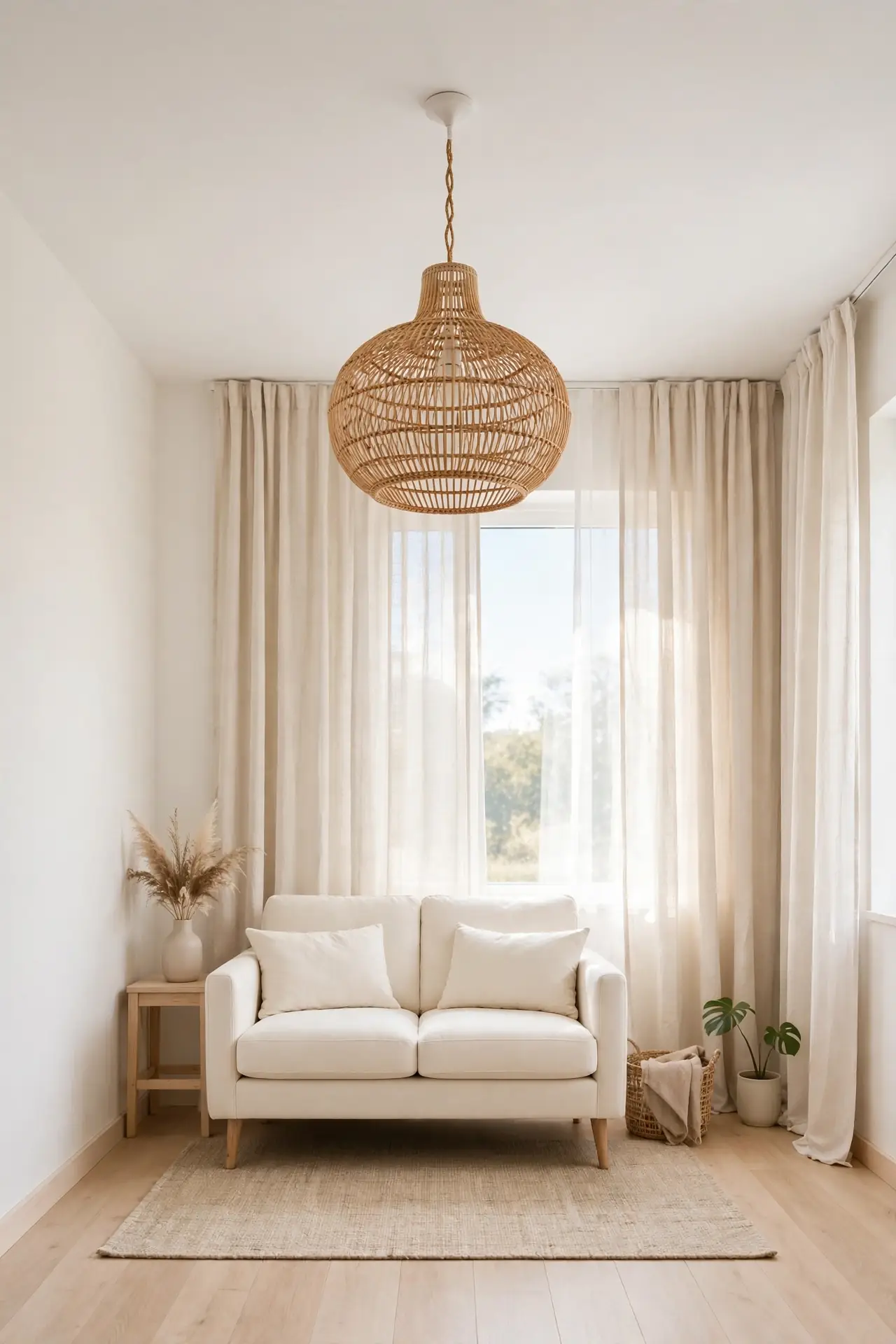
When floor space runs out, the ceiling becomes your best design tool. Paint it a soft warm white, add a striking pendant, or hang curtains near the ceiling line. These moves pull the gaze upward, which makes the walls feel taller. The room gains drama without losing a single inch of floor.
A bold light fixture doubles as art in a small room, so choose one you love looking at. Keep the rest of the ceiling clean: no heavy beams or dark paint that press the room down. I’ve noticed high-hung curtains plus one great pendant can add the feeling of a full extra foot of height.
Conclusion
Your room may be small, but your style does not have to be. These very small living room ideas show that every inch can work harder with the right furniture and a little creativity. Start with one change, like swapping the sofa or adding a mirror, and watch the room open up. Save your favorites to Pinterest so you can find them when you shop. I’ve seen how small changes like these can completely shift the way a space feels. Your tiny living room is ready for its big moment, so pick an idea and begin today.
One Comment