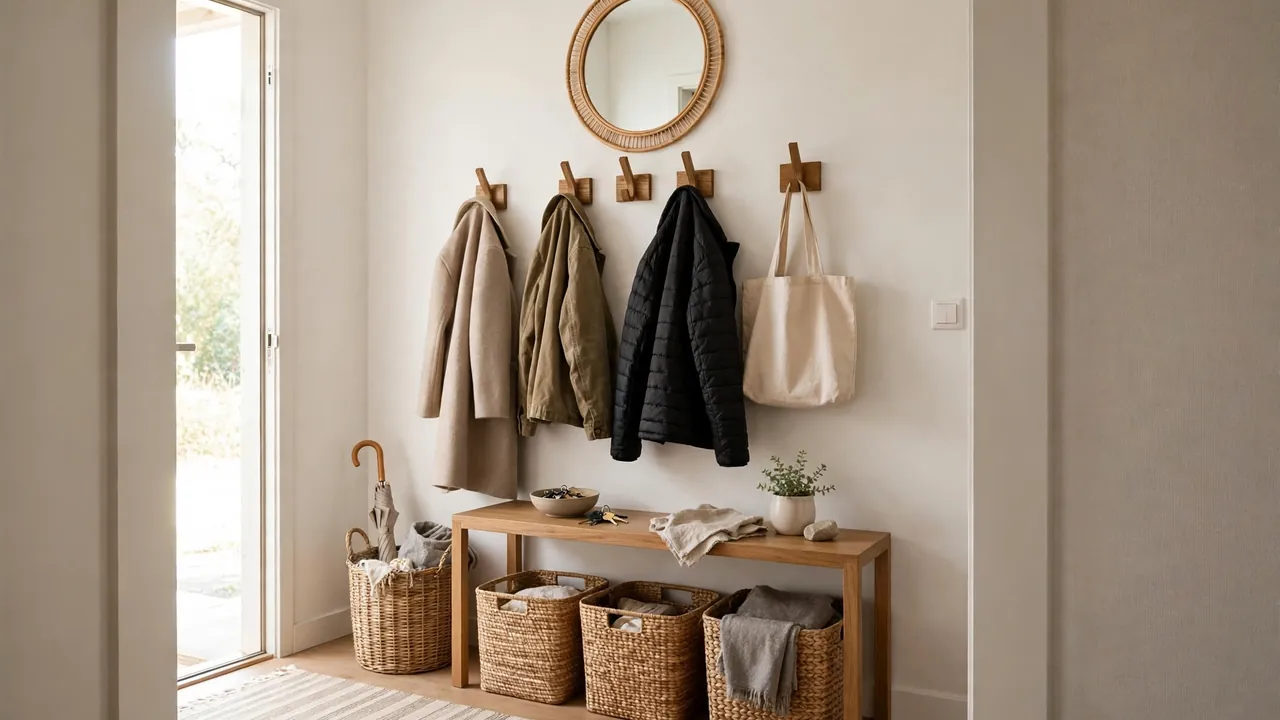
How to Add Storage to a Small Entryway
A cramped entryway with no place for keys, shoes, or coats can make your whole home feel chaotic. In my experience, learning how to add storage to a small entryway is the fastest way to bring calm back to that first impression. You do not need a big space to stay organized.
You will learn simple, renter friendly storage ideas that fit even the tightest entryway. Many of these tricks come from small space living, and readers who enjoyed how to decorate a rental apartment will find these ideas a natural next step.
Below you will find ten practical sections, from wall hooks to hidden shoe storage. Follow them in order and you will have a tidy, welcoming entryway by the end of the day.
Why Small Entryways Lack Storage
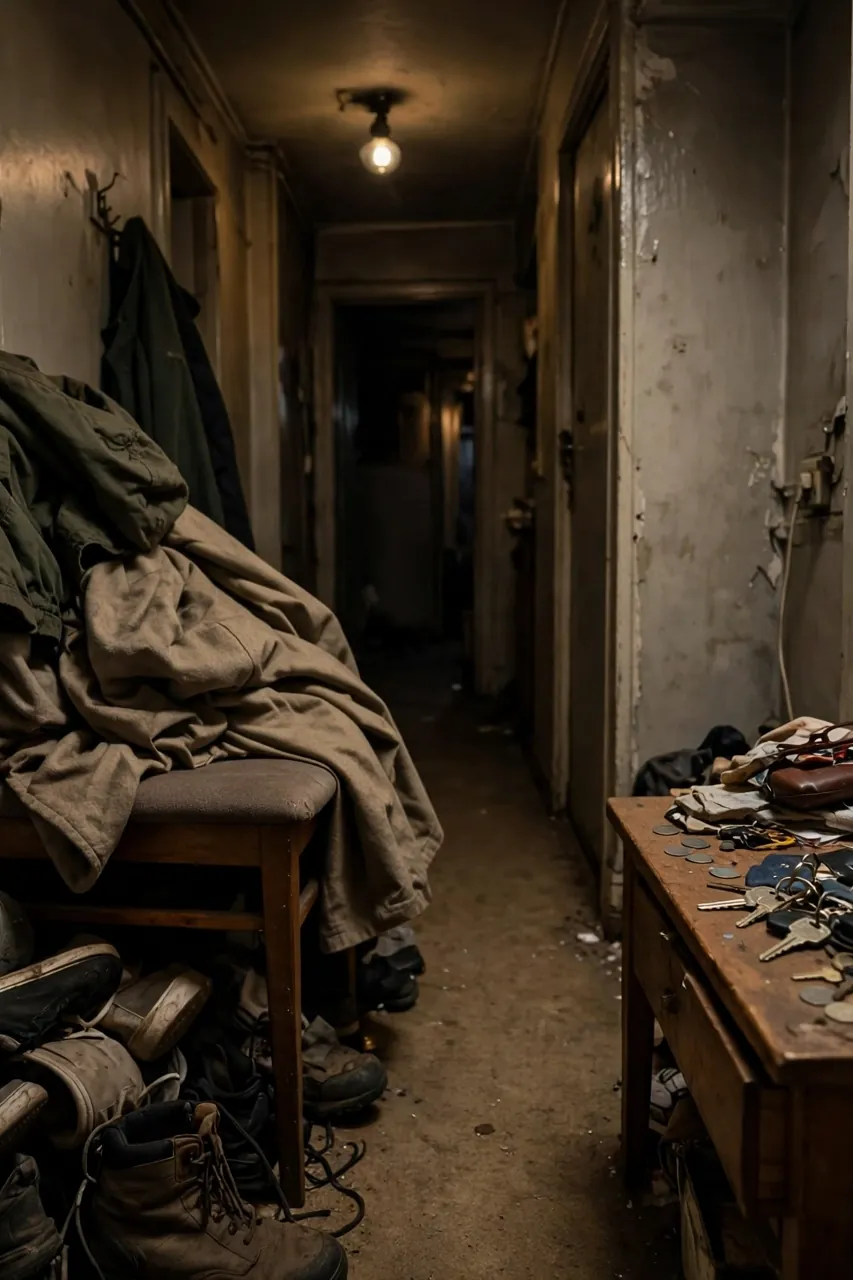
Most entryways were designed as pass through spaces, not storage zones. Builders assumed you would carry things straight inside, so they left out closets, hooks, and shelves. Small entryways collect clutter fast because everything lands there first, and that is why even a two foot wide entry can feel impossible to organize.
The good news is that a small entryway does not need big furniture to gain storage. It needs smart use of walls, doors, and corners. Once you understand why the space feels bare, every inch starts working harder for you.
Assess Your Entryway’s Potential
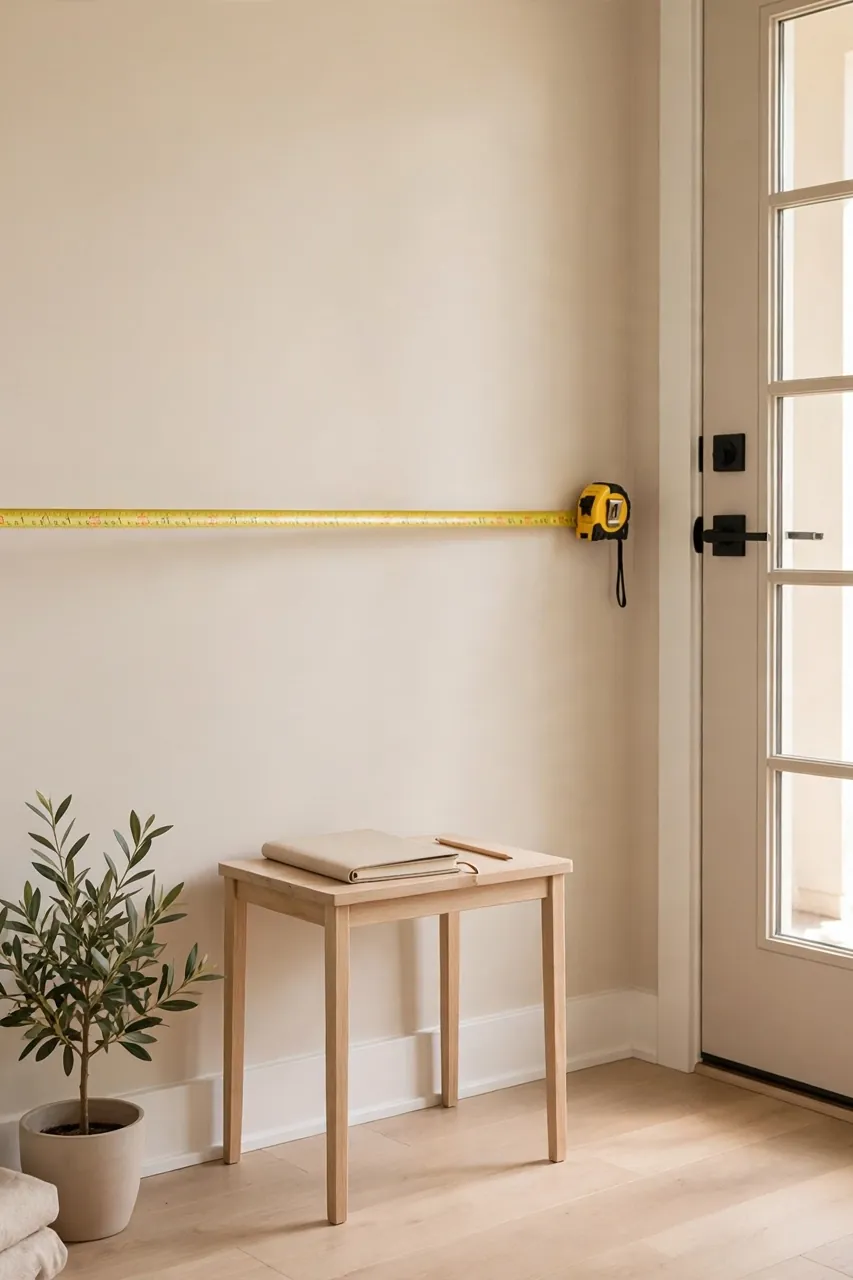
Before buying anything, take ten minutes to study your space. Walk through it slowly and notice where clutter naturally piles up. Measuring first saves you from purchasing furniture that blocks the door or crowds the walkway. A clear plan makes every later step easier and cheaper.
- Measure the width of your entryway and note how far the door swings open.
- List the items you drop daily, like keys, shoes, bags, and mail.
- Check wall space above light switches and beside the door frame.
- Photograph the space so you can plan storage without standing in it.
Use Wall-Mounted Hooks
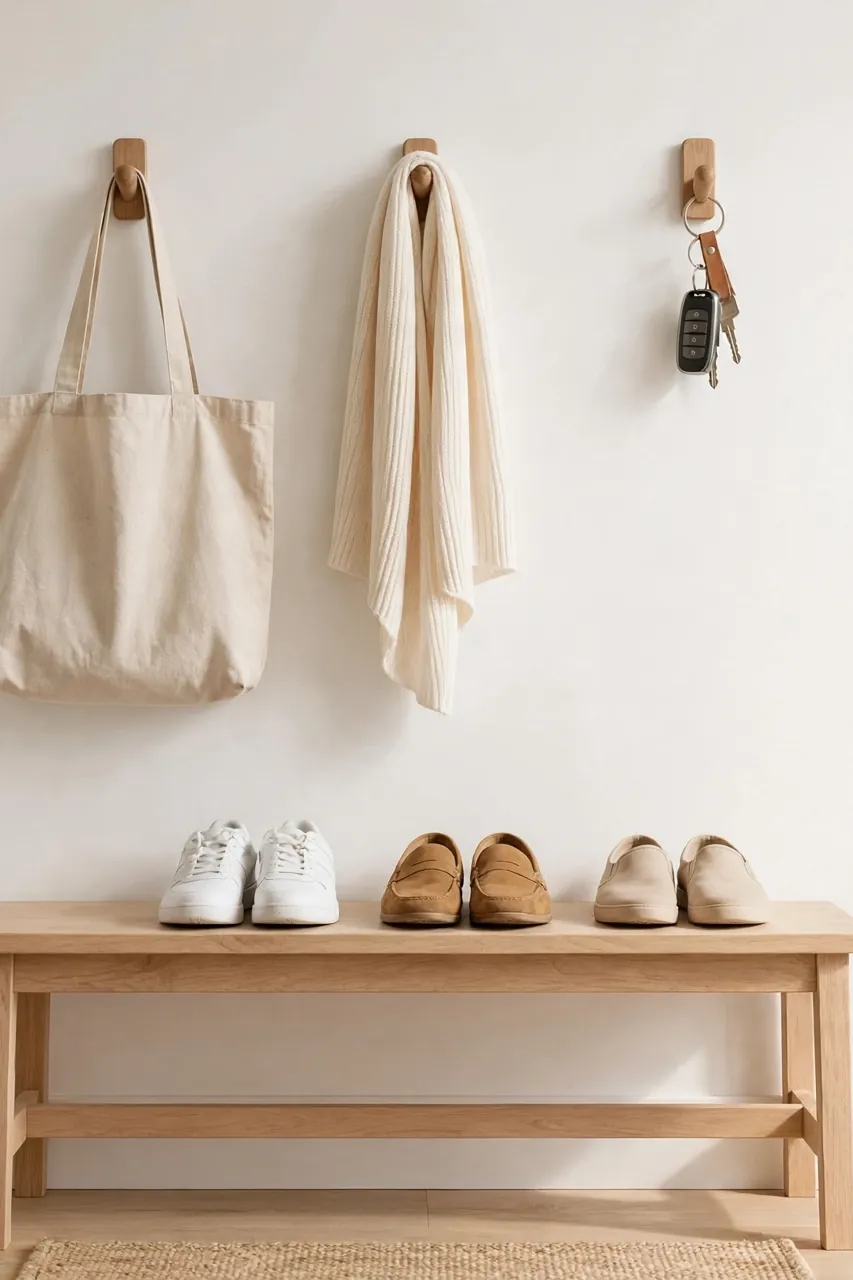
Quick Tip: Mount hooks at two heights, one for adults and one low for kids. Staggering them keeps coats from bunching up and doubles your hanging space.
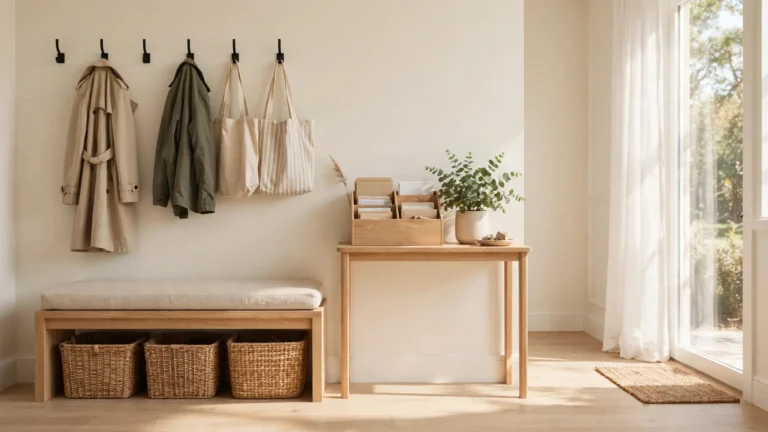
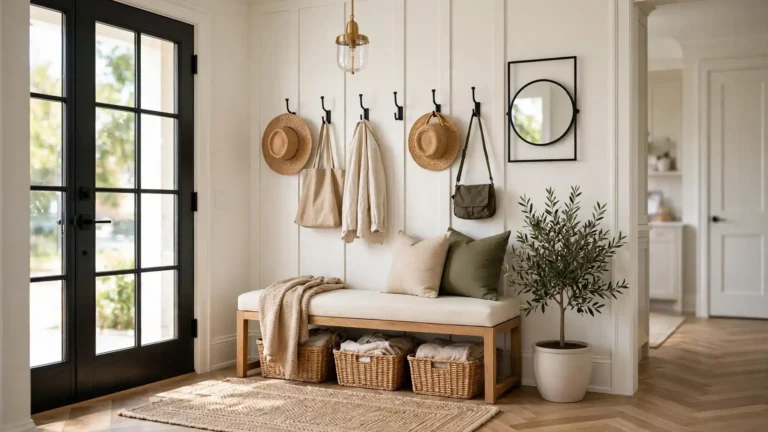
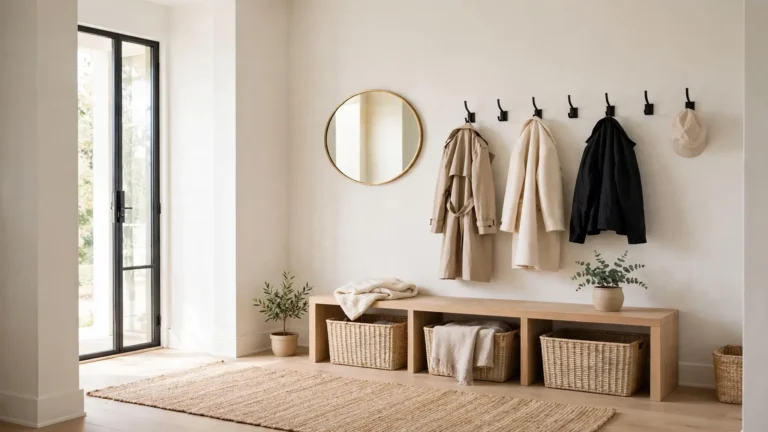
Wall hooks are the single cheapest storage upgrade for a small entryway. A row of three sturdy hooks can hold a week of coats, bags, and scarves without touching the floor. Choose hooks rated for real weight and anchor them into studs or use heavy duty wall anchors.
Add a Slim Console
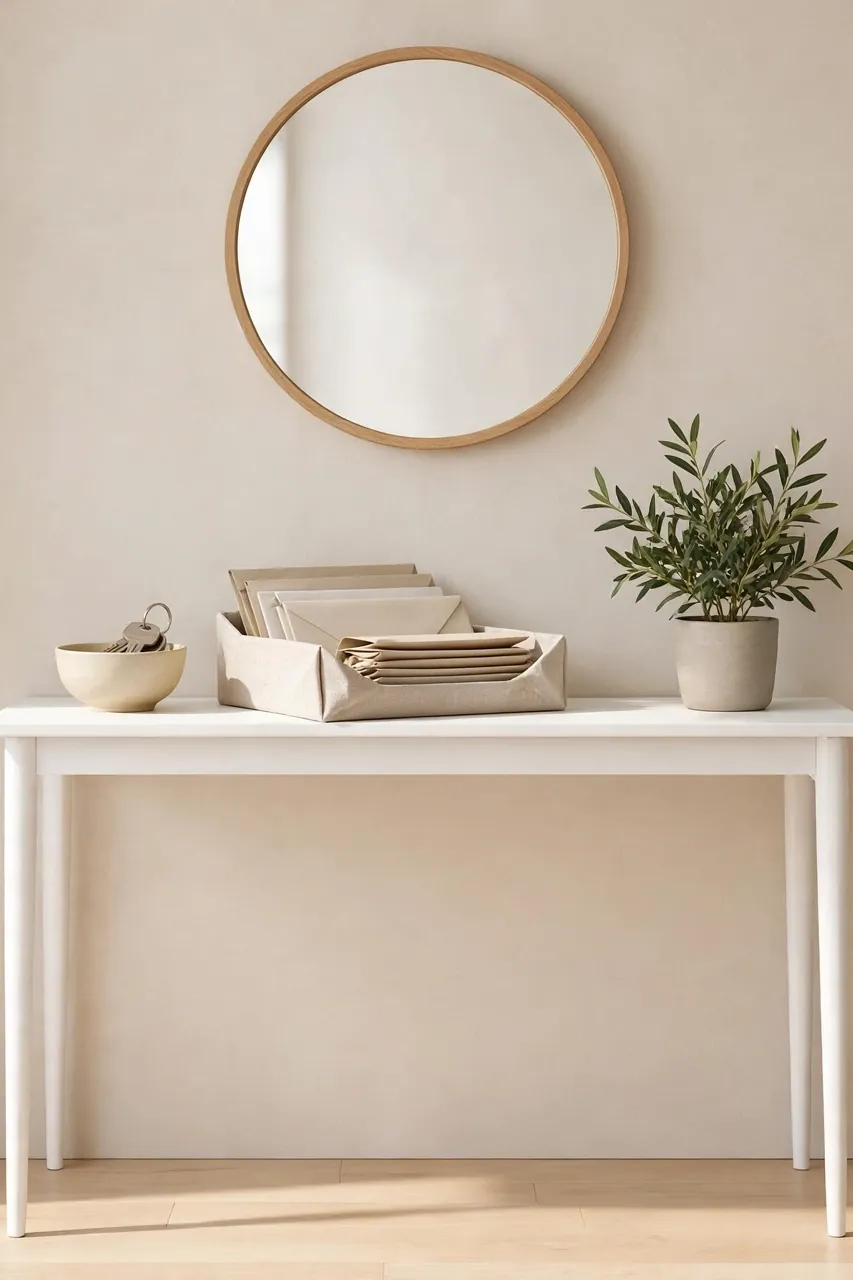
Common Mistake: Most people buy a console table that is too deep for their entryway. A twelve inch deep table in a narrow hall blocks the walkway and makes the space feel even smaller.
The Fix: Choose a console no deeper than eight to ten inches for tight spaces. Look for wall mounted floating consoles that keep the floor completely clear underneath.
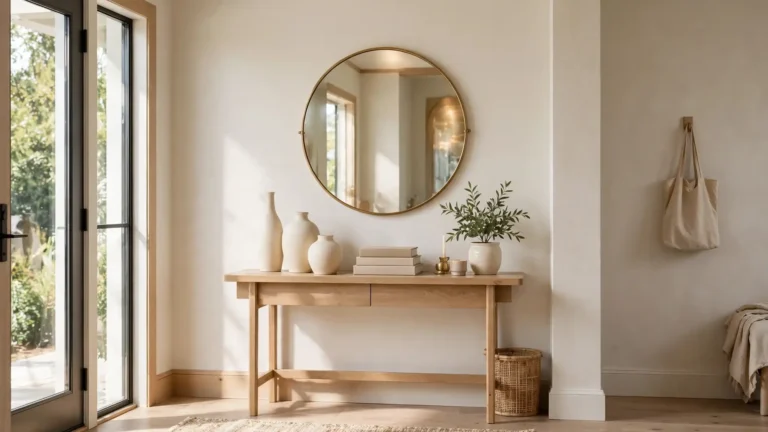
A slim console gives you a landing spot for keys, mail, and sunglasses without eating your walkway. The surface catches daily essentials while the open shelf below holds baskets for gloves or dog leashes. Keep the top styled simply so it stays functional, not cluttered.
Try Over-Door Organizers
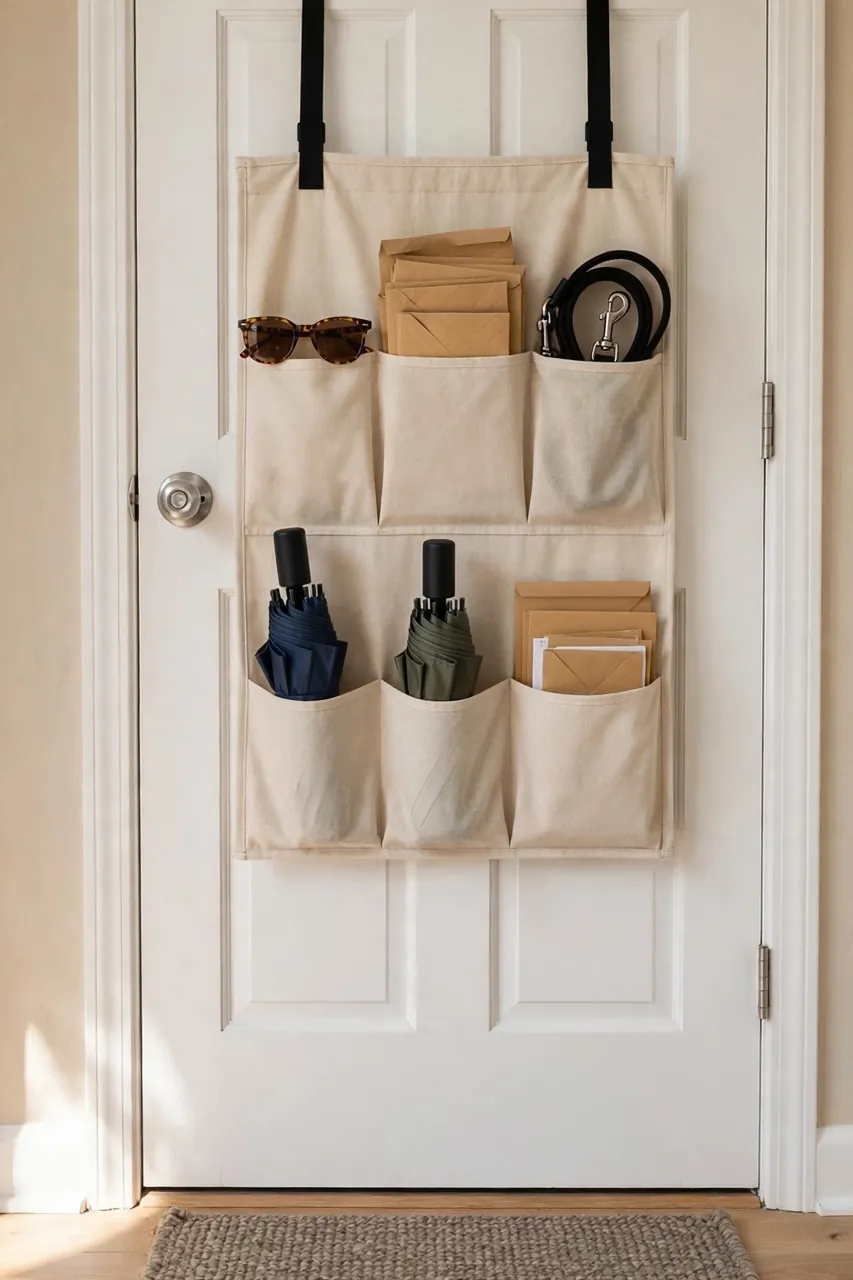
What You Need:
- Over the door hooks: sturdy metal hooks that slide over the door top without screws.
- Fabric pocket organizer: hanging pockets that sort mail, sunglasses, and small items.
- Door mounted mirror: a slim mirror that adds function without drilling into walls.
- Adhesive door rack: a lightweight rack for scarves and reusable bags.
The back of your entry door is hidden storage most people ignore. An over door organizer adds pockets and hooks without a single screw, which renters love. Use it for grab and go items like umbrellas, reusable bags, and pet supplies so mornings run smoother.
Corral Shoes Smartly
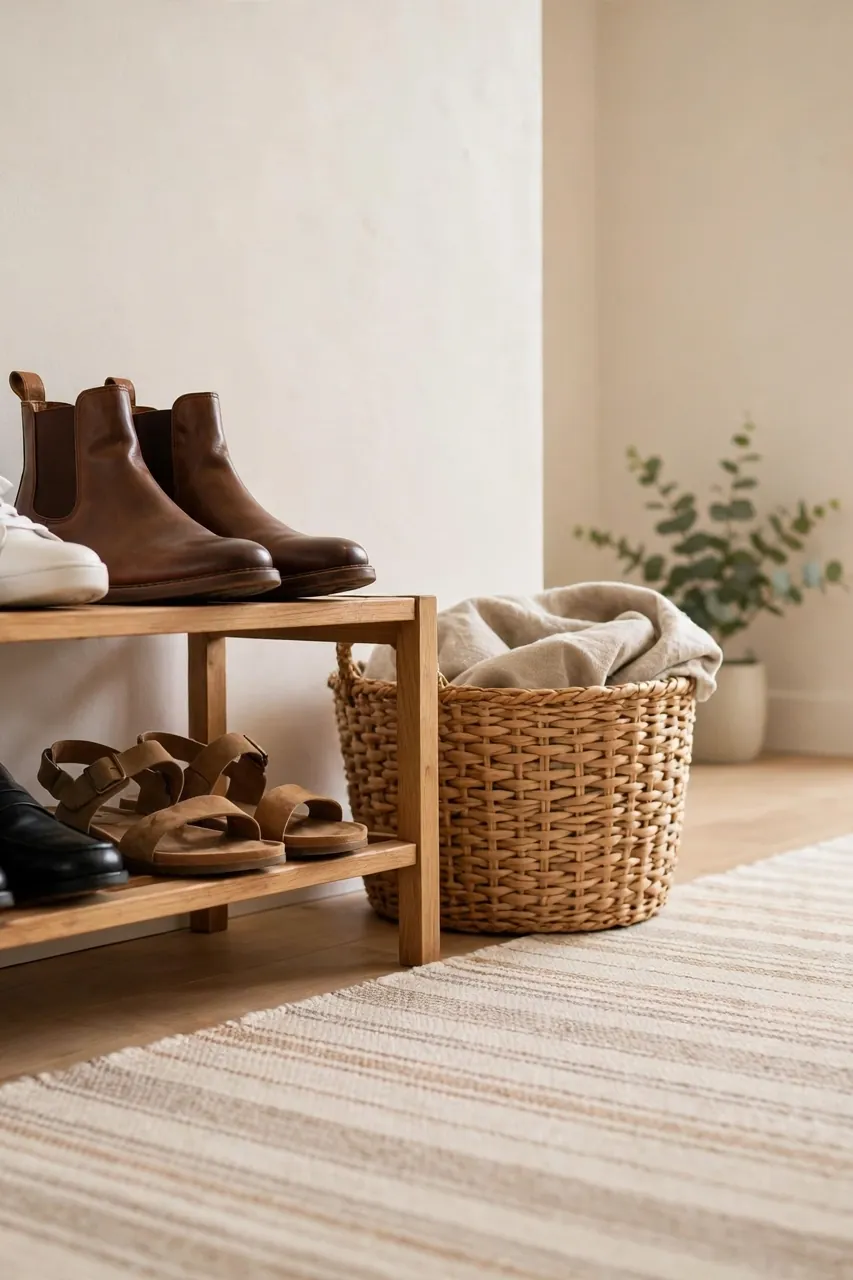
Before: Shoes scattered across the entryway floor create a tripping hazard and make the whole space look messy. Guests step over sneakers and boots just to reach your door.
After: A slim two tier rack lines shoes up neatly against the wall. The floor stays clear, the entry feels twice as big, and every pair has a home.
Shoes are the fastest way a small entryway turns chaotic, so give them a strict system. A narrow rack or a low bench with cubbies keeps pairs off the floor. Learning how to add storage to a small entryway always starts with taming shoes, since they eat the most floor space.
Go Vertical With Shelves
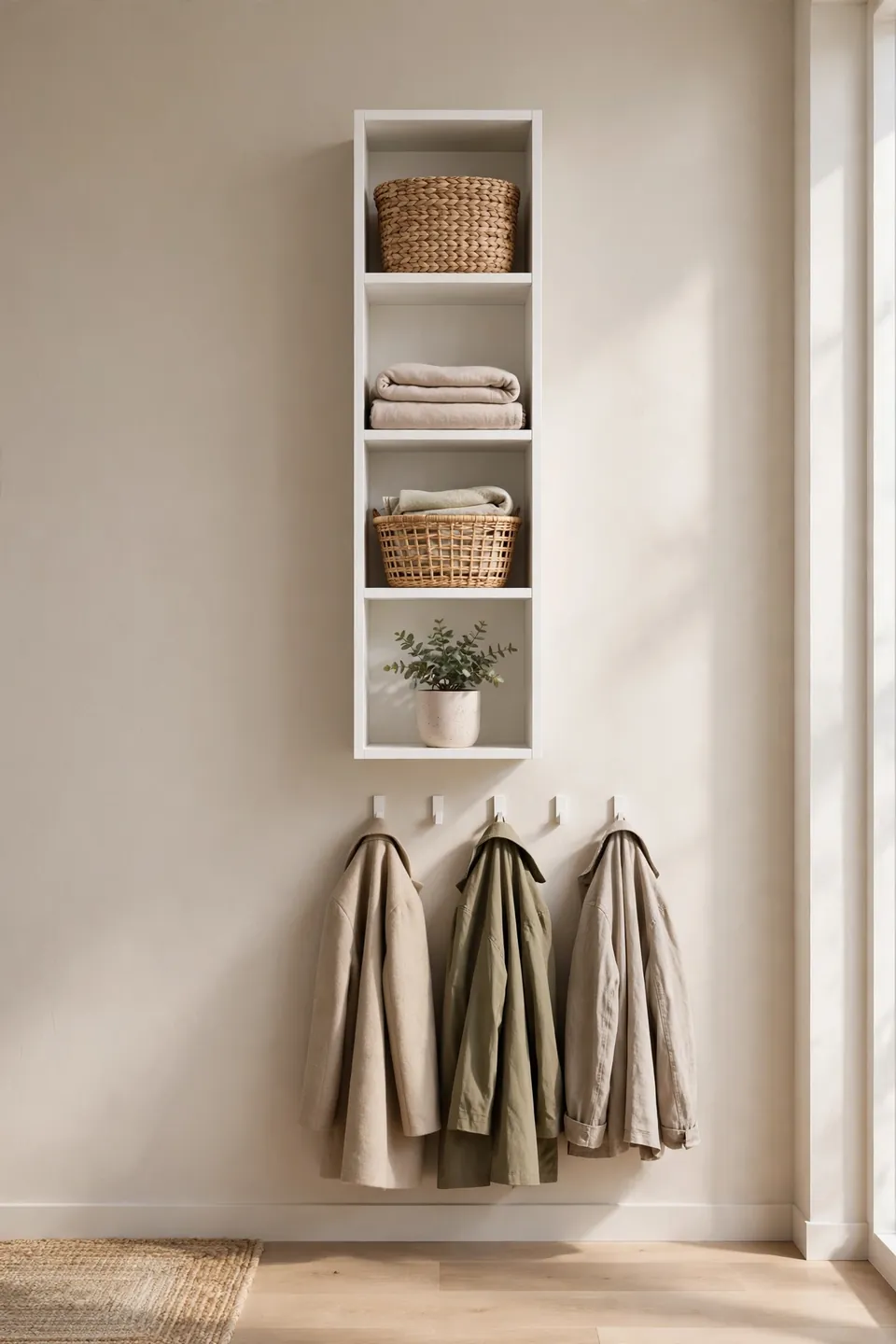
Do This:
- Do This: Install one floating shelf above the hooks for baskets and decor.
- Do This: Use the top shelf for off season items you rarely grab.
- Do This: Keep a small plant or photo on the shelf for warmth.
Avoid This:
- Avoid This: Stacking shelves so low that tall guests bump their heads.
- Avoid This: Overloading shelves until they bow or pull from the wall.
- Avoid This: Placing heavy items on shelves rated for light decor only.
Vertical space is free real estate in a small entryway. One or two floating shelves above your hooks can hold baskets, seasonal gear, and decor without touching the floor. Keep them styled lightly so the entry feels open, not like a storage closet, at a glance.
Readers tackling tight connecting spaces should also see how to make a narrow hallway look wider for ideas that pair well with these entryway tricks.
Hide Clutter in Baskets
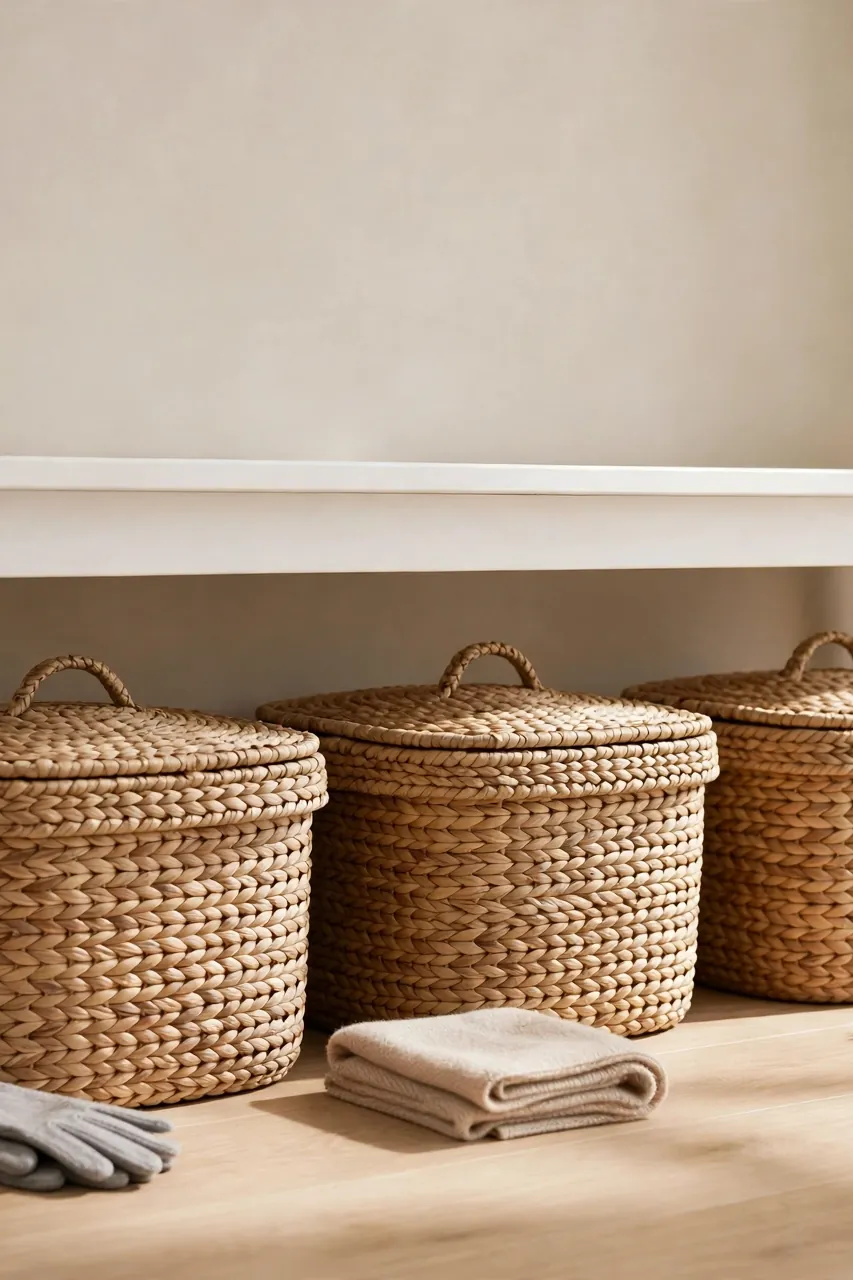
Time Needed: 20 minutes to sort and fill | Difficulty: Easy, no tools required | Cost: Low, baskets run five to twenty dollars | Best For: gloves, scarves, pet gear, and mail
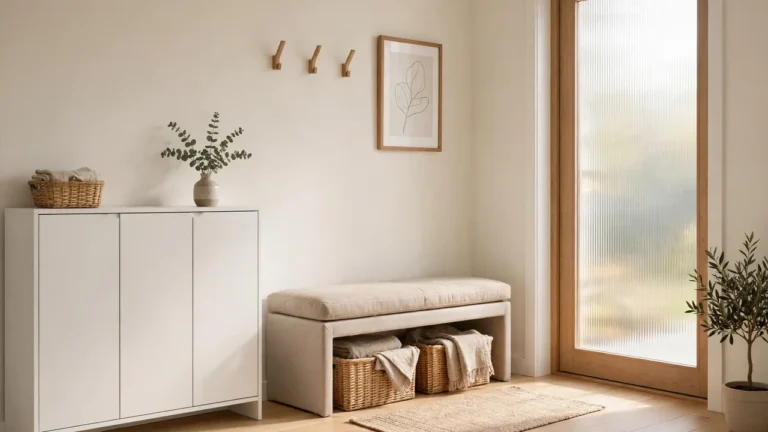
Baskets hide the messy reality of daily life behind a pretty face. Toss gloves, scarves, pet toys, and spare masks inside and close the lid. Label each basket so family members return items to the right spot instead of piling them on the floor every time.
Common Entryway Storage Mistakes
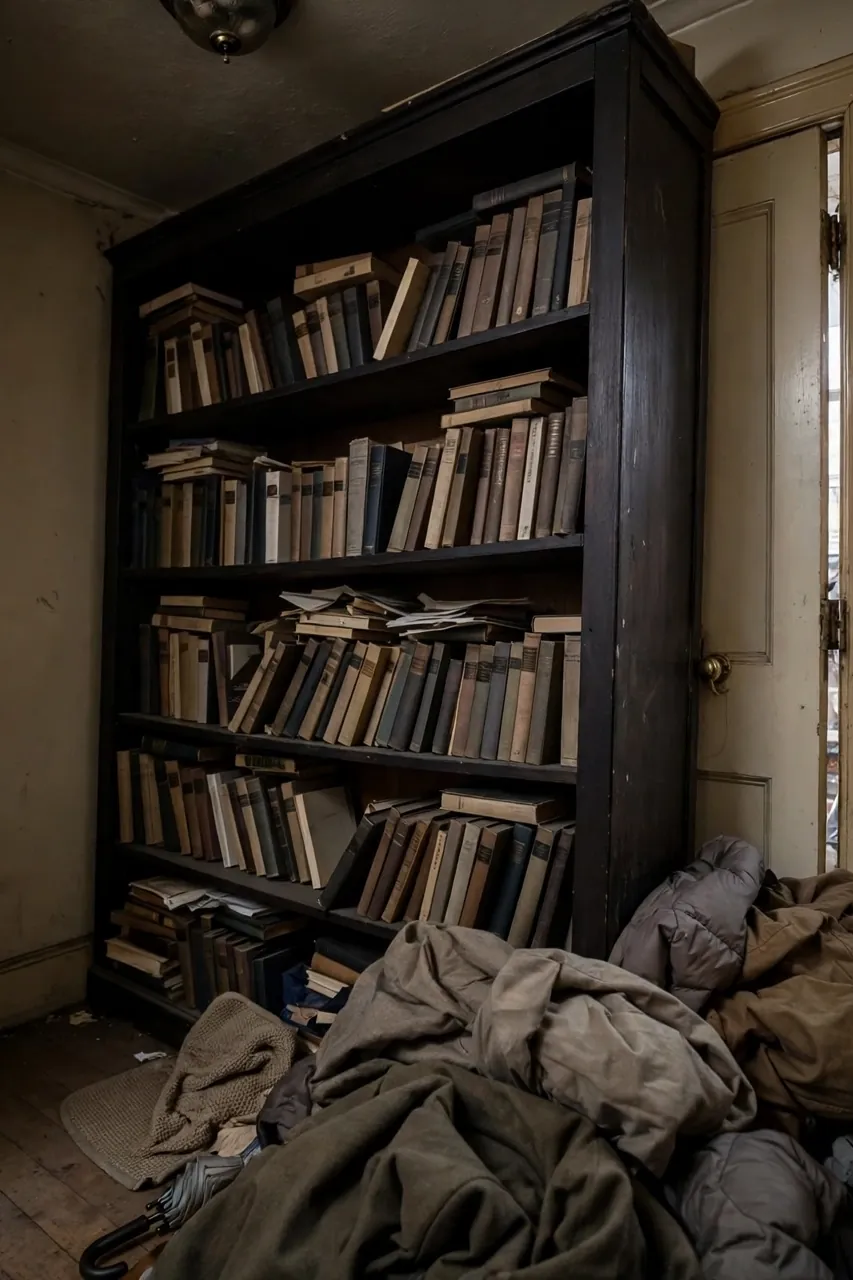
The biggest mistake is buying furniture before measuring. An oversized bench or deep shelf can block the door swing and make a small entry feel like a closet. Another common error is adding open storage for everything, which just displays your clutter instead of hiding it.
Skipping labels is another quiet killer. Without labels, baskets become junk drawers and family members stop putting things back. Take an honest look at your entry and fix the one mistake that bothers you most first, since small changes here pay off every single day.
Pro Tips for Tidy Entryways
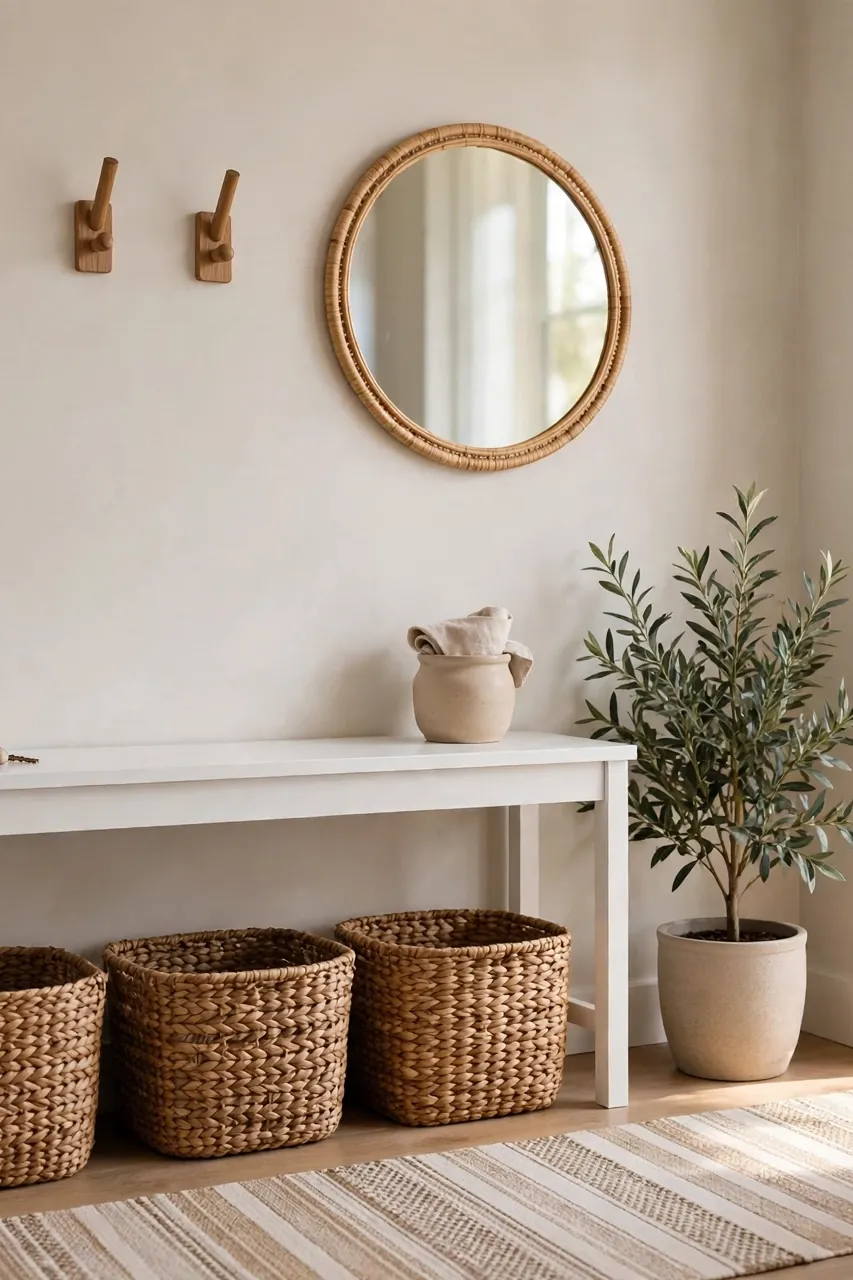
These final tips keep your entryway tidy long after the initial setup. Small daily habits matter more than any single purchase. Build a routine that takes less than five minutes and your entry will stay welcoming. Start with the habit that feels easiest to keep.
- Do a sixty second reset each evening, returning stray items to their spots.
- Rotate seasonal gear in and out so only current items take up space.
- Keep a small donation bag by the door for outgrown coats and shoes.
- Wipe hooks and shelves monthly so dust never builds up unnoticed.
Conclusion
A small entryway can work just as hard as a big mudroom when every inch has a purpose. Learning how to add storage to a small entryway gives you calmer mornings, a tidier home, and a warmer welcome for guests. Start with hooks and baskets today, then add shelves and a slim console as you go. Save this guide on Pinterest so you can find it when you are ready to shop. I have seen how one organized entryway can change the feel of an entire home, and yours can be next.
One Comment