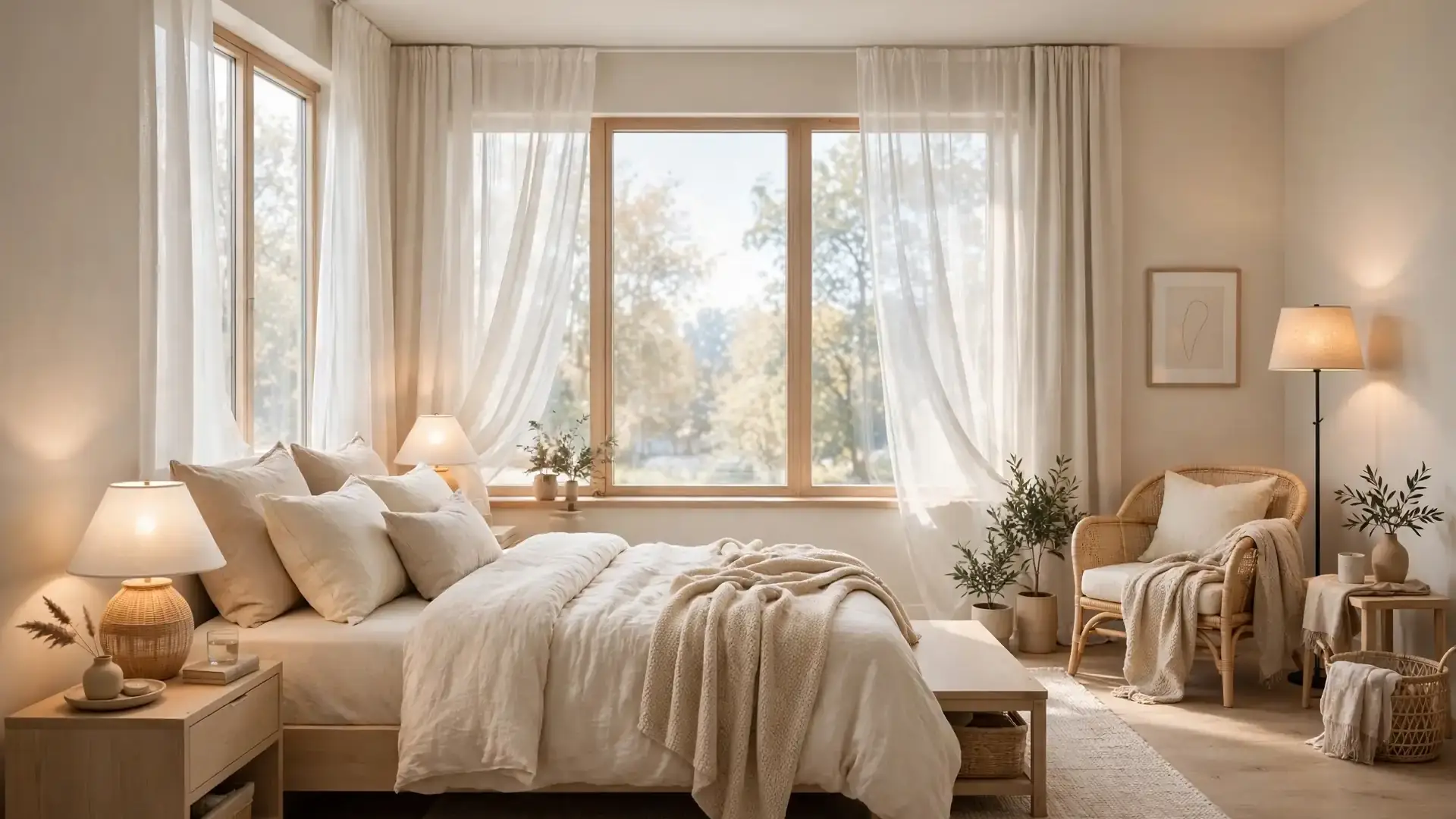
23 Cozy Bedroom Layouts for a Blissful, Inviting Space
Nothing restores you like a bedroom that wraps you in calm the moment you walk in. The secret is not expensive furniture but cozy bedroom layouts that guide how you move, rest, and unwind. A thoughtful arrangement turns even a boxy rental room into a snug retreat where every corner earns its place. Most people push the bed against the biggest wall and call it done, yet small shifts in placement change everything about how restful a room feels. In my experience, comfort comes from flow: clear paths, soft zones, and furniture that faces what you love. The 23 layouts below work in real bedrooms of every size. Each one is simple to try this weekend.
Last spring I spent a Saturday sliding my dresser six inches and angling my reading chair toward the window. That tiny change made mornings feel slower and evenings feel softer. If you love gentle color with your new arrangement, my dusty pink bedroom ideas pair beautifully with these layouts. Layout first, color second, always.
Below you will find 23 tested arrangements, from window beds to curtain-divided zones. Pick the one that matches your room’s shape and try it before buying anything new.
Bed Under Window
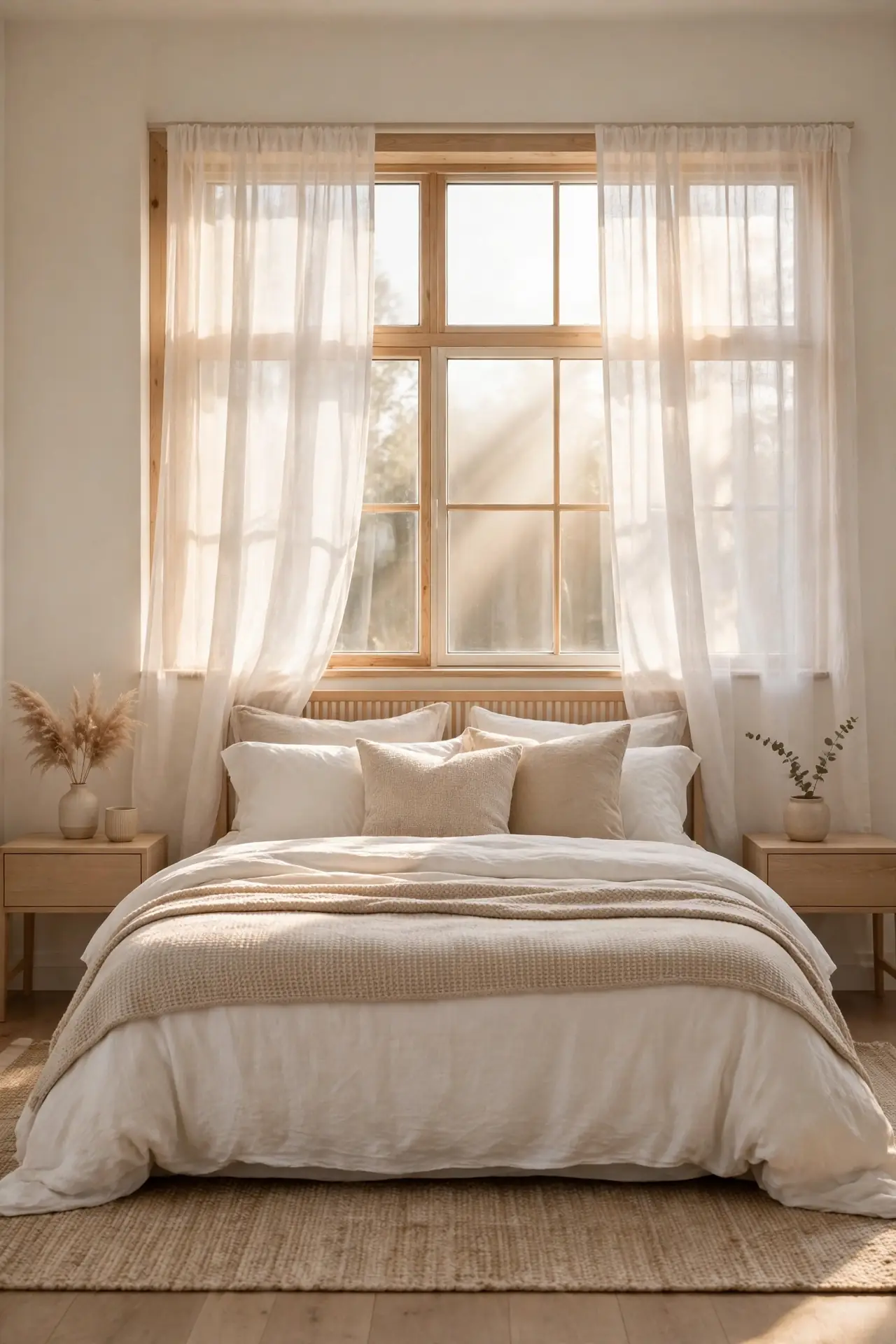
Morning light is the kindest alarm clock ever invented. Sliding the bed beneath the window lets you wake to soft daylight instead of a blaring phone. The window becomes a natural headboard, framing the bed with sky and trees. Keep the sill clear so breezes reach you on warm nights.
Sheers are essential here, filtering glare while preserving the view. Choose a low headboard or none at all so sightlines stay open. In my experience, this placement makes small rooms feel twice as large. Leave six inches between bed and wall for curtain movement.
Corner Sleep Nook

- Push the bed into the corner so two walls hug the mattress. The enclosed feeling reads as safety, which helps light sleepers relax.
- Place one nightstand on the open side only. A wall-mounted shelf on the other side saves floor space.
- Drape a curtain from the ceiling to close the nook at night. The fabric cocoon deepens the sense of shelter.
- Keep the palette warm and low-contrast inside the nook. Soft tones enhance the tucked-in feeling.
Corner placement frees the rest of the room for living space. I have seen this work well in many cases where studio apartments need distinct zones. The bed becomes a destination rather than an obstacle. Add a small rug to mark the nook’s edge. This small zone encourages rest the moment you enter it.
Floating Night Ledges
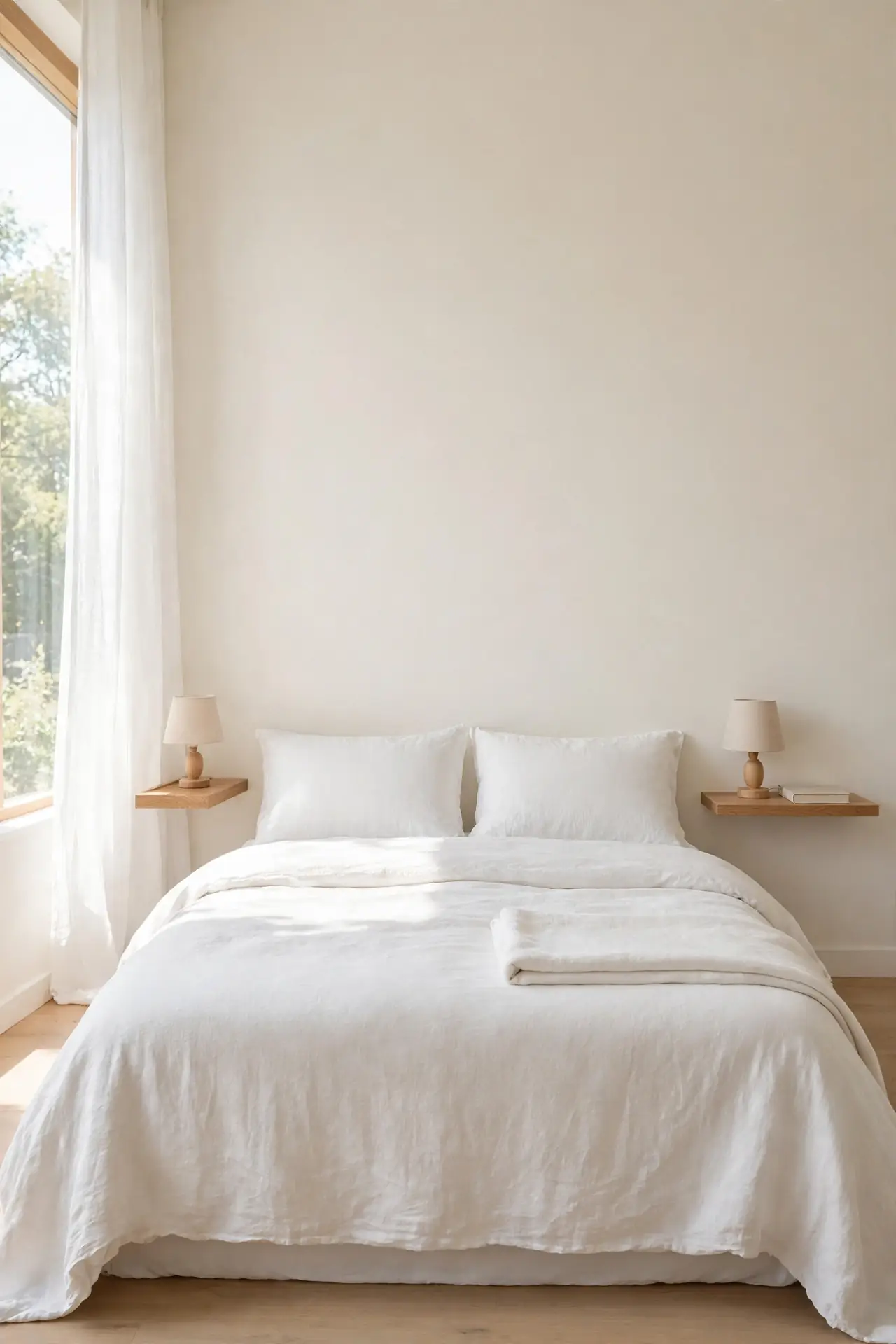
Quick Tip: Swap bulky nightstands for floating oak ledges mounted exactly at mattress height for easy reach. Each ledge comfortably holds a lamp, a book, and a glass of water with zero floor footprint. Choose ledges twelve inches deep so nothing wobbles, and mount them with hidden brackets for a clean look.
Floating ledges suit narrow bedrooms where every inch matters. The wall stays visually light, which tricks the eye into seeing more space. Style each ledge with just three items to avoid clutter. Tuck charging cables behind the ledge with adhesive clips. The bed wall gains breathing room instantly.
Rug Anchored Zone
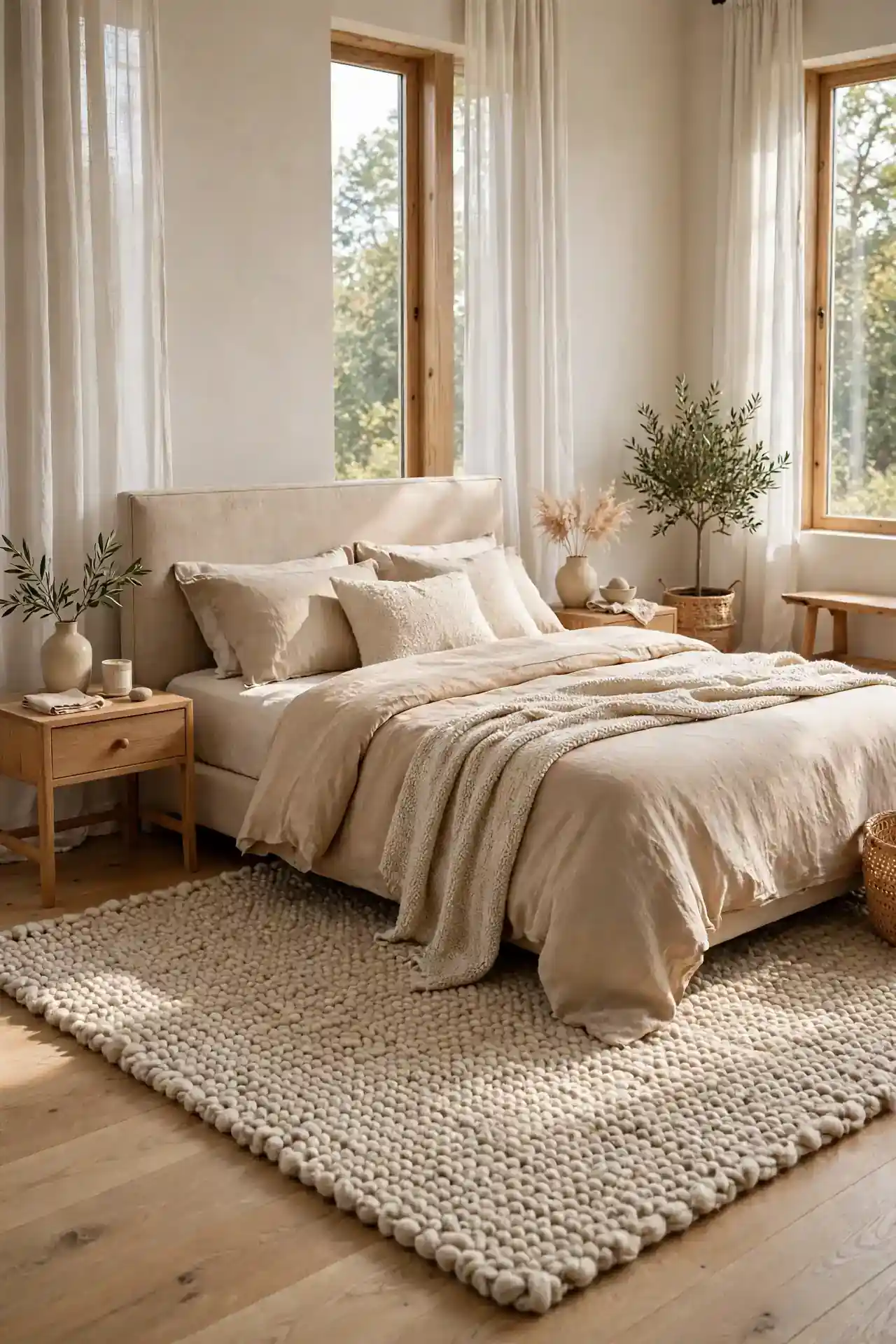
BEFORE: The bed floated in the middle of bare wood floors with furniture scattered around it. Nothing connected the pieces, so the room felt like a furniture warehouse.
AFTER: A large wool rug slides under the bed’s front two-thirds, instantly gathering every piece into one composition. Nightstands sit half on the rug, and the whole arrangement reads as intentional.
Rugs define zones without walls, which makes them perfect for open bedrooms. Size the rug so it extends eighteen inches beyond each side of the bed. I have noticed low-pile weaves clean easier and still feel soft underfoot. Choose warm neutrals to keep the coziness calm.
Reading Chair Corner
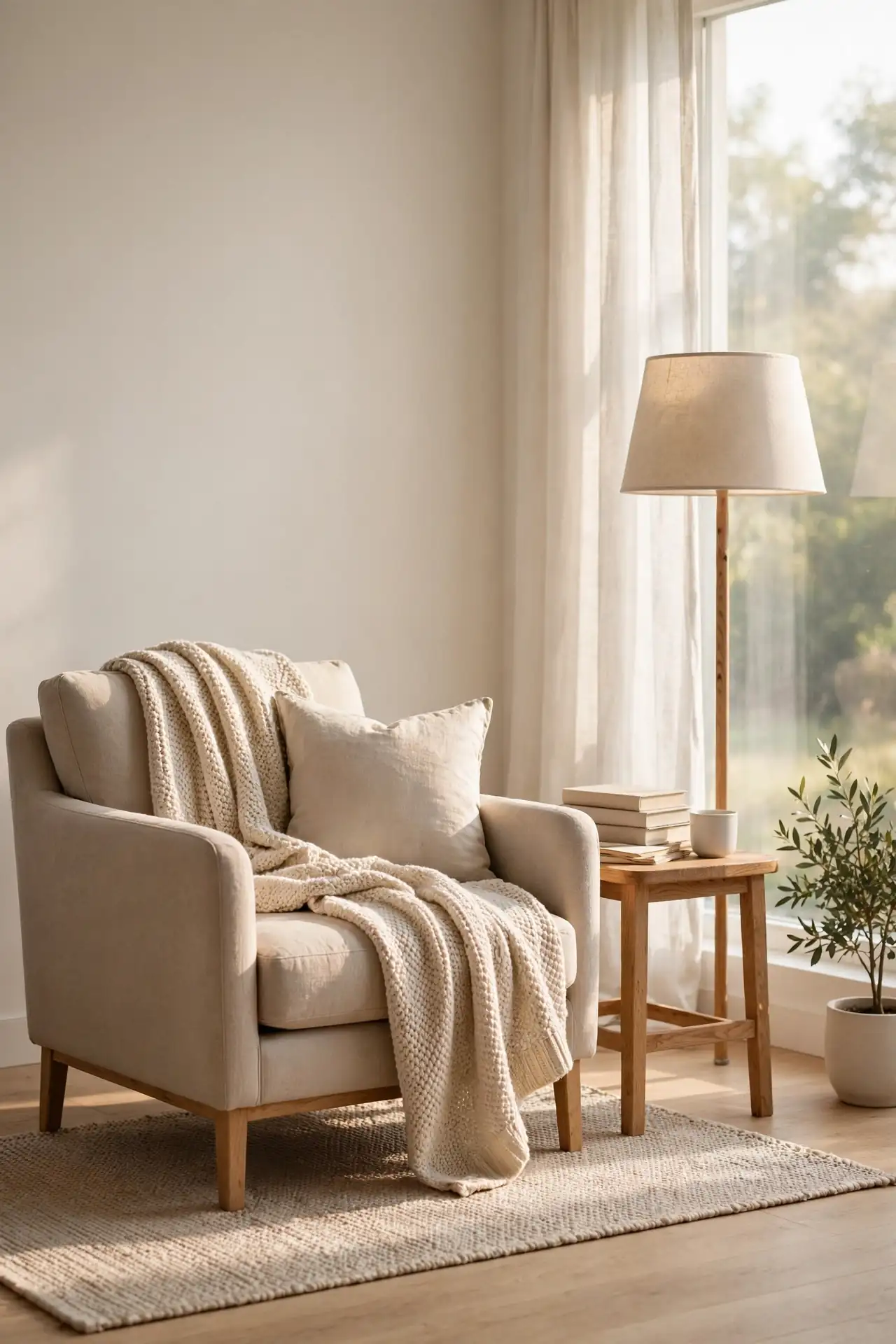
- Pick the corner with the best natural light, ideally near a window.
- Angle a comfortable armchair at forty-five degrees to the walls.
- Add a small side table for tea and a floor lamp behind the chair.
- Drape a knit throw over one arm and add a lumbar pillow.
- Place a small basket beside the chair for books and magazines.
A reading corner gives the bedroom a second purpose beyond sleep. The angled chair invites lingering in a way flat walls never do. Keep the corner’s palette slightly warmer than the bed zone. This little retreat becomes everyone’s favorite spot. Even ten quiet minutes there reset a busy day.
Fireplace Focal Point
| Feature | Electric Fireplace | Ethanol Fireplace |
| Warmth | Heats up to 400 square feet | Gentle decorative warmth only |
| Installation | Plugs into any standard outlet | Needs no vent or chimney at all |
| Cost | Two hundred to five hundred dollars | Three hundred to eight hundred dollars |
| Safety | Cool-touch glass, child friendly | Real flame needing careful placement |
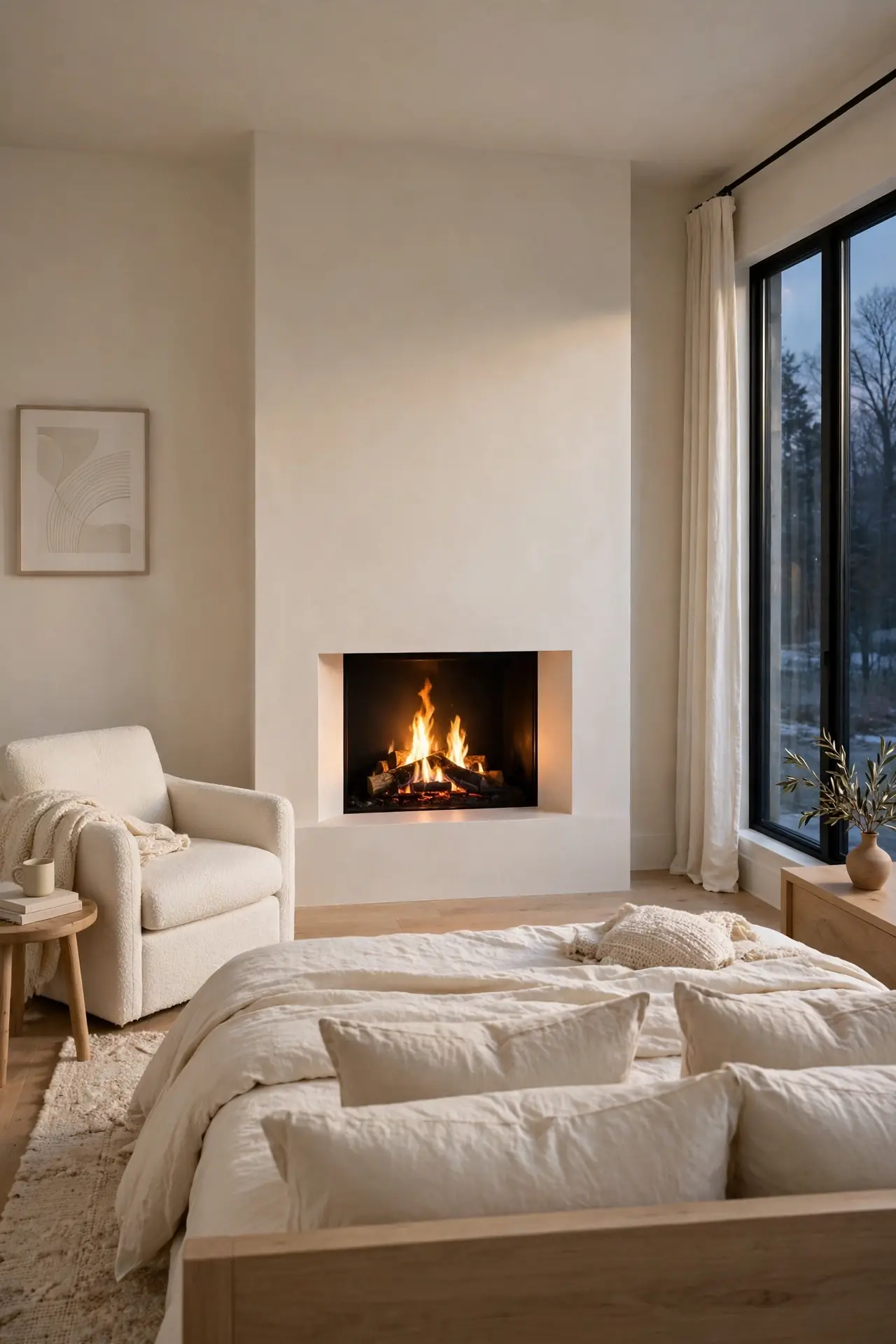
A fireplace turns the bed to face warmth instead of a blank wall. Position seating to enjoy the flames from both bed and chair. Electric models suit rentals since they need no venting. The flicker adds movement that stills the mind before sleep. Keep the mantel styling simple so the flame stays the star.
Canopy Drape Layout
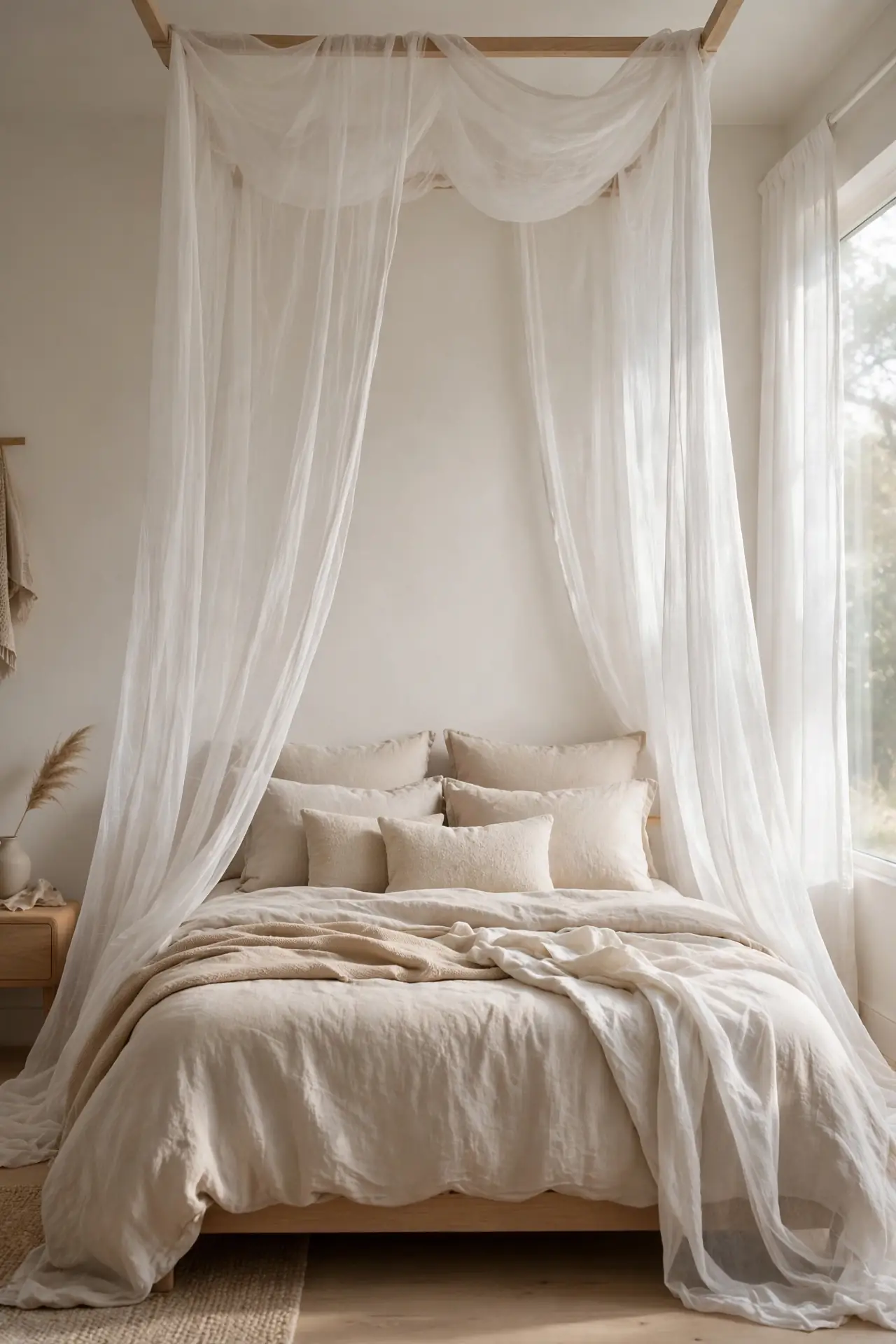
DO: Mount ceiling hooks in a rectangle wider than the bed.
DO: Hang gauzy linen panels that puddle slightly on the floor.
DO: Leave the foot end open for easy bed-making.
DON’T: Use heavy velvet that blocks airflow and light.
DON’T: Hang drapes where they touch lamp bulbs.
DON’T: Skip washing the panels twice a year.
Canopy drapes turn any bed into a room within a room. The fabric softens hard corners and muffles sound beautifully. Sheer linen keeps the look breezy rather than heavy. This layout suits romantics who crave a daily escape. Tie panels back with linen sashes during the day for an open feel.
Low Platform Style
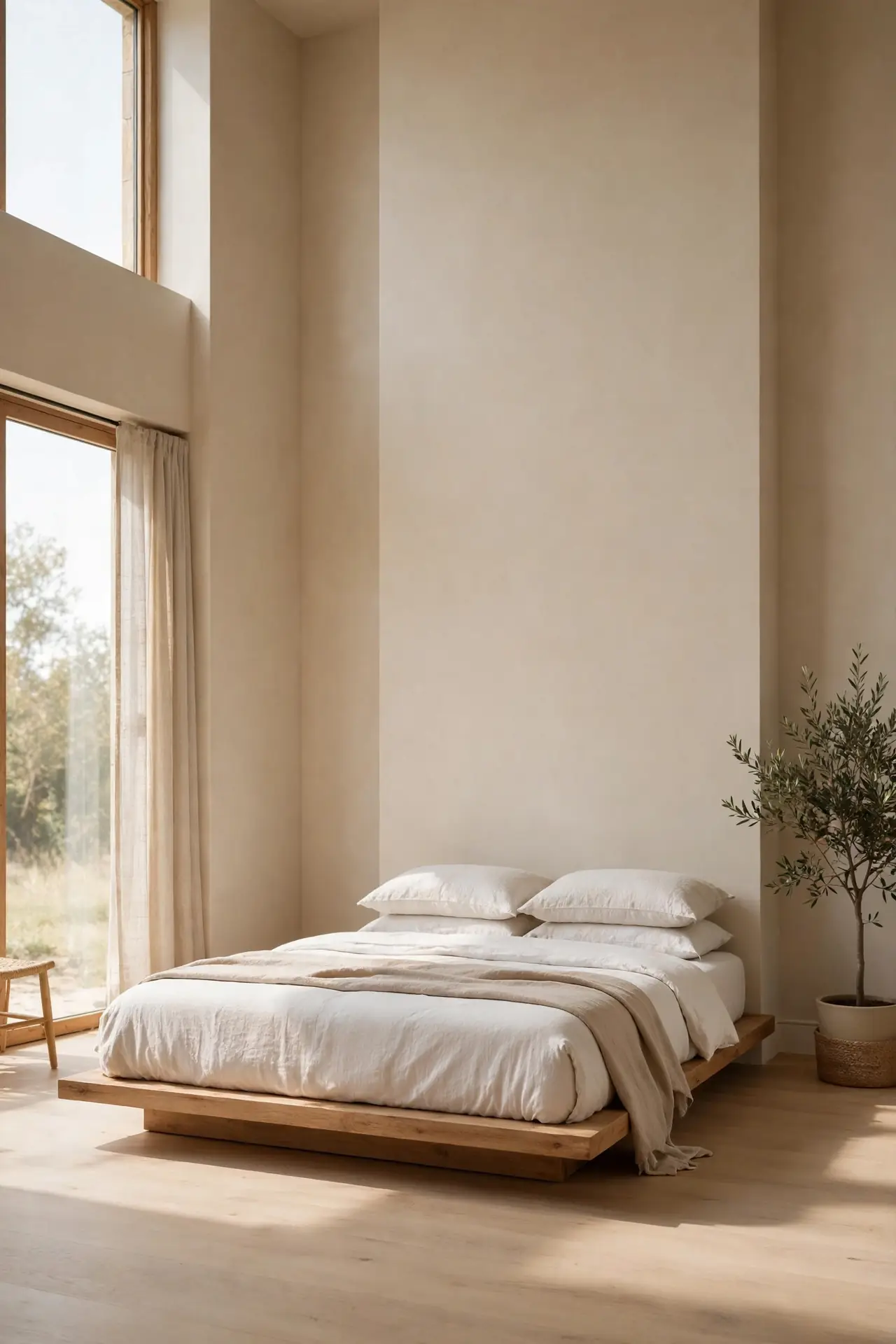
Cost: Two hundred to six hundred dollars for a solid wood platform frame. Time: One afternoon to assemble with basic tools. Skill Level: Beginner, since most frames use simple bolt-together parts. Best For: Minimalist rooms and low ceilings craving calm. Works In: Bedrooms with eight-foot ceilings or lower. Result: A calm, grounded room with taller-feeling ceilings.
Low beds change the room’s whole proportion for the better. The lowered sightline makes ceilings feel taller and windows feel grander. Keep bedding simple so the platform’s clean lines show. I have noticed low platforms make small rooms breathe easier. Add a thin rug beside the bed for soft landings.
Matching Lamp Symmetry

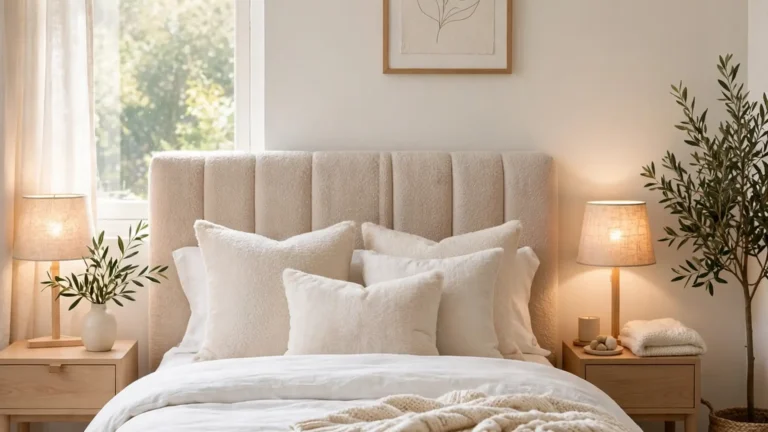
Symmetry tells your brain that everything is under control. Placing matching lamps on both nightstands creates a mirror image that feels instantly orderly. The balanced glow flatters the bed from both sides. Even mismatched nightstands look intentional with twin lamps. The repetition soothes restless eyes at bedtime.
Choose lamps with the same height but feel free to vary the bases. Warm bulbs matter more than expensive shades for the cozy effect. In my experience, symmetry lowers visual noise better than any decluttering spree. The room exhales. Keep cords hidden behind the nightstands for a clean finish.
Alcove Bed Fit
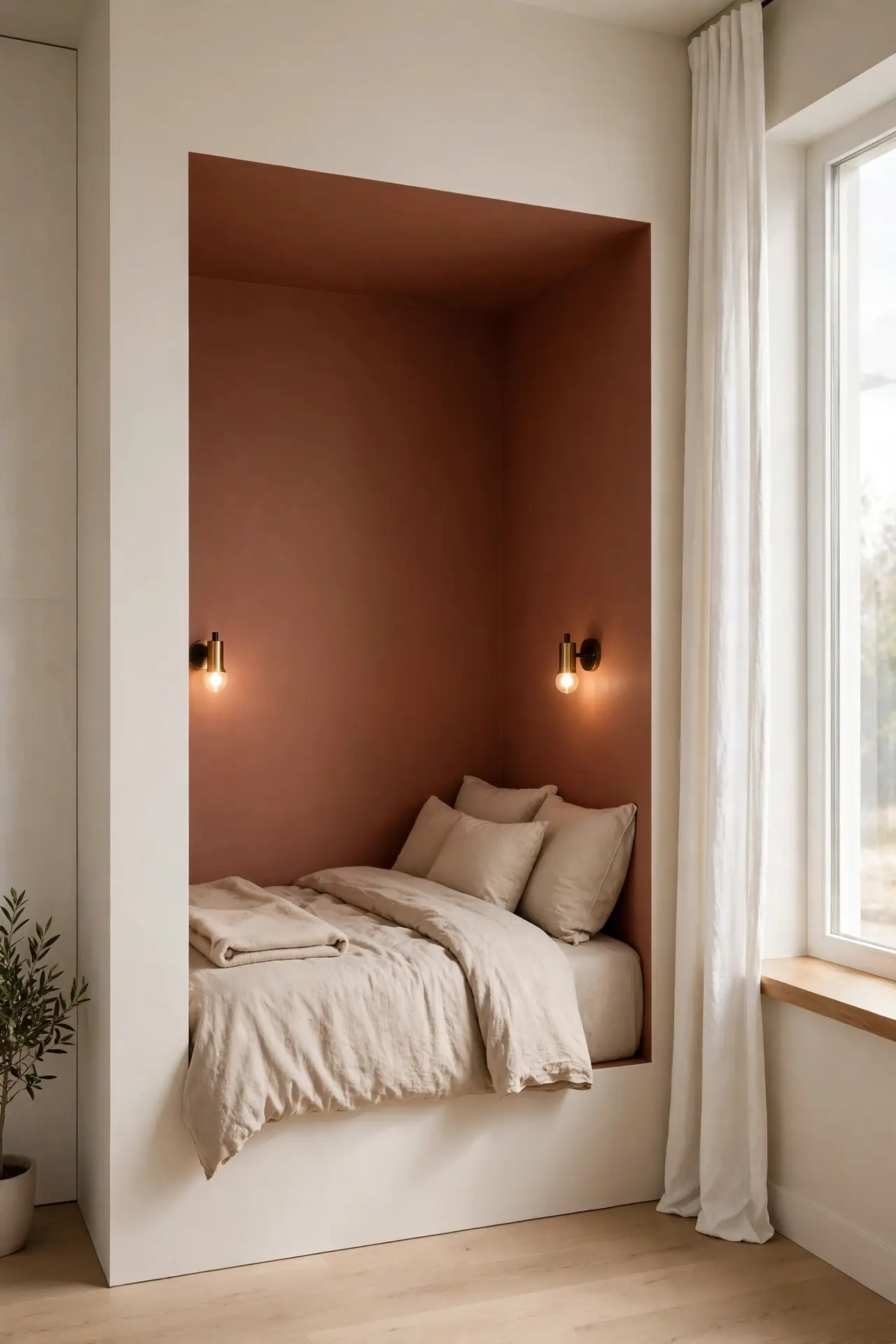
- Measure the alcove twice before ordering the bed. A two-inch gap on each side is ideal for bedding.
- Slide the bed in so the headboard wall is the alcove’s back. The side walls become natural nightstands.
- Mount sconces on the alcove’s side walls to free every surface. Hardwired sconces look cleanest.
- Paint the alcove one shade deeper than the room. The subtle contrast makes the bed recede beautifully.
Alcoves are gifts for cozy lovers, offering built-in enclosure. Treat the recess as a separate tiny room with its own lighting. Keep the bedding palette quiet so the architecture shines. This fit makes even awkward nooks feel deliberate. Add a curtain across the alcove opening for extra snugness.
Layered Lighting Zones
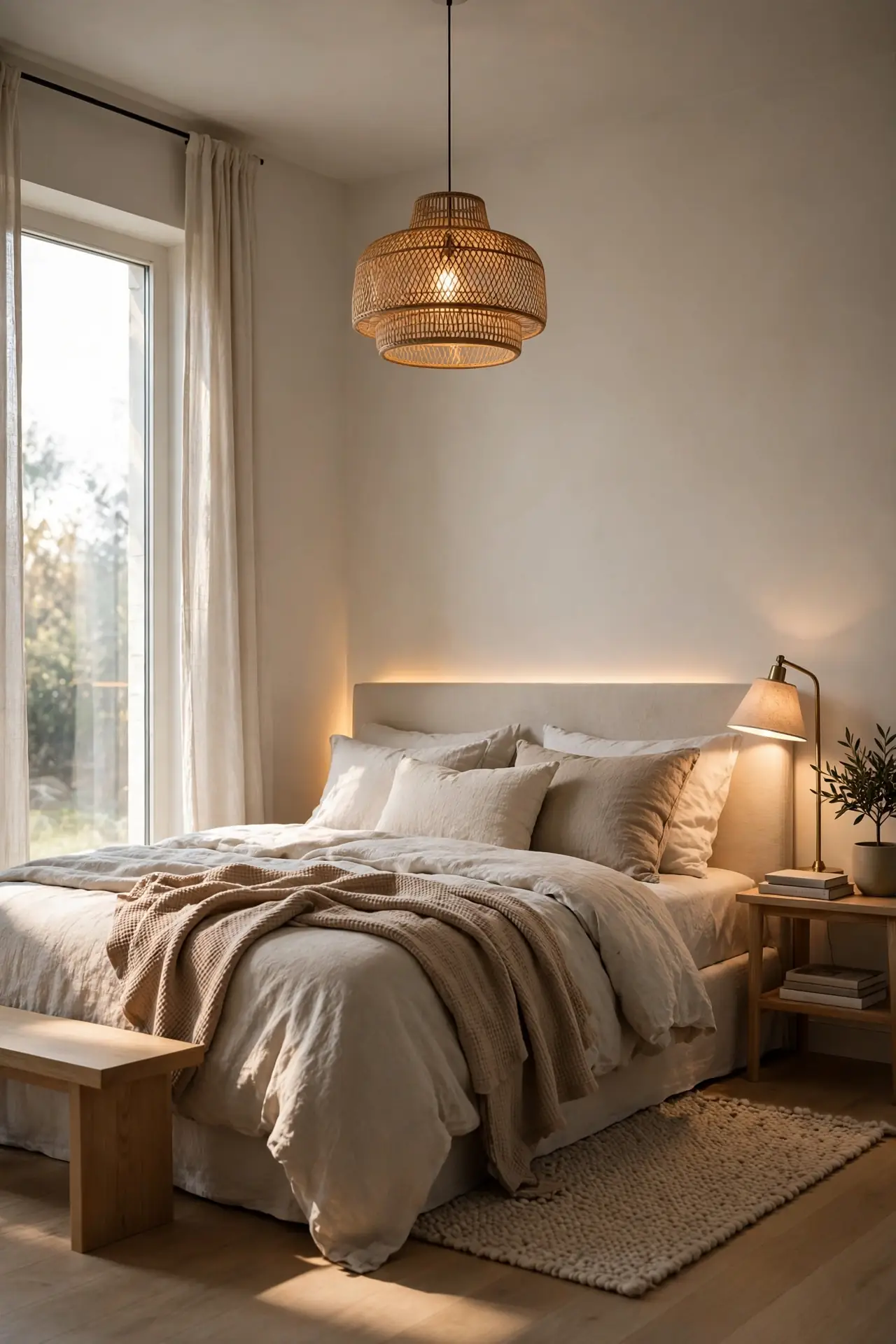
Quick Tip: Build three light layers: overhead for cleaning, task lamps for reading, and tiny accent glows for evenings. Put each layer on its own switch or smart plug. Dim the overheads after dinner and let the small glows take over. Add a motion-sensor nightlight for safe midnight trips.
Layered lighting lets one room serve many moods. Bright mornings need full light while winding down needs pools of warmth. Place accent lights low, near the floor or behind furniture. The room will feel larger and calmer at once. Smart bulbs let you switch moods without leaving the bed. Your sleep will thank you nightly.
Bench At Foot
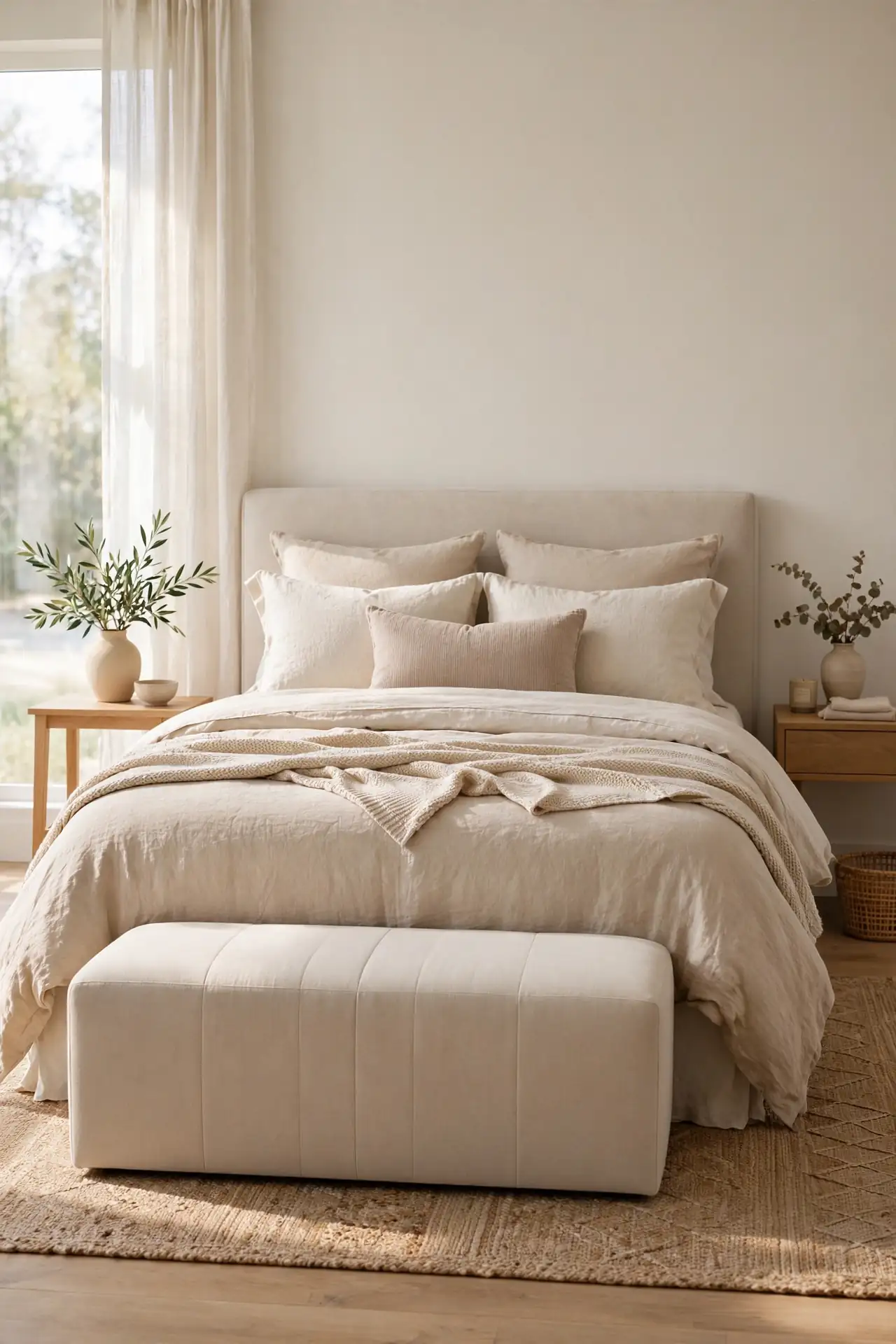
BEFORE: The foot of the bed faced empty floor that collected laundry and clutter. The room’s end felt unfinished, like a sentence without a period.
AFTER: A low upholstered bench now anchors the bed’s foot, offering seating and hidden storage. Mornings start smoother with a place to sit and tie shoes.
A bench completes the bed’s composition while adding function. Choose one with a lift-up seat for blanket storage inside. For broader snug styling beyond layouts, explore my cozy bedroom ideas for texture pairings. Keep the bench’s fabric durable for daily sitting. It grounds the whole arrangement beautifully. Guests always compliment this simple addition.
Curtain Zone Divider
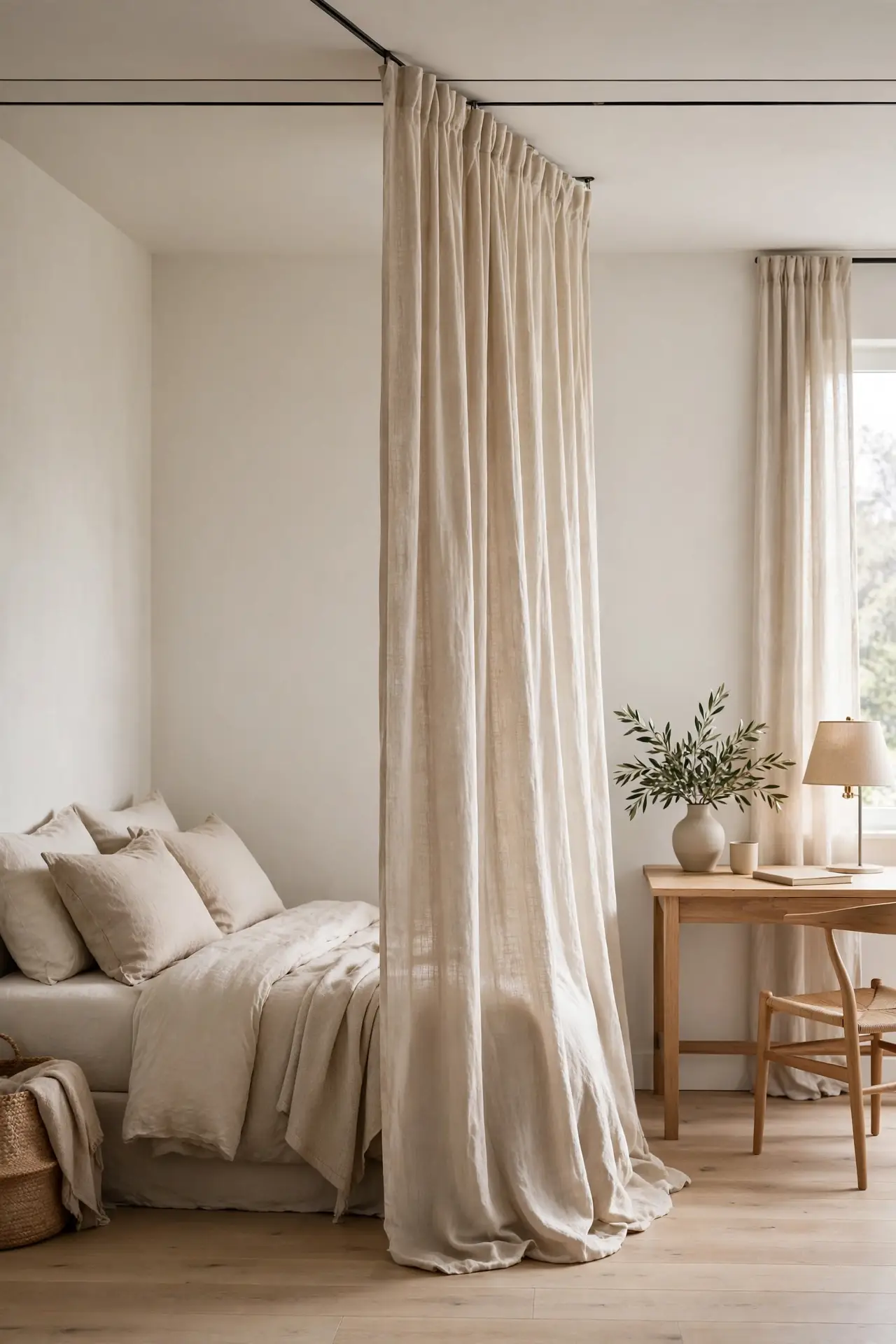
- Mount a ceiling track where you want the division.
- Hang floor-to-ceiling linen curtains in a warm neutral.
- Pull the curtain closed at night to separate sleep from work.
- Tie it back by day so the room feels open again.
- Layer two curtain panels for fuller coverage and richer texture.
Curtains divide space without construction or commitment. The soft barrier absorbs sound, which deepens the cozy feeling. Choose washable linen for easy care. This trick shines in studio apartments and shared rooms. The fabric movement adds softness that walls never can. Guests never guess the division is temporary. It is renter-friendly and fully reversible.
Round Rug Centering
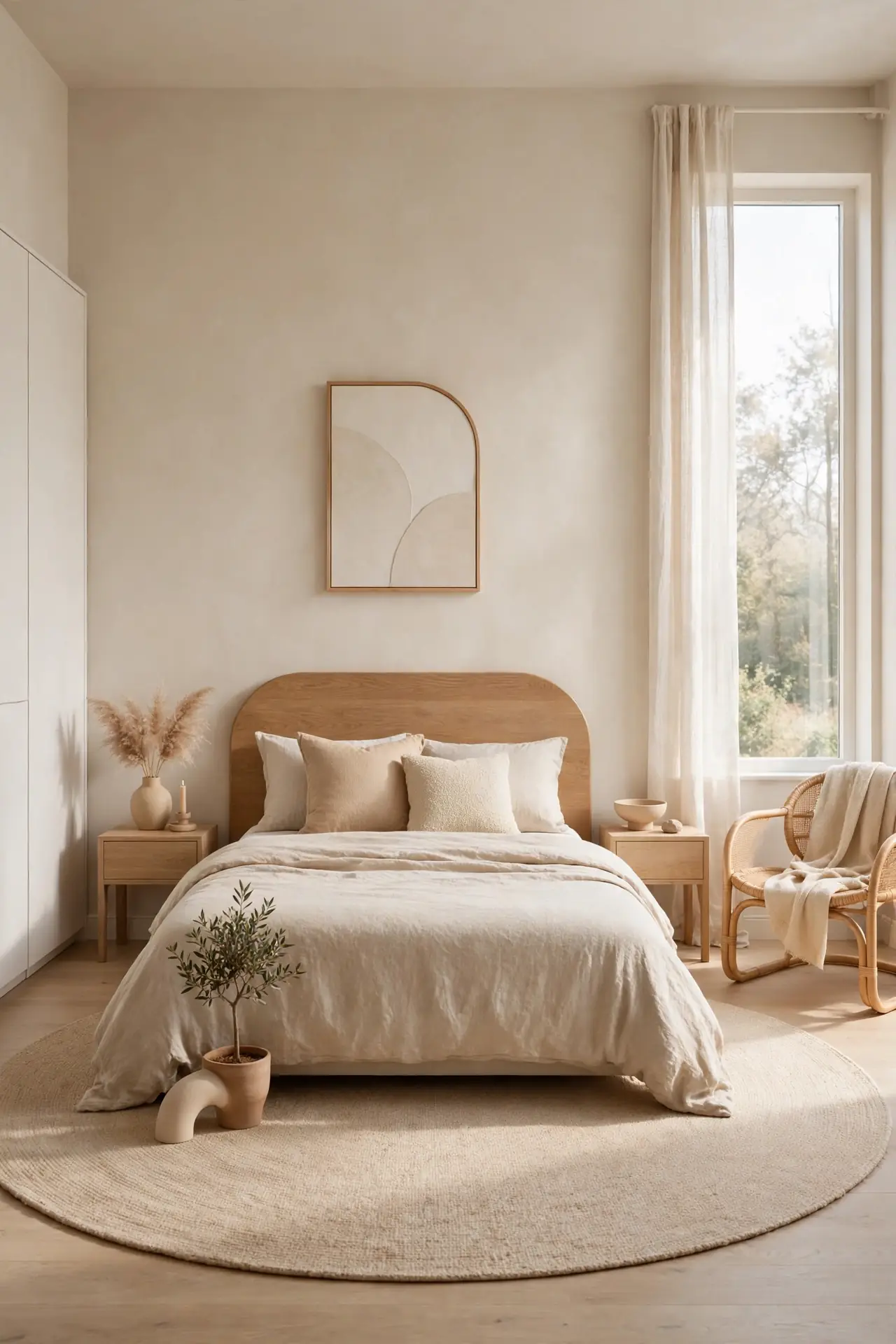
| Feature | Round Rug | Rectangular Rug |
| Shape effect | Softens every angular furniture line | Echoes the bed’s own rectangular shape |
| Best placement | Centered beneath the bed’s middle | Extending past the bed’s long sides |
| Ideal room | Square rooms needing softness | Long narrow rooms needing structure |
| Mood created | Playful, relaxed, and artistic | Classic, calm, and well-ordered |
Round rugs break the tyranny of rectangles in bedroom design. Centering one under the bed’s middle creates a medallion effect that draws the eye. The curved edge contrasts beautifully with straight furniture lines. Size it generously so nightstands catch the edge. The unexpected shape sparks instant conversation. Layering adds designer depth.
Headboard Accent Wall
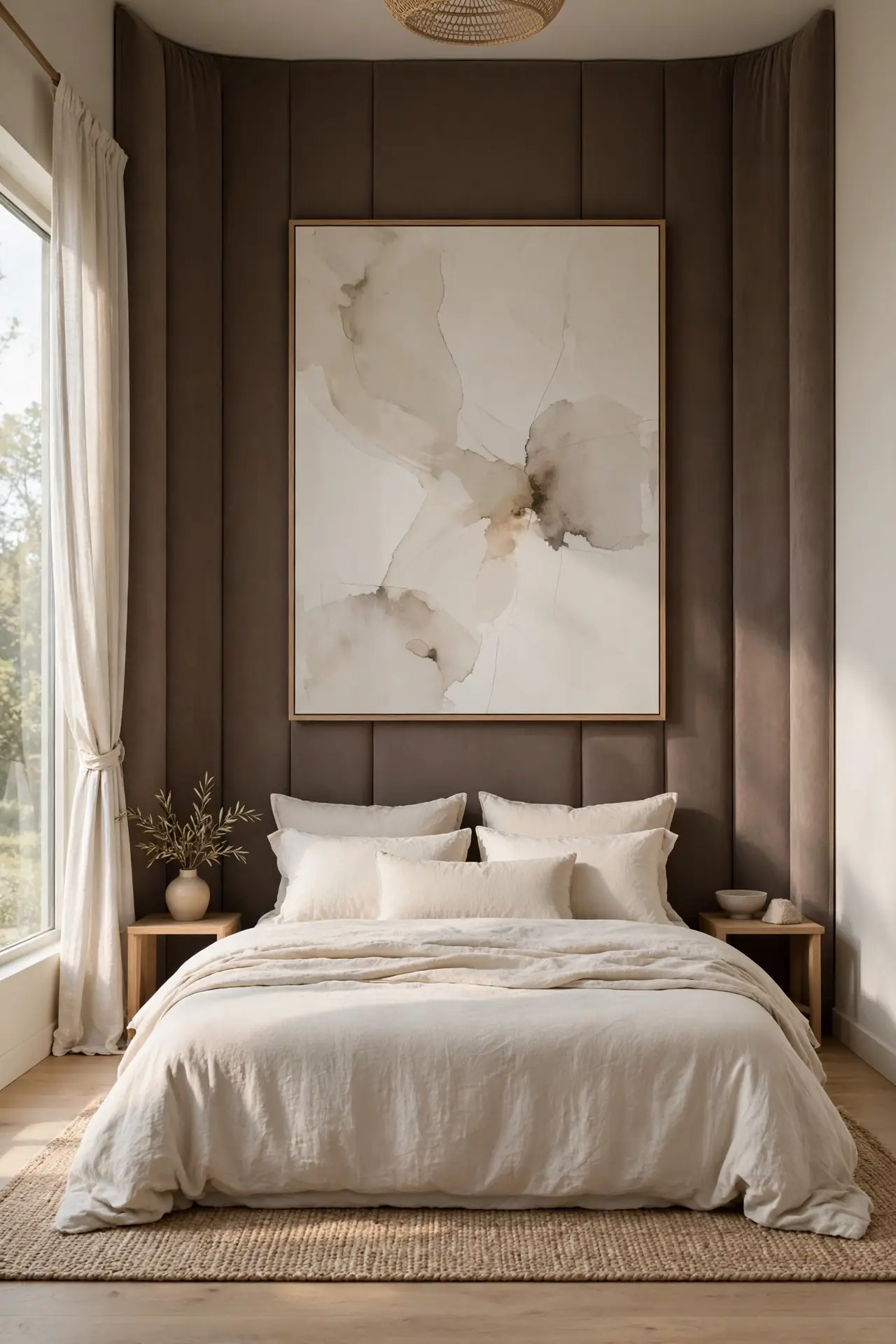
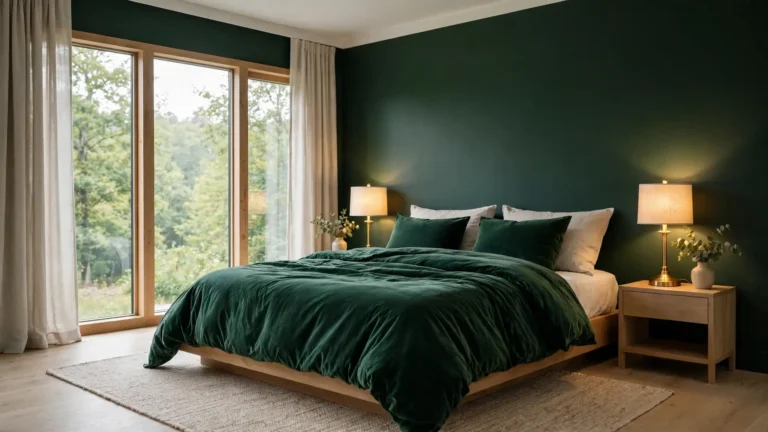
DO: Paint the headboard wall a deep, moody tone.
DO: Extend the color onto the ceiling for a cocoon effect.
DO: Hang one oversized art piece above the bed.
DON’T: Paint all four walls dark in a small room.
DON’T: Hang tiny art that gets lost on the wall.
DON’T: Forget to test the color in evening light.
An accent wall gives the bed a permanent backdrop. The eye lands there first, which organizes the whole room. Deep tones recede, making walls feel farther away. That’s why many experts recommend one bold wall over four timid ones. The drama makes mornings feel like a boutique hotel.
Window Seat Lounge

Cost: One hundred to four hundred dollars for cushions and a low bench. Time: A weekend to build the base from stock cabinets. Skill Level: Intermediate, with basic carpentry for the base. Best For: Wide windows with a view worth framing. Works In: Bedrooms with windows at least four feet wide. Result: A sunny reading perch that doubles as storage.
Window seats turn dead space under glass into the room’s best feature. The low perch keeps sightlines open while adding seating. Build storage into the base for blankets and books. Morning coffee tastes better with a view. Top it with a two-inch foam cushion in washable linen.
Clustered Lamp Glow
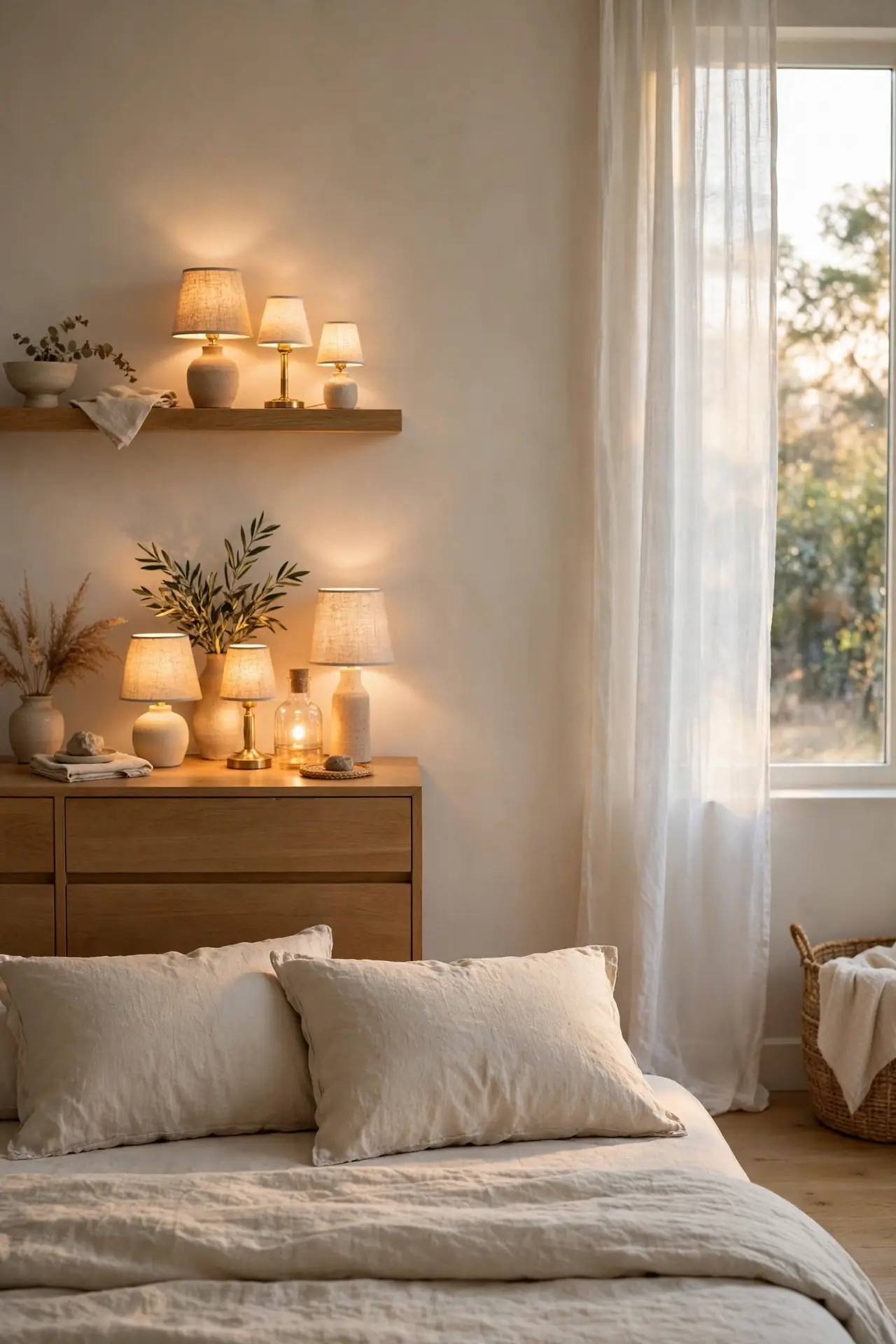
One lamp lights a corner, but three lamps make a constellation. Clustering small lamps on the dresser, shelf, and floor creates pools of warmth at different heights. The varied glow feels like candlelight without the worry. Corners stop being dead space. Each pool of light marks its own tiny zone.
Mix lamp styles within one warm color family for collected charm. Keep every bulb at 2700K for consistent coziness. I’ve noticed clustered light flatters skin and wood alike. The bedroom starts to glow like golden hour. Dim them all low for the ultimate wind-down ritual.
Open Center Space
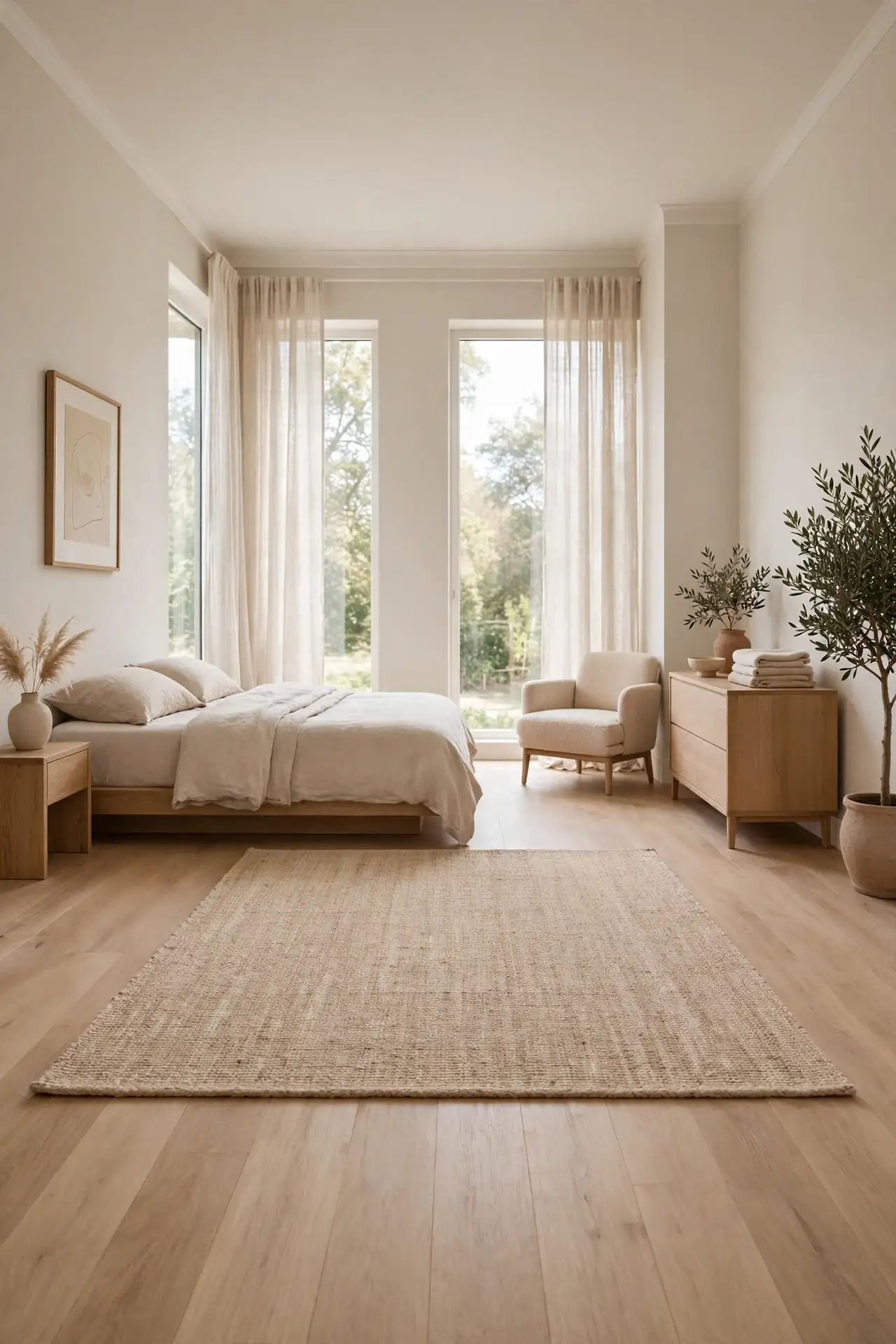
- Push all furniture to the walls and leave the middle empty. The breathing room reads as luxury, not emptiness.
- Let the rug float in the open center as the room’s island. Everything orbits around it naturally.
- Resist filling the gap with a chair or plant. Negative space is doing quiet work.
- Walk the empty center daily to enjoy the freedom. The path becomes a small meditation.
Empty centers make bedrooms feel twice their size. The eye travels uninterrupted, which calms a busy mind. This layout suits minimalists and small rooms best. Coziness here comes from calm, not clutter. Try it for a week before deciding it feels too bare. Most people never go back.
Angled Bed Placement
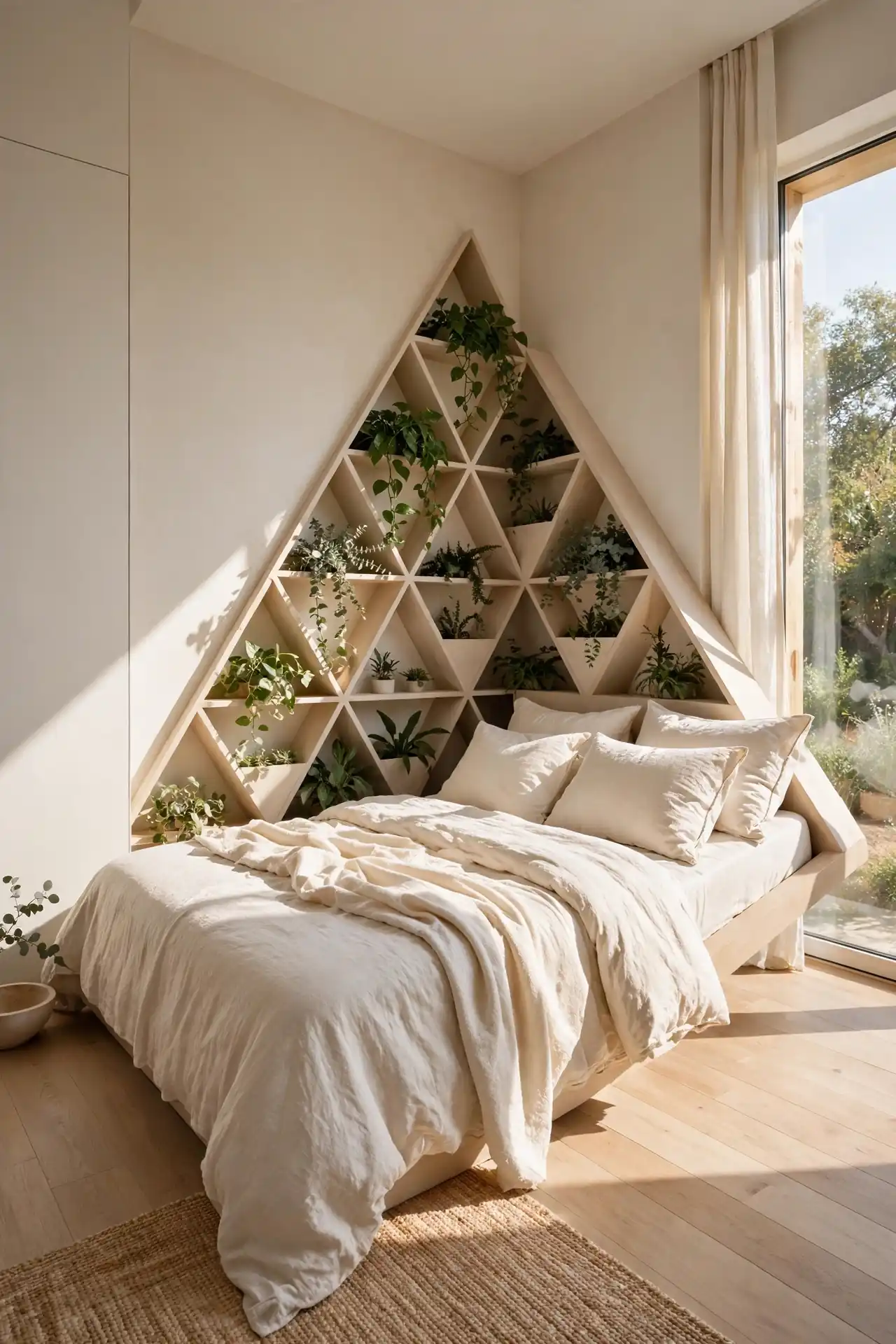
Quick Tip: Angle the bed diagonally across a corner at roughly forty-five degrees. The unexpected position creates two triangular pockets behind the headboard for plants or floor cushions. Measure carefully so walkways stay clear on both sides. Anchor the angle with a rug placed square to the room.
Angled beds break the grid and make rooms feel custom-designed. The diagonal line leads the eye across the longest view. This placement suits large bedrooms where wall space is plentiful. Keep the rest of the furniture square so the angle stays the star. It is a bold move with a big payoff.
Dresser Room Divider

BEFORE: The dresser hugged the wall under the window, blocking light and looking lost. The long room felt like a hallway with a bed in it. Clothes piled on every surface.
AFTER: Turning the dresser perpendicular creates a gentle divider between sleep and dressing zones. The room gains two distinct areas without losing light.
Low dressers divide without dividing, keeping sightlines open. Back the divider with a runner rug to mark the dressing zone. Keep the dresser top styled simply so it reads as furniture, not a wall. The zones feel intentional and calm. This is zoning for people who hate clutter.
Desk Corner Nook
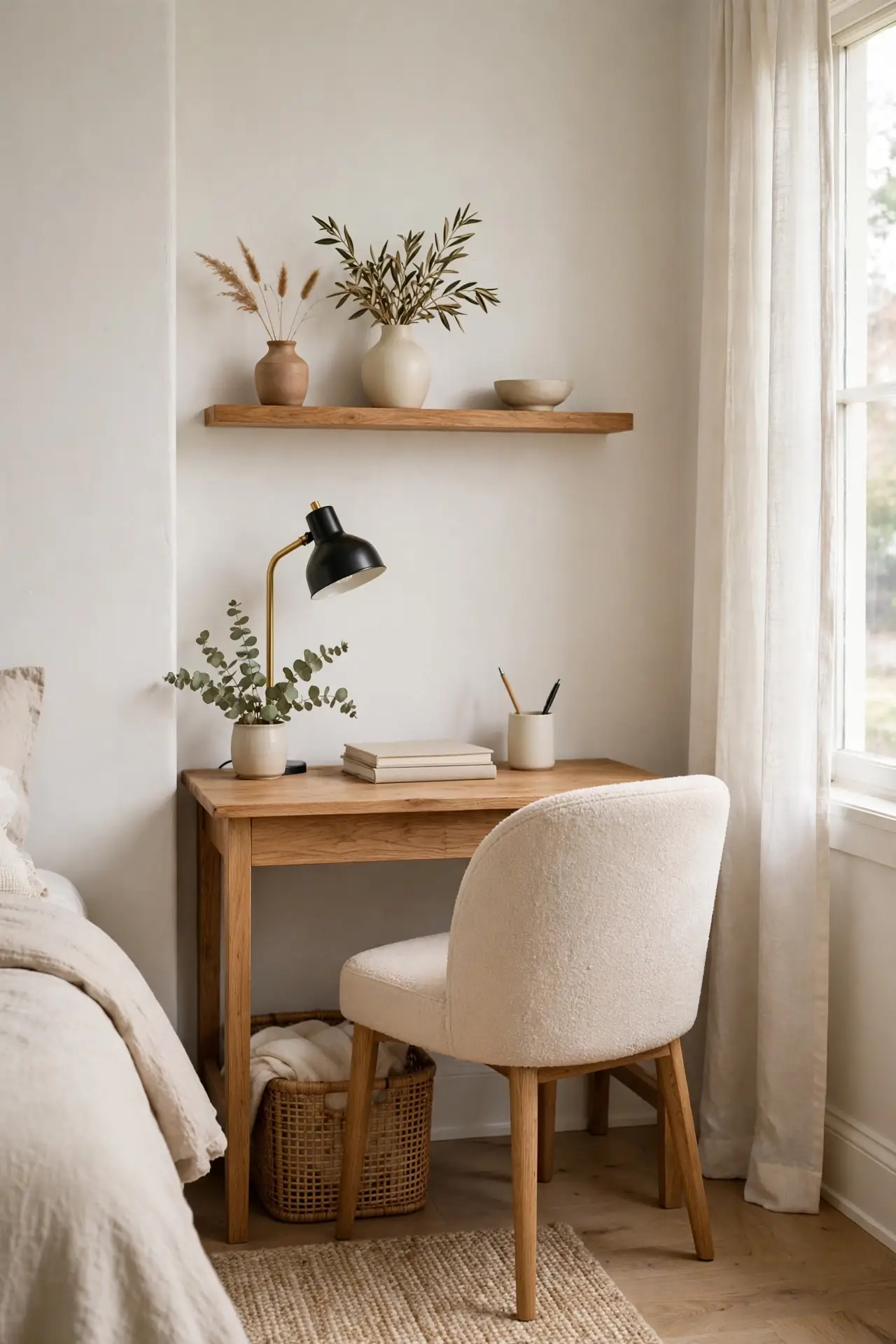
- Choose the quietest corner, away from the bed’s direct view.
- Float a small desk facing the wall to minimize distractions.
- Add a comfortable chair and a focused task lamp.
- Mount a shelf above for supplies, keeping the desktop clear.
- Keep a small plant on the desk for life and calm.
A desk nook lets the bedroom moonlight as a study. Facing the wall keeps work visually contained. Close the laptop at day’s end to reclaim the calm. The corner earns its keep without shouting about work. A curtain can hide the whole setup in seconds. Work stays in its corner, rest keeps the rest.
Ottoman Gathering Spot
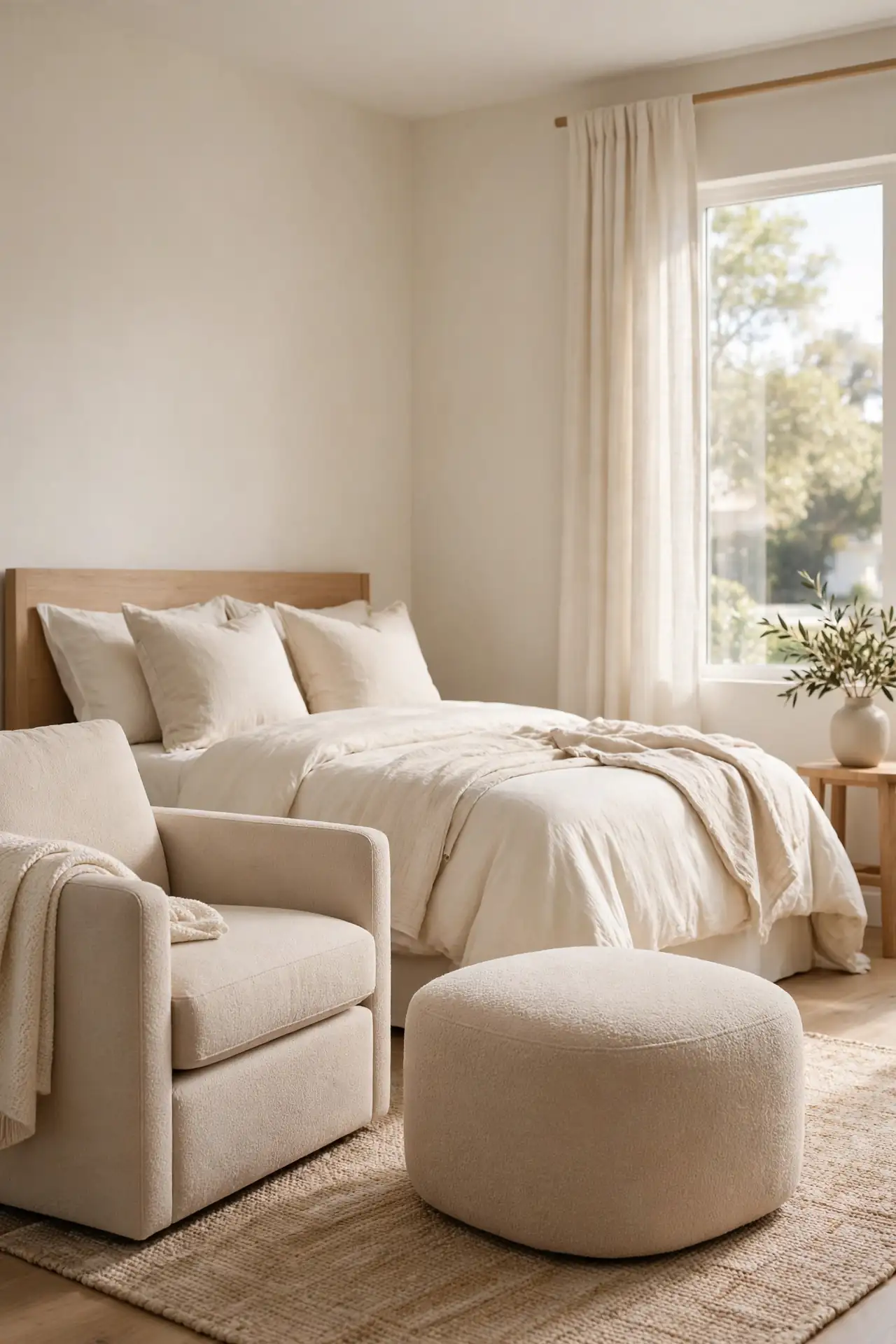
| Feature | Storage Ottoman | Coffee Table Ottoman |
| Main function | Hidden storage for blankets and pillows | Sturdy extra seating for guests |
| Ideal size | Compact enough to tuck anywhere | Larger piece that anchors a zone |
| Style note | Soft, casual, and kid-friendly | Structured, tailored, and polished |
| Best placement | At the foot of the bed | Center of a small seating nook |
Ottomans gather people the way fireplaces gather gazes. Place one where conversation naturally happens, near the chair or window. The soft surface invites perching without formality. Choose performance fabric for worry-free lounging. It is the hardest-working small piece you can own. Move it wherever the evening takes you.
Gallery Flow Wall
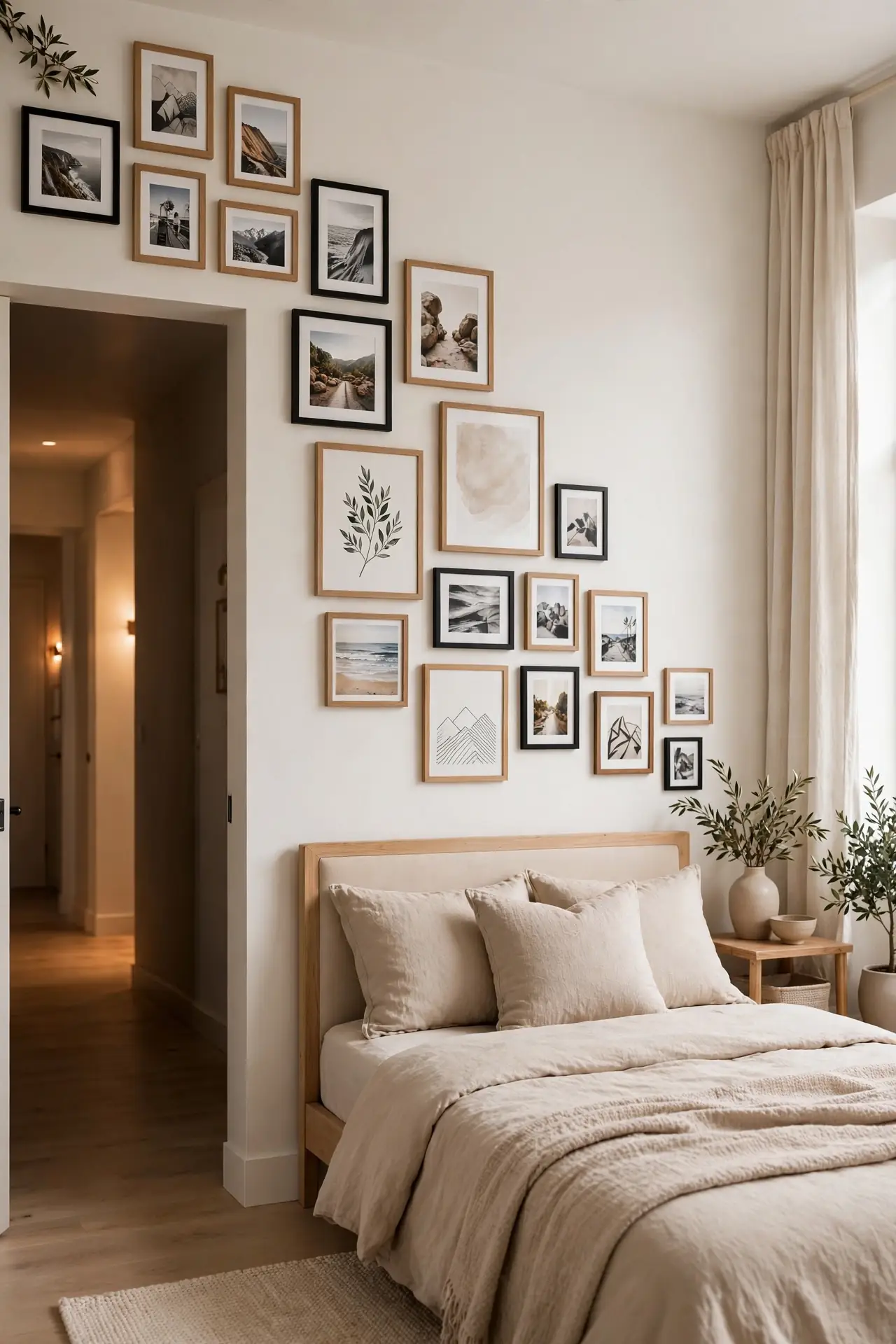
DO: Hang frames along the path from door to bed.
DO: Keep frame colors to two for cohesion.
DO: Vary art sizes for a collected feel.
DO: Add one small shelf for tiny objects among frames.
DON’T: Hang art where the door swings hit it.
DON’T: Use glass that glares under bedroom lights.
DON’T: Overfill; leave breathing room between pieces.
Gallery walls turn hallways and blank stretches into journeys. The eye follows the art, which makes the room feel larger. Mix personal photos with prints for warmth. This flow wall makes every entrance feel welcoming. Start with paper templates before hammering nails. The result feels like a boutique hotel corridor.
Conclusion
Comfort is a layout decision before it is a shopping decision, and these cozy bedroom layouts prove it. I’ve seen how small changes like these can completely shift the way a space feels, from restless to restorative. Small shifts create the biggest comfort, and your best sleep waits on the other side of one good decision. Save this guide to your bedroom board on Pinterest so every arrangement is ready for your next refresh. Try one layout this weekend, live with it for a week, then tweak. Pin your favorite and start tonight.
One Comment