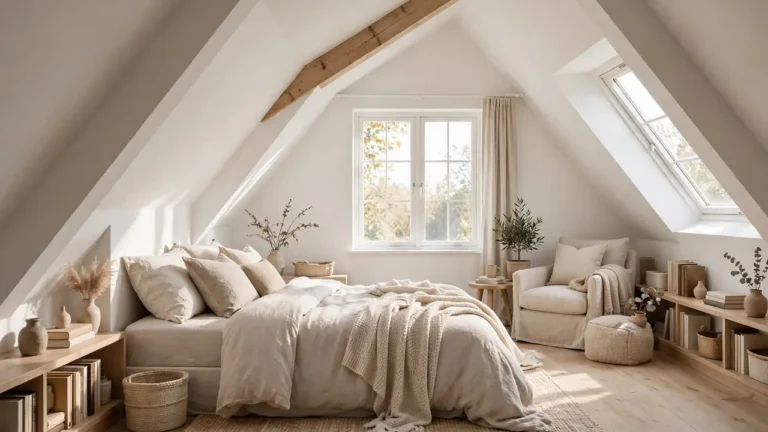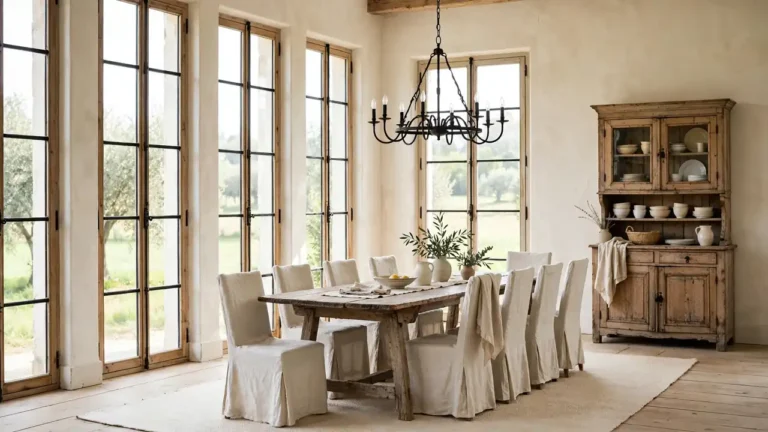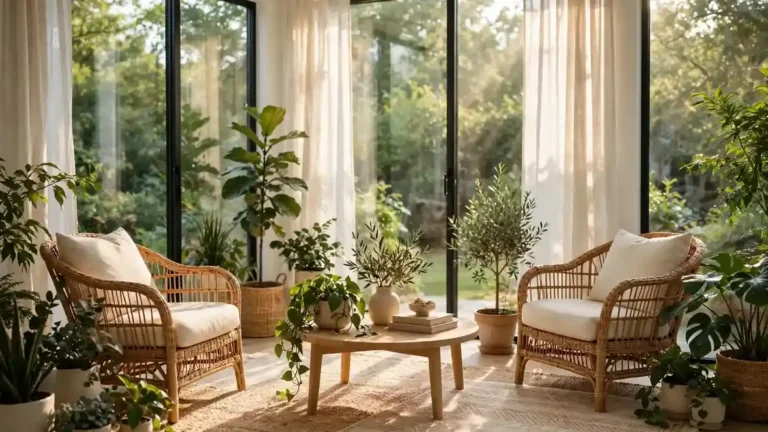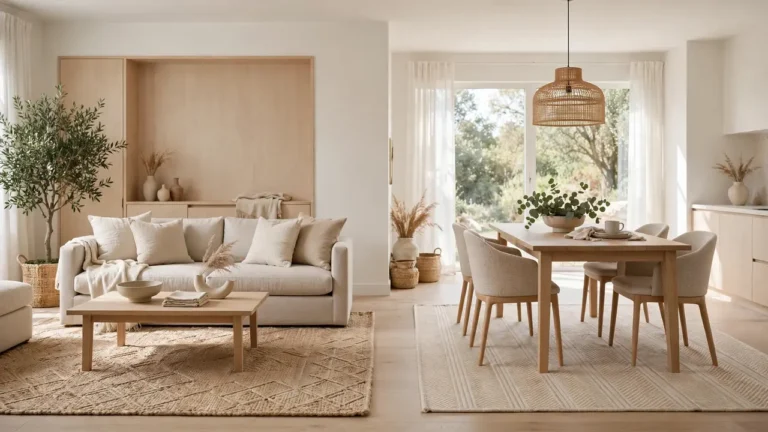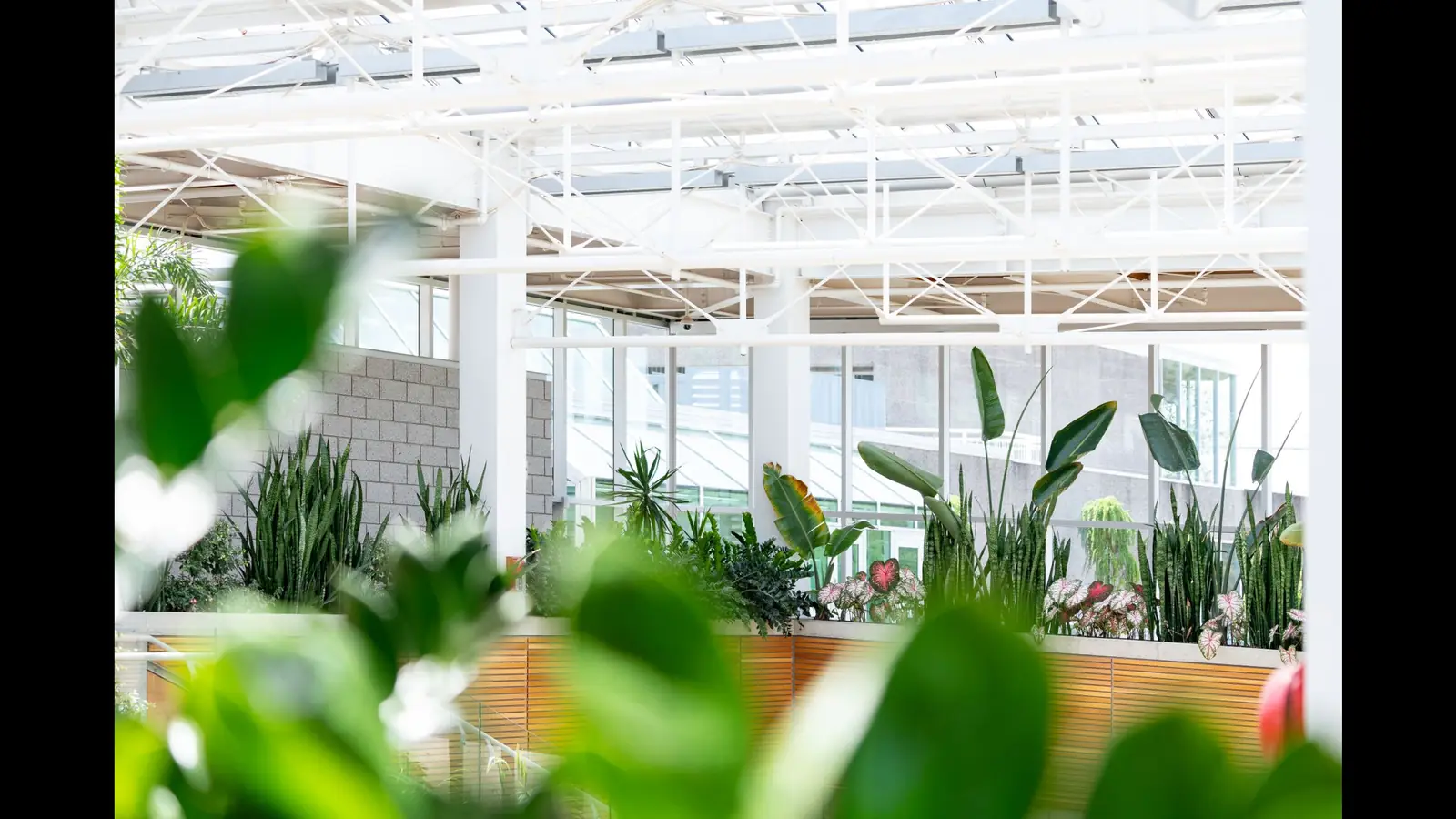
25 Biophilic Interior Design Ideas for a Nature-Inspired Home
Sunlight on leaves, wood underfoot, and air that smells faintly green: a home shaped by nature calms you the moment you walk in. The most livable biophilic interior design inspiration starts with real plants, honest materials, and windows treated like artwork. No jungle required, just layers of green placed where you actually live and linger through the day.
Begin with one corner, then let green climb the walls, pool on shelves, and frame the views you pass every day. The same calm first thinking shapes the home wellness room design ideas readers keep saving, and it works in rentals as happily as in owned homes. In my experience, rooms feel alive fastest when plants, wood, and daylight arrive together, not one lonely pot at a time.
Living Green Wall
Credit : Alex Quezada
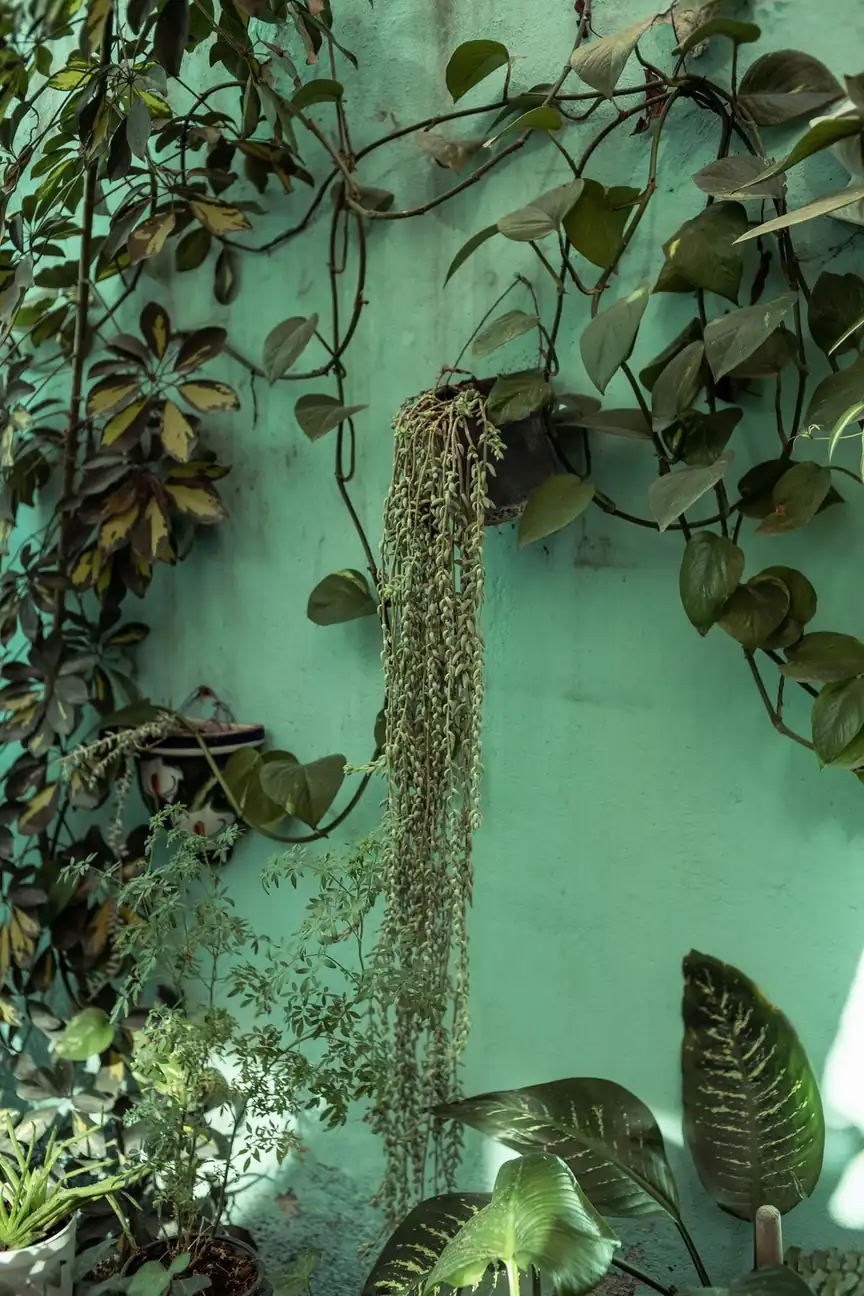
A wall that breathes changes the whole mood of a room. Living panels of pothos, ferns, and philodendron soften hard lines, hush echo, and turn a blank stretch of paint into the view everyone faces. Mount a modular panel system or hang rail mounted pots in a tight grid, then let trailers spill over the edges for a finished, grown in look.
Light decides which plants thrive here. Bright, indirect sun suits most tropical leaves, while a slim LED grow bar covers darker halls without glare. Water from the top row down, rotate pots a quarter turn monthly, and the wall fills in evenly. In my experience, a green wall behind the sofa earns more compliments than any framed artwork hanging elsewhere in the house.
Plant Shelf Layering
Credit : Esra Afşar
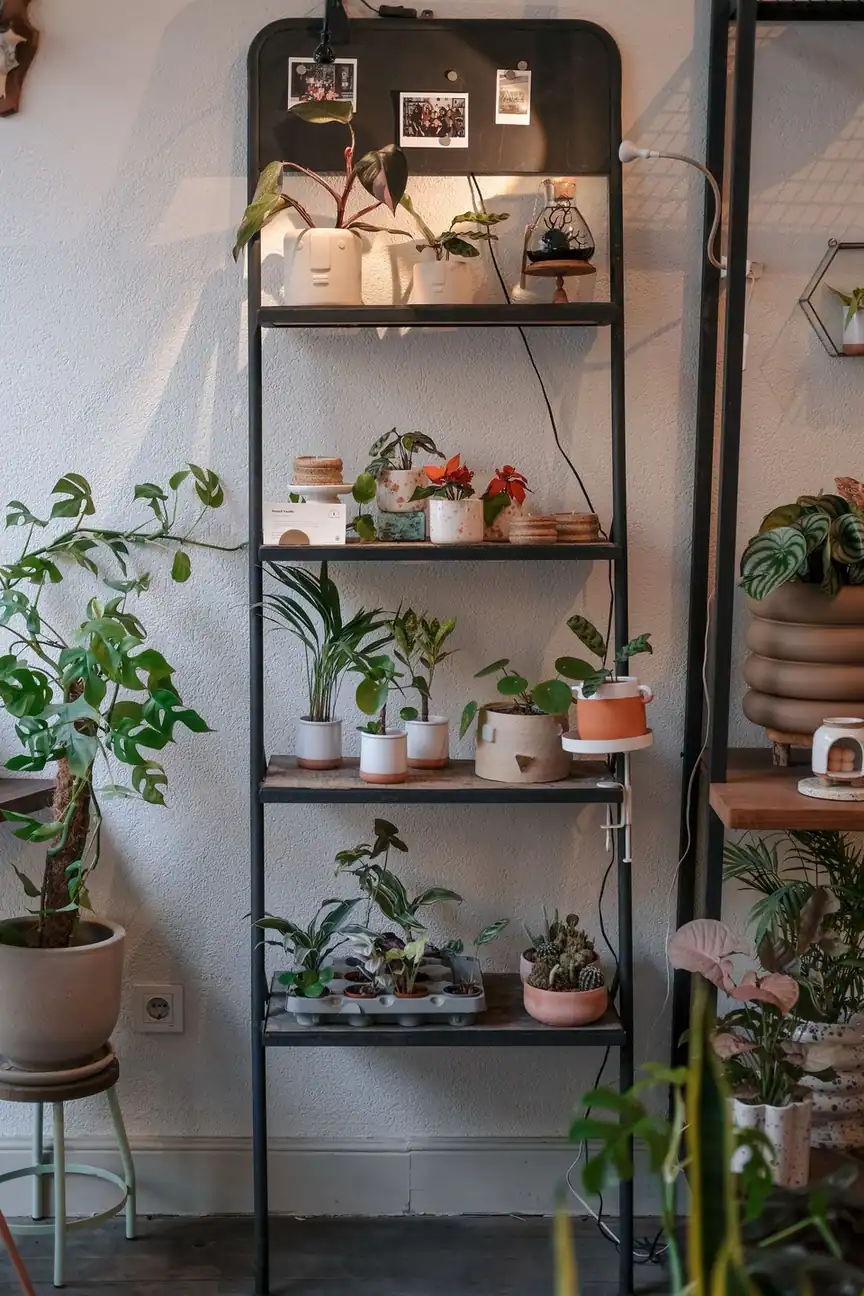
- Stagger shelf heights so tall leaves never fight for the same light.
- Mix upright plants with trailers that spill over the front edge.
- Repeat one pot color across every shelf to calm the mix.
- Leave breathing room between groups instead of filling every inch.
- Set heavy floor plants beside the unit to anchor the display.
Shelves turn a plant habit into architecture. A layered unit draws the eye upward, frees floor space, and gives every plant its own pool of light. Start with three shelves, live with the arrangement for a week, then edit with a firm hand. Crowded shelves read as storage, while spaced groups read as design, and the whole wall starts to feel like a small indoor garden.
Window Garden Views
Credit : Rahime Gül
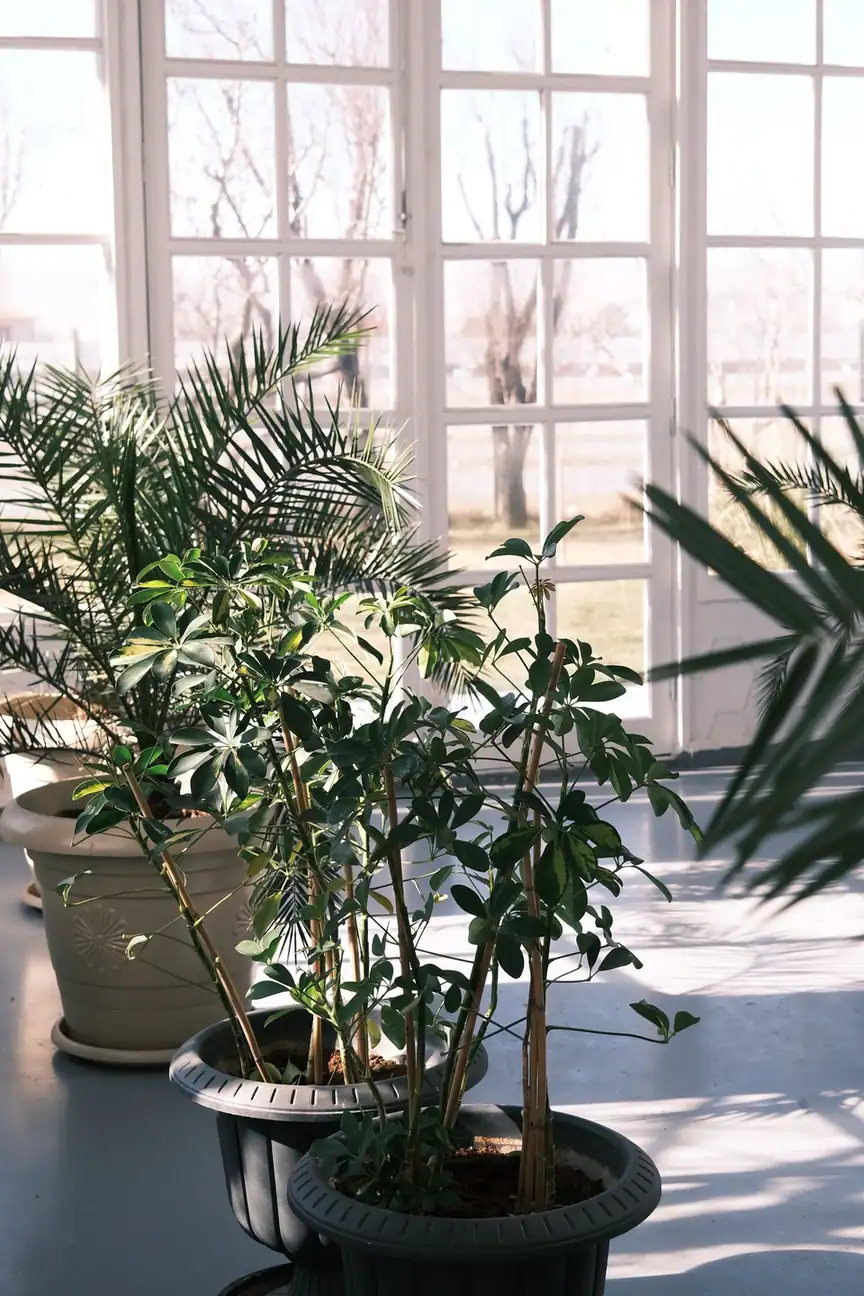
Quick Tip: Keep the tallest plants at the outer edges of the window, never in the middle. Framing the glass like curtains keeps the view open, protects the best light for the sill collection, and stops the room from feeling boxed in by leaves on every side.
Windows are ready made plant shelves with free lighting built in. A row of herbs, succulents, or small ferns along the sill turns a plain outlook into a layered garden picture, and the glass itself becomes part of the decor. Rotate pots weekly so growth stays even, and wipe the glass monthly, since dusty panes quietly steal the light your plants are counting on.
Natural Wood Warmth
Credit : Max Vakhtbovych
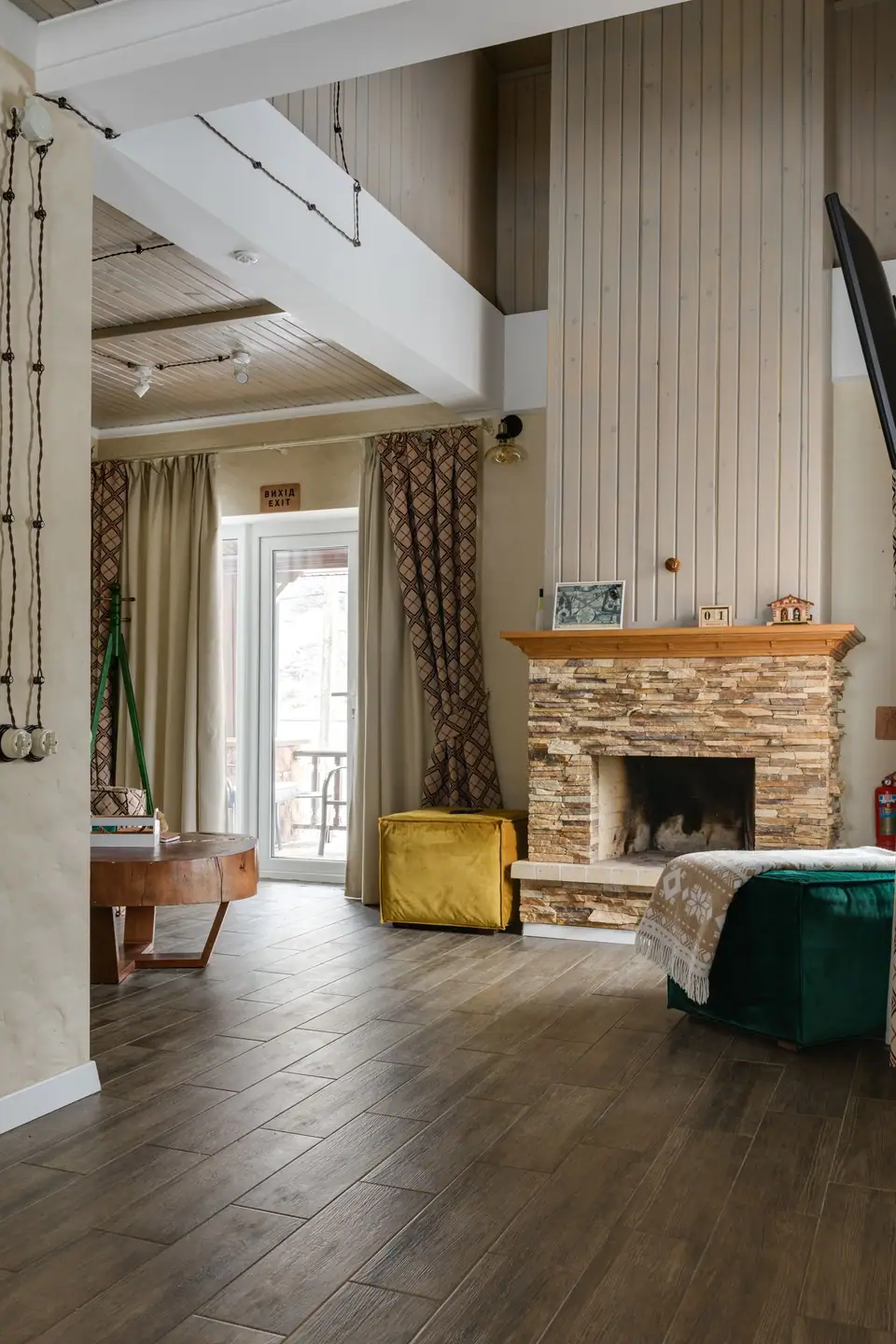
BEFORE: The room felt finished on paper and cold in person. Grey laminate floors, glossy white units, and chrome legs reflected light without softening any of it, and guests rarely settled in for long visits.
AFTER: Oak side tables, a walnut coffee table, and woven cane fronts changed the temperature of the space. Grain now catches the evening light, edges feel kinder, and the seating area finally holds people well past the first cup of tea.
Wood works because your eye reads it as landscape, not product. Even two or three honest pieces, repeated in similar tones, pull a room toward the calm of a forest clearing. Choose matte finishes over gloss, and let each piece show its grain rather than hiding it under paint.
Stone Accent Corners
Credit : Max Vakhtbovych
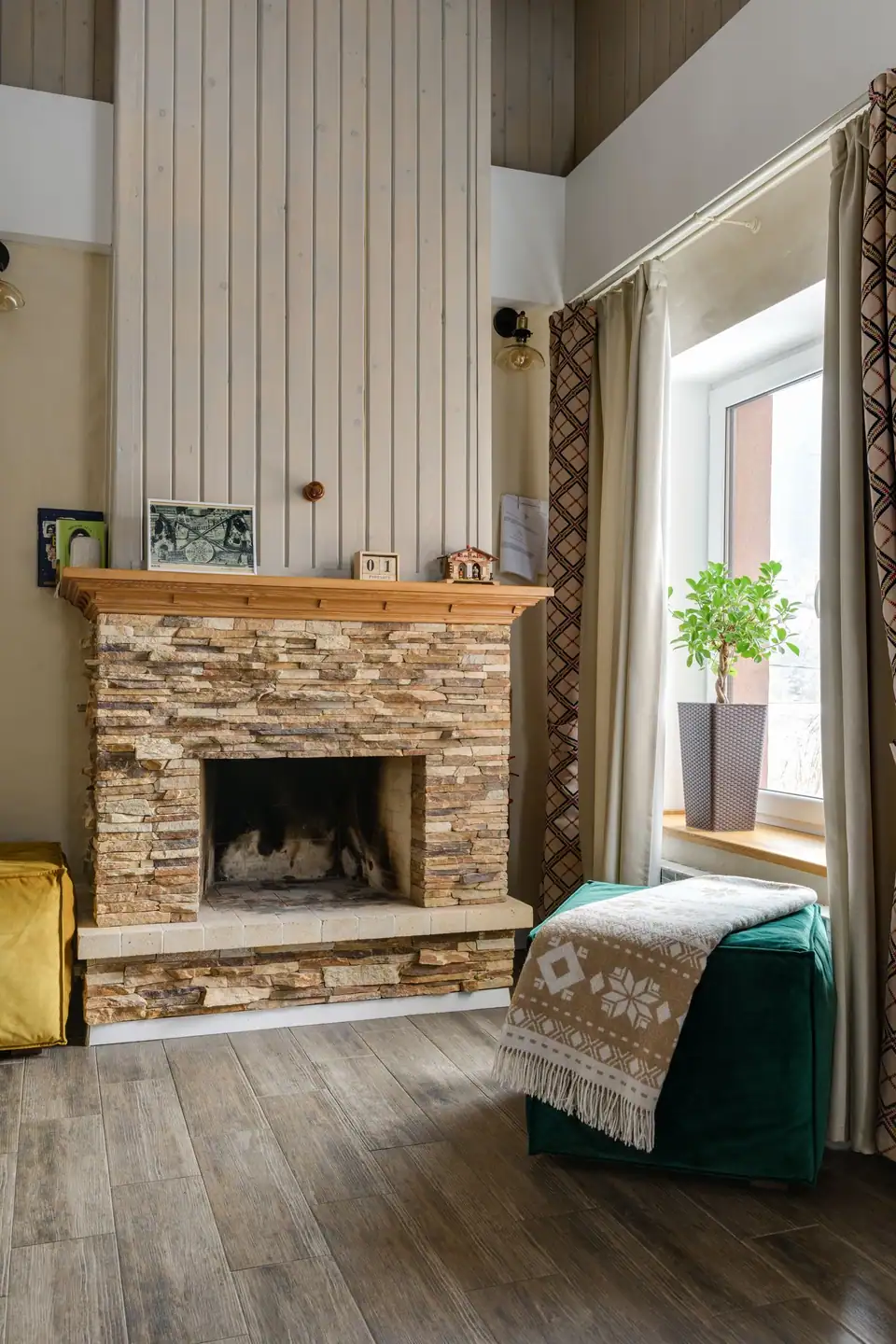
- Pick one corner with good light, since stone needs shadow and sun to show its texture.
- Choose stacked stone veneer panels for a full wall, or large format stone tiles for a smaller splash.
- Dry fit every piece on the floor first, mixing tones so no patch looks repeated.
- Fix panels from the bottom up, checking levels as the weight builds.
- Seal matte stone once, then style the base with a plant and a low bench.
Stone grounds a plant filled room the way a riverbank grounds a forest edge. Its cool weight balances soft leaves and warm wood, and the corner instantly feels older, calmer, and more permanent. Keep nearby colors quiet, and the texture does all the talking for you.
Real Versus Faux Greenery
Credit : cottonbro studio
| Feature | Real Plants | Quality Faux |
|---|---|---|
| Air And Mood | Clean the air, lift mood | Visual green only |
| Care | Water, light, pruning | Dusting now and then |
| Cost Over Time | Small pots, slow growth | Higher price, no growth |
| Look Up Close | New leaves, natural flaws | Perfect, unchanging leaves |
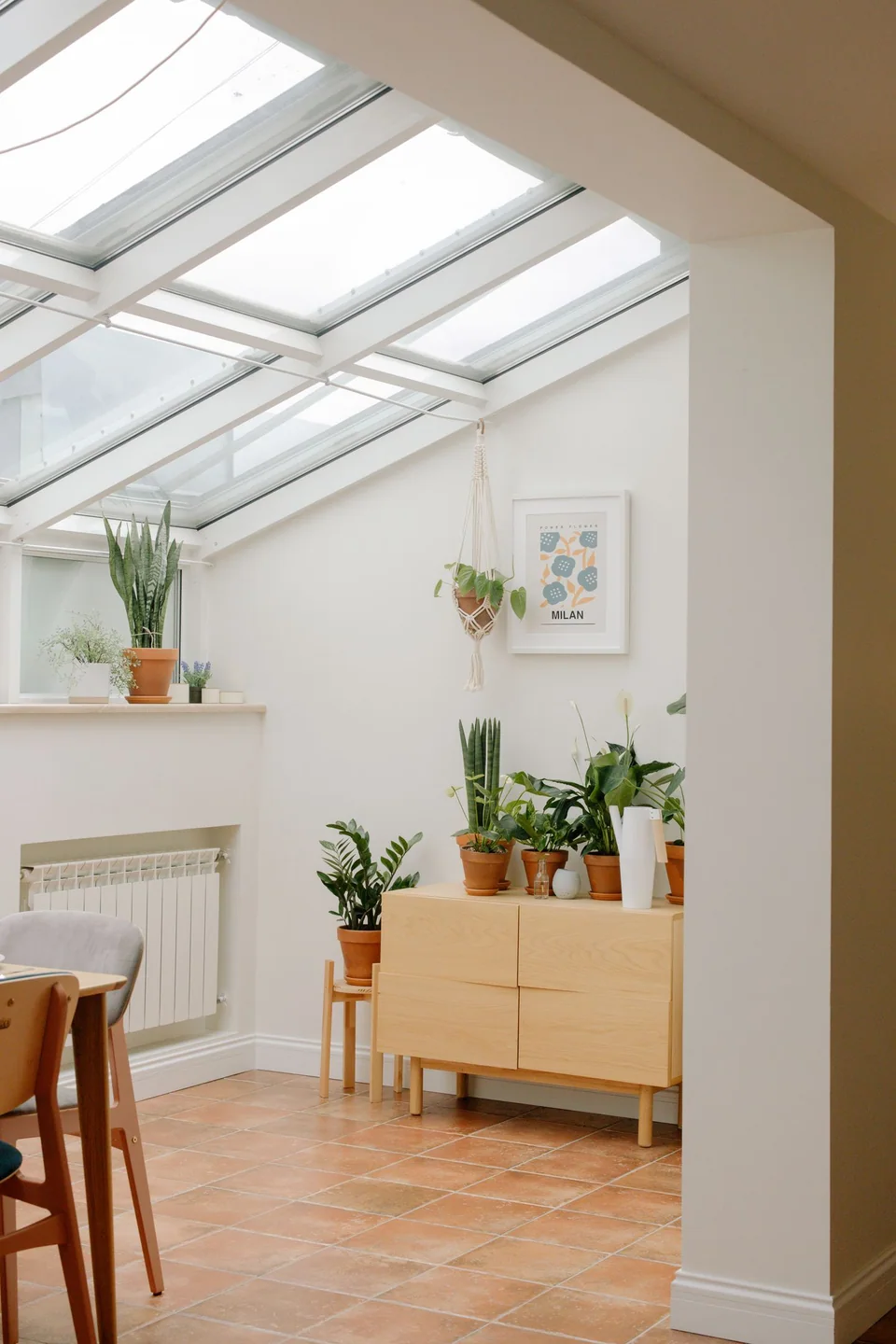
Honesty usually wins this debate. Living plants reward care with new growth and cleaner air, while good faux stems fill the dark corners where nothing survives. Most nature led rooms mix both: real greenery where light allows, faux only where a real plant would slowly give up and fade. A quick touch of the leaf settles most doubts at the shop.
Hanging Vine Trails

Credit : Hale Ş
Do:
- Trail pothos and philodendron along picture rails and high shelves.
- Guide stems with clear clips spaced a hand apart.
- Prune tips regularly to push fuller side growth.
- Water hanging pots over the sink to protect floors below.
Don’t:
- Hang heavy pots from hooks rated only for picture frames.
- Let vines grip painted walls without clips or a trellis.
- Forget that high shelves dry out faster than floor pots.
Vines pull the garden up to eye level and beyond. A single trailing plant softens a tall bookcase, while a curtain of stems can divide an open room without blocking light. Start with one vigorous pothos; success with it funds the confidence for a whole ceiling of green.
Skylight Reading Nook
Credit : Alec Doualetas
Cost: Low for a chair, cushion, and lamp | Time: One afternoon | Skill Level: Beginner | Best For: Slow weekend mornings
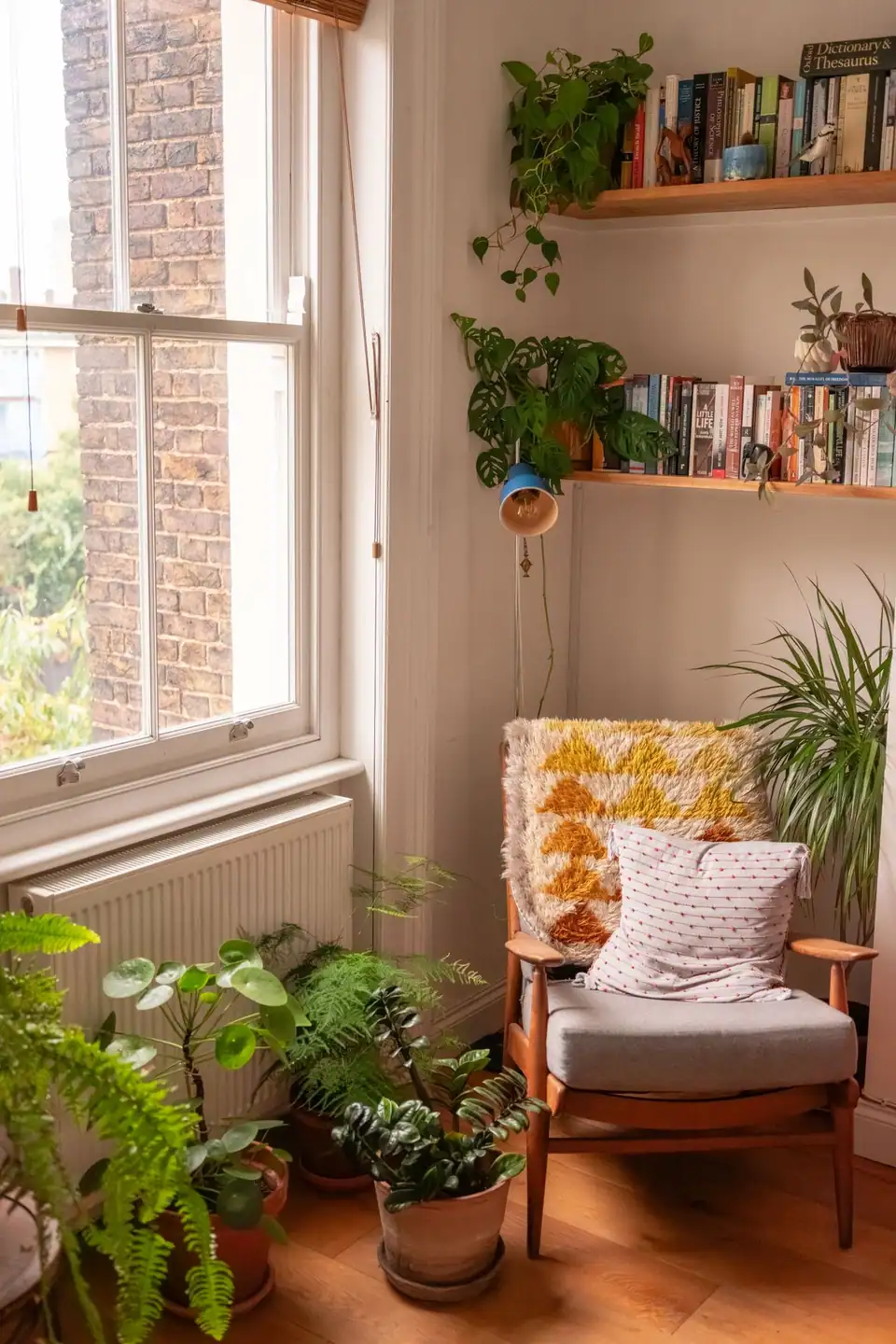
Daylight from above flatters everything it touches, including the reader. A deep chair under a skylight or tall window, one plant standing guard, and a small table for tea make a nook that feels borrowed from a glasshouse. The same gentle light logic runs through the cozy reading room interior design readers save for small homes. Add a washable throw, keep a basket of books within reach, and the corner becomes the most claimed seat in the house on slow Sunday mornings.
Earthy Color Palette
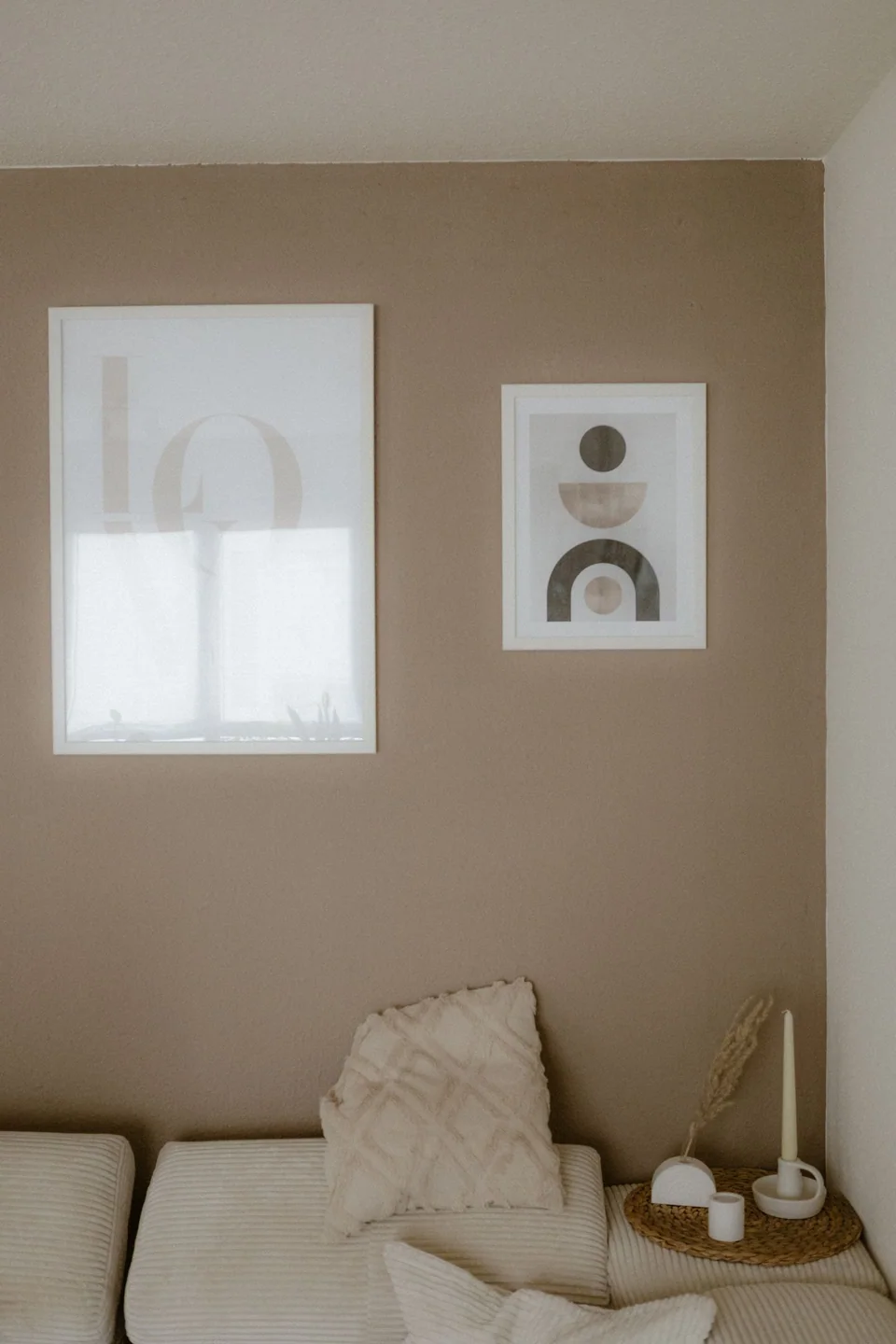
Credit : Andreas Ebner
Color is the soil everything else grows from. Warm clay, sand, oatmeal, and soft moss tones make walls feel like landscape rather than backdrop, and plant greens read richer against them than against stark white. Paint one room in a mid tone, then repeat lighter and deeper shades of it in cushions, rugs, and throws for a calm, connected scheme.
Hold every fabric swatch against a leaf before buying. Greens clash less often than people fear, but blue based paints can make foliage look tired by evening. Natural light shifts these tones through the day, so test large patches on the wall and live with them for a full weekend before the final coat goes on the rest of the room.
Terracotta Pot Clusters
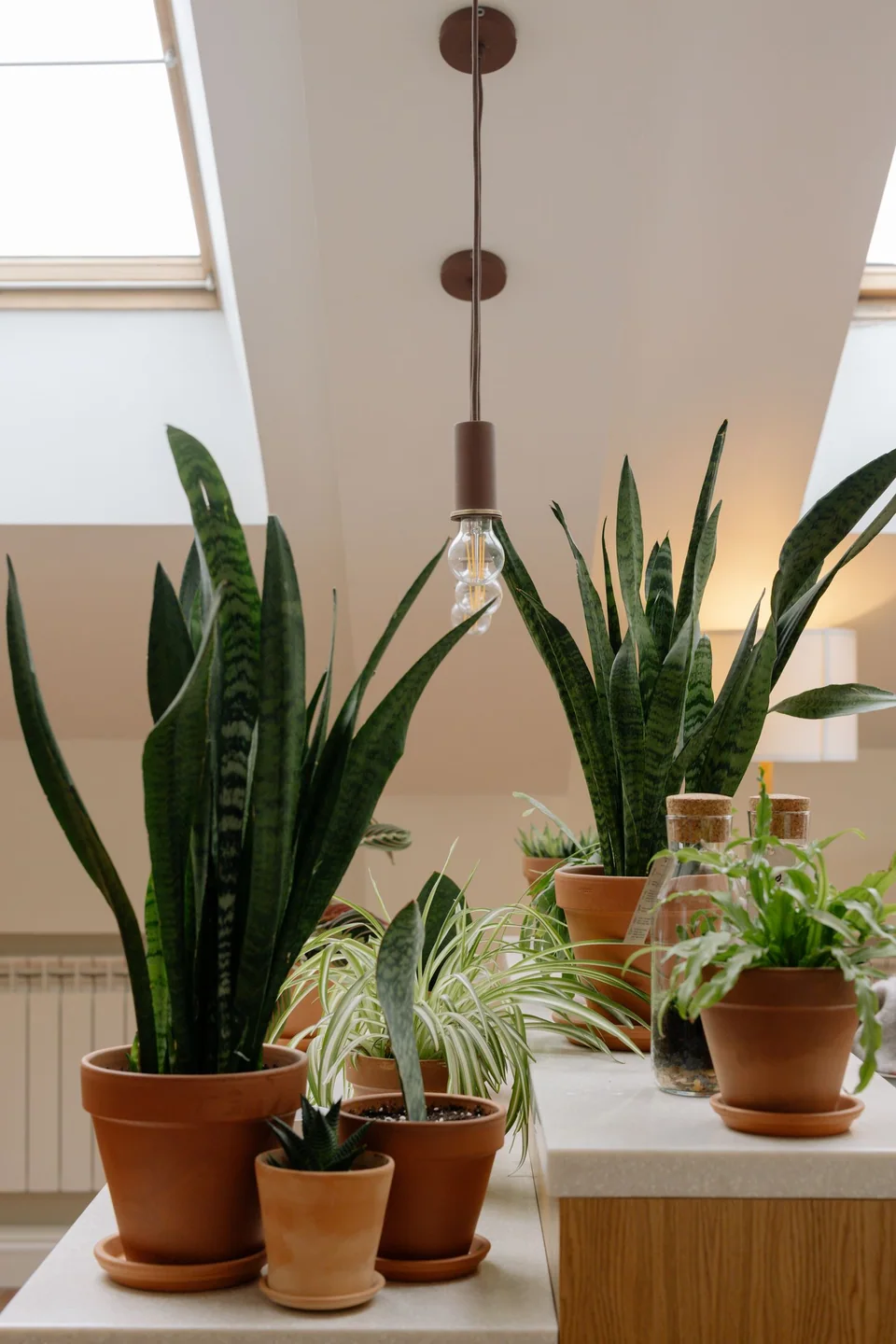
Credit : cottonbro studio
- Group pots in threes, with heights stepped like stairs.
- Mix raw terracotta with one glazed pot for contrast.
- Set the cluster where morning sun warms the clay.
- Slide a tray beneath the group for easy watering days.
- Repeat the same cluster recipe in a second room for rhythm.
Clay pots are the oldest plant pairing there is, and they still look right everywhere. Their warm rust tone flatters every leaf color, and the porous walls let roots breathe between waterings. Grouped clusters bring biophilic interior design inspiration down to tabletop scale, proof that the idea works in a single sunny corner as happily as across a whole home.
Bamboo Screen Dividers
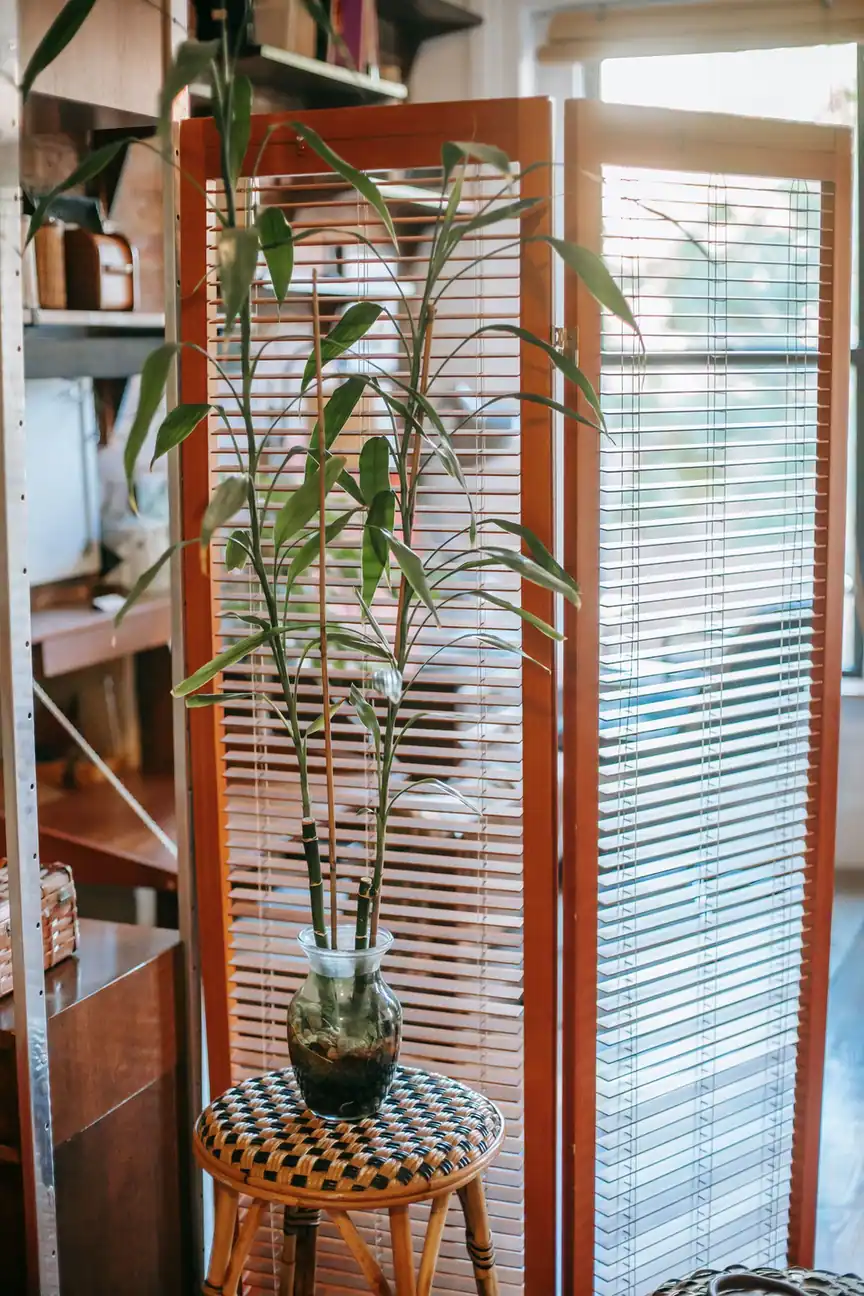
Credit : Charlotte May
Quick Tip: Choose a screen with gaps between the slats, never a solid panel. Filtered light keeps both sides of the divider bright, plants behind the screen cast moving shadows, and the room keeps its open, garden feel all day long.
Screens solve the open plan problem without a single wall. A bamboo divider marks a reading corner, hides a desk, or backs a plant shelf, and it folds away when the room needs to stretch. Natural cane and bamboo tones sit happily beside wood furniture, while the vertical lines echo the stems and trunks waiting just outside the window all year round.
Corner Jungle Makeover
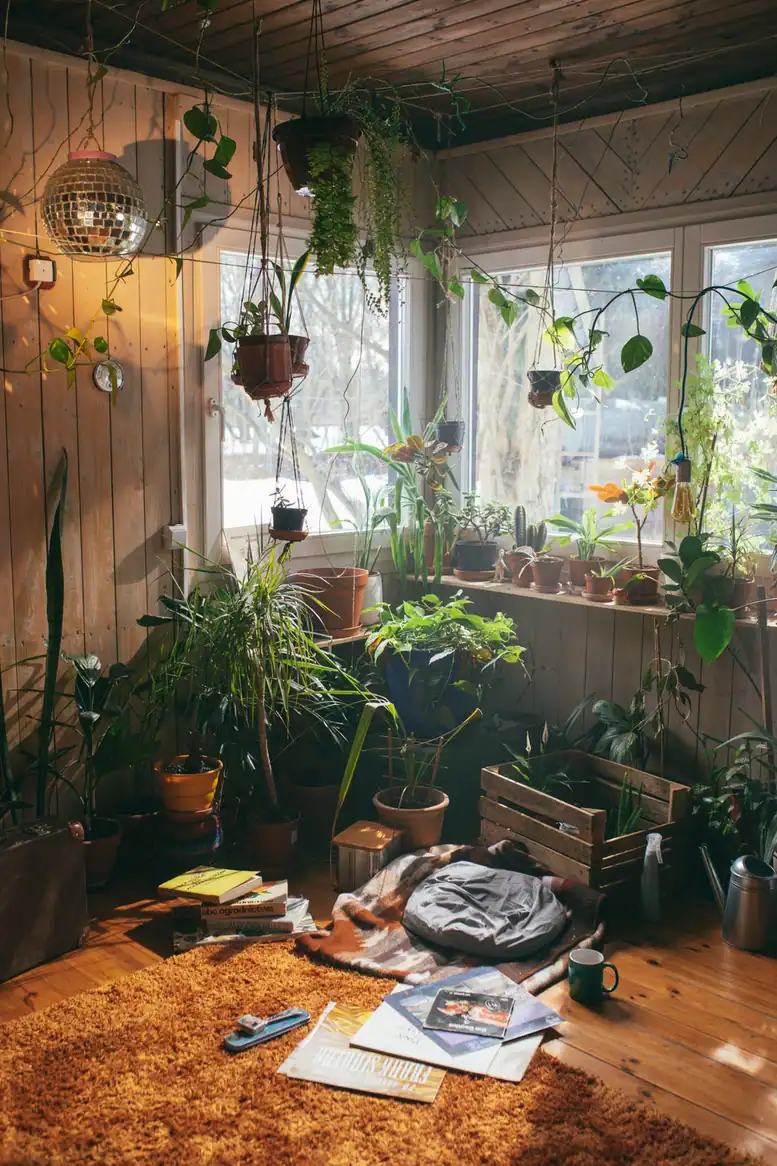
Credit : KoolShooters
BEFORE: The corner stored a dead exercise bike, a tangle of cables, and one brave spider plant losing its argument with the dark. Dust gathered, the curtains stayed shut, and the whole square meter radiated unfinished business.
AFTER: Three shelves of foliage, a hanging fern, and a small rattan chair claimed the spot within a month. Leaves now catch the morning sun in layers, and the corner has become a destination instead of a dumping ground for the rest of the house.
Jungle corners succeed in layers: canopy plants up high, leafy mid heights on shelves, and low rosettes at the floor. Work in that order, water deeply once a week, and resist filling the last gaps. A little air between plants keeps the look lush rather than lost.
Herb Windowsill Garden
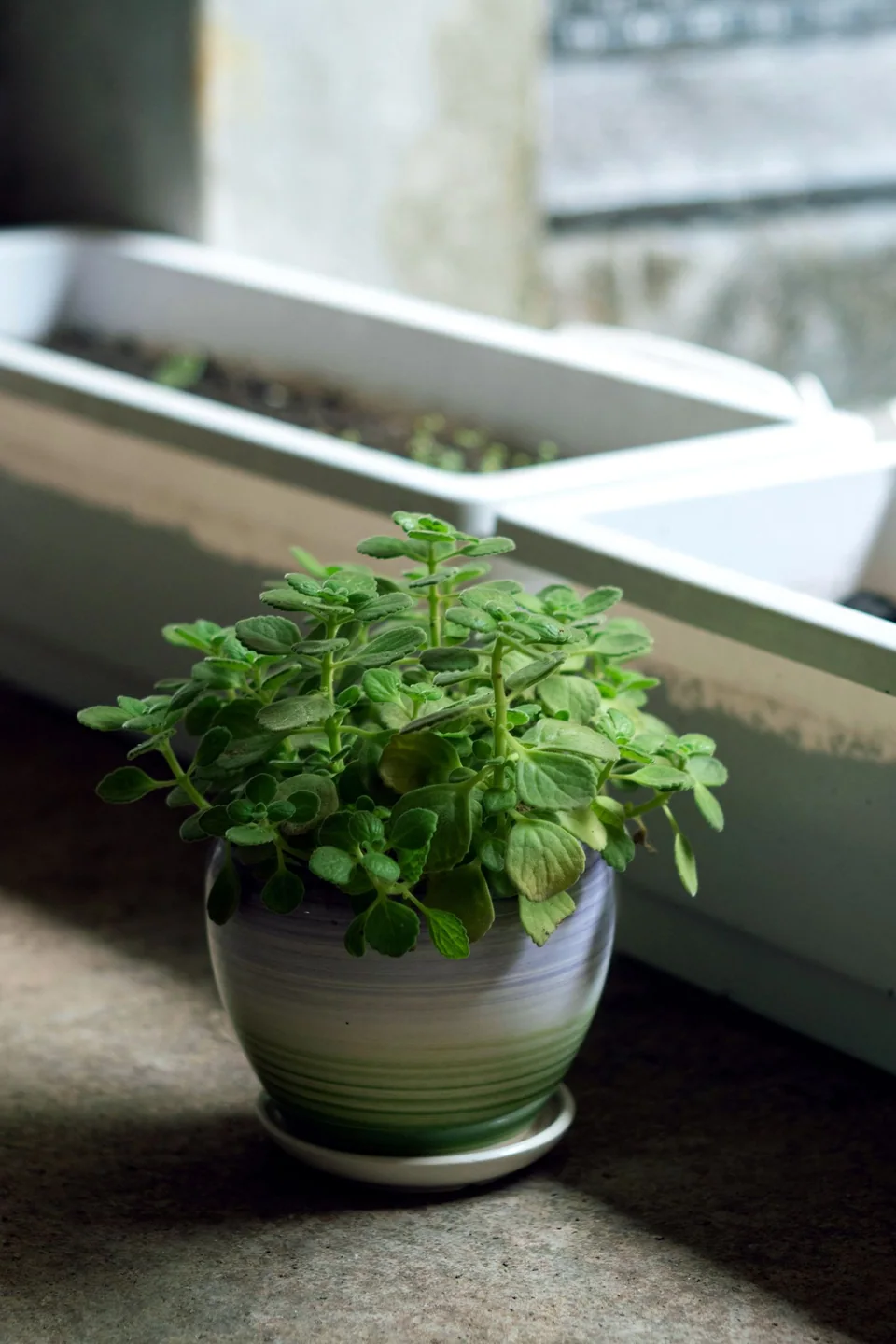
Credit : Q. Hưng Phạm
- Measure the sill depth first; most herbs thrive in pots at least five inches wide.
- Start with basil, mint, chives, and thyme, the four most forgiving kitchen herbs.
- Use pots with drainage holes and a shared tray to catch runoff.
- Turn every pot a quarter each Sunday so stems grow straight, not lopsided.
- Harvest little and often; regular snipping keeps plants bushy and productive.
A herb sill is the hardest working garden in the house. It scents the kitchen, flavors dinner, and asks only for sun and steady sips of water in return. Keep scissors resting on the sill as a reminder: herbs that get harvested regularly outgrow herbs left purely for show.
Moss Panels Versus Ferns

Credit : Chris F
| Feature | Preserved Moss Panels | Potted Ferns |
|---|---|---|
| Care | No water, no light needed | Weekly water, humid air |
| Texture | Soft, sculptural, still | Feathery, moving fronds |
| Placement | Dark halls, behind beds | Bathrooms, bright shelves |
| Lifespan | Years, color stays put | Years with steady care |
Stillness and movement suit different corners. Moss panels dress the dark walls where living plants sulk, and they ask for nothing beyond a light dusting. Ferns earn their keep in steamy bathrooms and bright kitchens, where their fronds stir with every passing draft. Many homes use both, each where it belongs. In humid rooms the fern also thanks you with faster, fuller growth each spring.
Water Feature Corners
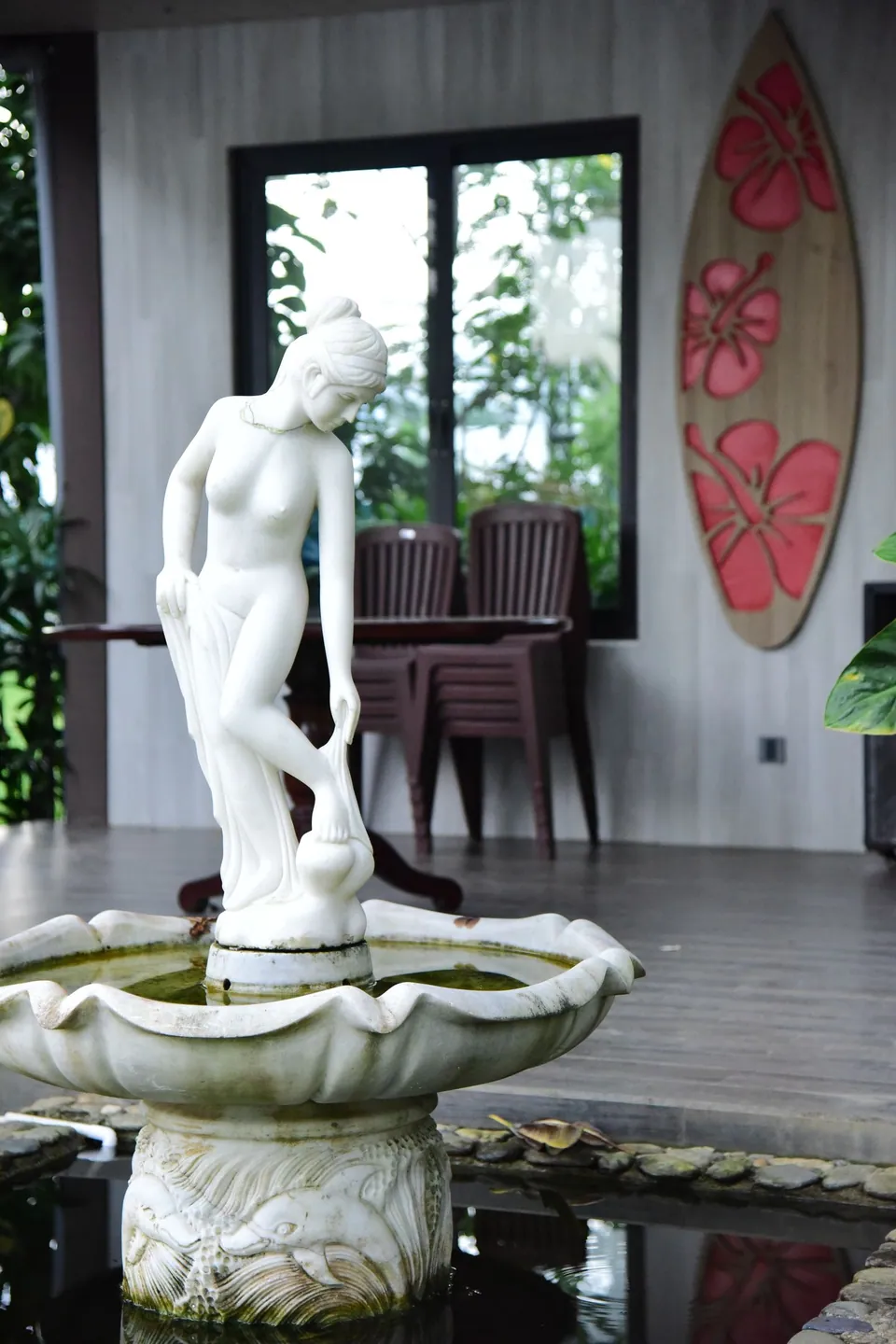
Credit : Sóc Năng Động
Do:
- Choose a tabletop fountain with a quiet, adjustable pump.
- Set the bowl on a waterproof tray over a low stand.
- Surround the base with pebbles and one trailing plant.
- Top up the water weekly so the pump never runs dry.
Don’t:
- Place water features beside sockets or trailing cables.
- Pick a loud pump that competes with conversation.
- Forget a mosquito dunk in open bowls during summer.
Moving water is the sound a garden makes, and a small fountain brings that soundtrack indoors. The gentle trickle masks street noise, humidifies dry air around nearby plants, and gives the eye a slow, calming focus. Start tabletop small; the corner can graduate to a floor bowl later.
Clay Plaster Walls
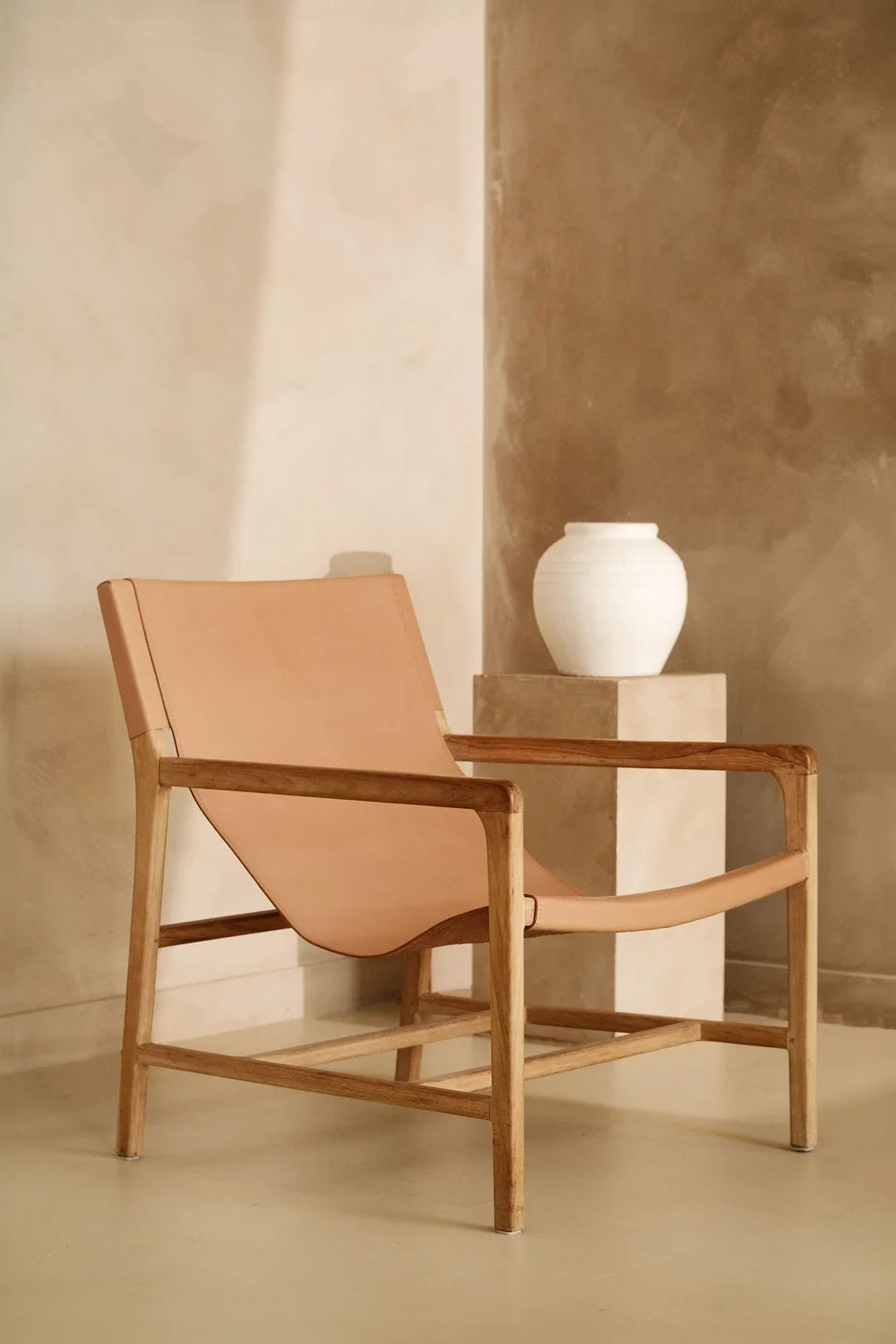
Credit : Pavel Morillo
Cost: Mid range per wall | Time: Two weekend days | Skill Level: Confident beginner | Best For: Calm, matte backdrops
Clay and limewash plasters carry tiny ridges, clouds, and brush marks that flat paint cannot imitate. Sunlight rakes across the texture all day, so the wall itself becomes slow moving art behind your plants. The finish is breathable, low odor, and forgiving of small bumps, which makes it friendly to older homes. One wall is plenty; pair it with plain painted neighbors and the contrast keeps the room restful, not busy. Sample pots from clay plaster brands make the first wall far less daunting.
Garden View Window Seats

Credit : Nida Kurt
A seat built into the window bay is prime real estate in a nature led home. Cushions at sill height put you inside the garden picture instead of in front of it, and the light at that spot beats any lamp for reading, sketching, or slow morning coffee with the birds outside.
Frame the seat with plants on both sides so the boundary between room and garden quietly blurs. A fern on one ledge and a trailing vine on the other turn the window into a green stage frame. Keep cushions in outdoor grade fabric, since sun through glass fades indoor textiles far faster than most people expect it to.
Botanical Wall Gallery
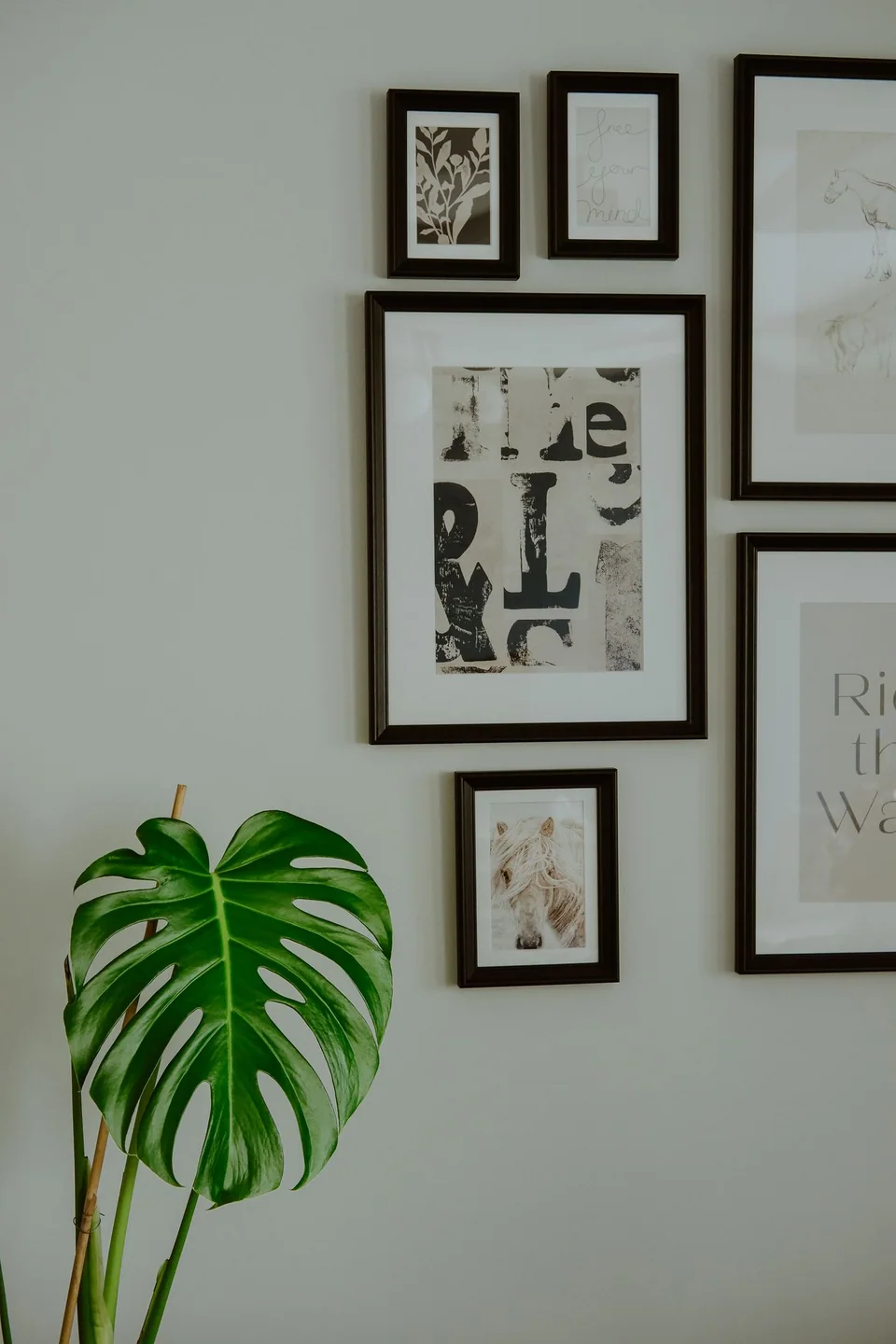
Credit : Beyzaa Yurtkuran
- Choose prints in one frame style for a calm, collected look.
- Mix leaf studies with one landscape for breathing room.
- Hang the center of the group at eye level from a chair.
- Leave two fingers of space between frames, no more.
- Add one real plant below the gallery to echo the art.
Pressed leaves and botanical studies bring the garden onto walls that get no sun at all. A tight gallery above a bench or console reads like a page from an old field guide, and it costs little more than frames and patience. Date and label each print by hand for the charm of a collector’s wall that grew slowly over years.
Glass Terrarium Displays
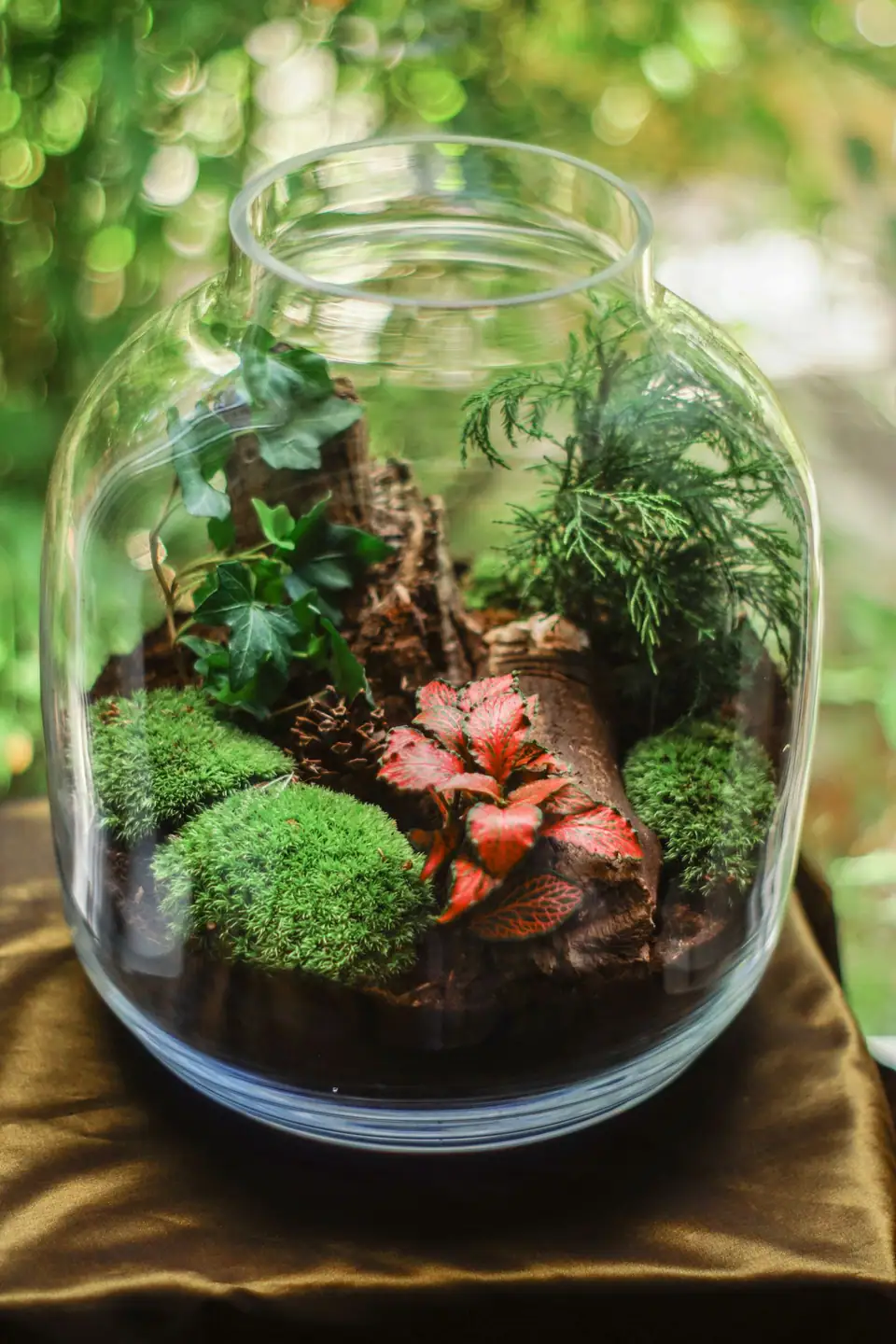
Credit : Katarzyna Modrzejewska
Quick Tip: Build in layers: pebbles first, then charcoal, then soil, then plants. The layers show through the glass like a cutaway hillside, and the charcoal keeps the tiny ecosystem smelling fresh for months at a time.
Terrariums are gardens at jewel scale. Moss, tiny ferns, and fittonia settle into glass bowls that sit on desks, shelves, and side tables, bringing green to spots no pot would ever fit. Leave the lid off for dry loving plants, on for humidity fans, and mist lightly rather than pouring. A row of three along a mantel reads like a miniature landscape. Group them where morning light can strike the glass.
Shady Corner Plant Revival
Credit : Zeynep YILMAZ
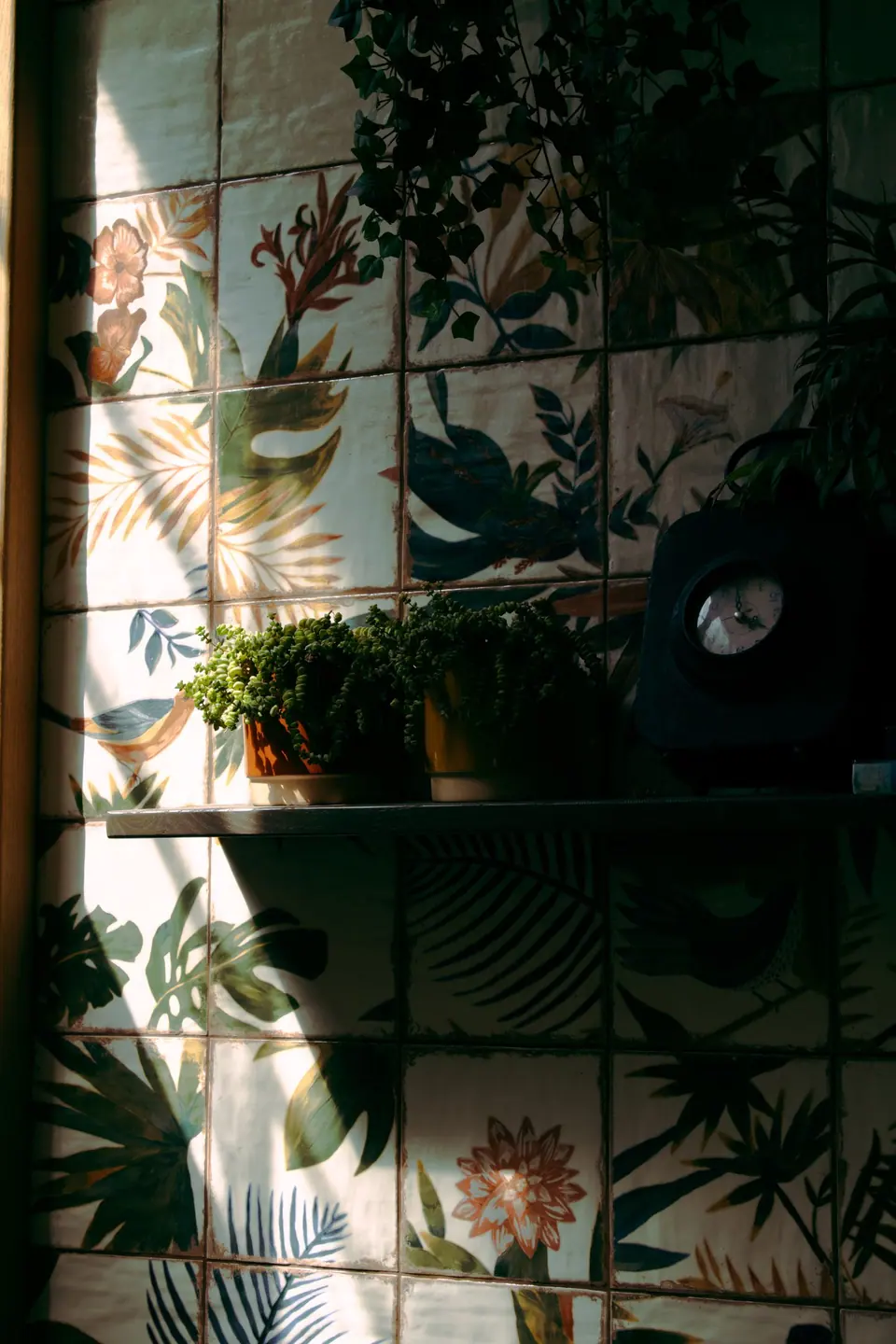
BEFORE: The north corner defeated every plant it met. A fern crisped, a palm yellowed, and the last tenant was a plastic shrub gathering dust while the rest of the room pretended not to notice.
AFTER: Snake plants, a ZZ plant, and a cast iron plant now share the corner in stepped heights, all chosen for exactly this light. Deep green leaves hold their color month after month, and the corner finally pulls its weight in the room.
Low light is a plant choice problem, not a plant ban. True shade tolerant species grow slowly but steadily where sun lovers starve, and their darker leaves suit moody corners. That’s why many experts recommend matching the plant to the light you have, never the light you wish for.
Pocket Planter Walls
Credit : Matheus Bertelli
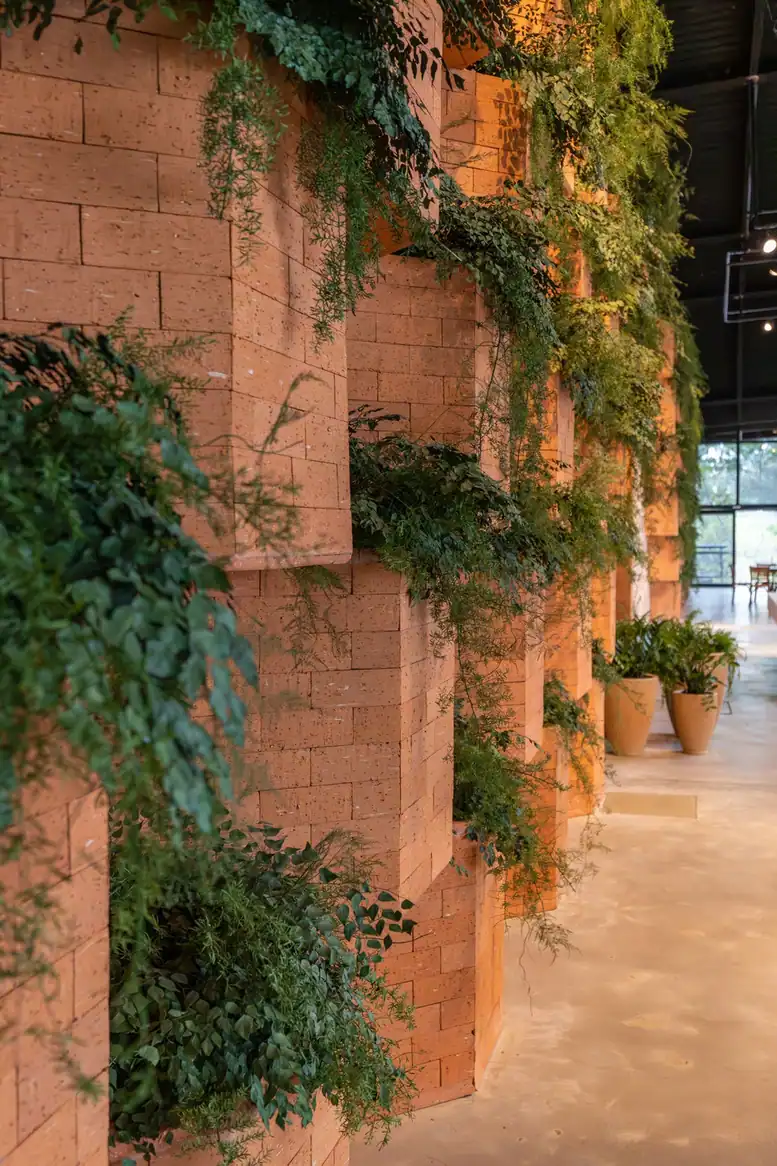
- Choose a wall that gets bright, indirect light for most of the day.
- Fix a felt pocket panel or a grid of small wall pots to studs, not plaster alone.
- Fill pockets with trailing and compact plants kept in nursery pots for easy swaps.
- Water from the top pocket down, letting gravity share the flow.
- Keep a small step stool nearby; high pockets get missed without one.
Pocket walls garden vertically when floor space runs out. They suit renters too, since one panel leaves only a few screw holes behind. Start with a panel of twelve pockets, learn its watering rhythm for a month, and only then expand across the rest of the wall.
Wood Slat Versus Stone
Credit : Kriss L
| Feature | Wood Slat Panels | Stone Veneer |
|---|---|---|
| Warmth | Warm tones, soft echo | Cool tones, solid feel |
| Weight | Light, easy to hang | Heavy, needs solid fixing |
| Cost | Budget friendly panels | Premium per square meter |
| Best Wall | Behind sofas and beds | Fireplaces and entries |
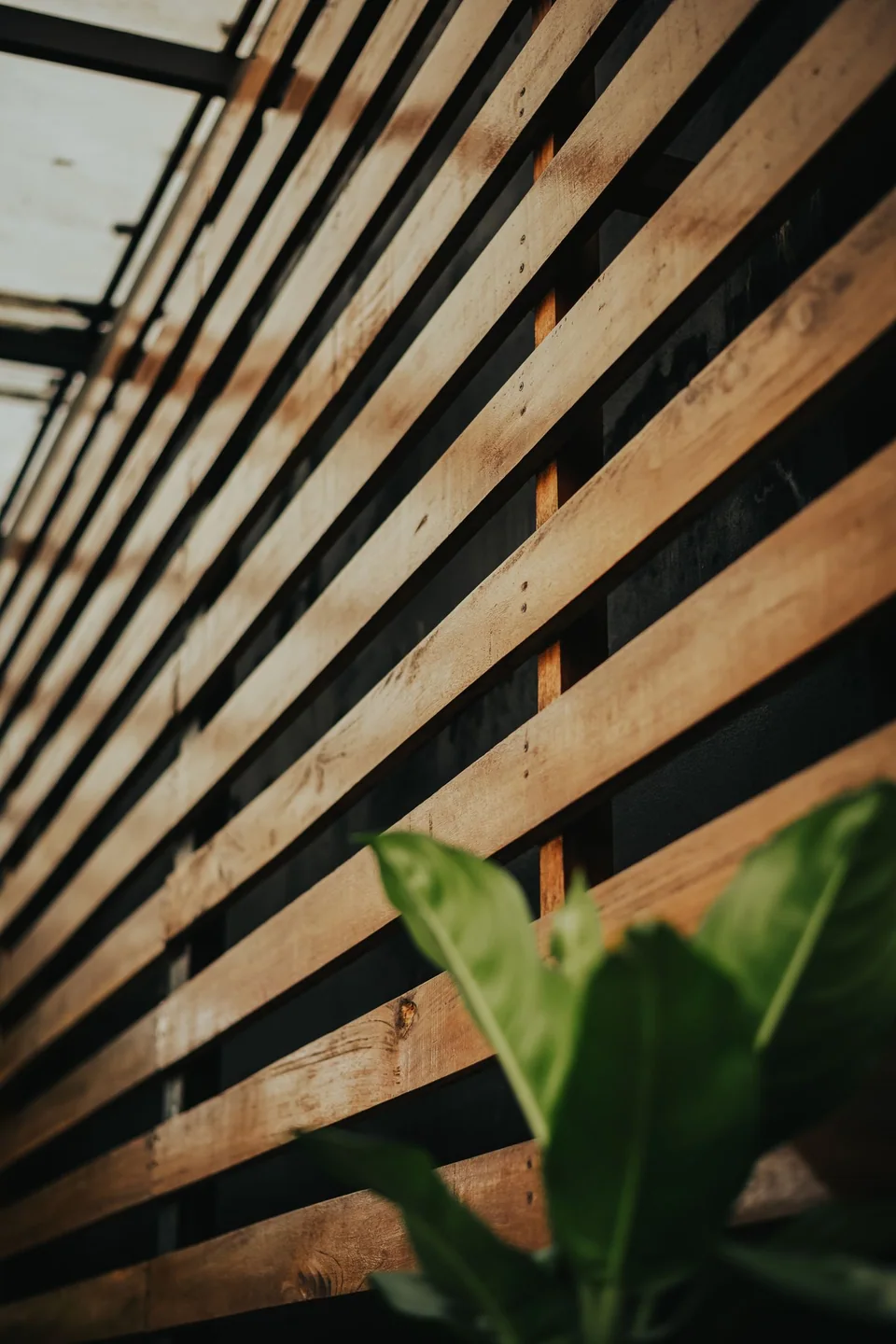
Both materials borrow their looks straight from the landscape. Slats echo a forest of trunks and soften sound in echoing rooms, while stone reads as cliff face and anchors a space with real weight. Choose by the mood of the room: warm and hushed, or cool and grounded. When budget allows, slats on one wall and stone on the next rarely fight.
Fragrant Plant Corners

Credit : Ánh Đặng
Do:
- Place lavender and jasmine where hands brush past often.
- Grow scented geraniums on sunny sills for citrus leaves.
- Set one fragrant plant beside the reading chair.
- Refresh cut eucalyptus in a vase every few weeks.
Don’t:
- Cluster five strong scents together in one small room.
- Layer artificial sprays over real plant fragrance.
- Put lilies where cats can reach the pollen.
Scent is the sense that turns a plant display into a place. One fragrant corner perfumes the route from door to sofa, and the brain files the whole home under calm. Rotate scents with the seasons, jasmine for summer evenings and woody eucalyptus through the winter months.
Indoor Citrus Trees
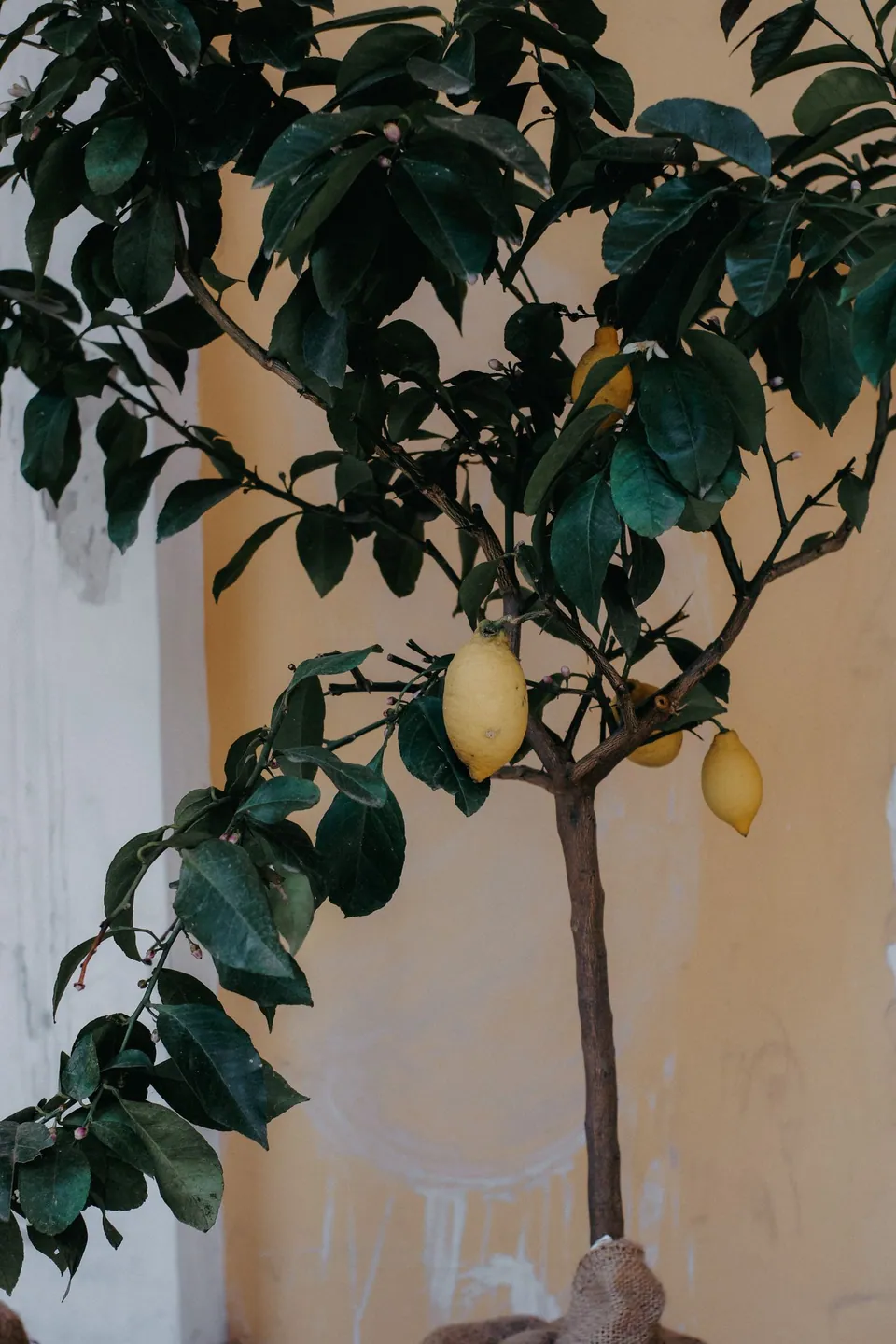
Credit : Nati
Cost: Mid range for a grafted tree | Time: A season to settle in | Skill Level: Intermediate | Best For: The sunniest window in the house
A small lemon or calamondin tree is the houseplant that pays rent. Glossy leaves, perfumed blossom, and fruit that actually reaches the kitchen make it the hardest working pot in a sunny room. Citrus wants the brightest window you own, a deep drink when the top soil dries, and a turn every fortnight so the canopy grows evenly. Winter leaf drop happens; steady light brings the tree back by spring. Feed lightly in spring and summer, then rest the tree through the dark months.
Botanical Bathroom Retreat
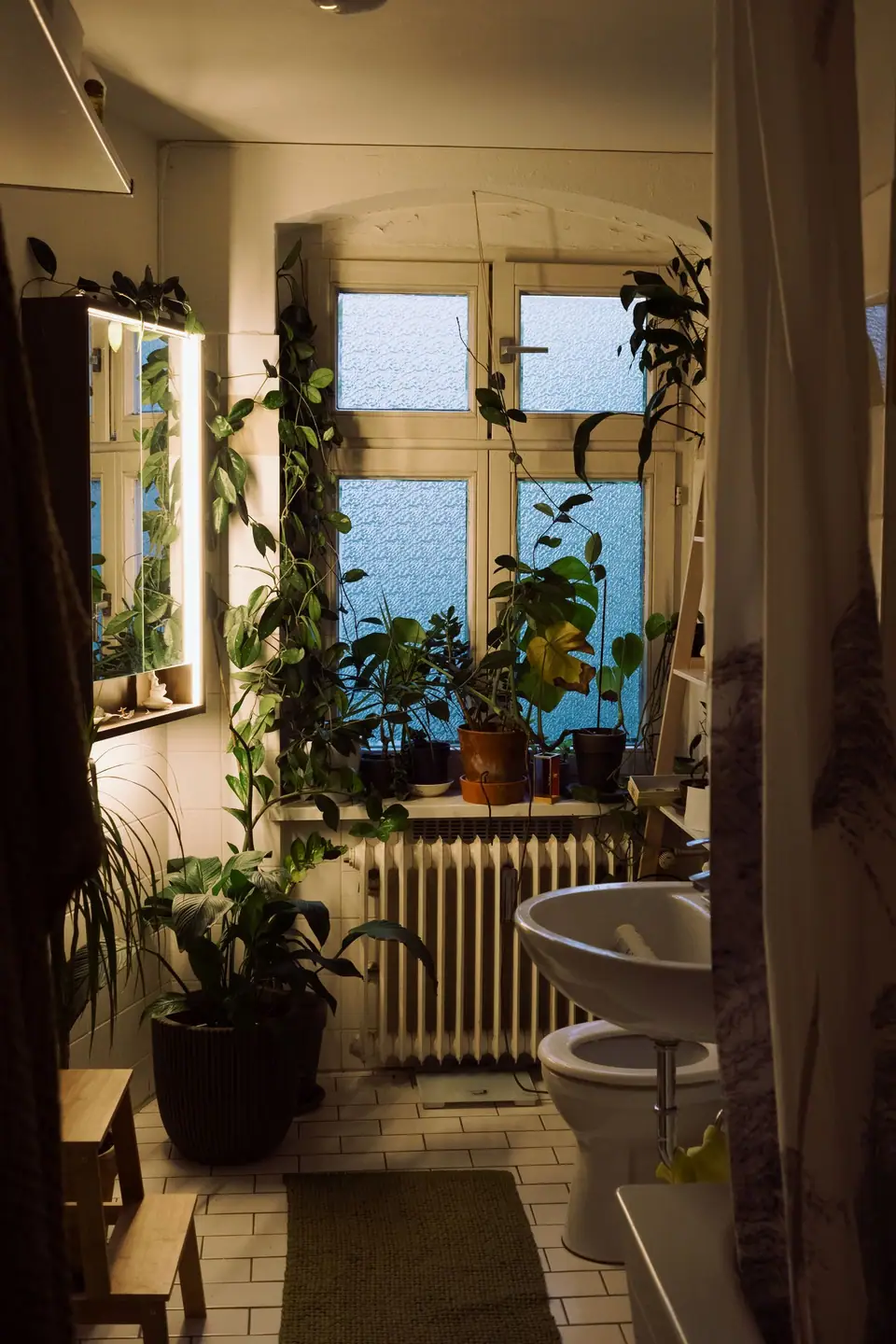
Credit : Felipe Souza Melo
Steam, soft light, and humidity loving plants turn the bathroom into the easiest jungle in the house. Ferns, pothos, and air plants thrive on shower mist alone, and a wooden stool stacked with rolled towels completes the spa picture without a single renovation or a single new tile.
Hang trailers from high shelves where splashes cannot reach the soil, and keep one sculptural plant beside the tub as the green anchor of the room. I’ve seen this work well in many cases, even in windowless rooms, provided a small grow light runs a few hours daily. Rinse leaves monthly to keep them dust free and breathing well.
Conclusion
Nature does not ask for a new house, just an invitation indoors. A green wall here, a shelf of leaves there, and honest wood and stone under your hands can shift how every room feels by the end of the month and every week after. Start with the corner you see first each morning, finish it fully, and let that small success plan the next one. For fresh biophilic interior design inspiration as your rooms evolve, save this list to your Pinterest board, try one idea this week, and share the corner that finally feels alive.