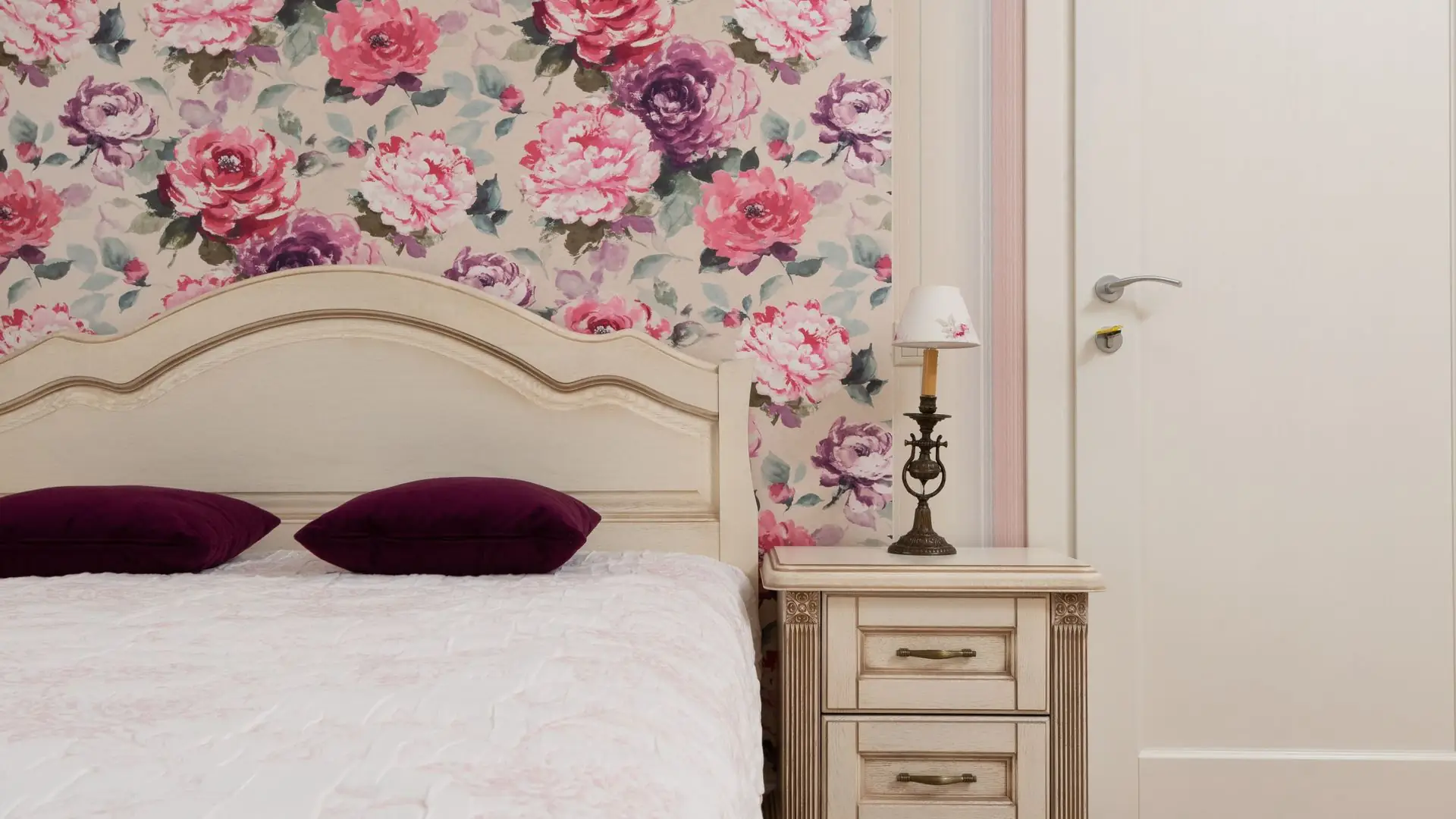
24 Bedroom Wallpaper Ideas for a Dreamy, Stylish Retreat
Walls set the mood of a bedroom before anything else does, and bedroom wallpaper ideas give that mood a clear direction, from soft florals to bold murals that frame the bed. If your room feels flat even after fresh bedding and lamps, the walls are often the missing layer, and a single patterned wall can change how the whole space reads. For a softer window treatment to pair with the new walls, see these living room curtain ideas for calm, layered inspiration.
Below you will find twenty four looks that suit small rooms, rented rooms, and main bedrooms alike, each one chosen for color, scale, and ease of living with day after day. Read through, note the prints that make your heart lift, and keep your bed, your light, and your budget in mind as you pick a favorite.
Floral Dream Walls
Credit: Curtis Adams
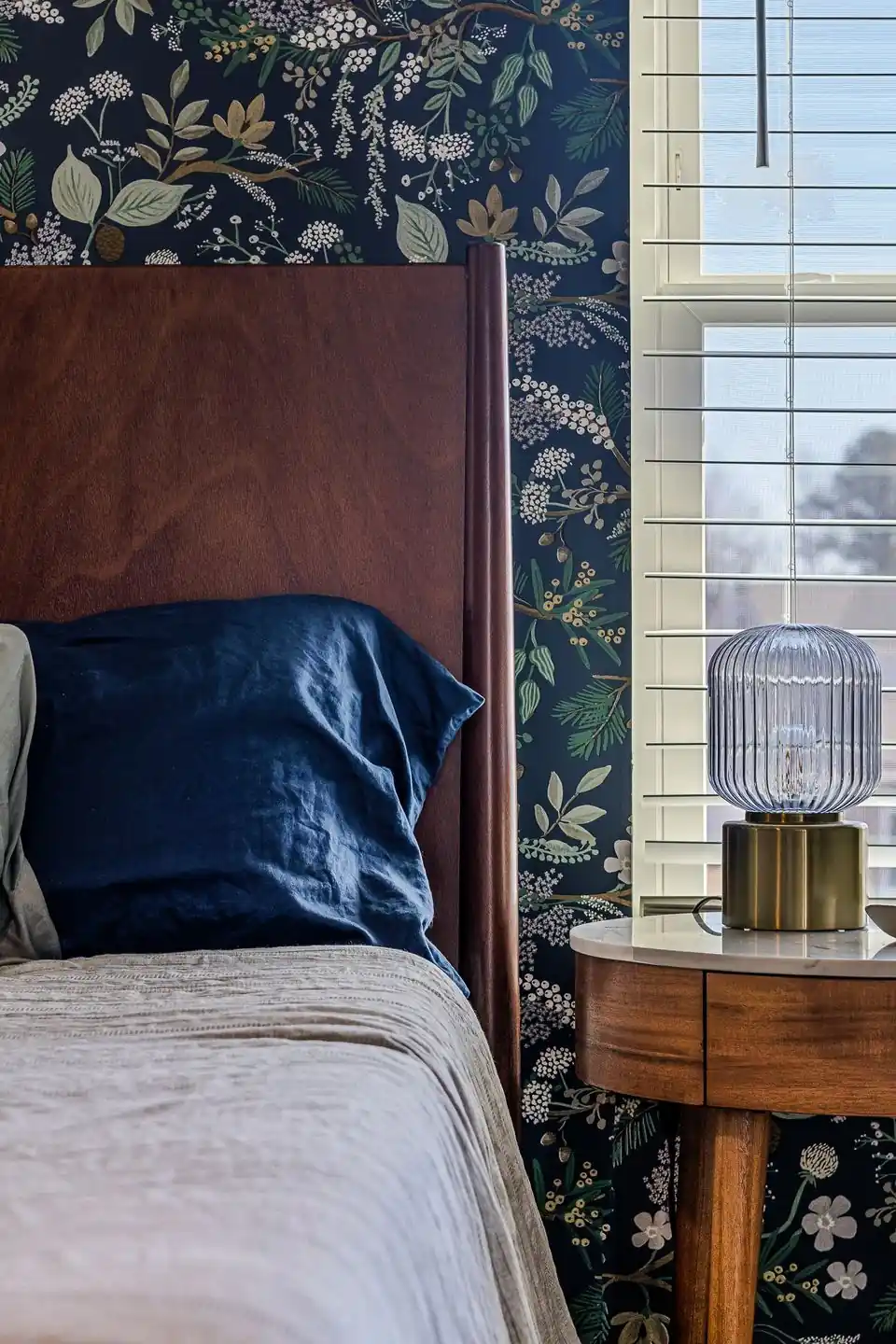
Roses in soft blush climb a cream ground and turn a plain wall into a garden that never needs watering, and the effect feels gentle rather than loud. In my experience, small scale florals work best in rooms where the bedding already carries color, since the wall can echo a pillow or a throw without shouting over it. Keep the print on one wall, let the other walls stay pale, and the room gains depth without losing its calm.
Pair the paper with plain linen bedding, warm wood, and a single vase of fresh stems, and the whole corner reads collected rather than decorated. A white frame or two keeps the wall from feeling busy, and soft morning light does the rest.
Botanical Leaf Prints
Credit: Max Vakhtbovych
- Large palm leaves in deep green suit bright rooms with plain white bedding.
- Fine fern fronds in sage keep a small room airy and calm.
- Muted monstera prints feel modern beside rattan, oak, and black metal.
- Trailing vines draw the eye upward on tall or narrow walls.
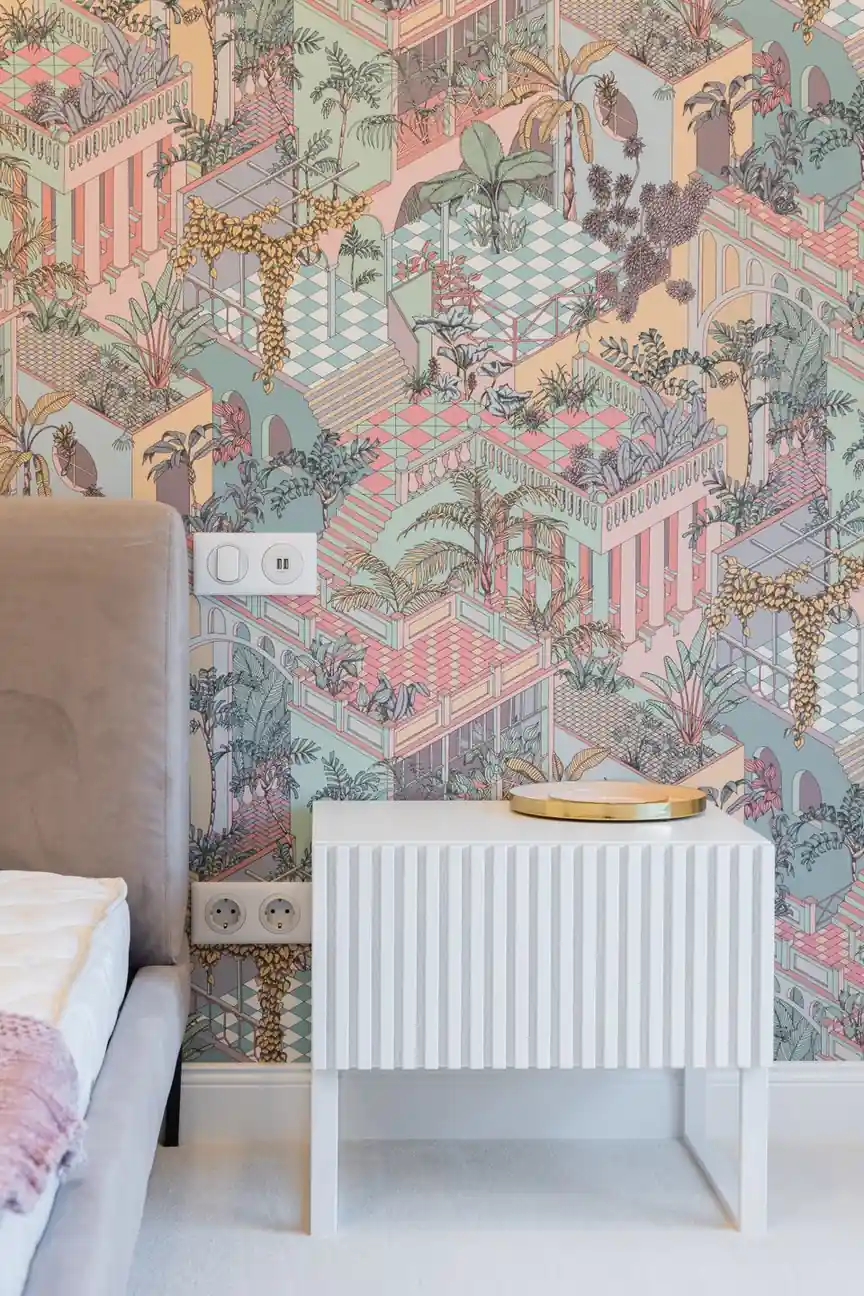
Hang the paper on the wall behind the bed, keep the side walls pale, and repeat one green tone in a throw, a cushion, or a small plant so the whole room feels joined up rather than patched together from separate pieces. The leaf print then reads as a calm backdrop instead of a loud feature, and the room stays restful at night.
Soft Neutral Textures

Credit: Lisa Anna
Quick Tip: Order a sample and tape it to the wall for three days, checking it in morning light, evening lamplight, and plain daylight before you commit to a full roll.
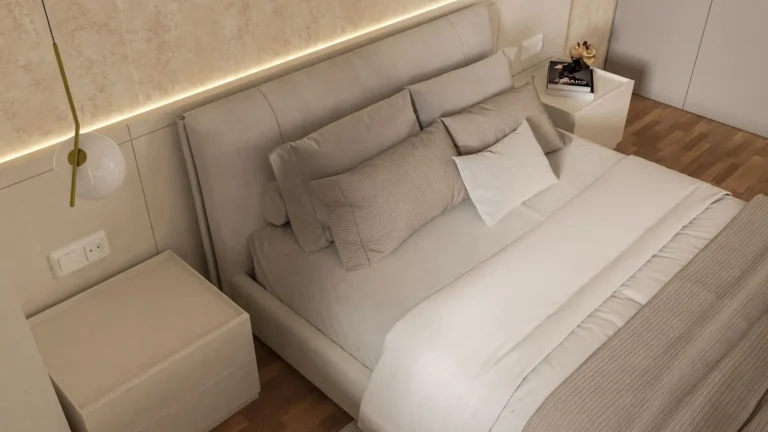
Neutral texture suits sleepers who want warmth without a visible pattern, and a woven or plaster look adds depth that paint alone cannot match. I’ve seen this work well in many cases where a room felt cold, since the texture catches light and shadow across the day. Keep bedding in matching warm tones, add one darker cushion for contrast, and let the wall do its quiet work in the background.
Bold Accent Wall
Credit: Christopher Moon
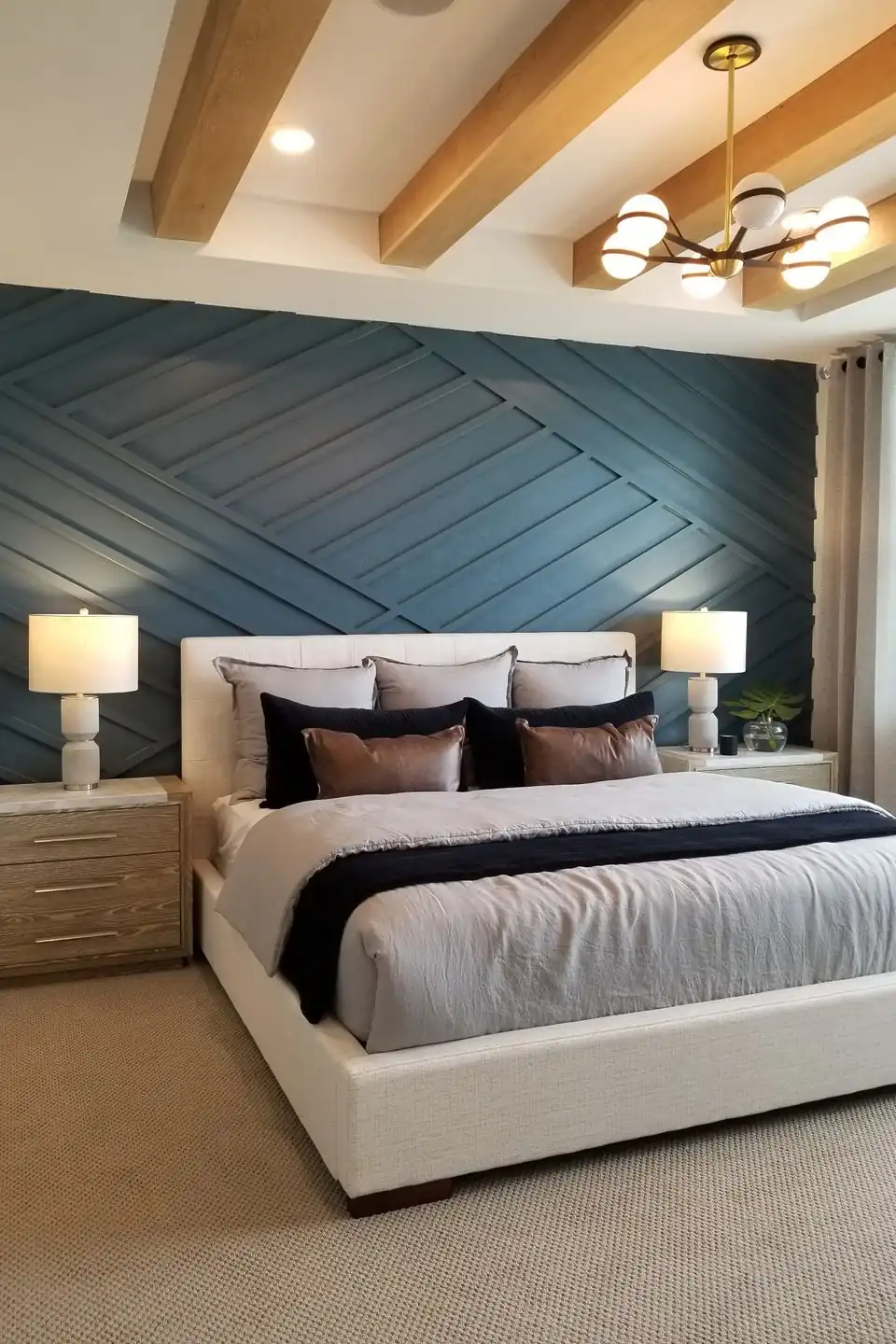
BEFORE: The room was a plain box, pale on every side, and the bed seemed to float without an anchor, so nothing in the space held the eye for long.
AFTER: One bold patterned wall now grounds the bed, the lamps glow warmer against the color, and the whole room feels finished, as if the furniture finally belongs where it stands.
Bold color works best on the wall your headboard touches, since you see it least while lying down and most when you enter the room. Balance it with plain bedding and pale side walls, and the drama stays welcoming rather than heavy.
Peel And Stick Ease
Credit: Max Vakhtbovych
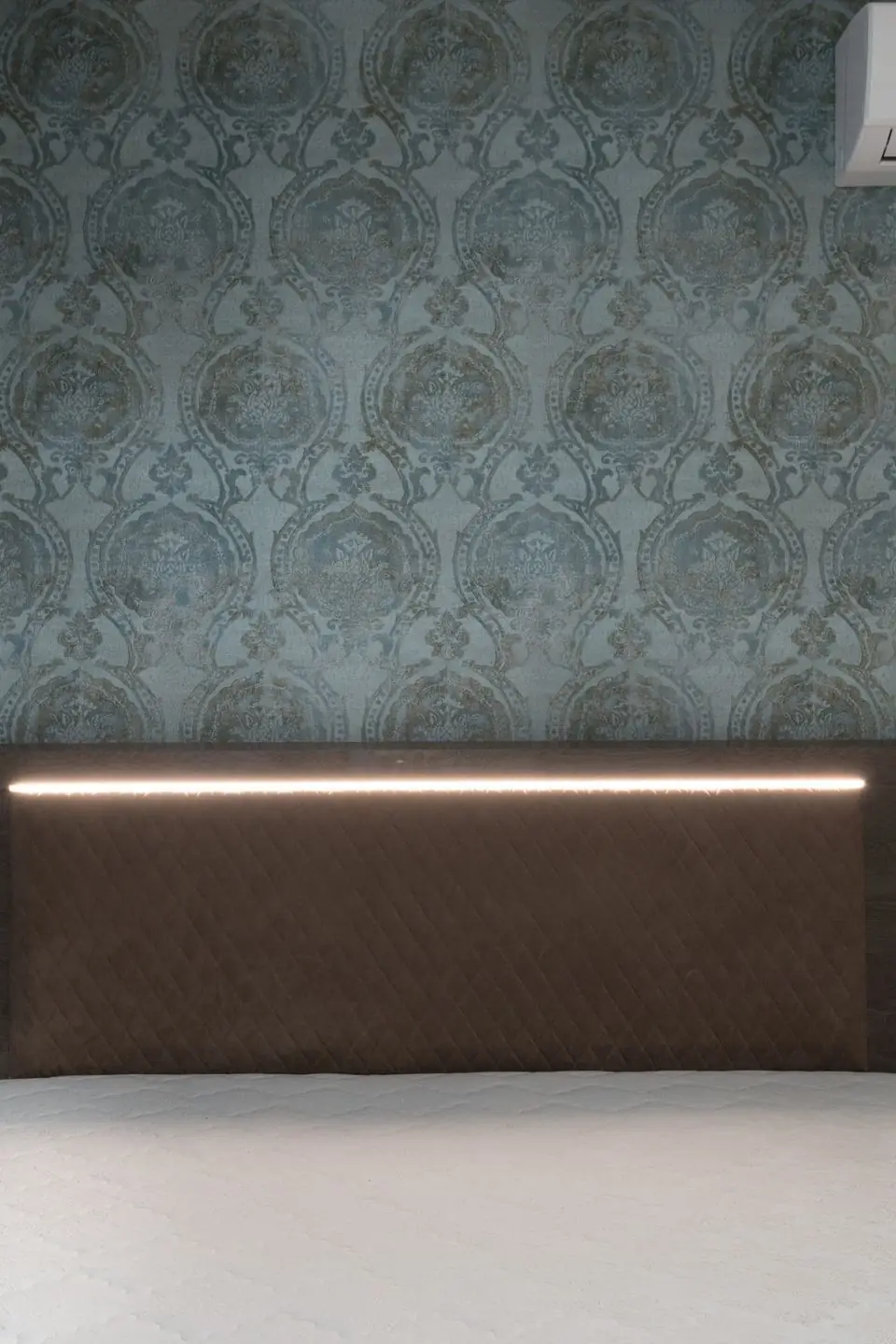
Renters love peel and stick paper because it changes a room without risking a deposit, and the range covers florals, stripes, and grasscloth looks. Start with a clean, dry wall, peel a short length at a time, and smooth from the center outward with a soft cloth.
- Measure the wall twice and cut panels long for trimming.
- Line up the first panel with a level, not with the ceiling edge.
- Press out air slowly, working from the middle toward each side.
- Trim at the baseboard with a sharp blade and a straight edge.
That pace keeps seams straight and bubbles rare, and a second pair of hands makes long panels easier to handle. When moving day comes, peel from a corner and warm stubborn spots with a hair dryer.
Mural Versus Pattern
Credit: BELYAEV.IN
| Feature | Mural | Repeat Pattern |
|---|---|---|
| Scene | One large picture | Motif repeated evenly |
| Best wall | Wide, clear wall | Any wall, even broken |
| Furniture fit | Needs open space | Hides behind furniture |
| Cost feel | Statement spend | Easy to extend later |
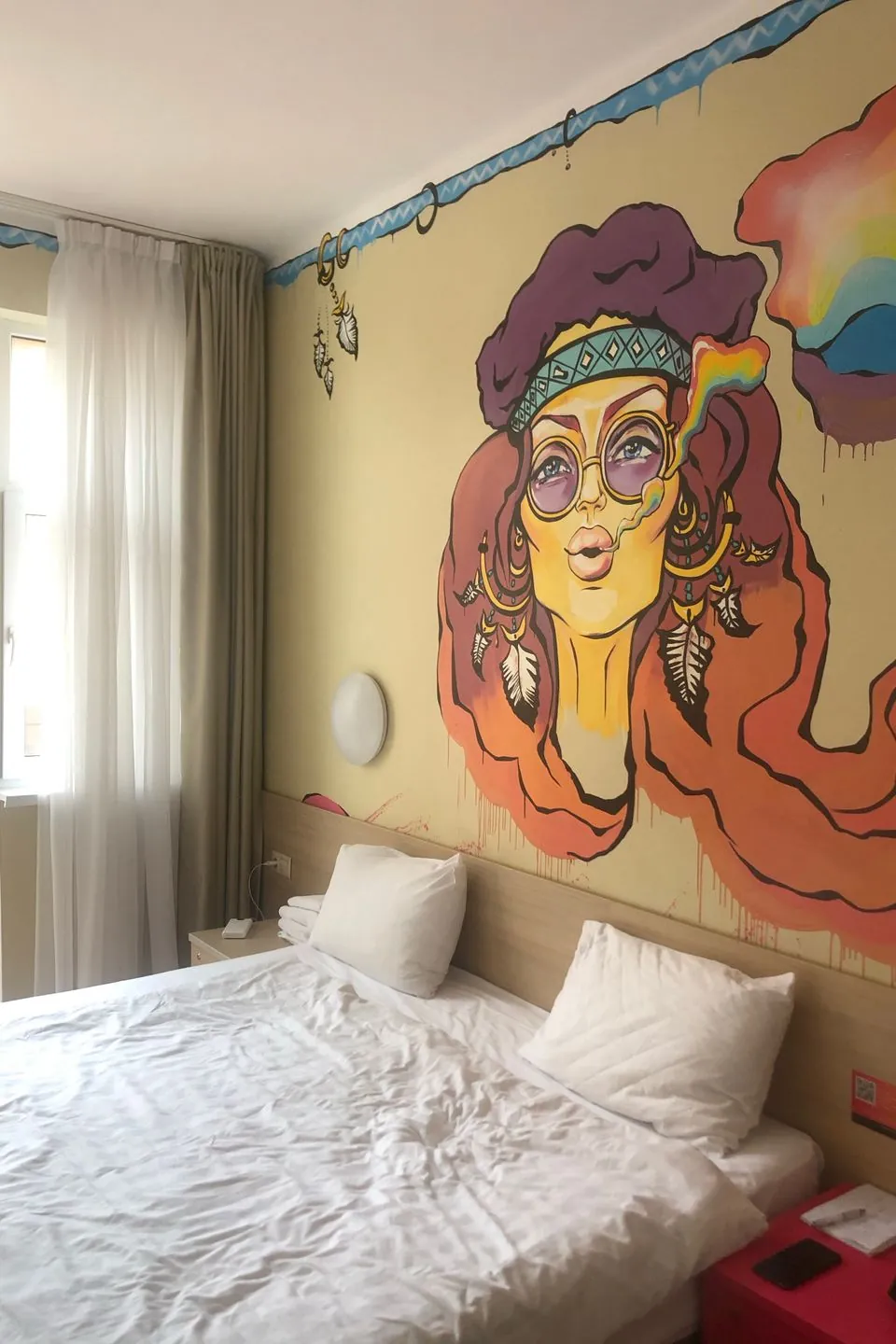
Murals suit a wall you can step back from, while repeat patterns forgive corners, doors, and wardrobes that break the surface. Pick a mural for drama and a repeat for calm, and let the size of your wall settle the choice. Measure the clear width first, since a mural cropped by a wardrobe loses the very scene you paid for, and a repeat pattern simply carries on around the obstacle.
Dark Moody Tones
Credit: cottonbro studio
Do:
- Pair dark paper with warm lamps and pale bedding for balance.
- Keep one wall dark and the rest of the room light.
- Repeat the dark tone in a cushion or a throw.
Don’t:
- Cover every wall in a small, dim room.
- Match dark paper with heavy dark curtains as well.
- Skip mirrors, since they bounce light back into the room.
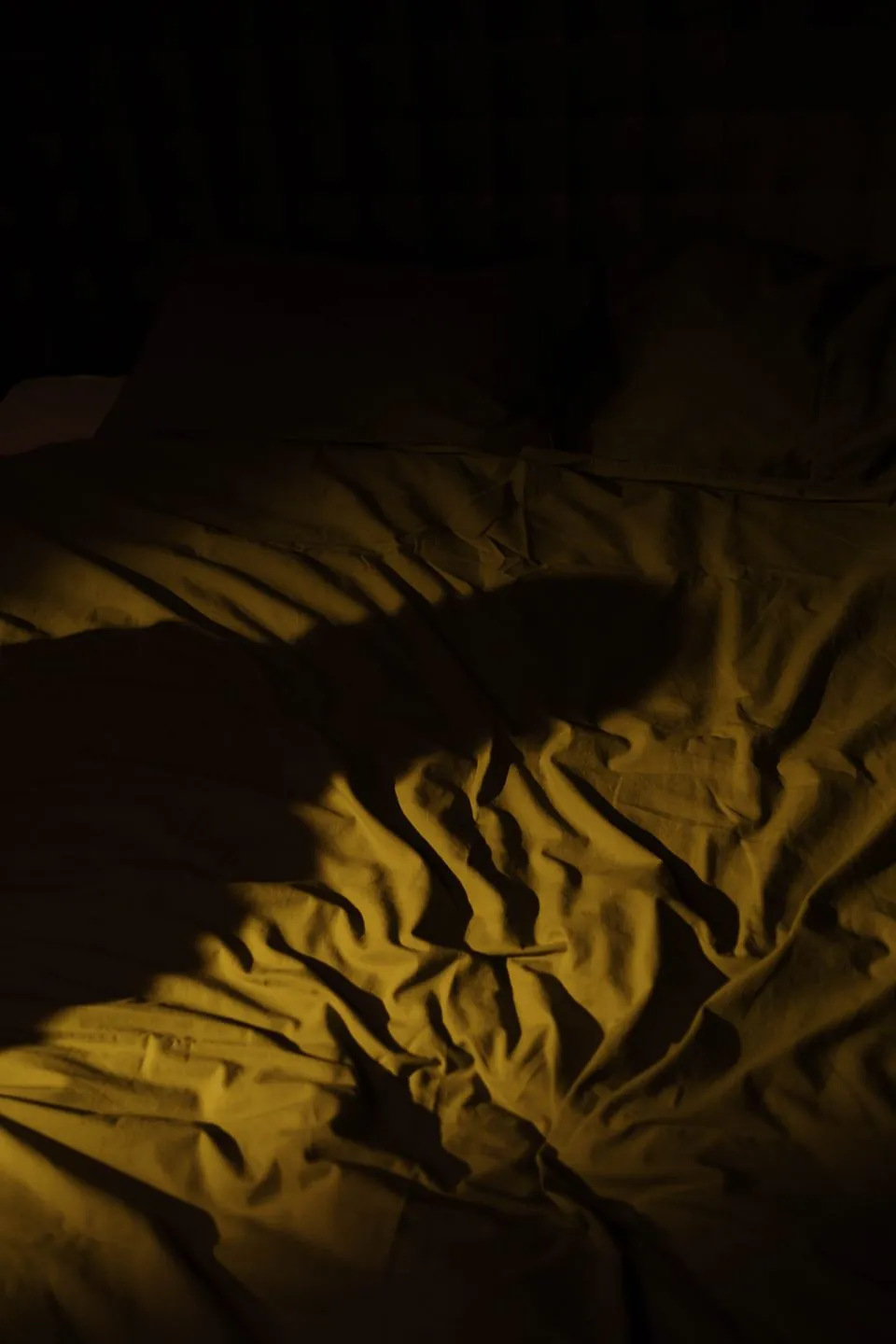
Dark paper turns a bedroom into a cocoon, and that depth helps many sleepers wind down at night. The trick is contrast, so the bed stays bright, the lamps stay warm, and the dark wall reads as a backdrop rather than a cave.
Grasscloth Texture Facts

Credit: Jonathan Borba
Cost: Mid to high range, with natural fibers priced above printed paper.
Time: A single wall takes most of a day with careful pasting.
Skill Level: Best left to a steady hand or a hired paperhanger.
Best For: Calm main bedrooms where texture matters more than pattern.
Grasscloth brings a woven, organic feel that printed paper only imitates, and its slight color shifts across panels read as depth rather than flaws. Keep the rest of the room simple, since the wall itself carries the interest, and dust it gently with a dry cloth now and then to keep the fibers fresh.
Vintage Floral Charm
Credit: Neda Kekil
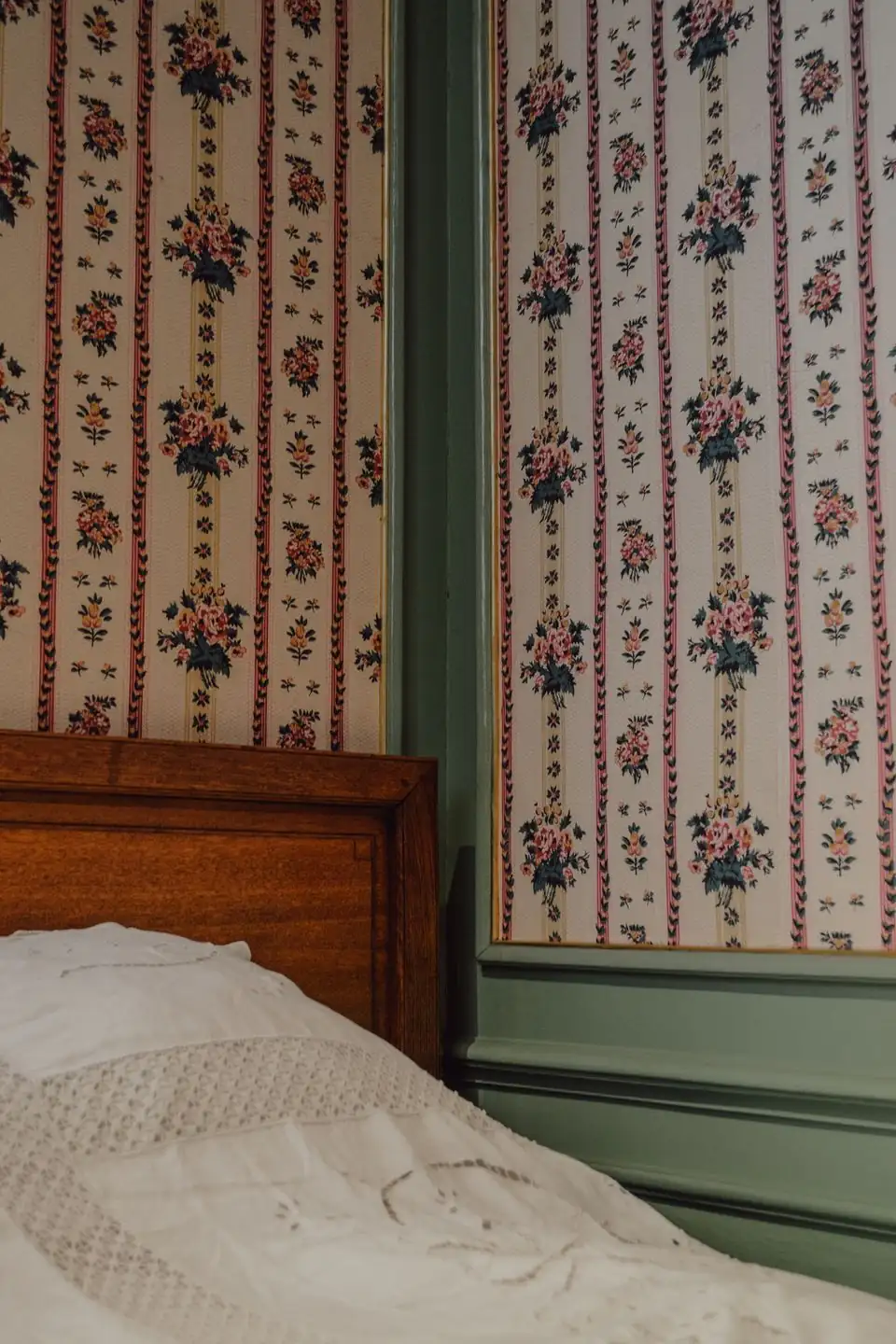
Old fashioned roses in faded pink and sage carry a gentle nostalgia, and they suit wooden beds, quilts, and lamps with fabric shades. The print feels gathered over time rather than bought in one trip, and that quality gives a new room an instant sense of history. I’ve noticed that smaller repeats suit this look best, since large blooms can turn sweet into loud in a small space.
Keep the palette muted, let one floral tone repeat in a cushion, and leave the side walls in a warm cream so the vintage wall stays the star. A simple wooden frame or two finishes the corner without fuss.
Geometric Line Play
Credit: Max Vakhtbovych
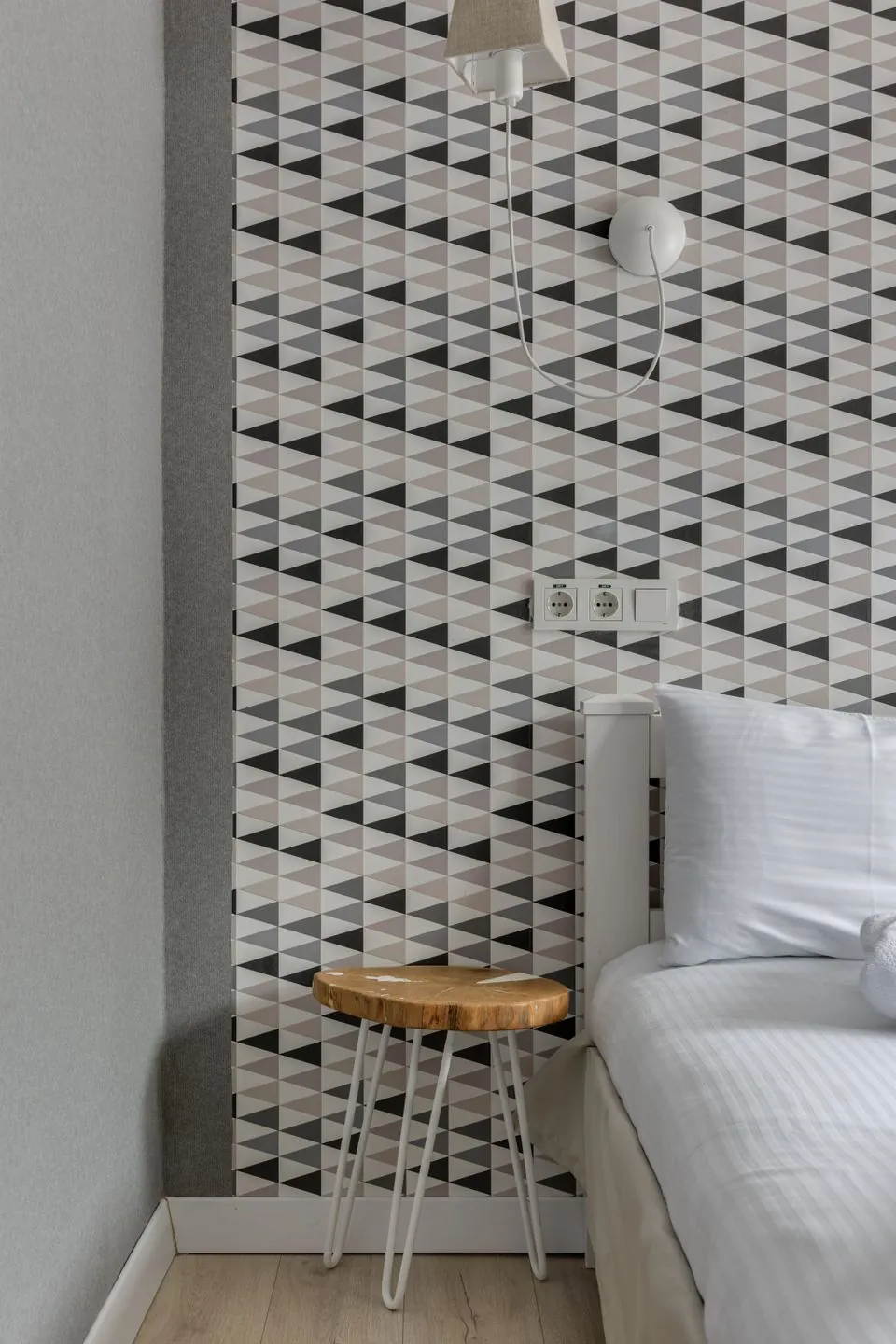
- Thin lines in soft grey keep a modern room crisp without feeling cold.
- Hexagon shapes add quiet geometry above a plain headboard.
- Wide arches in warm tones soften a boxy room nicely.
- Small diamonds suit narrow walls beside a wardrobe or a door.
Geometry gives a bedroom order, and that order calms a room full of mixed furniture. Match one line color to your bedding, keep the rest of the palette pale, and let the pattern sit behind the bed where it frames the room instead of fighting it. A plain rug and simple lamps keep the geometry crisp too.
Ceiling Height Tricks

Credit: Dmitry Alexandrovich
Quick Tip: Run vertical stripes or tall panels right up to the ceiling line, since breaking the pattern with a border makes a low room feel lower.
Height tricks work because the eye follows lines, and a vertical print pulls the gaze upward even when the ceiling stays exactly where it was. That’s why many experts recommend vertical repeats for rooms under eight feet, paired with curtains hung close to the ceiling. Keep the print light in tone, and the lift feels natural rather than forced. Paint the ceiling a shade lighter than the walls for extra lift. The effect is subtle but real.
Plain To Patterned
Credit: Max Vakhtbovych
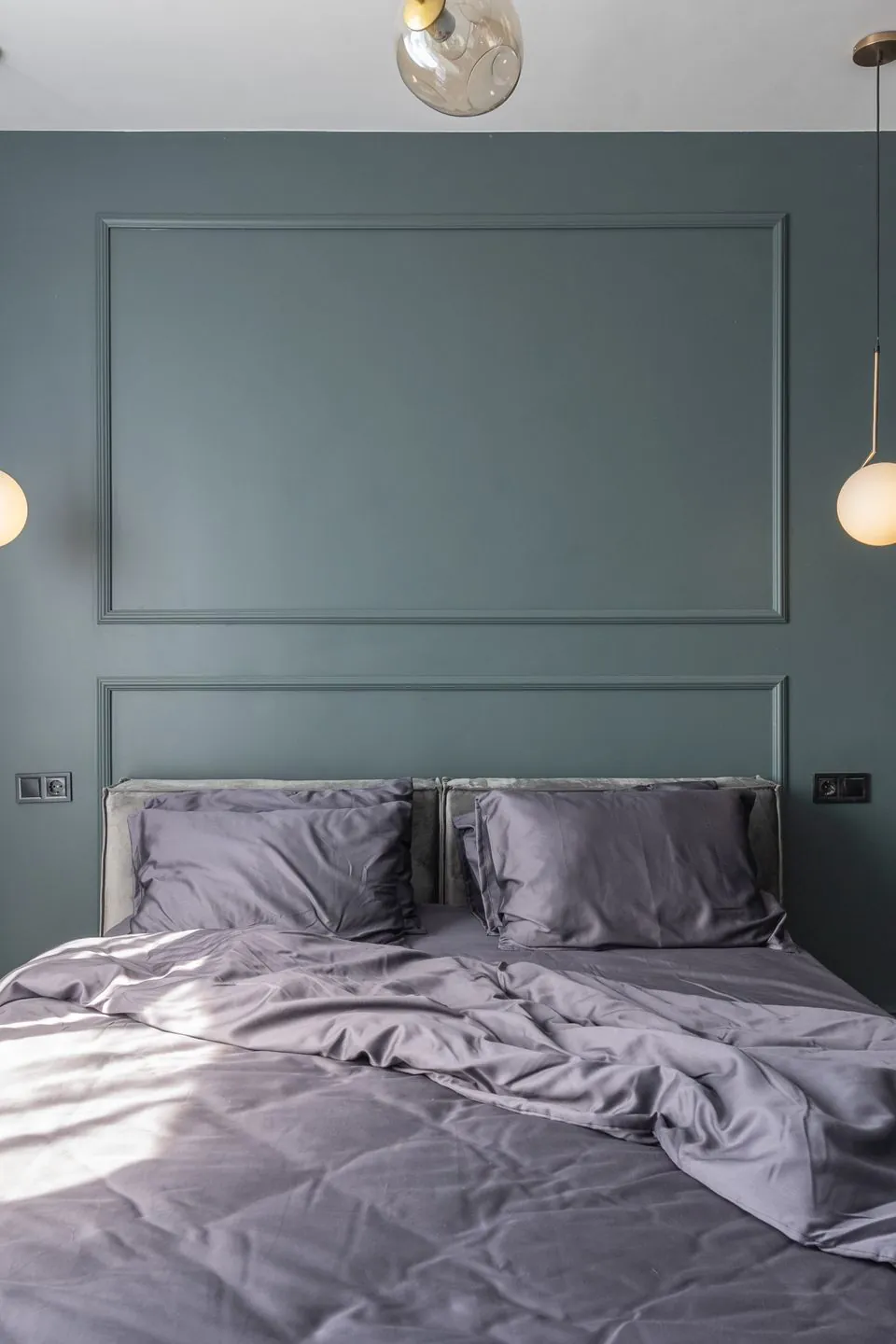
BEFORE: The bedroom was clean but forgettable, white walls meeting white bedding, and guests could not have said one thing about the room afterward.
AFTER: A single patterned wall now gives the room a memory, the bed looks dressed even before the pillows are arranged, and mornings feel a little brighter.
One wall is enough to change the story, and it keeps the cost and the commitment low for a first paper project. Pick a print you still like in plain daylight, since that is the light you will live with most. Live with a sample first for a few days.
Wallpaper Panel Framing

Credit: cottonbro studio
Framed panels turn a print into art, and the method suits renters, small budgets, and anyone nervous about papering a wall. Among all the bedroom wallpaper ideas in this guide, this one asks the least of your walls while still giving the room a focal point. For a warm glow to match the new panels, these dining room chandelier ideas show how layered light changes a room at night.
- Cut three panels from one roll.
- Mount each panel on thin board.
- Frame the boards in simple wood trim.
- Hang the trio above the headboard.
Space the frames a hand apart, keep the rest of the wall bare, and the trio reads as one piece rather than three leftovers. Swap panels when taste changes, and the wall stays untouched.
Vinyl Versus Paper
Credit: Max Vakhtbovych
| Feature | Vinyl | Traditional Paper |
|---|---|---|
| Cleaning | Wipes clean easily | Needs gentle care |
| Moisture | Handles damp air well | Prefers dry rooms |
| Feel | Smooth and sturdy | Soft, matte finish |
| Removal | Peels in strips | Needs soaking first |
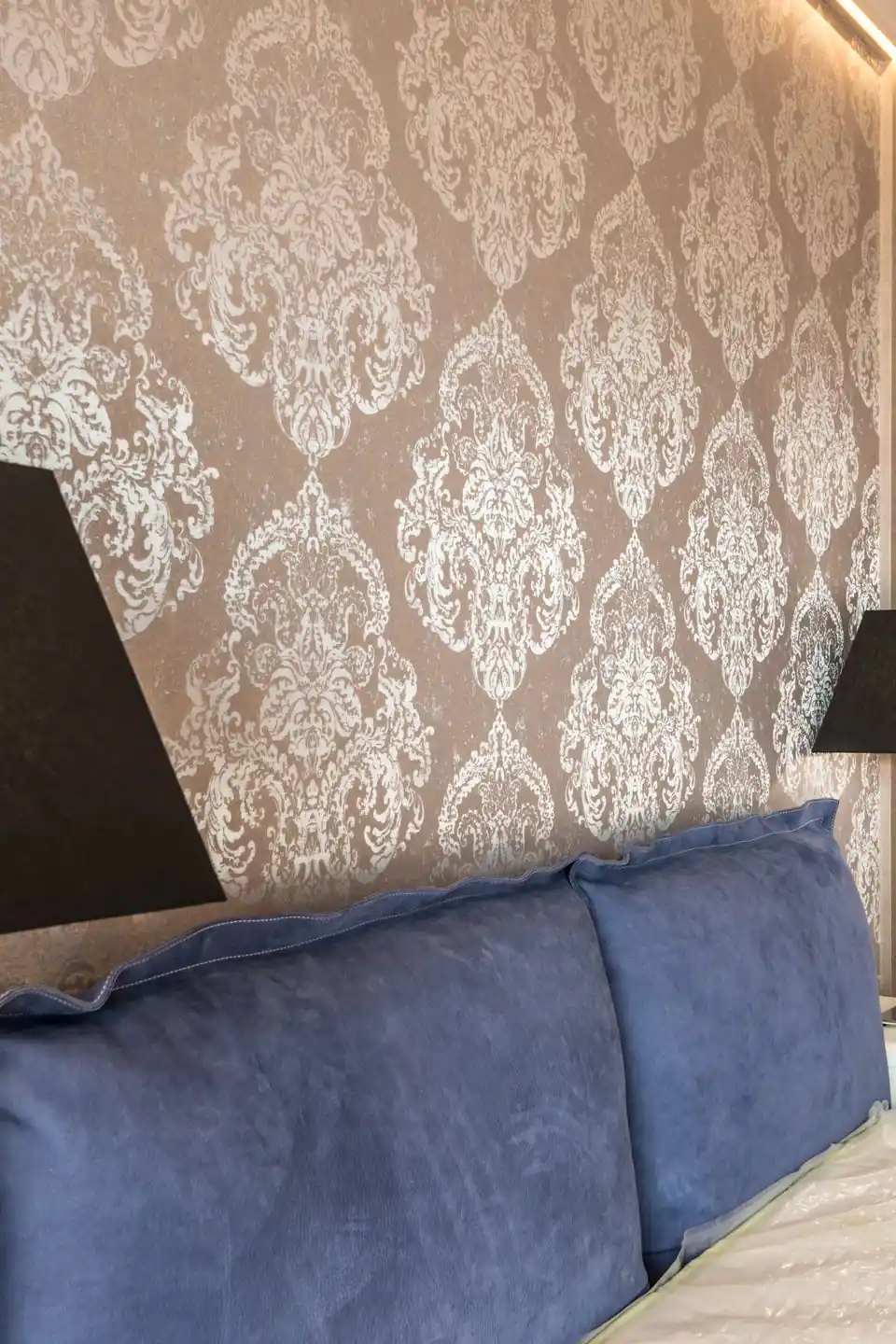
Vinyl suits busy homes and rooms near a bathroom, while traditional paper gives a softer, more natural finish in dry main bedrooms. Match the material to the room, not just the print, and the wall will last far longer. Check the label for washability before you buy, since a wipeable surface near a dressing table or a reading chair saves trouble later, and a matte paper finish hides small wall flaws better than a smooth vinyl sheen.
Small Room Rules
Credit: Max Vakhtbovych
Do:
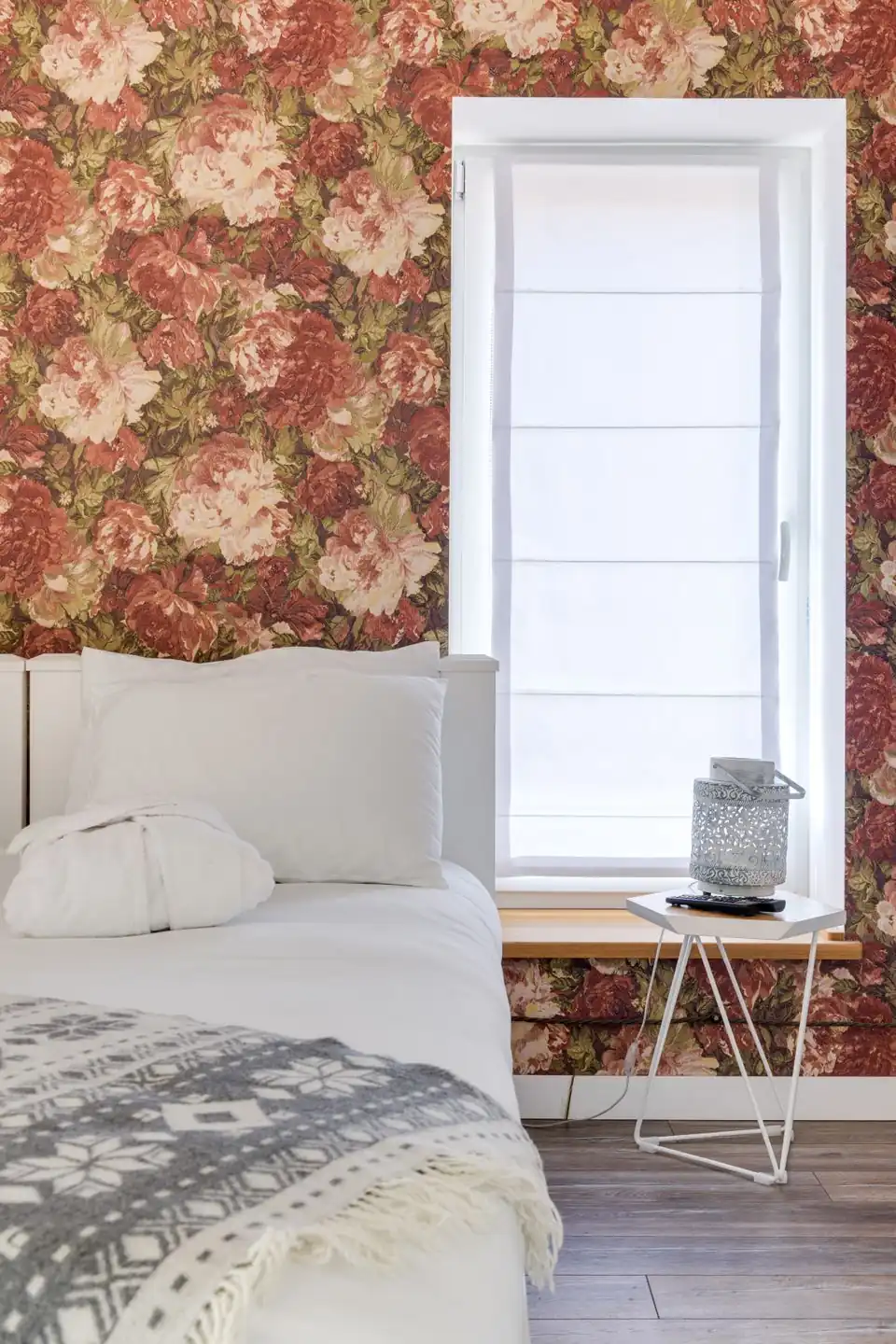
- Pick small repeats and pale grounds for tight rooms.
- Paper the wall behind the bed only, and keep the rest plain.
- Match one print color to your bedding for calm.
Don’t:
- Use large dark blooms that crowd the walls inward.
- Paper all four walls in a room under ten feet wide.
- Mix two bold prints in one small space.
Small rooms reward restraint, and a light print with room to breathe makes the walls feel further away rather than closer. Keep furniture low, let daylight in, and the paper adds charm without shrinking the space. That restraint pays off daily.
Pastel Wash Facts

Credit: Dilafruz Jamalova
Cost: Budget friendly, since pastel prints come in most standard ranges.
Time: One wall in an afternoon for a confident beginner.
Skill Level: Easy, especially with paste the wall paper.
Best For: Guest rooms, nurseries, and calm retreats.
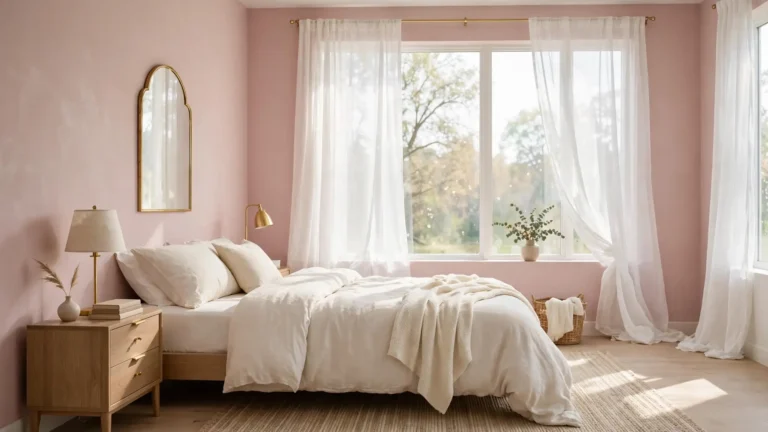
Pastel washes soften a room the way morning light does, and blush, mint, and powder blue all sit well beside white bedding and pale wood. The color stays gentle through the day, so the room feels restful rather than washed out, and a deeper cushion keeps the palette from drifting into bland. A white ceiling keeps the pastels fresh and bright too.
Striped Calm Lines
Credit: Jan van der Wolf
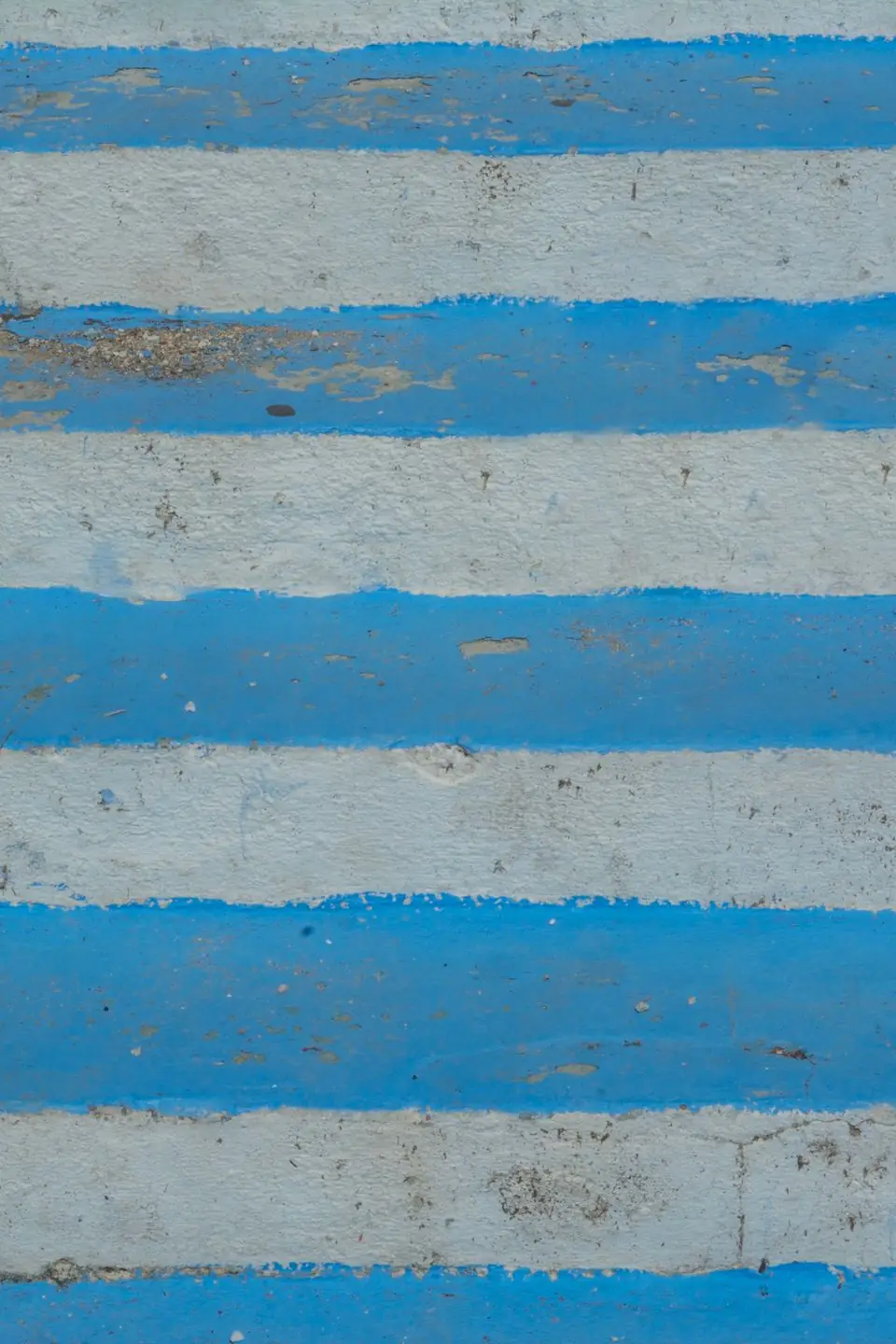
Stripes bring a tailored calm to a bedroom, and wide bands in cream and beige feel like a well cut shirt rather than a loud statement. The lines give the wall structure, the bed sits neatly against them, and the room gains a quiet rhythm that suits both modern and classic furniture. In my experience, tone on tone stripes age best, since contrast stripes can tire the eye after a season or two.
Keep the bedding plain, repeat one stripe tone in a throw, and let the wall carry the pattern alone. A simple lamp and a plain frame finish the look without noise.
Nature Mural Views
Credit: Christina & Peter
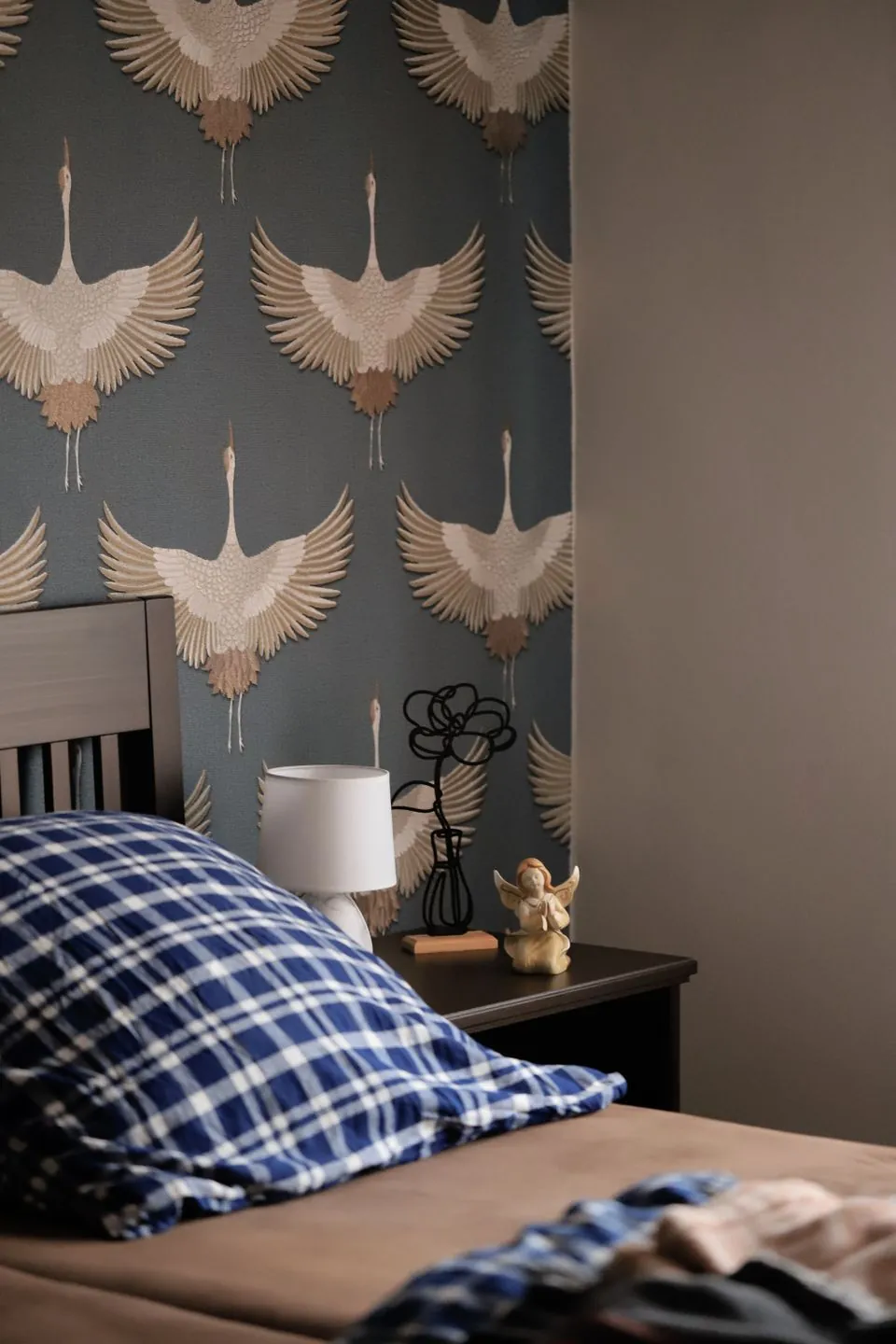
- Misty forest scenes suit rooms with plain bedding and wood tones.
- Mountain views in soft grey calm a bright, sunny bedroom.
- Meadow prints bring gentle color to a north facing room.
- Coastal scenes pair well with white linen and pale floors.
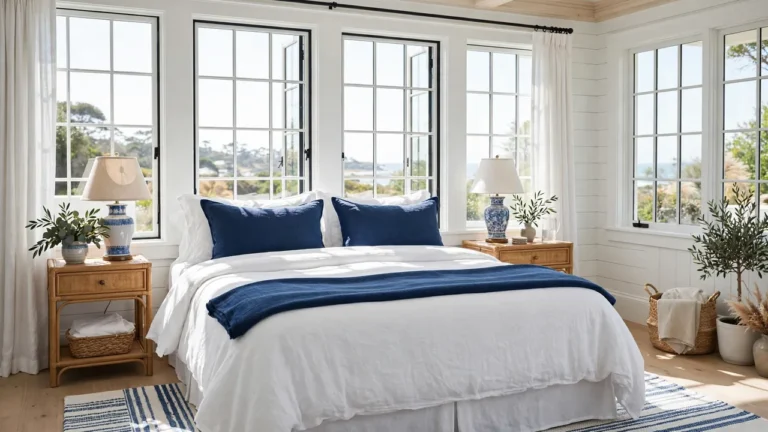
A nature mural turns the bed wall into a window that never closes, and the effect suits sleepers who want calm without a busy repeat. Keep furniture low so the scene stays visible, and choose a mural scaled to your wall, since a scene cropped too tight loses its depth. Leave the mural wall entirely free of shelves and hooks.
Behind Bed Focus
Credit: Max Vakhtbovych
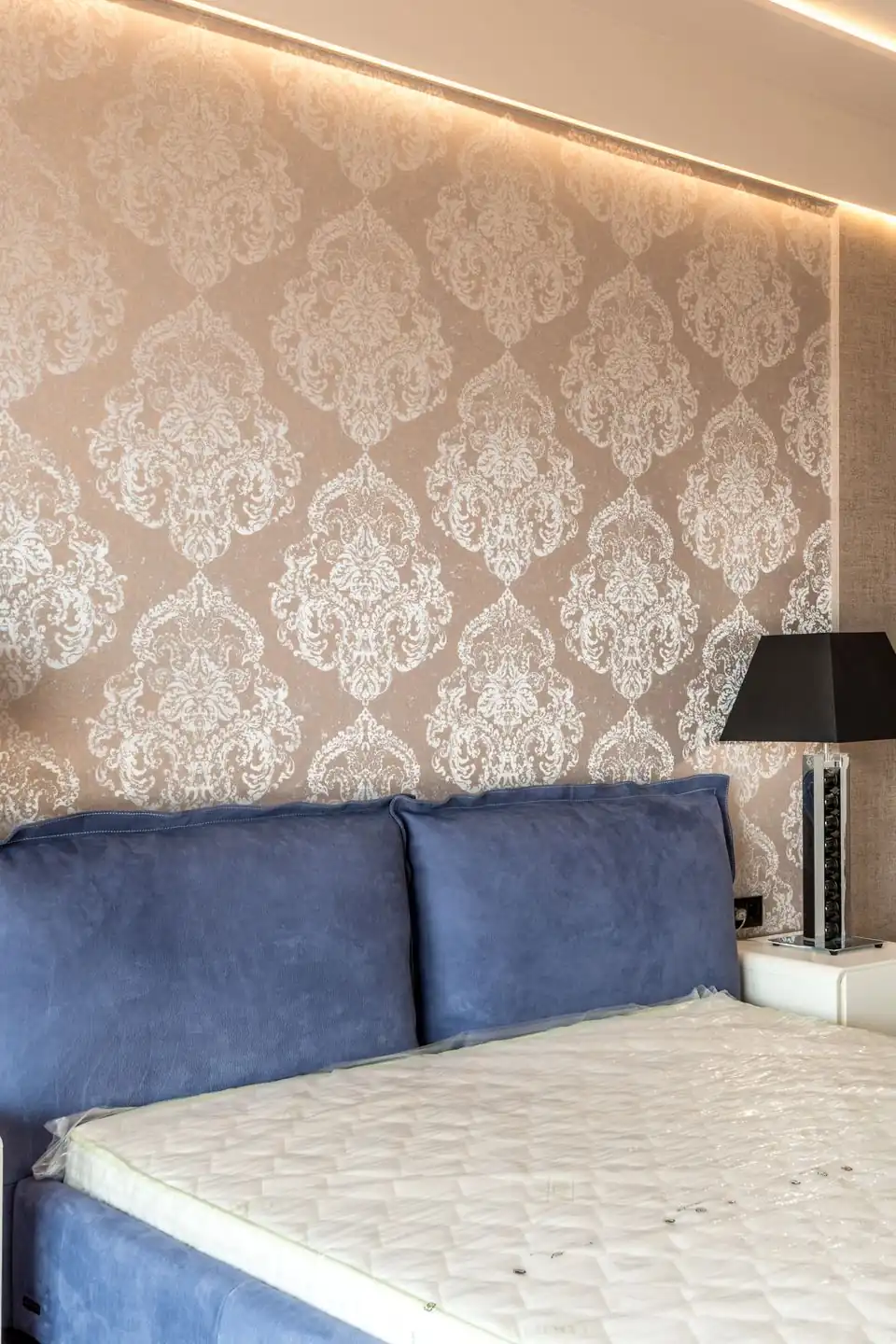
Quick Tip: Center the boldest part of the print behind the headboard, since pillows will hide the lower third and the eye lands on the upper wall first.
The wall behind the bed is the natural stage of a bedroom, and a focused print there frames sleep the way a headboard alone cannot. Keep the side walls quiet, let the headboard sit proud of the paper, and add lamps that glow warm against the print. The result feels layered, and the room gains a center without any extra furniture. That focus costs little yet changes everything. Start with the headboard wall first.
Dated To Dreamy
Credit: Sasha Pshenkov
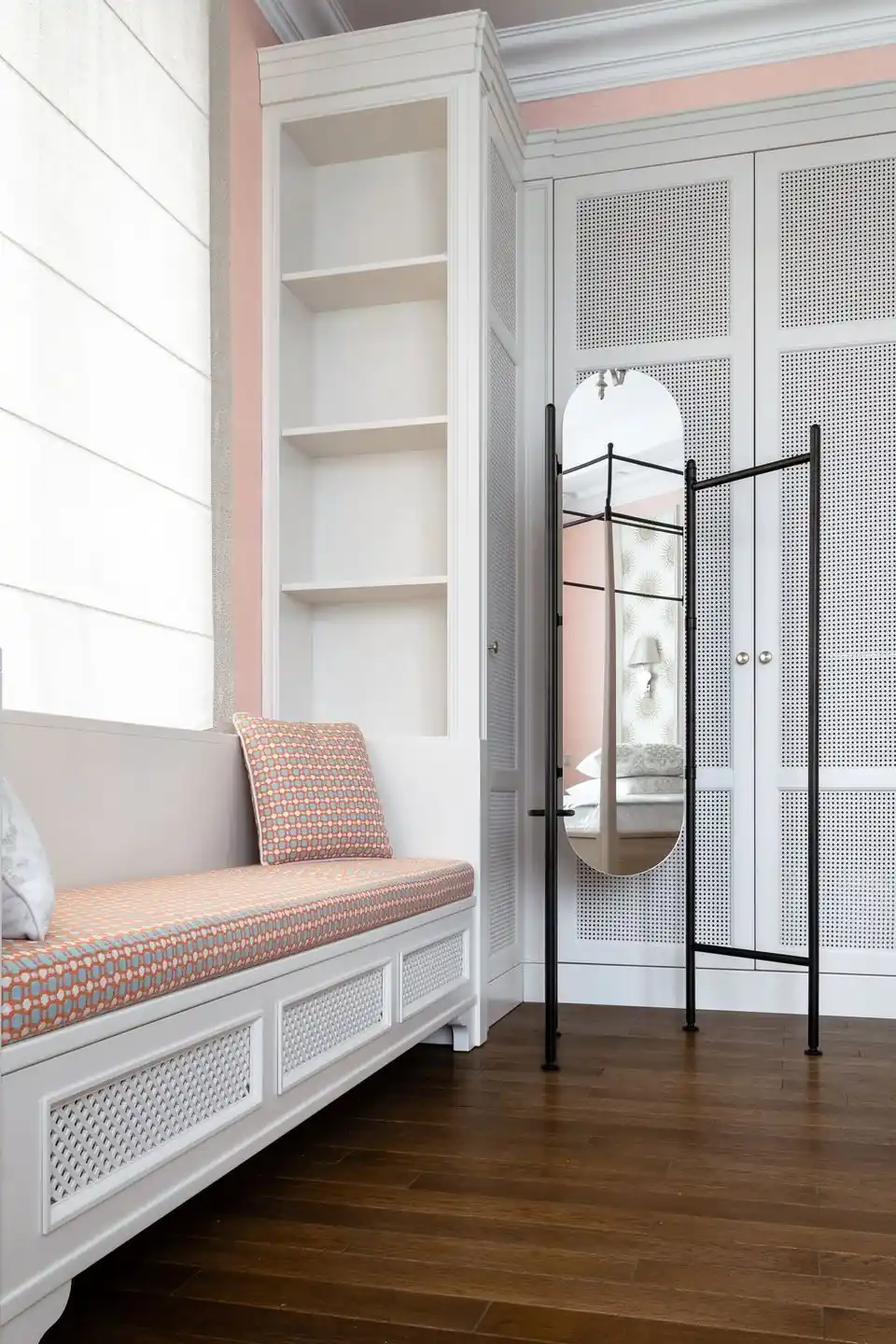
BEFORE: The old wall wore a tired border and faded stripes, and the room felt stuck in a decade nobody missed, no matter how fresh the bedding looked.
AFTER: Fresh paper in a soft modern print now lifts the whole room, the furniture looks newer against it, and the space finally feels like it belongs to the people sleeping there.
A dated wall often needs only a new print, not new furniture, and that swap costs less than a single new dresser. Strip the old paper carefully, patch the wall smooth, and let the new print do the heavy lifting.
Seam Matching Basics

Credit: Ron Lach
Seams decide whether a papered wall looks skilled or rushed, and matching them well is mostly a matter of patience. Start each strip at the same point in the repeat, check the match at eye level before pasting down, and roll seams gently with a seam roller.
- Mark the repeat point on the back of each strip.
- Butt edges tightly instead of overlapping them.
- Roll each seam once, lightly, from top to bottom.
- Wipe paste smudges at once with a damp sponge.
Work in good light, step back after every second strip, and fix a drifting match early, since a small drift grows across a wall. Neat seams make even a budget print look costly.
Matte Versus Sheen
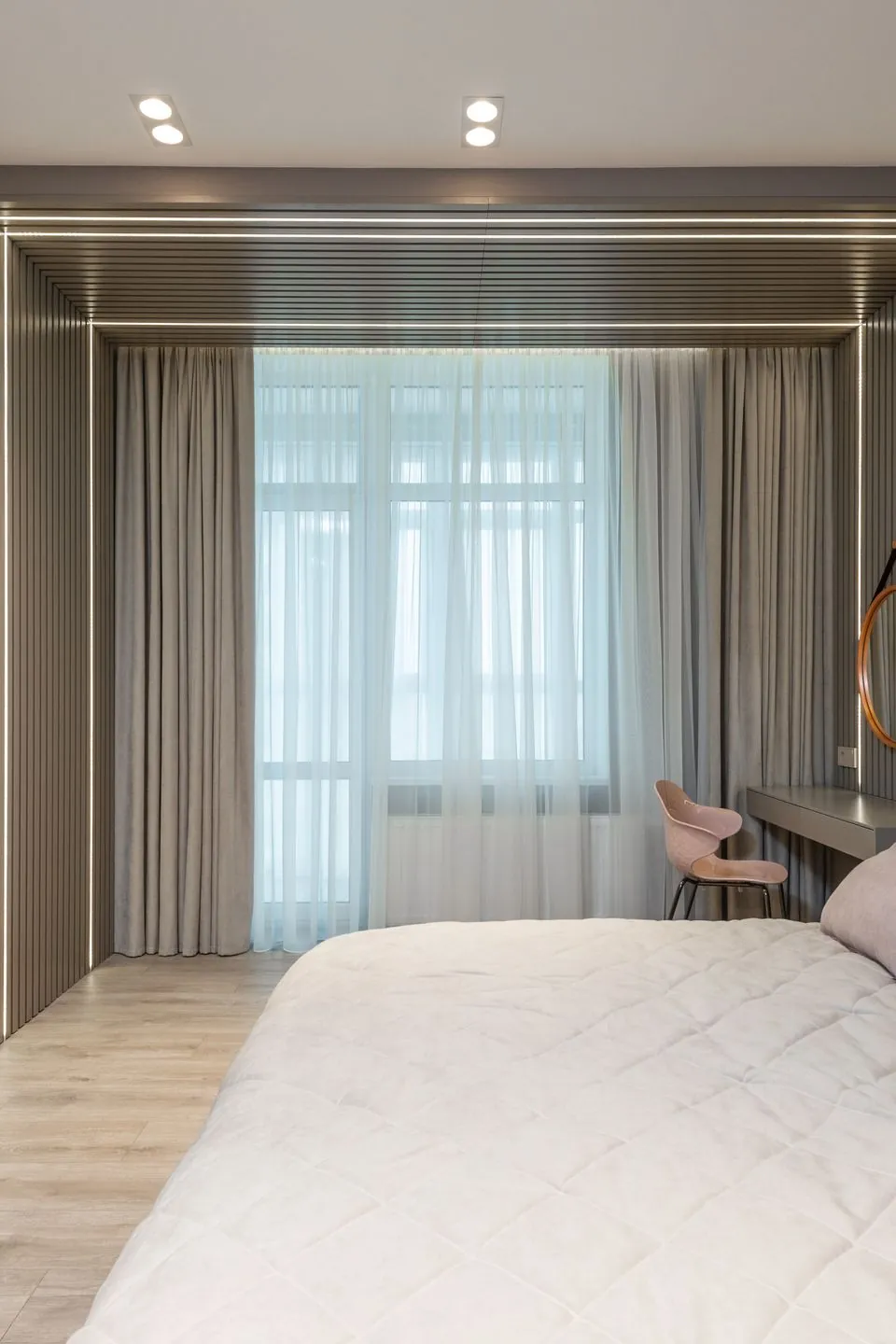
Credit: Max Vakhtbovych
| Feature | Matte | Sheen |
|---|---|---|
| Light | Absorbs, hides flaws | Reflects, adds glow |
| Mood | Calm and soft | Lively and bright |
| Walls | Forgives uneven plaster | Needs smooth walls |
| Cleaning | Marks show more | Wipes easier |
Matte suits restful bedrooms and older walls, while a soft sheen lifts a dark room and adds evening glow under lamps. Test both finishes in your own light, since a shop sample can mislead under different bulbs. Hold samples against the wall at night under your usual lamps, since sheen wakes up after dark while matte stays quiet, and the finish you love at noon may feel wrong at ten in the evening.
Mixing Pattern Rules
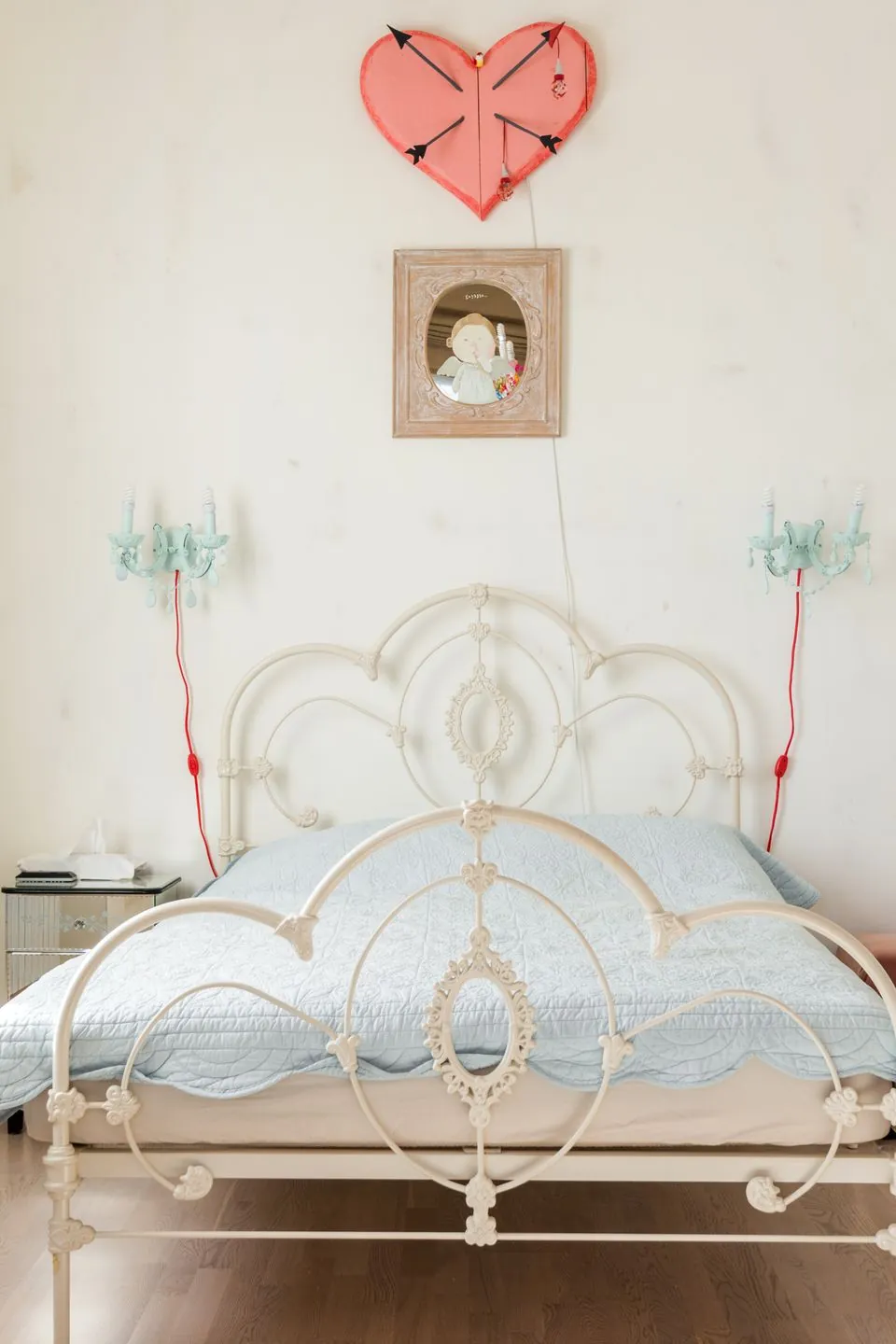
Credit: Max Vakhtbovych
Do:
- Mix one large print with one small print only.
- Share at least one color between the two patterns.
- Let plain bedding rest the eye between prints.
Don’t:
- Pair two large bold prints on one wall.
- Mix florals with geometrics at the same scale.
- Add a third pattern to cushions and curtains too.
Mixing patterns works when one print leads and the other follows, and a shared color keeps the pair feeling related rather than random. I’ve seen this work well in many cases where the wall print stays large and the second print stays small and quiet. Trust your eye.
Budget Wallpaper Facts
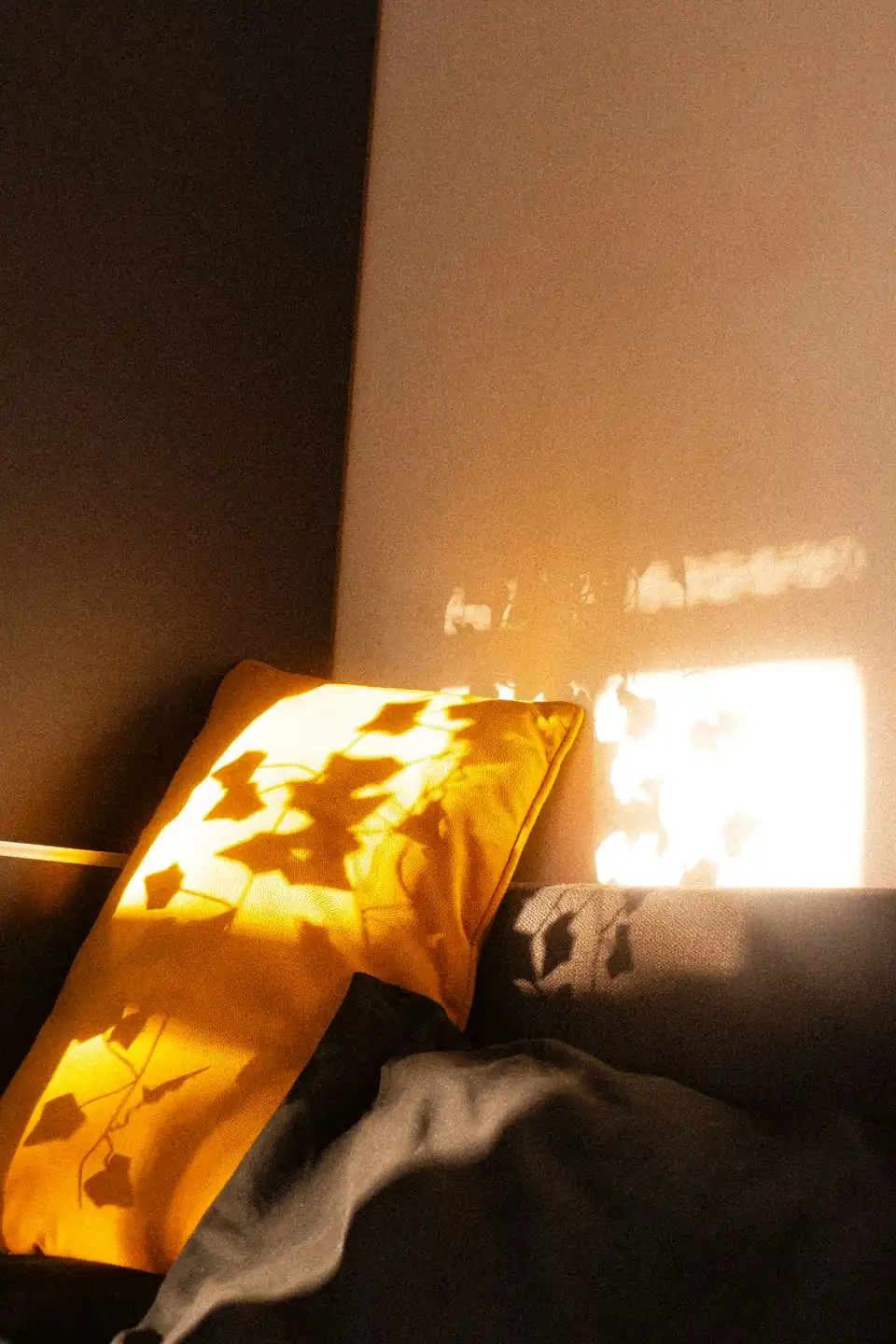
Credit: Simeon Maryska
Cost: Low, with good prints from a few dollars per roll.
Time: A weekend project for one feature wall.
Skill Level: Beginner friendly with peel and stick or paste the wall types.
Best For: First timers, renters, and quick room refreshes.
Budget paper has grown far past thin, shiny prints, and many low cost rolls now mimic grasscloth, linen, and hand painted looks convincingly. Spend the savings on a good blade, a level, and one sample roll first, and the finished wall will belie its price. Order one extra roll for mistakes and future repairs. That spare roll is cheap insurance.
Conclusion
Walls carry more of a bedroom’s mood than any single piece of furniture, and the right print turns an ordinary room into a place you look forward to at the end of the day. Start with one wall, trust a print you still love in plain daylight, and build the rest of the room around it slowly. Among these bedroom wallpaper ideas, one is sure to fit your bed, your light, and your budget, so pin your favorites to Pinterest and keep them close while you plan. Save this guide, share it with a friend who is redecorating, and let your walls finally tell the story your room has been waiting for.