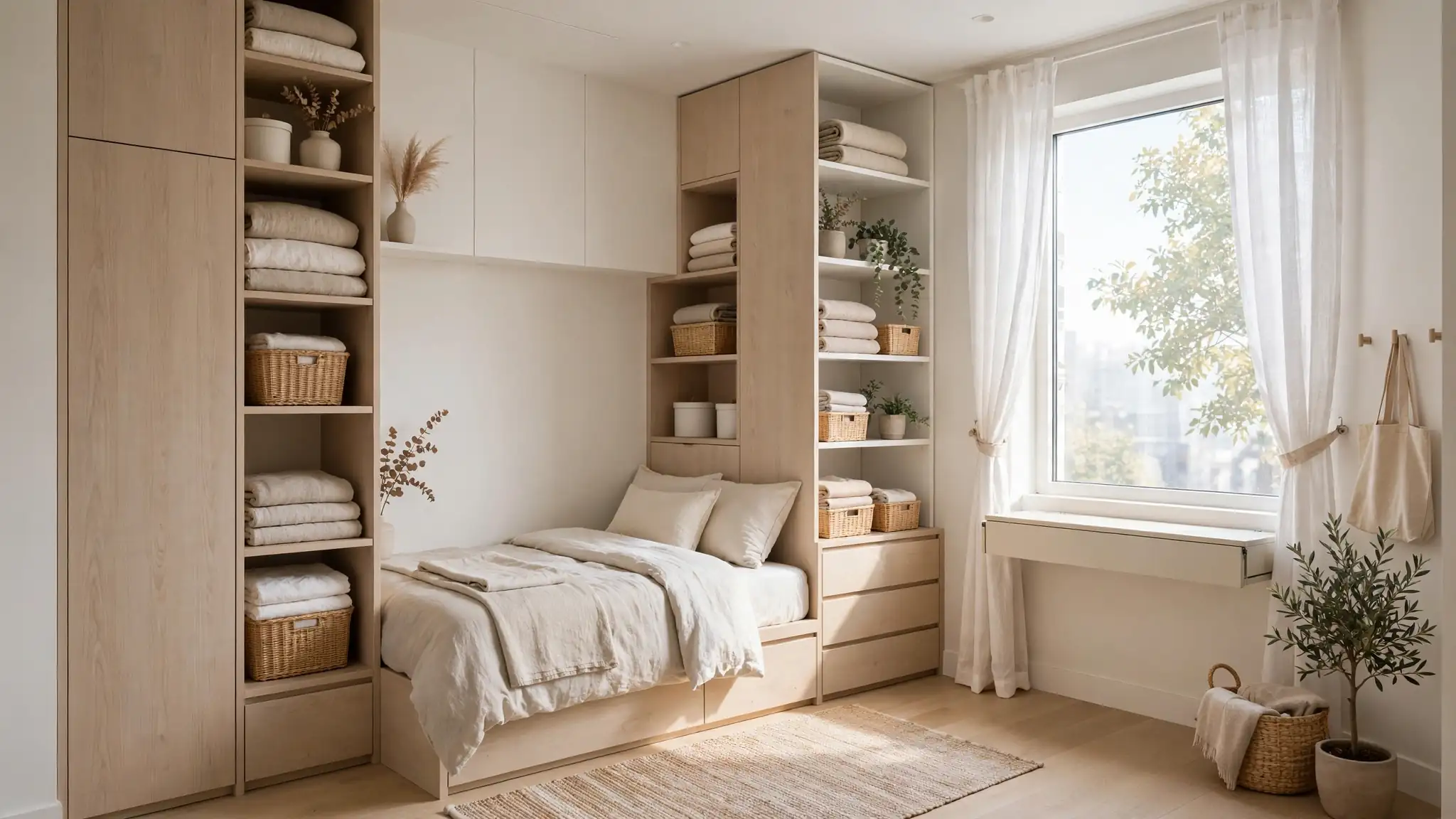
22 Tiny Bedroom Layouts for Brilliant Space-Saving Flow
Tiny rooms demand smarter thinking, not smaller dreams. These tiny bedroom layouts deliver brilliant space-saving flow with clever arrangements that make compact rooms feel airy. Most tiny bedrooms cram in full-size furniture that blocks movement and swallows light. In my experience, the best small rooms are not the emptiest ones. They are the ones where every inch earns its place. The 22 layouts below help you arrange tight spaces for maximum comfort and calm.
When a slightly bigger spare room needs the same care, these guest bedroom layouts show how thoughtful arrangement improves any size space. Start by measuring your room and listing what must fit, then build the layout around those non-negotiables. Sketch the plan on paper before moving a single piece of furniture.
Corner Bed Placement
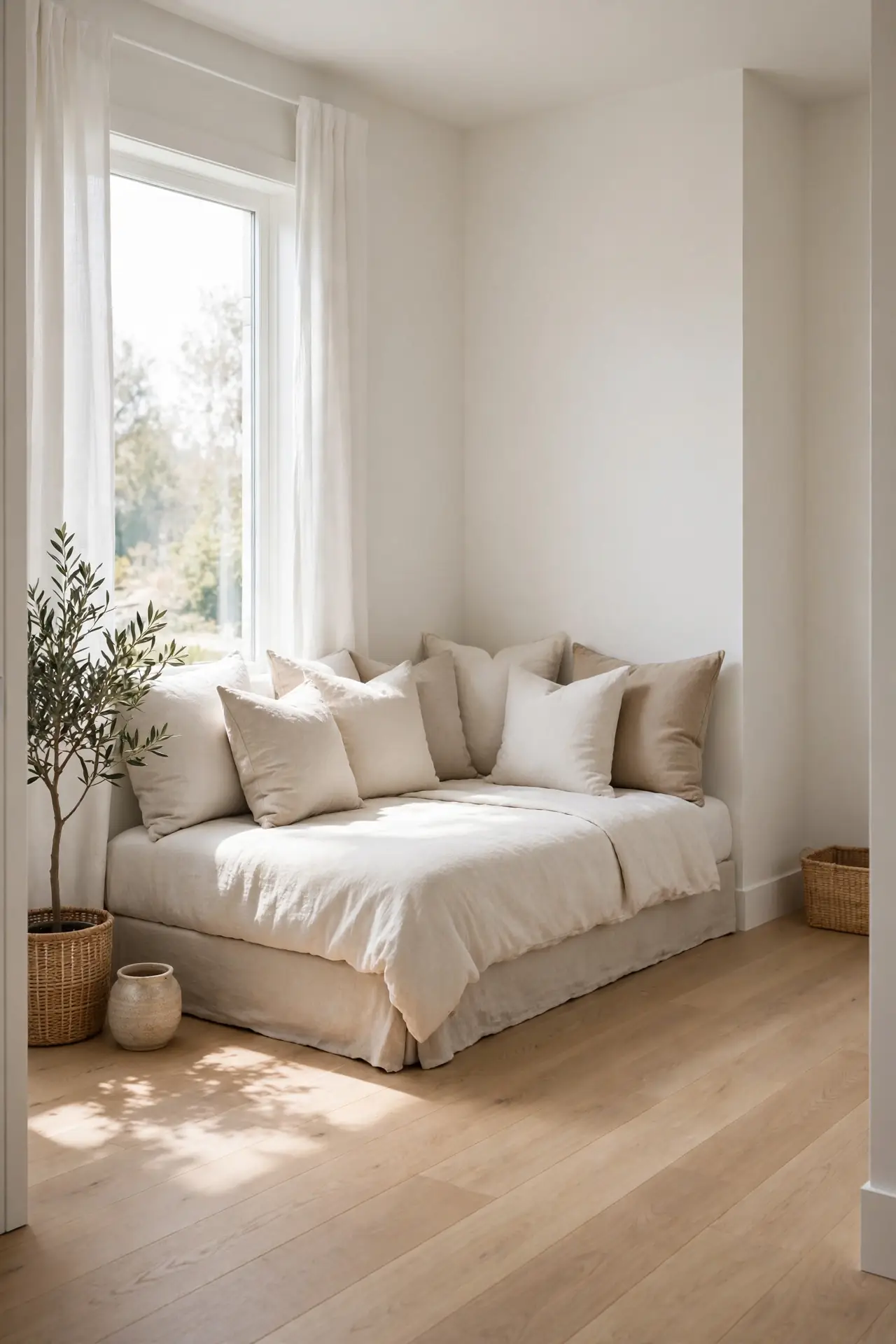
Pushing the bed into a corner is the oldest tiny-room trick because it works. One corner placement frees the rest of the floor for movement, storage and living. You lose access to one side of the bed, but you gain precious square feet everywhere else. In rooms under 100 square feet, this single move changes everything.
Dress the corner bed like a daybed with pillows lined along the walls. It reads as intentional styling rather than a compromise. Keep the bedding simple so the corner feels calm instead of cramped. This placement turns the smallest bedroom into a cozy, functional retreat.
Wall-Mounted Nightstands
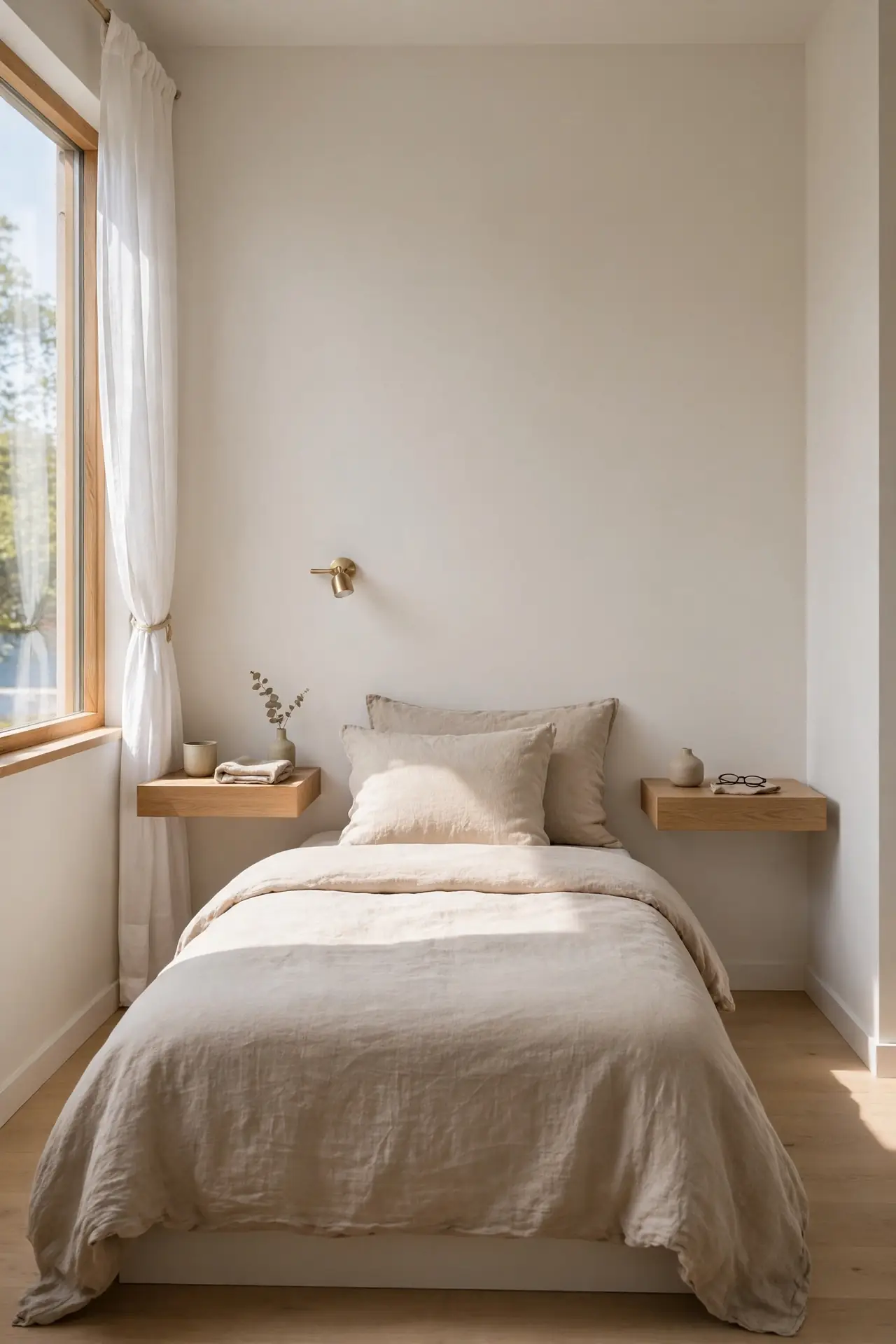
- Mount a small shelf or drawer unit on each side of the bed.
- Keep the floor beneath completely clear for an airy feel.
- Choose floating designs with a lip so items never slide off.
- Install at mattress height for easy nighttime reaching.
- Add a wall-mounted reading light above each shelf.
Floating nightstands free floor space that traditional tables would swallow. In a tiny room, every inch of visible floor makes the space feel bigger. I have noticed wall-mounted pieces also make cleaning effortless since nothing blocks the mop. Keep the shelves shallow so they never jut into walkways. This swap delivers storage without the footprint.
Vertical Storage Tower
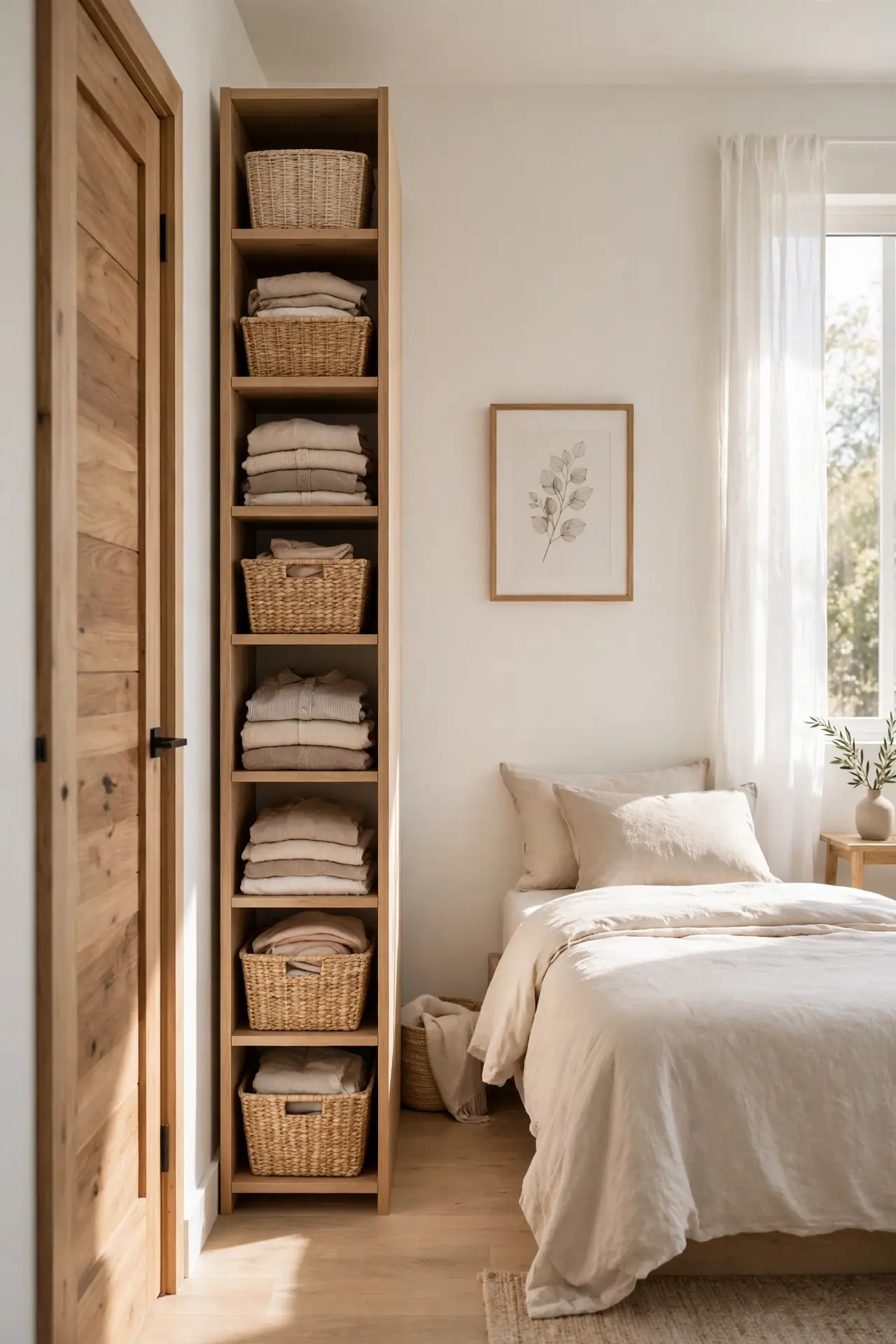
Quick Tip: Build upward with one tall, narrow tower instead of a wide dresser. A 15-inch-wide tower beside the door holds folded clothes, books and baskets in the same footprint as a nightstand. Anchor it firmly to the wall for safety. Going vertical keeps the floor plan open while storage capacity soars.
Tiny rooms have more wall than floor, so put the walls to work. A single vertical tower can replace a bulky dresser entirely. Keep everyday items at arm level and seasonal things up high. Label baskets so the tall unit stays organized. This one piece solves the storage puzzle without crowding the room.
Fold-Down Desk Zone
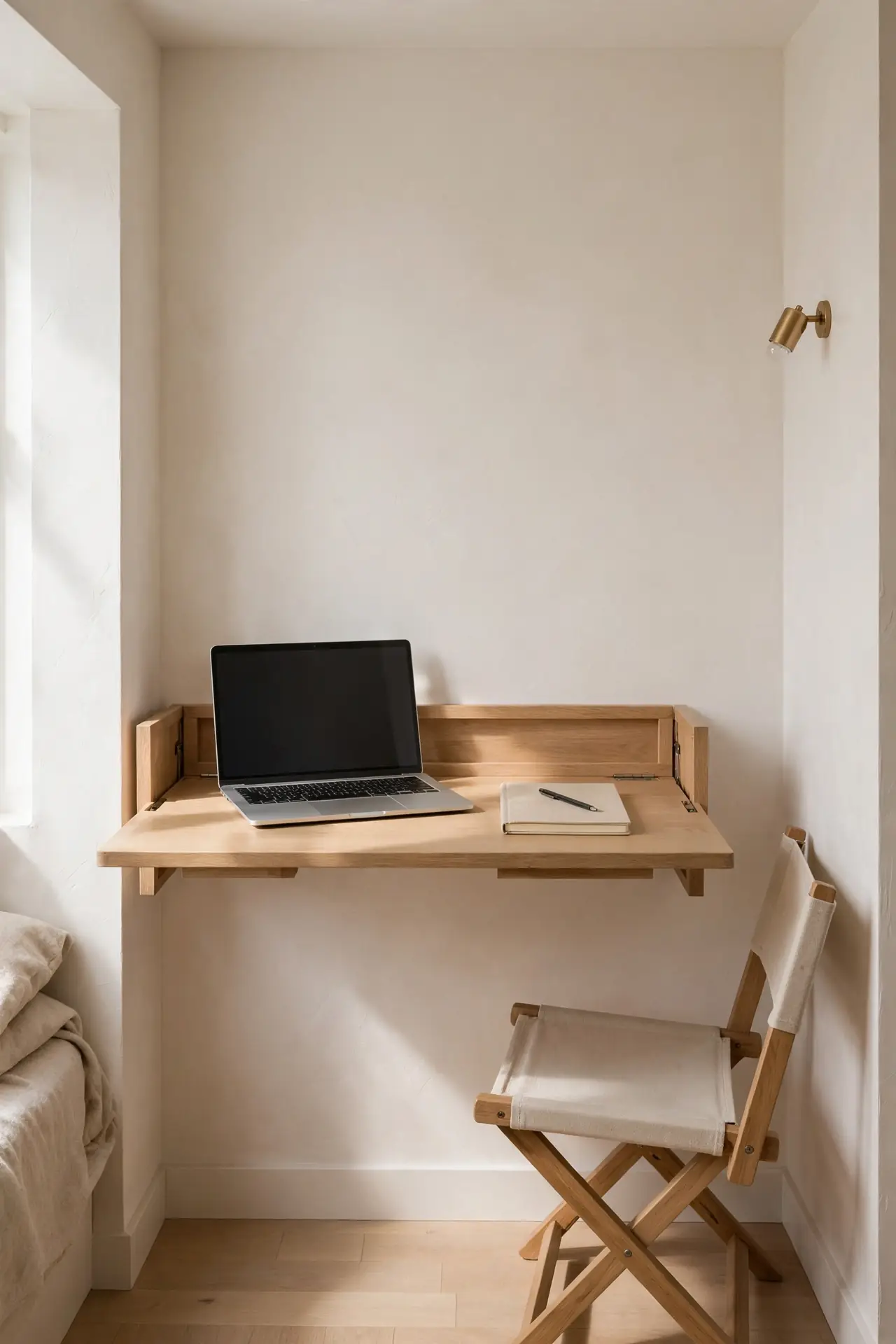
BEFORE: A full desk ate an entire wall and sat unused most days. The chair blocked the closet door and the room felt like an office, not a bedroom.
AFTER: A fold-down wall desk now opens for work hours and disappears flat afterward. The same wall space serves two purposes and the room breathes again.
Fold-down furniture gives tiny rooms a double life. A wall-mounted desk folds flat when work ends, freeing the space for relaxing. Choose a sturdy model rated for your laptop and books. Keep the chair a folding one that hangs on a hook. This zone works hard by day and vanishes by night.
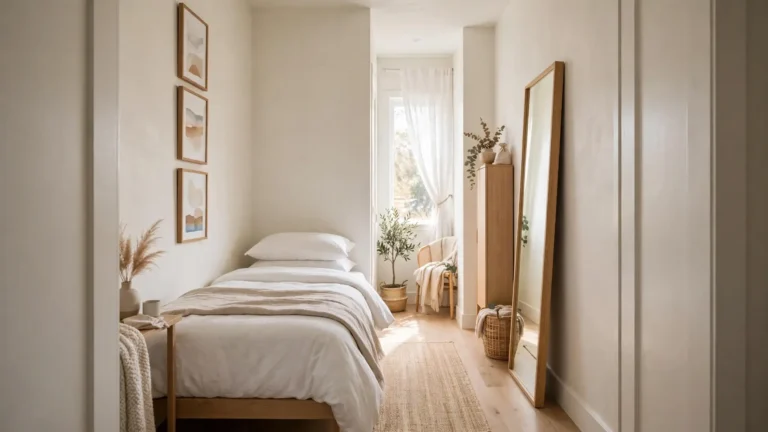
Mirror Depth Trick
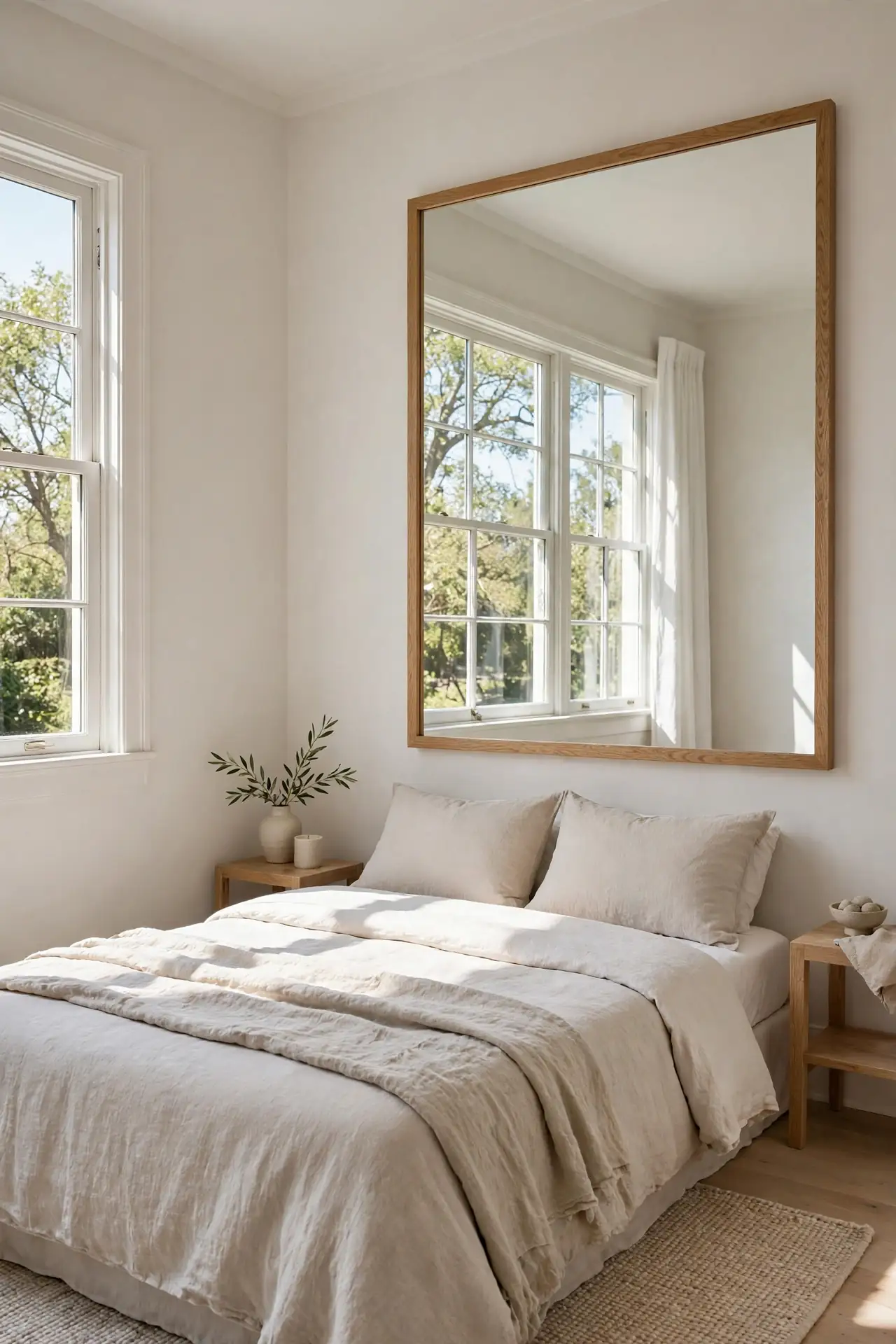
- Hang a large mirror on the wall opposite the window.
- Choose a full-length style to double the perceived space.
- Angle a second small mirror to bounce light into dark corners.
- Keep mirror frames slim so they never visually bulk up.
- Clean mirrors weekly since smudges kill the illusion fast.
Mirrors are the cheapest square footage you can buy. A large mirror opposite the window doubles light and visually doubles the room. I have seen tiny bedrooms feel twice their size with one well-placed mirror. Avoid mirrored walls, which can feel disorienting. One or two strategic mirrors create depth without confusion.
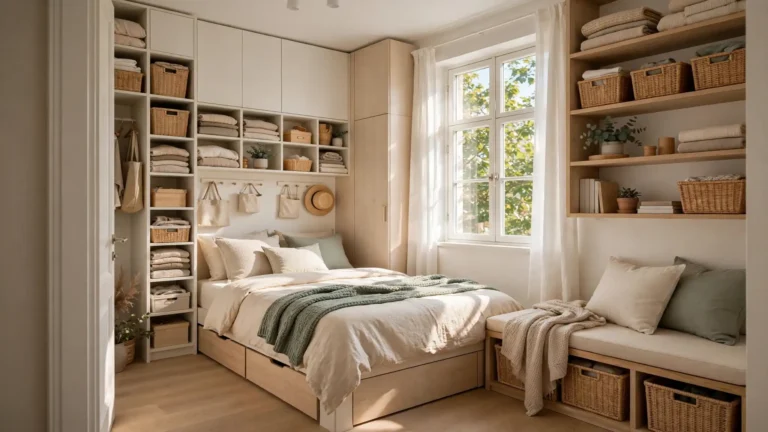
Under-Bed Drawers
| Type | Capacity | Best For |
| Rolling bins | Seasonal clothes | Budget setups |
| Built-in drawers | Daily clothing | Permanent solutions |
| Vacuum bags | Bulky bedding | Rarely used items |
| Divided trays | Shoes and accessories | Organized minimalists |
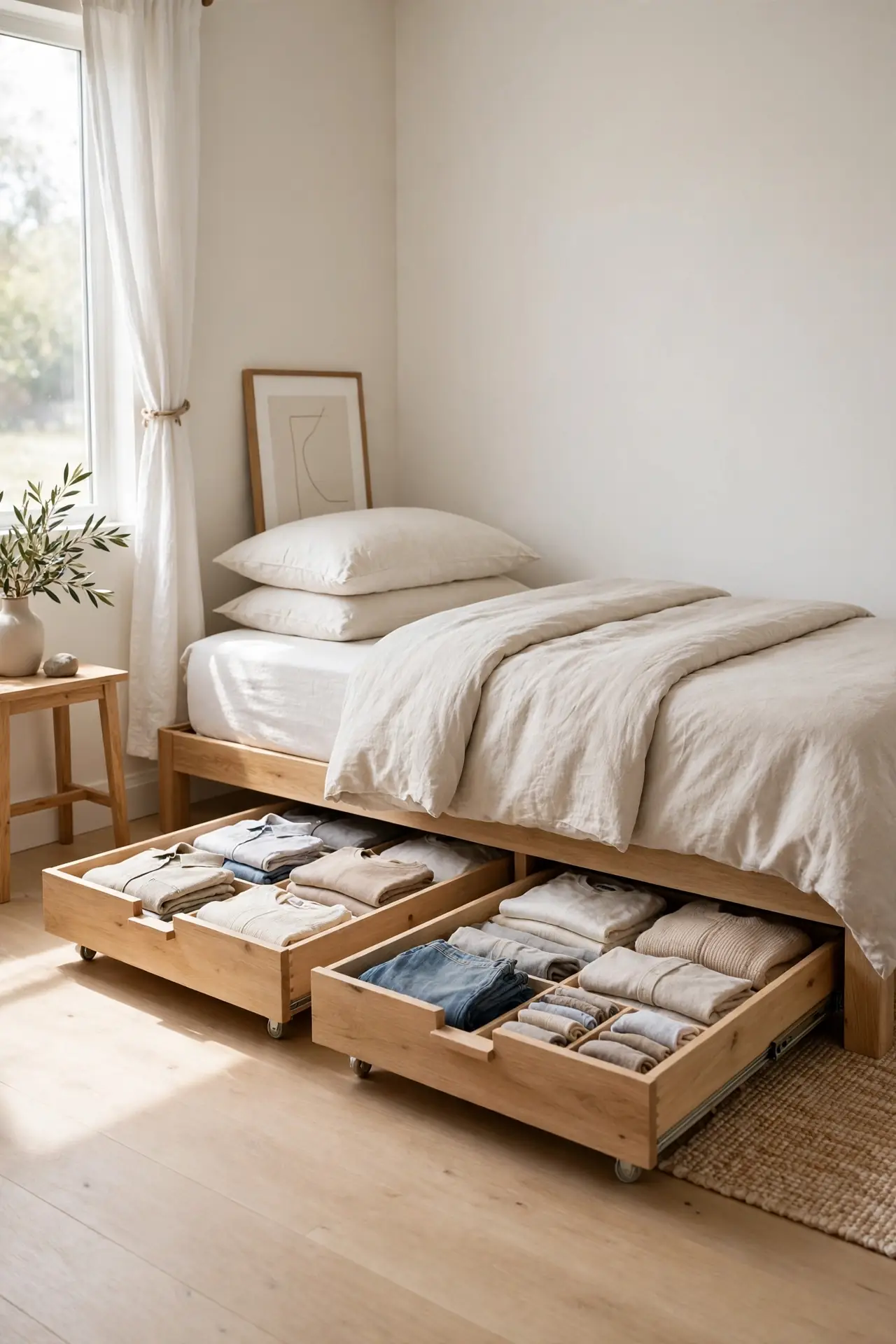
The space under your bed is a full dresser hiding in plain sight. Rolling drawers or built-in bins turn dead space into prime storage. Sort by season so current clothes stay most accessible. Low-profile bins slide easily on hard floors and low carpet alike. Measure the clearance first so bins glide without catching. Dust the area twice a year to keep stored clothes fresh. This hidden zone can swallow an entire wardrobe’s worth of stuff.
Floating Shelf Walls
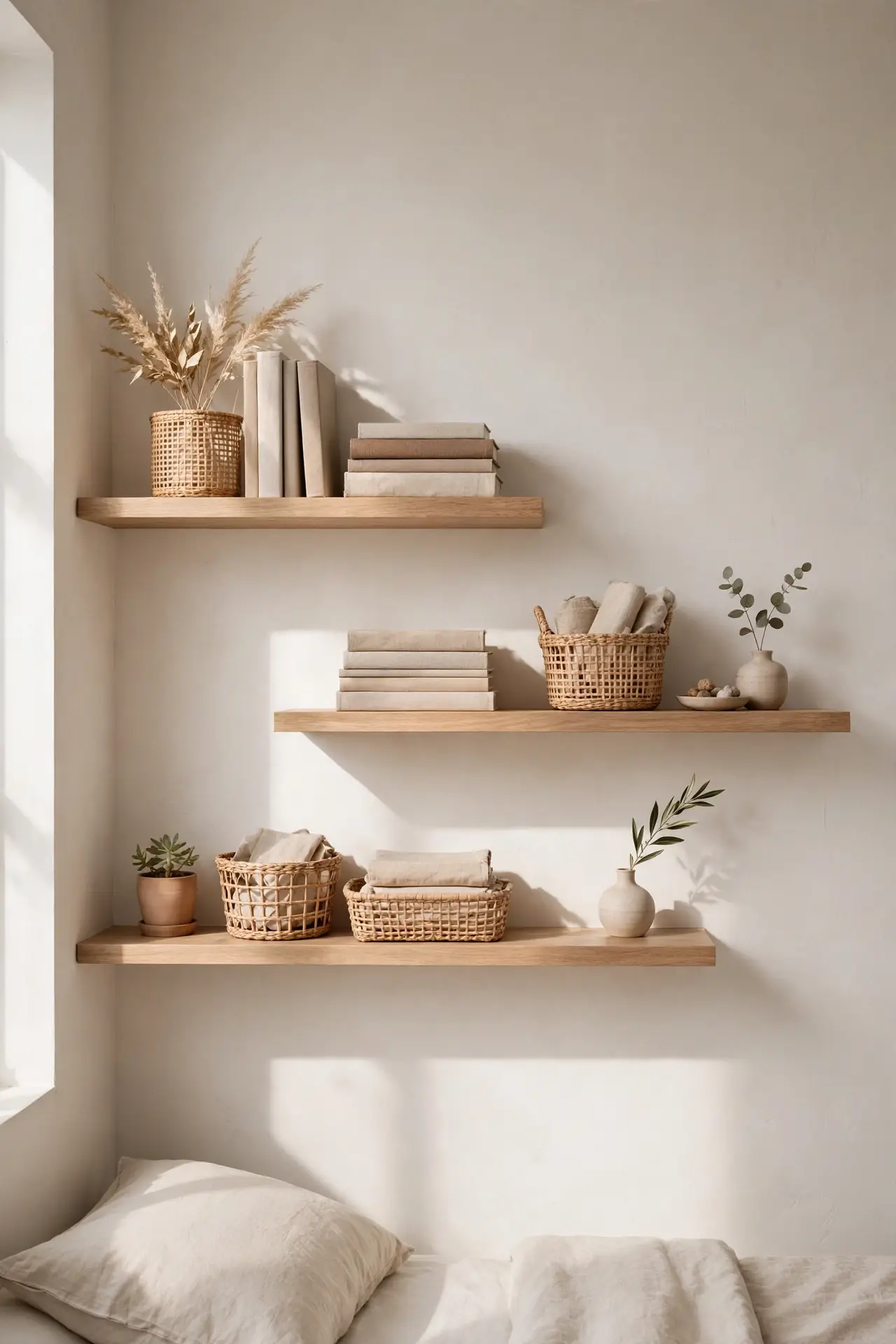
DO: Run one long shelf high around the room for books and decor.
DO: Stagger short shelves in dead corners for extra storage.
DO: Keep shelf styling light so walls feel airy.
DON’T: Load shelves so heavy they bow or pull from the wall.
DON’T: Hang shelves where you will hit your head.
DON’T: Cram every wall; leave breathing room.
Floating shelves add storage without touching the floor. A high perimeter shelf holds books and baskets in otherwise wasted air space. Keep the styling minimal so shelves add calm instead of clutter. Anchor every shelf into studs for safety. These floating lines make walls work as hard as floors.
Light Color Flow
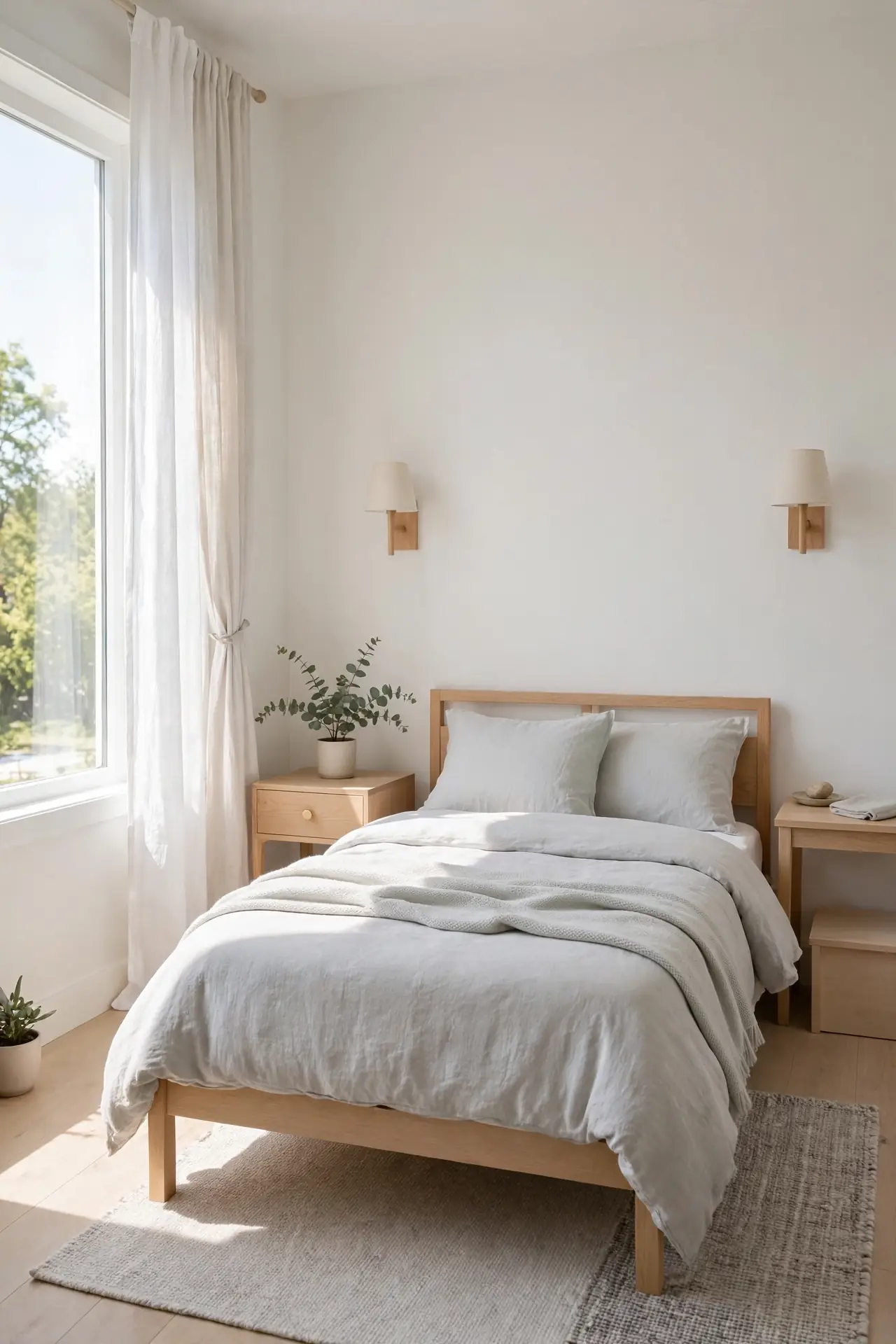
Cost: Low, paint and light textiles | Time: One weekend to repaint | Skill Level: Beginner, basic painting | Best For: Dark, cramped-feeling rooms
Light colors visually push walls outward in tiny rooms. Warm whites, pale greys and soft beiges reflect light into every corner. Paint walls, ceiling and trim the same pale tone for a seamless, expansive feel. Keep furniture in similar light tones so nothing chops up the space. I have seen dark tiny rooms transform completely with one weekend of pale paint, and the airy result makes every layout choice work harder. Carry the pale palette onto bedding and curtains for a fully unified look.
Pocket Door Swap
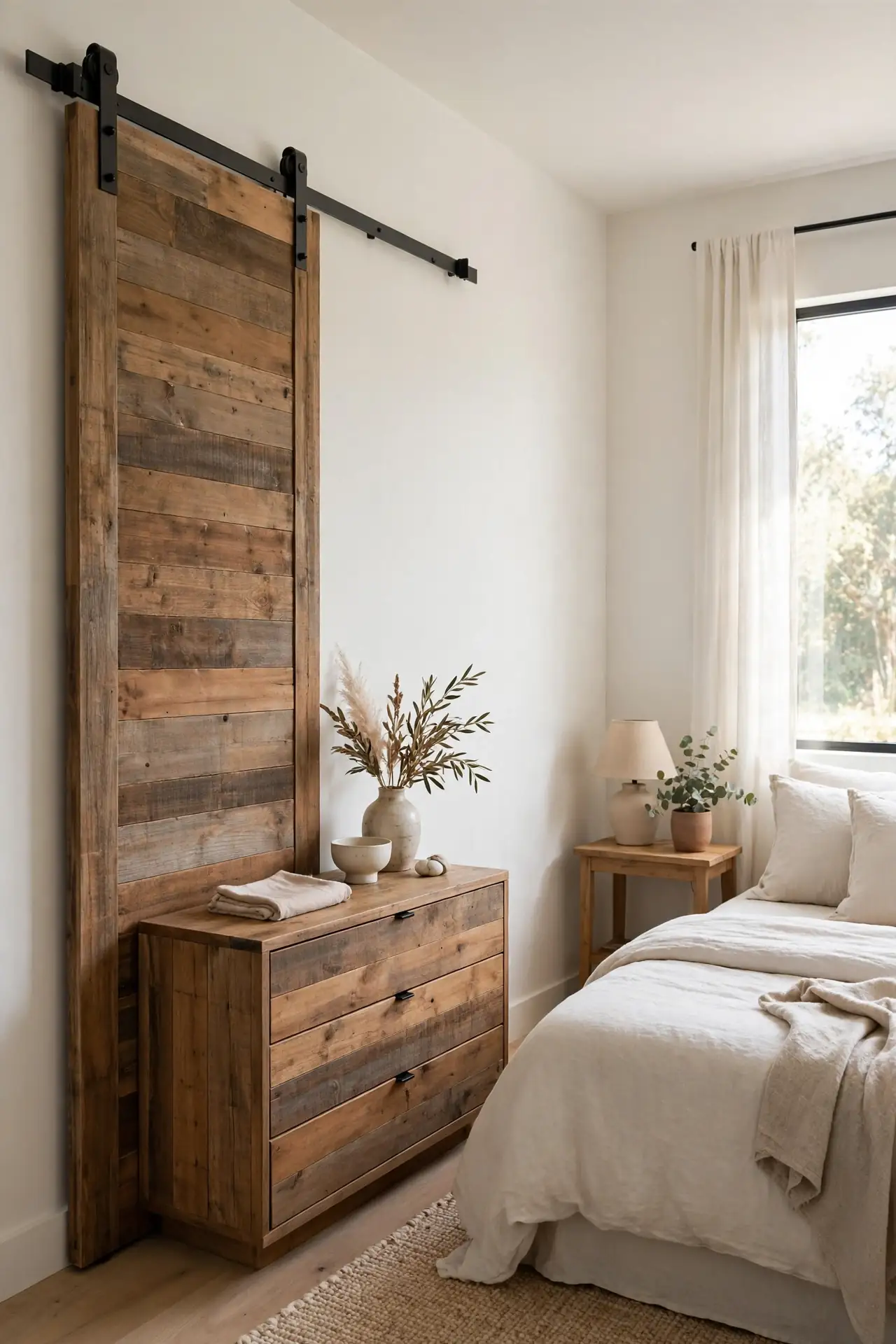
A swinging door needs 10 square feet of clearance that a tiny room cannot spare. Swapping to a pocket or sliding barn door reclaims that entire arc for furniture. The bed or dresser can now sit where the door used to swing. This one change frees more space than any furniture swap.
Pocket doors need wall cavity space, so check your walls before committing. Barn-style sliders mount on the surface and suit renters better. Keep the track hardware minimal so it never dominates the wall. A fresh coat of paint on the slider ties it into the room’s palette. Your tiny room gains a full furniture zone overnight.
Slim Dresser Fit
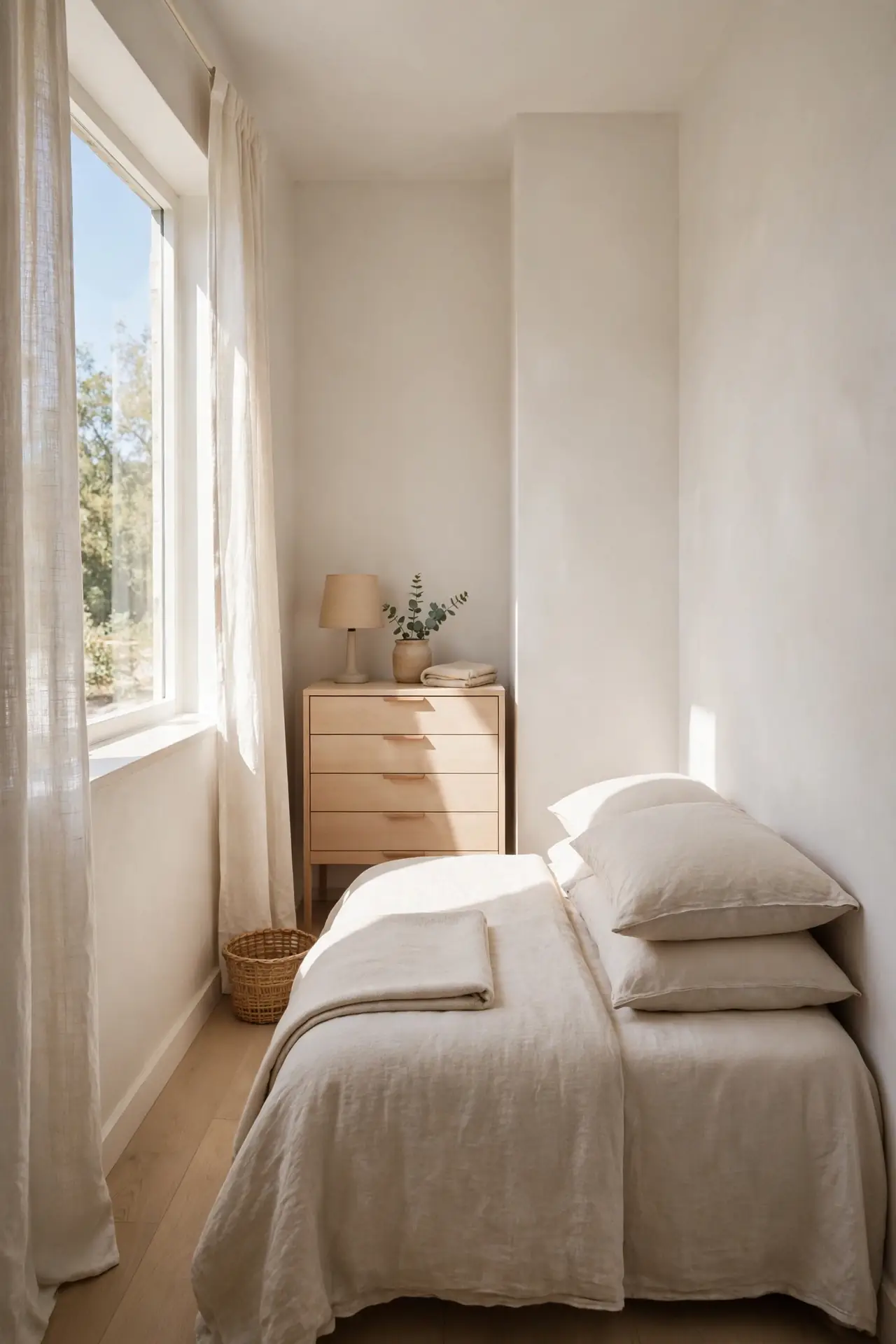
- Choose a dresser no deeper than 16 inches for tight walls.
- Place it at the foot of the bed or along the shortest wall.
- Use the top as a nightstand alternative with a small lamp.
- Pick tall over wide to maximize vertical storage.
- Keep the finish light so the piece visually recedes.
A slim dresser slides into gaps where standard ones never fit. Sixteen inches deep still holds folded clothes while hugging the wall. I have noticed narrow dressers also encourage tidier folding, which keeps drawers functional. Top it with a lamp and it doubles as a nightstand. This piece proves storage can be both slim and mighty.
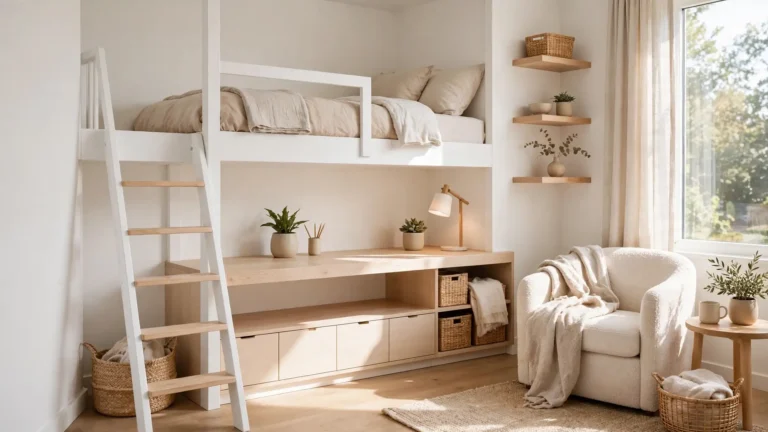
Loft Sleeping Platform
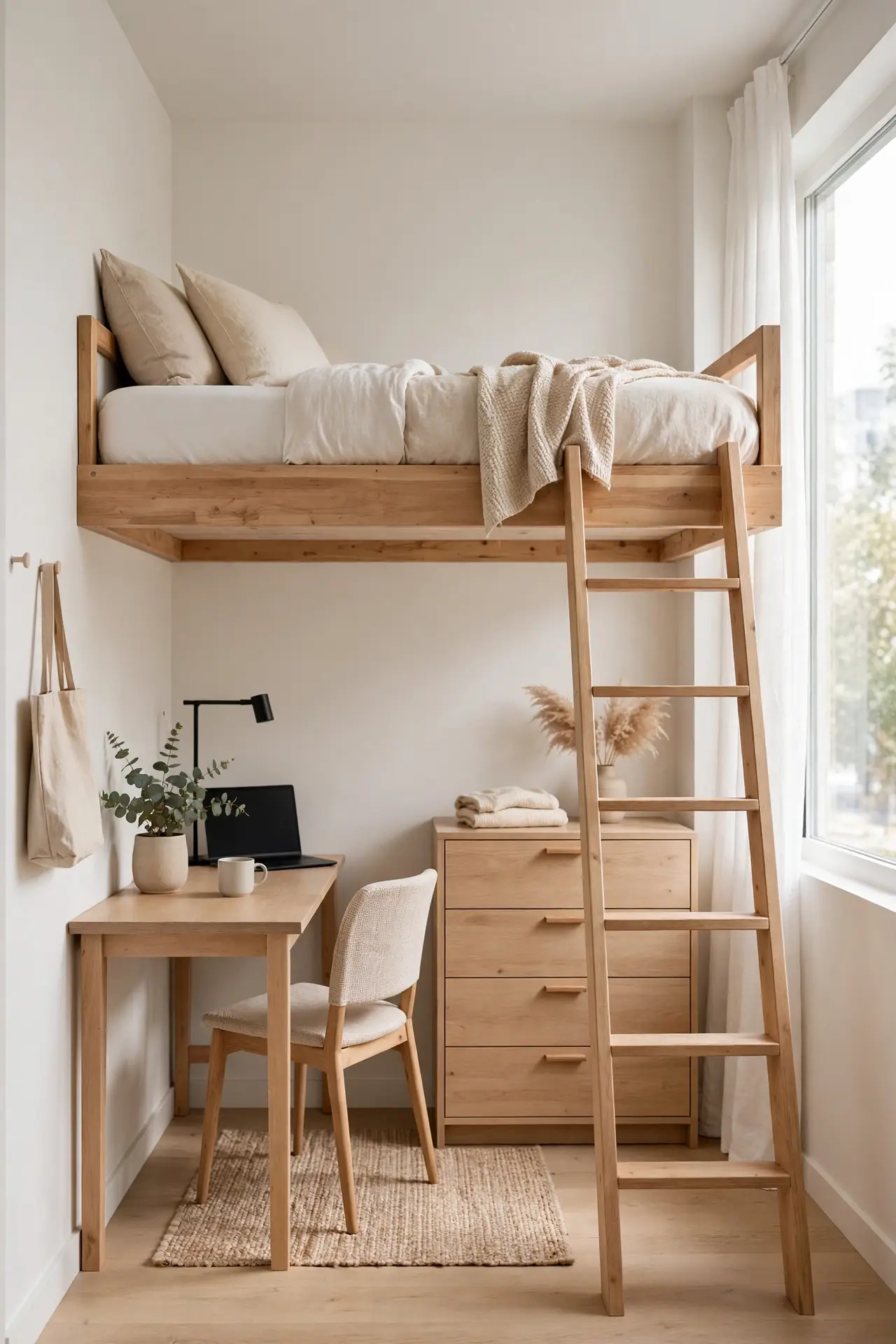
Quick Tip: Raise the mattress on a loft or high platform to reclaim the floor below. A desk, dresser or reading nook fits in the freed space, effectively doubling the room. Check ceiling height first so sitting up in bed stays comfortable. Guard rails are non-negotiable for safety. This vertical move creates a two-zone room from one tiny footprint.
Lofting the bed is the ultimate tiny-room power move. The floor beneath becomes a whole second room for work or storage. Keep the structure sturdy and the ladder secure for nightly climbs. Adults should test the height for comfort before committing. One loft can make a 70-square-foot room live like 140.
Window Bed Position
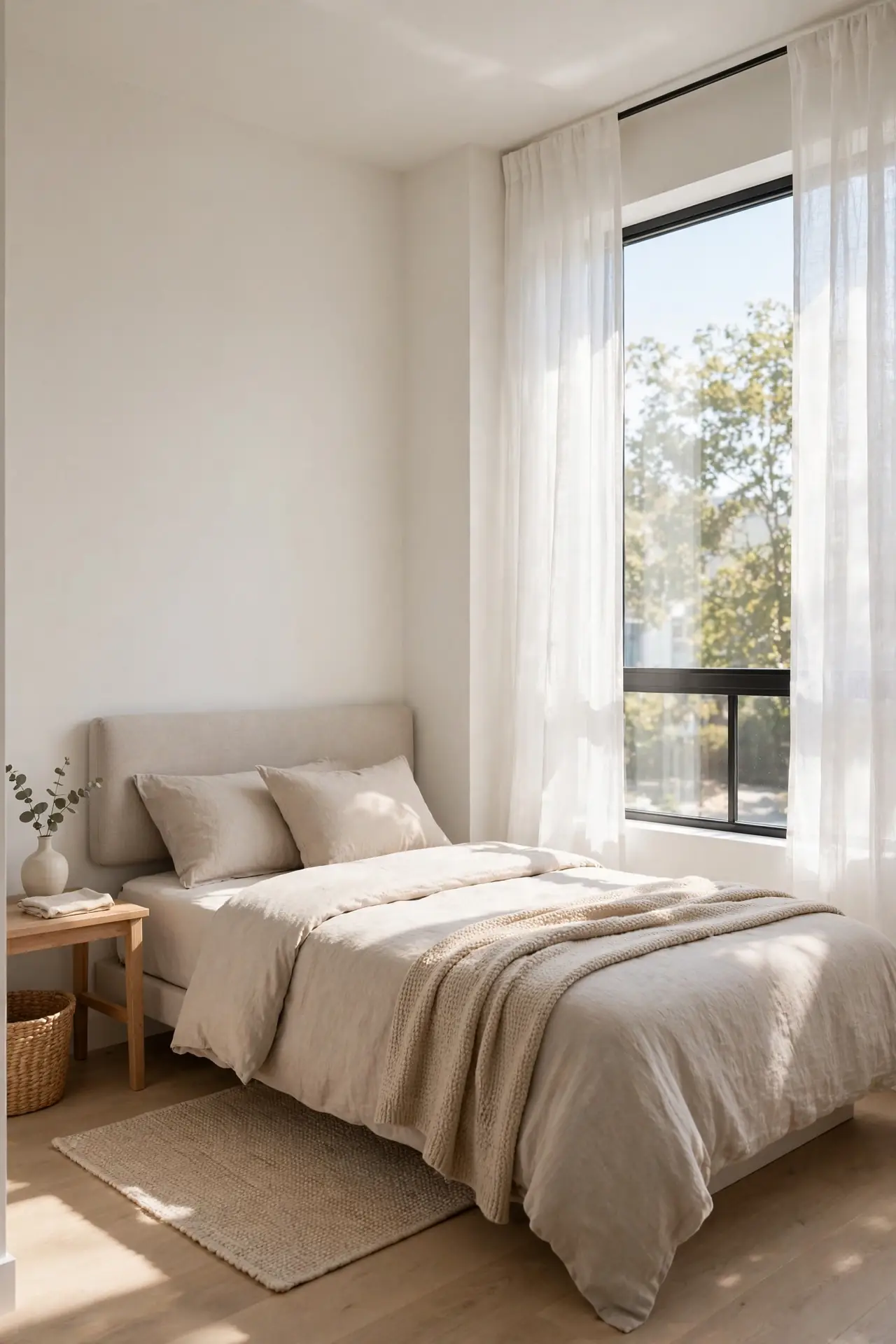
BEFORE: The bed blocked the room’s only window, stealing daylight and the view. The space felt like a cave even at noon.
AFTER: The bed now sits beside the window with the headboard on the adjacent wall. Light floods the room and mornings feel bright and hopeful.
Never sacrifice your only window to furniture. Positioning the bed beside the window keeps daylight flowing deep into the room. A low headboard on the adjacent wall preserves the view and the light. Sheer curtains soften glare without blocking brightness. Keep the windowsill clear of clutter so the light stays the star. This placement makes the whole room feel alive.
Over-Door Storage
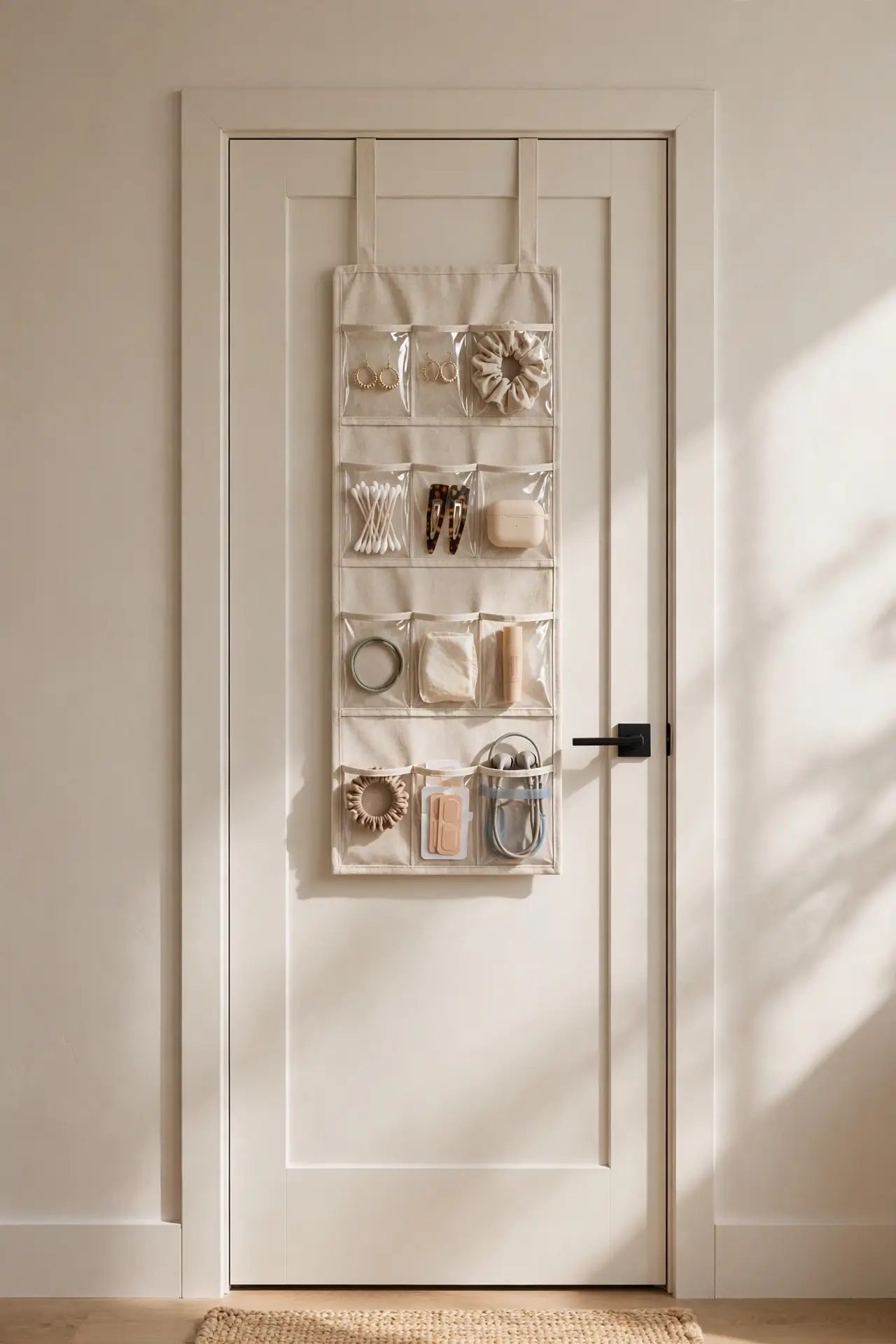
- Hang an over-door organizer on the inside of the bedroom door.
- Use clear pockets so contents stay visible and easy to grab.
- Store accessories, chargers and small essentials inside.
- Choose a slim profile that never blocks the door swing.
- Label pockets when multiple people share the room.
The back of the door is free real estate most people ignore. An over-door organizer adds a dozen pockets without touching floor or wall space. For more small-space inspiration, these tiny bedroom makeover ideas show clever tricks for every tight corner. Keep the organizer slim so the door closes fully. This hidden storage swallows the small stuff that clutters surfaces.
Nesting Furniture Picks
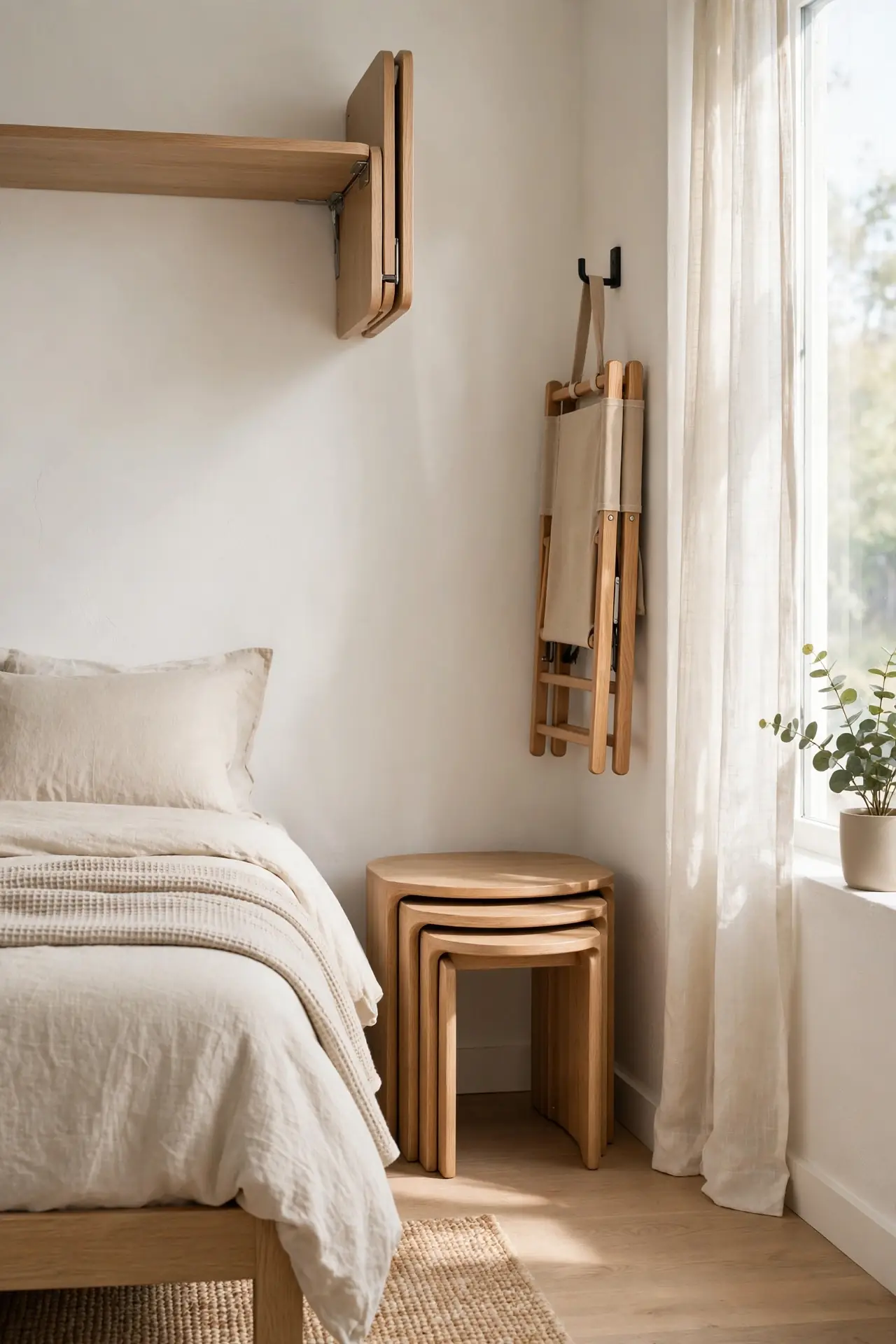
| Piece | Nests Into | Space Saved |
| Nesting side tables | Stack under each other | One table footprint |
| Folding desk chair | Hangs on a wall hook | Full chair space |
| Stackable stools | Pile in a corner | Two stools’ worth |
| Drop-leaf table | Folds to shelf depth | Half the table |
Nesting furniture expands when you need it and shrinks when you do not. Tables tuck inside each other, chairs fold flat and stools stack away neatly. Buy pieces designed to disappear rather than just look small. Keep the nested set together so parts never wander off. This flexible approach lets one small room serve many purposes well.
Curtain Room Divider
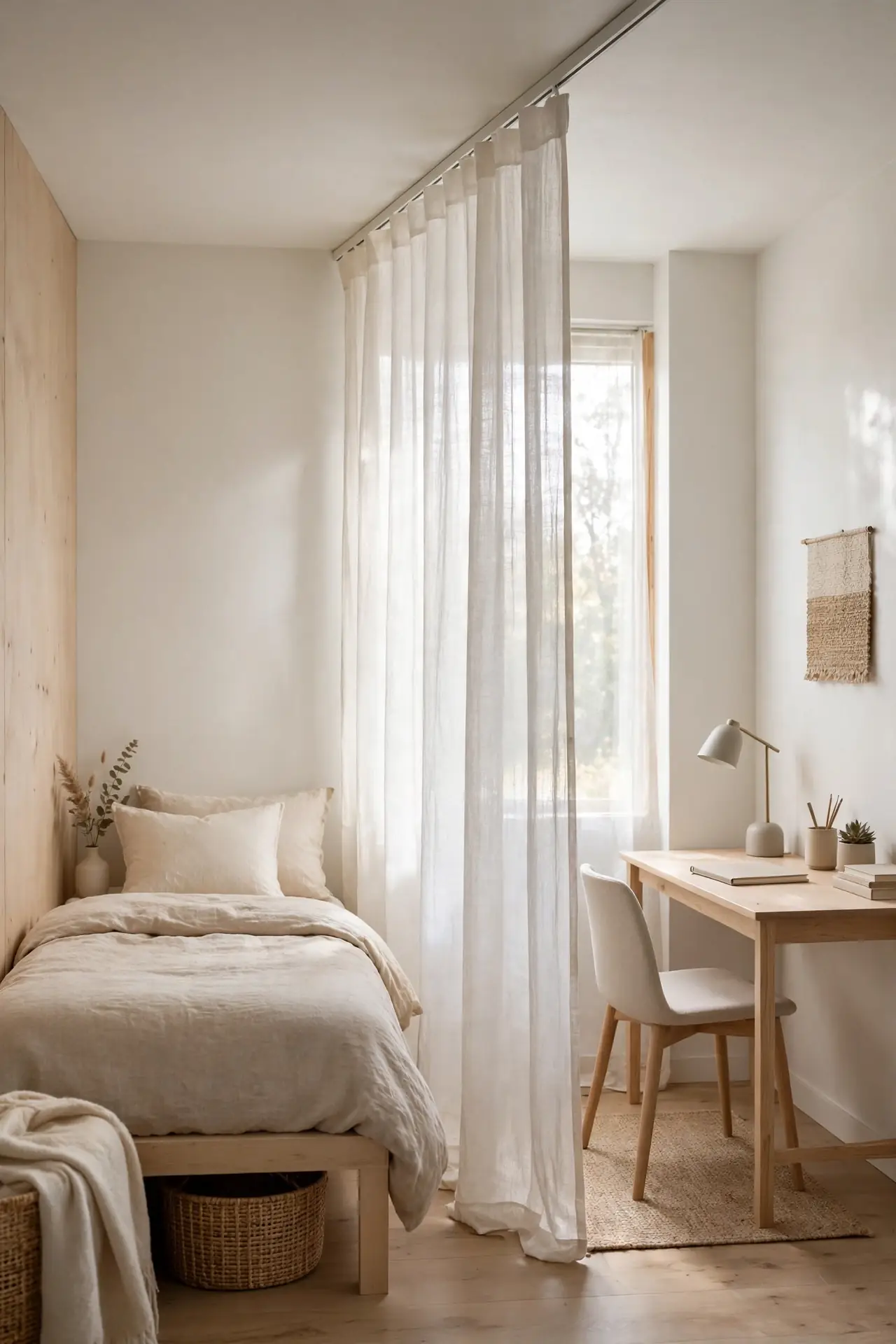
DO: Hang a ceiling track curtain to split sleep and work zones.
DO: Choose light fabric that lets some daylight filter through.
DO: Pull the curtain closed only when privacy matters.
DON’T: Use heavy drapes that darken half the room.
DON’T: Install a track that sags under the fabric weight.
DON’T: Let the curtain pool on the floor in tight walkways.
A curtain divider creates two rooms from one without any construction. Pull it closed for sleep privacy, open it for daytime spaciousness. Ceiling tracks mount easily and glide smoothly. Choose washable fabric in a light tone to keep things bright. This soft wall adapts the room to whatever the hour needs.
Multi-Use Ottoman
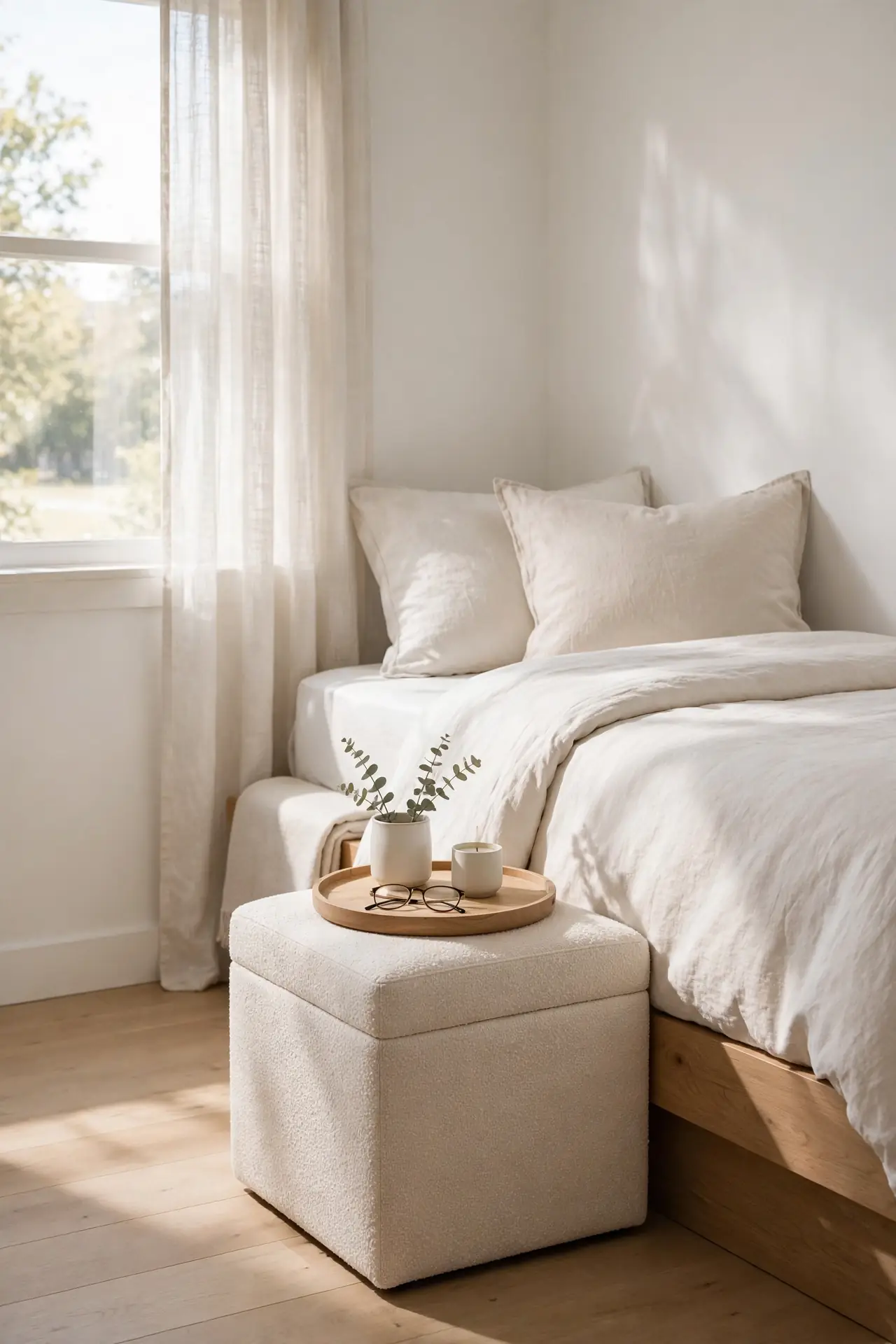
Cost: Low to mid, one storage ottoman | Time: Minutes to place | Skill Level: Beginner, no assembly needed | Best For: Seating, storage and surface in one
A storage ottoman does triple duty in a tiny room. It seats a guest, hides blankets inside and serves as a side table with a tray on top. Choose a size that tucks against the bed or under a desk when idle. Keep the interior organized with small bins so it stays useful. I have seen one good ottoman replace three separate pieces of furniture, which is the very definition of tiny-room genius.
Bed Against Wall
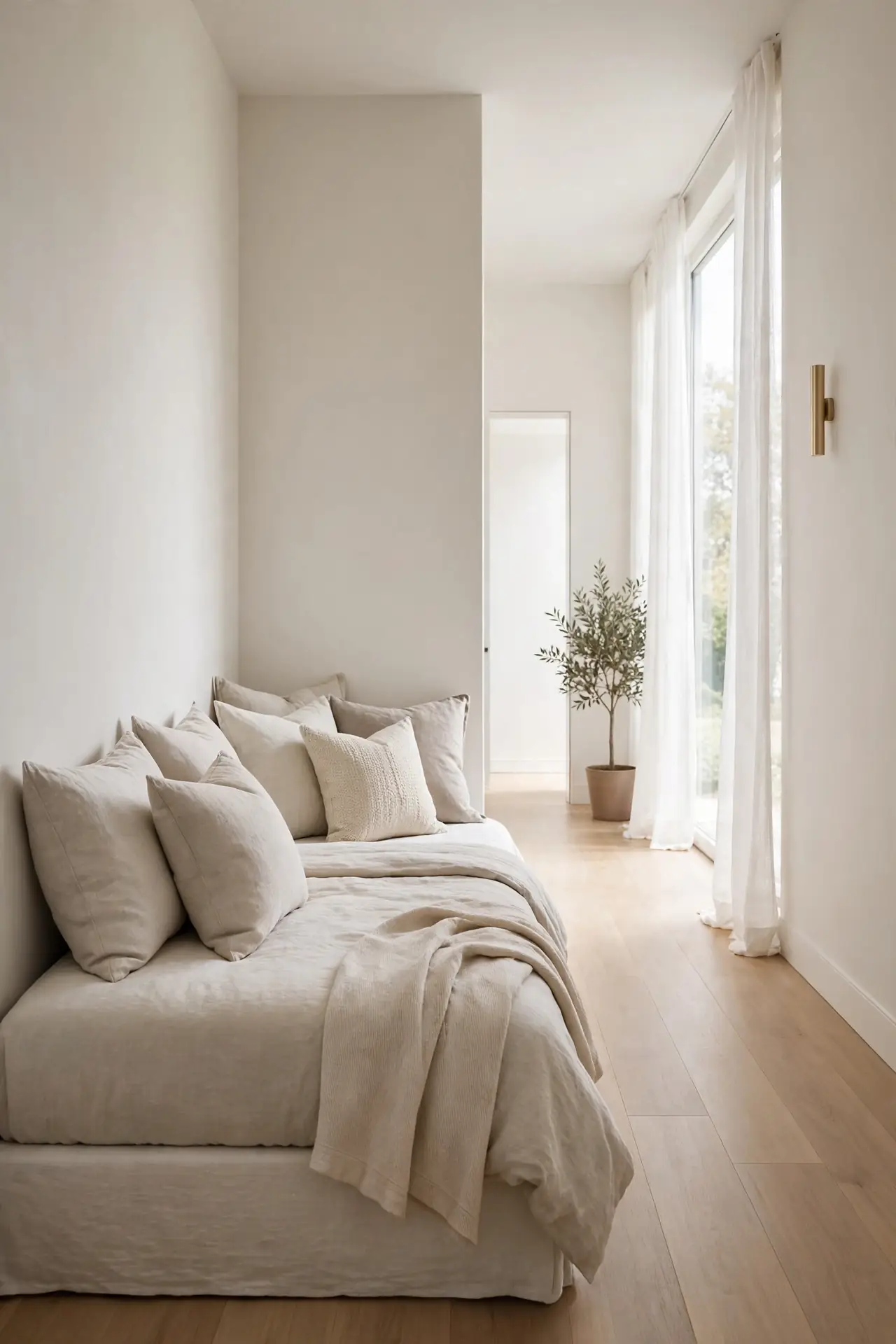
Centering the bed wastes walkway space on both sides in a tiny room. Pushing one long side against the wall reclaims a full walking lane. One person loses easy exit, but the room gains real livability. For single sleepers, this trade is pure win.
Style the wall side with a row of pillows so it looks like a daybed. Keep a small shelf on the open side for nighttime essentials. Make the bed from the open side only to keep mornings simple. A slim wall-mounted lamp above the open side replaces a bulky nightstand. This layout makes narrow rooms feel surprisingly workable.
Tall Narrow Wardrobe
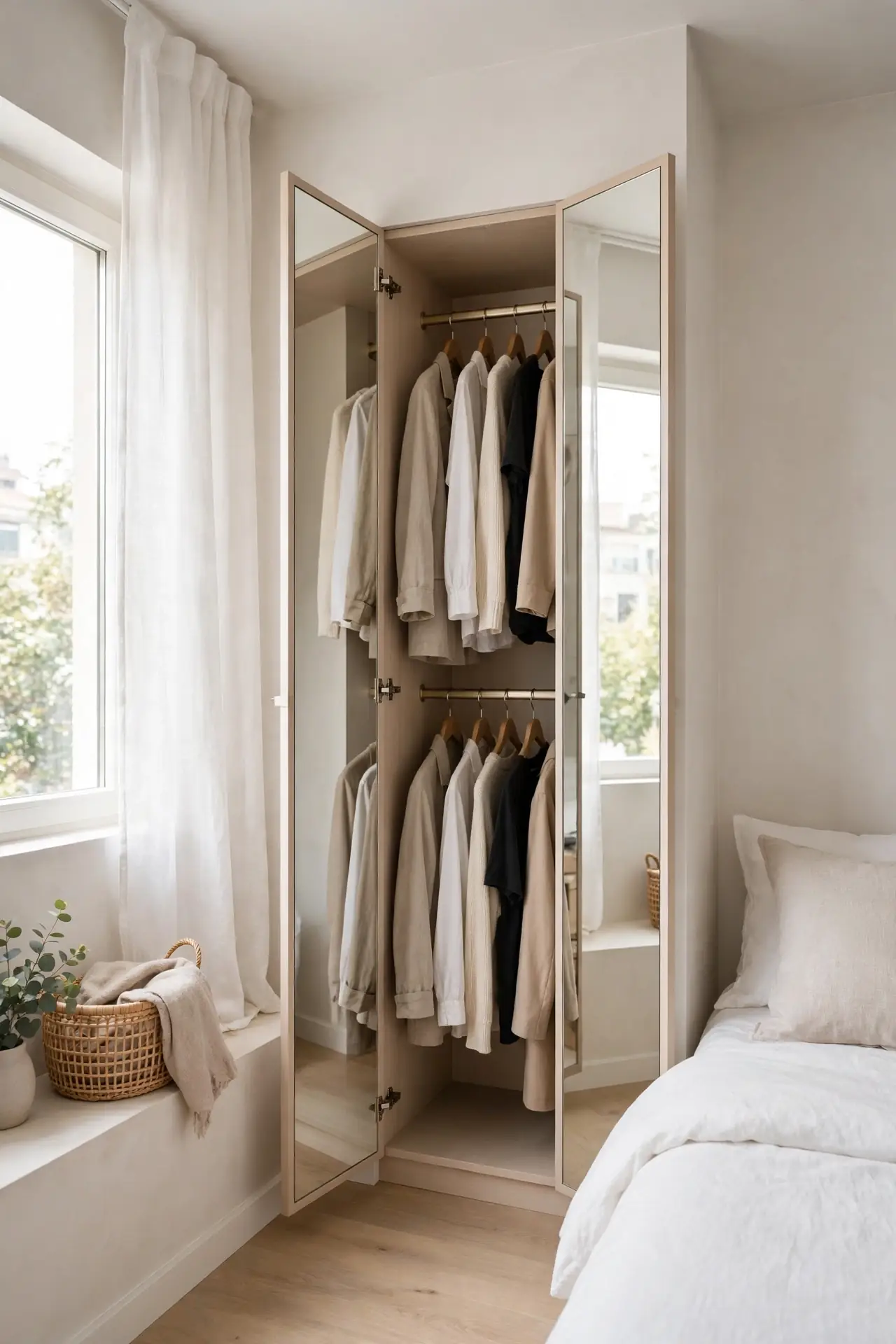
- Pick a wardrobe under 24 inches wide for tight corners.
- Use the full height with double hanging rods inside.
- Add top-shelf baskets for out-of-season items.
- Mirror the doors to bounce light around the room.
- Anchor it to the wall so it never tips.
A tall narrow wardrobe stores a surprising amount in a tiny footprint. Double rods double the hanging space without widening the piece. I have noticed mirrored doors also brighten dark corners beautifully. Keep the interior sorted by season for easy mornings. Line the interior with cedar blocks to keep stored clothes smelling fresh. This vertical closet beats a cramped reach-in every time.
Daybed Double Duty
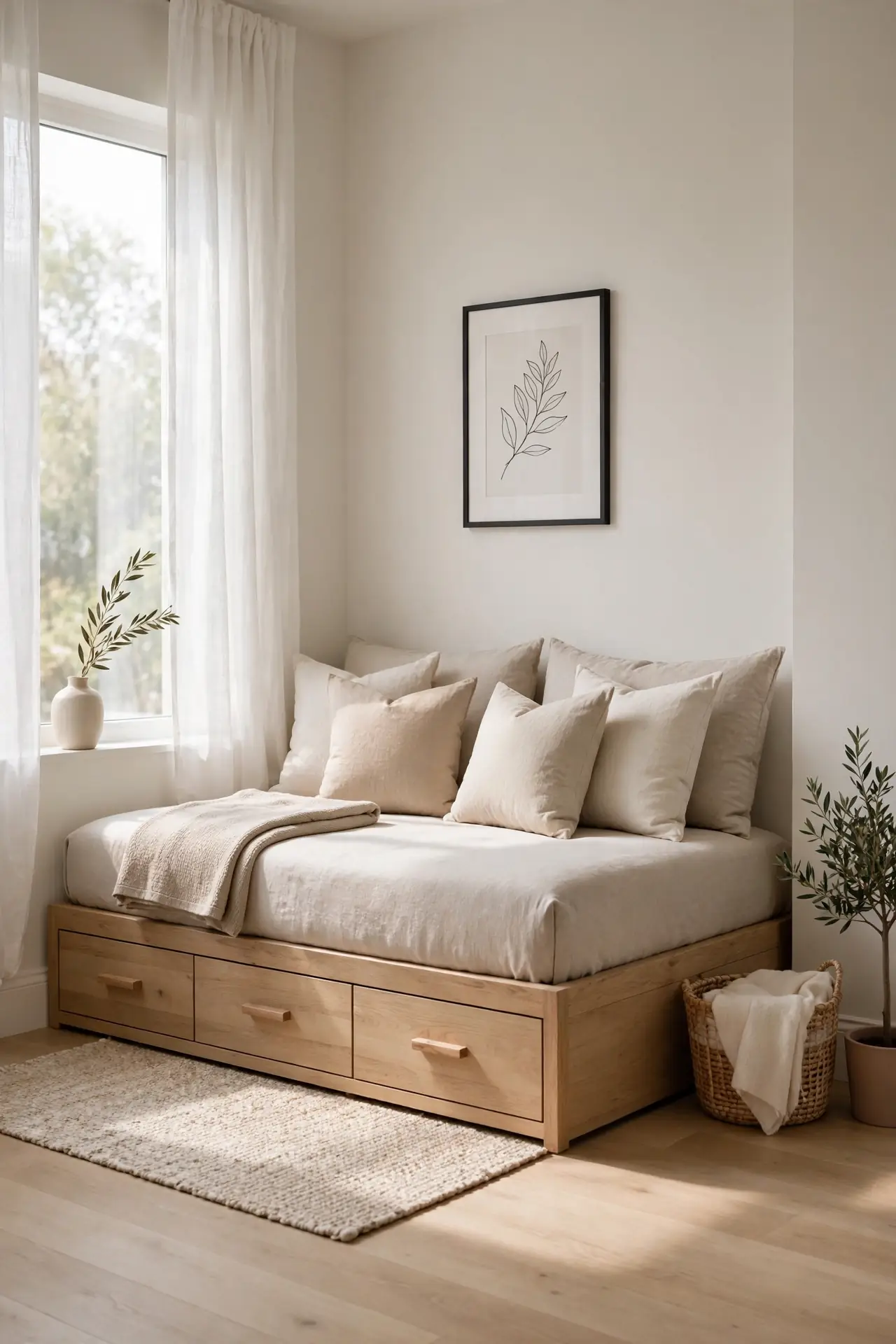
Quick Tip: Choose a daybed that serves as a sofa by day and a bed by night. Style it with back pillows along the wall so it reads as seating, not sleeping. Store bedding in the built-in drawers or a nearby ottoman. This single piece lets a tiny bedroom moonlight as a living room. Guests never guess the cozy sofa hides a full bed.
Daybeds are tiny-room heroes for multipurpose spaces. By day the room functions as a lounge or office, by night it sleeps comfortably. Keep the styling sofa-like with throw pillows and a neat throw. Built-in drawers underneath swallow bedding and clothes. One piece, two rooms, zero compromise.
Clear Floor Path
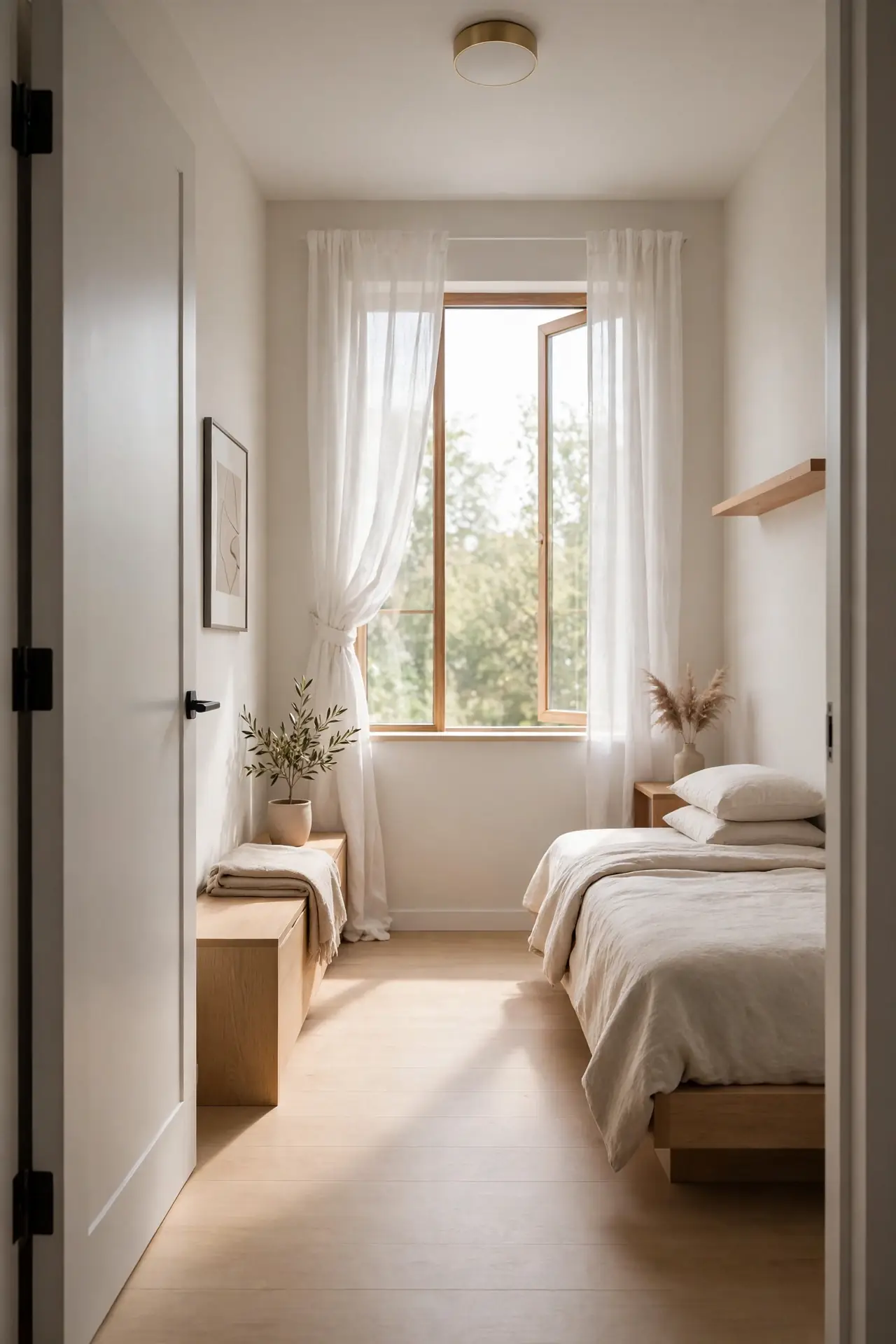
BEFORE: Furniture zigzagged across the room with no clear walkway. Getting to the closet meant sidestepping the bed and squeezing past the dresser.
AFTER: One straight path now runs from door to window with furniture hugging the walls. Movement feels effortless and the room looks twice as tidy.
A clear path is the backbone of tiny-room flow. Arrange every piece against walls so one open lane connects door, bed and closet. Keep the lane at least 24 inches wide for comfortable passing. Resist filling the open floor because empty space is a feature here. This discipline makes small rooms feel calm and navigable.
Wall Bed Wonder
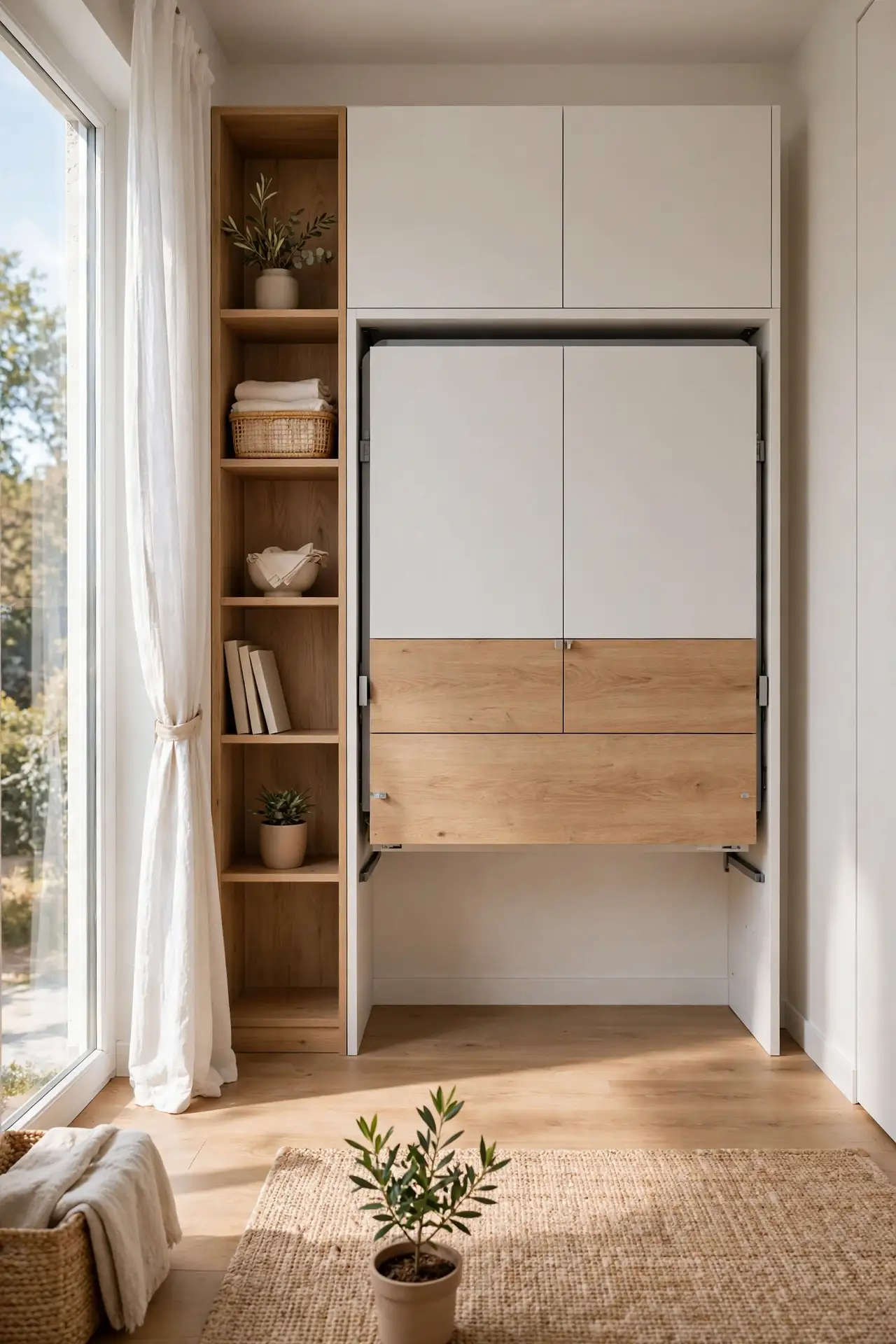
- Measure your wall and choose a murphy bed sized to fit.
- Anchor the mechanism securely into wall studs.
- Add attached shelving that stays level when the bed folds.
- Keep bedding strapped so the fold stays neat.
- Practice the fold daily until it becomes second nature.
A wall bed gives you a full bedroom and a full living room in one footprint. Fold it up by day for open floor space, pull it down at night for real sleep. Modern mechanisms lift easily with one hand. Keep the surrounding decor simple so the transformation shines. This is the ultimate tiny-room investment for serious space saving.
Ceiling Storage Nets
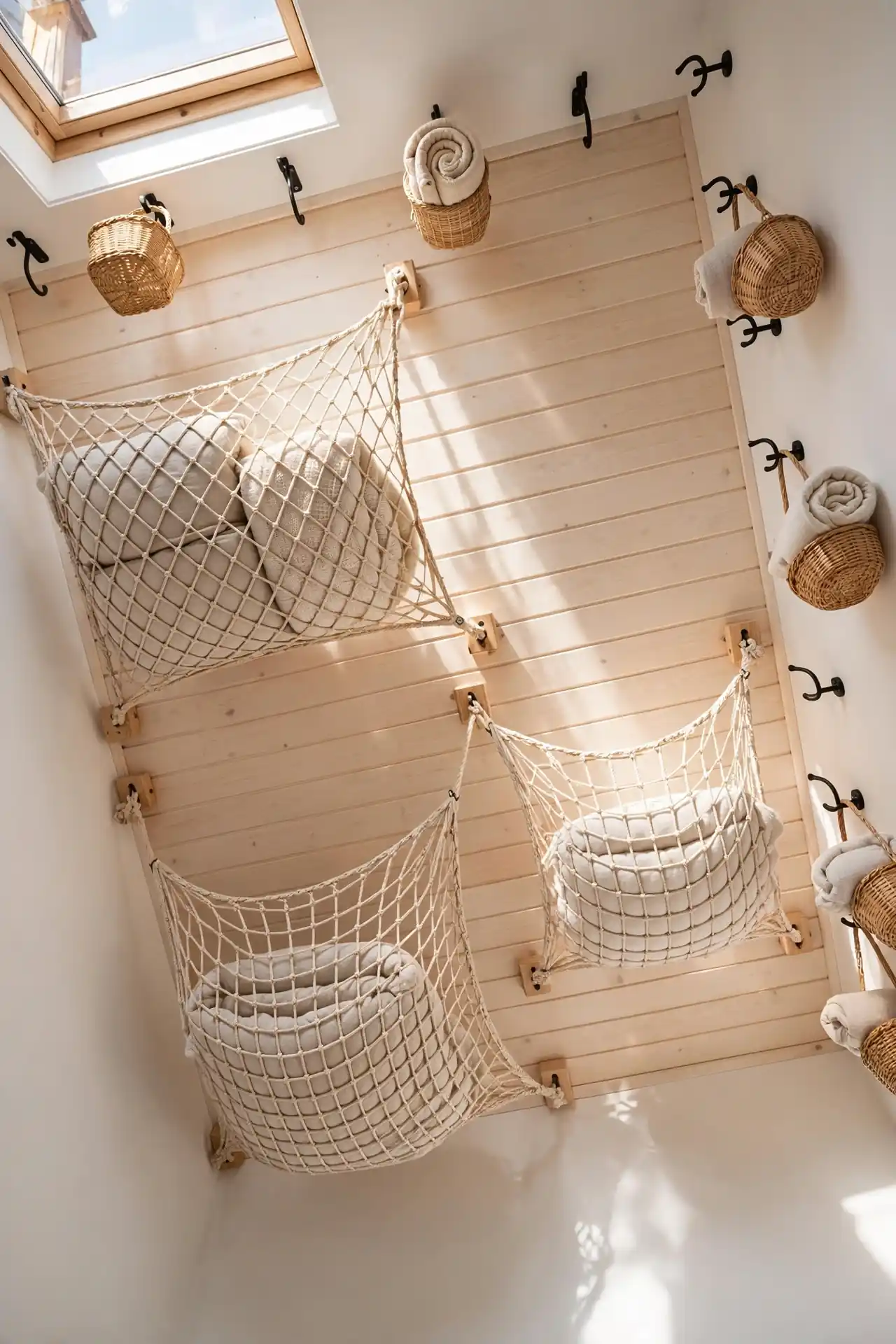
| Spot | Stores | Install Tip |
| Above the bed | Light blankets | Use wide soft netting |
| Closet ceiling | Out-of-season bins | Mount into joists |
| Corner hammock | Stuffed toys | Three hooks minimum |
| Over the desk | Light supplies | Keep within reach |
Ceilings hold storage space most tiny rooms never touch. Soft nets and high hooks keep light items overhead and out of the way. Stick to lightweight goods for safety and easy access. Keep a small step stool nearby for reaching high spots. Check hooks yearly to make sure everything stays secure overhead. Label each net so you remember what lives up high. This overhead zone adds storage without shrinking the room at all.
Conclusion
Small rooms reward the planners who think vertically and edit ruthlessly. These tiny bedroom layouts prove that brilliant flow beats big square footage every time. I have seen how small changes like these can completely shift the way a space feels. Start with the bed position since everything else follows from there. Measure your room this weekend and try one new arrangement. Save this guide on Pinterest for your next refresh, and share it with a friend fighting their own tiny room. Clever layouts turn the smallest bedroom into your favorite room.
One Comment