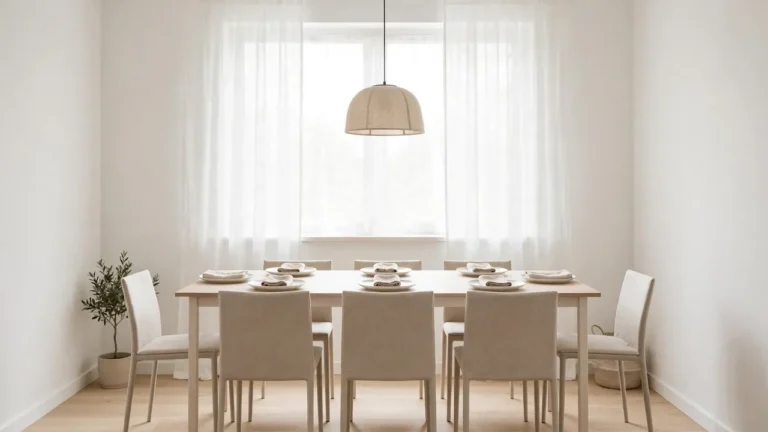
How to Make a Dining Room Feel Separate Without Walls
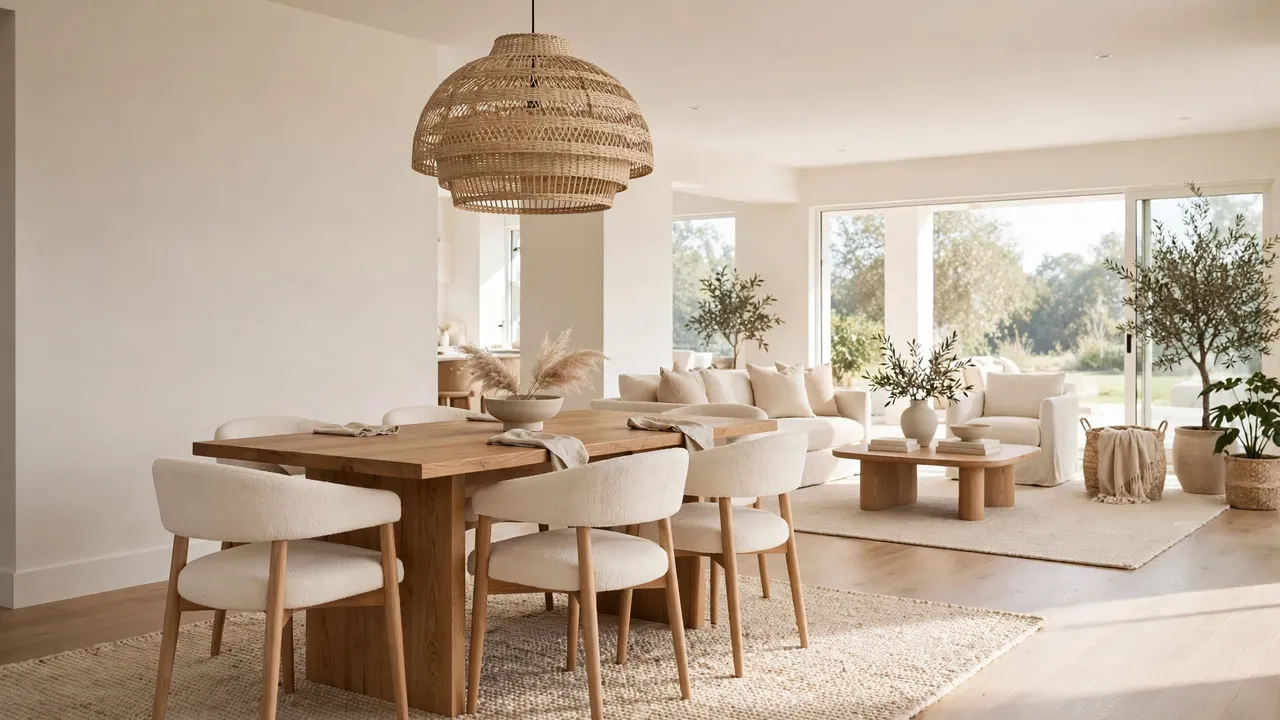
Open floor plans blur the lines between rooms, and learning how to make a dining room feel separate without walls starts with visual anchors, not construction. You can carve out a dining zone that feels intentional using rugs, lighting, and furniture placement alone.
No walls, no doors, no problem. The trick is giving your eyes clear signals that say dining room here and living room there. A rug, a pendant light, and a few deliberate borders turn one big space into rooms with their own purpose.
In this guide you will find ten practical ways to zone your dining space, each one renter friendly and budget conscious, and many borrow smart ideas from how to decorate a small home with limited storage for keeping the zone tidy.
Anchor the Table With a Large Area Rug

A rug is the fastest way to tell the eye where the dining room begins and ends. Choose one large enough that the table and all chairs sit on it comfortably, with at least two feet of rug showing beyond the table edge on every side. That generous border reads as a room boundary even though nothing stands between the zones.
Stick to flat weave or low pile rugs so chairs slide easily and cleaning stays simple. A subtle pattern hides crumbs better than a solid light color. Measure twice before you buy.
Hang a Statement Pendant Over the Table
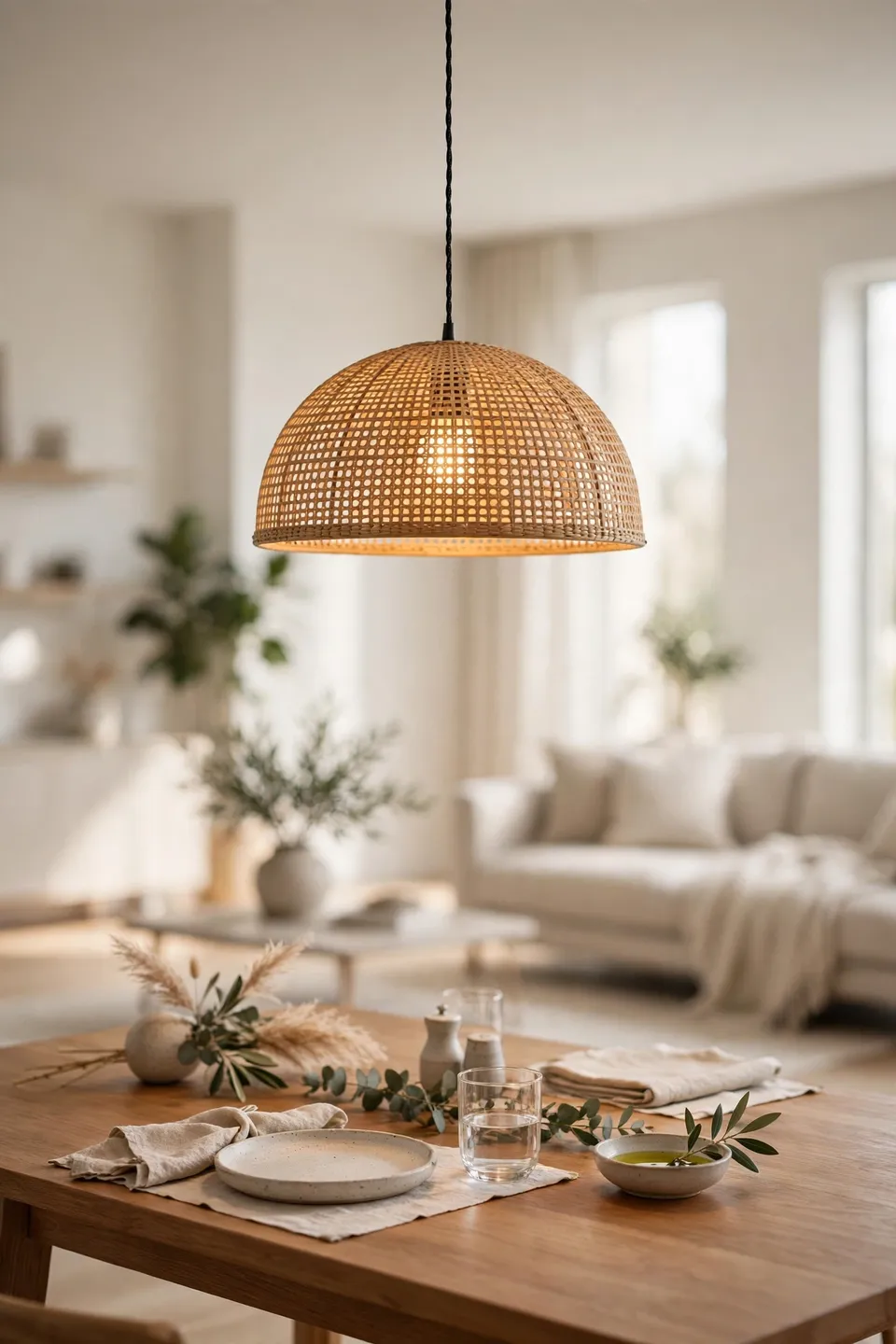
Overhead lighting draws an invisible ceiling over your dining zone. A pendant or chandelier hung low over the table tells everyone this spot is for gathering and lingering. It is the single most effective vertical anchor in an open plan.
- Measure the table length and pick a fixture about one half to two thirds as wide.
- Hang it 30 to 36 inches above the tabletop for the right glow.
- Install a dimmer switch so the mood shifts from homework to dinner party.
- Center the table under the fixture, then build the rest of the zone around it.
Float a Console or Sideboard as a Divider

Quick Tip:
Place a slim console table with its back to the living area to form a gentle wall between zones. The piece keeps sight lines open while marking where one room stops and the other starts. Style the top with a lamp and one green plant for a look that works from both sides.
Stop Pushing Every Chair Against the Wall
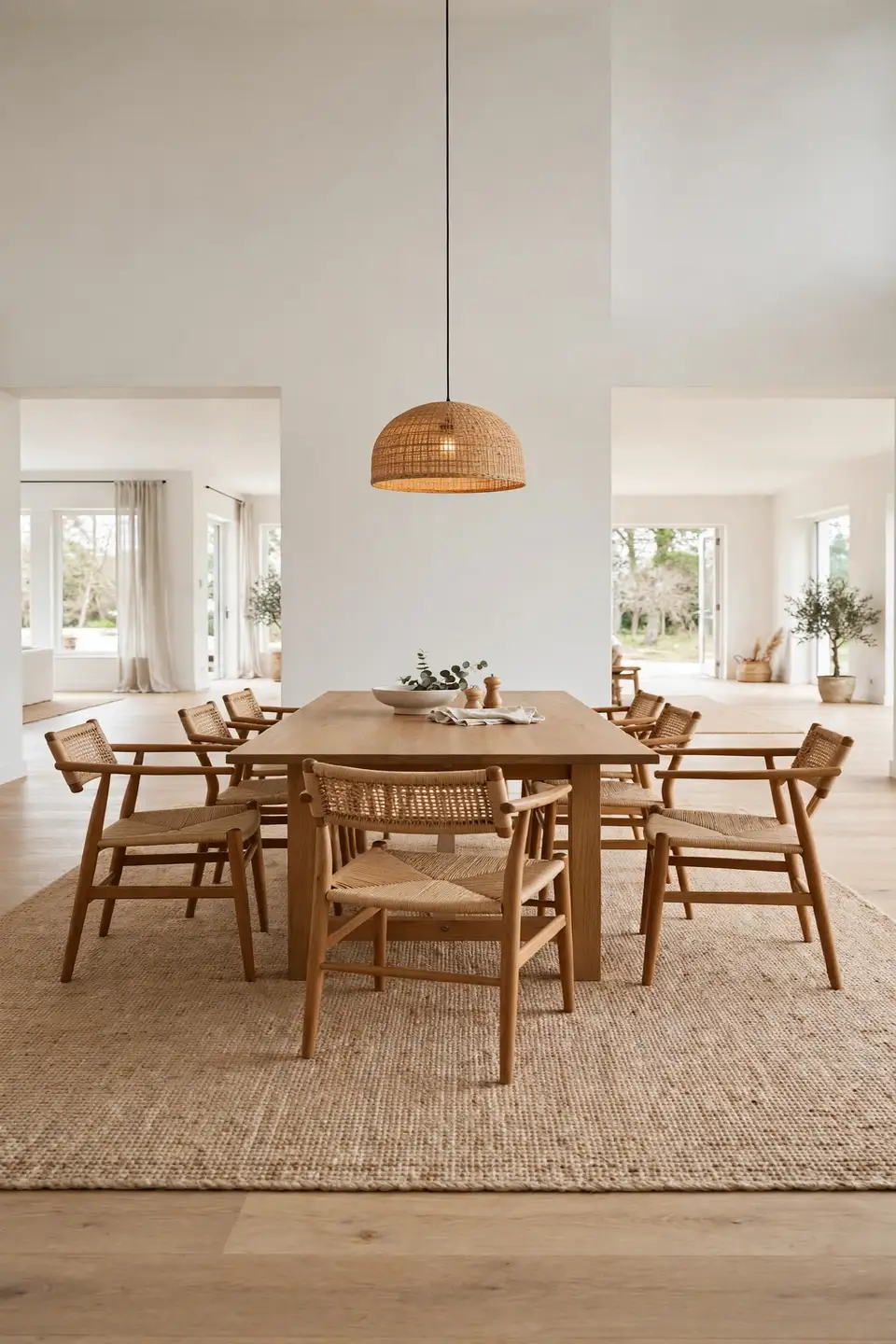
Common Mistake: Floating the dining table in the middle of the open space with no anchor, so it looks like a lost island.
The Fix: Pull the table into a defined corner or align it with a window, then build the zone outward with a rug and lighting.
Tables shoved against walls waste the best trick open plans offer, which is breathing room. Give your table space on at least three sides so the zone feels generous, then let the rug and pendant do the defining work that walls used to do today.
Paint One Accent Wall Behind the Table

What You Need:
- A quart of paint in a warm, saturated tone
- Painter’s tape and a small roller
- A drop cloth for the floor
- One free afternoon
Color is a wall you can paint on and off. One bold wall behind the dining table creates a backdrop that reads as a separate room from across the open plan. Choose a shade that echoes your living room palette so the spaces feel connected rather than chopped apart.
Layer Curtains to Frame the Dining Corner

BEFORE: A bare window wall where the dining table sits exposed, blending into the living room with nothing to catch the eye.
AFTER: Floor length curtains in a soft neutral frame the window and the table together, turning that corner into a cozy dining nook with its own identity.
Fabric softens hard architecture and gives the eye a frame to rest on. Hang the rod high and wide so the curtains stack clear of the glass, then let the panels define the dining corner. This pairs well with ideas from how to style a living room with mixed wood tones for a cohesive open plan.
Group Plants to Build Living Borders
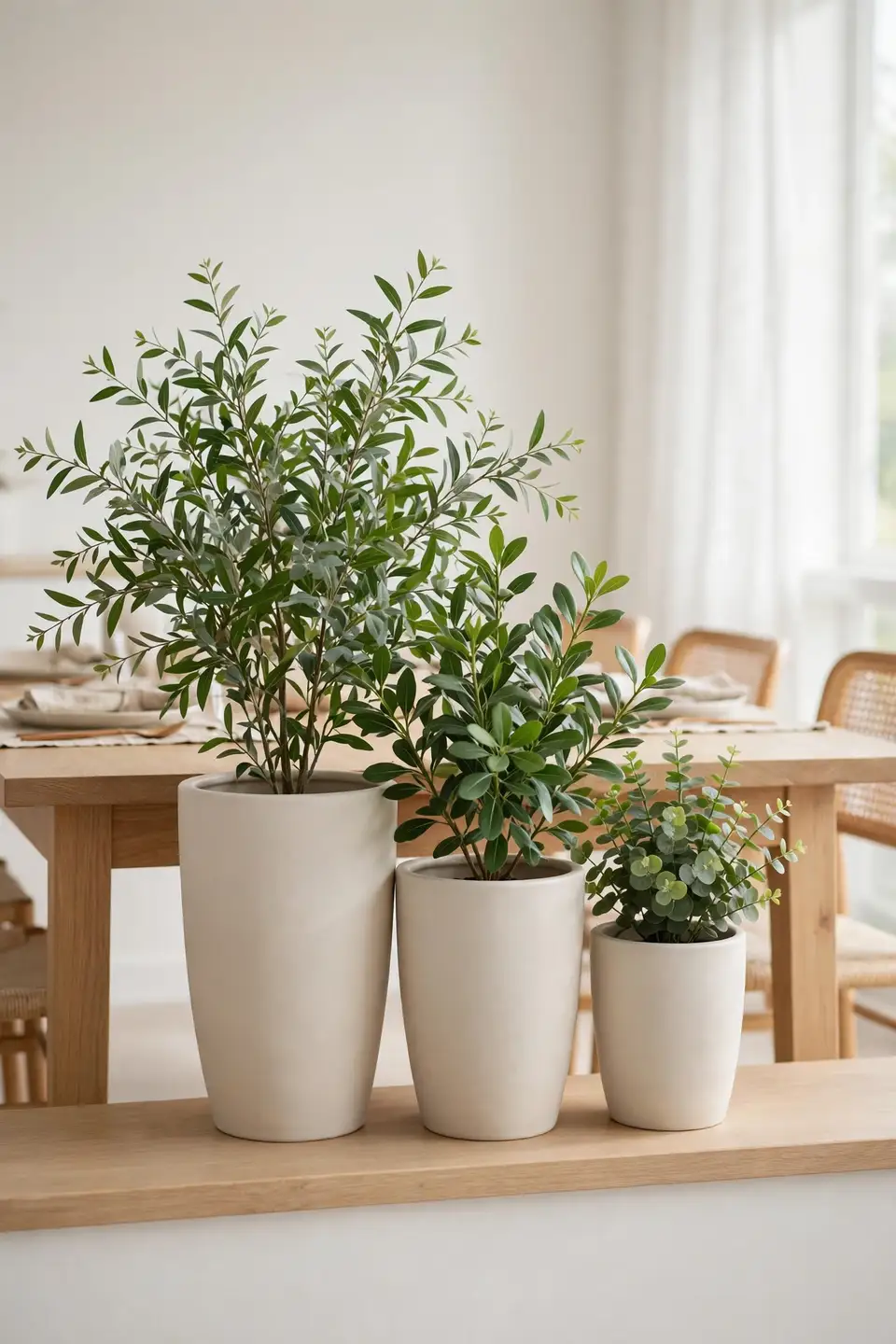
Do This:
- Cluster three plants of different heights at the zone edge
- Use matching pots so the group reads as one border
- Pick leafy varieties that stay full year round
Avoid This:
- Scattering single small plants across the whole open plan
- Using tall plants that block light and sight lines
- Choosing pots in clashing colors that break the calm
Greenery is the friendliest divider you can buy. A tight cluster of plants creates a soft, living edge that separates dining from lounging without a single hard line. Keep the groupings intentional and repeated and the whole open plan will feel thoughtfully zoned in every season.
Repeat One Finish for Quiet Cohesion
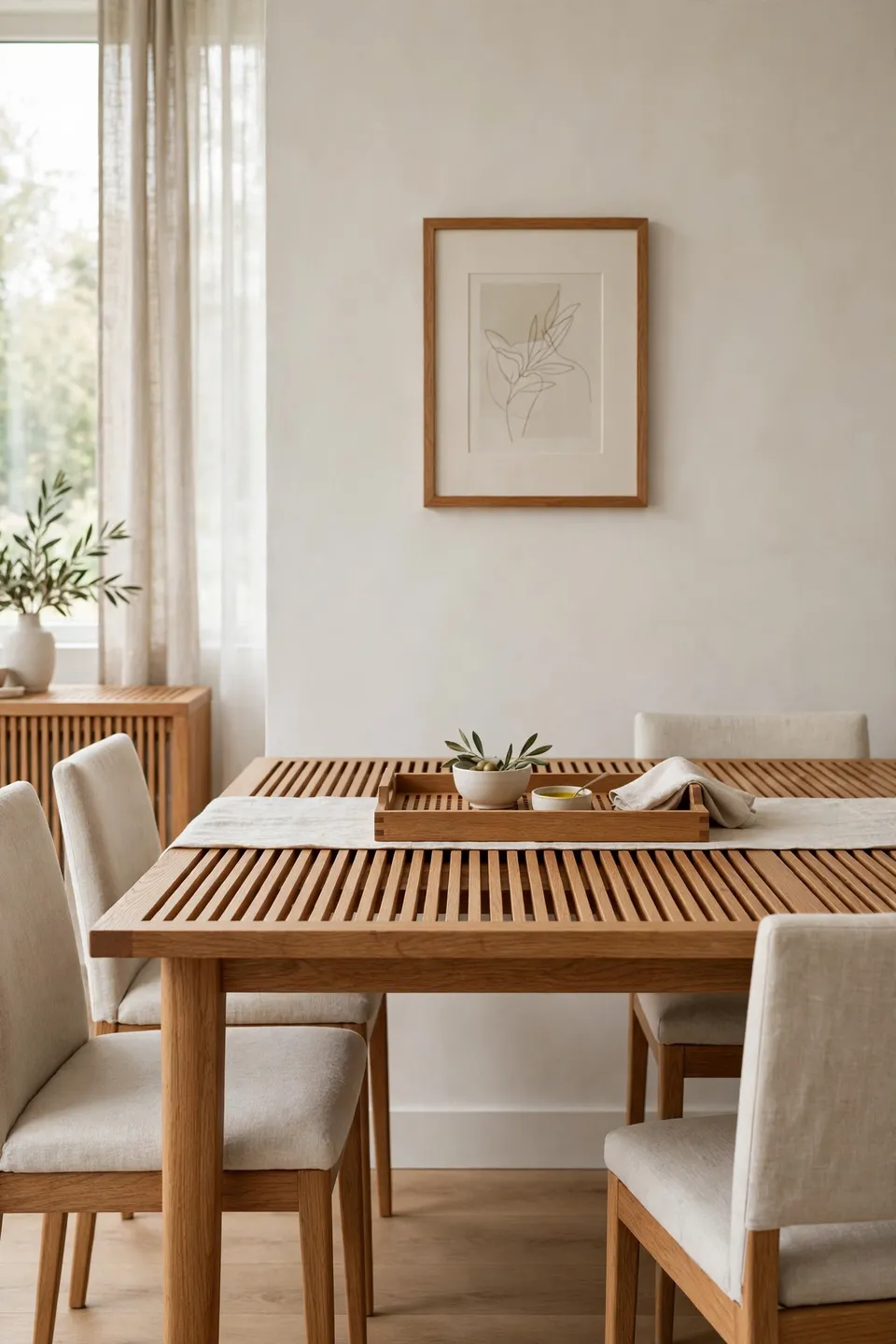
Best Finish: Warm wood tones that echo the table
Repeat Count: At least three times across the zone
Budget: Under fifty dollars with thrifted pieces
Time Needed: One weekend afternoon
Repetition is what makes a zone feel deliberate. When the same wood tone appears on the table, a picture frame, and a serving tray, the brain groups them into one room. This quiet echo works harder than any single statement piece to say dining happens here.
Set the Table for Everyday Beauty
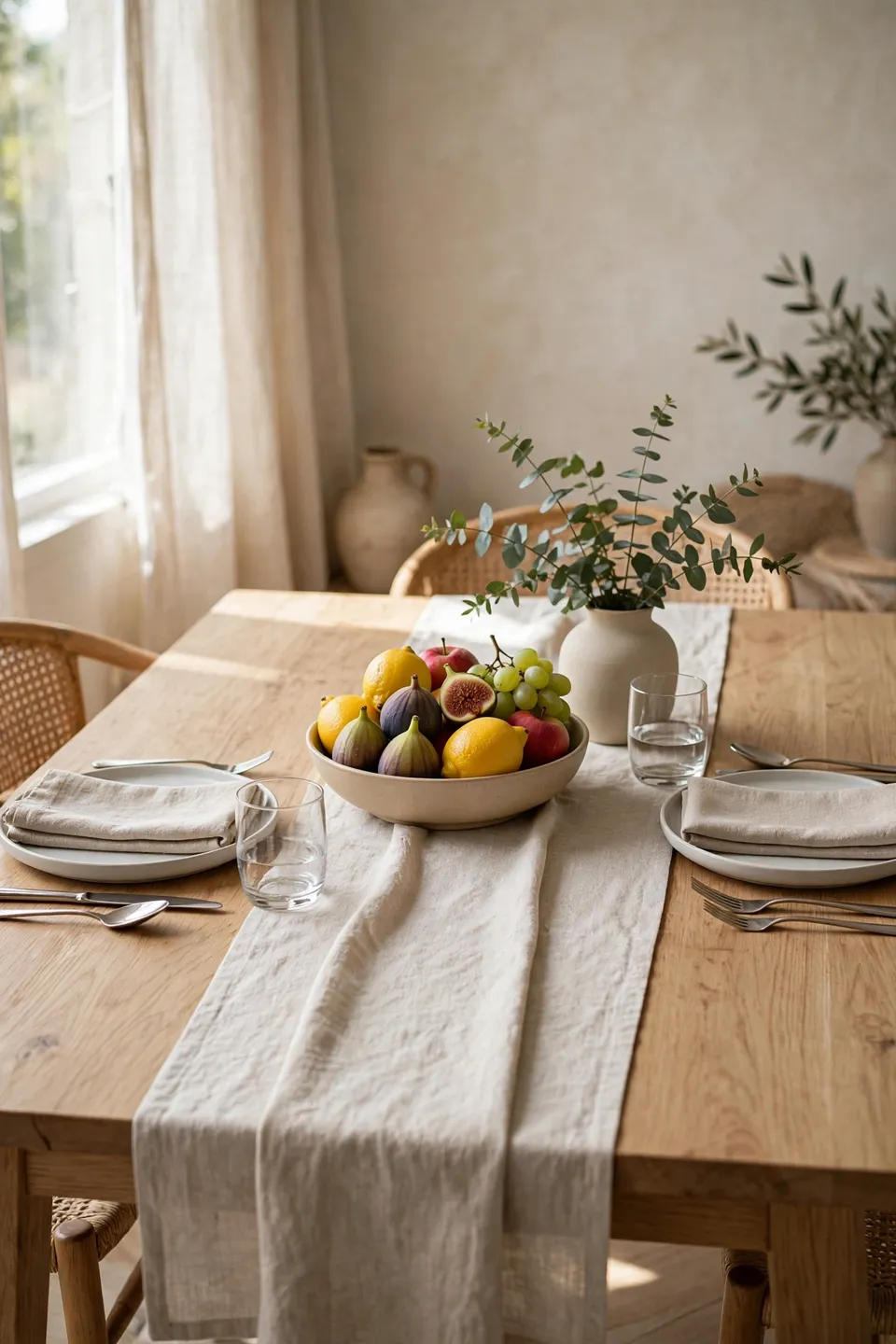
A styled table never looks like an afterthought, even in the middle of an open plan. Keep a simple runner down the center, add a low bowl of fruit or a small vase of stems, and let the place settings do the talking. When the table always looks ready, the whole zone feels like a destination rather than a pass through space.
Swap the centerpiece with the seasons to keep the look fresh without spending much. A few eucalyptus stems in fall and fresh lemons in summer keep the table feeling alive and intentional.
Check Sight Lines From Every Seat
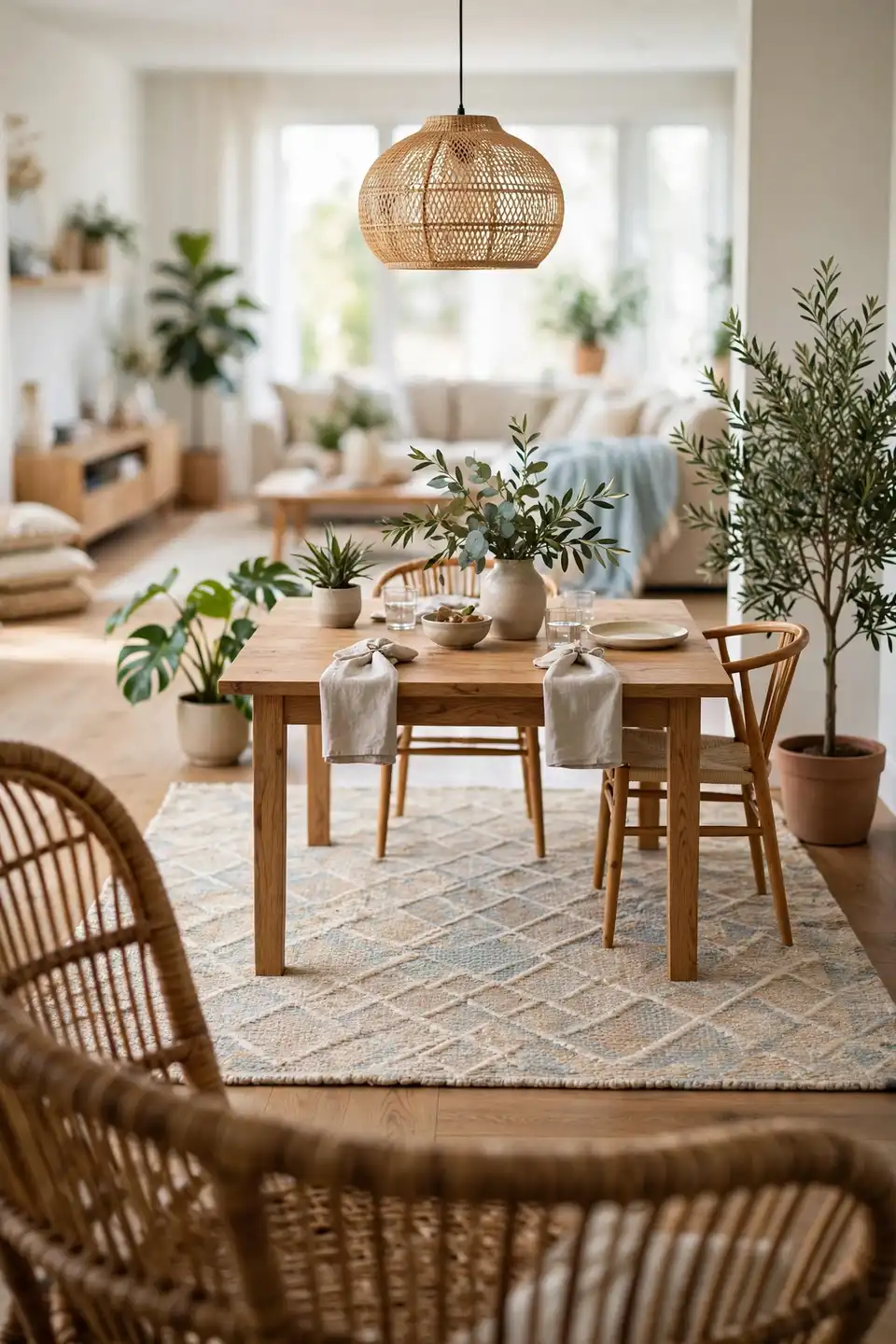
The final test of your zoning is simple: sit down and look around. From the dining chairs you should see a composed dining scene, not the television or the laundry pile. A quick sight line check reveals which borders are working and which need tweaking.
- Sit in each dining chair and note what catches your eye first.
- Move one plant or screen to block any distracting view.
- Stand at the living room sofa and confirm the dining zone reads as its own room.
- Adjust the rug or lighting until the boundary feels clear from both sides.
Conclusion
You now have ten room zoning tricks that prove how to make a dining room feel separate without walls is a design skill, not a construction project. Start with the rug and the pendant light, since those two changes create the biggest visual shift for the least effort and cost. Then layer in dividers, plants, and color at your own pace. Small changes add up fast when every piece points to the same dining zone. Pin this guide to your home decor board on Pinterest so you can find it again when you are ready to zone your own open space.