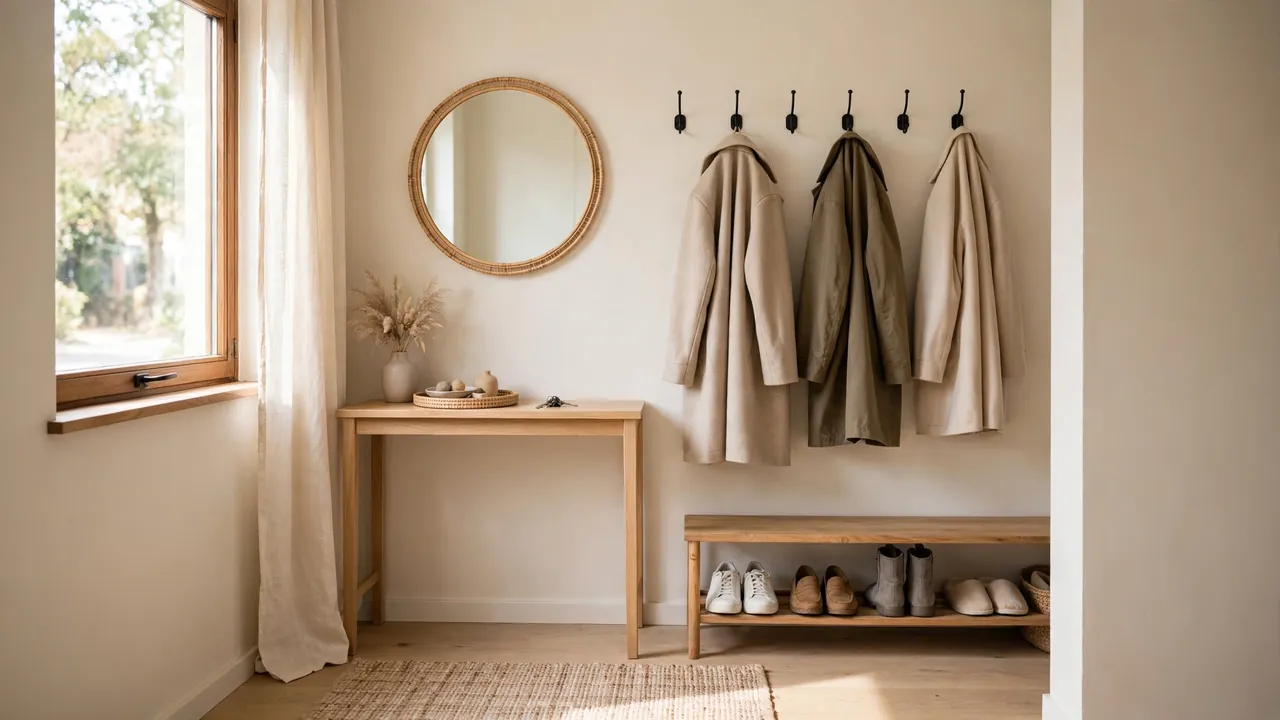
How to Maximize Storage in a Small Entryway
Shoes pile up by the door, keys vanish, and coats bury the only chair you own. If your entryway feels like a closet that exploded, learning how to maximize storage in a small entryway will change how your home feels when you walk in.
Most entryways are tiny, yet they carry the heaviest daily load of any room. Coats, shoes, bags, mail, and keys all fight for the same few square feet. The answer is not more space, it is smarter space.
This guide walks you through ten practical steps, from wall hooks to hidden storage, so nothing piles on the floor again. If your living room feels tricky too, my guide on how to decorate a living room with an awkward layout covers the next room over.
Why Small Entryways Lack Storage
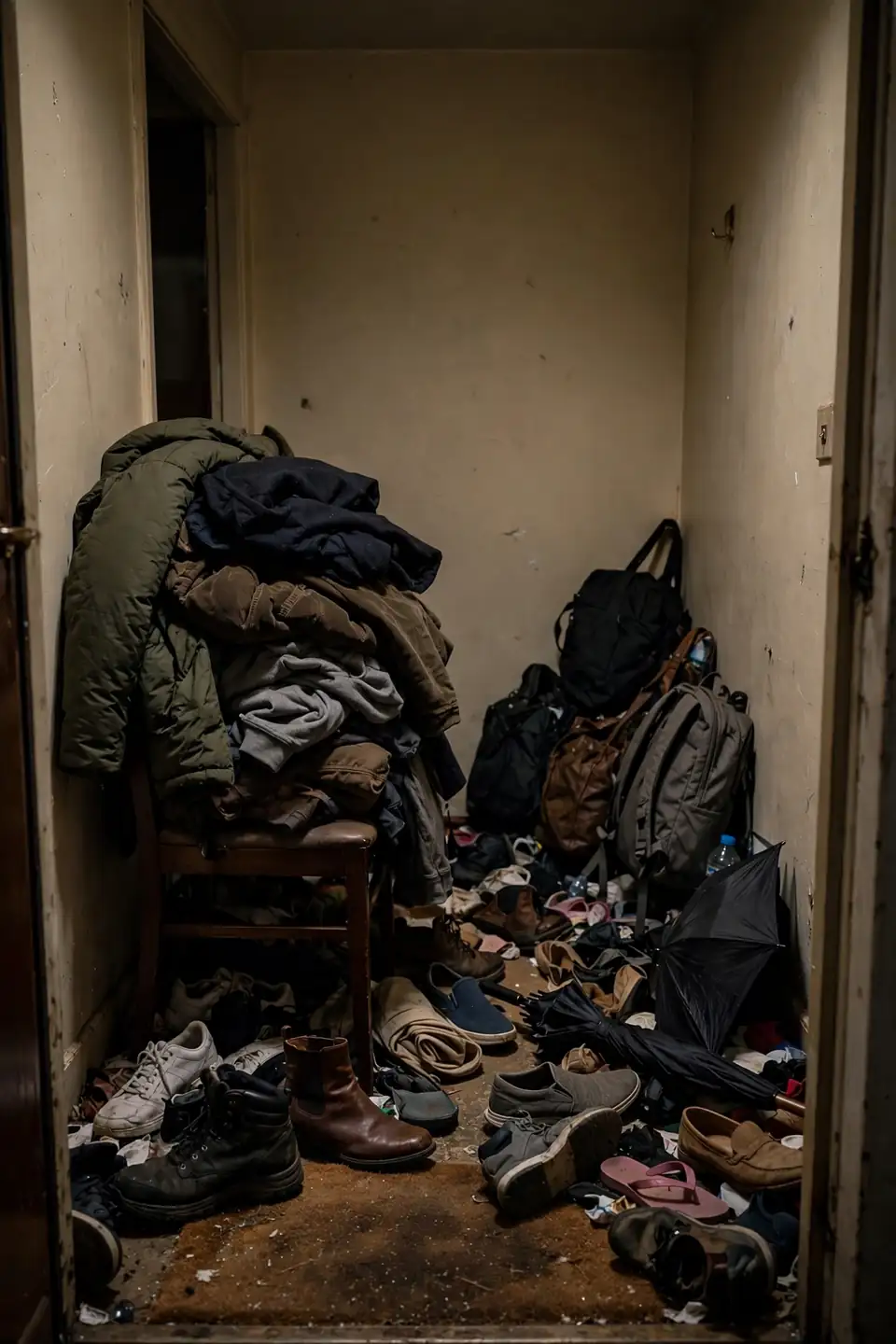
Entryways were designed as pass-through spaces, not storage hubs. Builders leave them narrow and shallow, so furniture feels bulky and doorways swallow precious wall space. When a room that small handles coats, shoes, bags, keys, and mail every single day, chaos builds fast and never leaves on its own.
The clutter usually starts at the floor. Shoes multiply first, then bags land on top, and soon you are stepping around piles just to reach the door. Once you understand why the space fails, every fix below will make more sense and last longer.
Assess Your Entryway’s Potential
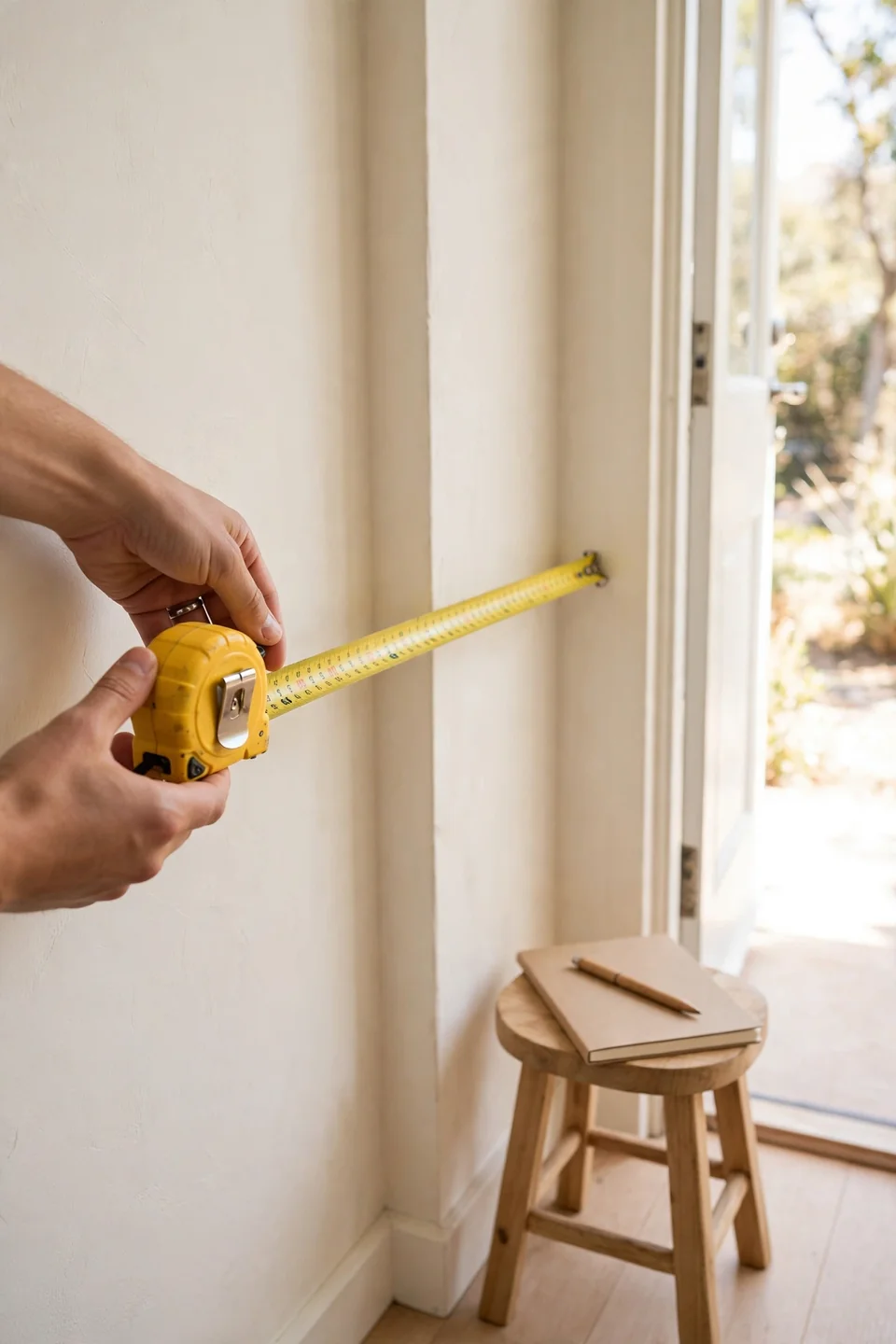
Before buying a single hook, measure what you actually have. A quick assessment shows which walls are usable, where shoes really land, and how much daily clutter your space must absorb. Five careful minutes here saves hours of rearranging later.
- Measure your entryway width and note every door swing, so new pieces never block movement.
- Count how many pairs of shoes sit out on a normal day, then plan storage for that exact number.
- List what actually lands there daily: keys, bags, mail, dog leash, and anything else you grab on the way out.
- Stand in the doorway and look for empty wall space above waist height, which is usually wasted.
Use Wall-Mounted Hooks
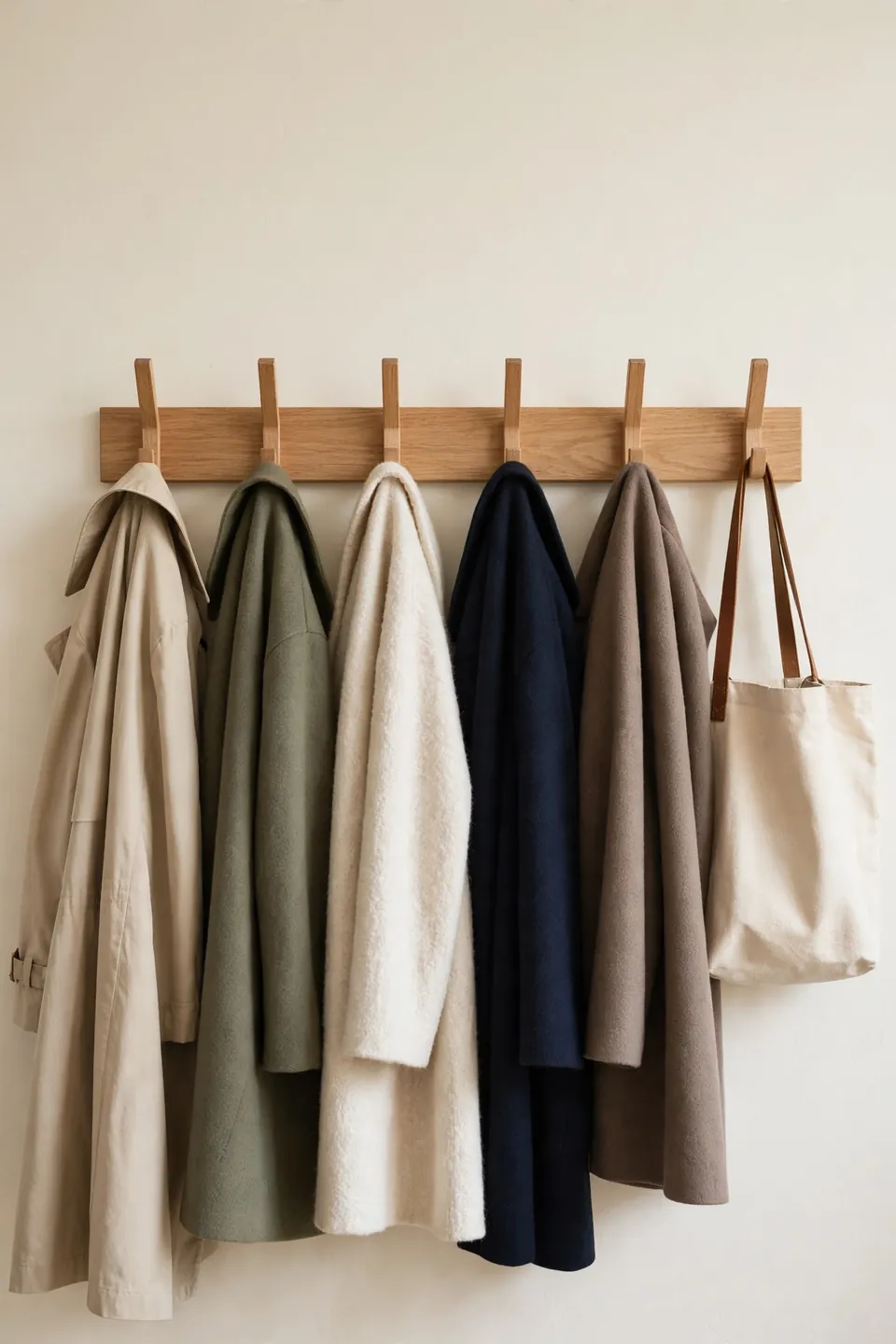
Quick Tip: Hooks beat bulky furniture in tight spaces every time. Mount them at two heights so kids and adults each have their own row. Stagger the spacing so coats never overlap and bunch up.
A simple rail with four to six sturdy hooks holds the coats and bags of a whole household. Choose hooks that extend at least three inches from the wall so thick winter coats hang flat. In my experience, entryways with proper hooks stay tidy far longer than those relying on a chair or doorknob.
Add a Slim Console
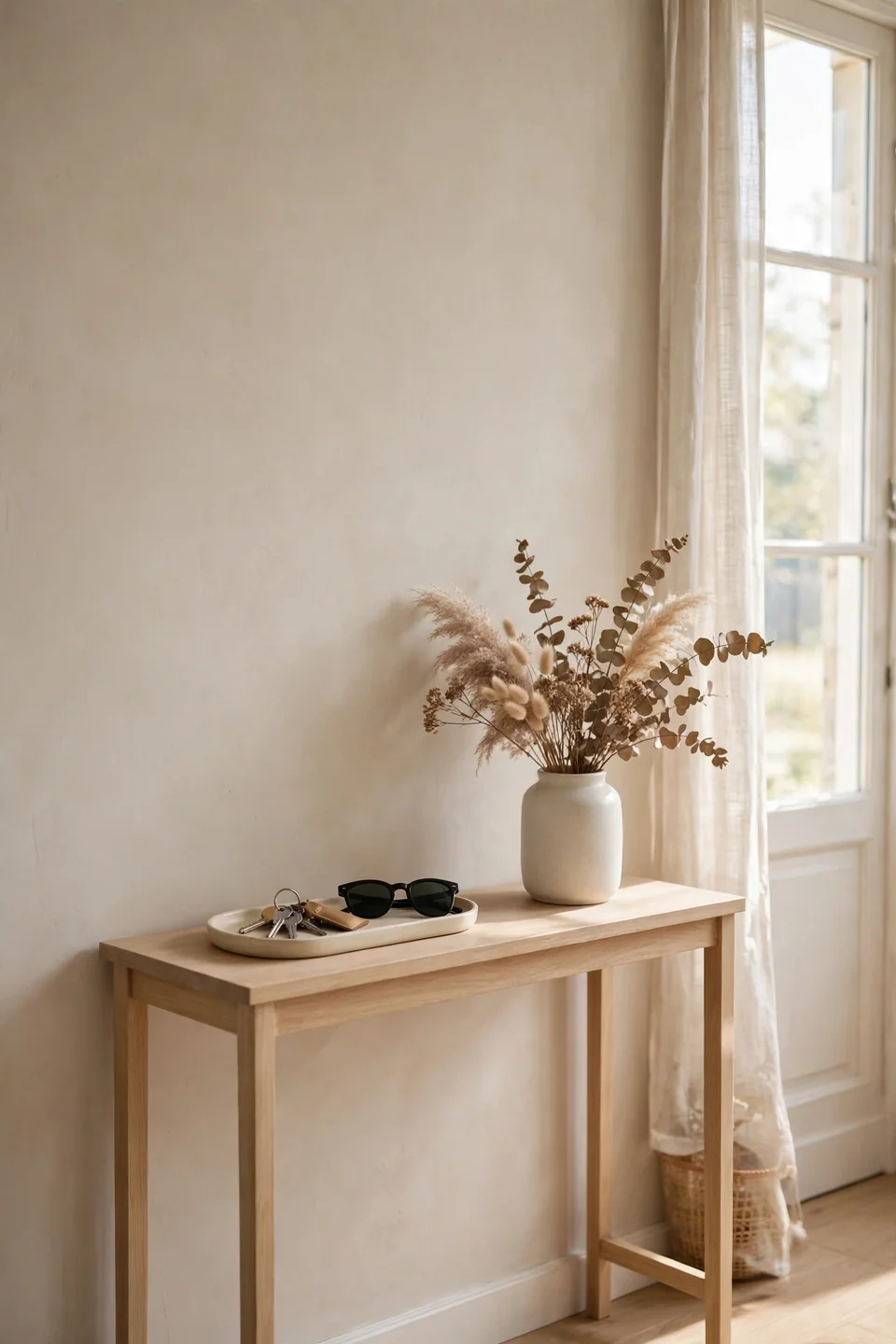
Common Mistake: Most people skip a console table because their entryway feels too narrow. They assume any table will block the walkway, so keys and mail end up scattered on the floor instead. The real problem is not the table, it is choosing one that is too deep.
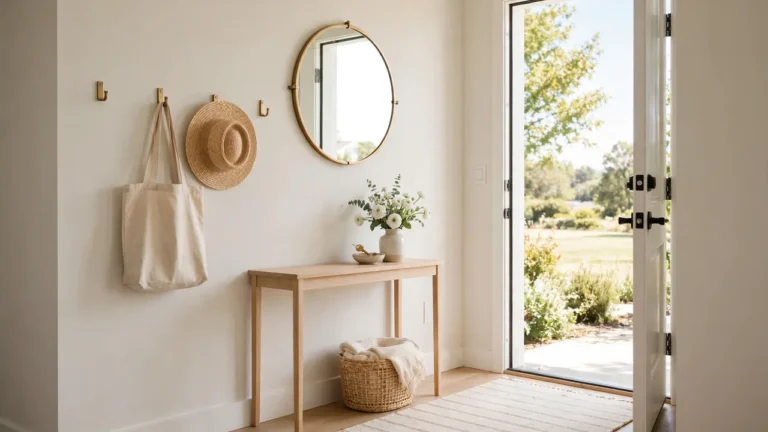
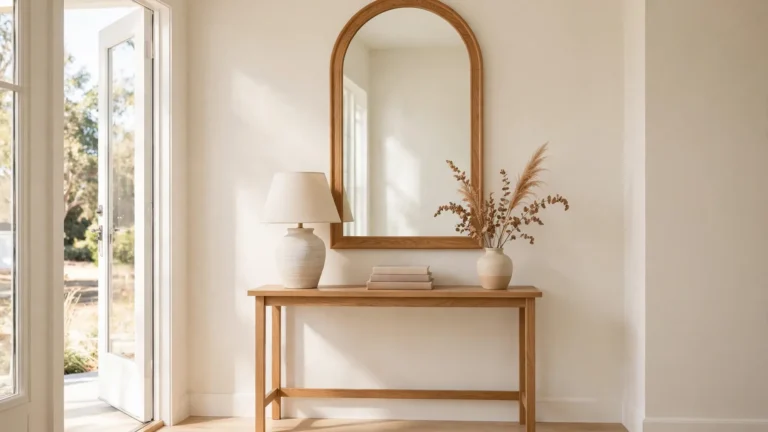
The Fix: Look for a console no deeper than eight to ten inches, which fits even the tightest walls. Slide it against the longest uninterrupted stretch of wall for a natural drop zone. A narrow ledge suddenly gives keys, sunglasses, and mail a permanent home.
A slim console anchors the whole entryway visually, making the space feel instantly finished rather than forgotten. Top it with a small tray for keys and one decorative piece, nothing more. Keep the surface minimal every day and the storage habit will stick for good.
Try Over-Door Organizers
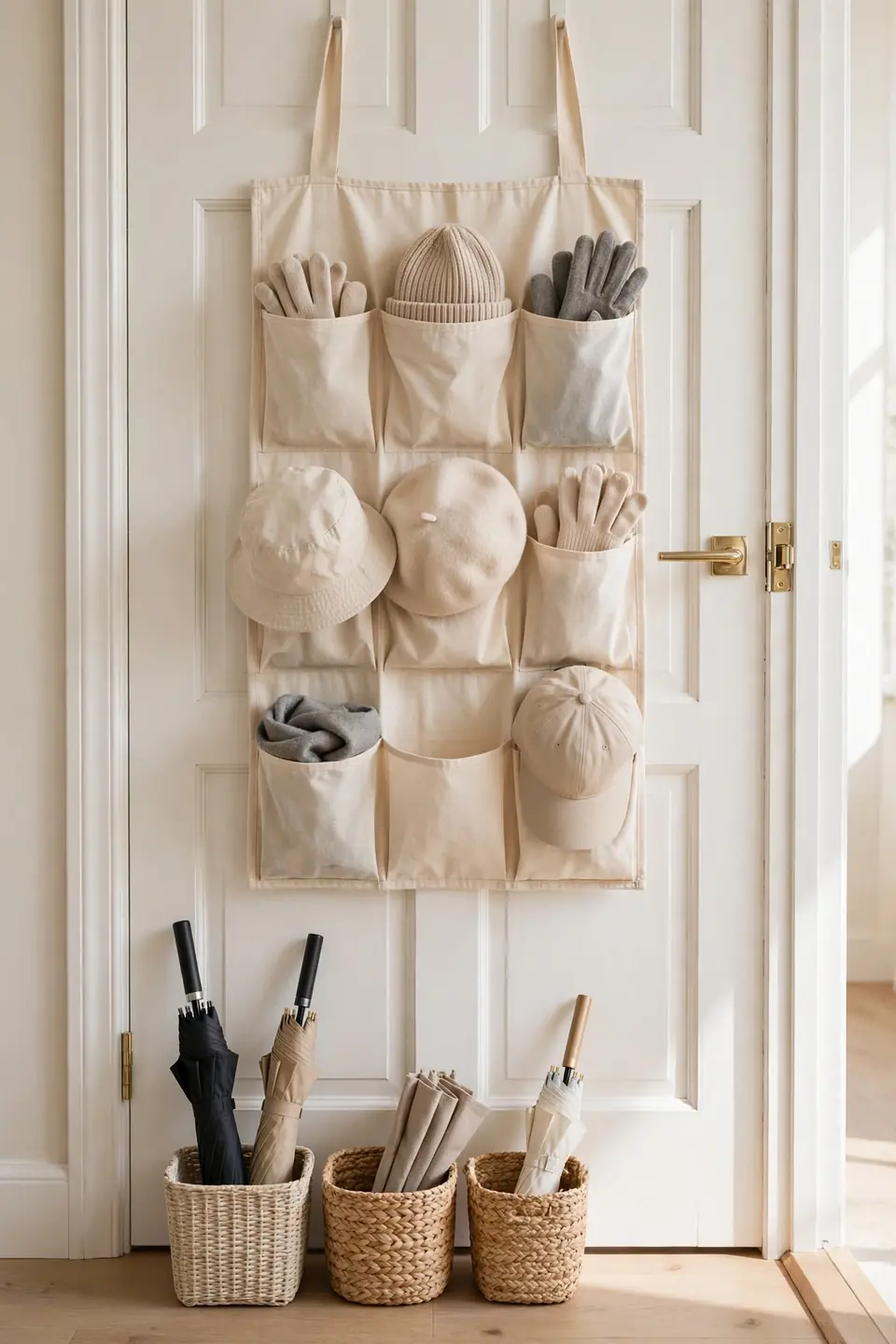
What You Need:
- Over-door rack: a sturdy metal or wood rack that hangs without screws, perfect for renters.
- Fabric pockets: soft hanging pockets for gloves, hats, and dog leashes that need a visible spot.
- Small bins: two or three slim bins for sunscreen, umbrellas, and other seasonal grab-and-go items.
- Command strips: damage-free strips to add extra hooks on the door without drilling.
- Labels or tags: simple labels so every family member knows which pocket is theirs.
The inside of a door is the most overlooked storage surface in any entryway. Since most people never think about how to maximize storage in a small entryway using the door, this trick alone can double your usable space. Pick organizers that match your door color so they blend in instead of shouting for attention.
Corral Shoes Smartly
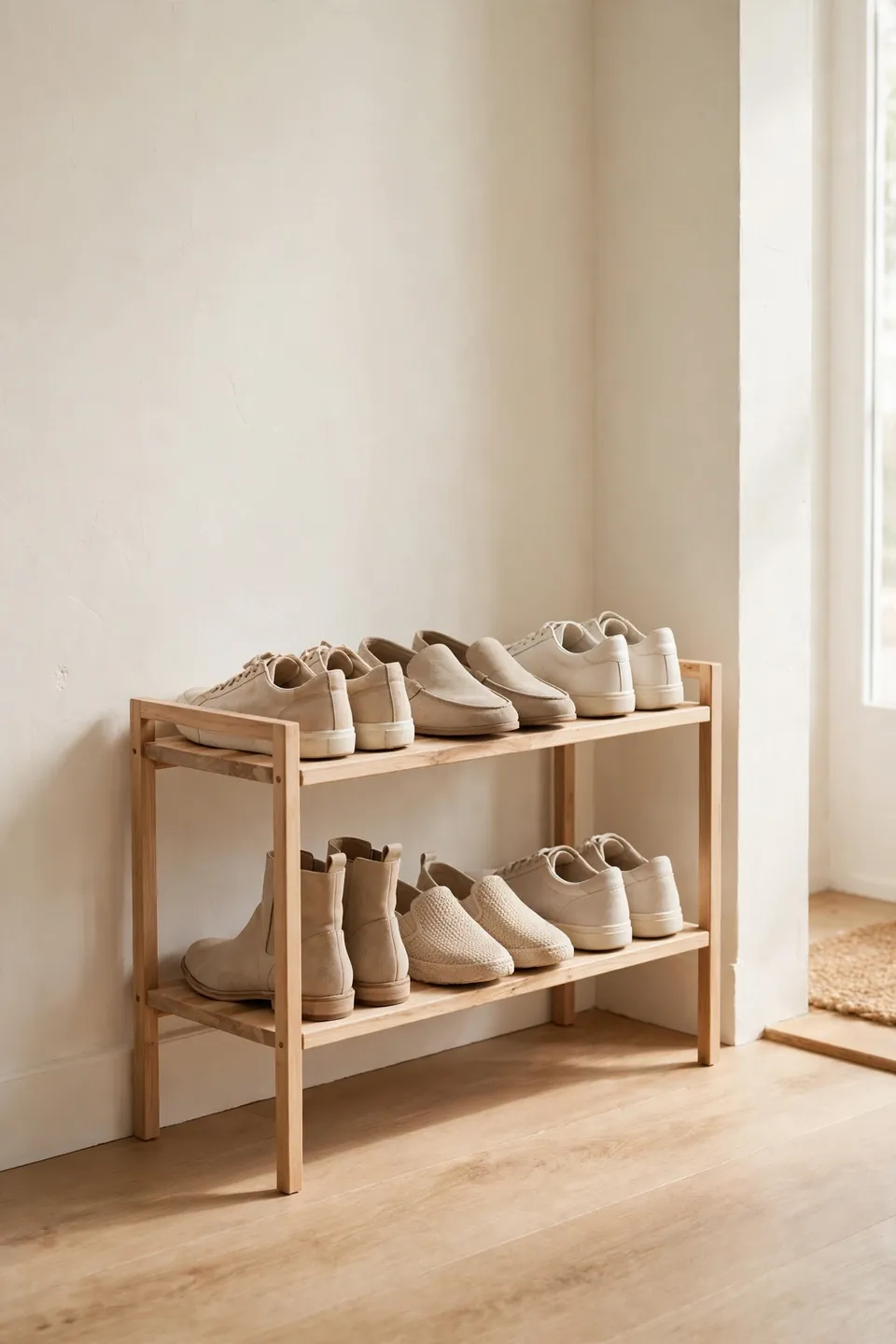
Before: Shoes used to pile in a shapeless heap by my door, singles separated from their pairs and dust collecting on everything. Guests tripped over the mess, and finding matching shoes took longer than tying them.
After: Now every pair slides into a slim two-tier rack tucked against the wall, and the floor stays completely clear. Mornings run smoother because each person grabs their shoes and walks straight out the door.
Limit the entryway to the shoes everyone wears daily, and store the rest in a bedroom closet. A narrow rack that holds six to eight pairs handles most households easily. Rotate in boots during winter and sandals in summer so the rack never overflows on you.
Go Vertical With Shelves
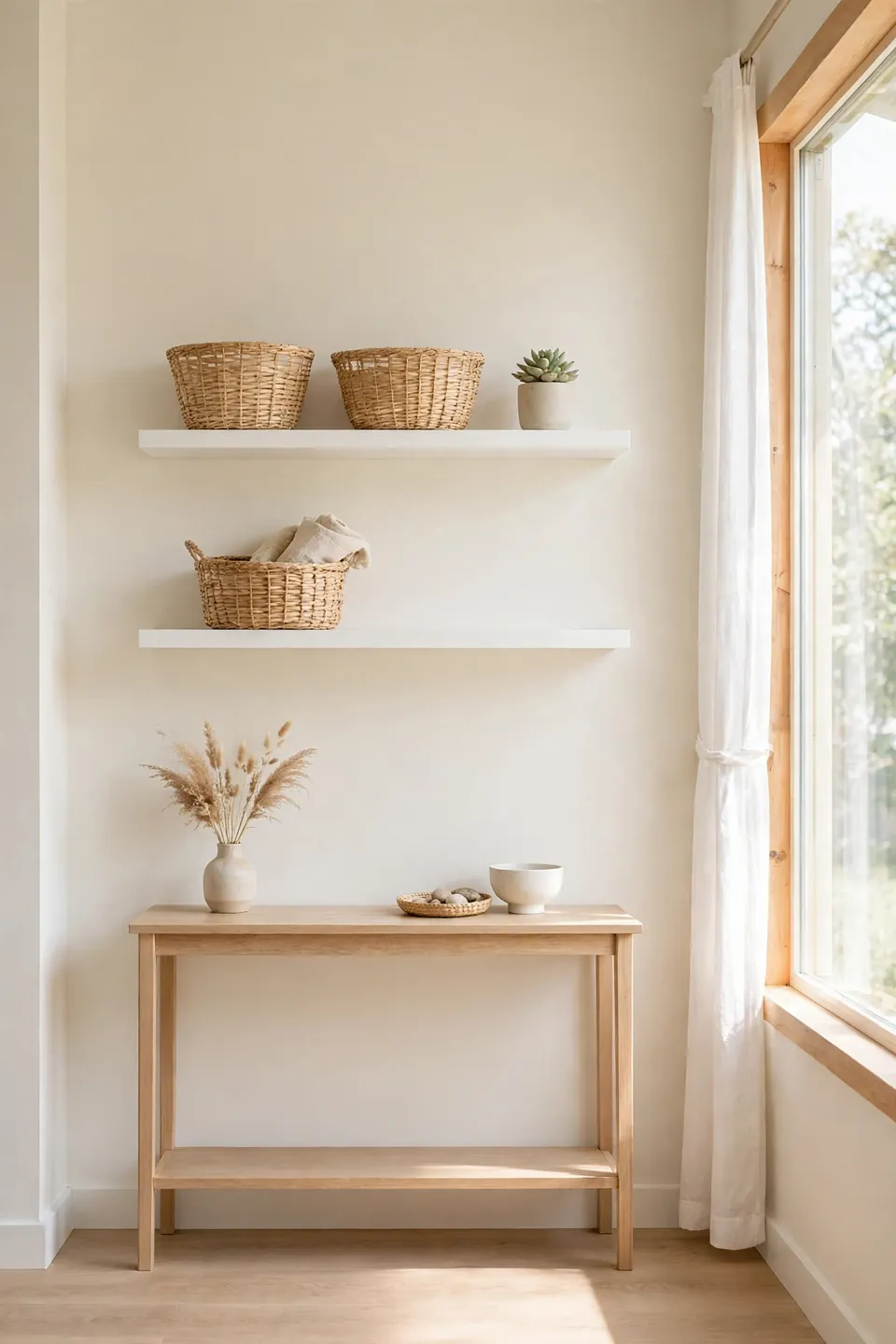
Do This:
- Mount one or two floating shelves above the console for bags and baskets.
- Keep daily items at eye level and seasonal gear on the highest shelf.
- Use matching baskets so the shelves look calm instead of chaotic.
Avoid This:
- Do not stack items above the shelf line where they can topple.
- Avoid deep shelves that push out past the console and narrow the walkway.
- Never overload a shelf with heavy items unless it is anchored into studs.
Vertical storage works because entryways almost always have empty wall space above the furniture line. One well-placed shelf can hold what an entire second console would, without touching the floor. Measure twice, mount once, and style the shelves with intention so they stay useful and pretty.
The same calm approach works in other tight rooms too. My guide on how to hide clutter in a small living room shares more ways to keep every surface tidy and welcoming.
Hide Clutter in Baskets
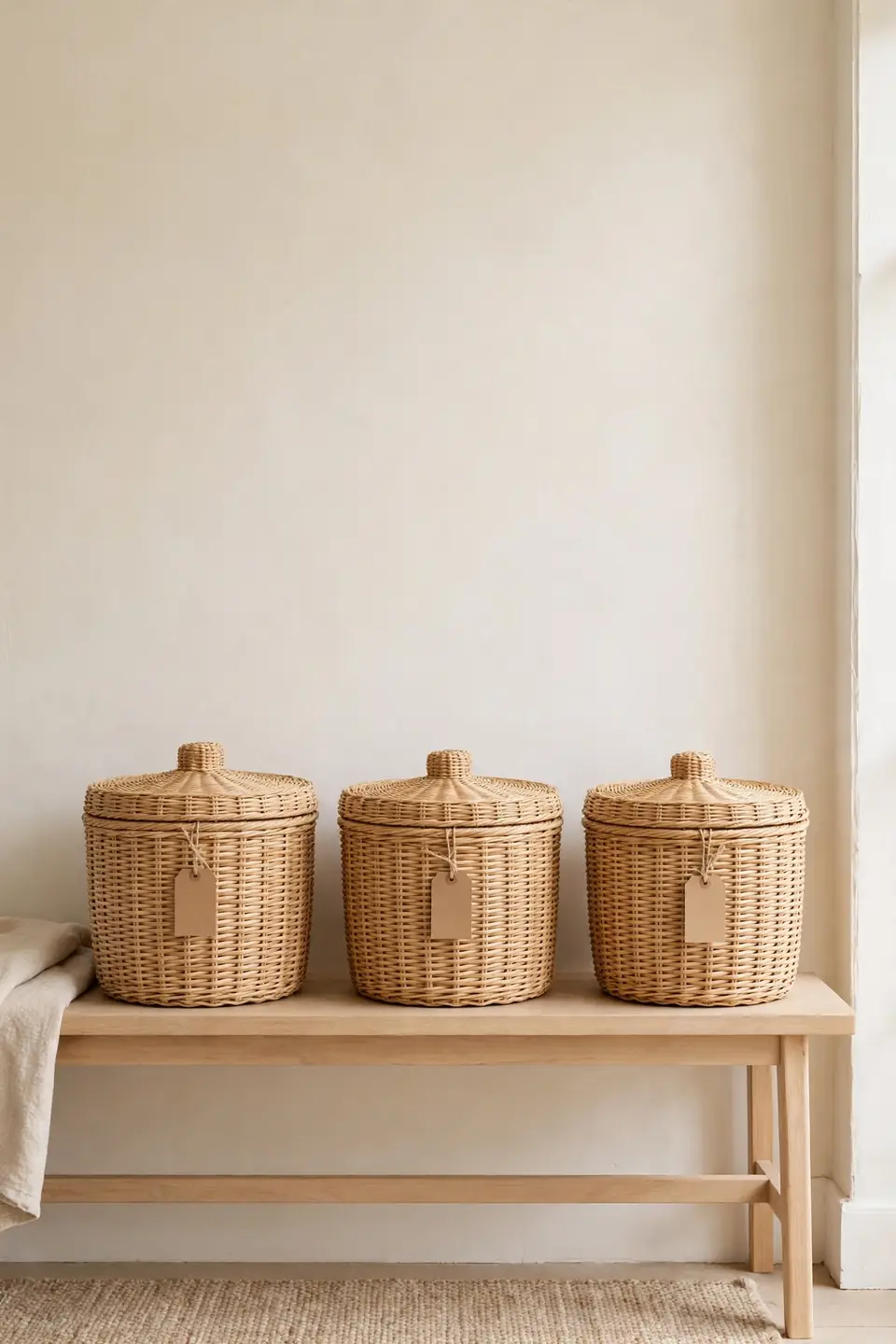
Best For: gloves, scarves, mail, and small odds and ends
Cost: low, with most baskets under fifteen dollars
Time Needed: ten minutes to sort and place
Pro Tip: choose baskets with lids for the tidiest look
Baskets are the secret weapon of every tidy entryway because they swallow visual clutter instantly. Assign one basket per person or per category, then label each one clearly. When everything has a basket, nothing ends up on the floor or the stairs. Refresh the labels each season so the system keeps matching real life.
Common Entryway Storage Mistakes
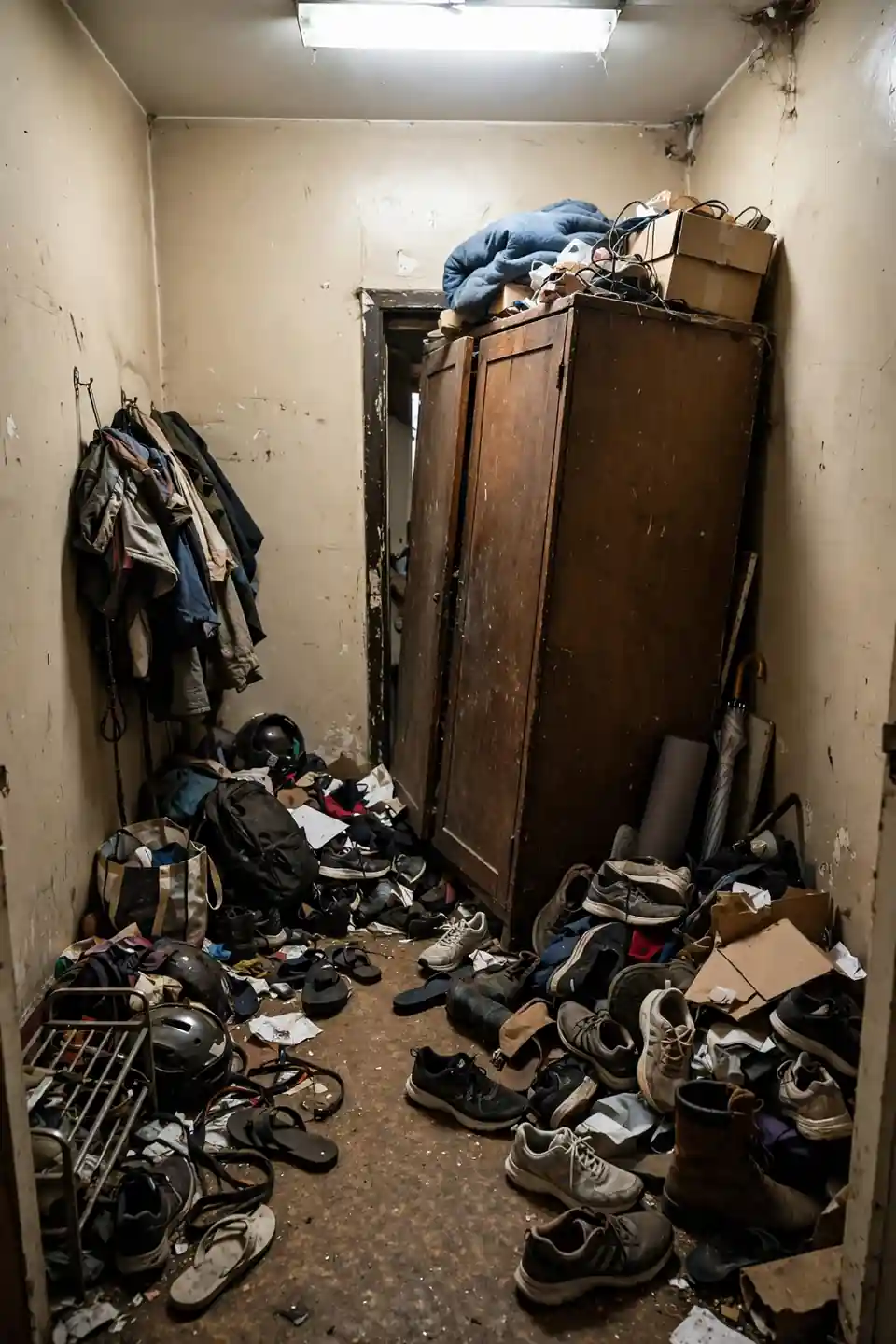
The biggest mistake is treating the entryway like a storage unit instead of a launch pad. Every item parked there should earn its spot by being used daily. Seasonal gear, rarely worn shoes, and broken umbrellas do not belong by the front door.
Another common error is buying storage before measuring, which leads to bulky pieces that block doors and frustrate you. Always measure first, then shop for pieces that fit the actual space. Small entryways forgive nothing, so every inch must work hard. Audit the space once a month and remove anything that no longer earns its place.
Pro Tips for Tidy Entryways
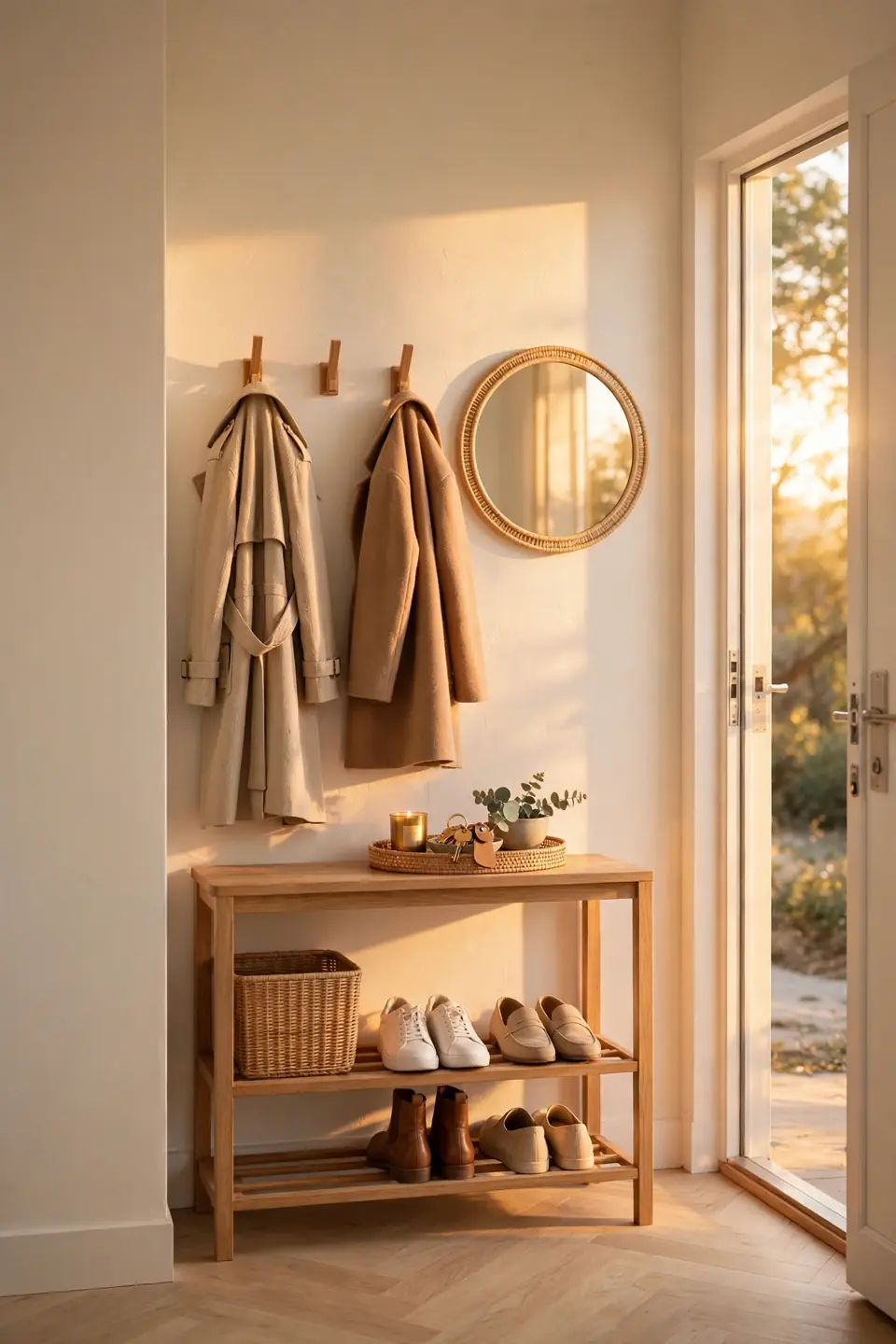
These final tips turn a good entryway into one that stays tidy on autopilot. Small habits and smart finishes make the biggest difference over time. Apply even two of them and you will notice the change by this weekend. None of them cost much or take long.
- Do a two-minute reset each evening, returning shoes and bags to their homes before bed.
- Place a small doormat inside and outside the door to trap dirt before it reaches your floors.
- Add a mirror to bounce light around, which makes the whole entryway feel larger and brighter.
- Keep a donation bag nearby so outgrown coats and unused gear leave the house quickly.
Conclusion
A tidy entryway sets the tone for your entire home, and now you know exactly how to maximize storage in a small entryway with hooks, slim furniture, and smart baskets. Start with one change today, then add the next when the first becomes habit. Pin this guide to your home organization board so you can find it again when motivation strikes. I have seen how making this one change can completely shift the result, turning rushed mornings into calm ones. Your future self will thank you every single time you walk through the door.
One Comment