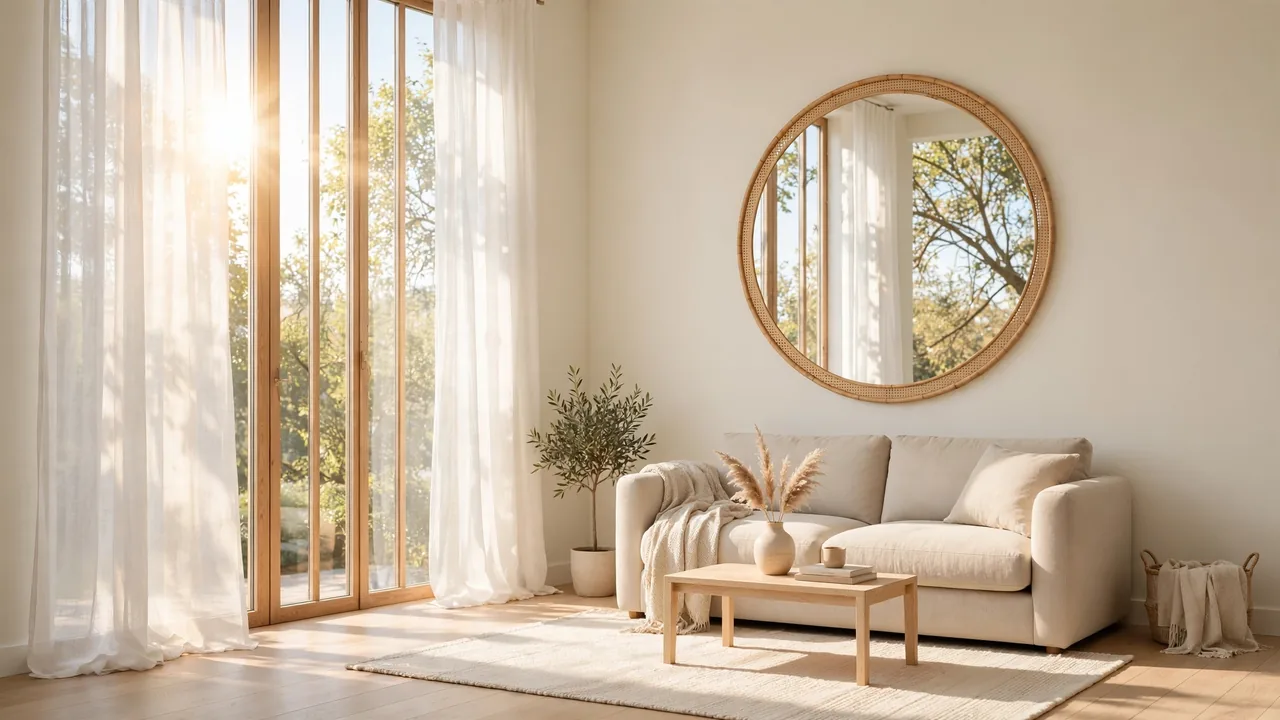
How to Make Small Rooms Look Bigger
Does your living room feel tighter every year, though nothing in it changed? You are not stuck with that boxed-in feeling. Learning how to make small rooms look bigger comes down to a handful of visual tricks that cost little and need no renovation skills.
In my experience, most cramped rooms share three culprits: visual clutter, oversized furniture, and flat lighting. Fix those and the space breathes again. The same thinking transforms the tiniest rooms too, as these guest bathroom decor with natural textures ideas prove.
This guide walks you through ten steps in the right order, each one beginner friendly and budget conscious. By the end, your rooms will feel open and you will know exactly why.
Why Small Rooms Feel Cramped
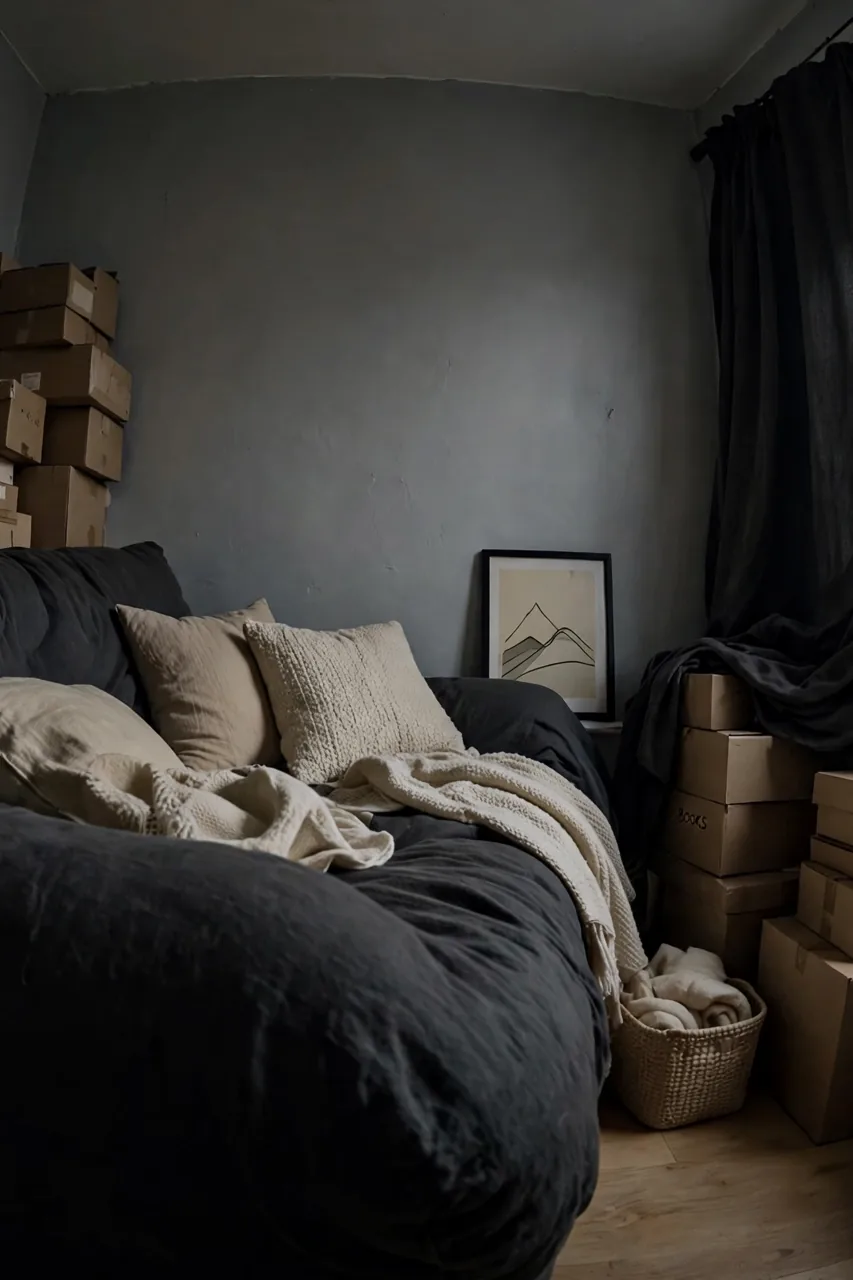
A room feels small long before you measure it. Your brain reads visual cues like crowded surfaces, blocked sightlines, and dark corners, then decides the space is tight. Low ceilings, bulky sofas, and busy patterns all send the same cramped signal, even when the square footage is reasonable.
The good news is that perception works both ways. Once you know which cues shrink a room, you can flip them. Clear floors, unbroken sightlines, and lighter tones tell your brain the space is generous, and every step in this guide targets one of those cues.
Start With a Decluttering Pass
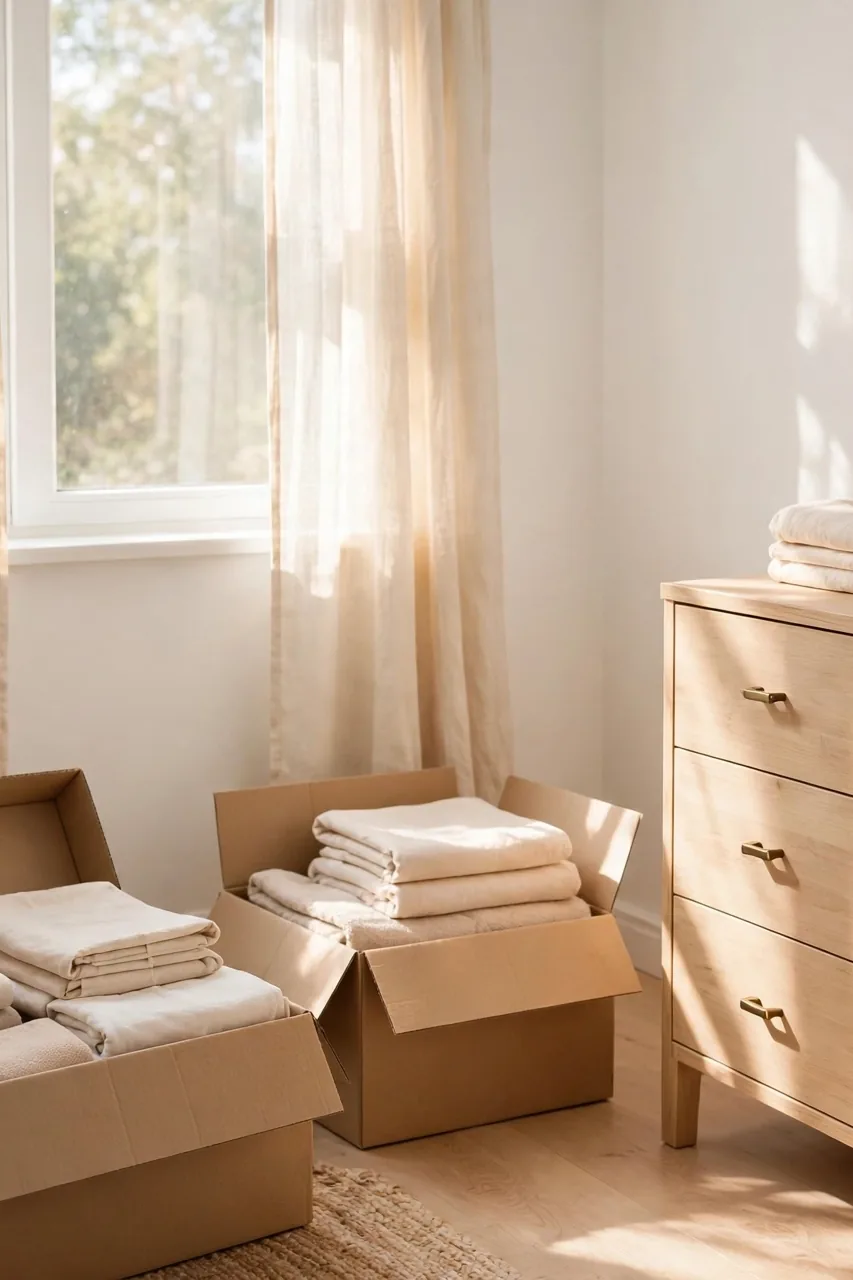
Nothing shrinks a room faster than visual noise. Every extra object competes for your attention and chops the space into smaller pieces. A focused decluttering pass costs nothing and makes every later step work twice as well. Start here before you buy or move a single thing.
- Walk the room with a laundry basket and collect everything without a clear home. Stash the basket in another room for now.
- Clear every flat surface completely, then return only the pieces you truly love or use daily.
- Sort what remains into keep, relocate, and donate piles. Be honest about duplicates and almost-empty containers.
- Give the keepers a designated spot, ideally behind closed doors or inside furniture with storage.
Choose Light Colors That Open Up Space
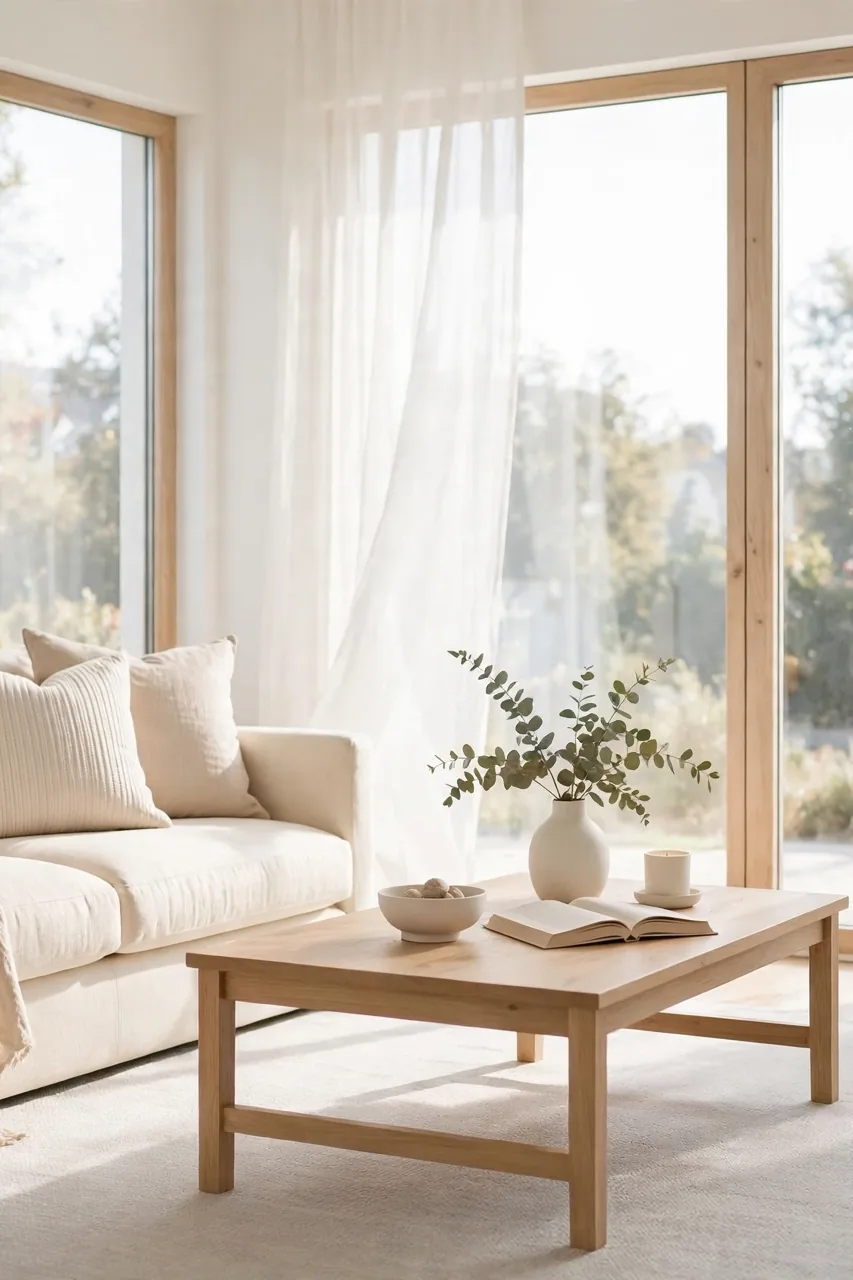
Quick Tip: Paint the ceiling a shade lighter than the walls, or simply use the same light color on both. Erasing the line where wall meets ceiling removes a visual boundary, and the room instantly feels taller.
Soft whites, warm creams, and pale grays bounce light around instead of absorbing it. If all-white feels cold to you, try a warm undertone that still reflects well. Keep trim and doors in the same family so edges blur together, and save bold color for small accents you can swap easily.
Use Mirrors to Double the Light
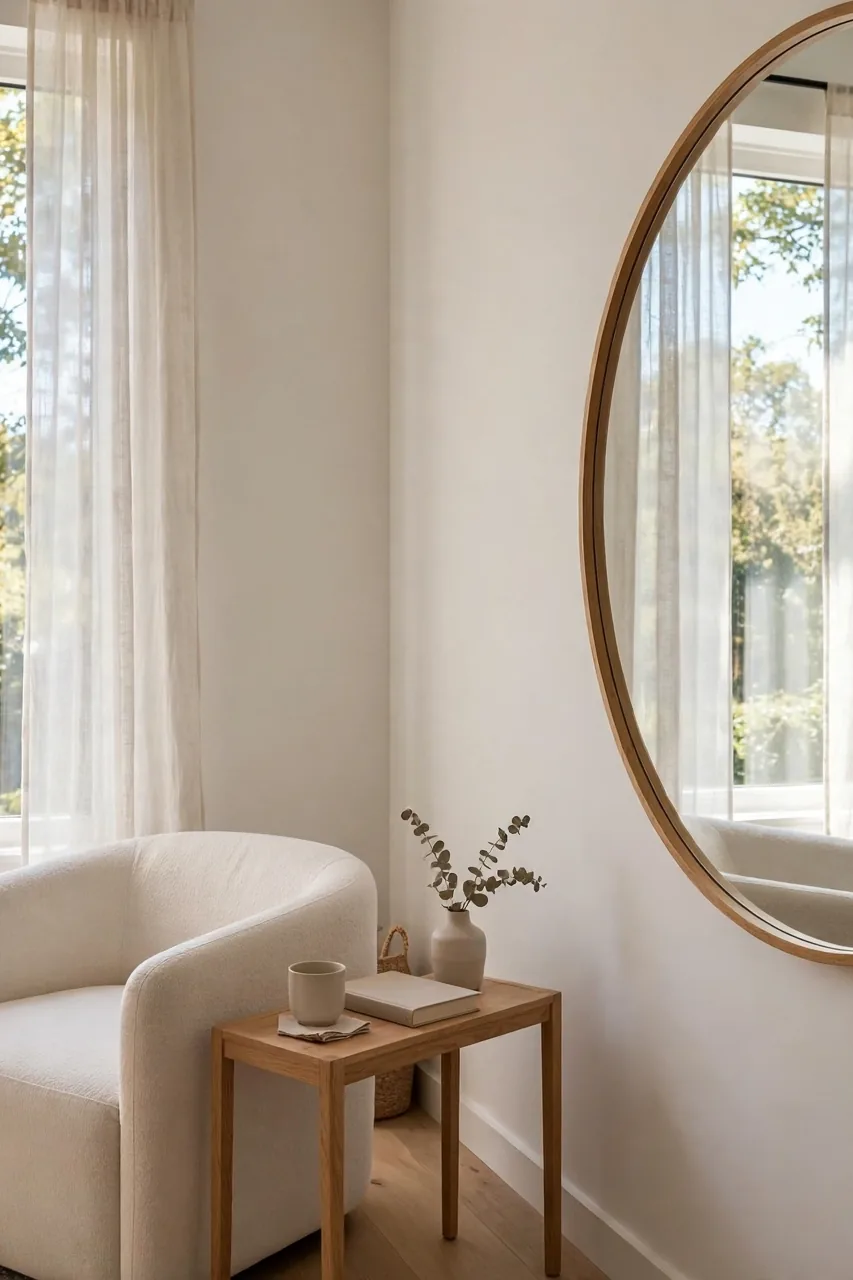
Common Mistake: Most people hang one small mirror in a dark hallway corner where it reflects nothing but shadow. A mirror can only multiply the light it actually receives, so placement matters more than size.
The Fix: Hang mirrors directly across from windows or beside them at a slight angle. This bounces daylight deep into the room and visually doubles the window, which reads as extra space.
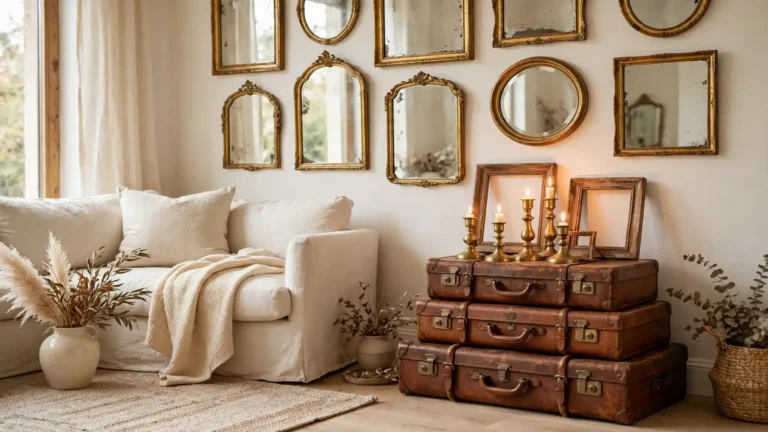
A large leaning floor mirror works beautifully in bedrooms and living rooms. When you understand how to make small rooms look bigger with reflection, even a mirrored tray or glass tabletop starts pulling its weight. Angle mirrors to catch the brightest view, never a cluttered corner.
Pick Furniture That Fits the Scale
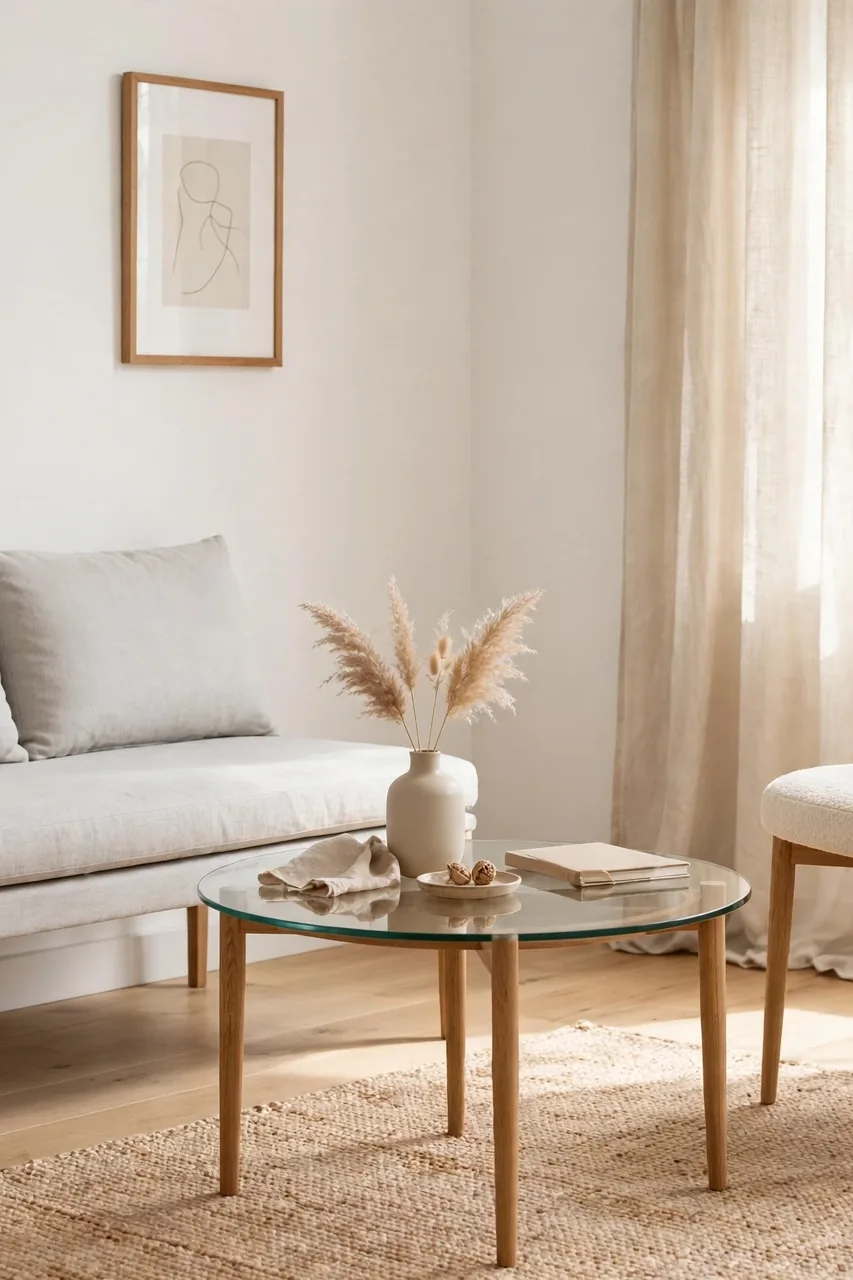
What You Need:
- A tape measure, because guessing dimensions is how oversized sofas end up swallowing rooms.
- Furniture with visible legs, which lets light and sightlines pass underneath.
- At least one multi-use piece, like an ottoman that stores blankets and seats guests.
- Armless or slim-arm chairs, which take up far less visual width than rolled arms.
- A glass or light-toned coffee table that keeps the center of the room feeling open.
Leave a few inches of breathing room between pieces instead of pushing everything together. I’ve noticed one right-sized sofa beats a bulky sectional every time in a tight space. Choose fewer, better-fitting pieces and the room will feel calm rather than crowded the moment you walk in.
Let Natural Light Work Harder
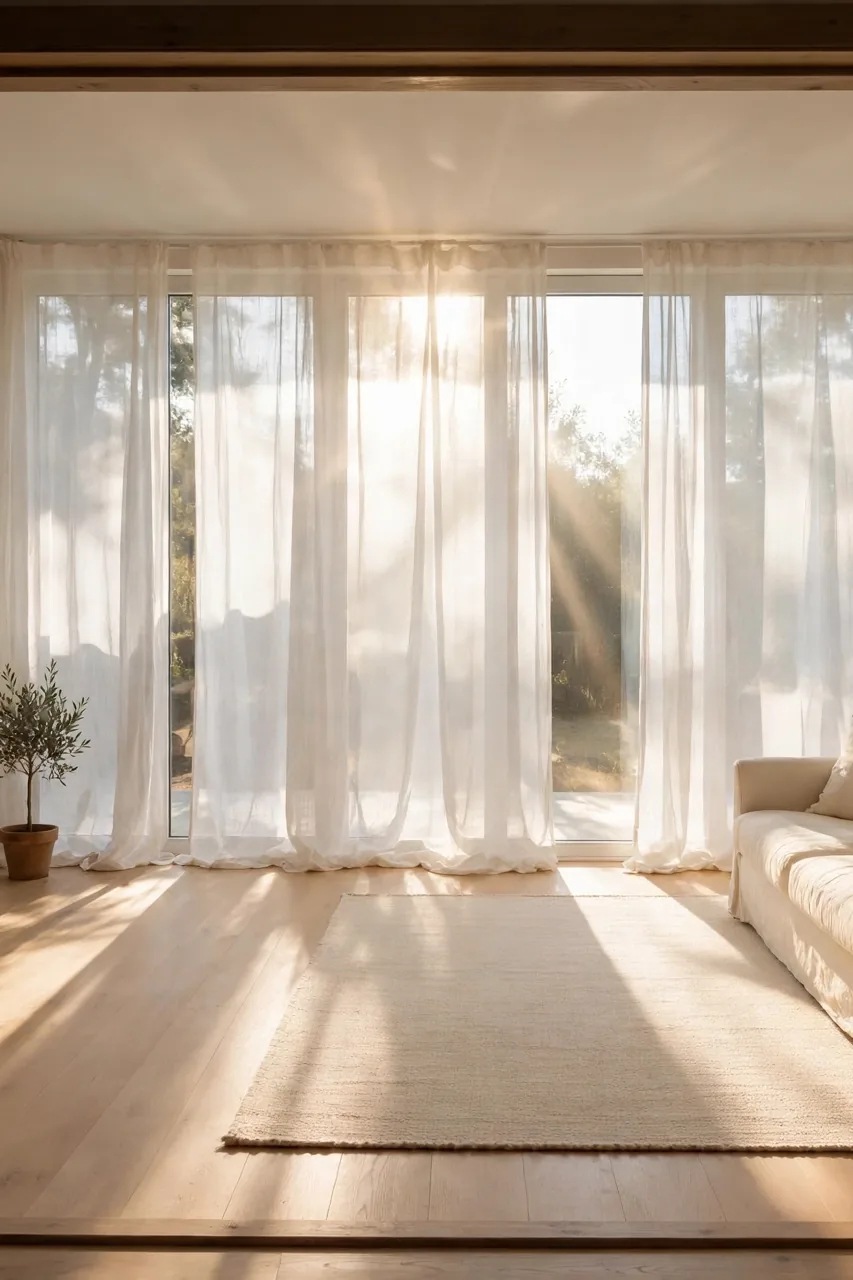
Before: Heavy curtains hang over half the window, furniture blocks the glass, and the room relies on a single dim ceiling bulb by mid-afternoon. Corners stay murky, colors look dull, and the whole space feels smaller than its actual size.
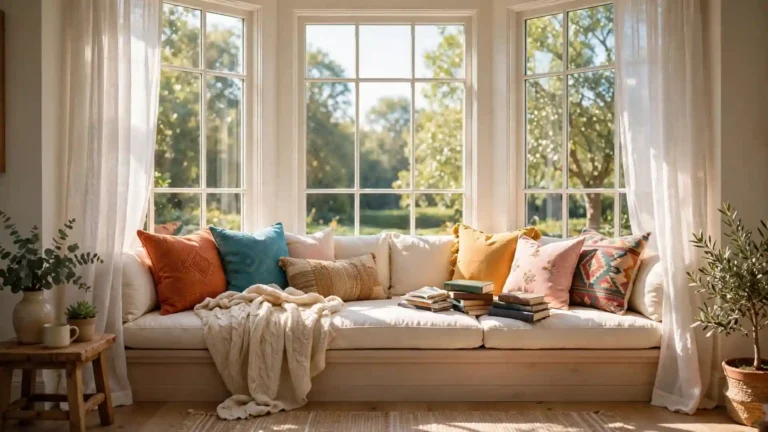
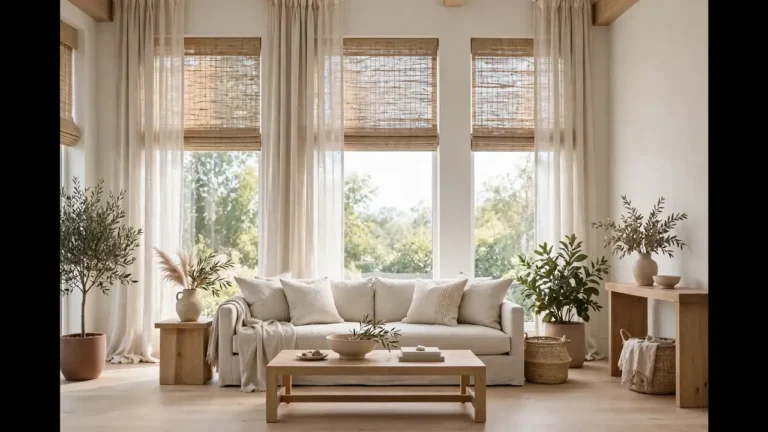
After: Sheer panels filter sunlight across the room, the window wall stays clear, and daylight reaches every corner. The same square footage suddenly feels generous, and even evenings look better with layered lamps replacing that one harsh bulb.
Wash windows inside and out twice a year, since grime quietly steals a surprising amount of light. Keep sills clear of tall stacks and choose low-profile pieces under windows. If privacy is a concern, top-down bottom-up shades give you light without exposure. They cost little and install in minutes.
Create Vertical Interest
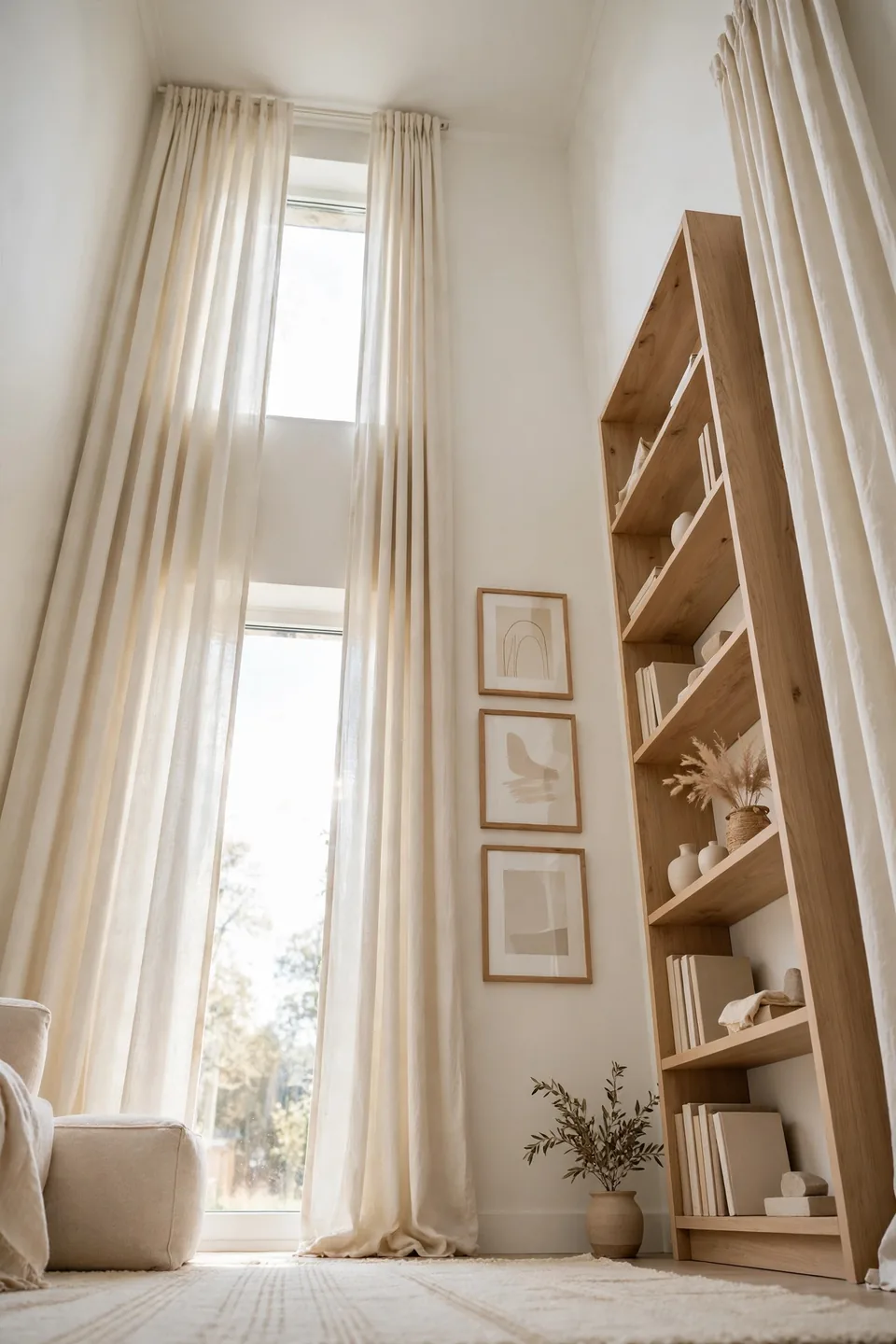
Do This:
- Hang curtains high and wide so the window looks taller and the eye travels upward.
- Add one tall bookshelf or floor lamp to stretch the room’s perceived height.
- Use vertical stripes or stacked art to pull attention toward the ceiling.
Avoid This:
- Do not line up every frame at the same low height, which flattens the walls.
- Avoid short, squat furniture exclusively, since it emphasizes a low ceiling.
- Skip busy horizontal patterns that visually chop the wall into bands.
Vertical tricks pair beautifully with the rest of this guide, and they shine in outdoor-adjacent spaces too. If you are styling a compact balcony or patio next, these small patio furniture arrangement ideas use the same upward thinking to make tight footprints feel generous without adding a single square foot.
Keep the Floor Visible
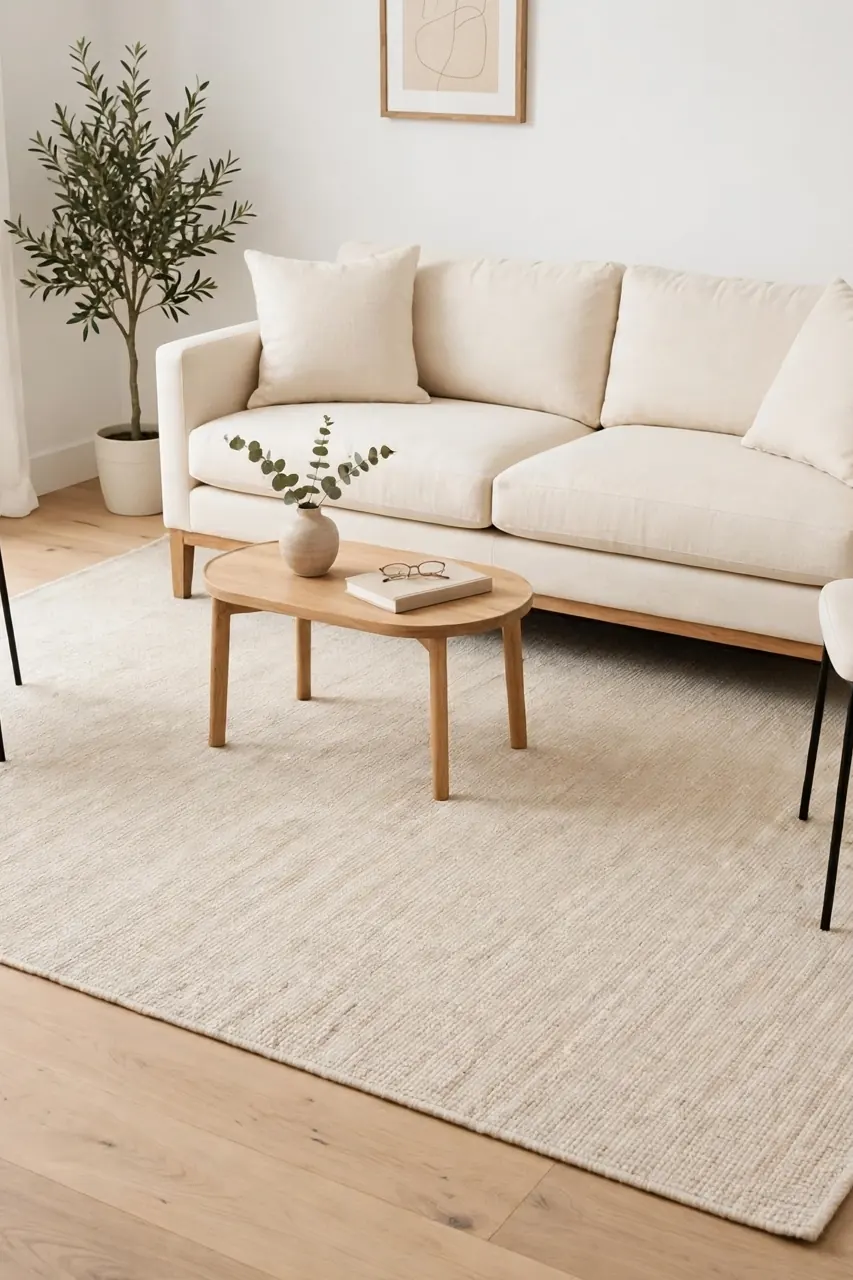
Time Needed: 30 minutes | Difficulty: Easy | Cost: Free
Best For: Living rooms and bedrooms with wall-to-wall furniture
Pro Tip: A rug that fits under front furniture legs unifies the zone
The more floor your eye can see, the larger the room registers. Choose a rug big enough to sit under the front legs of seating, which visually merges pieces into one zone. Lift curtains just off the floor and pick leggy furniture so sightlines glide underneath everything.
Common Mistakes That Shrink a Room
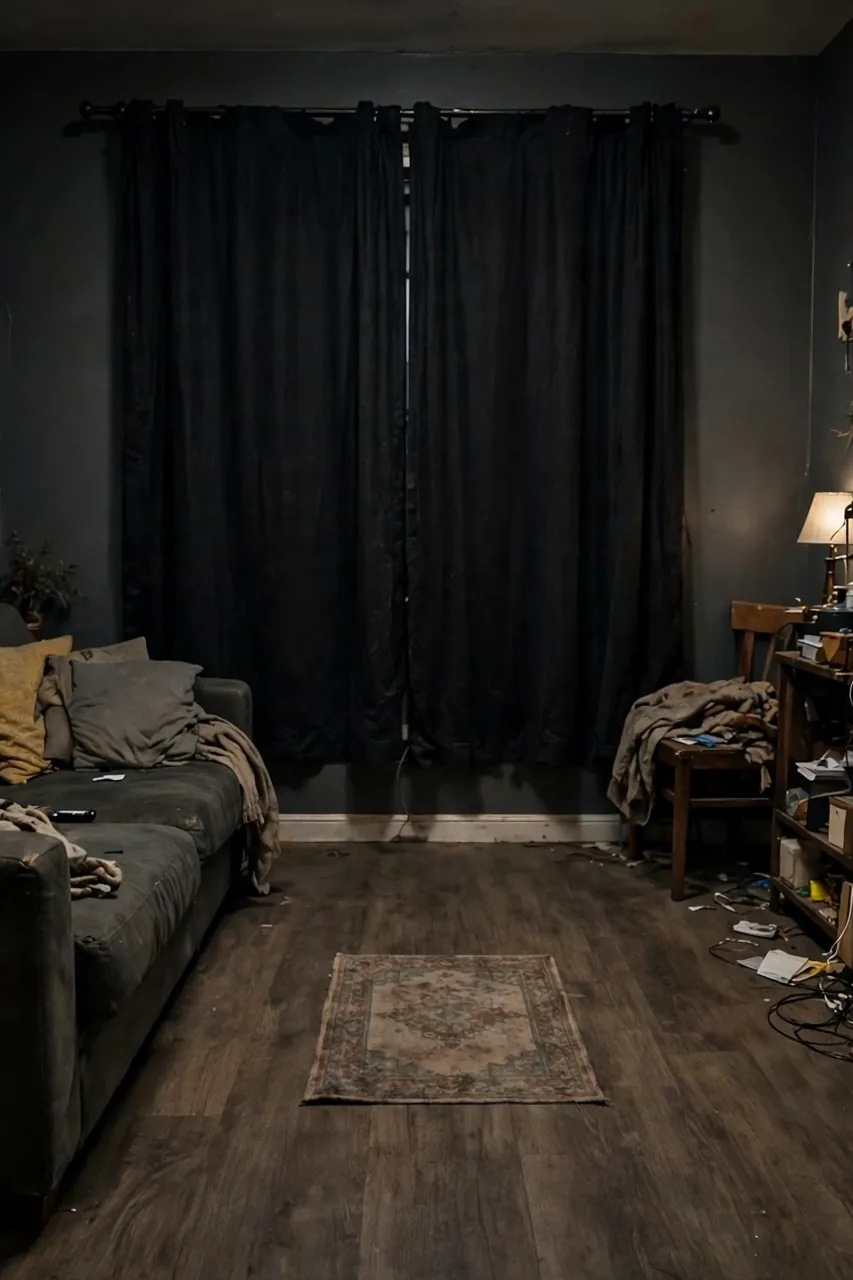
The most common error is pushing every piece against the walls, which actually outlines the room’s limits and makes boundaries obvious. Another is choosing tiny rugs that float alone in the middle, chopping the floor into fragments. Dark, heavy window treatments rank third, swallowing daylight that would otherwise expand the space.
Cluttered open shelves and too many small decor pieces create the same fragmented feeling. That is why experts recommend editing ruthlessly: fewer objects with breathing room always read larger than many crowded ones. Walk your room once a month and remove whatever crept back.
Pro Tips for a Spacious Feel
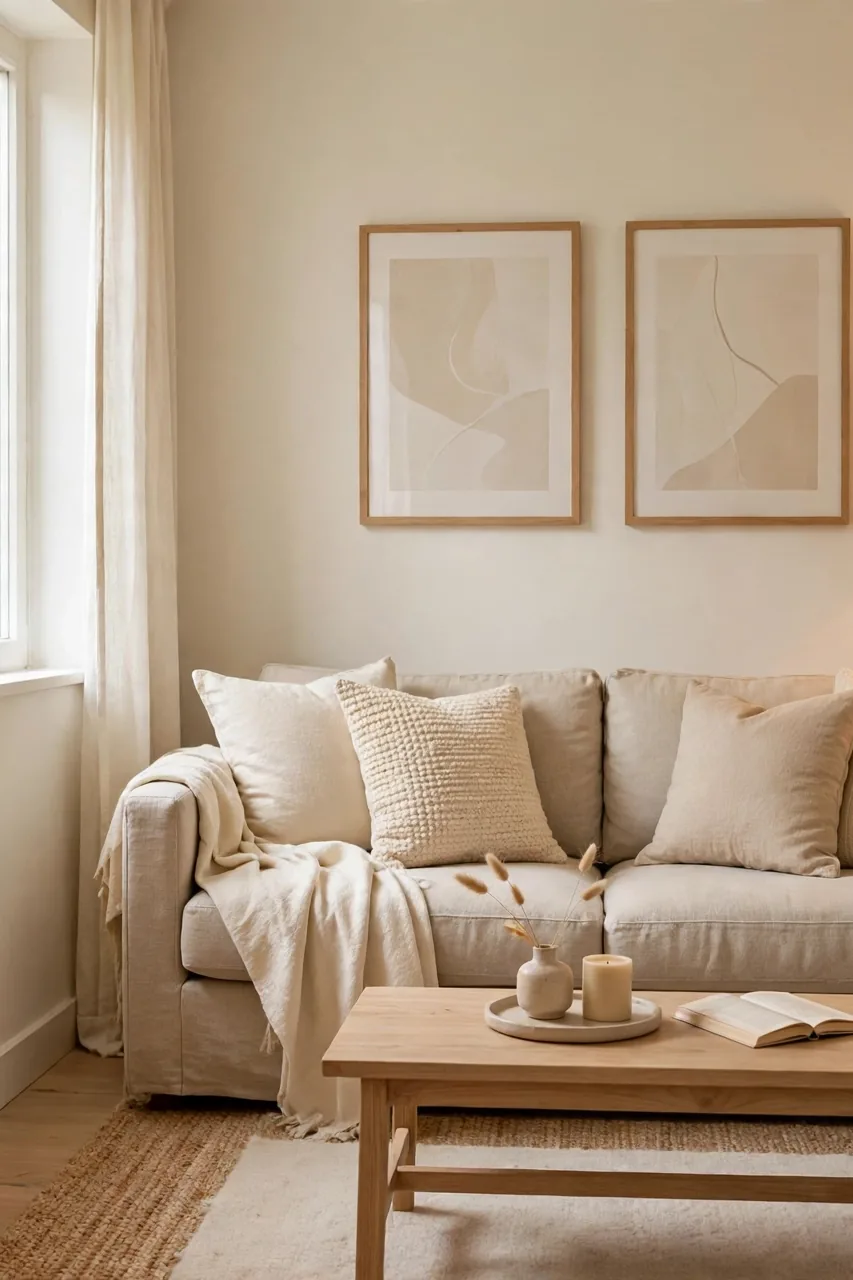
These finishing touches take minutes but change how the whole room reads. Think of them as the polish after the real work is done. Apply two or three and you will notice the difference the same day. None of them require new furniture or special tools.
- Unify the palette by repeating two or three colors across textiles, art, and accessories for a calm, continuous look.
- Swap harsh overhead lighting for a mix of floor, table, and wall lights that eliminate dark corners.
- Style open shelves with breathing room, leaving at least a third of each shelf empty.
- Step back to the doorway and photograph the room, since the camera reveals clutter your eyes ignore.
Conclusion
Small rooms do not need to feel like a compromise. With lighter colors, smarter furniture, and light that reaches every corner, the same four walls can feel open and welcoming. The real secret behind how to make small rooms look bigger is consistency: each small change stacks on the last until the whole space shifts. I’ve seen how making this one change, truly committing to less but better, can completely shift the result. Save this guide on Pinterest so you can work through it room by room, try the steps this weekend, and share it with anyone wrestling a tight space. Your rooms are bigger than they look.
2 Comments