20 Standard Rug Sizes Explained for Every Room in Your Home
Picking the right rug feels harder than it should, mostly because standard rug sizes are rarely explained in plain language. Most of us eyeball it, order something pretty, then watch it arrive looking either lost or cramped in the room. I have made that exact mistake twice, and both times the fix was the same: measure first, then match the room to a size that actually fits the furniture layout. Once you know the handful of sizes manufacturers actually make, choosing gets surprisingly simple.
This guide walks through 20 room-by-room size rules that take the guesswork out of the process, from living room anchors to hallway runners. You will also find a handy link to our christmas table decor ideas if you are styling for the holidays. Grab a tape measure, note your furniture footprint, and let’s find the rug size your room has been waiting for.
Living Room Anchors
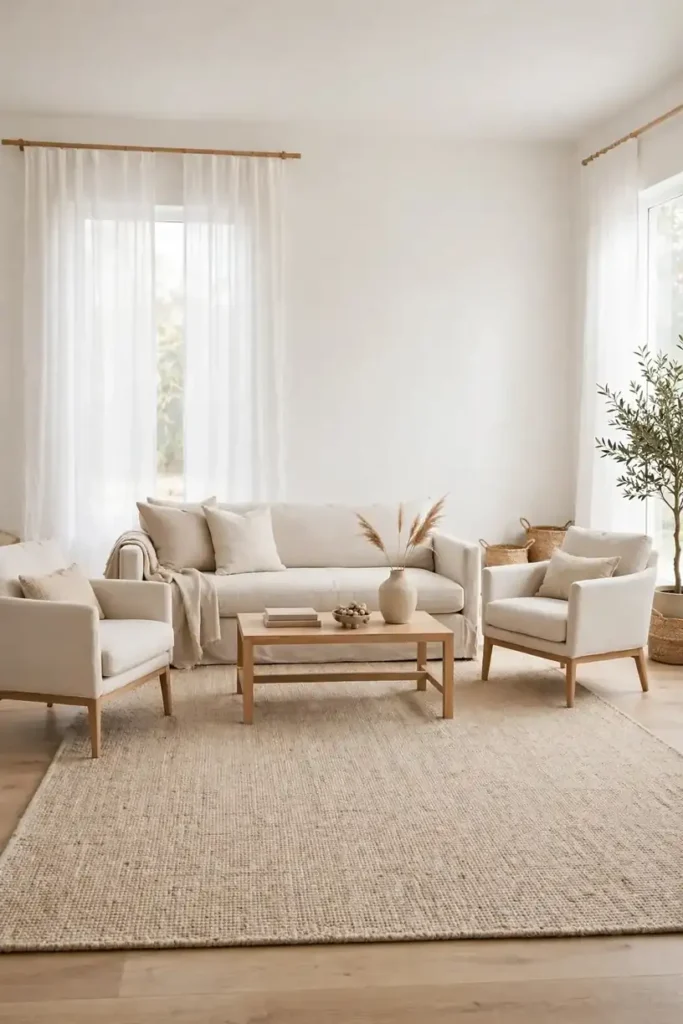
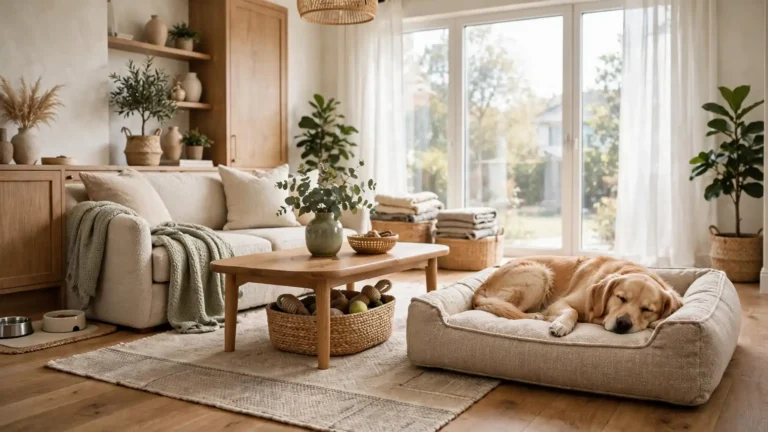
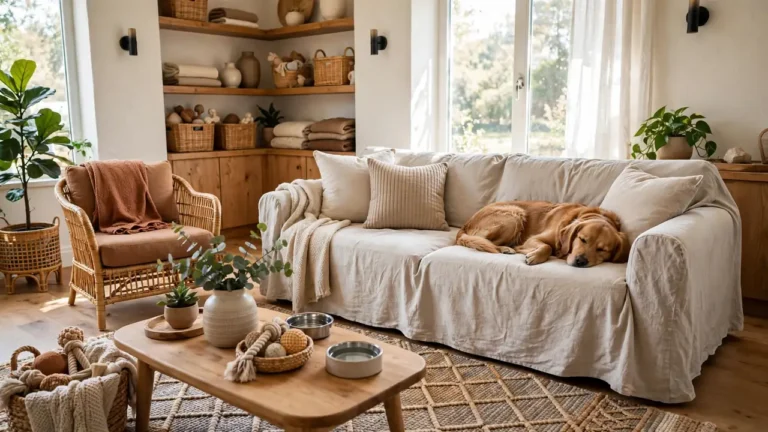
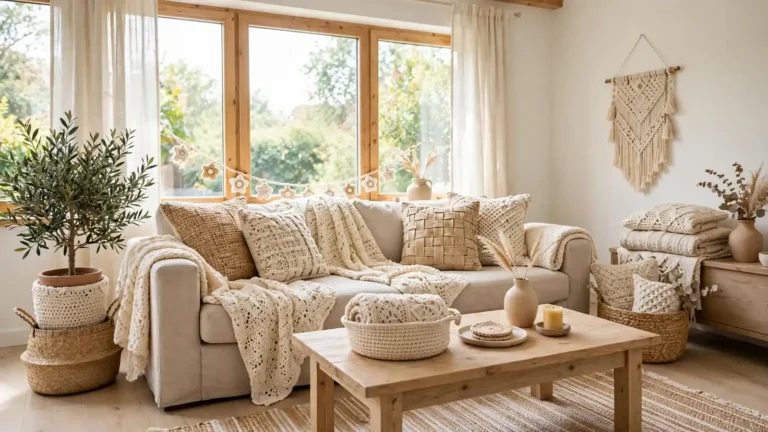
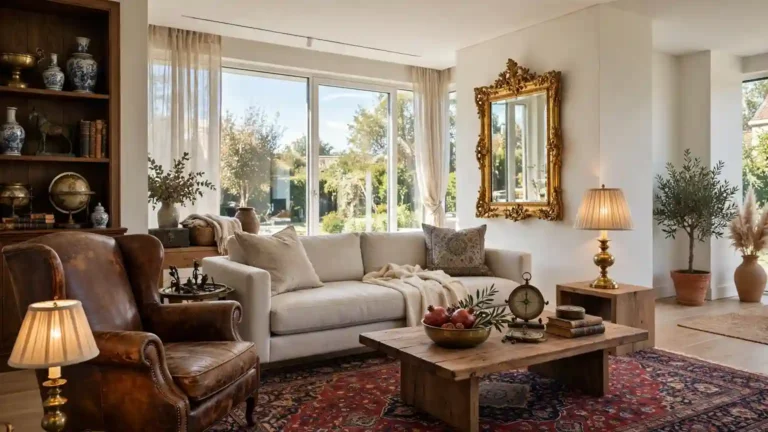
The living room is where rug size matters most, because the rug defines your whole seating zone. For a standard three-seat sofa, an 8×10 rug hits the sweet spot, sliding under the front legs while leaving a clean border of floor visible around the edges. For more living room rug inspiration, see our area rug for living room guide.
If your seating area runs generous, step up to a 9×12. That extra foot on each side lets larger sectionals breathe, and the whole arrangement feels intentional instead of cramped. Measure your seating footprint, add two feet per side, and you will land on the right size.
Front Leg Rules
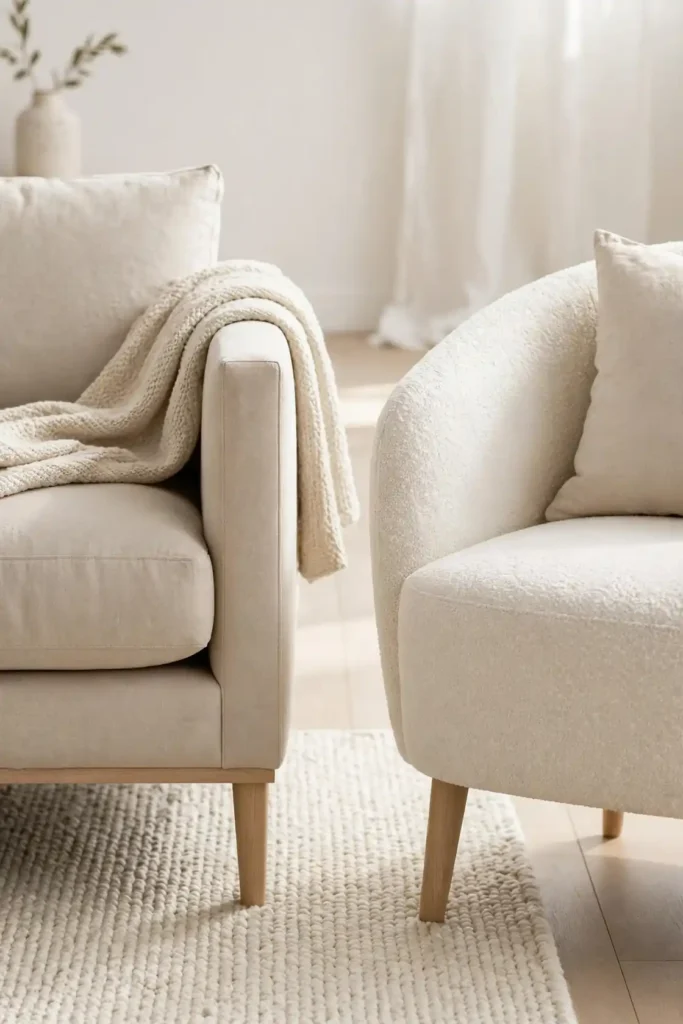
- Place the rug so the front legs of your sofa and chairs sit on it, with back legs on the bare floor.
- This trick works beautifully with 8×10 rugs in average living rooms.
- Leave 6 to 8 inches of rug visible in front of the sofa for balance.
- Center the rug on the sofa, not the room, when the layout is off-center.
- I’ve noticed this layout makes small rooms feel larger, not smaller.
The front-leg rule is the easiest way to get a designer look without buying the biggest rug. It connects your furniture visually while keeping costs down, and it works in nearly every living room shape. Just make sure the rug extends past the coffee table on all sides.
Under Sofa Spans
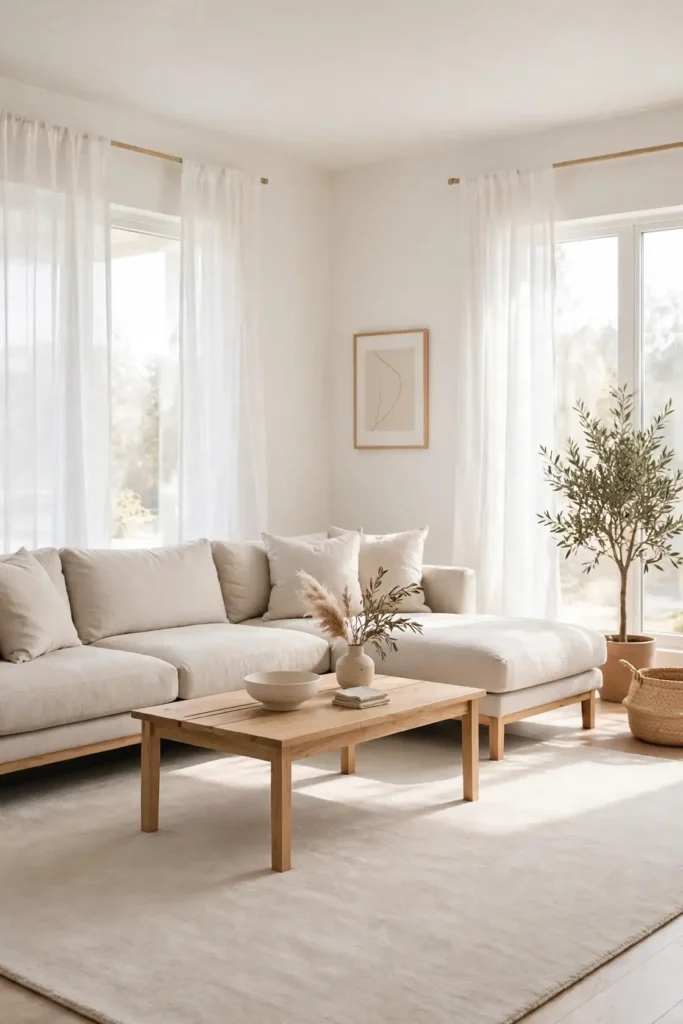
Quick Tip: For a fully grounded look, choose a rug large enough that all furniture legs sit on it with 8 inches to spare on every side. This works best in rooms at least 12 feet wide, where the rug can breathe.
Spanning the full sofa footprint creates the most luxurious feel, and it is worth the investment if your room allows it. The rug becomes the foundation of the entire seating area, pulling every piece together. I recommend this approach for open-plan spaces where the rug also defines zones. Measure from the outer edge of one arm to the outer edge of the farthest chair, then add 16 inches total for the border.
Dining Table Clearance
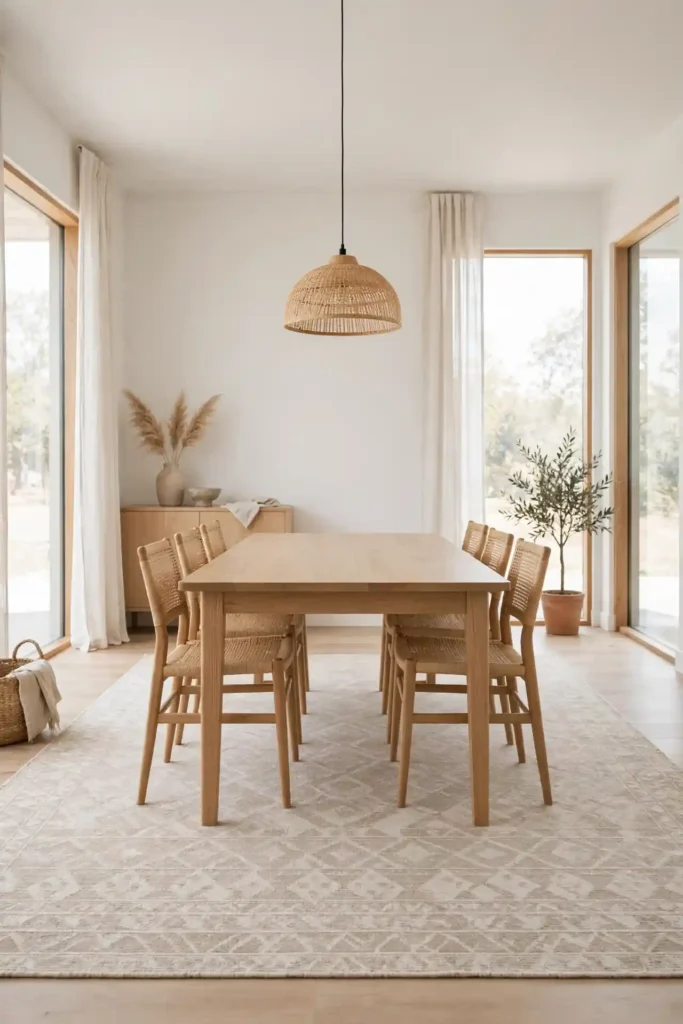
BEFORE: A 5×8 rug under a six-seat table leaves chairs half on, half off the rug. Every time someone scoots back, the chair legs catch the rug edge and the whole thing bunches up.
AFTER: An 8×10 rug gives 24 inches of clearance on all sides. Chairs glide smoothly, and the table setting looks polished from every angle.
The 24-inch rule is the single most useful of all standard rug sizes guidelines for dining rooms. Measure your table, add four feet to both length and width, and buy the closest standard size. Your chairs and your floors will thank you.
Chair Pull Space
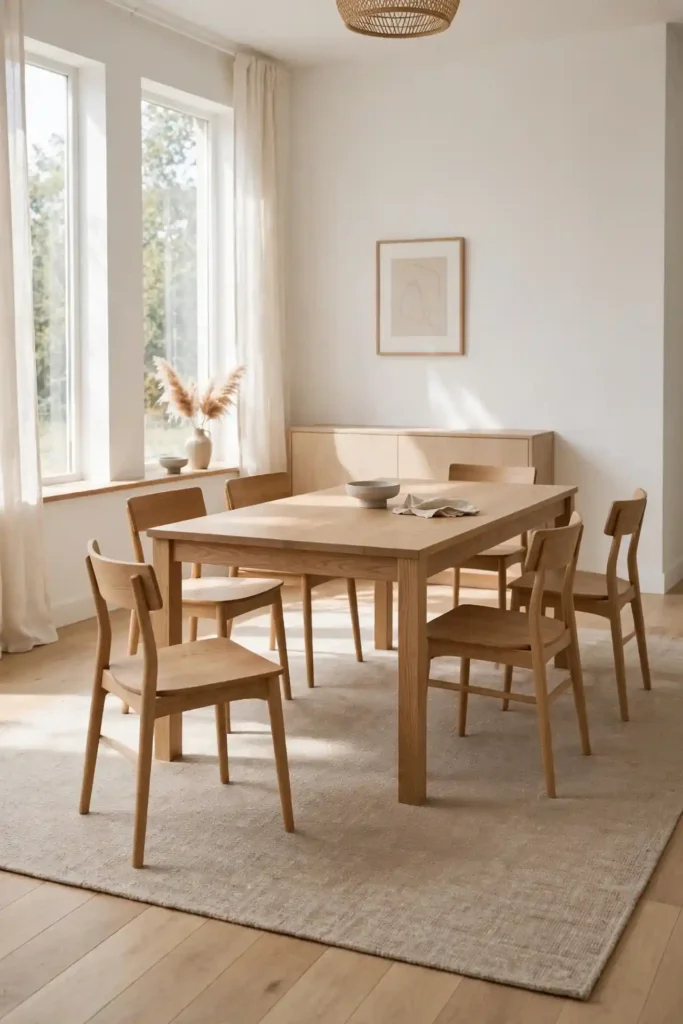
- Pull a dining chair out as if someone is sitting down to eat.
- Measure from the table edge to the back legs of the pulled-out chair.
- Add 6 inches of wiggle room to that measurement.
- Double it and add your table width to get the ideal rug width.
Most people underestimate how far dining chairs travel. A rug that fits the table alone will always feel too small once chairs are in use. Doing this quick measurement before you shop saves an expensive return. I learned this the hard way with a rug that looked perfect until the first dinner party.
Bedroom Side Drops
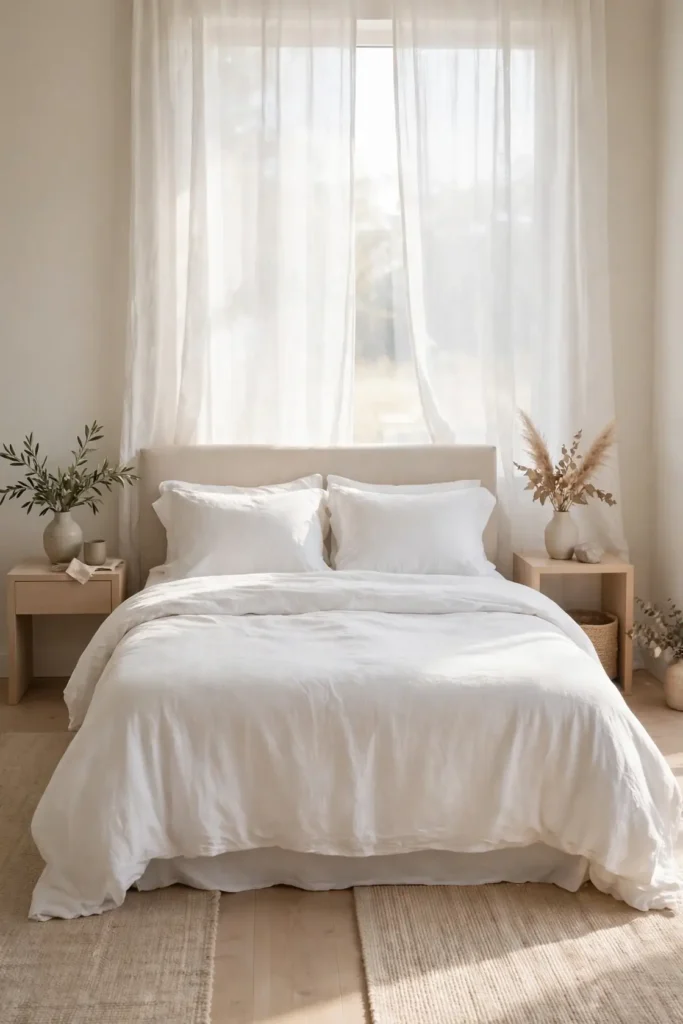
| Bed Size | Runner Option | Large Rug Option |
|---|---|---|
| Queen | Two 2.5×8 runners | 8×10 under lower half |
| King | Two 3×10 runners | 9×12 under lower half |
| Twin | One 2.5×8 runner | 5×8 beside the bed |
| Full/Double | Two 2.5×7 runners | 6×9 under lower half |
Bedroom rugs are about what your feet touch first thing in the morning. Runners on each side of the bed give you softness where it counts without the cost of a giant rug. For a queen, two runners or one 8×10 under the lower two-thirds both work beautifully. Nightstands can sit partially on the runners too, which keeps everything visually connected.
Handy standard rug sizes
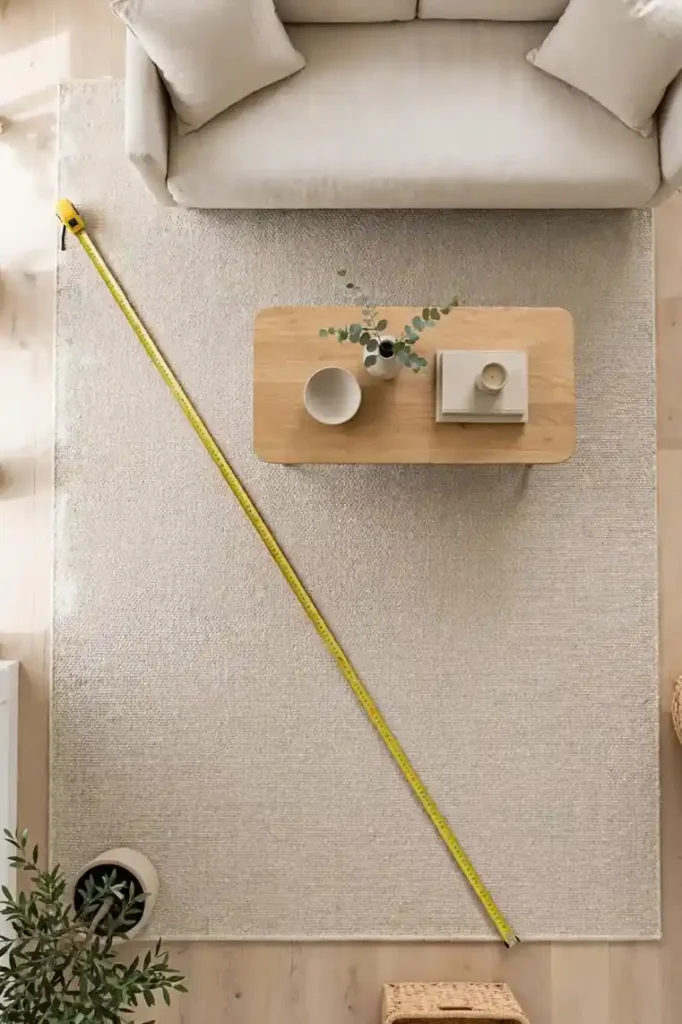
DO:
- Do learn the six most common sizes: 3×5, 4×6, 5×8, 8×10, 9×12, and 10×14.
- Do match the rug to your furniture footprint, not the room dimensions.
- Do leave 12 to 18 inches of bare floor around the rug edges.
DON’T:
- Don’t assume a bigger room automatically needs the biggest rug.
- Don’t place a tiny rug under a large sectional and expect it to anchor the space.
- Don’t forget to account for door swing clearance over thick rugs.
Memorizing this short list makes shopping dramatically easier, since nearly every retailer stocks these dimensions. When in doubt between two sizes, I always recommend going larger. A slightly big rug looks intentional, while a slightly small one looks like a mistake.
Runner Width Basics
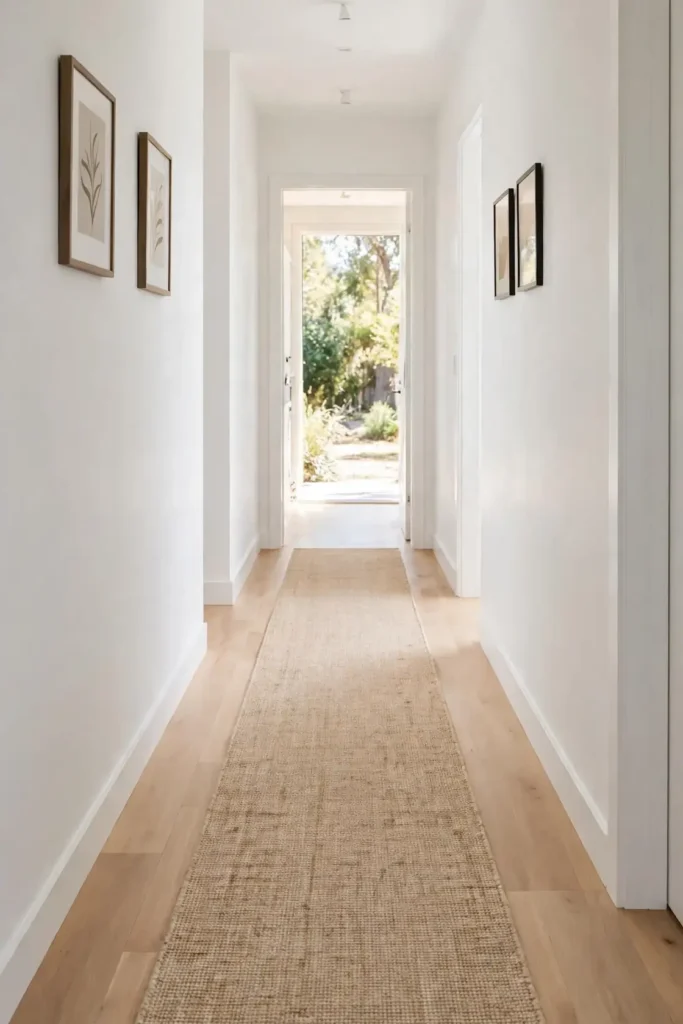
Width: 2.5 to 3 feet for most hallways | Length: Leave 4 to 6 inches of floor at each end | Best For: Hallways, entryways, kitchens | Skill Level: Beginner-friendly | Result: A balanced, intentional look
Runner width is where most people go wrong, choosing a skinny rug that looks lost in a wide hall. Measure your hallway, subtract a foot, and that is your ideal runner width. The floor border on each side is what makes it look custom. In my experience, a runner that is even two inches too narrow throws off the whole hallway balance and symmetry.
Entryway First Impressions
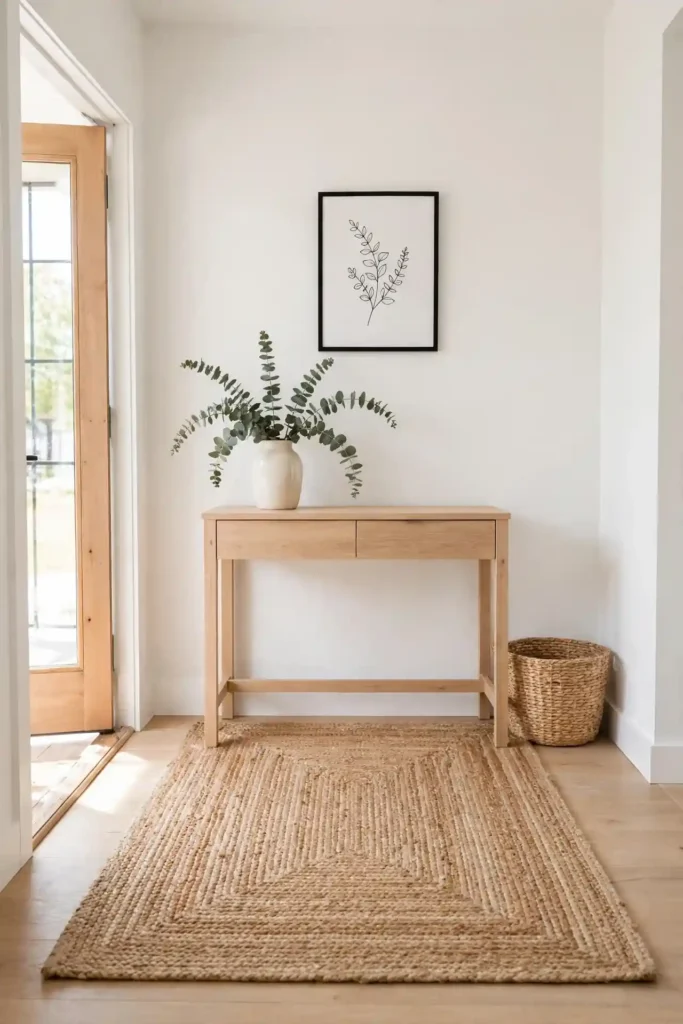
Your entryway rug is the first thing guests see, so size it to the space, not just the door. A 3×5 works for tight foyers, while a 4×6 suits wider entries with a console table. The rug should sit centered under the table with equal floor showing on each side.
Among standard rug sizes, these smaller dimensions are the most versatile in the home. I have used the same 4×6 in an entryway, then moved it to a bedroom when I redecorated. Buy a pattern you love, since entry rugs take heavy foot traffic. A washable option here is worth every penny.
Kitchen Mat Zones
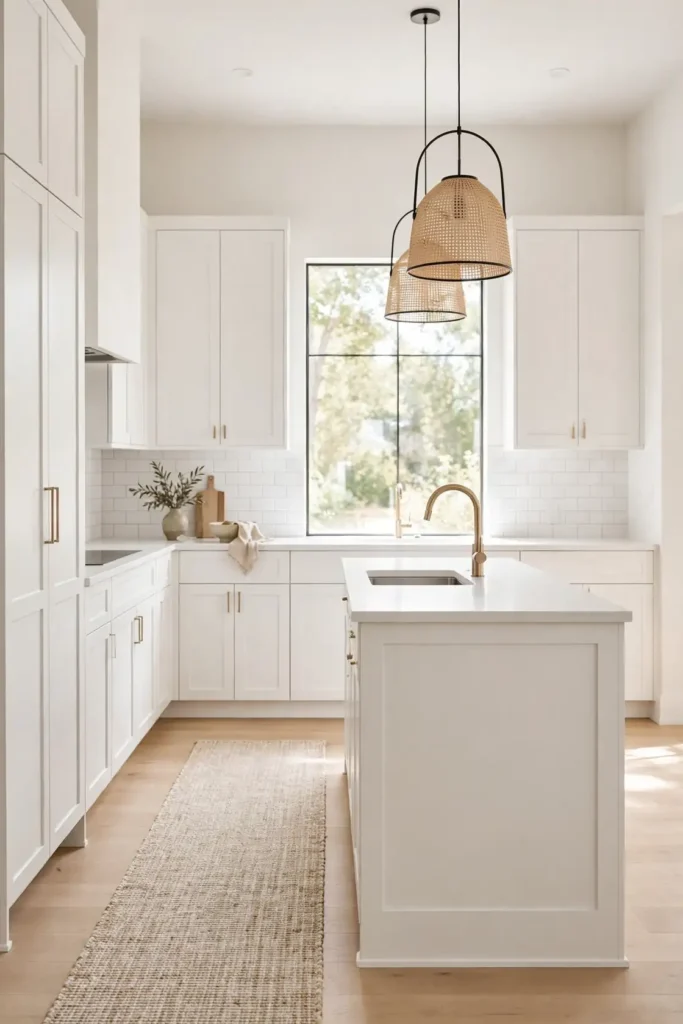
- Use a 2.5×8 runner along the main work zone between counters.
- A 3×5 works in front of the sink in smaller kitchens.
- Choose low-pile or washable rugs for easy cleanup.
- Leave 3 inches between the rug edge and cabinet toe kicks.
- Consider a 2×3 mat in front of the stove for extra comfort.
Kitchen rugs take a beating, so size matters less than material here. Still, a runner that spans your main prep area protects floors and feels great underfoot. I recommend washable options since spills are a matter of when, not if. Replace them yearly if they start looking tired.
Layering Small Rugs
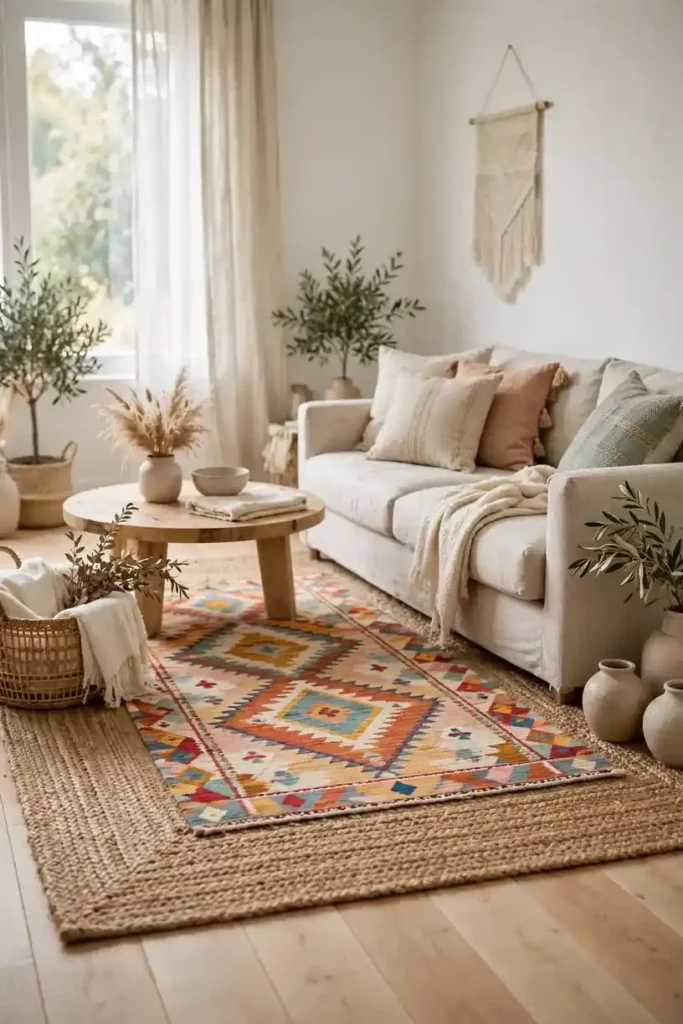
Quick Tip: Layer a 4×6 patterned rug over an 8×10 natural jute base. Center the smaller rug slightly off-center for a relaxed look, and keep both rugs’ edges visible for depth. Keep the top rug at least two feet smaller on each side than the base.
Layering lets you use smaller, bolder rugs without committing to a huge patterned piece. The base rug does the anchoring work while the top layer adds personality. This trick also works in bedrooms, with a small rug layered at the foot of the bed. I love how it adds texture and makes the room feel collected over time.
Round Rug Placement
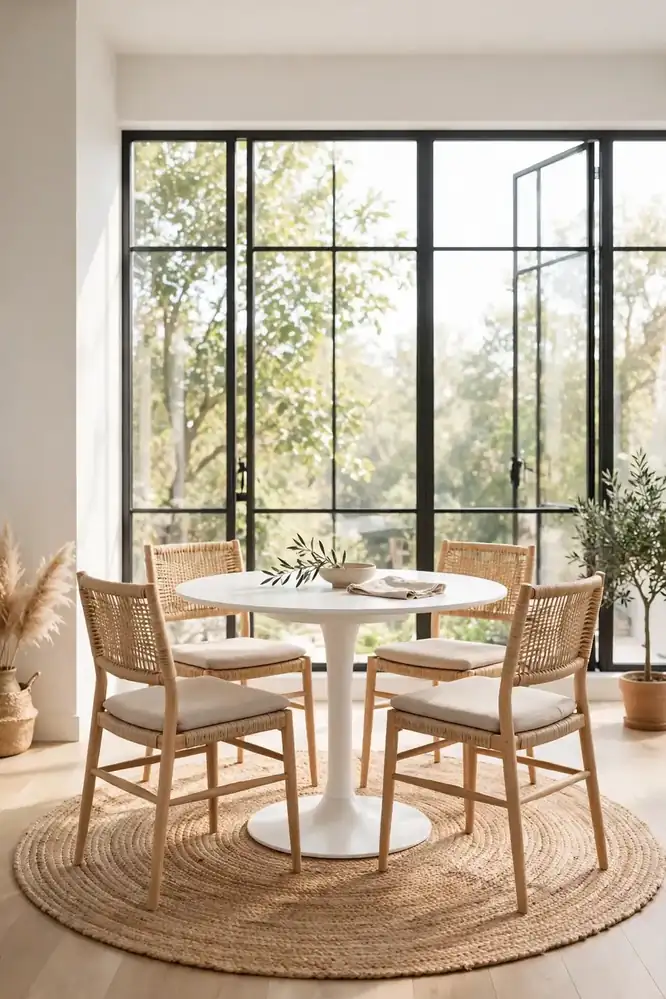
BEFORE: A 5-foot round rug under a 48-inch round table leaves no room for chairs. Pulled-out chairs tip off the edge, and the setup feels precarious and unfinished.
AFTER: A 7-foot round rug gives every chair full support. The circle echoes the table shape, and the whole nook feels complete and welcoming.
Round rugs follow the same clearance logic as rectangular ones in standard rug sizes guides. Add 48 inches to your table diameter for the ideal rug size. A 48-inch table pairs beautifully with a 7 or 8-foot round rug. This simple math works for entryways and bedrooms too.
Oversized Room Fillers
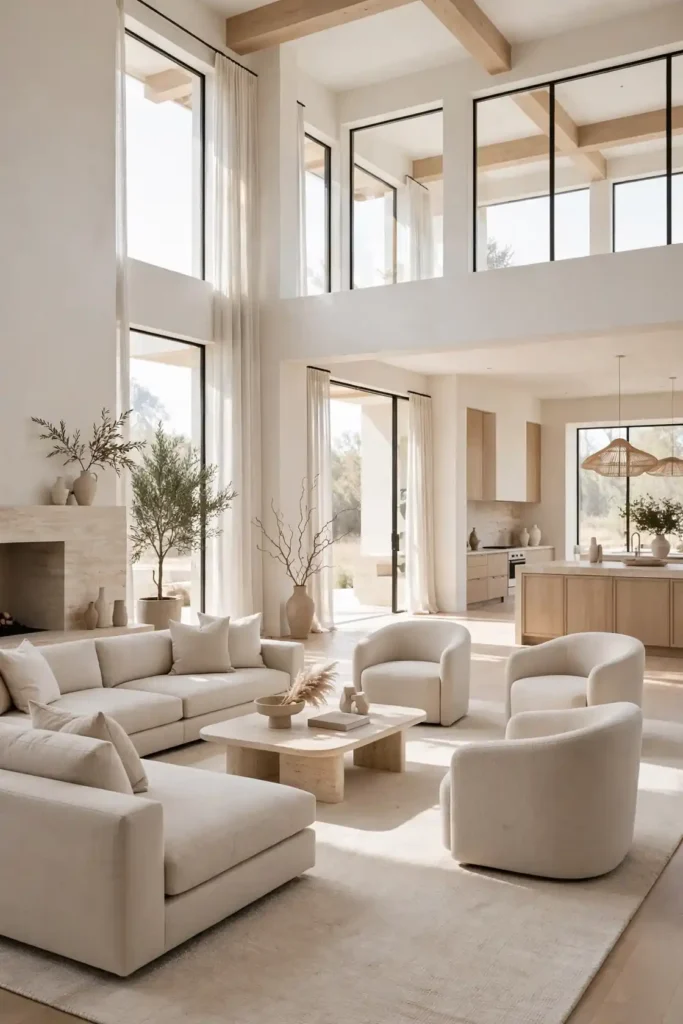
- Measure the full seating zone, including walkways you want covered.
- Add 18 inches on each side for the visual border.
- Check that standard 10×14 or 12×15 sizes fit your dimensions.
- Confirm delivery access, since oversized rugs arrive rolled and heavy.
- Lay painter’s tape on the floor to preview the rug footprint before ordering.
Big rooms swallow average rugs whole, so do not be shy about going large. A 10×14 can make a cavernous living area feel intimate and pulled together. These sizes cost more, but they transform the entire feel of the space. Think of it as buying the room’s foundation, not just a decoration.
Small Space Tricks
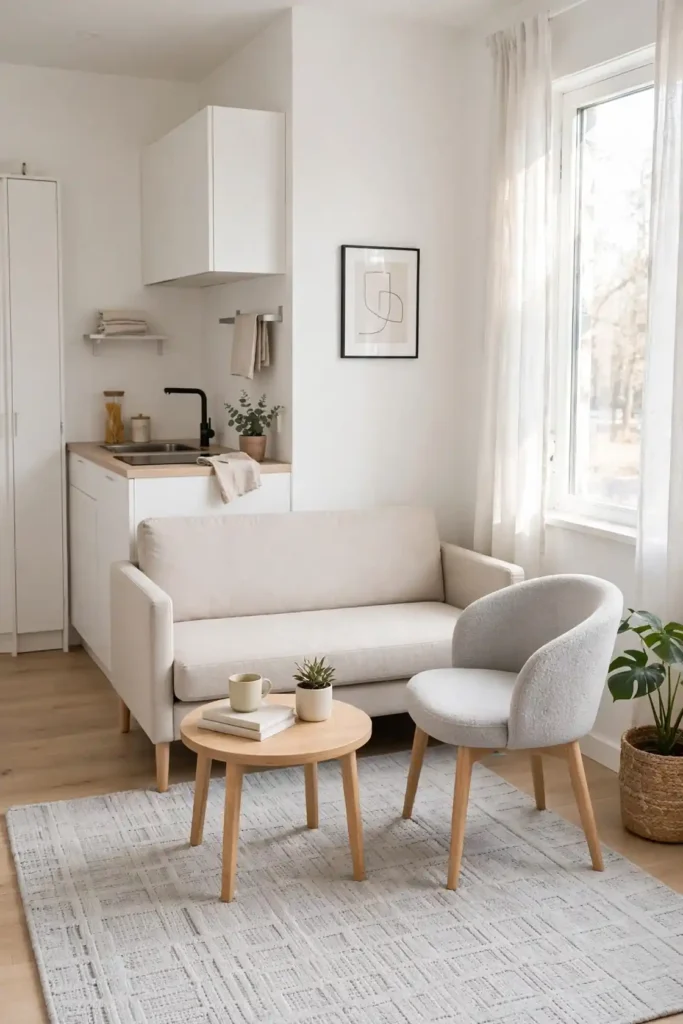
| Room Type | Try This | Avoid This |
|---|---|---|
| Studio living area | 5×8 under seating | 4×6 floating alone |
| Small bedroom | 5×8 beside bed | Tiny mat at bedside |
| Narrow dining nook | 6-foot round rug | Runner under table |
| Tiny entry | 2×3 mat at door | Oversized rug blocking door |
Small rooms actually benefit most from correctly sized rugs, since every inch counts. A 5×8 that fits the furniture beats a 4×6 that floats in the middle of nothing. The rug should always touch at least the front legs of your main pieces. This one rule fixes most small-room rug mistakes instantly and costs nothing to apply.
Hallway Long Runners
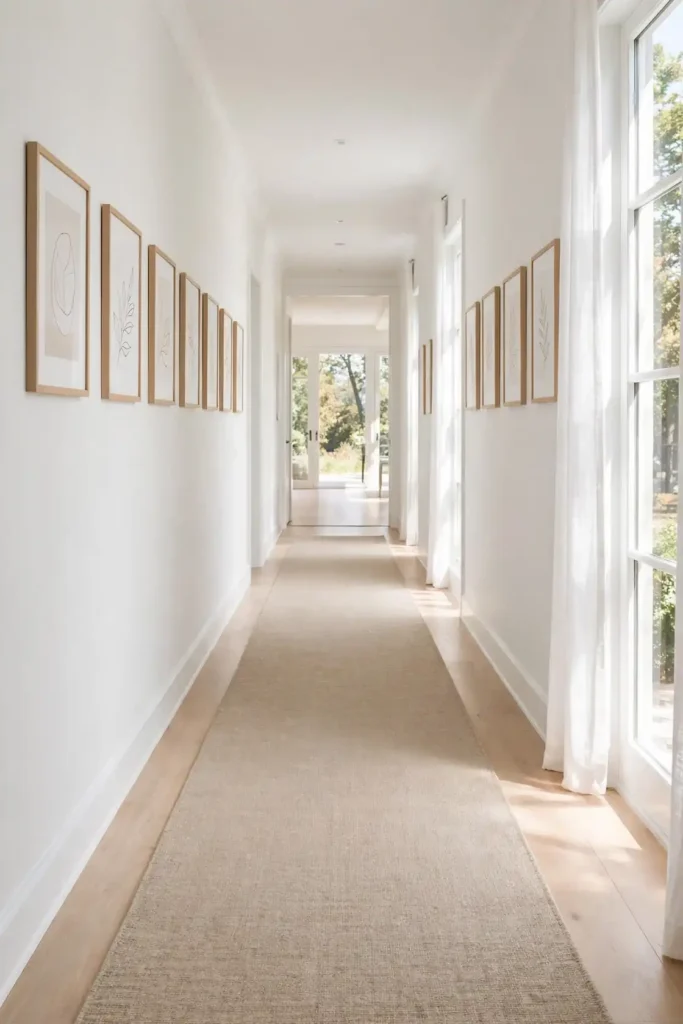
DO:
- Do choose a runner that spans most of the hallway length.
- Do leave 4 to 6 inches of floor visible at each end.
- Do pick low-pile weaves that handle constant foot traffic.
DON’T:
- Don’t use multiple small rugs to cover one long hall.
- Don’t let the runner bunch up at doorways.
- Don’t ignore the width; standard rug sizes for runners run 2.5 to 3 feet wide.
A single long runner makes a hallway feel like a designed space rather than a pass-through. If your hall exceeds standard runner lengths, look for 12-foot options or have one cut to fit. The continuous line draws the eye forward beautifully.
Patio Outdoor Fits
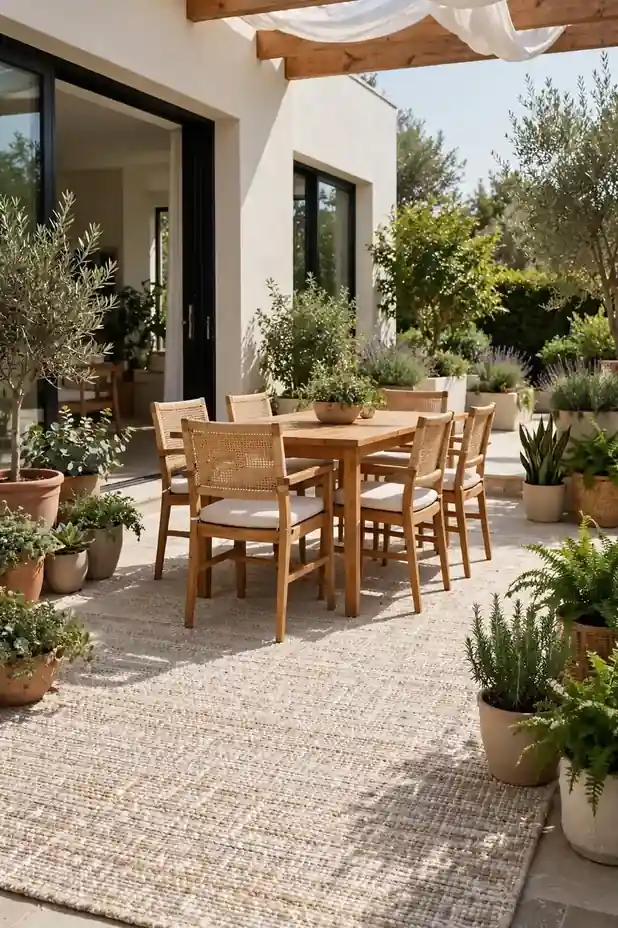
Material: Polypropylene or PET for weather resistance | Common Sizes: 5×8, 8×10 for patios | Best For: Decks, patios, balconies | Maintenance: Hose off and air dry | Result: An outdoor room that feels finished
Outdoor rugs follow the same sizing rules as indoor ones, with durability as the added priority. Size the rug to your furniture grouping just like a living room. I have seen a well-sized outdoor rug make a plain concrete patio feel like a resort. Secure the corners if your area gets windy, so the rug stays put all season long without sliding around on breezy days.
Kids Room Softness
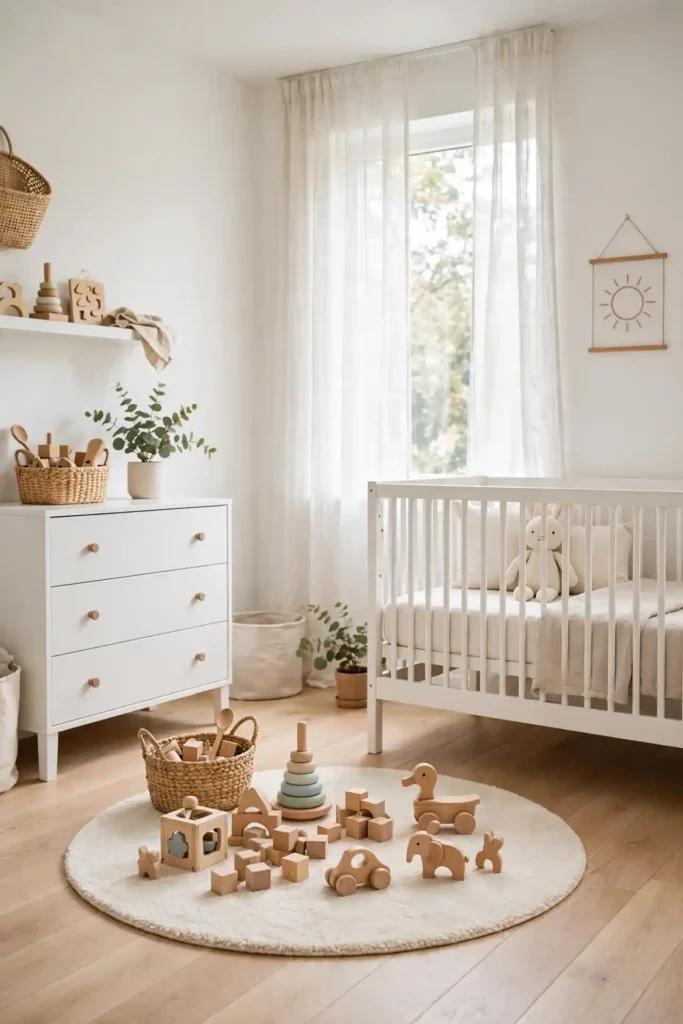
Kids rooms need rugs that can handle playtime, so prioritize softness and washability over perfect proportions. A 5×8 beside the bed or a 6-foot round in the play zone gives little feet a soft landing. Low-pile options survive toy cars and art projects alike. Choose patterns that hide stains between washes.
I recommend washable rugs here above all else, since messes are guaranteed. Size-wise, cover the main play area rather than the whole room. A rug that fits under the bed and extends into the play space does double duty beautifully. Choose flat weaves that toy wheels can roll over easily.
Office Chair Mats
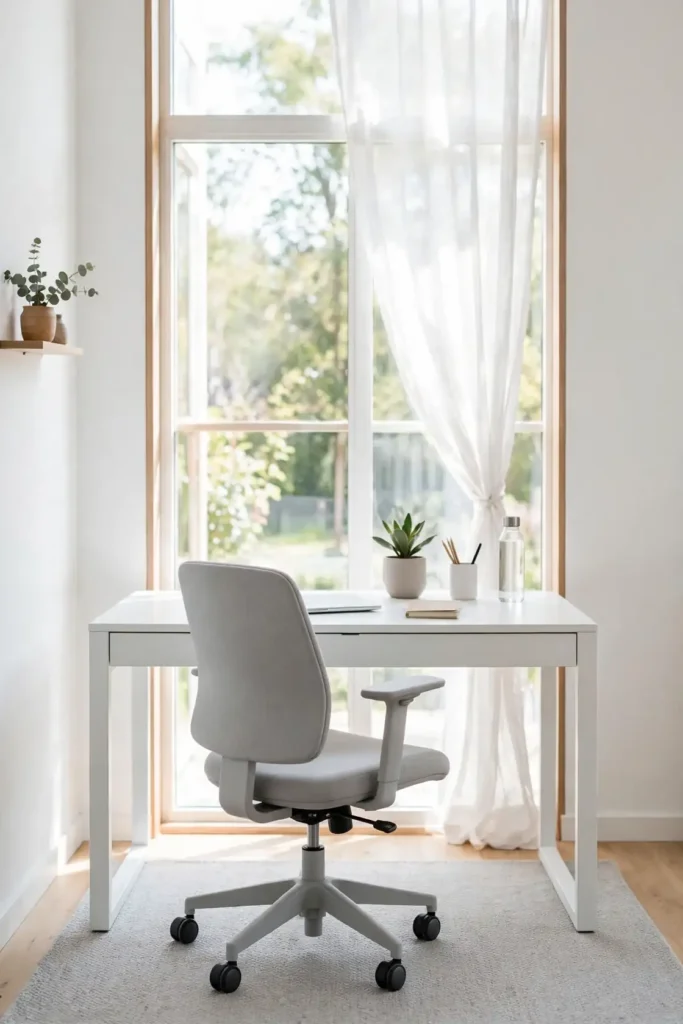
- Choose a rug that extends 24 inches beyond your desk on the chair side.
- A 5×8 works for most single-desk setups.
- Low-pile rugs let rolling chairs move freely.
- standard rug sizes like 4×6 fit compact desk nooks.
- Test your chair’s full roll range before finalizing the size.
Your office chair will destroy both the rug and your patience if the sizing is wrong. The rug must be large enough that the chair never rolls off the edge. Measure your full range of chair motion, then size up. A rug pad underneath also stops creeping on hard floors and adds comfort.
Measuring Made Simple
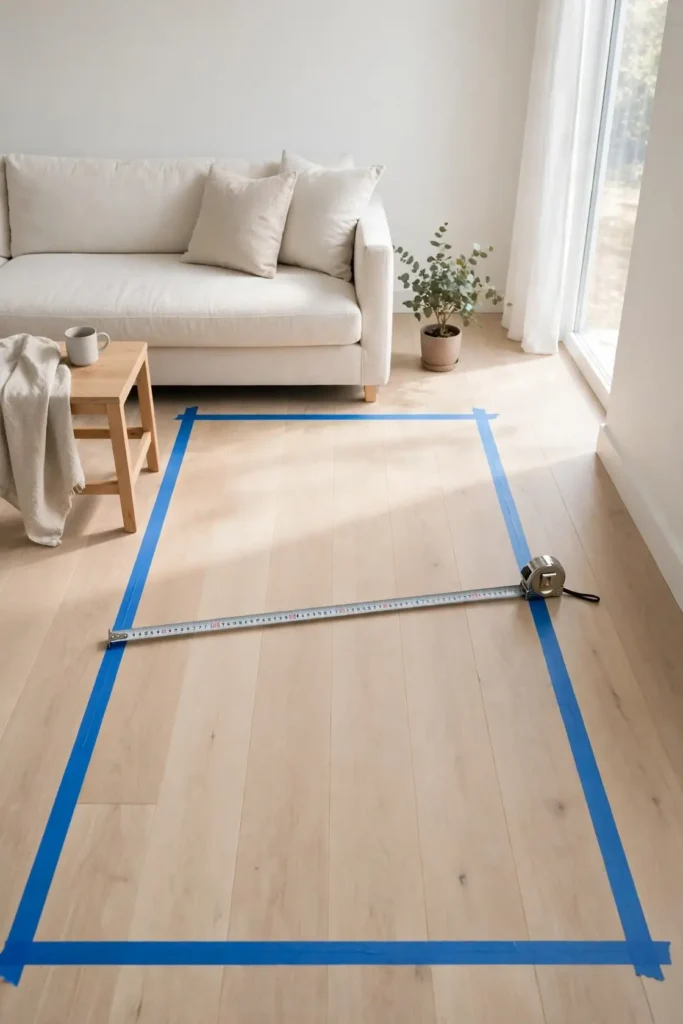
Quick Tip: Outline your ideal rug size with painter’s tape on the floor and live with it for two days. Walk around it, check door clearances, and adjust before you buy a single thing. Take a photo from the doorway to judge the proportions objectively.
Tape never lies, and it costs almost nothing. This simple trick reveals problems that measurements on paper miss, like a rug edge blocking a doorway. I do this for every rug purchase now, and I have not returned one since. It takes ten minutes and saves hundreds of dollars in return shipping fees and restocking charges.
Common Size Mistakes
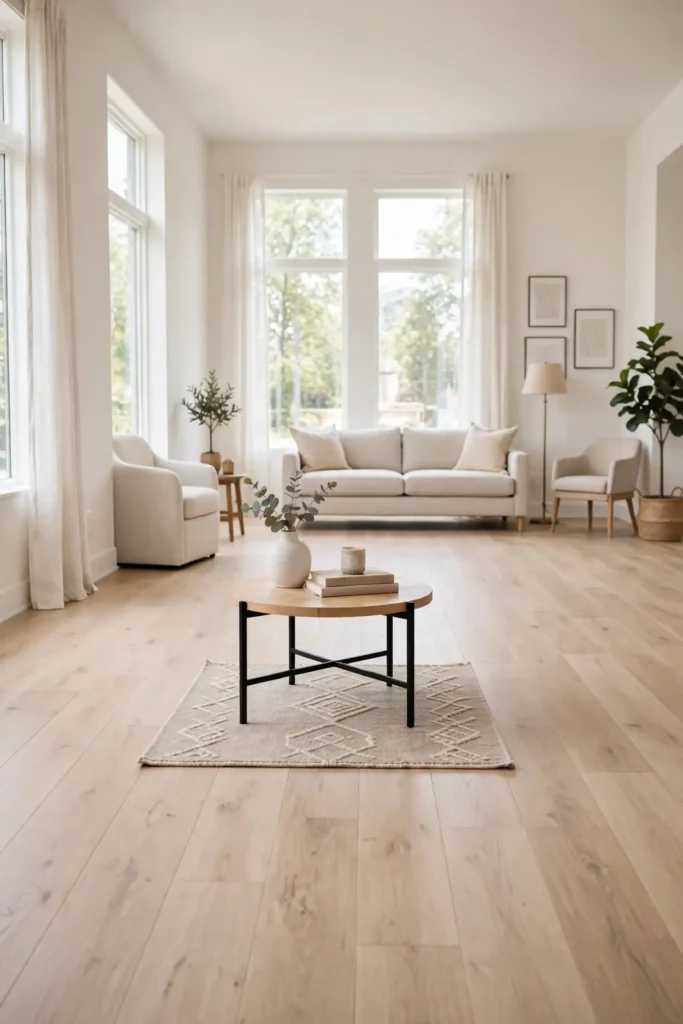
BEFORE: A 4×6 rug floats under the coffee table alone, disconnected from the sofa and chairs. The room looks choppy, and the rug seems like an afterthought rather than a foundation.
AFTER: Swapping to an 8×10 connects every piece. The seating area reads as one intentional zone, and the room instantly feels larger and calmer.
The number one mistake is buying too small, usually from fear of overwhelming the room. In reality, a larger rug makes rooms feel bigger by unifying the floor. When torn between sizes, choose the larger one every time. Your room will feel more expensive and intentional instantly.
Conclusion
Choosing the right rug does not have to feel like guesswork anymore. With these 20 standard rug sizes rules in your back pocket, you can walk into any room, measure with confidence, and pick a size that makes your furniture look its best. I have seen how a correctly sized rug can completely shift the way a space feels, turning a scattered room into a pulled-together one. Save this guide to Pinterest for your next refresh, grab that tape measure, and enjoy the process. Your floors are about to look better than ever.