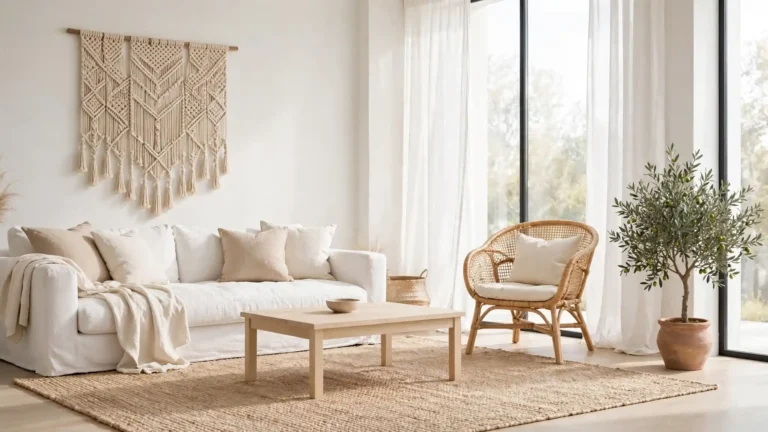
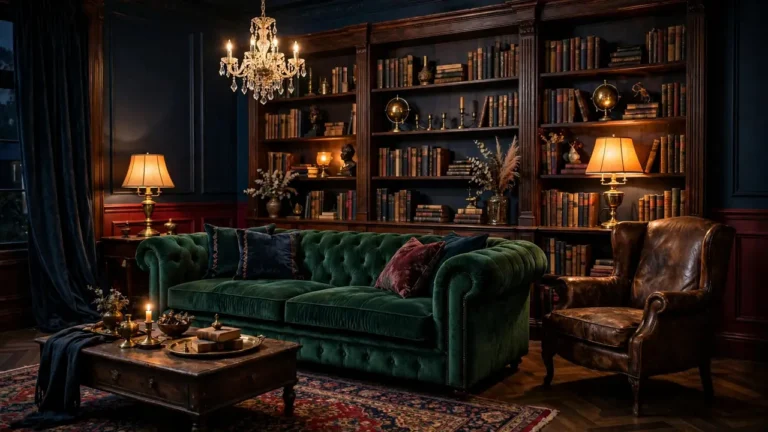
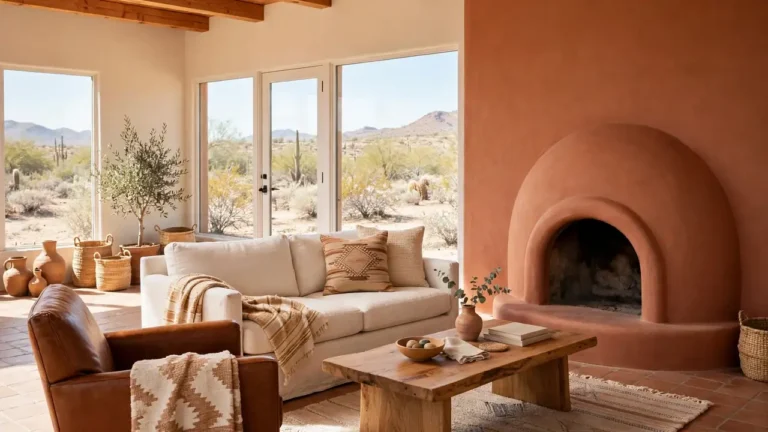
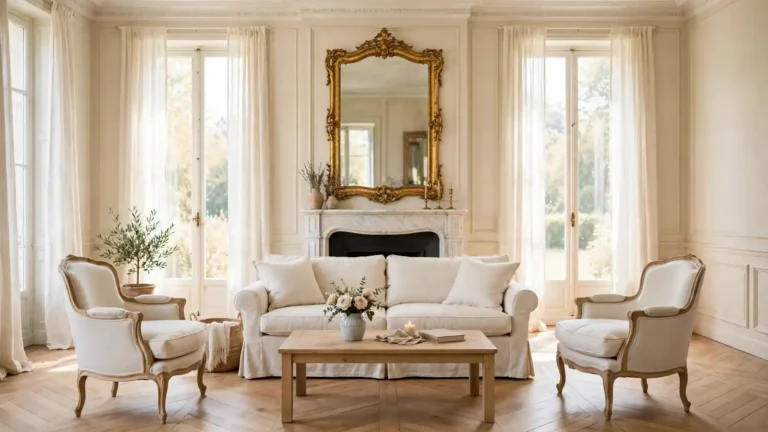
23 Traditional Living Room Design Ideas for Classic Elegance
A room with deep cushions, warm wood, and soft lamplight invites people to stay a little longer, and traditional living room design ideas turns that feeling into a plan anyone can follow. Classic rooms work because every piece has a reason to be there, from the sofa shape to the lamp on the side table, and the result feels settled rather than staged. If your living room feels busy or a little cold, the fixes below give it order, warmth, and a sense of history without a full renovation.
Start with one anchor piece, then layer texture and light around it until the room feels complete. The ideas ahead cover sofas, moldings, fireplaces, drapery, and small details that carry a surprising amount of weight, and each one works in a rental as well as a forever home. For a different kind of warmth, see these modern rustic kitchen decor ideas, then return here and pick the three changes that fit your room best.
Classic Sofa Elegance
Credit: Sarazh Izmailov
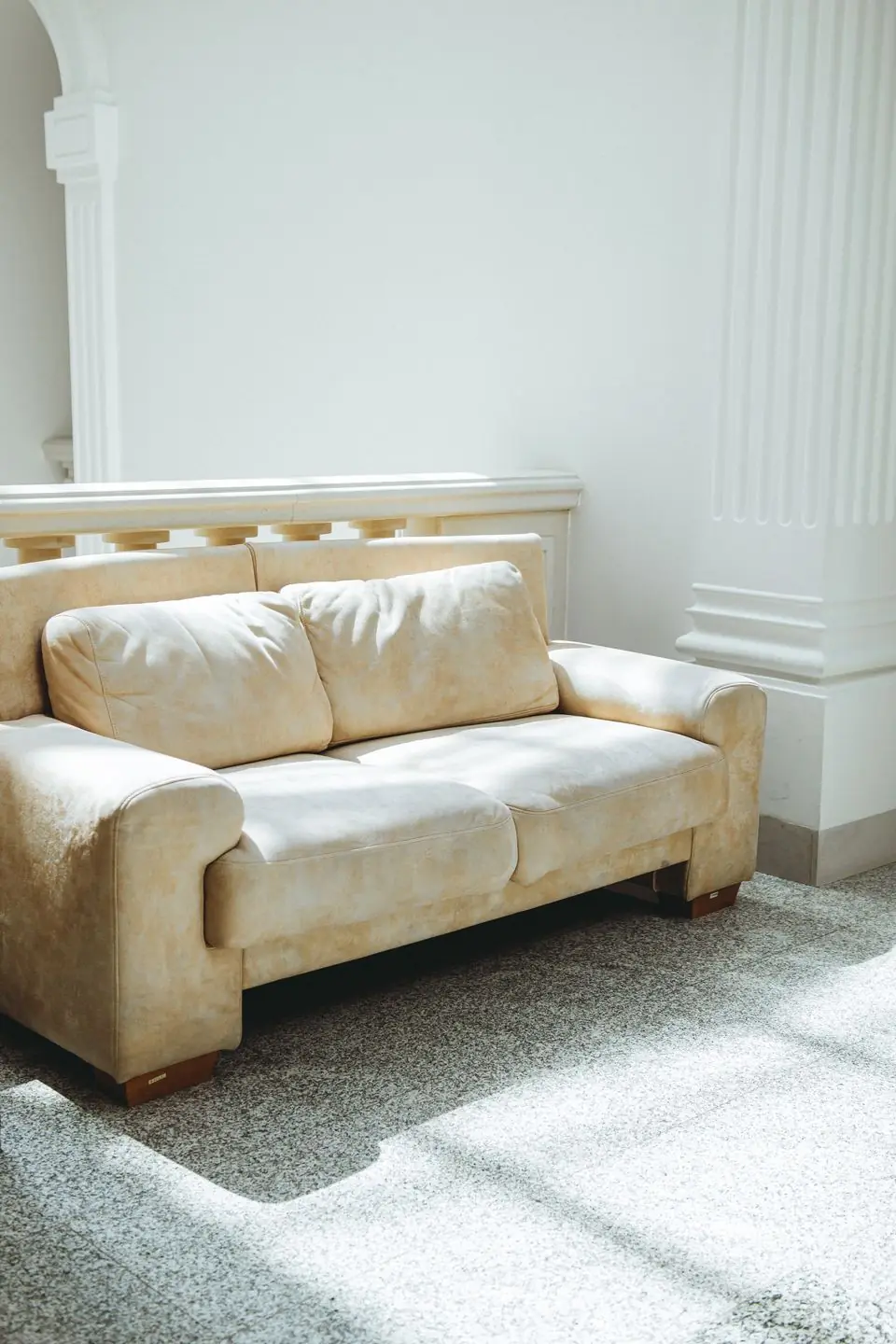
A rolled-arm sofa anchors a traditional room the way a strong opening line anchors a story, and the right one earns its place for decades. Look for a solid frame, deep seats, and arms at a height that welcomes an elbow and a book. Neutral upholstery keeps the piece flexible, while turned wooden legs signal the classic style quietly.
Before you buy, measure the wall, the doorways, and the walking paths around it, since a sofa that blocks traffic will never feel elegant. In my experience, a slightly smaller sofa with better proportions beats a grand one that crowds the room. Add two throw pillows in a quiet pattern and one soft blanket, then stop, because restraint is what makes the whole arrangement read as timeless.
Crown Molding Charm

Credit: Max Vakhtbovych
- Paint molding the same shade as the ceiling for a soft, continuous line.
- Choose a profile that suits your ceiling height, slimmer for low rooms.
- Run molding around door frames too, so the trim feels intentional.
- Caulk and paint cleanly, since rough edges undo the whole effect.
Crown molding gives a plain room instant architecture, and it costs far less than most people expect. A simple profile suits a modest home, while a layered profile fits a grander space with tall ceilings. Keep the rest of the trim consistent in style, and the room gains a finished quality that furniture alone cannot deliver.
Fireplace Focal Points

Credit: Keith Cassill
Quick Tip: Hang one piece of art or a mirror above the mantel, then flank it with a pair of matching lamps or candlesticks for instant symmetry.
A fireplace naturally draws the eye, so treat the mantel as the room’s centerpiece rather than a shelf for random objects. Keep the arrangement simple and balanced, with taller items at the ends and one lower piece in the middle. A stack of old books, a small plant, or a brass clock adds life without clutter. When the fire is lit, dim the overhead lights and let the glow do the decorating. Keep candles unlit near curtains, and enjoy the mantel as a calm focal point every day.
Layered Lighting Glow

Credit: cottonbro studio
BEFORE: One harsh ceiling light flattened the room, washed out the colors, and made evenings feel like a waiting room rather than a home.
AFTER: Table lamps on each side of the sofa, a floor lamp near the reading chair, and dimmers on the overhead fixture now give the room a soft golden glow that flatters everyone and everything in it.
Good lighting works in layers, and traditional rooms benefit from at least three sources at different heights. Start with ambient light, add task lamps where people read, then finish with a small accent light on art or a shelf. I’ve seen this work well in many cases, and the change costs less than a new rug.
Rich Wood Accents
Credit: ROMAN ODINTSOV
- Pick one dominant wood tone for the largest pieces in the room.
- Repeat that tone in smaller accents, like frames or a tray.
- Mix in one contrasting finish, such as brass or black metal.
- Keep wood surfaces polished but not glossy, so grain stays visible.
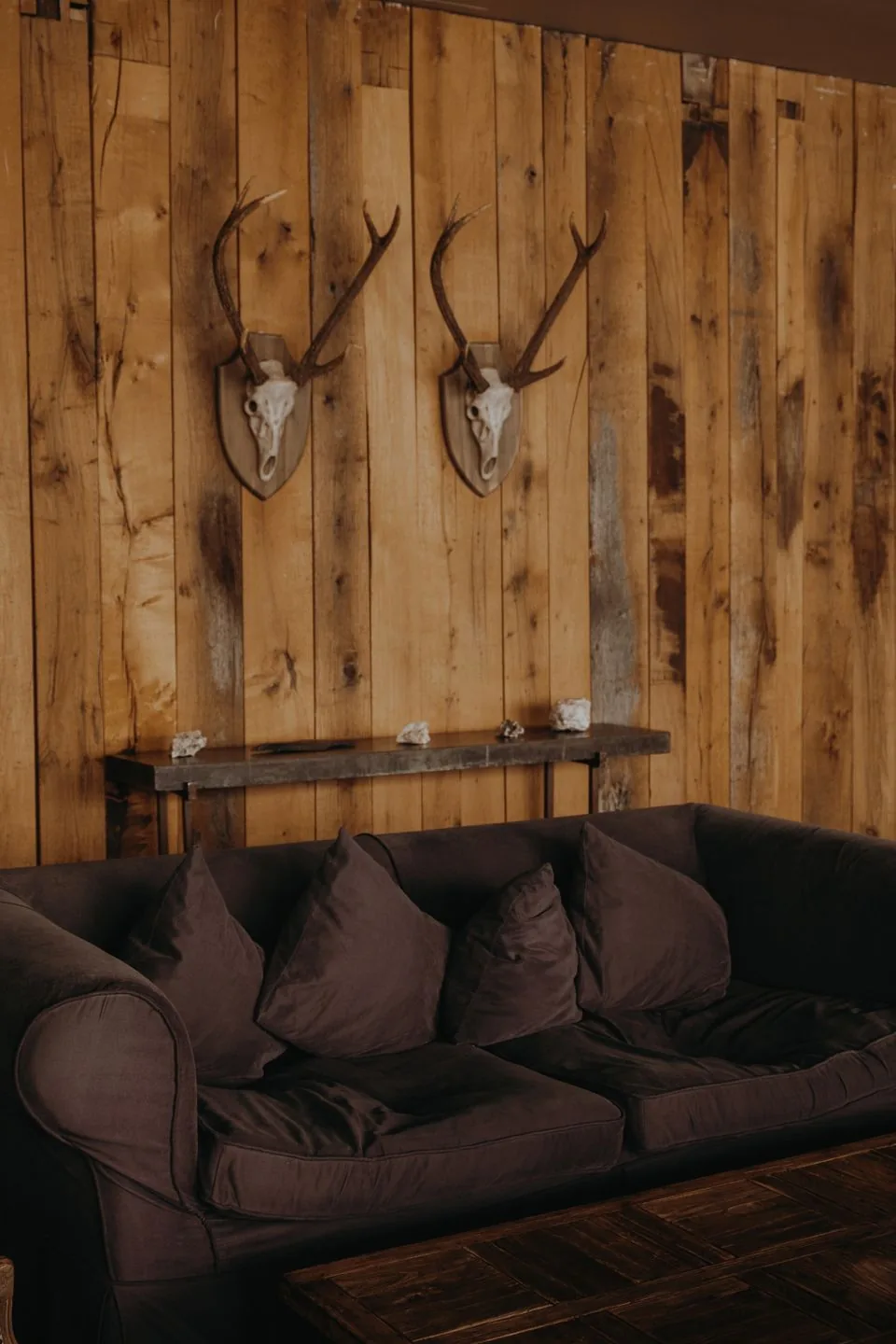
Wood gives a traditional room its warmth, and the trick is repetition with restraint. Mahogany, walnut, and oak each carry a different mood, so choose the one that matches your light and your other furniture. A dark coffee table beside a pale sofa creates contrast, while matching side tables keep the layout calm. Wipe pieces with a soft cloth weekly, and they will age with grace.
Pattern Versus Plain
Credit: Designecologist
| Feature | Patterned Pieces | Plain Pieces |
|---|---|---|
| Visual energy | High, lively | Calm, restful |
| Best use | Pillows, chairs | Sofas, curtains |
| Risk | Can overwhelm | Can feel flat |
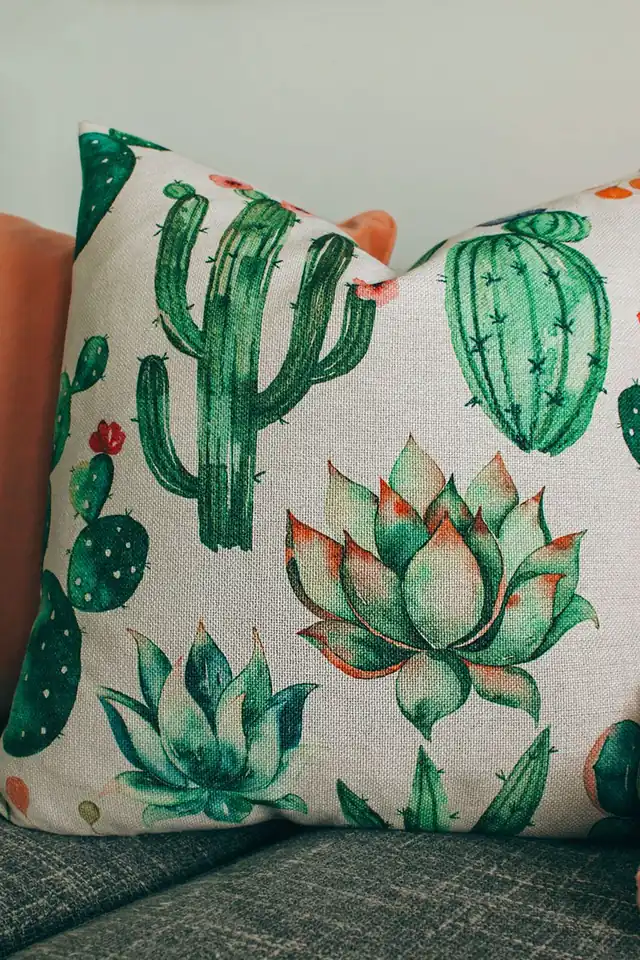
The happiest traditional rooms pair one strong pattern with quiet solids, so the eye has somewhere to rest. Try a floral or damask pillow on a plain sofa, or striped curtains beside a solid rug. Keep patterns in the same color family, and limit bold prints to two or three spots. That balance keeps the room lively without turning it into a showroom. A single patterned chair can also carry the print, letting the sofa stay quiet and the room stay restful for everyday living.
Timeless Decor Rules
Credit: Max Vakhtbovych
Do: Invest in one quality anchor piece per year. Do: Repeat colors in at least three places. Do: Leave breathing room on every surface.
Don’t: Fill every wall and shelf at once. Don’t: Chase every trend in a classic room. Don’t: Hide good bones under heavy clutter.
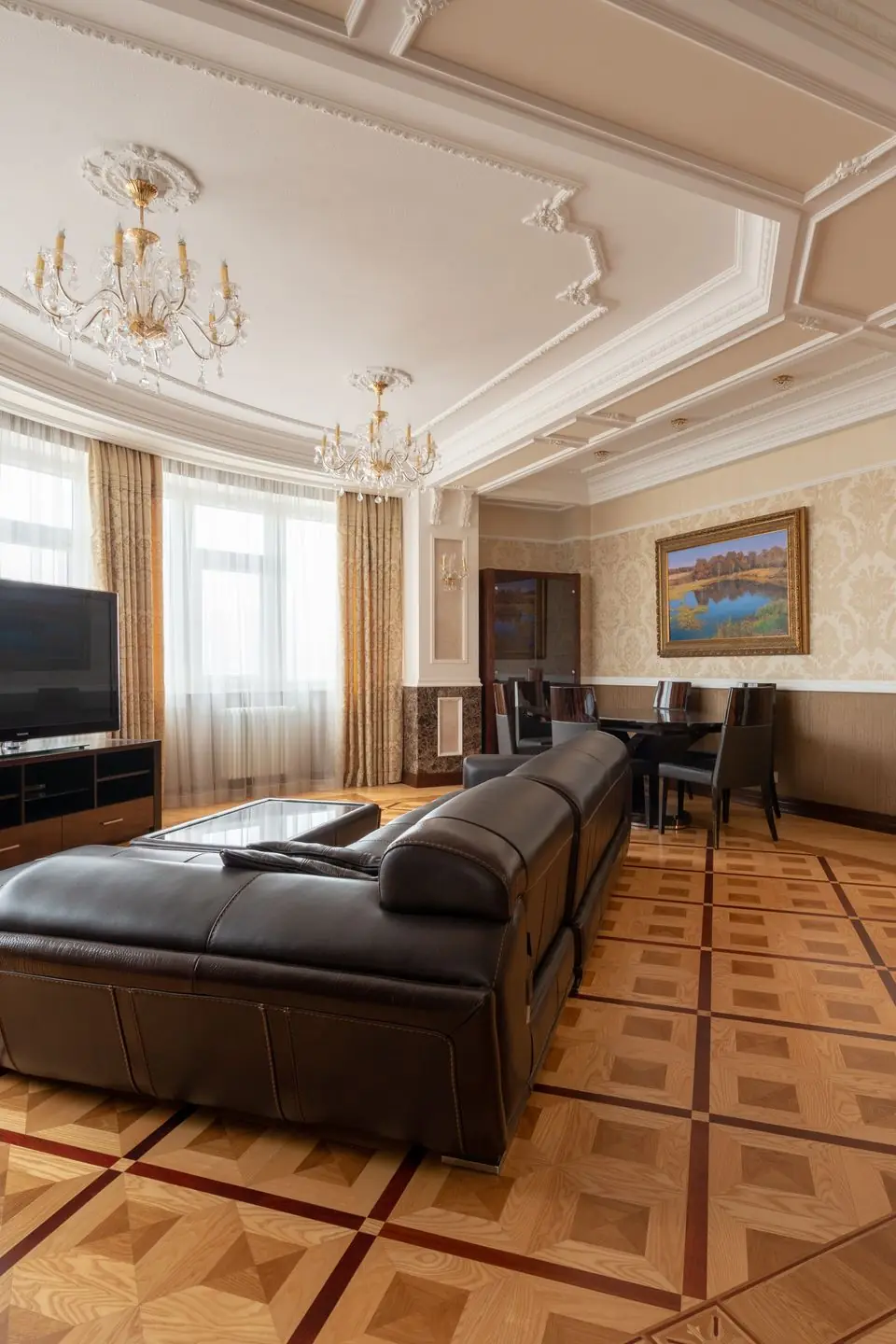
Classic decorating rewards patience, and rooms built slowly tend to look collected rather than decorated. Buy what you love, live with it for a season, and then decide what the room still needs. That slower pace also protects your budget, since fewer mistakes mean fewer replacements. The goal is a room that could belong to any decade and still feel right.
Room Layout Facts
Credit: Wellington Silva
Cost: Free, if you only rearrange what you own. Time: One afternoon for a full reset. Skill Level: Beginner friendly. Best For: Rooms that feel cramped or awkward.
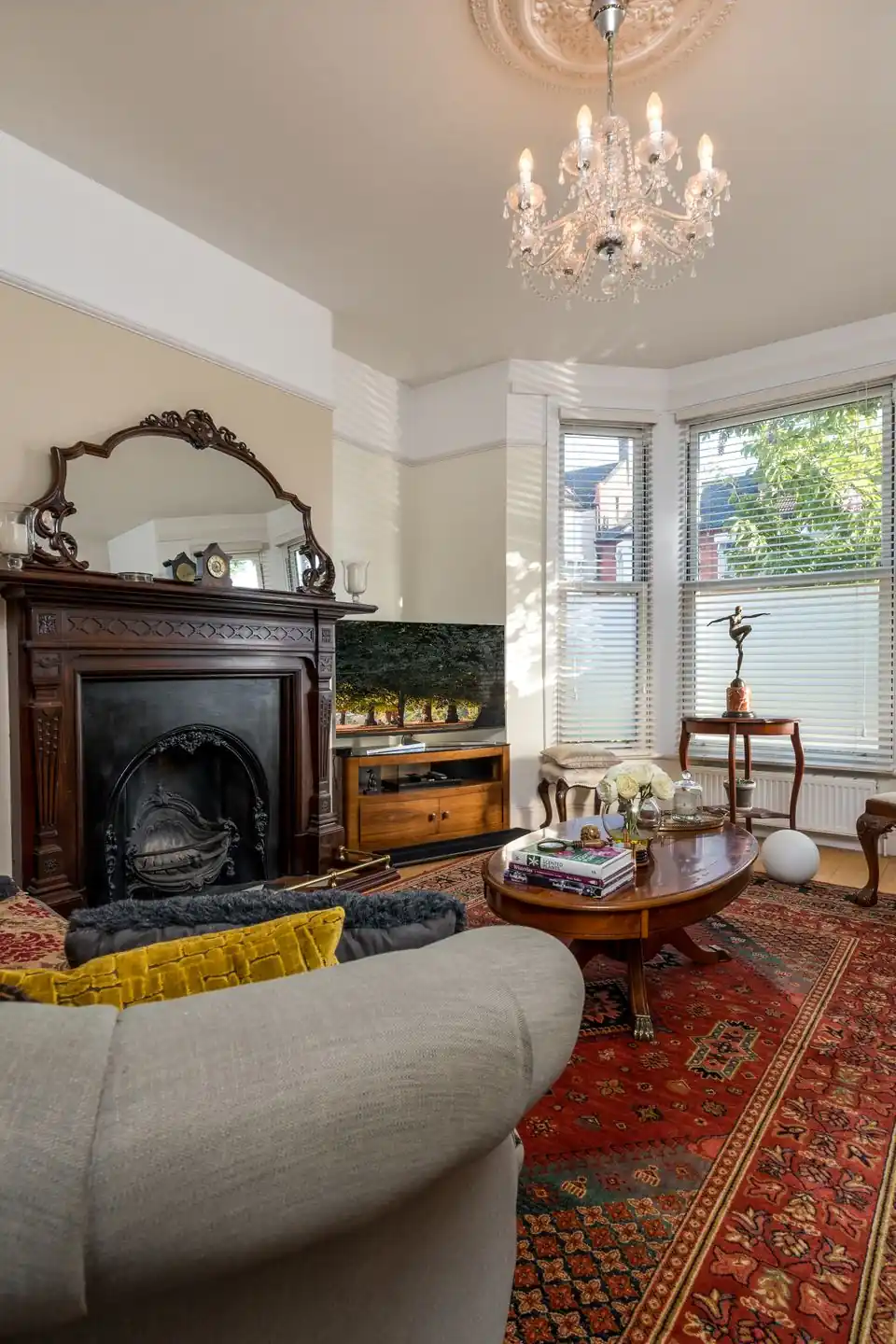
Layout matters more than any single purchase, and a few inches can change how a room feels. Keep main walkways at least thirty inches wide, float the sofa off the wall when space allows, and angle one chair toward the conversation. A rug should anchor the seating group, with front legs of every piece resting on it. Test the arrangement for a week before buying anything new. Pull furniture a few inches from the walls when possible, since breathing room around pieces makes even a full room feel generous.
Elegant Drapery Layers

Credit: Yaren Kılıç
Floor-length curtains soften hard edges and make windows look taller, which is why they belong in almost every traditional room. Hang the rod close to the ceiling and wide beyond the frame, so the panels frame the view instead of covering it. A sheer inner layer filters daylight, while a heavier outer panel adds privacy and weight after dark.
Choose a fabric with some body, such as linen or cotton duck, and hem panels so they just brush the floor. I’ve noticed that puddling fabric collects dust and trips pets, so a clean break at the floor reads more polished. Repeat the curtain color in a pillow or throw, and the whole room feels pulled together.
Antique Accent Pieces
Credit: Tima Miroshnichenko
- Start with one antique, such as a side table or mirror, not a full set.
- Check joints, drawers, and backs for solid construction before buying.
- Mix old pieces with newer ones so the room feels lived in, not staged.
- Keep finishes original when possible, since patina tells the story.
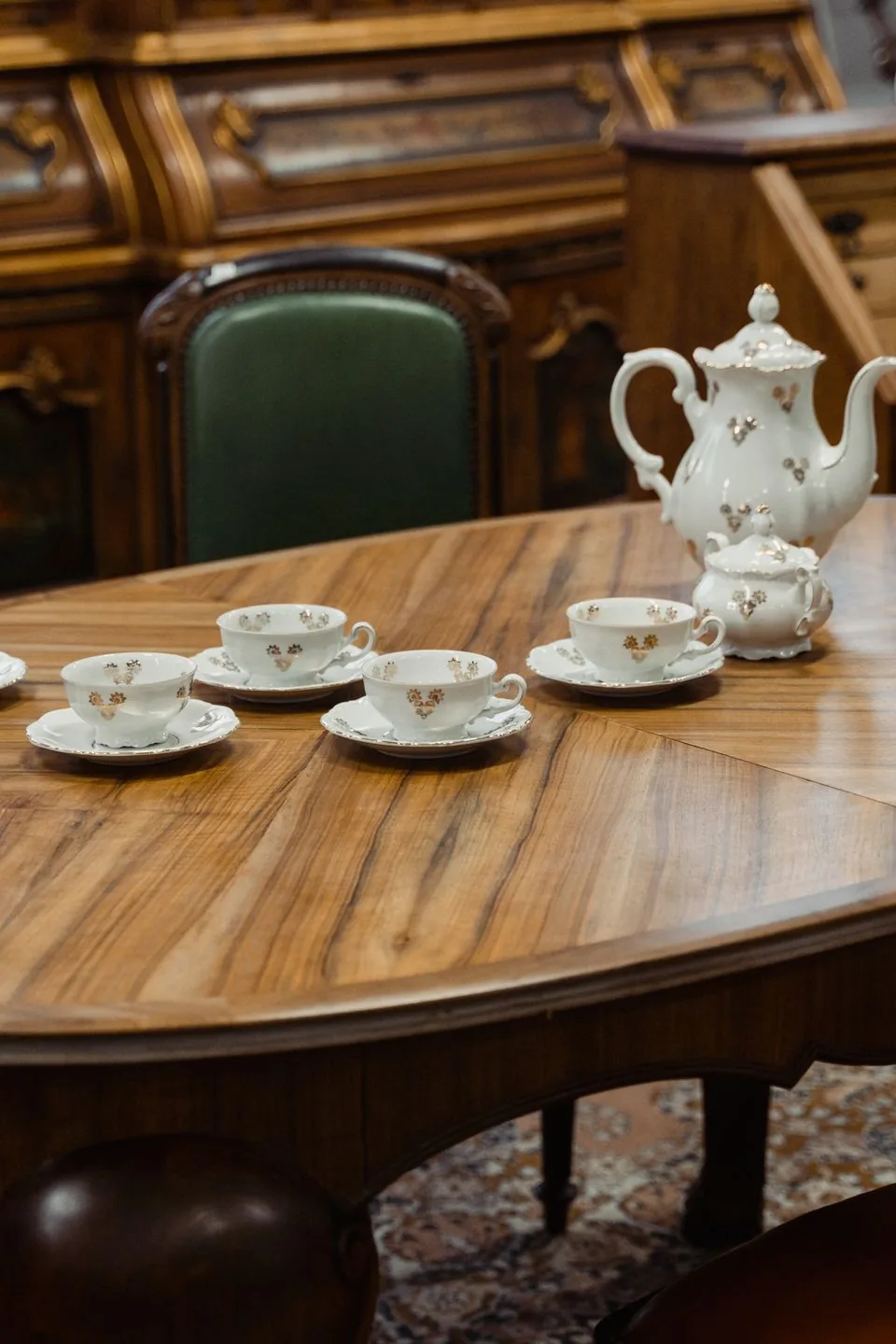
One genuine antique gives a room a sense of history that reproductions rarely match. Flea markets, estate sales, and family attics all hide good pieces, and a little wear only adds character. Place the piece where it gets used, not roped off, and let its scratches and marks spark conversation. A room with one old soul feels warmer than a room full of new things.
Warm Neutral Palettes
Credit: Beyza Kılıçdere
Quick Tip: Test paint and fabric swatches in morning and evening light before committing, since warm neutrals shift dramatically through the day.
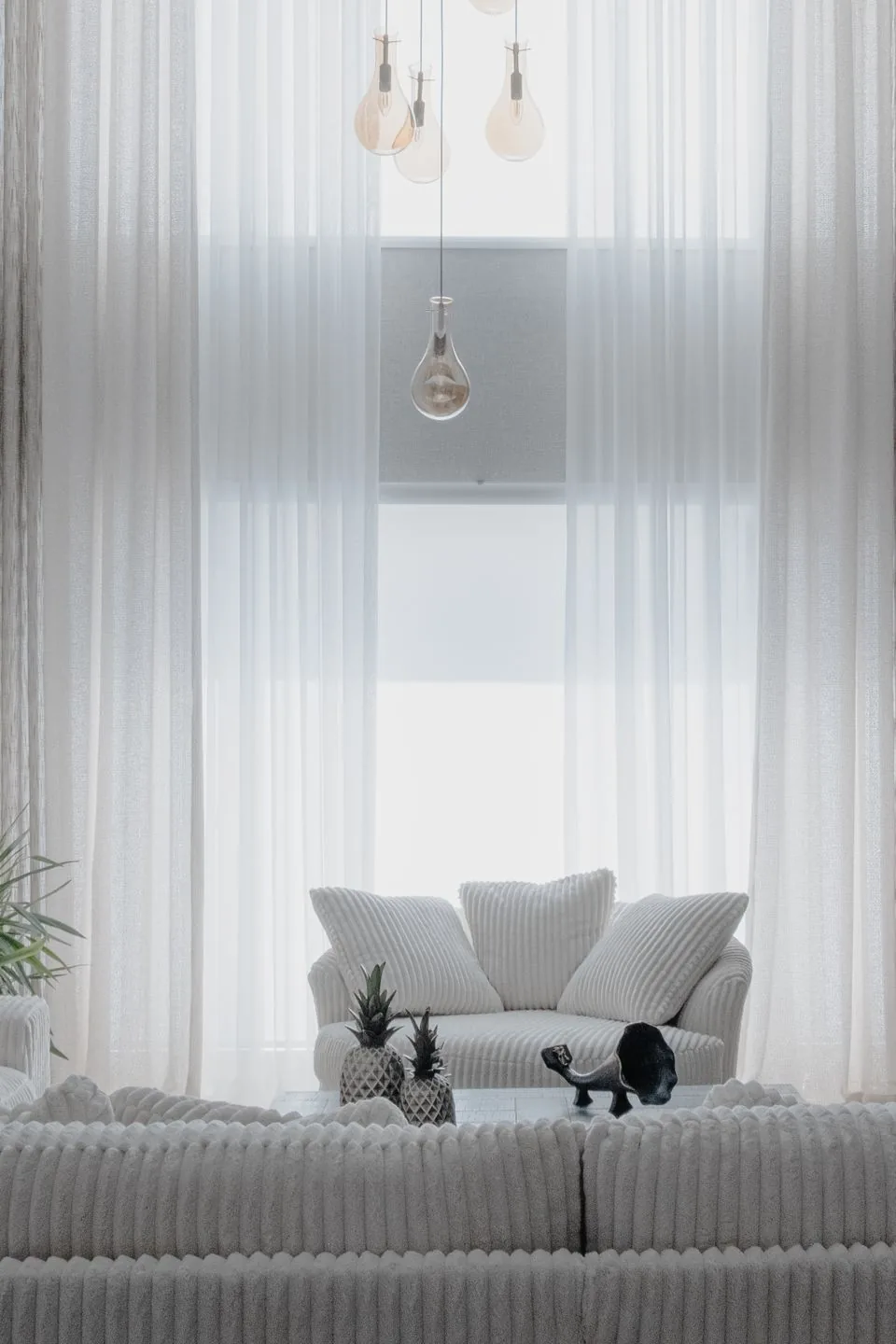
Cream, taupe, camel, and soft gold form the backbone of a traditional palette, and they let wood tones and art take the lead. Paint walls one warm neutral, then layer deeper versions of it in upholstery and rugs. Add a single muted accent, like sage or dusty blue, in small doses for contrast. The result feels calm in every season and forgiving when styles change. A woven basket, a brass lamp, or a wooden frame can carry the accent without shouting, and the room stays calm.
Cluttered To Calm
Credit: Maksim Goncharenok
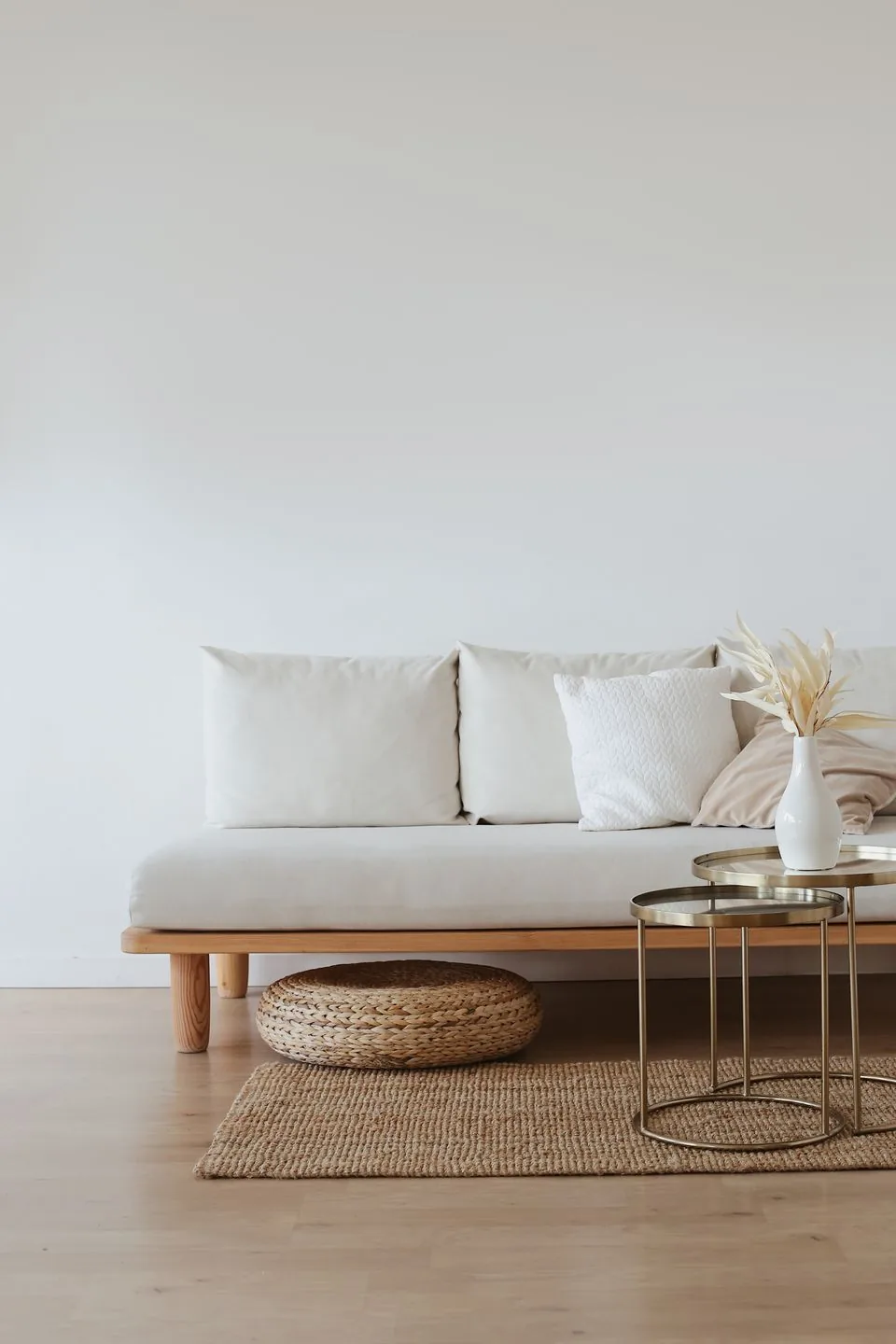
BEFORE: Every surface held a stack of mail, remote controls, and keepsakes, so the room felt busy even when it was technically clean.
AFTER: A lidded basket now hides the small stuff, each surface holds one intentional object, and the room finally breathes.
Calm comes from editing, not from buying more storage. Remove everything from one surface, then return only the pieces that earn their place. Give the rest a home in a closed basket or another room, and repeat the process shelf by shelf. That’s why many experts recommend living with less on display, because a traditional room shows its bones best when nothing competes with them.
Styling Steps For Shelves
Credit: Hatice
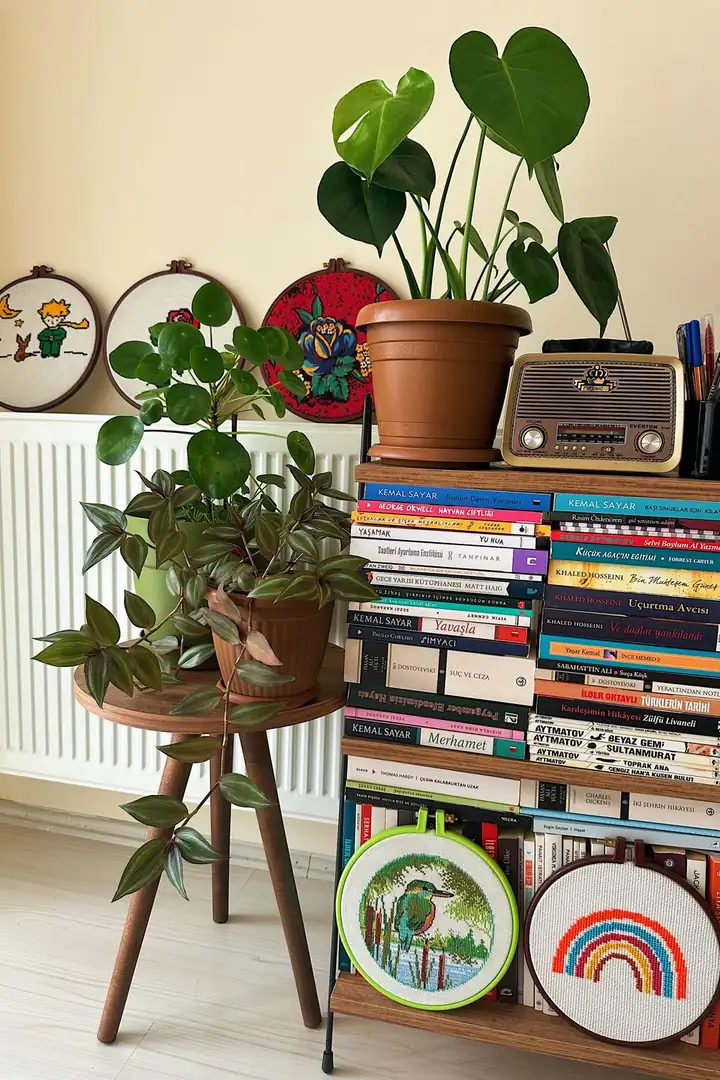
- Clear the shelf completely and sort items into keep, move, and store piles.
- Place the tallest items first, then fill gaps with medium pieces.
- Add one horizontal stack of books to break up vertical lines.
- Step back, remove one item, and stop before the shelf feels crowded.
Bookshelves tell a story about the people who live with them, and the best ones mix books with personal objects. Keep about a third of each shelf empty so the eye can rest, and repeat one color across the display for unity. When shelves feel right, the whole room feels more personal, which is the quiet heart of traditional living room design ideas done well.
Velvet Versus Linen

Credit: Miriam Alonso
| Feature | Velvet | Linen |
|---|---|---|
| Feel | Plush, formal | Relaxed, airy |
| Care | Brush, steam | Wash, soften |
| Best for | Chairs, pillows | Curtains, sofas |
Fabric sets the mood of a room before anyone notices the furniture shape. Velvet adds drama and depth, especially in jewel tones, while linen keeps things breezy and casual. Many traditional rooms use both, with velvet on an accent chair and linen on the main sofa. Touch samples in your own light, and choose the one you want to sit on daily. In a small room, one velvet chair adds luxury without weight, while linen keeps the larger pieces feeling light and easy to live with every day.
Heirloom Display Rules
Credit: Ece Karadağ
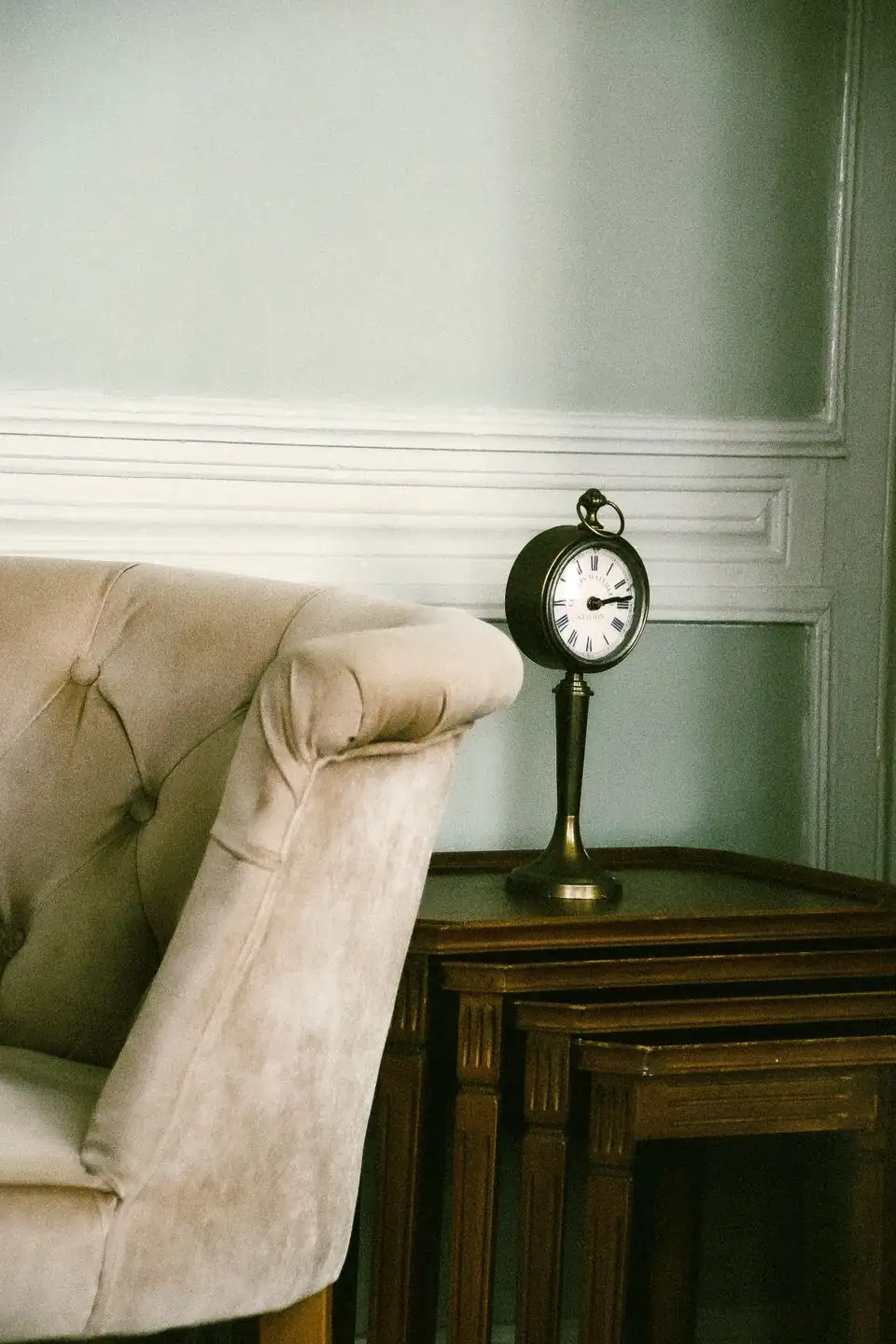
Do: Give each heirloom space and good light. Do: Group small pieces on a tray for unity. Do: Tell the story behind the piece when guests ask.
Don’t: Crowd heirlooms with unrelated clutter. Don’t: Place fragile pieces where they get bumped. Don’t: Hide family pieces in storage out of caution.
Heirlooms carry memory, and displaying them well honors both the object and the person who kept it. A single portrait, quilt, or clock can anchor a whole corner, and a small label or story card helps younger visitors understand why it matters. Keep these pieces at eye level, away from direct sun, and dust them gently.
Budget Classic Facts
Credit: Huy Phan
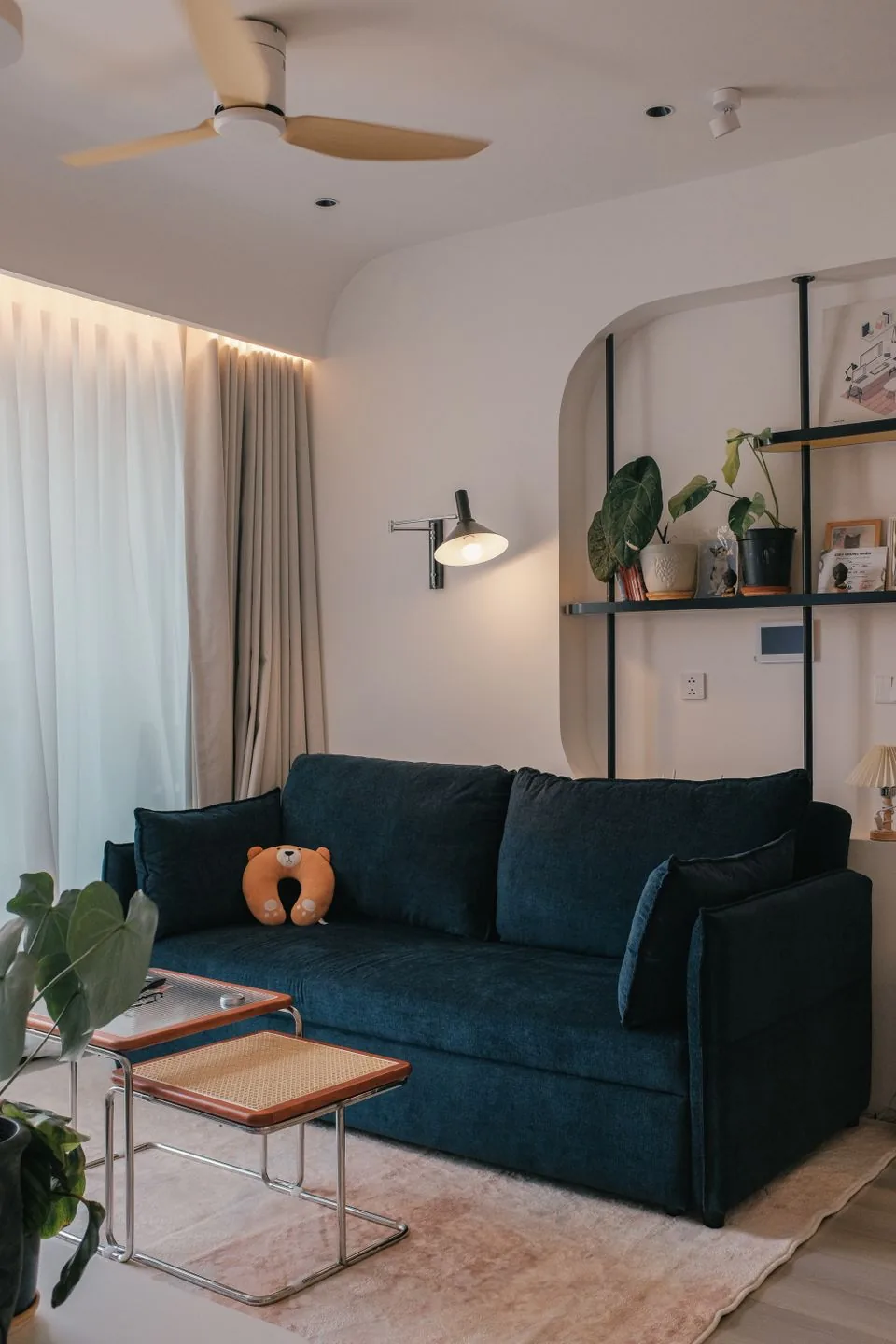
Cost: Under fifty dollars for paint, baskets, and pillow covers. Time: One weekend for a visible refresh. Skill Level: Beginner friendly. Best For: Renters and first homes.
Classic style does not demand a large budget, since paint, fabric, and rearrangement do most of the work. Thrifted wood frames, secondhand lamps, and simple cotton curtains can look convincingly traditional when colors stay consistent. Spend first on lighting and one comfortable seat, then add details slowly. The room will look richer for the restraint, not poorer for the price. A coat of paint on old frames, new lamp shades, and a thrifted basket can change the whole mood for less than a dinner out.
Reading Nook Corners

Credit: snazzy Photography
An unused corner becomes the most loved spot in the house when it holds a comfortable chair, a good lamp, and a small table for tea. Choose a chair with arms at book height and a seat deep enough to curl into, then place the lamp over the shoulder that holds the book. A basket for current reads keeps the corner tidy and inviting.
Add a soft throw and a footstool, and the nook works in every season. I’ve seen this work well in many cases, from tiny apartments to large family rooms, because the formula stays the same. If the corner sits near a window, sheer curtains soften the daylight, and the spot becomes a quiet retreat within the busier room.
Cozy Textile Layers

Credit: Hert Niks
- Layer a flat-weave rug under a smaller patterned rug for depth.
- Drape a knit throw over one sofa arm, not folded in a perfect square.
- Mix pillow textures, such as velvet, linen, and cotton, in one palette.
- Swap heavy throws for lighter ones when warm weather arrives.
Textiles make a traditional room feel touchable, and layering them is the fastest route to coziness. Start with the largest surface, the rug, then add throws and pillows in the same color story. Keep patterns small and varied in scale, so nothing fights for attention. When guests sink into the sofa and reach for a throw, the layering has done its job.
Small Room Tricks

Credit: Andrea Davis
Quick Tip: Hang a large mirror opposite the window to double the daylight and make a small traditional room feel twice as open.
Small rooms suit traditional style well, since classic furniture comes in modest sizes and warm colors flatter close quarters. Choose a loveseat instead of a full sofa, keep the coffee table slim, and let curtains rise to the ceiling for height. A glass or open-base table keeps sight lines clear, and one large piece of art beats a cluster of small frames. For more small-space ideas, explore these neutral farmhouse bedroom ideas and borrow the same calm palette.
Dated To Dreamy
Credit: Curtis Adams
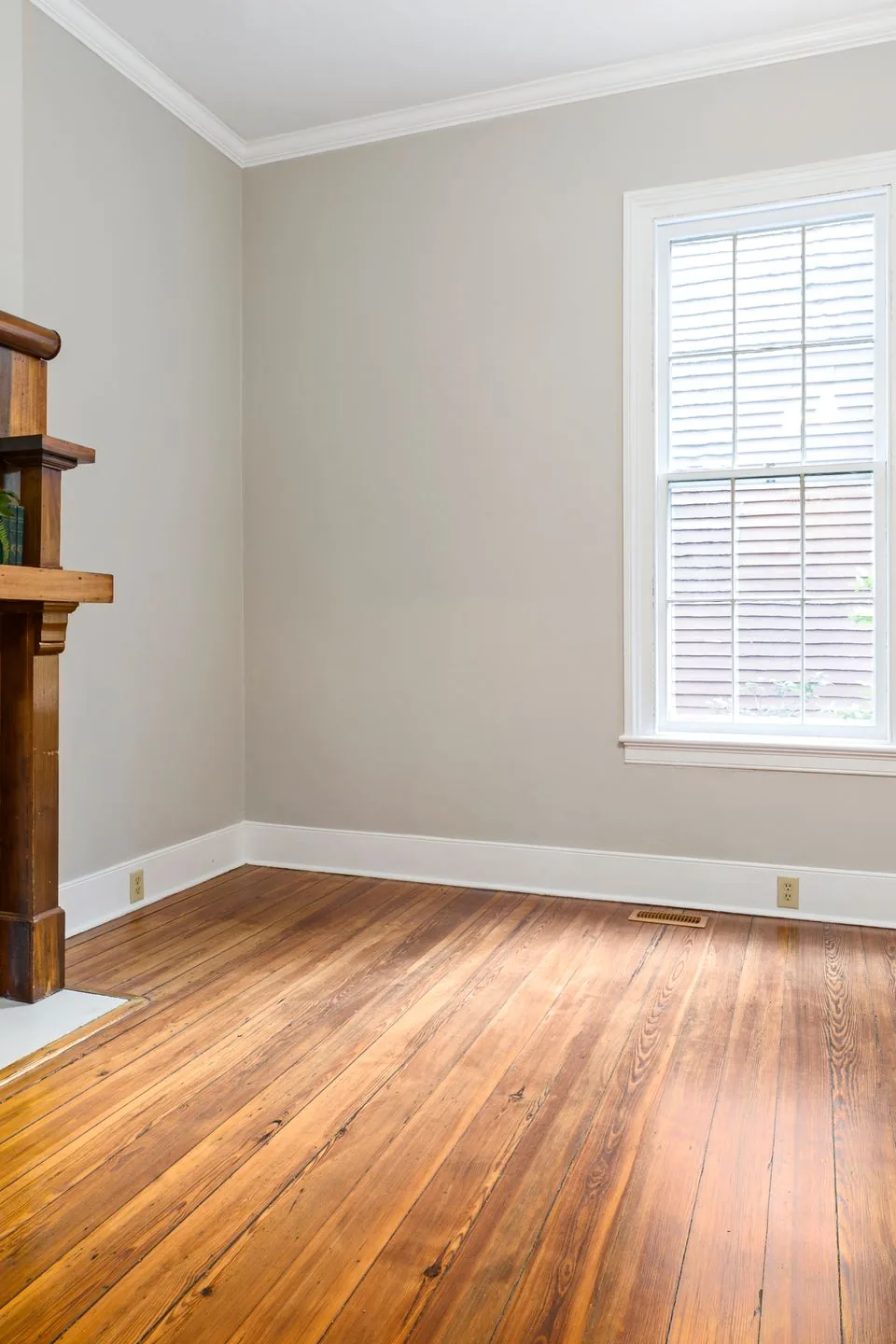
BEFORE: Heavy drapes, dark paneling, and a bulky entertainment unit made the room feel closed in and stuck in another decade.
AFTER: Lighter curtains, painted trim, and a slim media console opened the space, while the original fireplace and wood floors kept its traditional soul intact.
Updating a dated room works best when you keep its good bones and change only what drags it down. Paint is the cheapest transformation, followed by lighting and hardware. Remove one bulky piece before adding anything new, and let the room breathe for a week. The result honors the past without living in it.
Seasonal Refresh Steps
Credit: Leticia Taylor
- Swap pillow covers and throws for the season’s palette and weight.
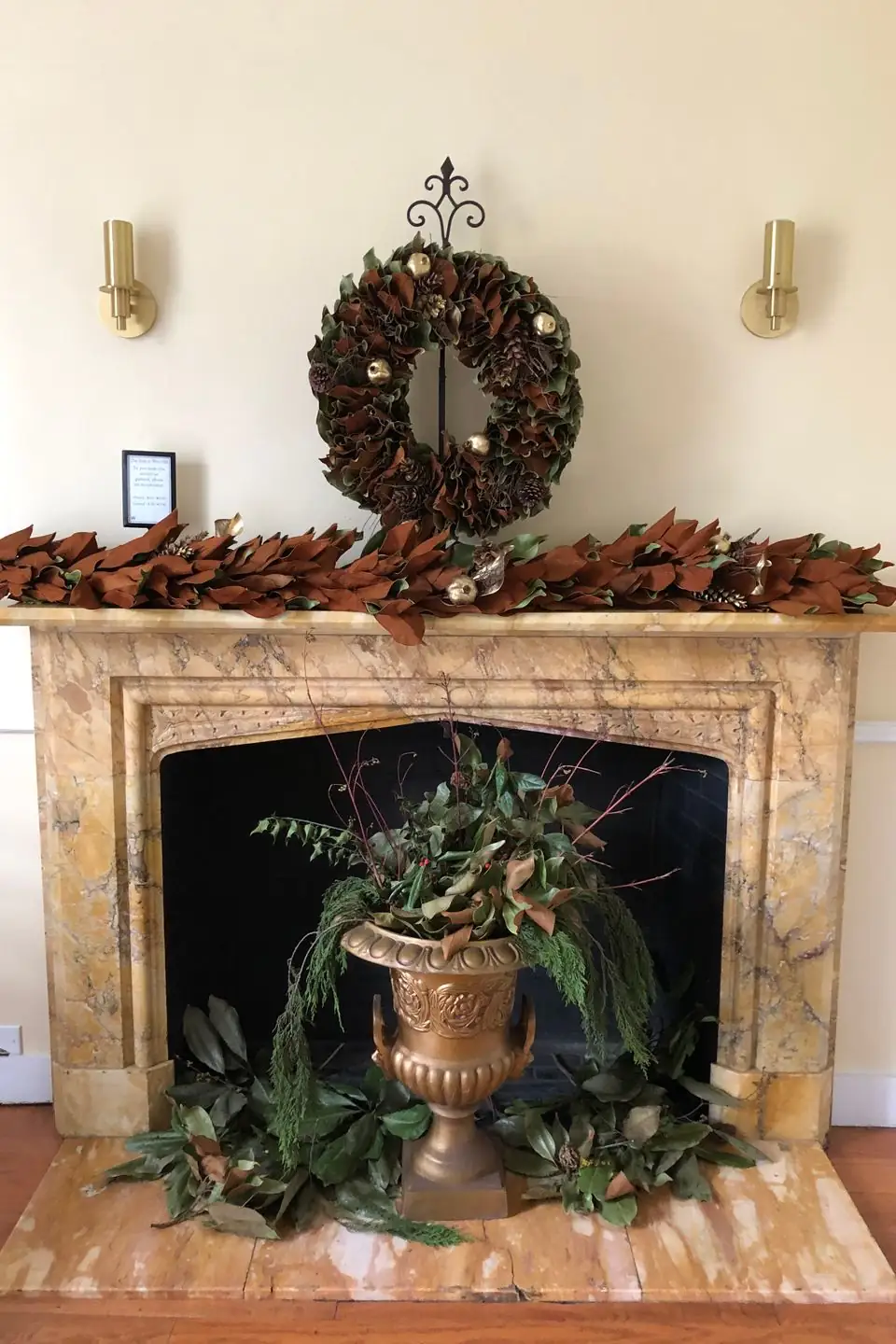
- Change the mantel display to match the season, keeping one constant piece.
- Rotate art between rooms so familiar pieces feel fresh again.
- Add seasonal greenery or blooms, then remove them before they fade.
Traditional rooms welcome seasonal change because their neutral base accepts any accent. Spring calls for pale greens and fresh flowers, autumn for rust and dried stems, and winter for deep reds and candlelight. Keep the big furniture untouched and change only the soft layers, and the room feels new four times a year for very little money.
Brass Versus Chrome

Credit: Petra G
| Feature | Brass | Chrome |
|---|---|---|
| Tone | Warm, golden | Cool, bright |
| Mood | Vintage, rich | Modern, crisp |
| Pairs with | Wood, cream | Glass, white |
Metal finishes quietly steer a room toward warm or cool, so choose one dominant finish and repeat it. Brass suits traditional rooms best, warming up wood and cream, while chrome can feel too sharp beside antiques. Mix metals only in small doses, such as a chrome tray on a brass table, and keep the main fixtures consistent for a settled look. Aged brass looks especially good beside dark wood, and a quick polish twice a year keeps it glowing without much effort. Keep the finish consistent on door handles and light fixtures for a polished result.
Gallery Wall Rules
Credit: Taryn Elliott
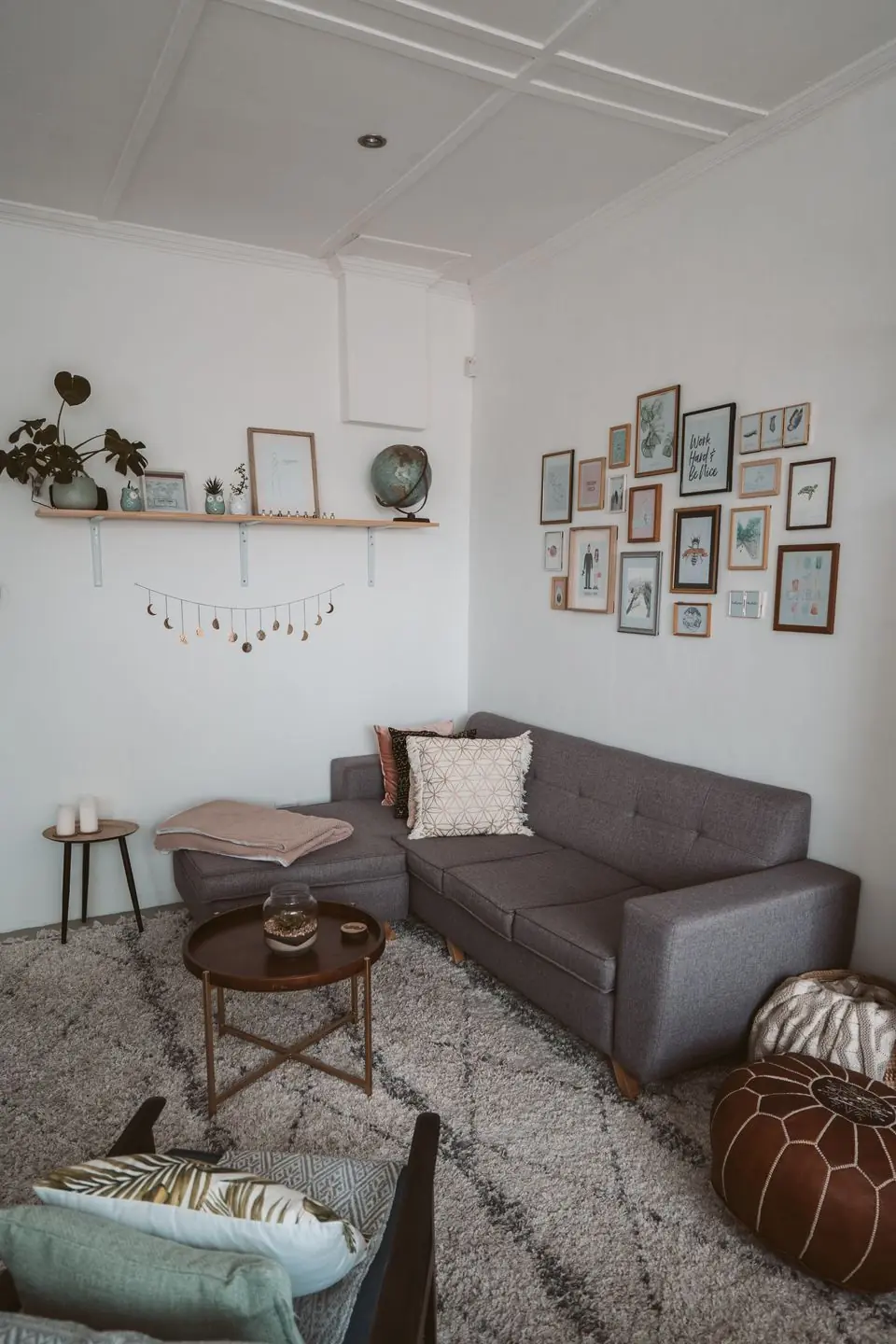
Do: Plan the layout on the floor before hanging anything. Do: Keep spacing even, about two inches between frames. Do: Mix art sizes, with one large anchor piece.
Don’t: Hang art above eye level for standing viewers. Don’t: Mix too many frame colors at once. Don’t: Fill the wall edge to edge without breathing room.
A gallery wall turns a blank wall into a personal museum, and traditional rooms suit mixed frames in wood and gold tones. Start with the largest piece at eye level, then build outward in a loose grid. Step back often, and leave one gap unfilled, since a wall that can grow feels alive rather than finished.
Conclusion
Traditional rooms endure because they balance comfort, proportion, and personal history, and every idea above moves your room closer to that balance. Pick three changes to start, live with them for a few weeks, and notice how the room begins to welcome you differently. Then keep going at a pace your budget allows, since the best classic rooms grow slowly. Save this guide on Pinterest, share it with a friend who loves timeless style, and let traditional living room design ideas shape a living room you will love for years.