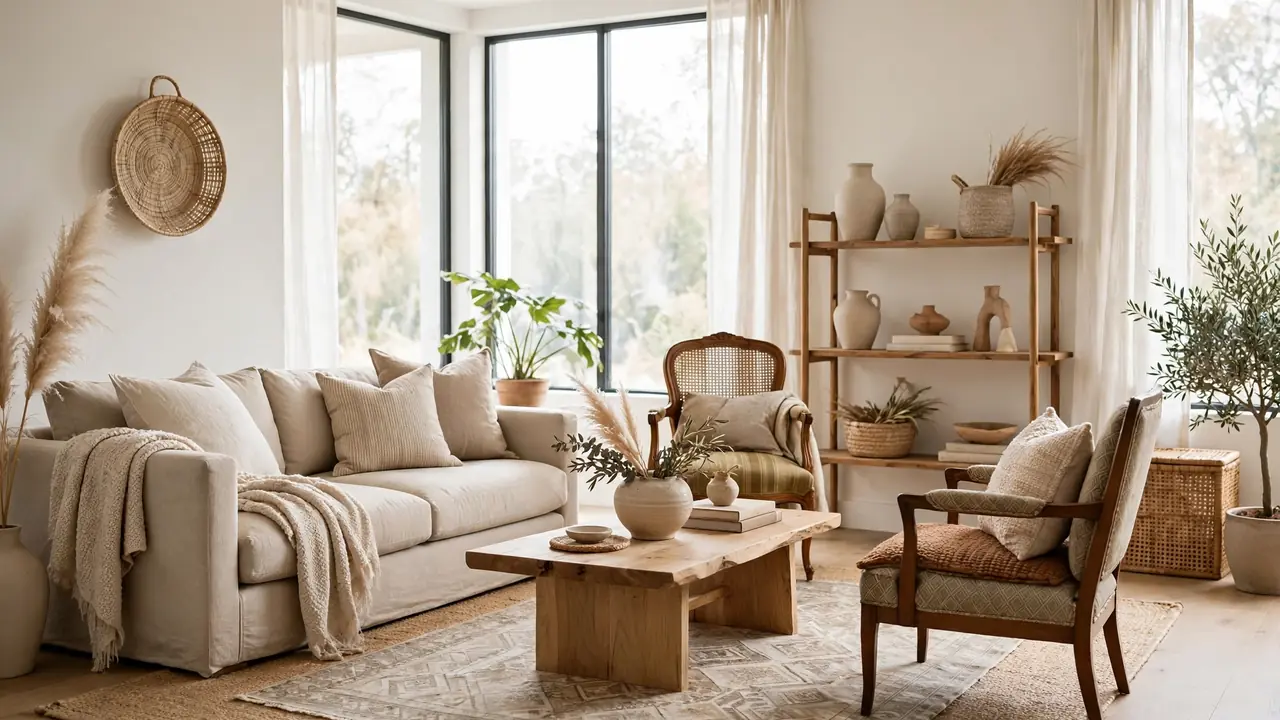
How to Decorate a Home With Different Furniture Styles
Learning how to decorate a home with different furniture styles starts with one simple mindset shift. Stop thinking of your rooms as needing to match, and start thinking of them as needing to relate. When every piece shares something in common, even wildly different styles feel intentional.
The secret that designers rely on is connection, not coordination. A vintage chair and a modern sofa can sit side by side beautifully if they share a color, a curve, or a material. This guide walks you through ten practical ways to mix eras and aesthetics with confidence. For zoning ideas that complement mixed styling, see how to make an open floor plan feel more organized.
Start With a Unifying Color Palette
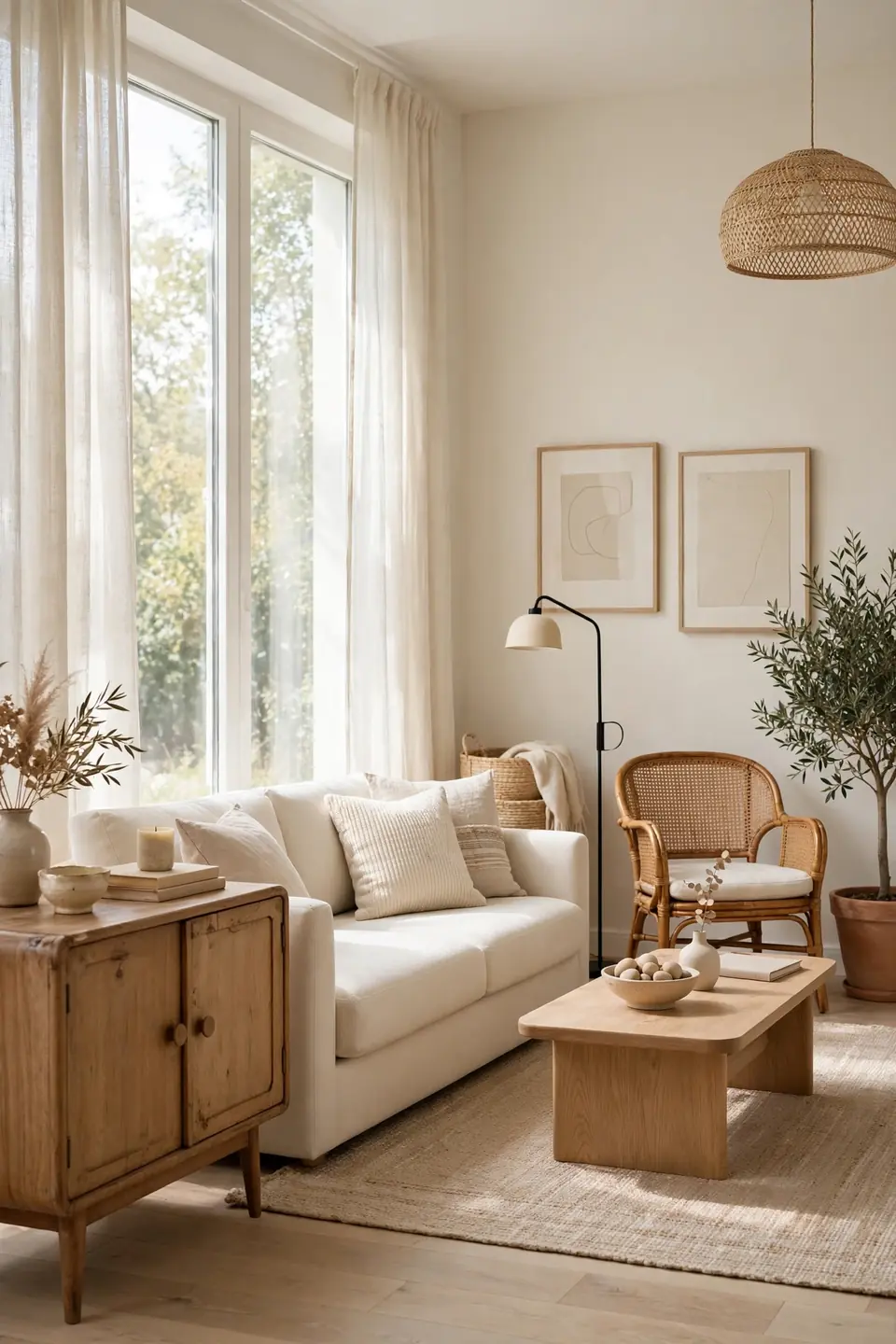
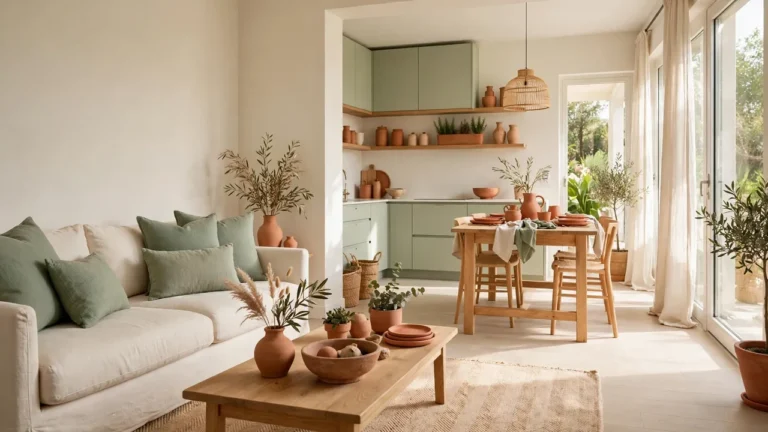
Color is the fastest way to make different furniture styles feel like they belong together. When a mid-century chair and a rustic bench sit within the same palette of warm neutrals, the eye reads harmony instead of chaos. Limit your main palette to three or four tones and repeat them in every corner.
This does not mean everything must be beige. Pick one deeper accent, like charcoal or olive, and let it appear in small doses across styles. A dark-framed print and a vintage ottoman suddenly feel related when they share that single note.
How to Repeat Shapes and Materials Across Styles
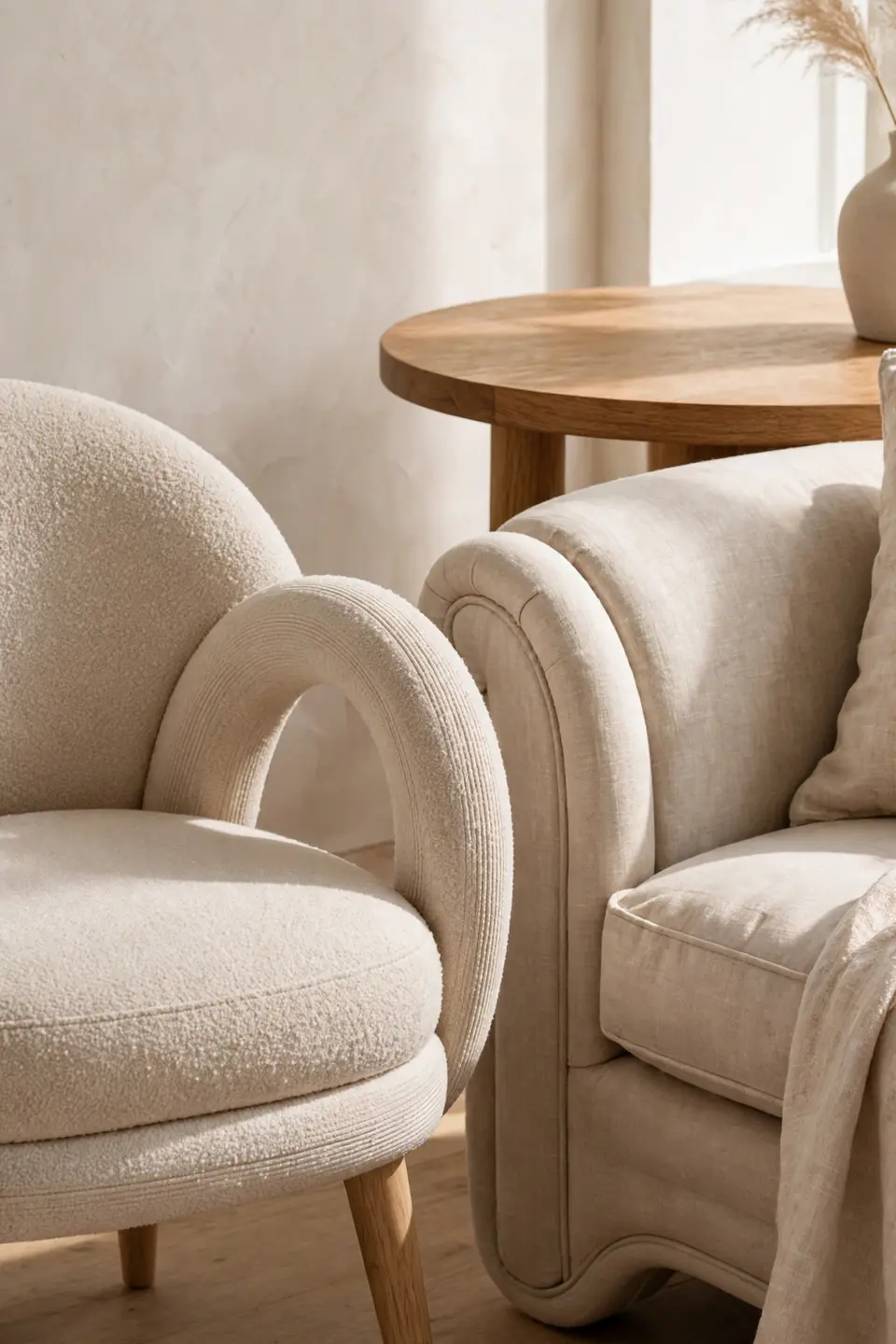
Beyond color, repeated shapes and materials quietly link pieces from different eras. A round mirror can echo a curved chair back, while brass details connect a modern lamp to a vintage tray. Train your eye to spot these echoes and repeat them on purpose.
- Pick one shape, like arches or curves, and repeat it in at least three places.
- Choose a single metal finish and carry it through lighting, hardware, and small decor.
- Match wood undertones loosely rather than exactly, so pieces feel related without looking like a set.
- Repeat a texture, such as cane or boucle, on two pieces from different styles.
Use a Statement Piece as Your Style Anchor
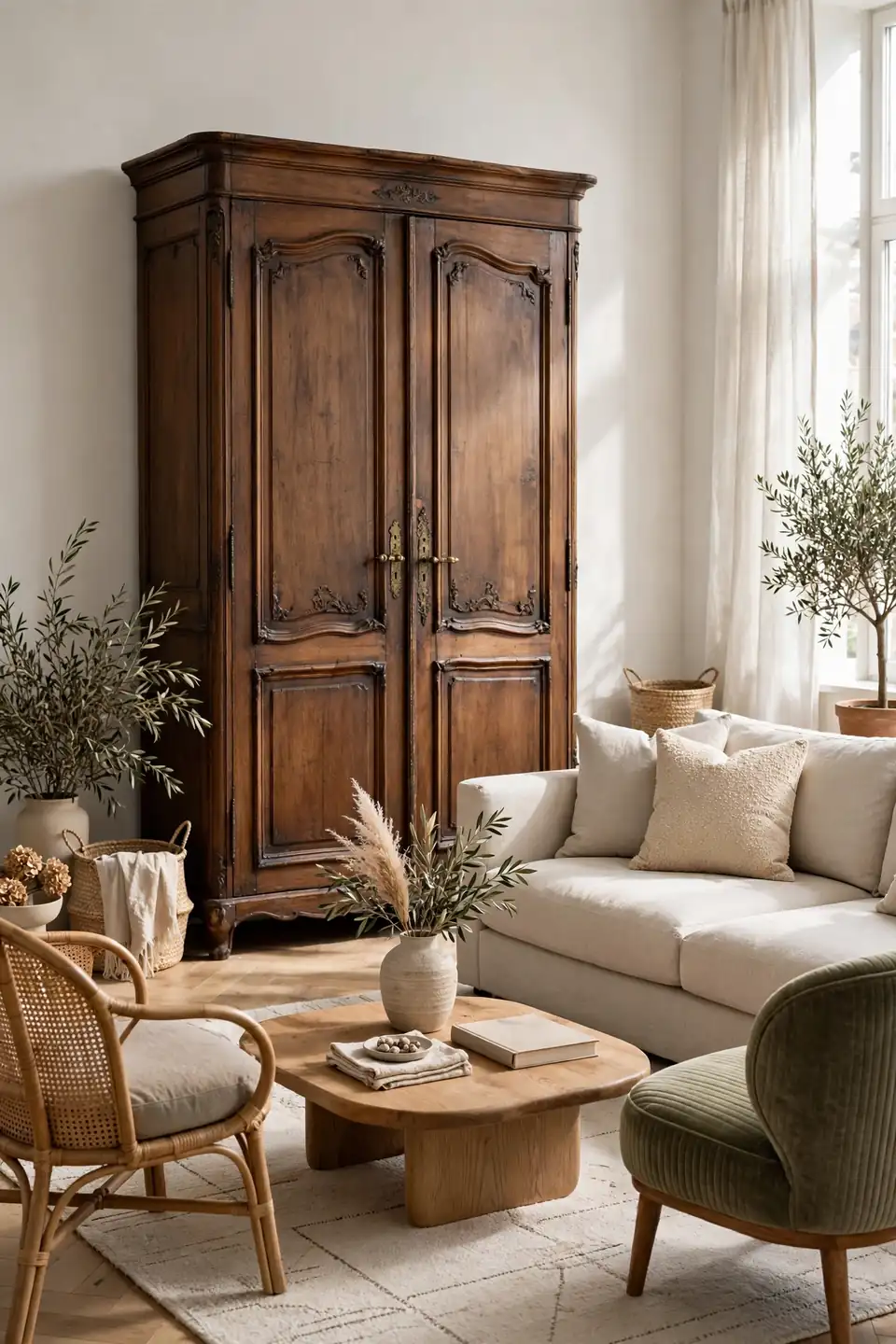
Quick Tip: Choose one bold piece you love, then let every other choice support it rather than compete with it.
A single anchor gives mixed styles a clear hierarchy. It might be a vintage armoire, an oversized art print, or a sculptural chair. Once the star is chosen, keep surrounding pieces quieter in scale and color. The room feels intentional instead of crowded, and every style has a reason to be there.
Why Matching Everything Looks Flat
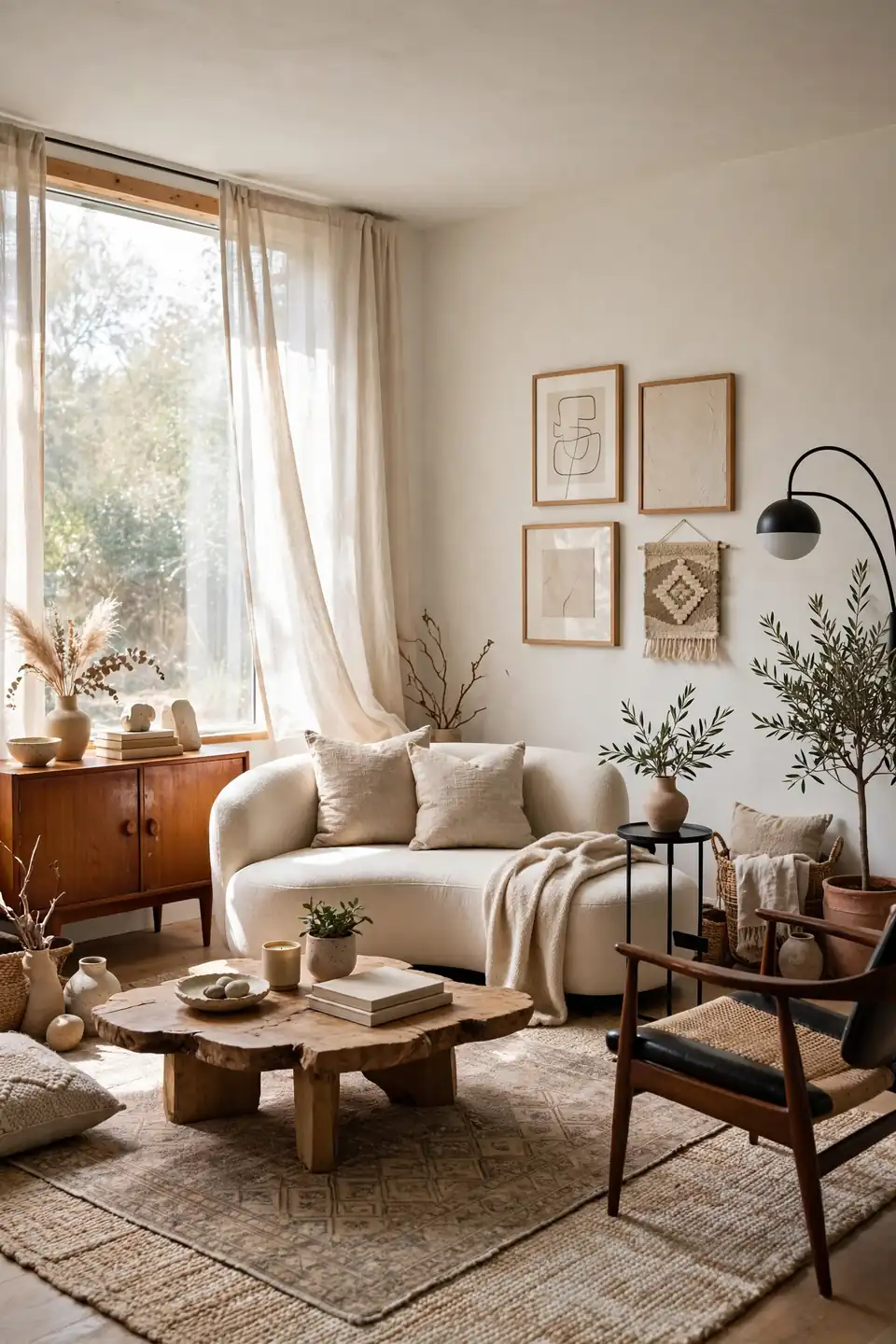
Common Mistake: Buying every piece from the same collection or in the same finish, which makes the room feel like a showroom instead of a home.
The Fix: Swap out one or two matched pieces for something with contrast, like a vintage stool beside a new sofa or a rustic wood frame on modern art.
Contrast is what makes a room feel collected and personal. When everything matches perfectly, there is nothing for the eye to discover. One unexpected piece adds character and tells a story. For studio layouts that benefit from contrast, see how to create separate living and sleeping areas in a studio.
The Textiles That Tie Styles Together
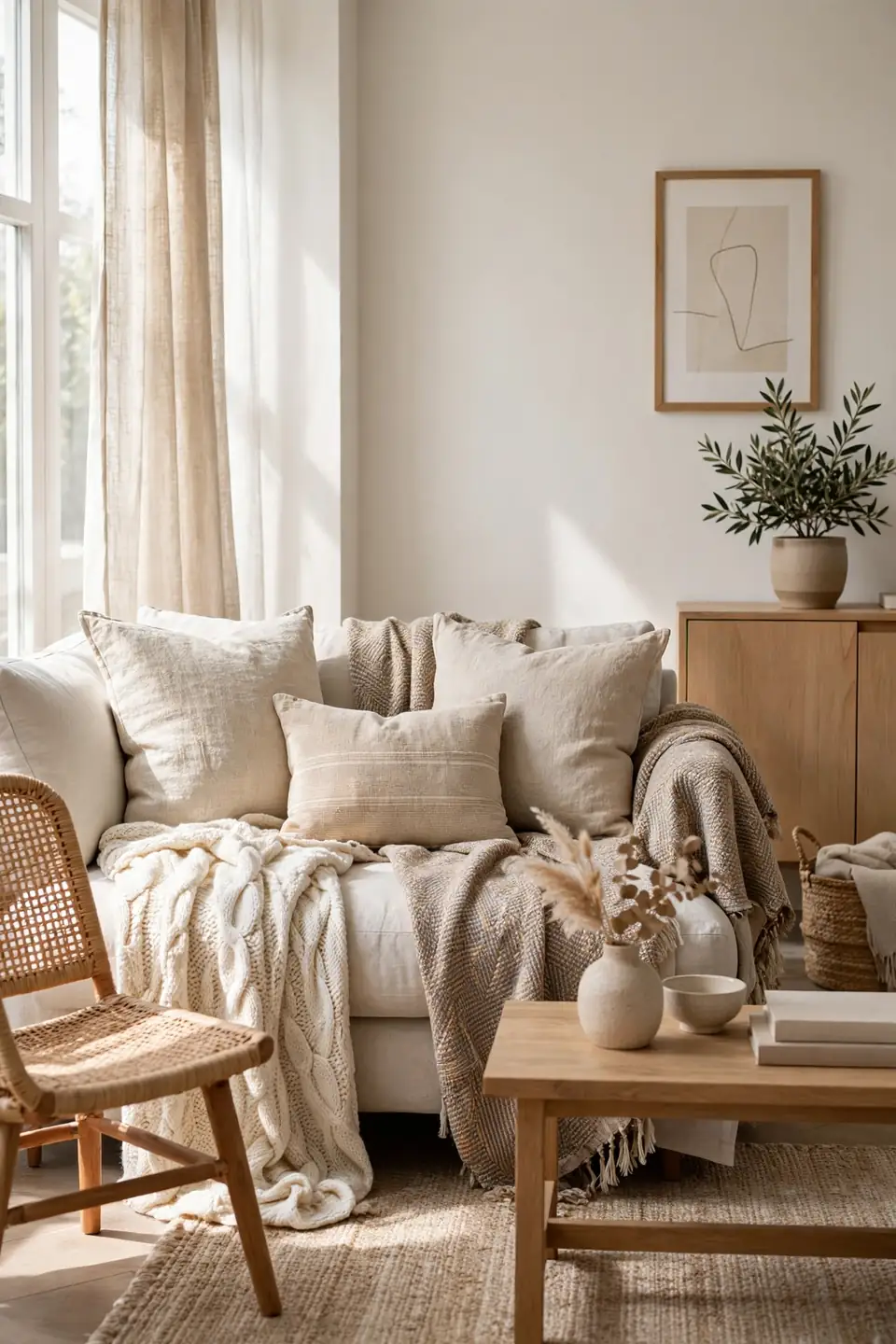
What You Need:
- Linen throw pillows in two neutral shades
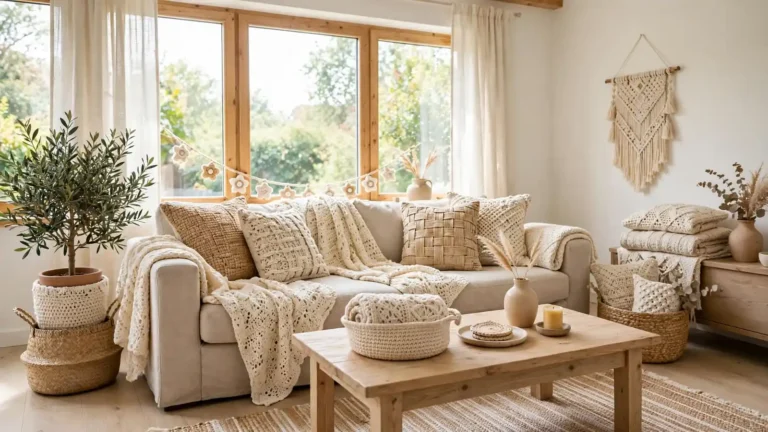
- A textured throw blanket, like knit or waffle weave
- A flat-weave area rug that picks up your palette
- Curtains in a soft natural fabric
Textiles are the easiest bridge between furniture styles because they are affordable and simple to swap. A modern sofa and a traditional armchair cooperate when they share the same throw pillows. Layer different textures rather than different colors to keep the mix calm. If a combination feels off, change the textiles first before moving furniture.
Blending a Modern Sofa With Vintage Chairs
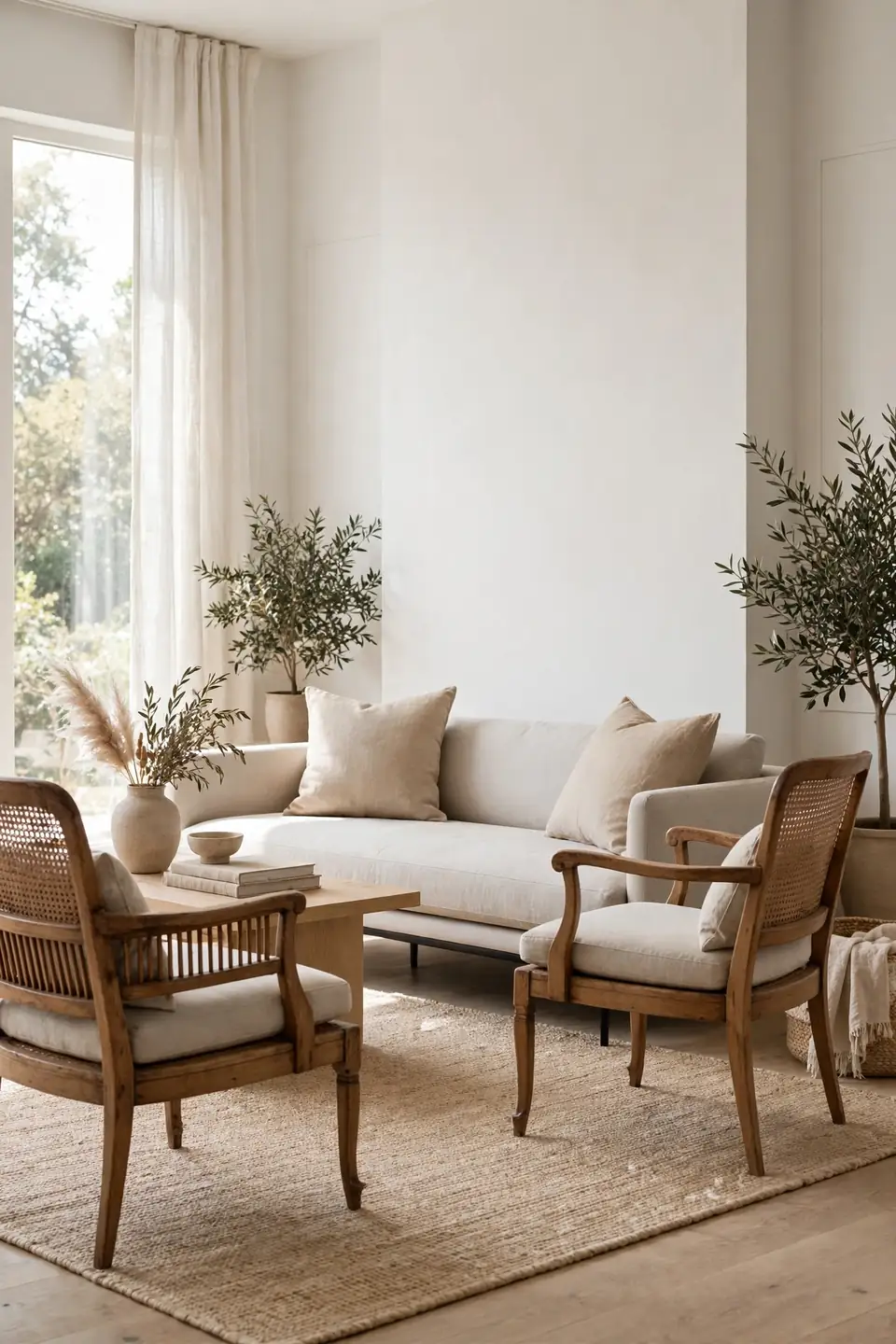
BEFORE: The living room felt divided. A sleek gray sofa faced two ornate wooden chairs, and the styles seemed to argue with each other. Nothing connected them, so the seating area looked like two separate rooms pushed together.
AFTER: A neutral jute rug grounded both styles, and matching linen cushions on the vintage chairs picked up the sofa’s gray tone. A small wooden side table bridged the gap between modern and traditional. Now the whole arrangement reads as one intentional conversation area.
The transformation needed no new major furniture, only connecting elements. Rugs, cushions, and a shared side table did all the work. When two styles clash, look for the missing link rather than replacing pieces. Often the fix costs less than you expect and takes a single afternoon.
Balancing Wood Tones in Mixed-Style Rooms
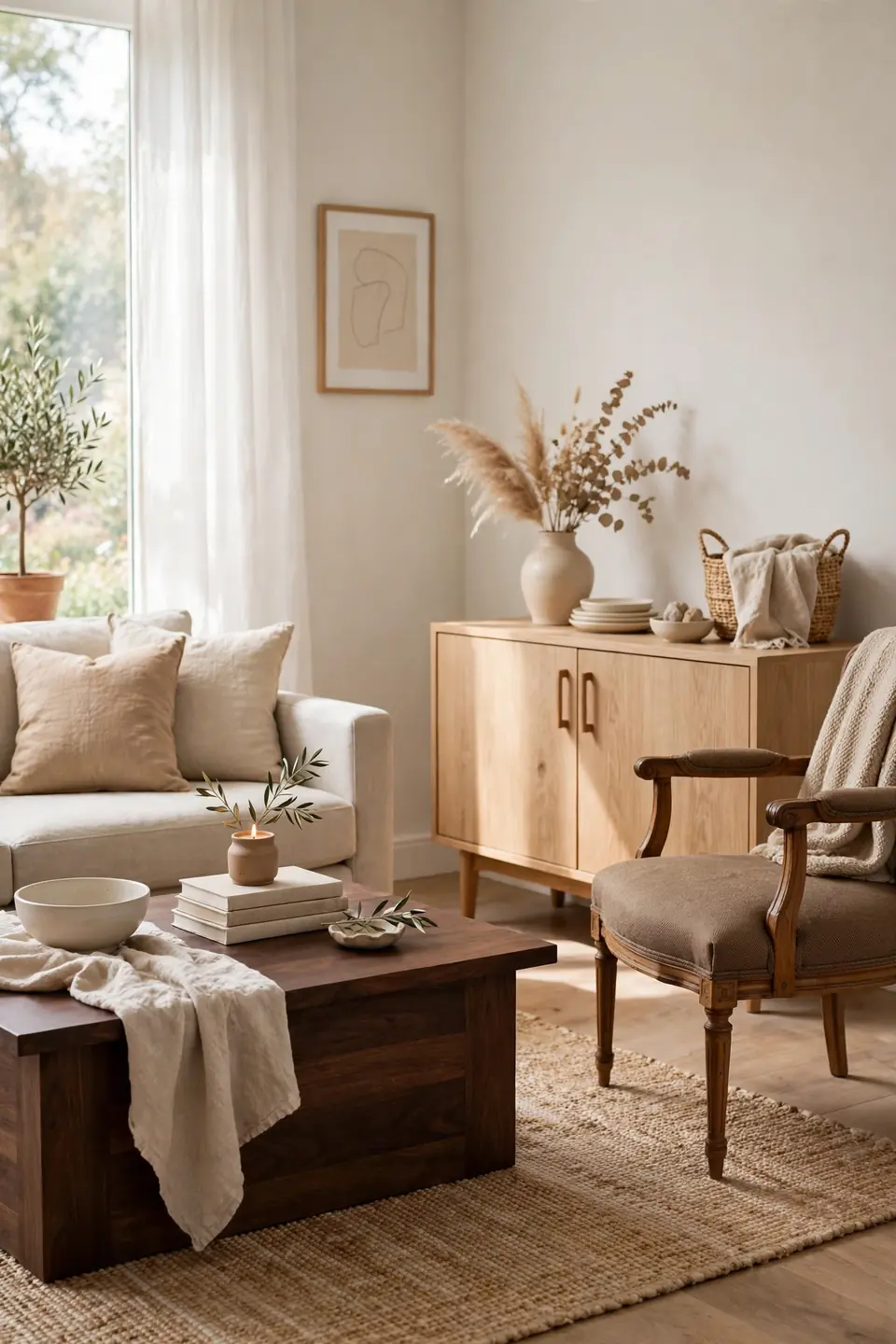
Do This:
- Mix two or three wood tones with clear contrast between them
- Repeat each tone at least twice so it feels intentional
- Let the darkest wood anchor the room’s larger pieces
Avoid This:
- Using five or more different wood finishes in one room
- Placing two nearly identical wood tones side by side
- Matching every wood piece to the floor color
Wood tones behave like neutrals when you give them space to breathe. The mistake is not mixing woods but mixing them timidly, with tones so close they look like a mistake. Bold contrast between light oak and dark walnut reads as a confident choice. Repeat each tone and the mix feels deliberate.
What Designers Know About Mixing Eras
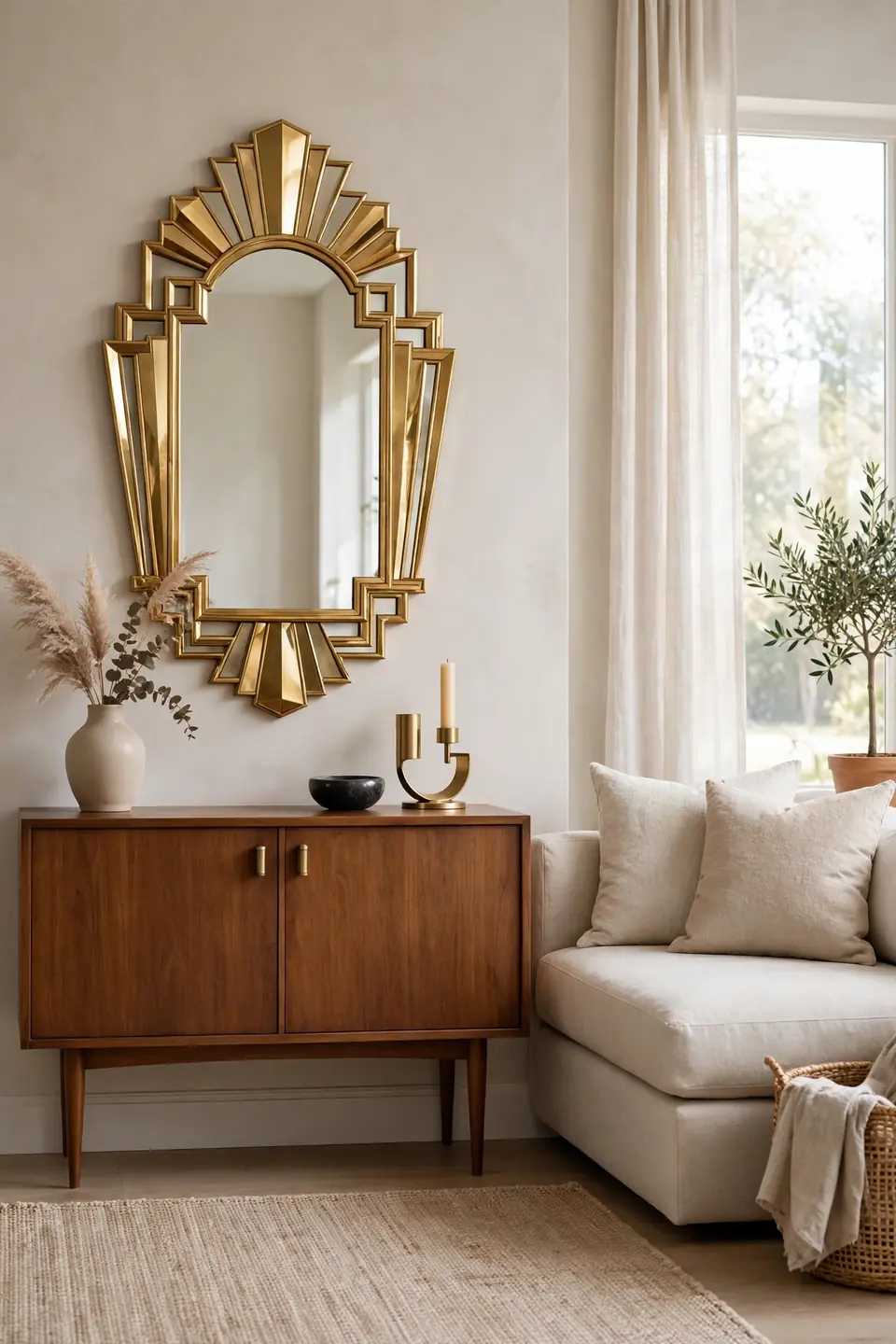
Quick Facts:
The 80/20 rule: Designers often keep 80 percent of a room in one dominant style and let 20 percent surprise.
Scale matters more: Two pieces from different eras work if their proportions relate.
Finish lines: A consistent floor and wall color lets furniture styles vary freely.
Professionals mix styles by controlling the constants. When walls, floors, and lighting stay consistent, furniture gets permission to vary. This is why gallery walls and neutral backdrops make eclectic rooms work. Set your constants first, then play with the variables. The result looks effortless because the structure underneath is disciplined.
Let Negative Space Do the Heavy Lifting
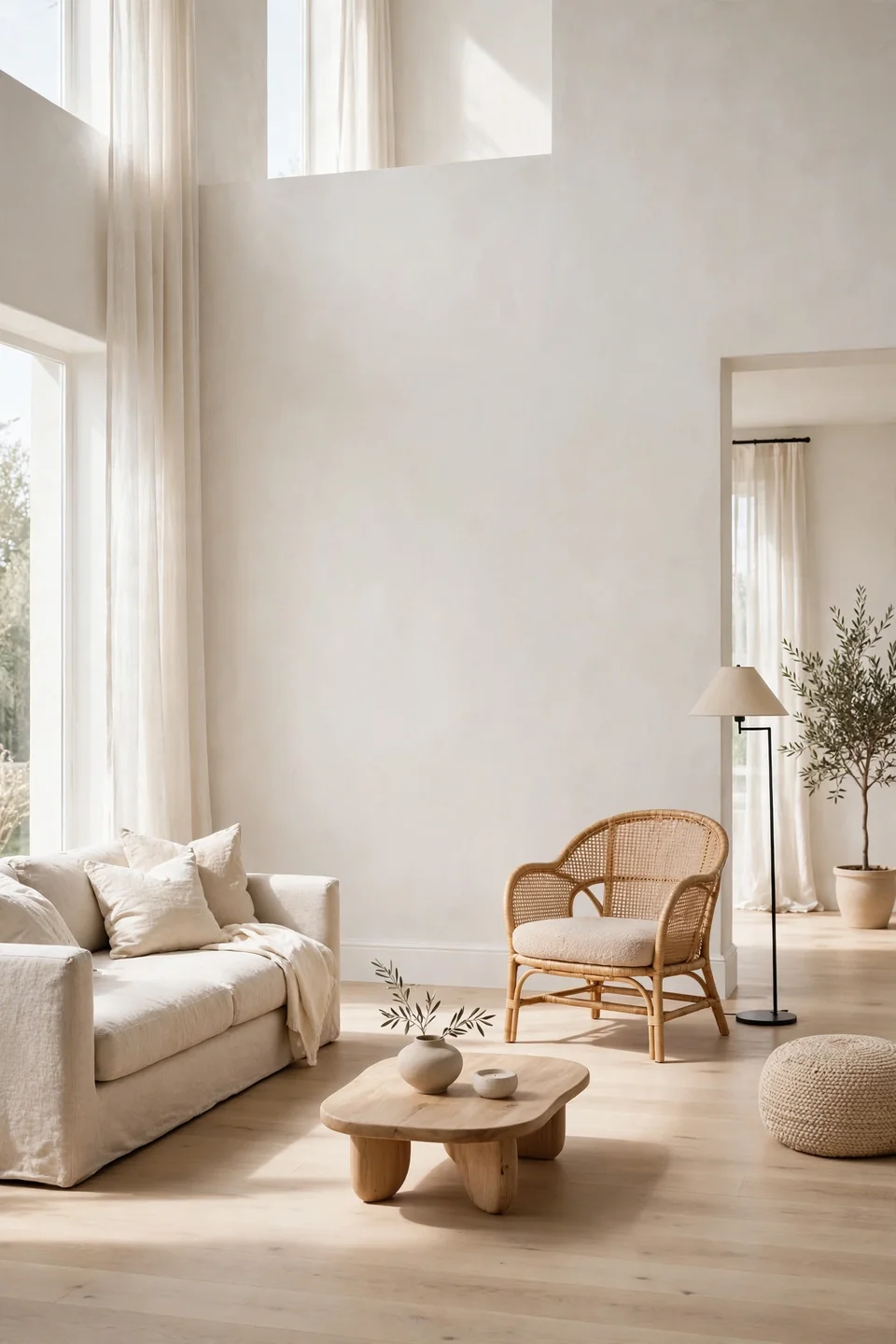
Mixed styles need breathing room more than matched sets do. When every piece is visually different, crowding them together creates noise. Leave clear space around standout items so each one can be appreciated. A vintage chair against a bare wall becomes sculpture, while the same chair crammed beside a bookcase disappears.
Resist the urge to fill every corner. Empty floor space and clear surfaces give mixed furniture room to shine. Step back and look for the most crowded spot, then remove one thing. You will be surprised how much calmer the whole room feels with less in it.
How to Edit a Room That Feels Chaotic
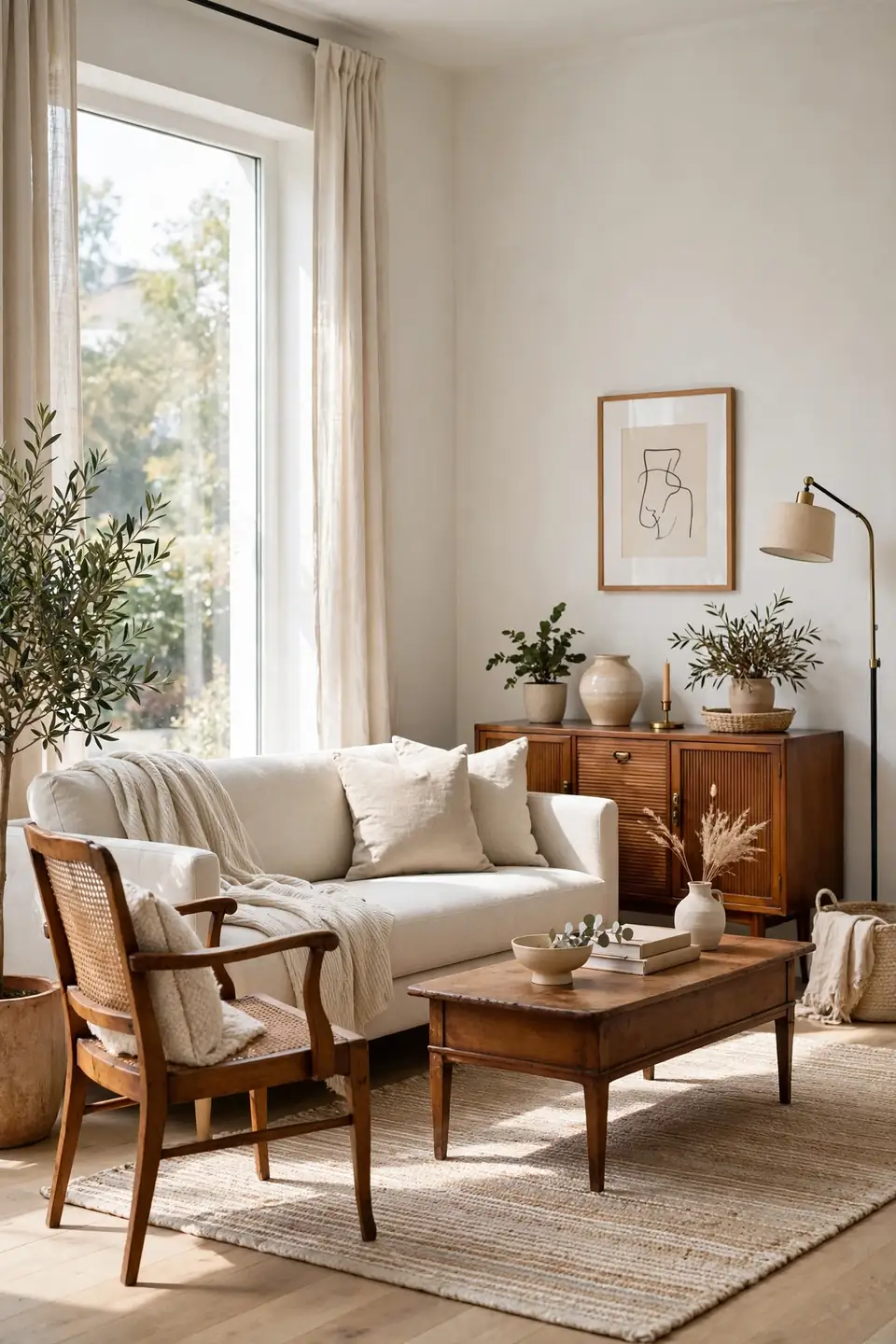
If your mixed-style room feels chaotic instead of collected, editing will fix it faster than shopping. Remove pieces one at a time until the room breathes again. Most overstyled rooms need subtraction, not addition, and the right cut transforms everything.
- Photograph the room, then remove the piece your eye lands on first in the photo.
- Take away one pattern or bold color and see if the room calms down.
- Group small decor into trays or clusters instead of scattering it.
- Live with each change for a day before deciding what stays.
Conclusion
Mastering how to decorate a home with different furniture styles is really about trust. Trust that a shared palette connects eras, that contrast adds character, and that editing matters more than buying. Start with one room and apply a single idea from this guide, like repeating a shape or unifying your textiles. Save this article to Pinterest so you can revisit these steps while you style each space. Give yourself permission to experiment and adjust as you go, because the most interesting rooms are the ones that evolved slowly over time.