How to Brighten a Room With Dark Walls
Dark walls look dramatic and moody, but they swallow light fast and can make a room feel smaller than it is. If you are wondering how to brighten a room with dark walls without repainting, these simple tricks will lift the gloom.
In my experience, dark rooms feel heavy because nothing bounces light back. A few bright layers can change everything. For windowless spaces, see how to decorate a living room with no windows for extra light ideas.
You do not need new paint or a big budget to fix it. These ten beginner-friendly steps use mirrors, lighting, textiles, and plants to lift any dark room and keep its cozy character.
Why Dark Walls Feel Heavy
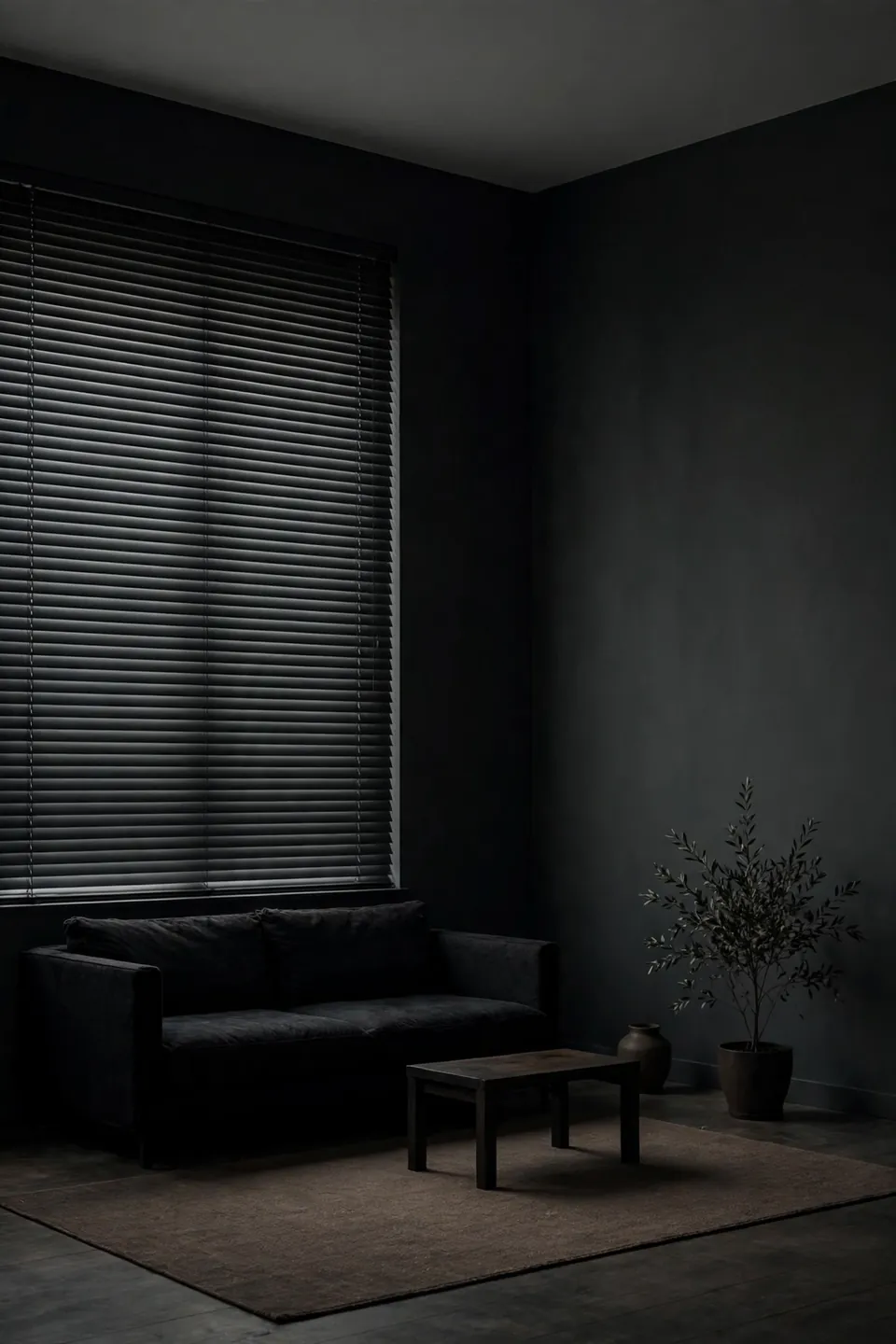
Deep paint absorbs far more light than it reflects, so a sunny room can feel like evening once the walls go dark. Most people blame small windows, but the real problem is that nothing bounces light back. Floors, furniture, and fabrics absorb their share too, creating that weighed-down feeling.
The fix is simpler than you think. Every bright surface you add works like a small lamp, returning light instead of soaking it up. Notice where light dies in your room, because those spots need your brightest fixes first, and the whole space begins to lift.
Maximize Natural Light
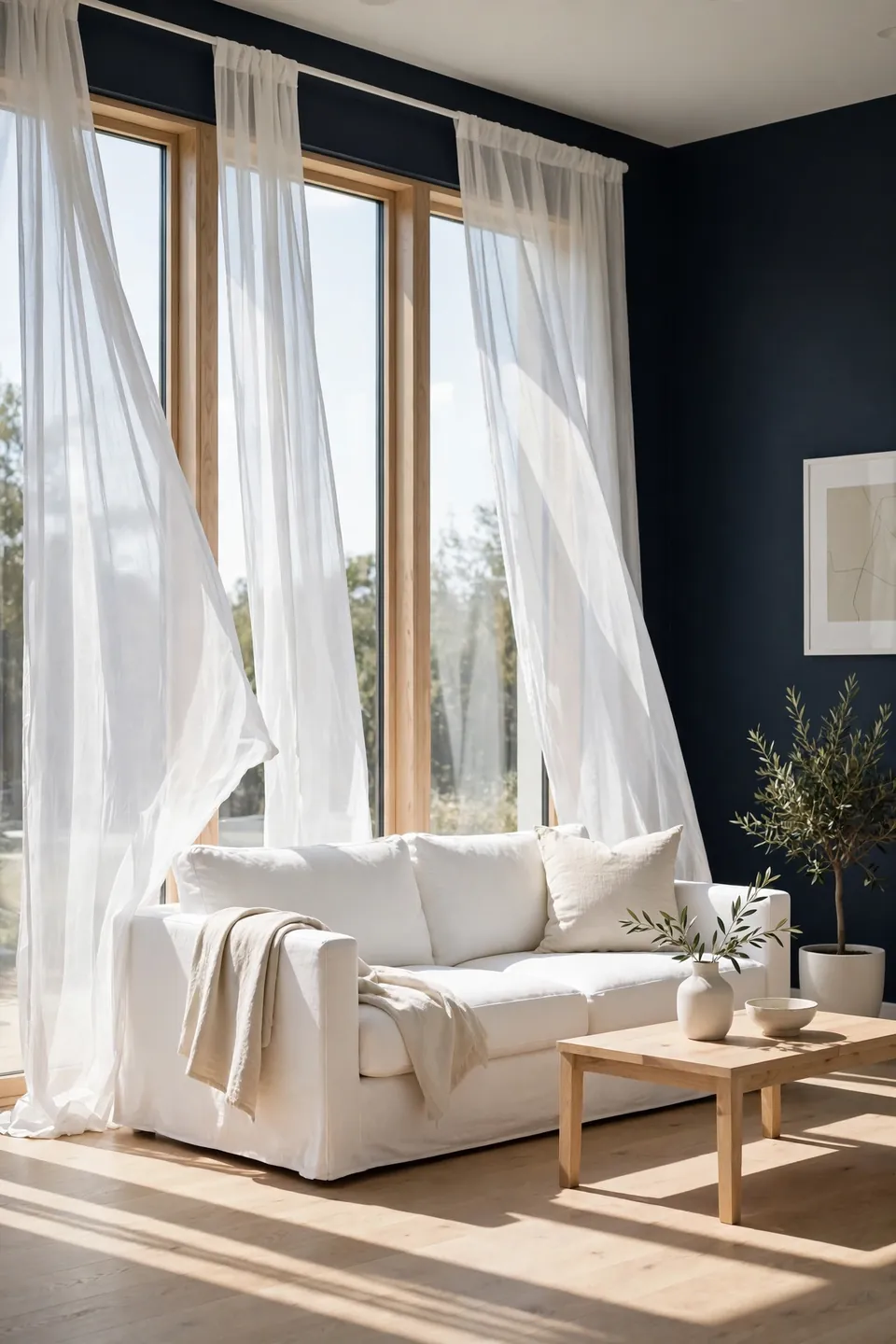
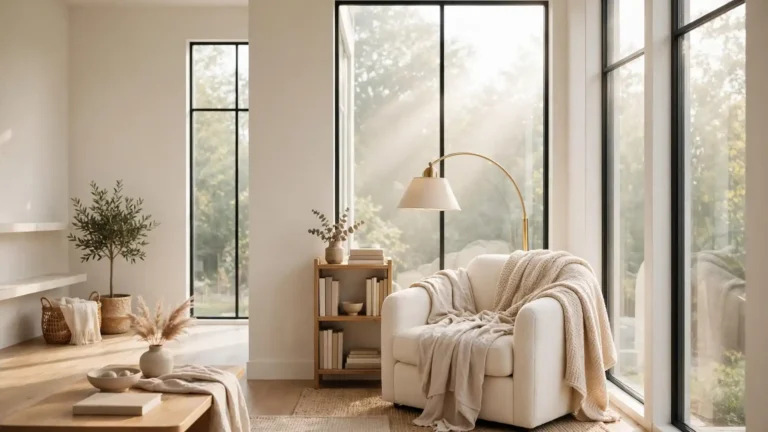
Daylight is your strongest tool against dark walls, and every ray counts double when paint absorbs so much. Before buying anything, squeeze the most from the light already entering your room, because free daylight beats any lamp you can purchase.
- Swap heavy drapes. Replace thick curtains with sheer white panels that glow when light passes through instead of blocking it.
- Wash your windows. Dusty glass blocks a surprising amount of light, so clean both sides thoroughly twice a year.
- Trim outdoor blockers. Cut back bushes or branches that shadow the glass, especially on the sunniest side of the house.
- Clear the sills. Move tall plants and stacked books off window ledges so nothing filters light before it enters.
Layer Artificial Lighting
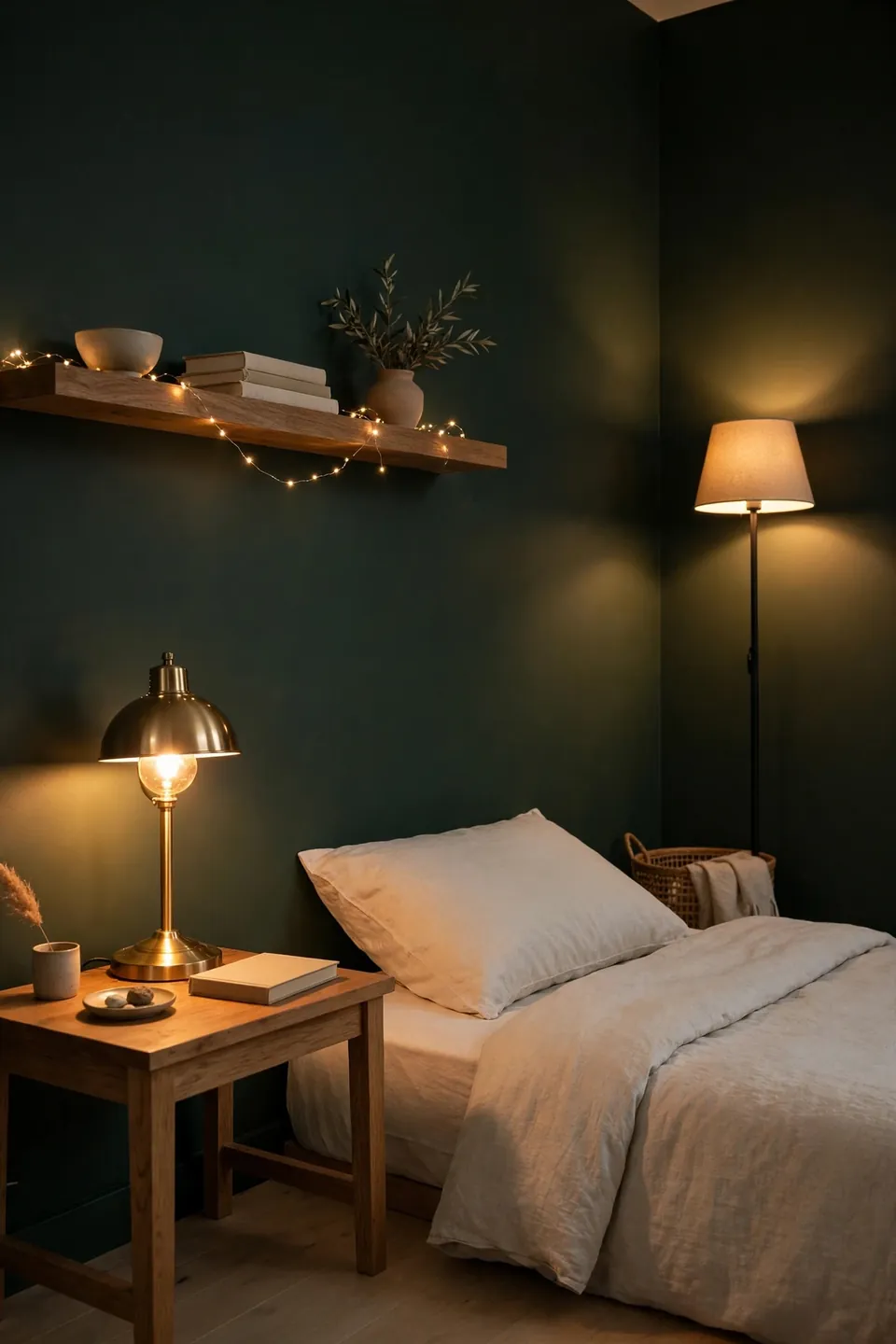
Quick Tip: One overhead light creates harsh shadows on dark paint, so use three sources at different heights. A floor lamp in the corner, a table lamp by the seating, and one small accent light on a shelf will fill the room with warm, even brightness.
Choose warm bulbs around 2700K for an inviting glow, and aim at least one light upward so it grazes the walls. Uplighting softens dark paint instead of spotlighting it, keeping the drama while lifting the gloom. Add dimmers where possible for easy shifts from bright mornings to cozy evenings.
Lighten the Floor
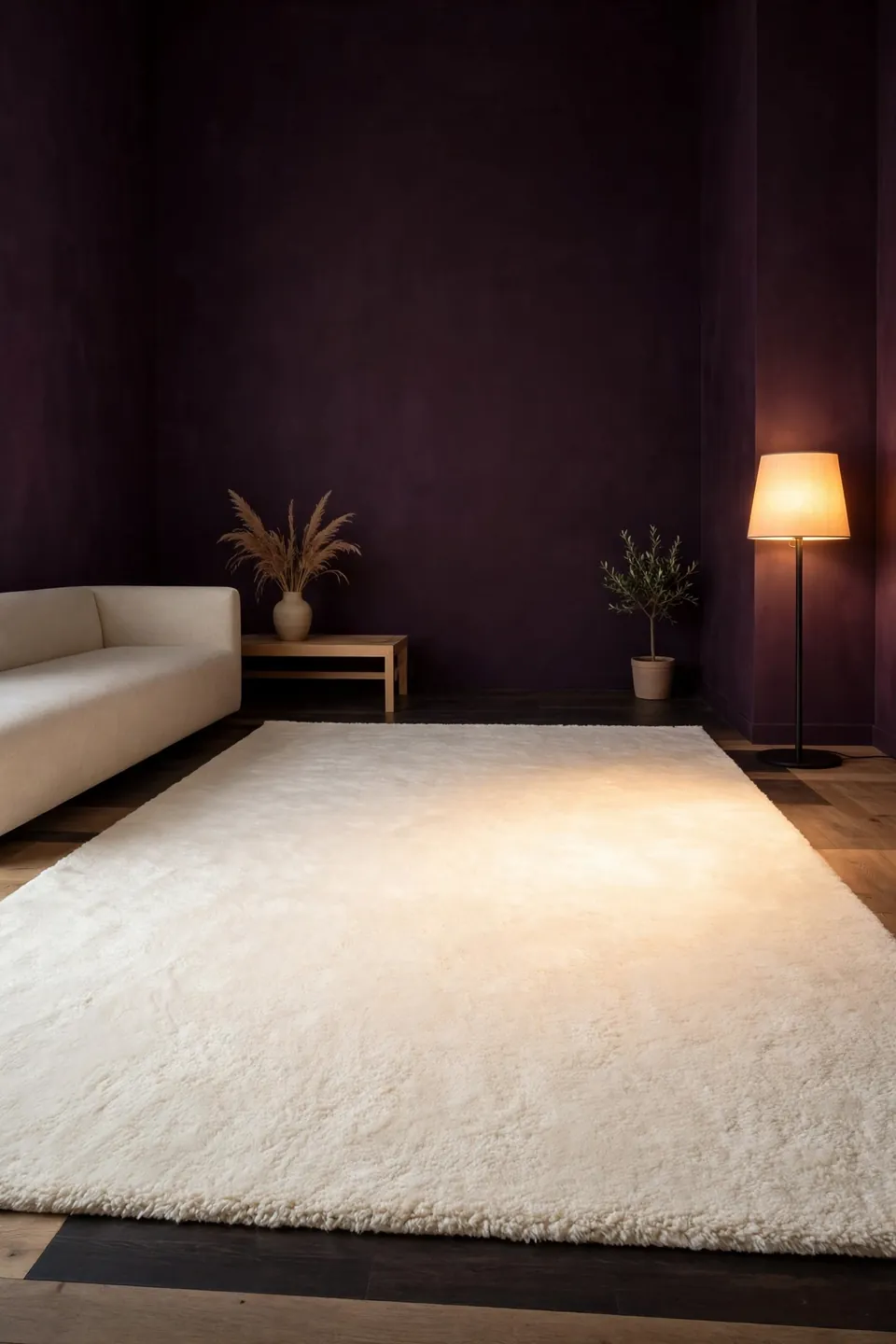
Common Mistake: Most people choose a dark rug to match dark walls, thinking it looks intentional. Instead the floor becomes another surface that swallows light, and the whole room sinks. A rug that blends into dark flooring does nothing for brightness.
The Fix: Pick the lightest rug you can live with, ideally cream or ivory, large enough to anchor the main furniture. The pale surface bounces light upward onto walls and seating, which visually raises the ceiling and opens the floor.
If a full rug swap feels like too much, layer a smaller pale runner or flat-weave rug over your existing one. Even a light mat by the door starts returning light the moment you walk in, and you will feel the lift right away without spending much.
Add Mirrors Strategically
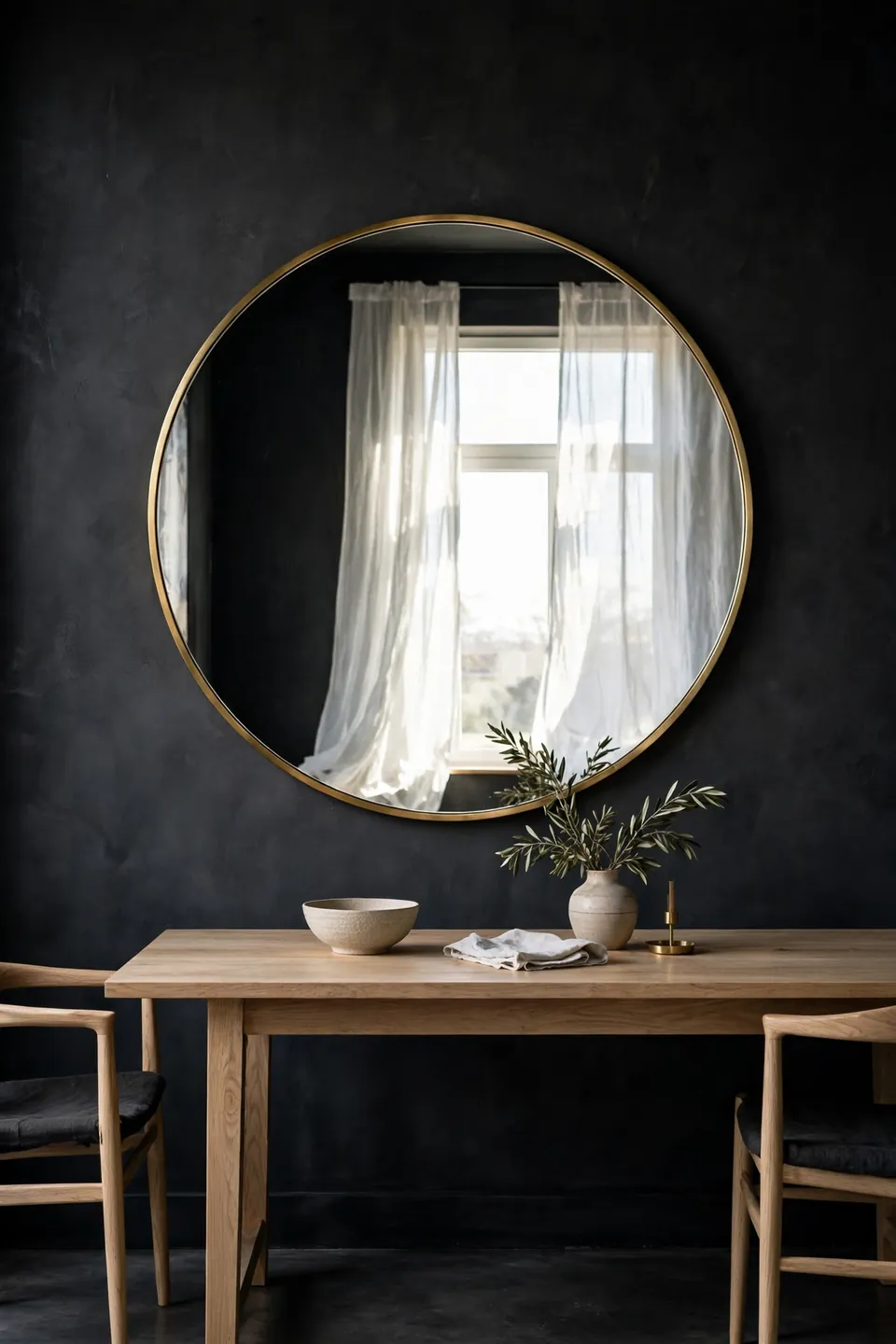
What You Need:
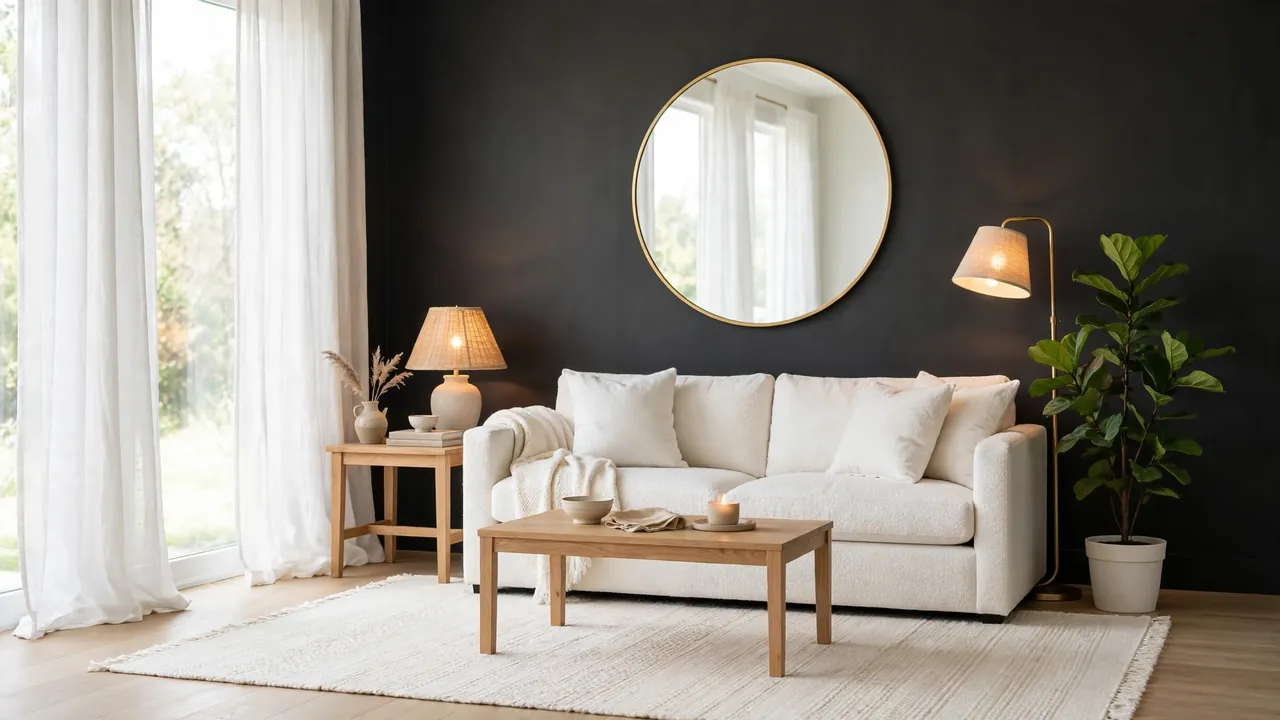
- One large mirror. A single oversized piece reflects far more light than several small ones scattered around.
- A window to face. Hang it opposite or beside a window so it catches and doubles the daylight.
- A leaning option. A floor-length mirror leaned against the wall needs no holes drilled.
- A light frame. Brass or pale wood keeps the mirror itself from adding visual weight.
- Clean glass. Wipe it regularly so reflections stay crisp instead of hazy.
Placement matters more than size, so face your mirror toward the brightest window or lamp in the room. When learning how to brighten a room with dark walls on a budget, mirrors give the biggest return for the least money, so start here if you buy just one thing.
Choose Light Furniture
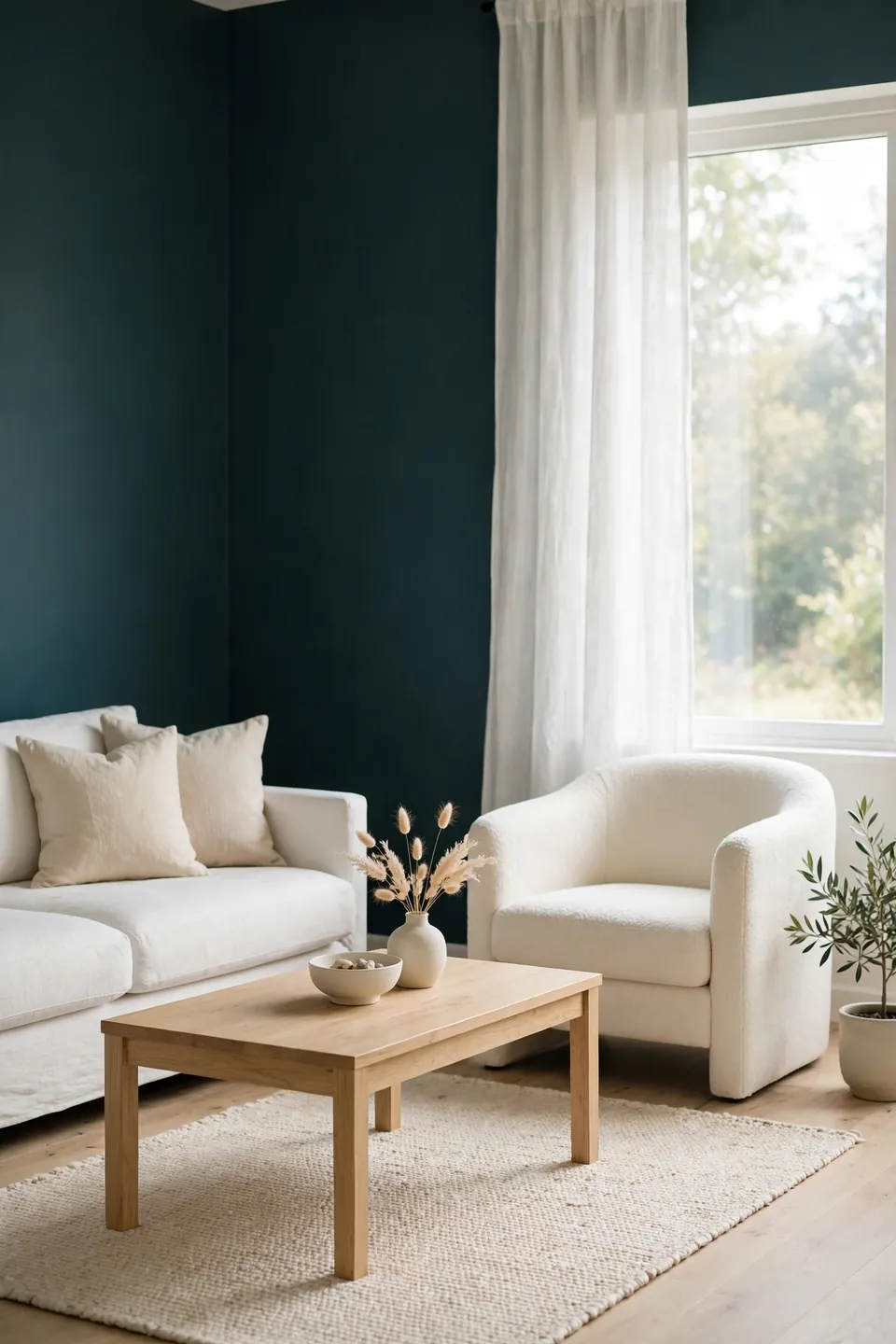
Before: Dark walls plus a dark leather sofa, walnut bookcase, and espresso coffee table read as one continuous shadow. Every large piece absorbs light, so the walls feel like they are closing in.
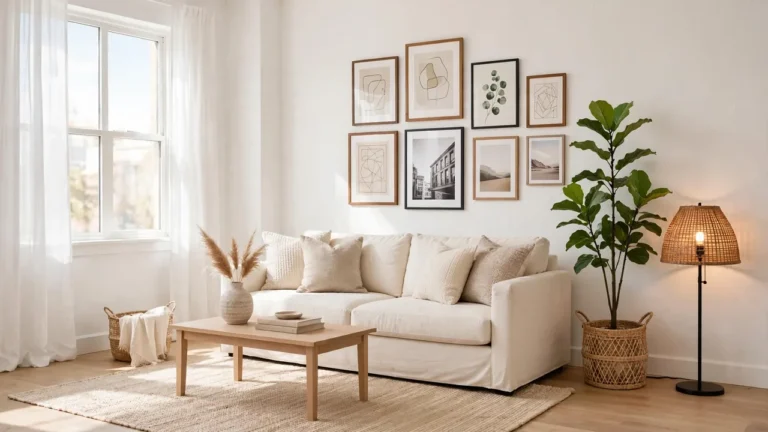
After: Swap in a white sofa, pale wood tables, and light upholstery, and the same walls suddenly look intentional and chic. The furniture becomes a bright island that makes the walls recede.
You do not need to replace everything at once, so start with the biggest piece in the room. Drape a pale throw over a dark couch as a trial run and watch how much lighter that corner feels before you commit to bigger changes today.
Use Bright Textiles
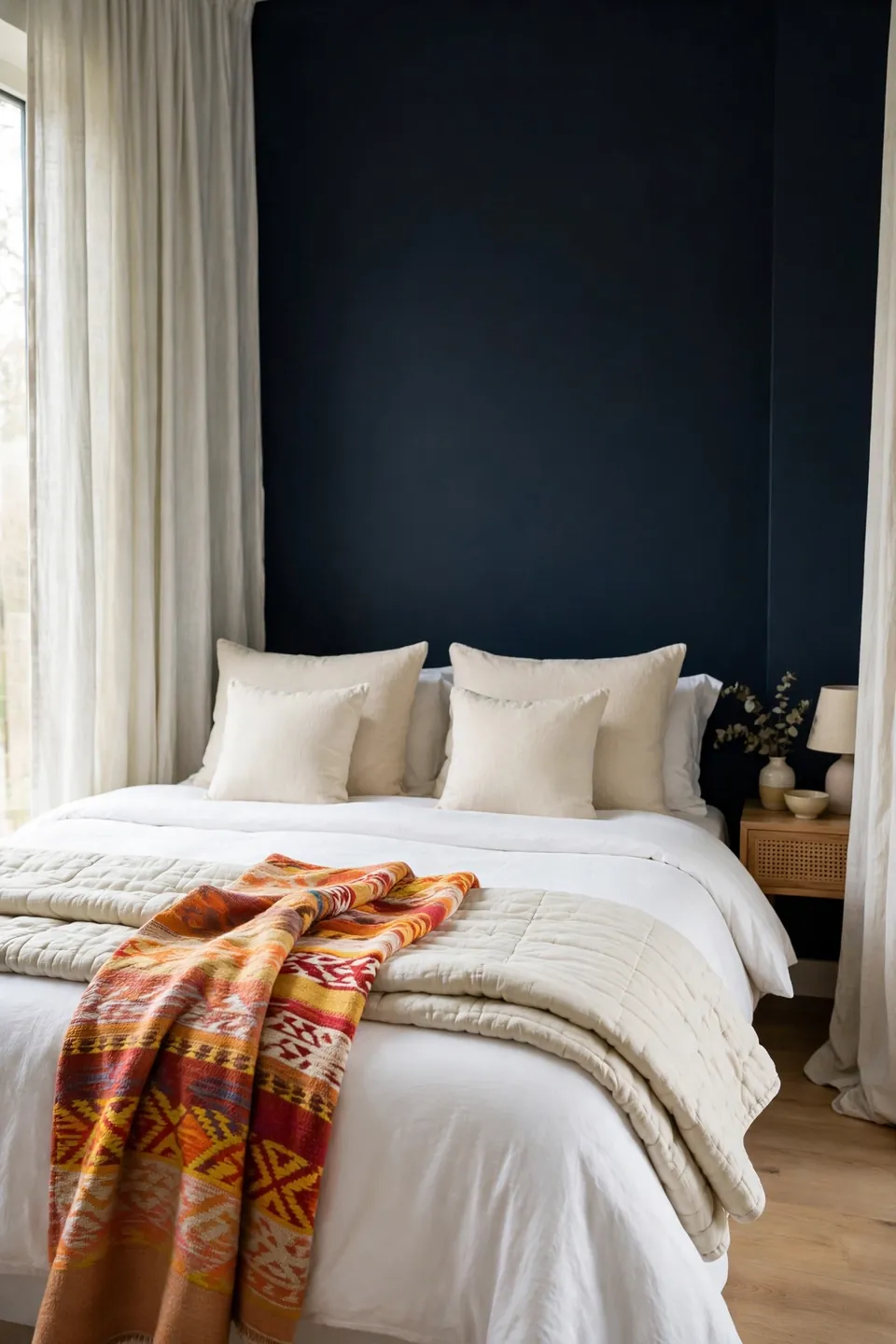
Do This:
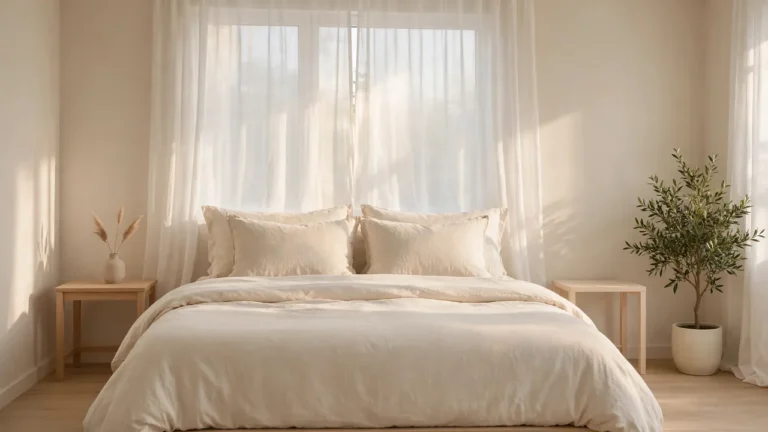
- Pick white or cream bedding as your base layer.
- Add two pale throw pillows for soft contrast.
- Hang light curtains that reach the floor.
- Drape a pale throw over seating for instant lift.
Avoid This:
- Do not match textiles to the wall color.
- Avoid heavy dark velvet on large surfaces.
- Skip dark blackout curtains during the day.
- Do not layer deep patterns on deep shades.
Textiles are the fastest rental-friendly fix since nothing gets nailed down or painted. Swap pillow covers and throws with the seasons, keeping the palest ones out during the darkest months. That soft contrast is what makes dark walls feel luxurious instead of gloomy. Start with the sofa, which covers the most ground.
For ideas on rooms that pull double duty while staying bright, read how to make a guest room multifunctional, which shows how light palettes keep flexible spaces feeling open.
Add Greenery
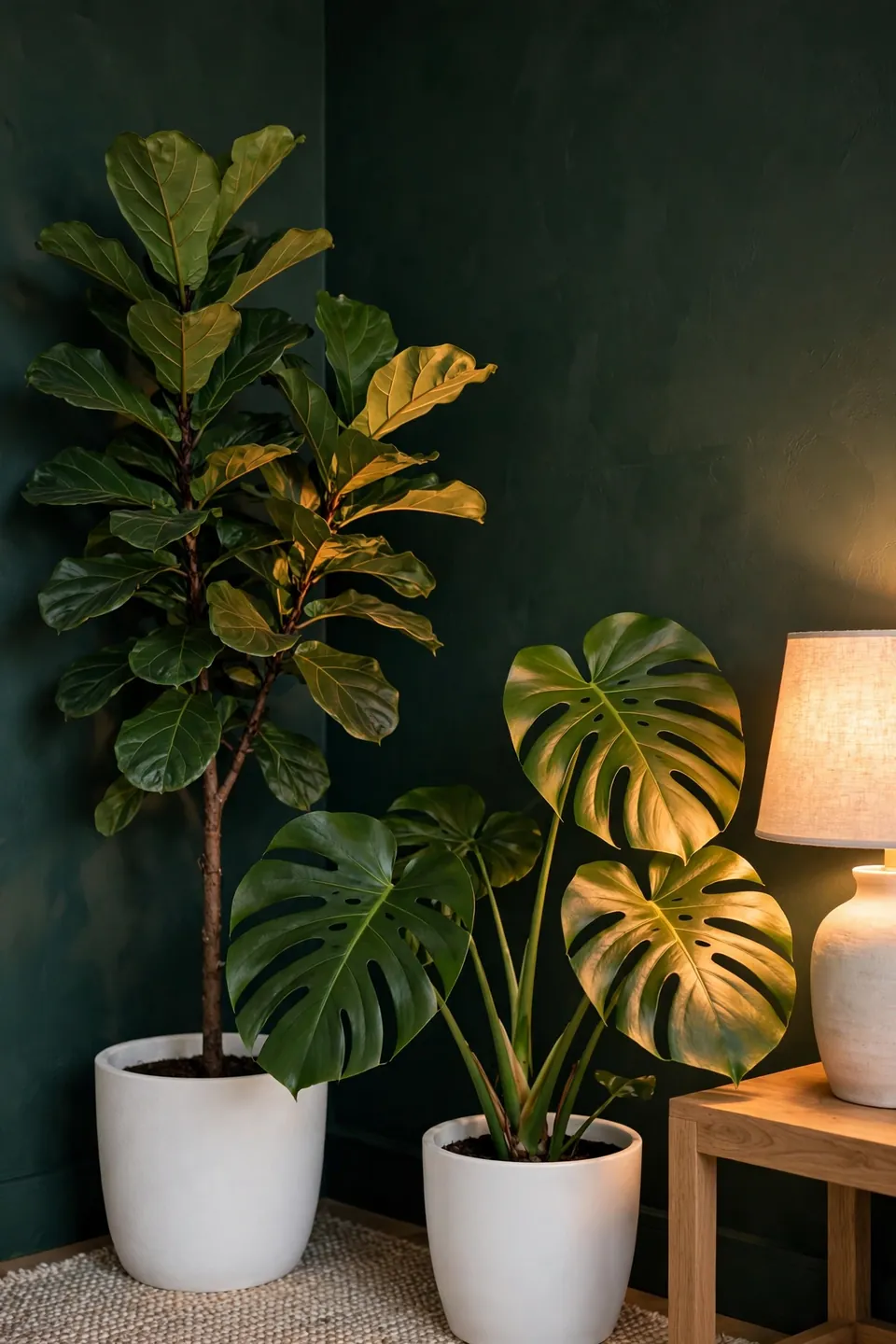
Time Needed: 20 minutes | Difficulty: Easy | Cost: Low | Best For: Dead corners
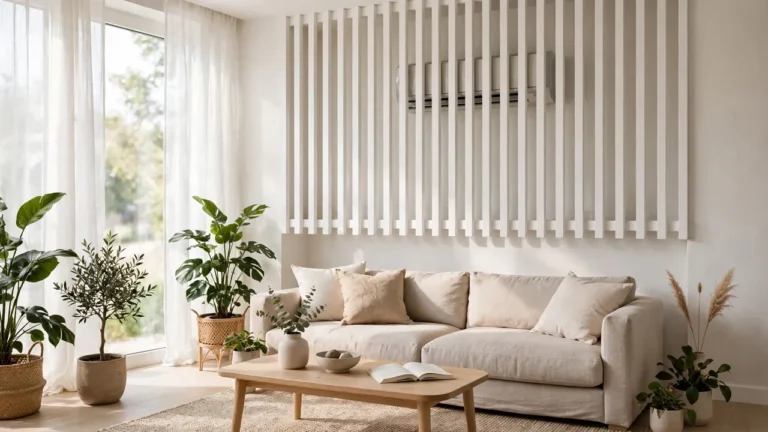
Plants break up flat dark surfaces with living texture, and green pops beautifully against deep paint. Choose one tall plant for an empty corner in a white pot, plus a smaller trailing plant on a shelf. Even a good faux fig delivers the visual lift.
Common Dark Wall Mistakes
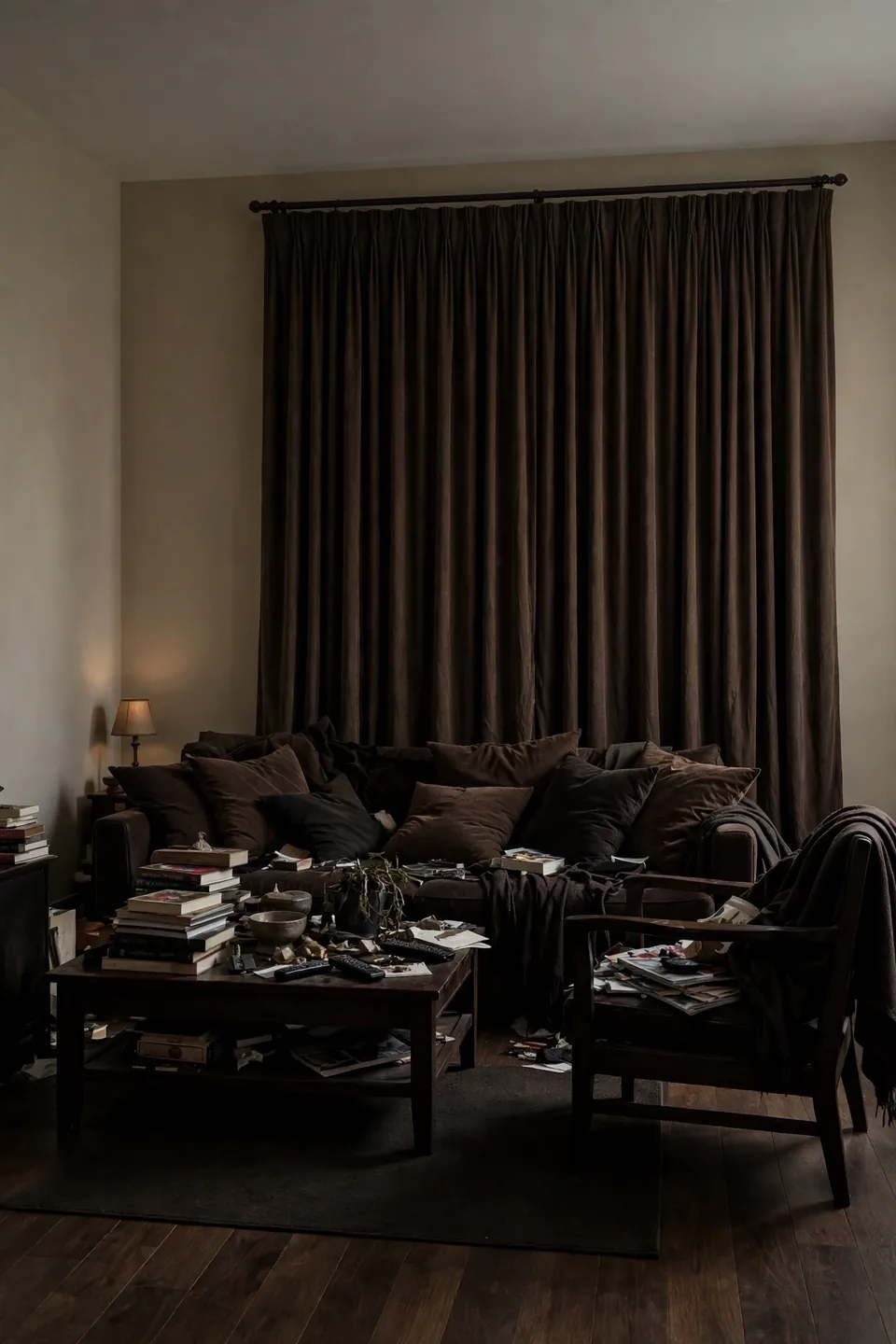
The biggest mistake is fighting the walls instead of working with them. People add more dark pieces trying to match, which doubles the heaviness and wastes money. Others blast the room with cold overhead light, which makes dark paint look flat and chalky instead of rich.
Another common error is stopping after a single fix. One mirror helps, but dark walls need layers working together, light floors plus mirrors plus textiles plus plants. Treat brightness as a system where each bright surface supports the others, and the whole room will feel balanced instead of patched.
Pro Tips for Bright Rooms
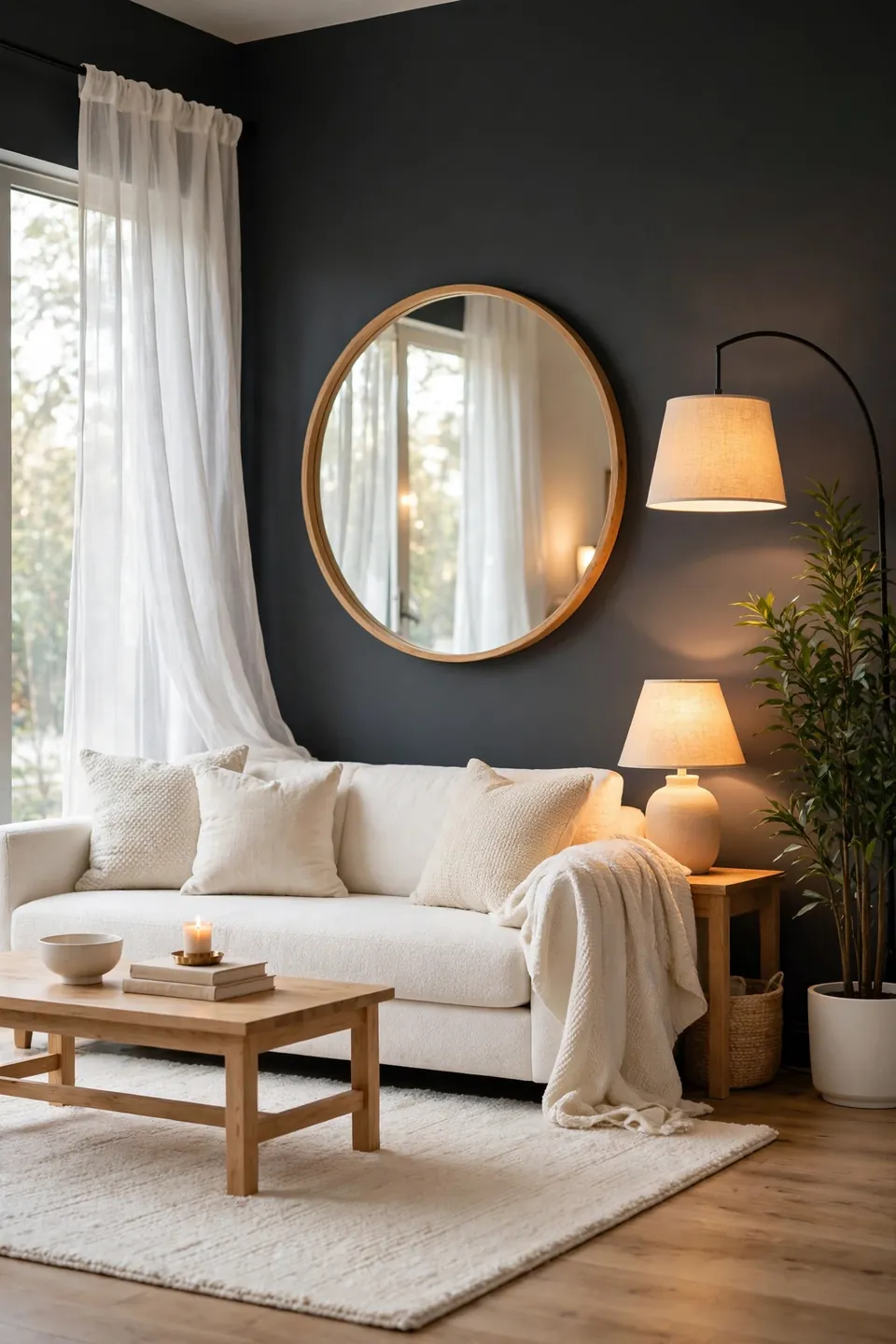
With the basics covered, these finishing touches push a dark room from acceptable to genuinely radiant. Think of them as the final five percent that makes guests ask why your space feels so much bigger than it actually measures every time.
- Paint the ceiling white. A crisp white ceiling reflects light downward and visually lifts the whole room.
- Add metallic accents. Brass or gold in frames, trays, and lamp bases catch and scatter light beautifully.
- Choose glossy finishes. A lacquered tray or satin frame reflects far more than matte versions.
- Keep surfaces clear. Uncluttered tables and shelves let light travel instead of getting trapped.
Conclusion
Dark walls do not have to mean a dark room. With layered light, pale floors and furniture, well-placed mirrors, and living greenery, you can learn how to brighten a room with dark walls while keeping all the drama you loved in the first place. Start with the easiest win, usually a big mirror or a light rug, and build from there.
Save this guide on Pinterest so the checklist is handy when you shop. I have seen how making this one change can completely shift the result, turning a heavy room into the coziest spot in the house.