20 How to Arrange L Shaped Sofa in Living Room for Better Flow
Your sectional can make or break the whole room, which is why learning how to arrange l shaped sofa in living room layouts matters more than most people realize. These generous corner sofas swallow floor space fast when placed badly, leaving cramped walkways and dead corners behind them. I have rearranged these sofas for friends more times than I can count, and one truth keeps showing up: flow beats square footage. These cozy living room ideas build on the same principle.
Placement decides comfort. The same sofa feels squeezed in one corner and luxurious in another, simply because of where it sits and what faces it. Below you will find twenty practical arrangements that open walkways, welcome conversation, and give every seat a clear purpose. Start with the layout that fixes your biggest frustration and build from there. If a new arrival is on the way, these neutral nursery ideas show how to keep any room calm and open.
Float the Chaise Boldly
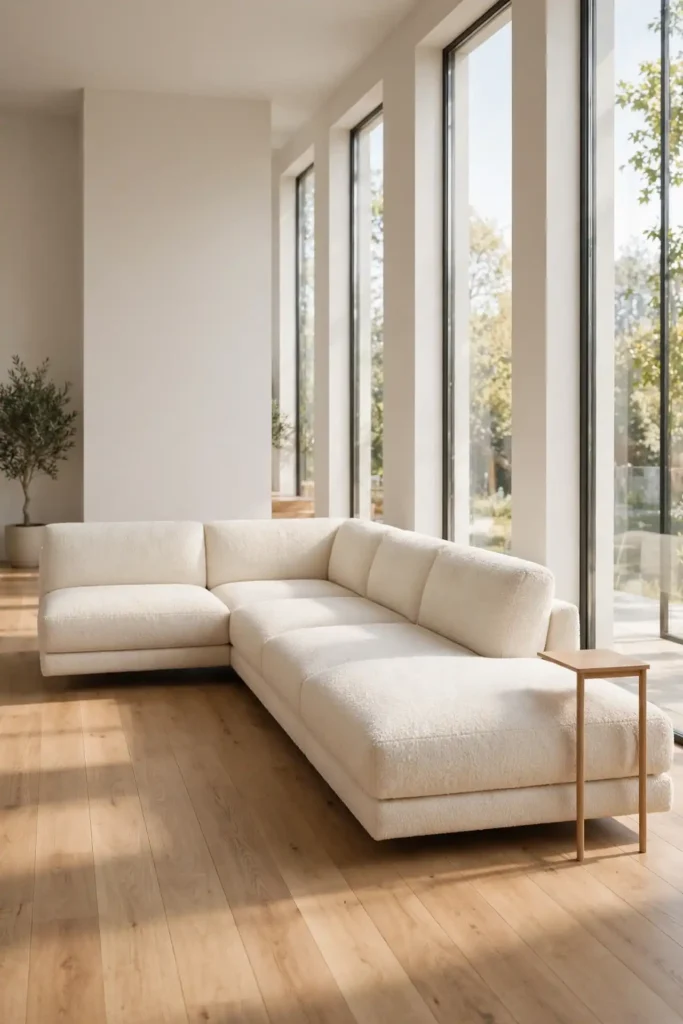
Most people push their sectional straight into a corner, yet floating the chaise end changes the whole feel of the room. Pull the sofa a foot or two from the wall and let the chaise angle toward the best natural light. Traffic flows behind it, conversation faces inward, and the space suddenly breathes.
In my experience, shifting the chaise even eighteen inches off the wall makes a tight room feel generous. Keep side tables slim so the chaise end stays light and open. Leave a clear two foot walkway behind the float for easy movement. The result is a room that looks intentional instead of crammed.
Anchor Against Windows
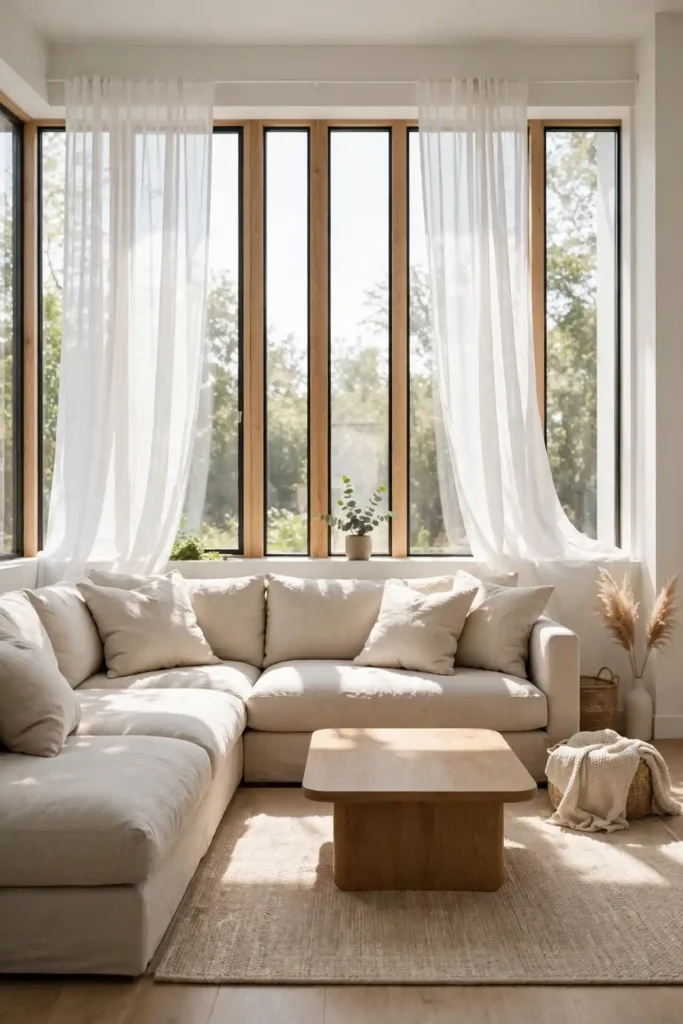
- Slide the sofa’s long back beneath a wide window so daylight washes the cushions.
- Keep the sofa back below the sill line, since tall backs that block glass box the room in.
- Leave a two inch gap between fabric and glass to protect upholstery from cold morning condensation.
- Layer sheer linen curtains behind the sofa so light filters softly across the seating.
- Set one narrow bench before the chaise to ground the arrangement and hold a lamp.
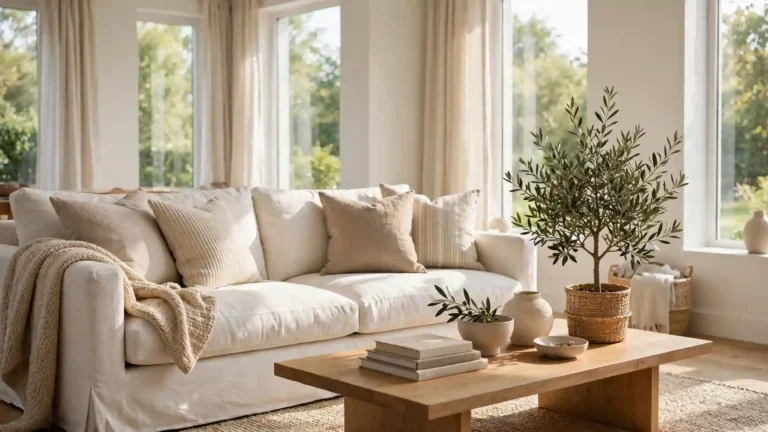
Window placement works because it borrows the view as design. Sit on the chaise and daylight wraps around you, which feels luxurious even in a modest apartment. I have seen this single move lift a dark rental into something guests remember. Keep window dressing simple so the glass stays the star.
Divide With Rugs
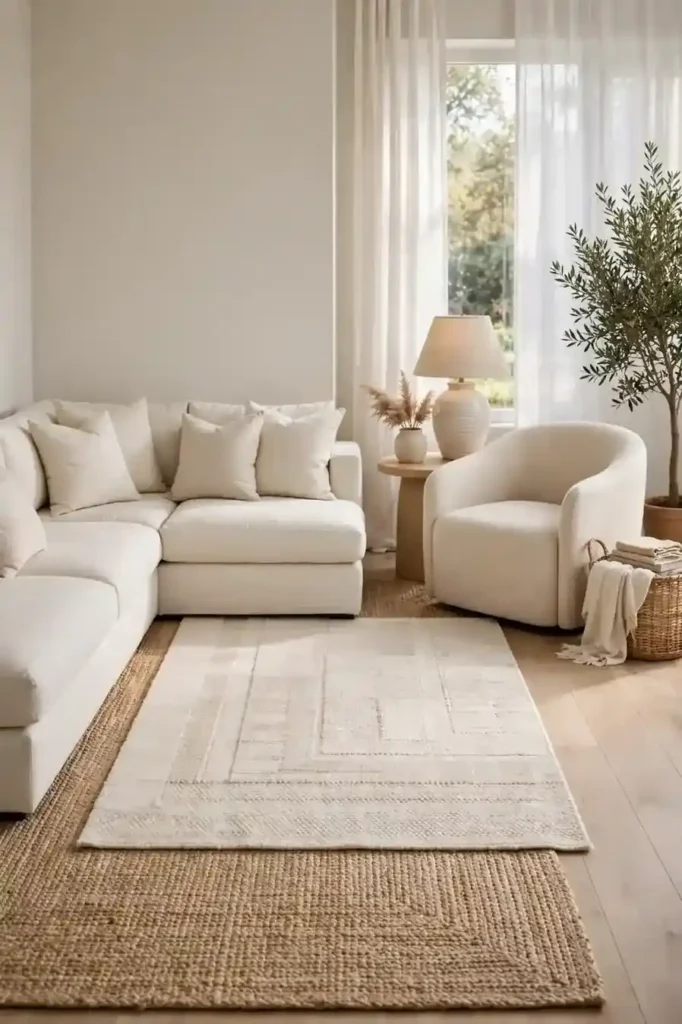
Quick Tip: Choose a rug large enough that the front legs of every seat rest on it. A rug that floats in the middle of the floor chops the room into awkward islands, while one big enough to anchor the sofa pulls the whole seating group together instantly. Measure first, then buy once.
Rugs are the quiet organizers of a sectional layout. One generous rug under the L defines the conversation zone, while a second smaller rug can carve out a reading corner or play area beside it. Keep both rugs in the same neutral family so the division reads calm rather than busy. The boundary they create makes an open plan room feel thoughtfully mapped instead of random.
Corner Conversation Nook
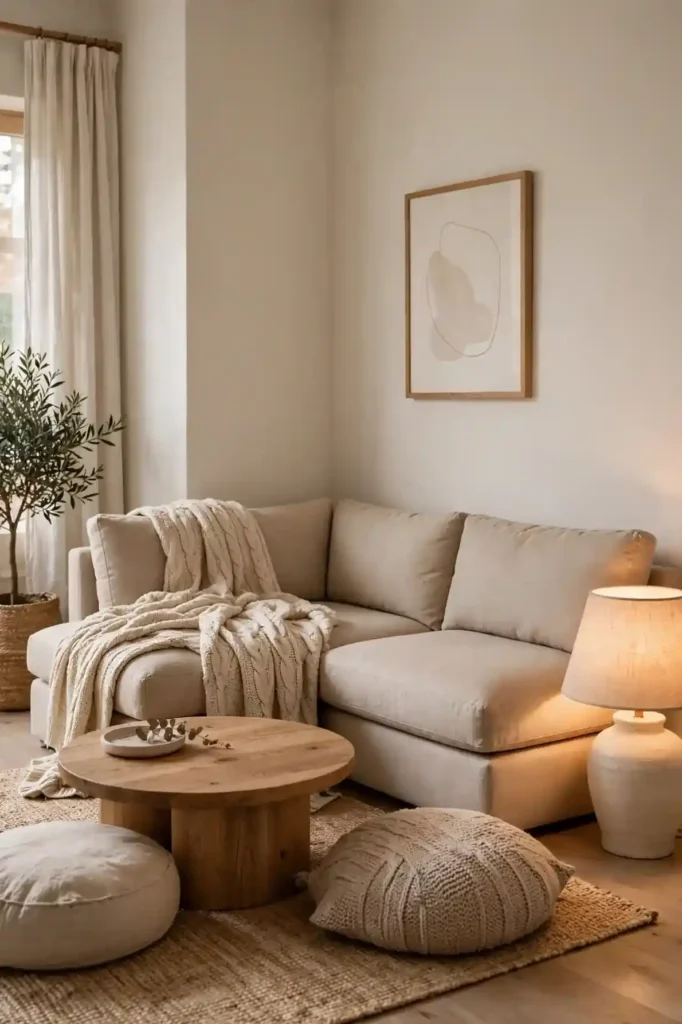
BEFORE: The sectional sat mid room with chairs scattered around it, so nobody knew where to sit. Guests craned their necks across empty floor and conversations died. The big corner piece looked lonely instead of inviting.
AFTER: Tuck the L into a corner, pull the coffee table close, and add two small chairs opposite the chaise. Every seat faces the center, voices carry easily, and the corner feels like a room inside the room. Friends linger because the layout invites staying.
This arrangement shines where togetherness matters most. Keep the coffee table within easy reach so drinks stay part of the circle. I’ve noticed that once seats face each other, even quiet evenings feel warmer. Small rooms gain the most, since corner placement frees the rest of the floor.
Face the Fireplace
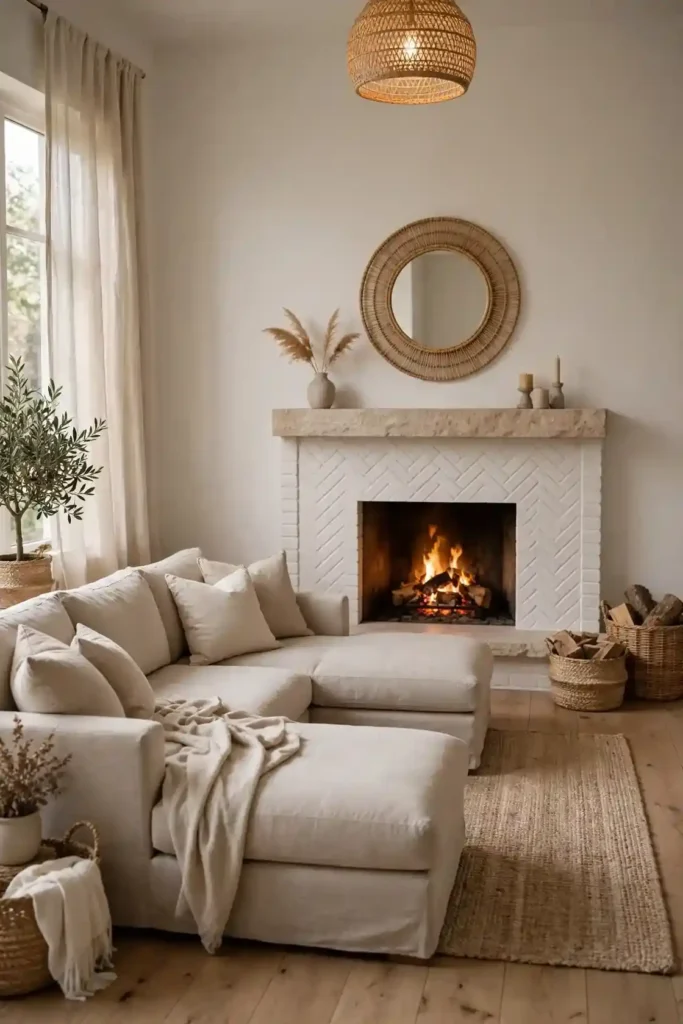
- Center the long side of the sofa on the fireplace, leaving about eight feet between the seats and the hearth.
- Angle the chaise slightly toward the fire so the lounger gets the best seat on cold evenings.
- Place the coffee table midway between sofa and fireplace, close enough for feet but far enough to walk past.
- Add a pair of slim chairs flanking the hearth to complete the arc without blocking heat or sightlines.
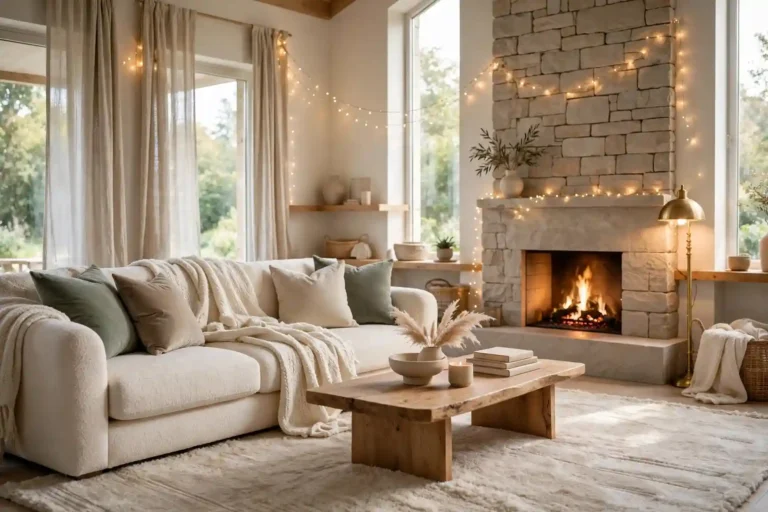
Fireplaces ask for symmetry, and the L shape answers beautifully when you treat the hearth as the room’s anchor. Resist pushing the sectional flush against the mantel wall, since some breathing room lets the firelight play across the whole seating area. The payoff is a living room that practically hosts itself every winter evening.
Pair With Armchairs
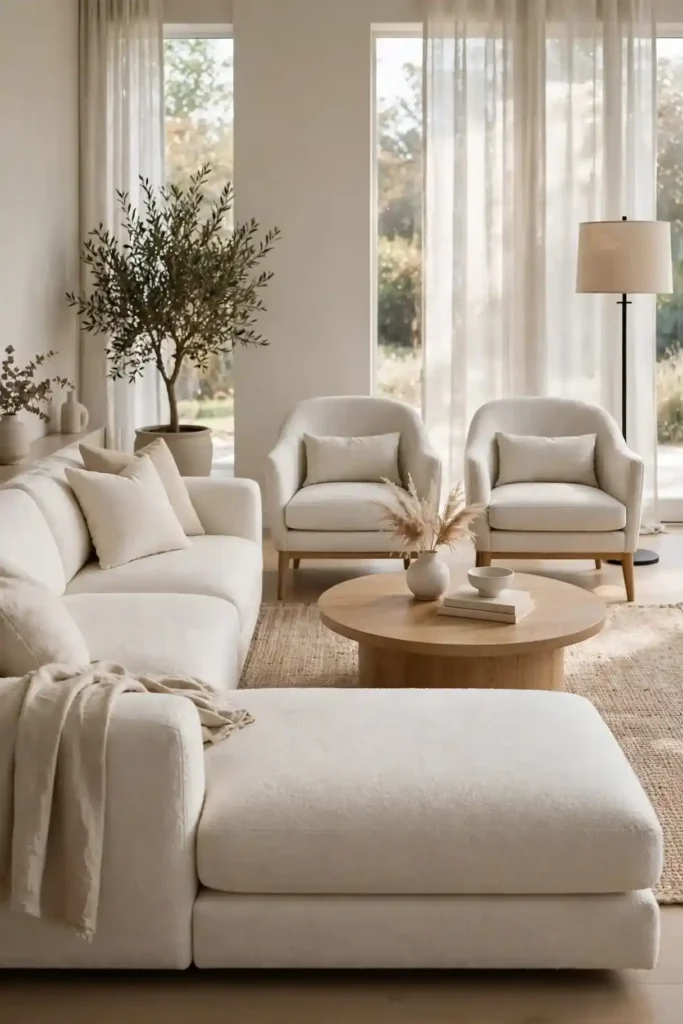
| One armchair | Keeps small rooms airy and leaves floor space open for traffic. |
| Two armchairs | Balances the long L beautifully and seats extra guests with ease. |
| Swivel chairs | Let guests turn toward conversation or the television without moving furniture. |
| Mismatched chairs | Add personality but need a shared color or material to avoid visual chaos. |
Armchairs complete what the sectional starts. Set them opposite the chaise or flanking the long side to close the conversation circle the L leaves open. Keep their scale slightly smaller than the sofa so the sectional stays the clear star. In my experience, two compact chairs beat one oversized recliner every time, because they flex between conversation and television nights without a fight.
Split Into Zones
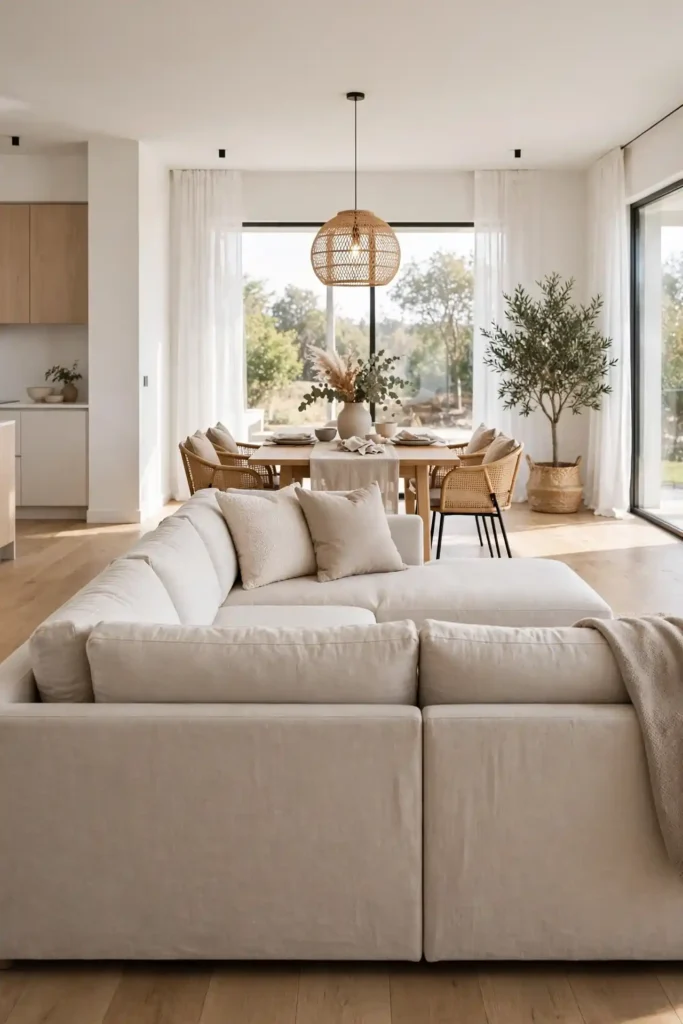
DO: Turn the sofa back toward the dining area to create a soft divider.
DO: Repeat one material, like light oak, on both sides so zones feel connected.
DO: Keep walkways three feet wide around the sofa back for easy traffic.
DON’T: Block natural light with a tall sofa back across the room’s brightest path.
DON’T: Push both zones against opposite walls, which leaves a dead middle nobody uses.
DON’T: Skip clashing rug patterns, since competing prints shrink open plans visually.
Open plan rooms love a sectional as a gentle partition. The sofa back draws a line between lounging and dining without closing off light. I’ve seen this work well in studios where every inch must multitask. Anchor the sofa side with a rug and let the other zone breathe.
Float Facing TV
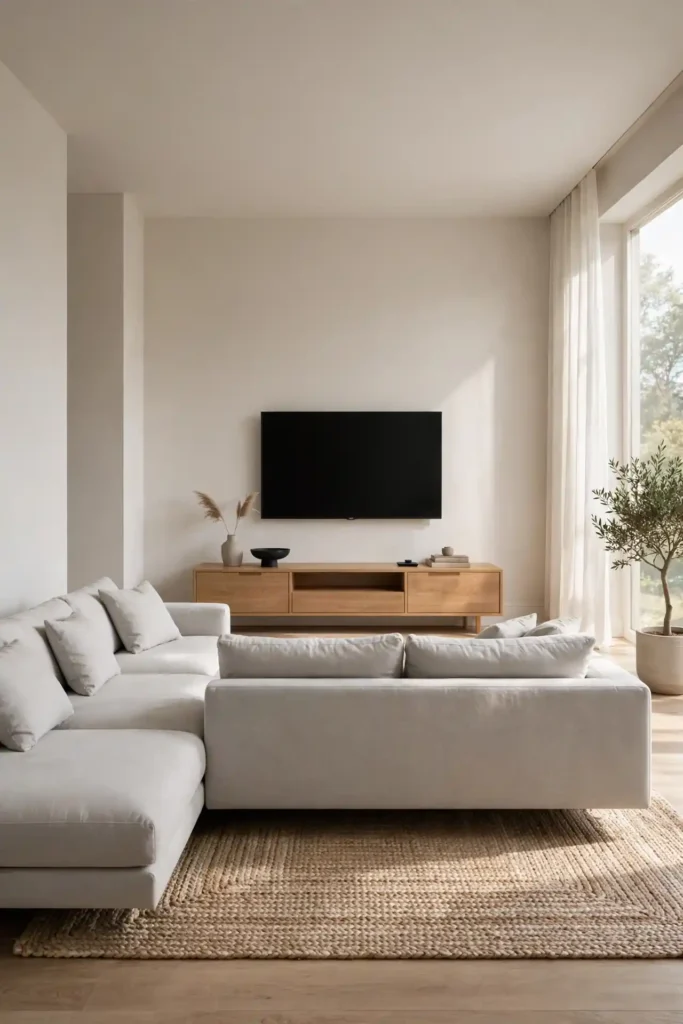
Best For: Movie nights and sports fans who want every seat aimed at the screen. Works In: Rectangular rooms at least twelve feet wide. Skill Level: Beginner. Result: Clear sightlines from the chaise and the long bench alike.
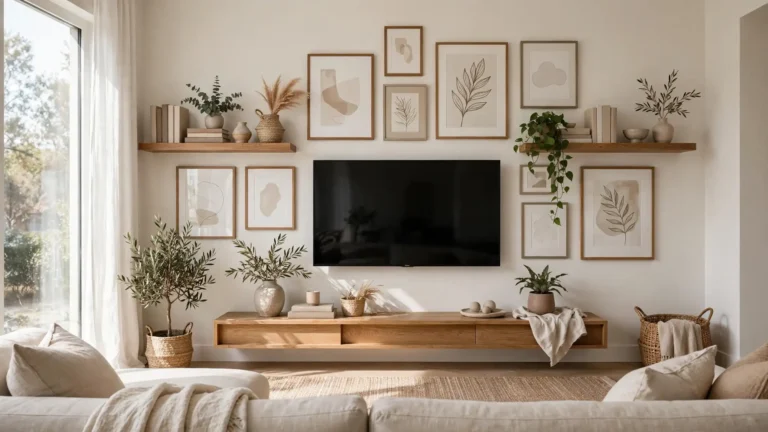
Float the sectional so the long side faces the television squarely, then let the chaise stretch along the side wall. Mount the television at eye level from the main seat and keep the media console low so nothing blocks the view. Leave a generous path behind the sofa for traffic during halftime. This setup turns an ordinary evening into a private cinema, and the floating position keeps the room from feeling like a furniture warehouse.
Back to the Door
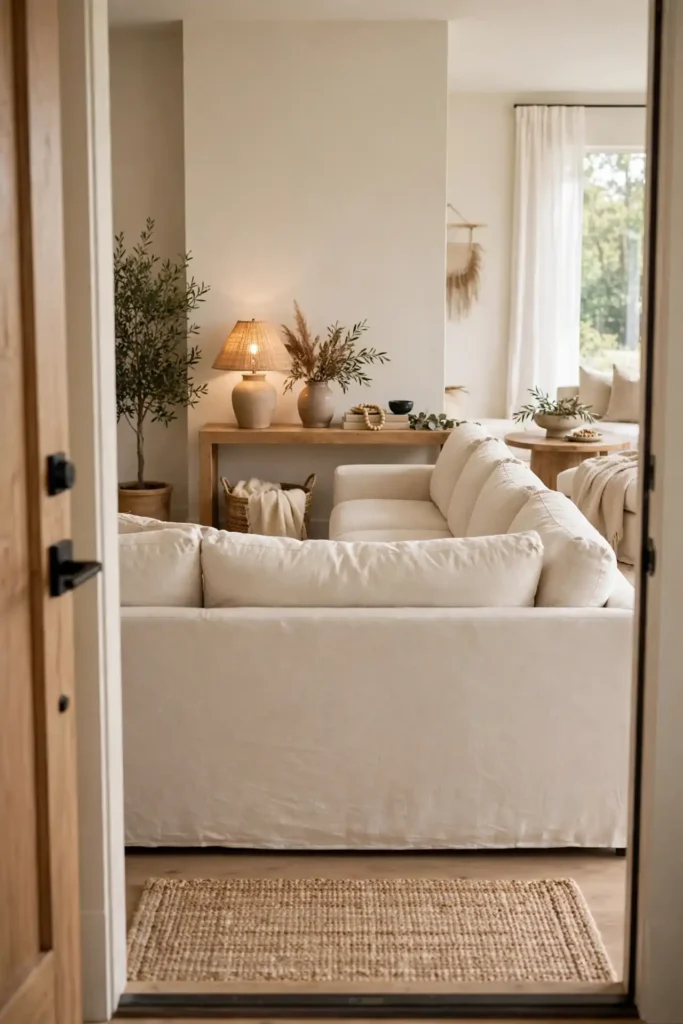
Turning the sofa back to the entry feels wrong until you walk in and see the difference. Guests arrive to a styled console and lamplight instead of the back of someone’s head. The room reveals itself gradually, which makes even modest spaces feel layered and considered.
Dress the sofa back like a display shelf, since it becomes the first thing visitors see. A narrow console with a lamp, a stack of books, and one small plant softens the hard line of upholstery. Keep the entry path wide and the rug underfoot welcoming. I’ve tried this in narrow apartments where the door opens straight into the living room, and it instantly made the space feel like a real home.
Angle for Flow
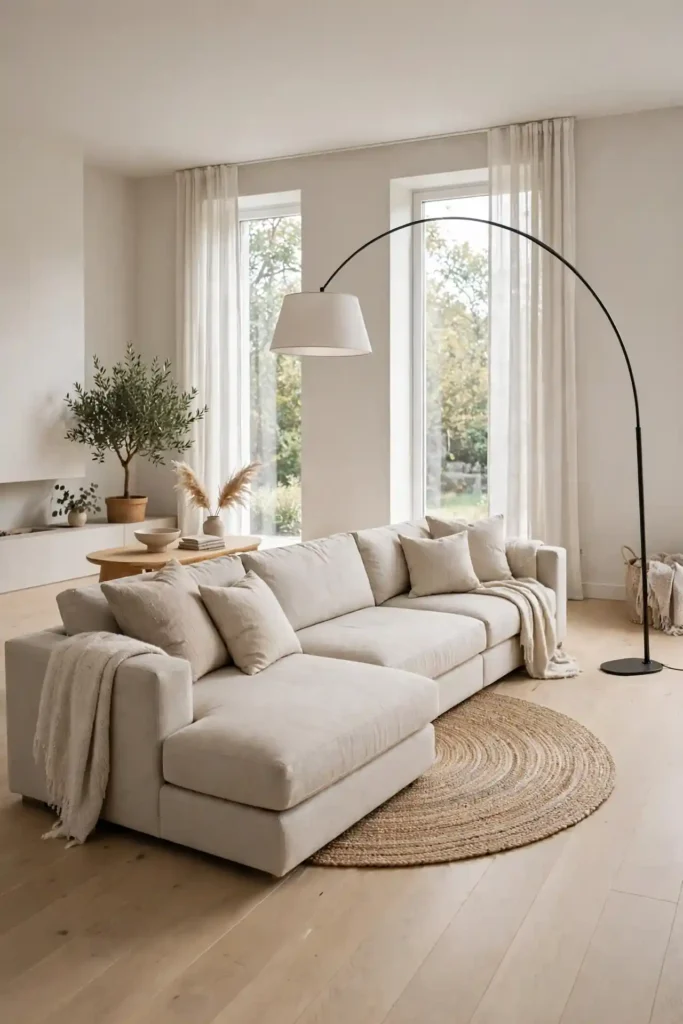
- Rotate the whole sectional five to ten degrees off the wall to break the boxy lines of a square room.
- Tuck a floor cushion or small plant into the gap behind the angle so the dead corner looks styled.
- Let the rug follow the sofa angle rather than the walls, which tricks the eye into seeing a larger room.
- Keep walkways on the wide side of the angle generous, since traffic curves around the diagonal.
Angling works like a visual shortcut for plain rooms. The diagonal draws the eye across the longest view, so square spaces feel stretched and lively. Small rooms benefit most, because the angle creates usable floor pockets that straight walls hide. Commit with rug and lighting, and the layout reads as confident rather than accidental.
Console Behind Sofa
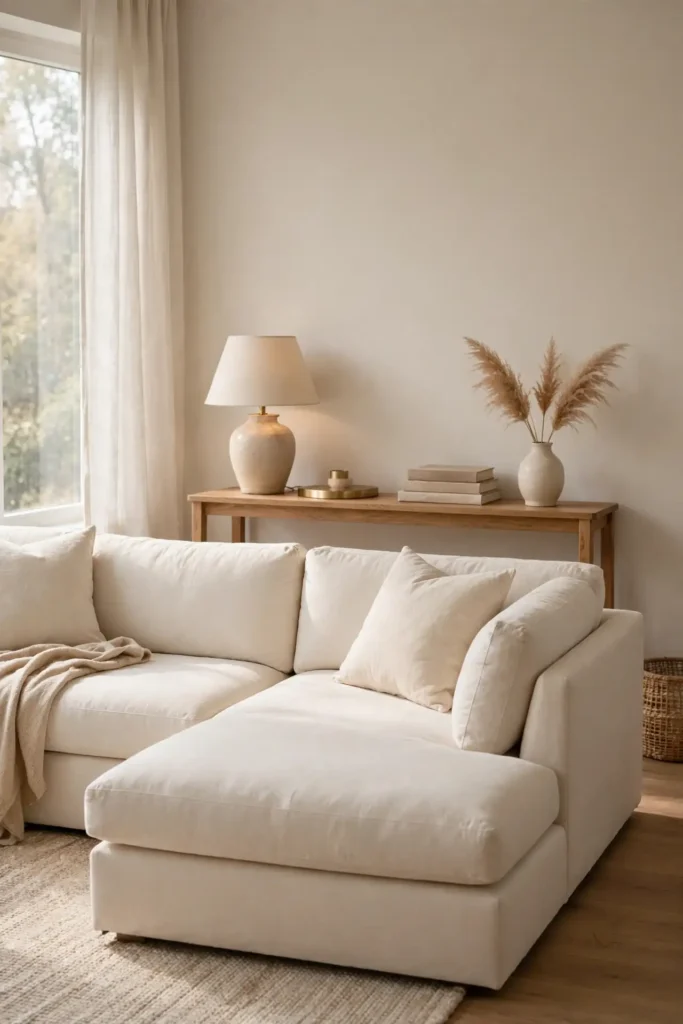
Quick Tip: Match the console height to within two inches of the sofa back. A console that towers over the cushions looks top heavy, while one that sits too low disappears behind the upholstery. At the right height, the table reads as a natural extension of the sofa and gives lamps and decor a proper stage.
A console behind a floating sectional solves two problems at once. It hides the unfinished sofa back from the rest of the room and adds precious surface space for lighting and storage. Style it lightly with a lamp, a small tray for remotes, and one living plant. Keep the profile slim so the walkway behind stays comfortable, and the back of your sofa will look as good as the front.
Layer Coffee Table
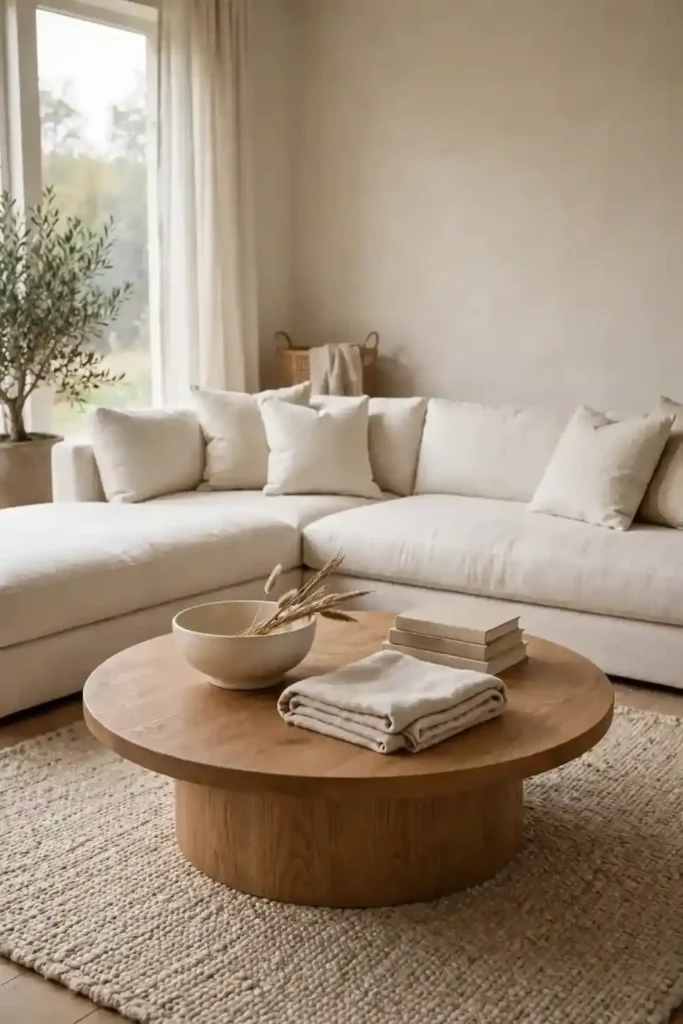
BEFORE: The coffee table floated too far from the sectional, so drinks stayed out of reach and the middle felt disconnected. The big L dominated while the table looked like an afterthought.
AFTER: Slide the table eighteen inches from the seat edge, right where hands naturally reach. The whole arrangement clicks into one usable group, with the table grounding the chaise and the long bench equally. The room feels pulled together instead of scattered.
Coffee table distance makes or breaks a sectional layout. Too far and the table becomes decoration, too close and knees collide every time someone sits down. Round tables forgive tight corners beautifully, since nobody catches a sharp edge walking past. Style the surface lightly so it stays useful, because clutter shrinks the whole seating area visually.
Light Each Section
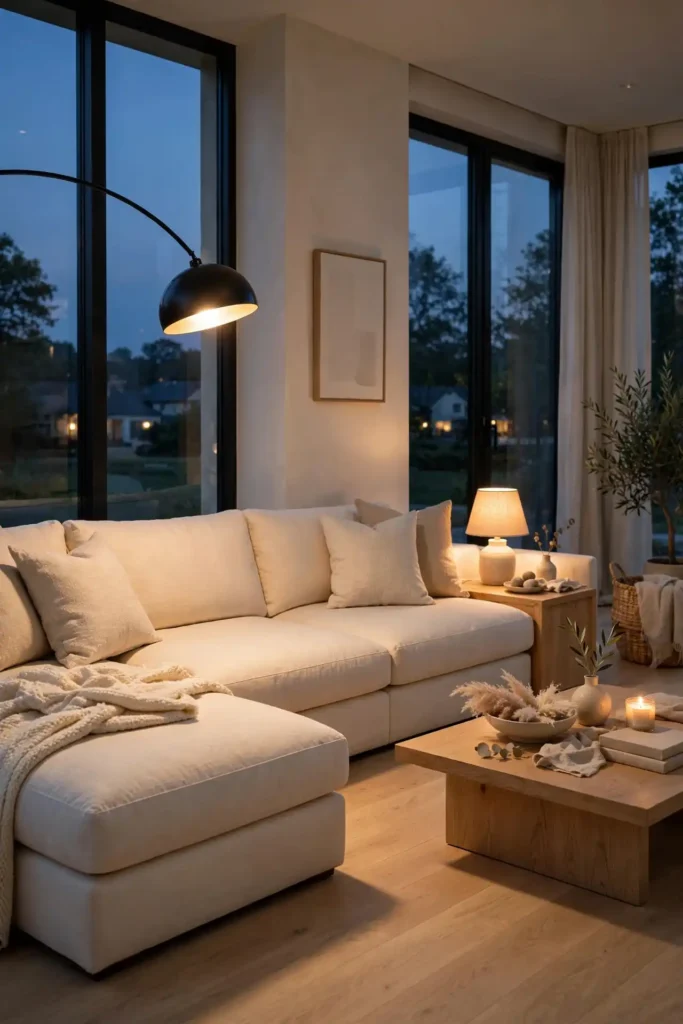
- Place a tall arc or floor lamp over the chaise end to create a dedicated reading spot.
- Set a small table lamp on the side table by the long bench for warm glow at seating height.
- Add one low accent light behind the console to wash the wall softly in the evening.
- Put the main lights on dimmers so the room shifts from bright daytime lounging to calm nights.
One ceiling light flattens a sectional into a blob, while layered lighting gives each section its own mood. The chaise becomes a reading corner, the long bench stays social, and the sofa feels bigger because light defines its parts. I’ve noticed guests gather where the light is warmest, so light the seats you want filled first.
Balance With Plants
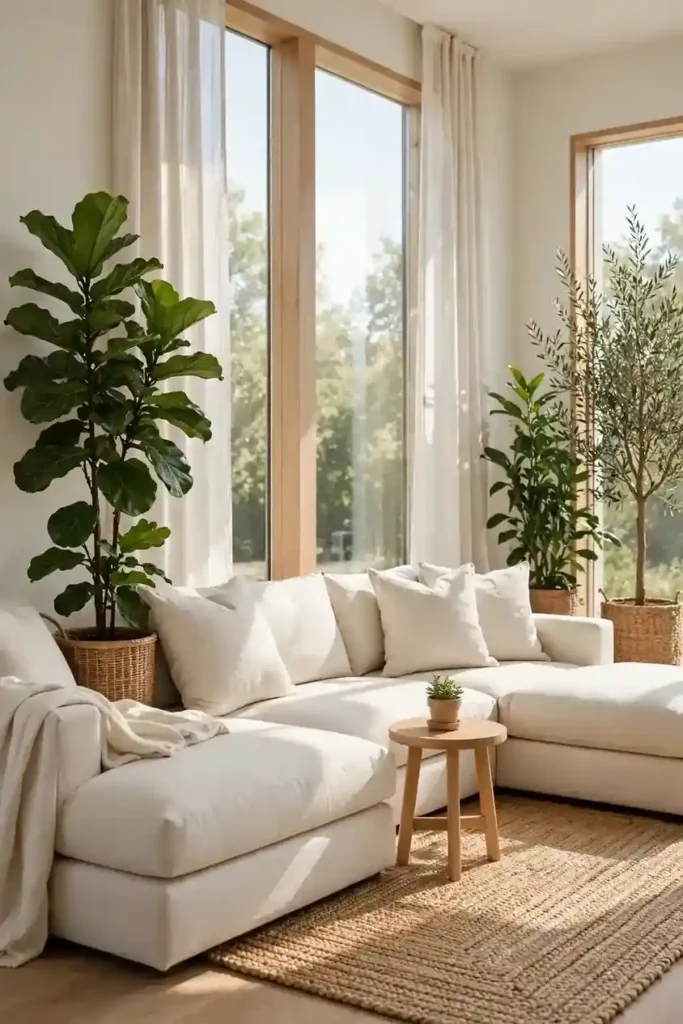
| Tall floor plant | Fills the dead corner where the L meets the wall and adds height. |
| Trailing plant | Softens the hard line of the sofa back when draped from a high shelf. |
| Small table plant | Brings life to side tables without crowding lamps or books. |
| Plant cluster | Groups three pots of varied heights to anchor the chaise end visually. |
Plants are the cheapest way to balance a bulky sectional. One tall green shape beside the sofa arm breaks up all that upholstery and makes the room feel alive. Keep pots in natural materials like terracotta or woven baskets so they blend with a neutral palette. Water them on a schedule you will actually keep, because a thriving plant lifts the whole room while a dying one drags it down.
Open the Walkway
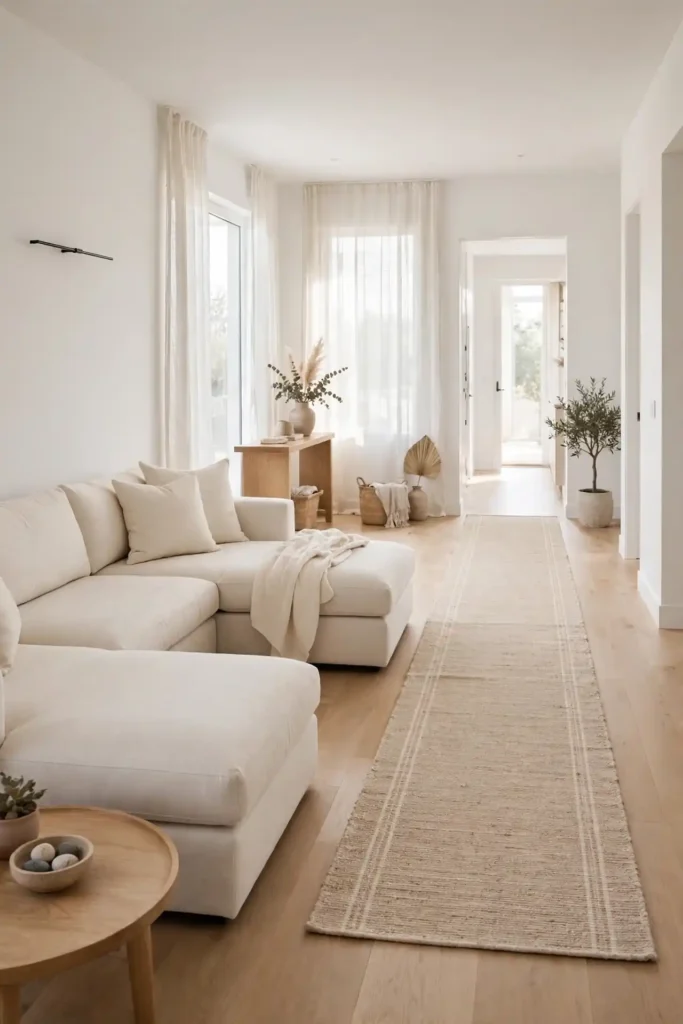
DO: Keep main walkways thirty inches wide so two people pass without turning sideways.
DO: Point the chaise away from the busiest door so loungers never sit in traffic.
DO: Use a runner rug to mark the walking path through open plan spaces.
DON’T: Never let the chaise block the kitchen to hallway route used constantly.
DON’T: Place the coffee table in the walkway gap, which forces everyone to squeeze around it.
DON’T: Mind door swing arcs, since a sofa trapping a door ruins flow.
Walkways decide whether a room feels easy or exhausting. Map daily routes, from door to kitchen to hallway, then place the sectional around those paths. A sofa that respects traffic earns its footprint, while one that blocks movement annoys everyone. Walk the route yourself first.
Frame With Curtains
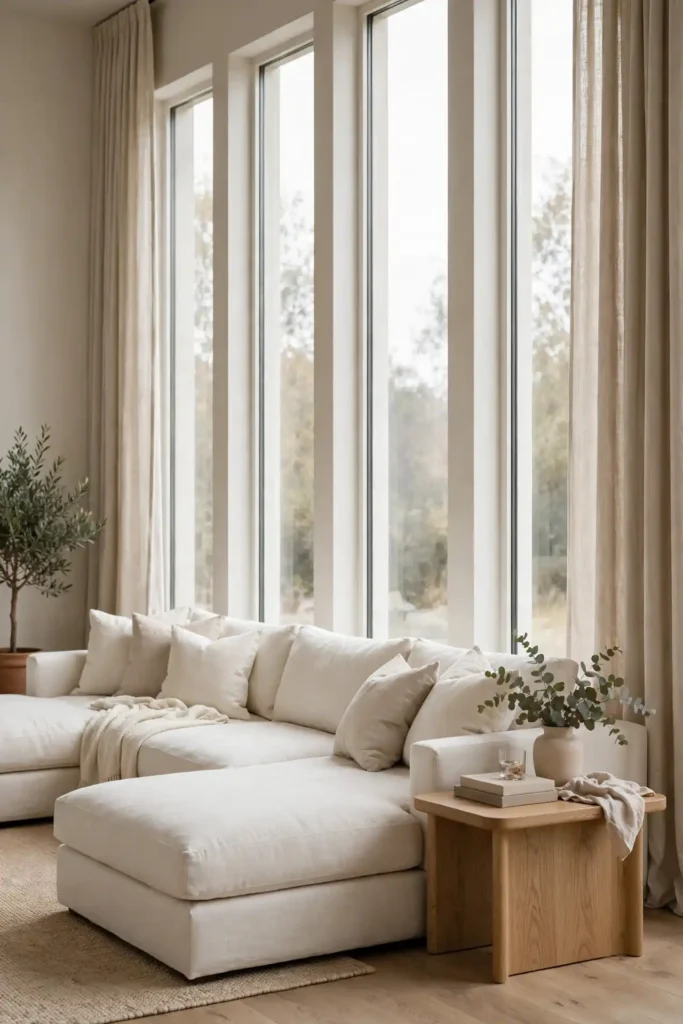
Cost: Low to medium, depending on fabric choice. Time: One afternoon to hang and style. Skill Level: Beginner. Best For: Sectionals placed under windows or on window walls.
Curtains turn the wall behind a sectional into a finished backdrop. Hang the rod high and wide so the fabric frames the window rather than covering it, which makes ceilings feel taller and the sofa look custom placed. Choose linen or cotton in a tone close to the walls for a seamless look. The soft vertical lines balance the wide horizontal mass of the L beautifully, and the room gains a polished layer that bare glass never provides.
Cozy Reading Corner
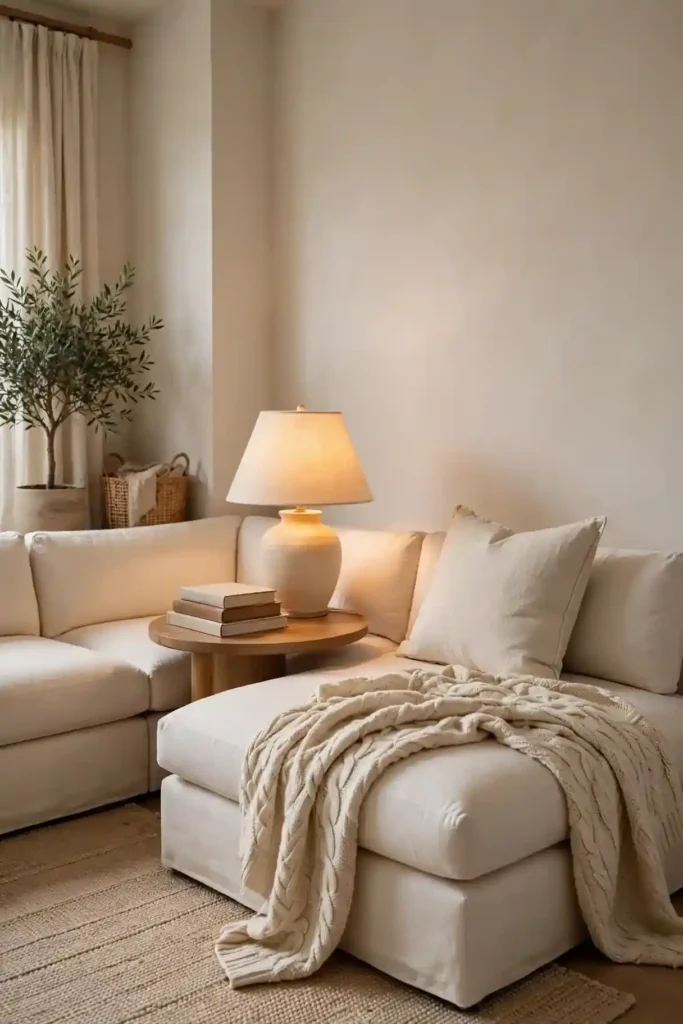
The chaise end of a sectional begs to become a reading spot, yet most people waste it on clutter. Clear one end completely, add a soft throw and a firm lumbar cushion, then park a small side table within arm’s reach. A warm lamp overhead finishes the transformation from spare seat to favorite place.
I gave my own chaise this treatment last winter and my reading hours doubled within a month. Keep a small basket for current books beside the table so the pile never migrates across the sofa. Choose a lamp with warm light that flatters pages without glaring. The payoff is a corner that pulls you in every evening, making the whole sectional feel like it was designed around your habits.
Symmetry With Ottomans
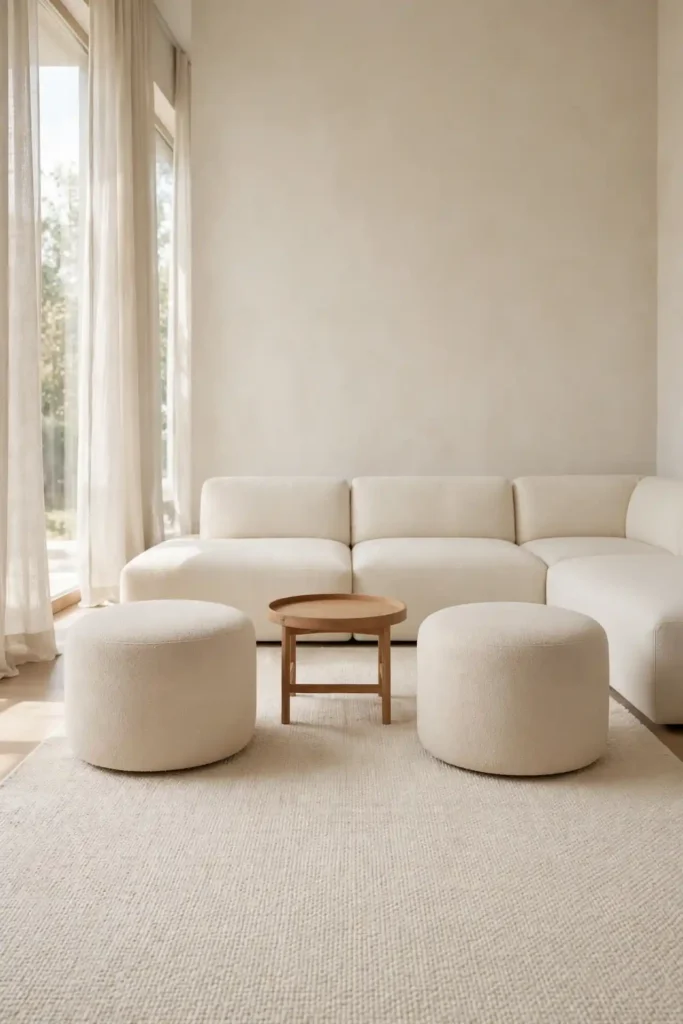
- Place two matching ottomans before the long bench to echo the sofa’s width with soft symmetry.
- Choose ottomans with hidden storage so blankets and remotes disappear fast.
- Top one ottoman with a firm tray for an instant side table that moves anywhere.
- Keep ottoman height just below the seat cushions so feet rest comfortably and sightlines stay open.
- Pick a washable neutral fabric, since ottomans take more daily wear than any other piece.
Ottomans give sectionals a flexible finishing touch that coffee tables cannot match. They slide aside for parties, pull close for footrests, and double as extra seats when the room fills up. Matching pairs look intentional and calm, which suits the clean lines of most L shaped sofas. Sturdy construction matters, because these pieces earn their keep daily.
Diagonal Drama Layout
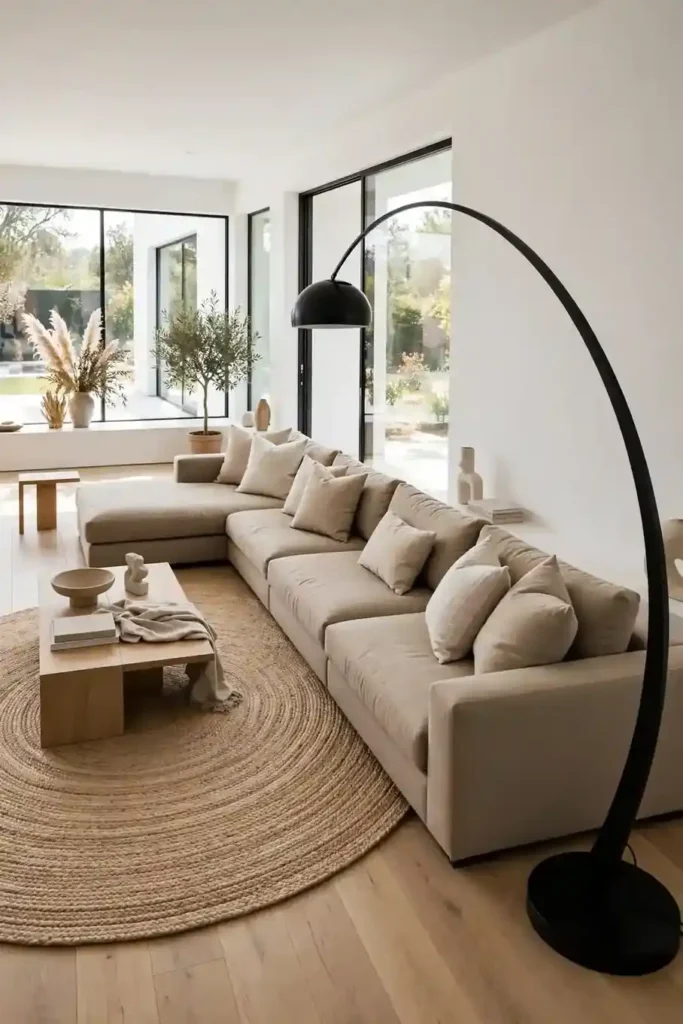
Quick Tip: Anchor a diagonal sofa with a round rug to make the angle look deliberate. A rectangular rug fighting the diagonal creates visual tension, while a round one embraces the curve of the layout. Center the rug on the sofa’s corner seat and let the furniture radiate outward from there.
A full diagonal placement turns a plain sectional into the room’s boldest feature. The angled lines energize square rooms and create generous triangular pockets behind the sofa for plants or a desk. This move suits confident decorators with enough floor space to spare, since diagonals demand room to breathe. Commit fully with lighting and art that follow the angle, and the layout reads as designer level rather than accidental.
Small Space Smart Fit
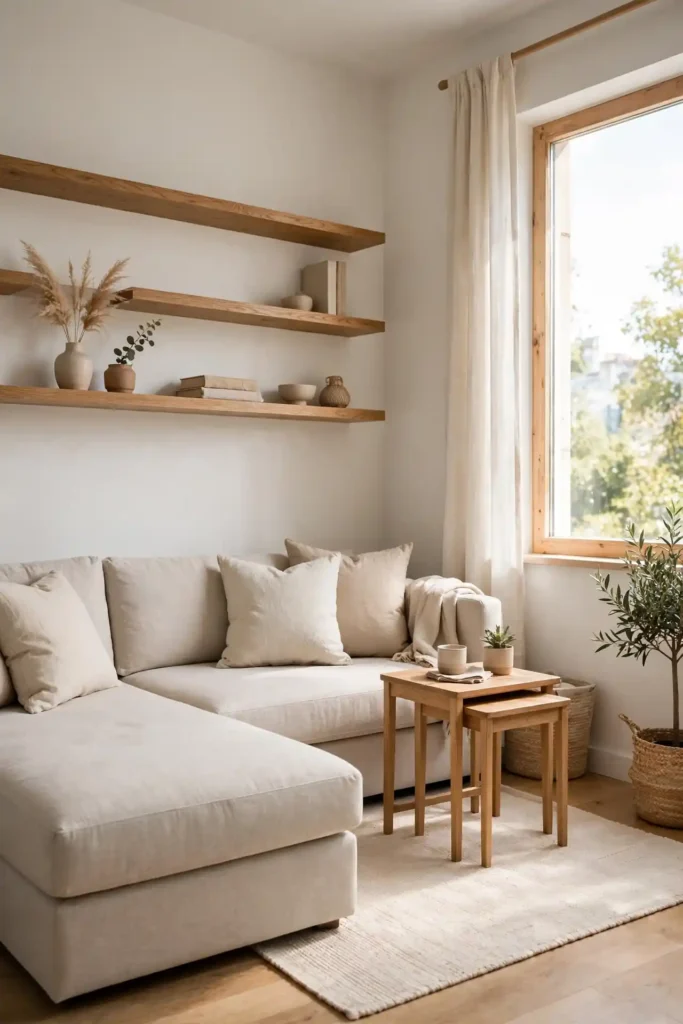
BEFORE: The oversized sectional swallowed the tiny living room, leaving a narrow path to squeeze past. Every other piece got pushed to the walls, and the room felt like storage for one sofa.
AFTER: Swap in an apartment scale L with slim arms and raised legs, then float it to reveal floor beneath. The room gains visible square footage, light reaches the far corners, and the sofa finally fits instead of fighting it.
Small rooms can host a sectional when scale matches the space. Measure first and leave thirty inches of walkway on every working side. Raised legs reveal floor and trick the eye into more space. Wall mounted shelves replace bulky bookcases, and nesting tables tuck away when not needed. Smart scale beats big statements in compact homes.
Conclusion
Your L shaped sofa works hardest when its placement serves the way you actually live. Pick the one arrangement that fixes your biggest frustration, whether that means opening a walkway, framing a view, or finally giving everyone a good seat. Once you understand how to arrange l shaped sofa in living room corners with real intention, small tweaks start to feel easy instead of overwhelming. Move one piece this weekend and live with it for a week. Save the ideas you love on Pinterest, share them with a friend who is rearranging too, and enjoy a living room that finally feels planned around you.